
Stratigraphy - Part 2
70 reports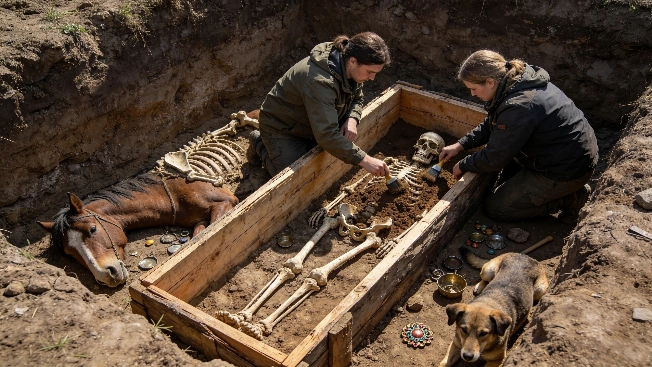
Medieval Chamber Tomb in Russia Reveals Elite Burial with Horse and Dog
Archaeologists excavating at Gnezdilovo near Suzdal have uncovered a rare 10th-century wooden chamber tomb containing the remains of a high-status individual, a horse, and a dog, offering new evidence for early medieval funerary practices in the region.
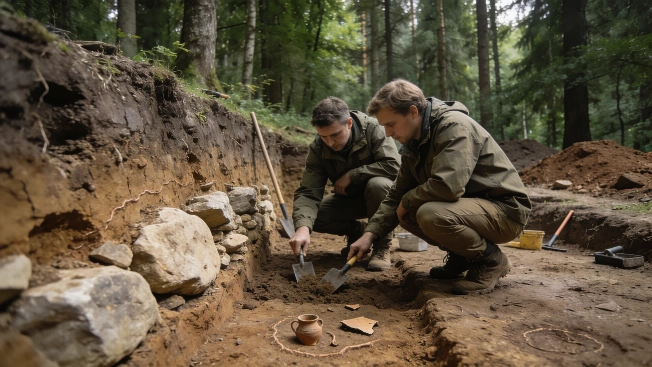
5,500-Year-Old Megalithic Tomb Excavated in Western Poland
Archaeologists have begun targeted excavations of a large earthen mound near Wyrzecz, western Poland, uncovering evidence of a monumental tomb built by early farming communities more than five millennia ago using megalithic construction techniques.
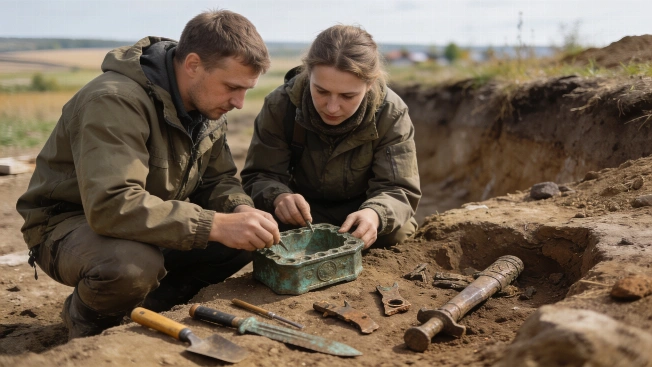
Bronze-Casting Mould and Weapons Found at Pyanobor Settlement in Tatarstan
Excavations at the Kipchak Archaeological Complex in Tatarstan have revealed a bronze-casting mould, weapons, and decorated pottery linked to the Pyanobor culture, offering new evidence for debates about its origins and regional connections.
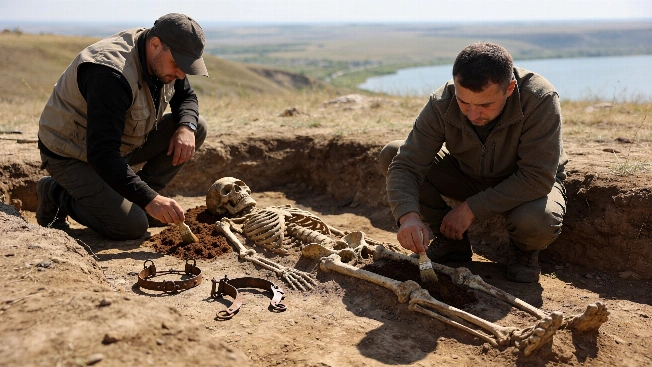
Roman-Era Burials and Iron Age Harness Unearthed in Odesa Region
Excavations at the Kartal hillfort in Ukraine's Odesa Oblast have revealed Roman-period graves and a rare Early Iron Age horse harness, providing new evidence of cultural interaction and repeated occupation in the lower Danube region.
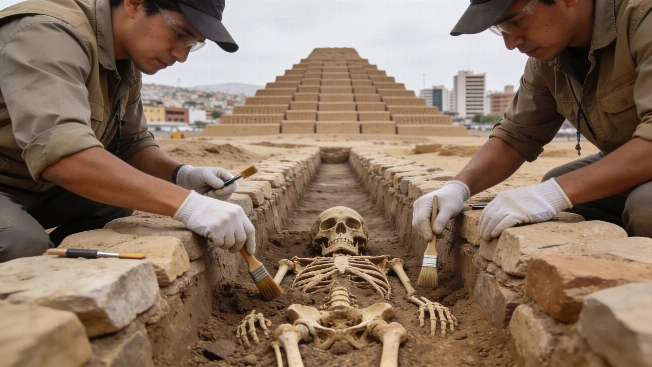
Ritual Burial Uncovered at Huaca Pucllana Sheds Light on Lima Culture
Archaeologists at Huaca Pucllana in Lima have identified a 1,400-year-old human burial, offering new evidence about ceremonial practices and architectural diversity in the pre-Hispanic Lima culture.
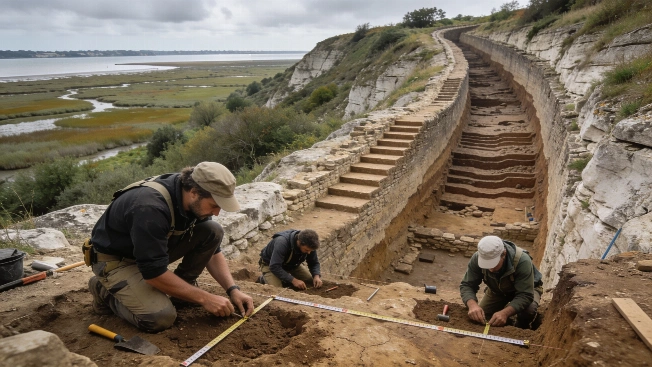
Medieval Stronghold Remains Unearthed Above Gironde Estuary in France
Archaeologists excavating at Saint-Georges-de-Didonne have identified extensive defensive earthworks and settlement traces from a medieval stronghold, offering new evidence of the site's strategic role and long-term occupation in southwestern France.
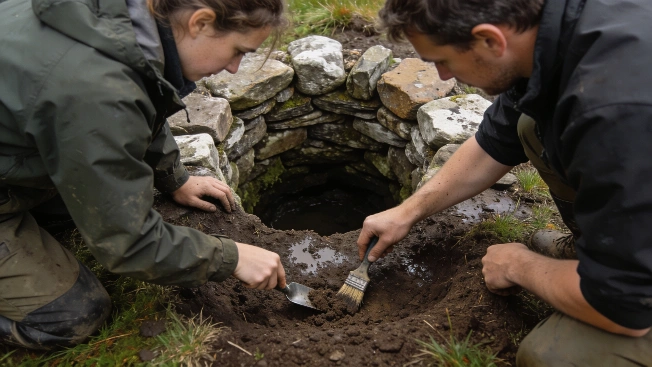
Iron Age Burial Discovered in Stone-Lined Well in Scottish Highlands
Archaeologists have uncovered a rare Iron Age grave at the base of a stone-lined well in northern Scotland, raising questions about ritual closure practices and its relationship to nearby settlements.
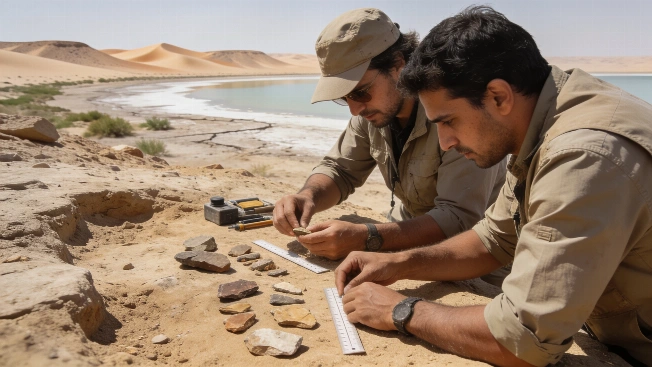
Stone Tools Suggest Neanderthals Reached Deep into Arabian Desert
Archaeologists have identified stone tools from Jebel Katefeh-1 in Saudi Arabia's Nefud Desert that closely match Neanderthal technology, suggesting these hominins may have adapted to arid environments far south of their previously known range.
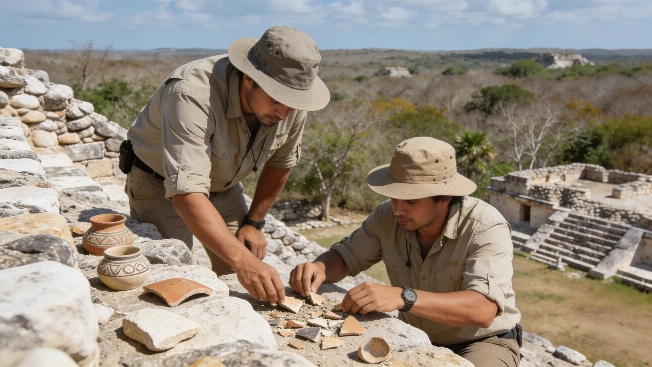
New Excavations at Xcalumkín Reveal Maya Puuc Architecture Origins
Recent archaeological research at Xcalumkín in Campeche, Mexico, has provided new evidence about the development of Puuc architectural traditions and settlement patterns, as well as possible dual governance among the ancient Maya between the 7th and 10th centuries CE.
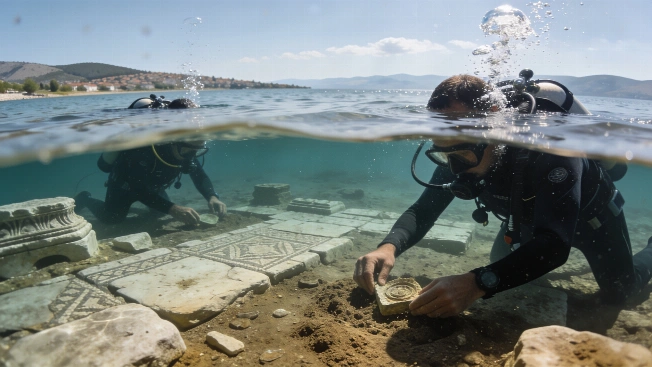
Underwater Church in Turkey Linked to Early Christian Council Debated
Archaeologists excavating beneath Lake İznik in Turkey have uncovered the remains of a small church beneath a later basilica. Some propose it hosted the First Council of Nicaea, but the evidence and dating remain contested.
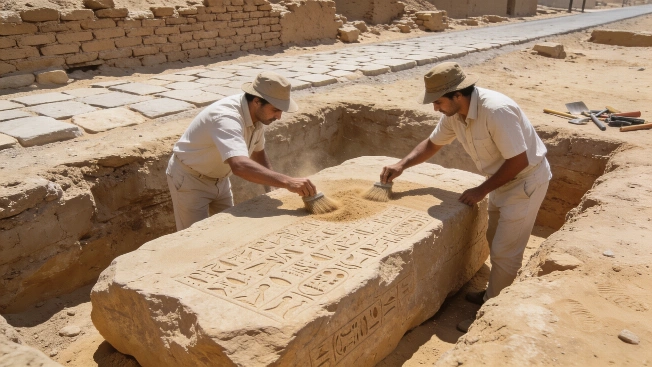
New Finds at Tel Abu Saify Suggest Link to Lost City of Msen
Archaeologists at Tel Abu Saify in Egypt have uncovered evidence in fortifications and roads, alongside inscriptions that may connect the site to the ancient city of Msen, offering new evidence for the route and function of the Horus Military Road.
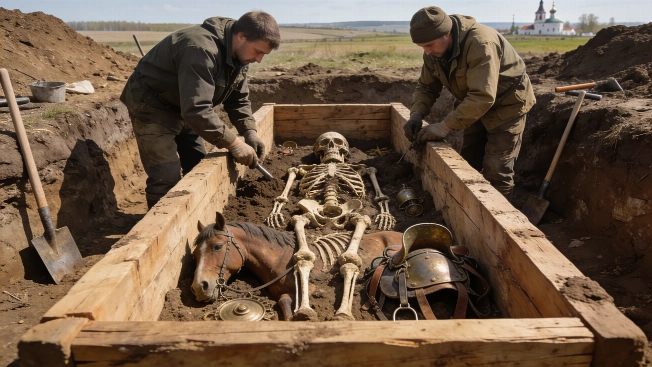
10th-Century Chamber Grave in Suzdal Reveals Early Elite Burial
Archaeologists have uncovered a rare 10th-century chamber grave at Gnezdilovo near Suzdal, containing a man, a horse and a dog, along with weapons and riding gear. The find offers new evidence of an early elite presence in north-eastern Rus'.
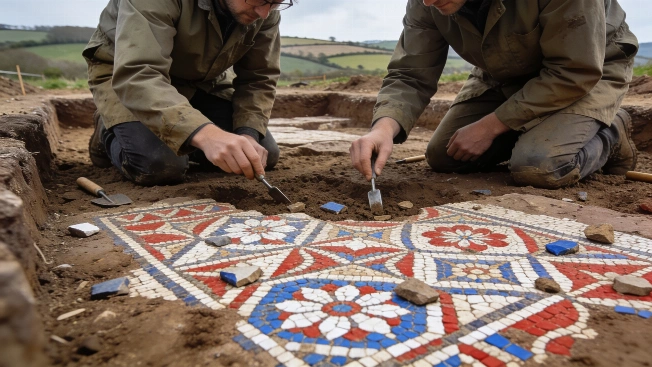
Roman Villa With Mosaic and Bathhouse Unearthed in Devon
Excavations in Devon have revealed a Roman villa complex with a polychrome mosaic and bathhouse, alongside evidence of industrial activity. The finds offer new understanding into rural elite life and architectural change in southwest Britain during the Roman period.
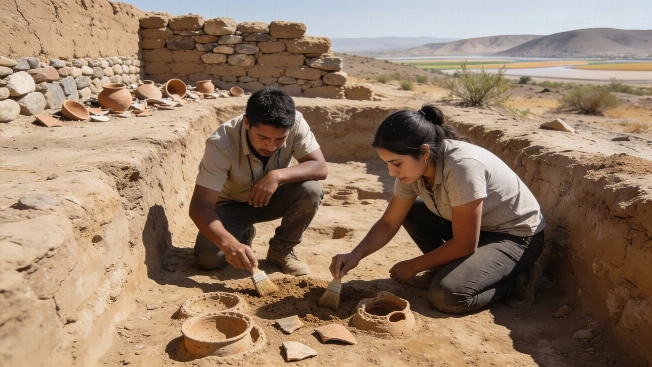
Moche Pottery Workshops Uncovered at Cerro Mayal in Northern Peru
Excavations at Cerro Mayal in Peru's Chicama Valley have revealed extensive evidence of Moche ceramic production, from molds and pottery waste to workshop-house structures, offering new understanding into the organization of ancient craft specialists.
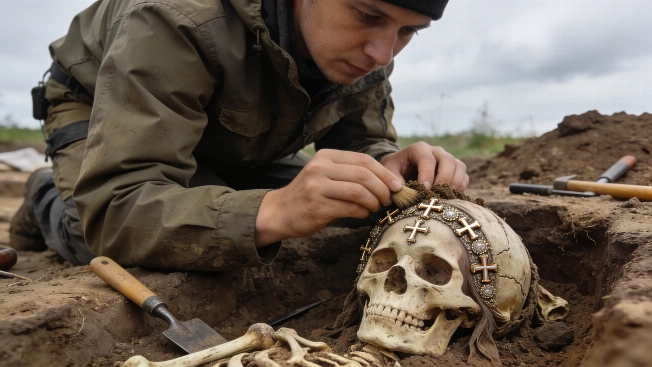
Early Murom Burials and Ceremonial Headdress Found at Zvyaginsky II
Excavations at the Zvyaginsky II cemetery in Russia's Nizhny Novgorod Region have revealed some of the earliest Murom burials, including a rare high-status female grave with a ceremonial headdress, offering new understanding into early medieval populations.
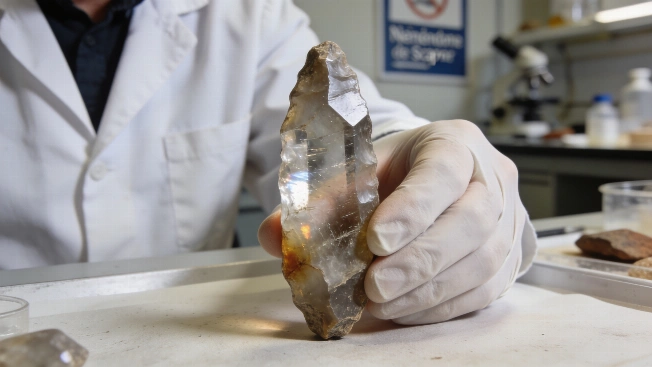
Neanderthal Rock Crystal Tool Sheds Light on Ancient Craftsmanship
Archaeologists have reexamined a rare rock crystal scraper from Abri des Merveilles, France, revealing how Neanderthals selected unusual materials and challenging outdated views of their cognitive abilities.
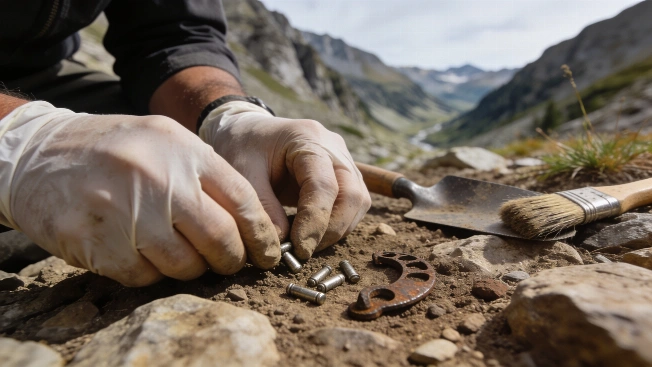
Roman Sling Bullets Pinpoint 39 BCE Ambush Site in the Pyrenees
Archaeologists have identified a Roman military camp in the eastern Pyrenees using lead sling bullets and other artifacts, revealing evidence of a violent local uprising against Roman forces in 39 BCE in what is now Catalonia, Spain.
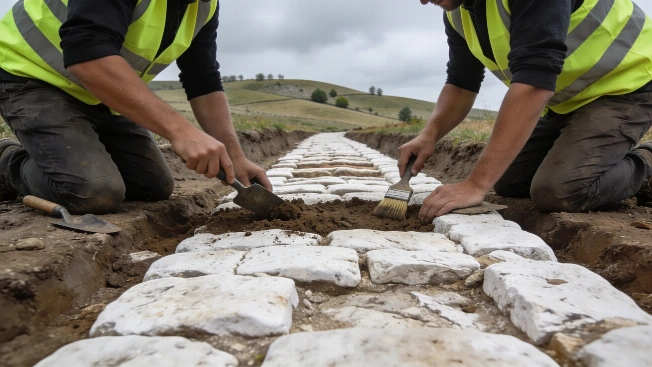
Roman Road Segment Uncovered on Swabian Alb Plateau
Archaeologists have exposed a 90-meter stretch of the Alblimes Road, a Roman route dating to the 1st century CE, during excavations ahead of motorway construction on the Swabian Alb, revealing new evidence for ancient frontier infrastructure
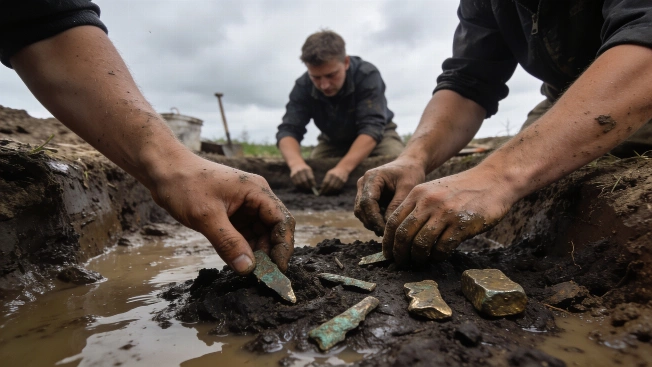
Bronze Age Hoard in Czech Wetland May Reflect Ritual Deposition
Archaeologists have uncovered a Bronze Age hoard of bronze tools and fragments near Kojetín, Czech Republic, during railway modernization works. Analysis suggests the objects were deliberately deposited in a wetland over 3,000 years ago, possibly as a ritual act.
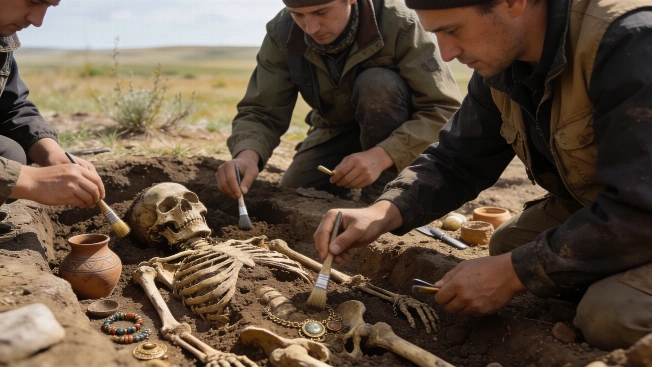
Kazakhstan Burials and Artifacts Reveal Ancient Steppe Trade Links
Recent excavations in Kazakhstan have uncovered Bronze Age and medieval burials, alongside artifacts and evidence of long-distance trade. The finds offer new understanding into the region's prehistoric communities and their connections across Eurasia
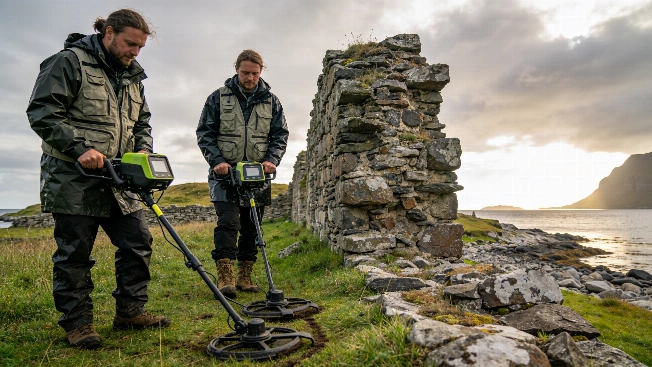
Medieval Stone Structure Discovered Outside Selja Monastery in Norway
Archaeologists using ground-penetrating radar have identified a large medieval stone wall outside the Selja monastery in western Norway, raising new questions about the scale and complexity of this early Christian site.
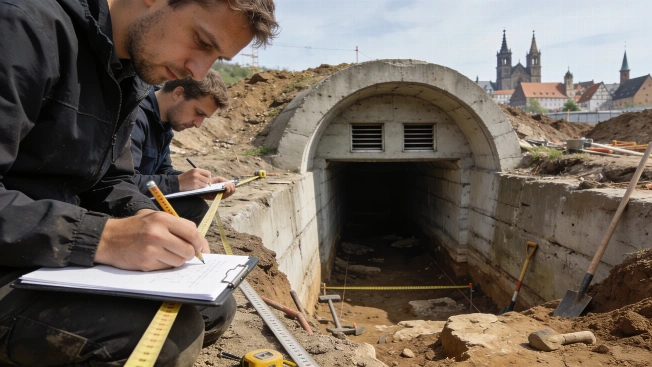
World War II Air Raid Shelter Trench Uncovered in Quedlinburg
Archaeologists in Quedlinburg, Germany, have documented a rare World War II-era air raid shelter trench exposed during construction work. The structure offers new evidence of civilian defensive measures in the final years of the conflict.
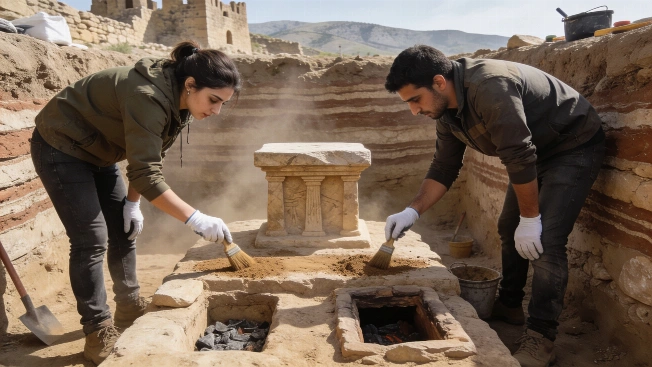
Early Bronze Age Temple Complex Uncovered at Tadım Castle Site
Archaeologists have identified a 5,000-year-old temple complex with ritual altars and hearths at Tadım Castle in eastern Türkiye, providing new evidence for religious practices and long-term occupation during the Early Bronze Age.
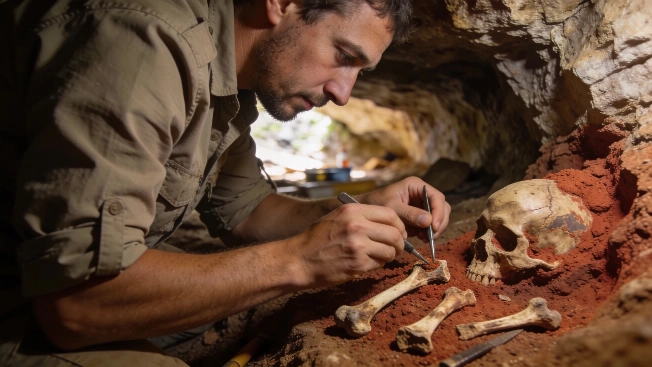
Cut Marks on Homo antecessor Bones Reveal Early Cannibalism in Spain
Archaeologists have identified new evidence of cannibalism among Homo antecessor at Gran Dolina cave in Spain, with cut marks on adult and juvenile bones dating to around 850,000 years ago, expanding our understanding of early human behavior
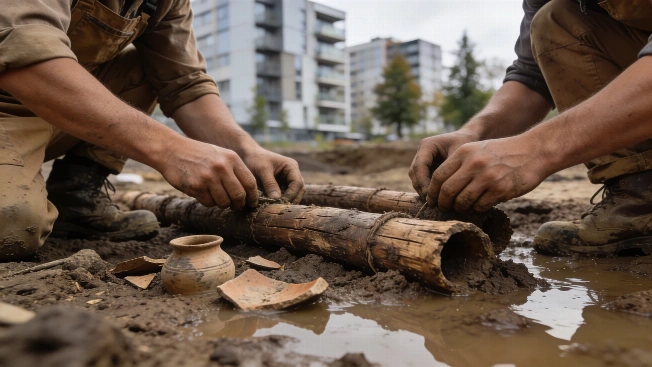
Excavation in Kaliningrad Reveals Four Centuries of Königsberg Life
Archaeologists in Kaliningrad's Far Forstadt district have uncovered well-preserved artifacts and infrastructure spanning the 16th to 20th centuries, shedding light on daily life and craft production amid urban change in historic Königsberg.
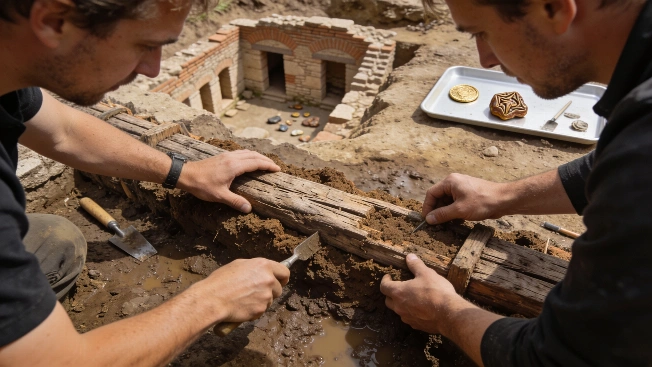
Early Roman Defenses and Rare Finds Unearthed at Vindonissa Camp
Archaeologists at Vindonissa, Switzerland's basic Roman legionary camp, have uncovered the first confirmed section of its original defensive wall and a legionary barracks, along with a rare gold coin. The finds offer new evidence of the site's earliest military occupation.
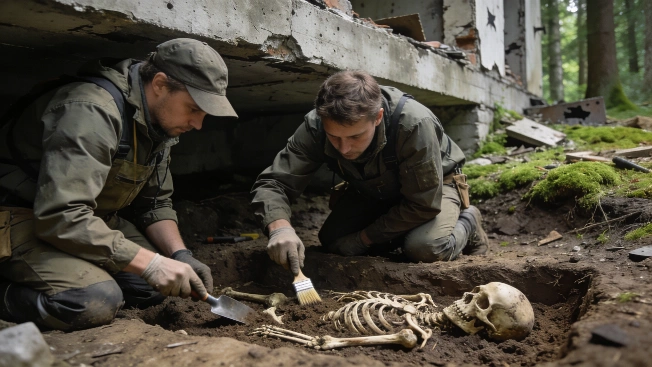
Excavation Reveals Göring's Wolf's Lair Residence Built Over Cemetery
Archaeologists investigating human remains beneath Hermann Göring's former house at the Wolf's Lair have determined that the Nazi-era structure was built atop a pre-existing cemetery. Stratigraphic and osteological analysis helped clarify the context of the remains.
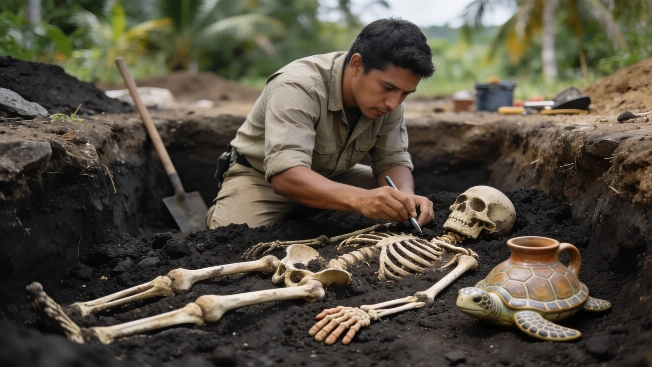
2,800-Year-Old Prone Burial With Sea Turtle Vessel Found in El Salvador
Archaeologists excavating in Antiguo Cuscatlán, El Salvador, have uncovered a 2,800-year-old burial featuring a face-down skeleton and a ceramic vessel shaped like a sea turtle, offering new evidence about mortuary practices in pre-Maya Mesoamerica.
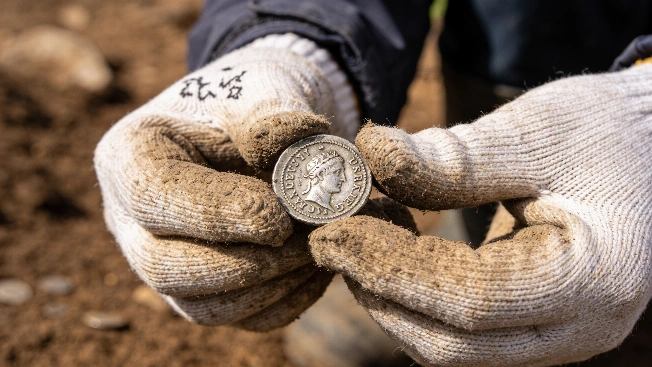
Roman Republican Silver Coins Reveal Early Cross-Border Exchange
A newly documented hoard of Roman Republican silver denarii found near Halle, Saxony-Anhalt, offers rare evidence of early contact and exchange between the Roman Republic and communities beyond its northern frontier.
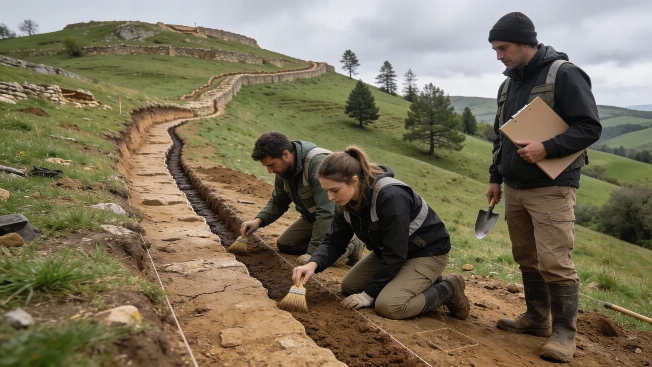
Roman Siege Network at La Loma Larger Than Previously Known
Archaeologists have identified a seventh Roman military camp near the Iron Age hill fort of La Loma in northern Spain, revealing a more extensive siege network during the Cantabrian Wars than earlier evidence suggested
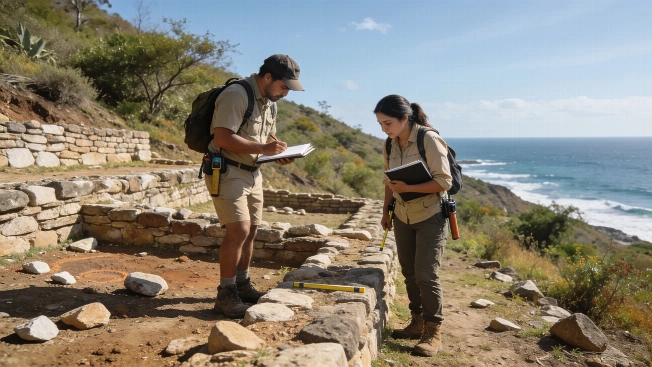
Indigenous Settlements in Guerrero Survived Spanish Conquest
Archaeologists in Mexico have identified two Indigenous settlements in Guerrero that remained occupied after the Spanish conquest. Ground surveys and drone mapping documented evidence of their survival into the late 16th century.
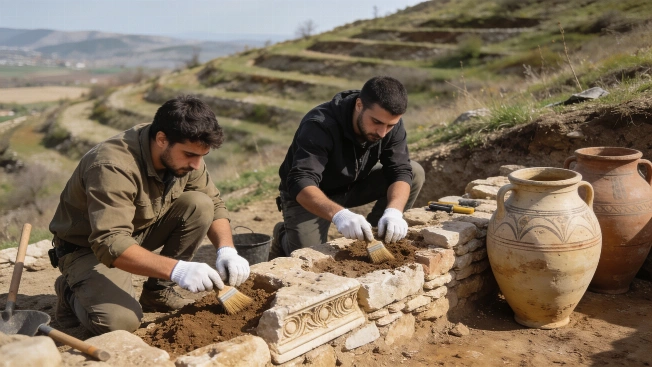
Hellenistic Ritual Dining Complex Uncovered at Gradište in North Macedonia
Archaeologists have identified a rare Hellenistic ritual dining complex at Gradište, North Macedonia, offering evidence of elite religious practices and extensive trade, including imported ceramics, during the fourth and third centuries BCE
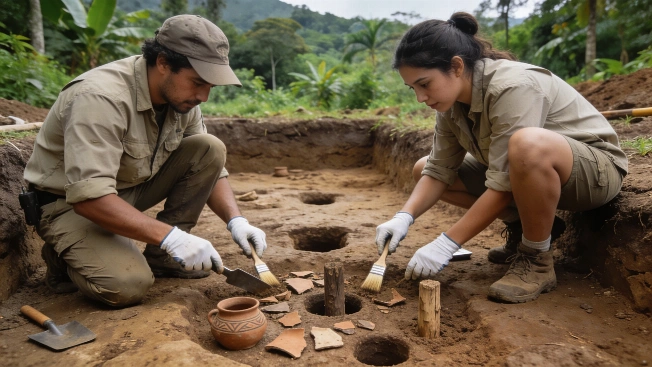
Excavation at Costa Rica Airport Site Reveals Pre-Columbian Settlements
Archaeologists have completed a rescue excavation in the Diquís Delta, documenting residential areas and daily life from AD 800-1500, while confirming that Costa Rica's new airport will not disturb the region's monumental stone sphere sites
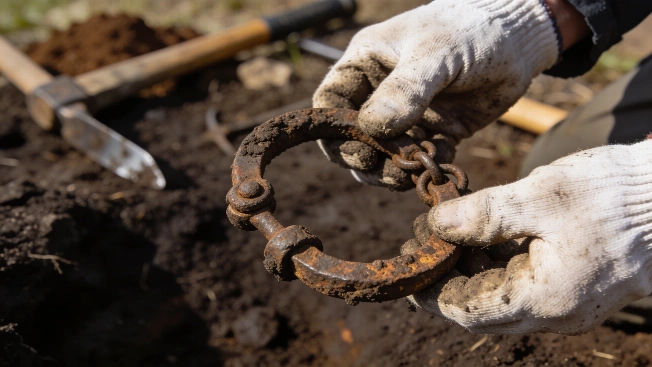
Iron Shackles at Allonnes Reveal Evidence of Celtic Slavery
Archaeologists have identified five pairs of iron restraints at a third-century BCE settlement in France's Loire Valley, providing rare direct evidence for the use of shackles and the possible presence of enslaved people in pre-Roman Gaul
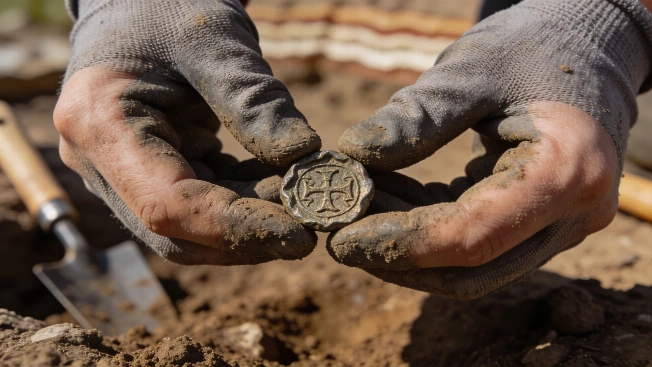
Medieval Lead Seals in Vladimir Linked to Princess Maria Vsevolzha
Archaeologists in Vladimir have uncovered rare lead seals from a medieval neighborhood, offering new evidence of Princess Maria Vsevolzha’s administrative role in pre-Mongol Rus'. The finds shed light on elite women’s authority in the 12th and 13th centuries.
Part 2 of 2