
Bioarchaeology
51 reportsCoverage distinguishes how calibration or reference data, spatial or chronological resolution, and validation with excavation evidence shape the interpretation of Bioarchaeology. For questions involving spatial or chronological resolution, the account uses integration with excavation records as the measured record and calibration standards to expose uncertainty; the main constraint is that disturbance, contamination, and incomplete context can narrow what the method establishes.
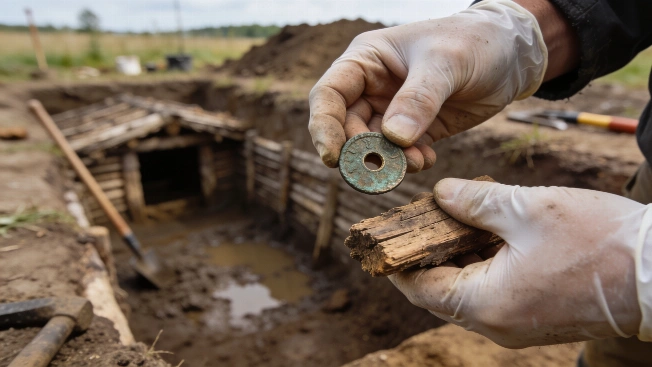
Galgenbichl Settlement Reveals Iron Age Life in South Tyrol
Excavations at Galgenbichl in South Tyrol have revealed more than 30 houses dating from approximately 800 to 500 BCE, together with craft evidence, animal remains and infant burials that differ from the cremation practices documented at nearby Windschnur.
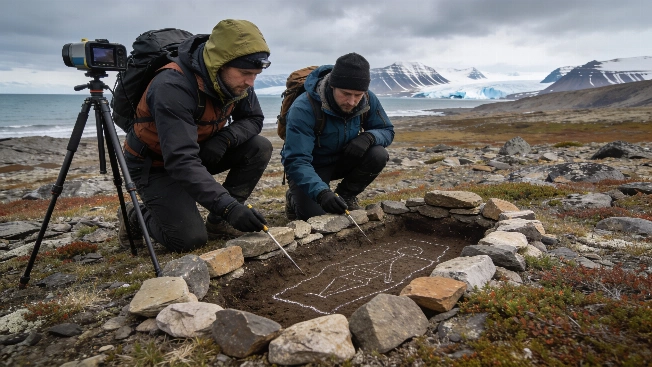
Stone-Lined Graves and Ship Timbers Documented in Arctic Svalbard Survey
Archaeologists have identified 45 stone-lined graves and ship timber fragments on Svalbard using non-invasive survey methods, raising new questions about burial traditions and the preservation of Arctic heritage under threat from erosion
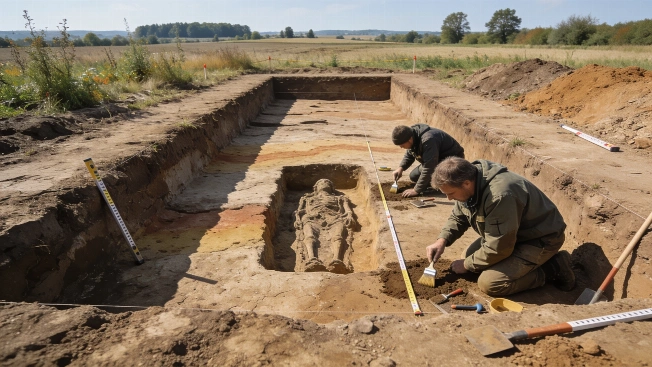
Trapezoidal Neolithic Burial Monument Uncovered Near Leipzig
Archaeologists in Saxony have excavated a 5,500-year-old trapezoidal enclosure containing a single human burial, offering new evidence for selective mortuary architecture and social differentiation among Neolithic Baalberge communities in Central Germany
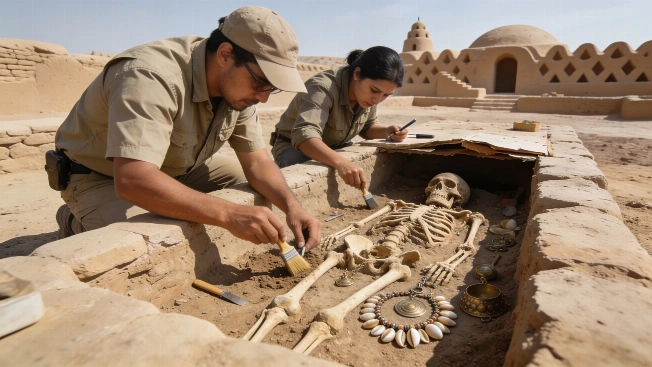
Elite Chimú Burials Uncovered in Intact Chan Chan Funerary Platform
Archaeologists have excavated a remarkably preserved funerary platform at Chan Chan, Peru, containing 38 individuals and elaborate grave goods. The find offers new evidence for Chimú elite burial customs and raises questions about ritual and status
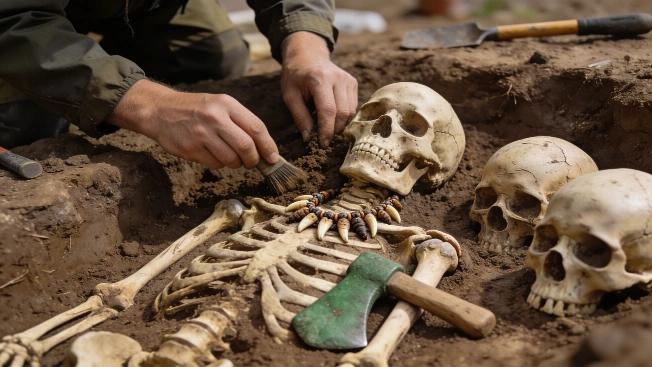
Stone Age Burial in Poland Reveals Necklace of Animal Teeth and Human Skulls
Archaeologists in southwest Poland have uncovered a Neolithic grave containing an adult skeleton, two additional human skulls, a necklace of 42 drilled animal teeth, and a serpentinite battle ax, raising new questions about burial practices and social identity around 2900 BCE
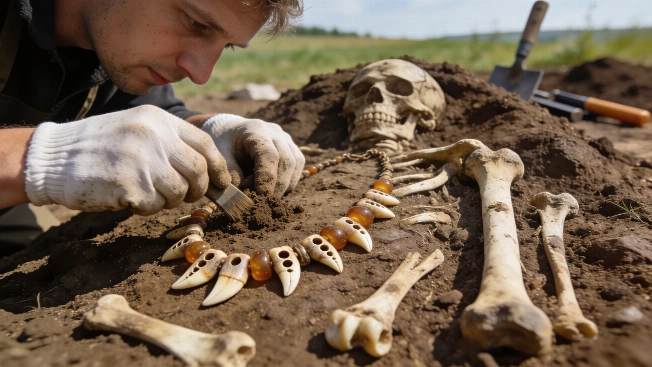
5,000-Year-Old Tooth Necklace Burial Sheds Light on Corded Ware Poland
Archaeologists near Wrocław have uncovered a 5,000-year-old burial containing a necklace made from 42 animal teeth, stone weapons, and human skulls, offering new evidence for Corded Ware culture and prehistoric mortuary practices in southwestern Poland
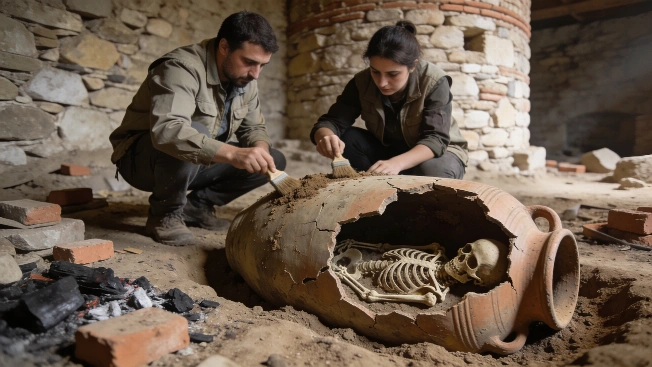
Roman-Era Skeleton Found Sheltering in Giant Jar at Deultum Fortress
Archaeologists excavating the Late Roman fortress of Deultum in Bulgaria have uncovered a human skeleton inside a massive storage jar, offering rare evidence of a fatal episode during a violent attack over 1,600 years ago
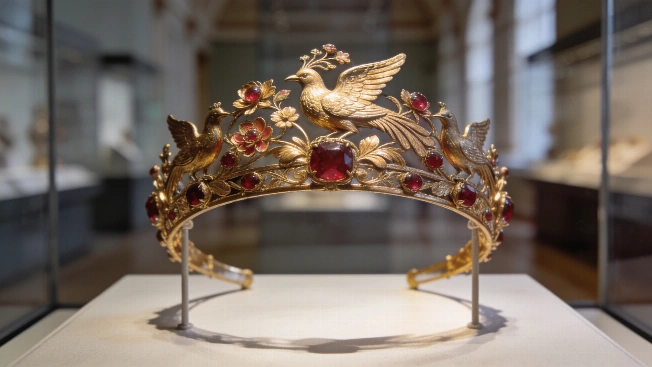
Gold Diadem from Crimea Sheds Light on Hun Elite Burial Practices
Archaeologists have examined a gold and garnet diadem from a fifth-century burial in Crimea, revealing details about Hun material culture, mortuary customs, and the artifact's symbolic motifs
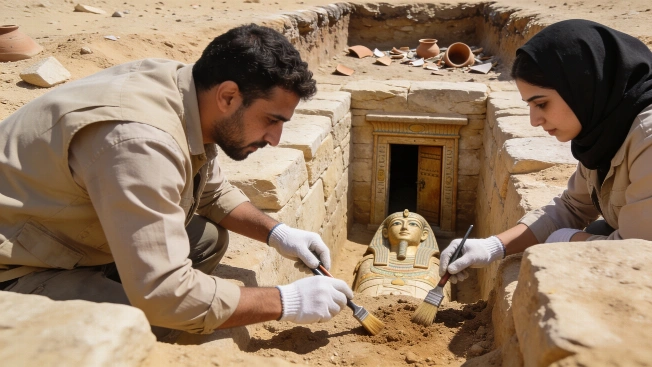
Old Kingdom Tomb and Burial Shafts Uncovered at Saqqara
Archaeologists excavating the Bubasteion necropolis at Saqqara have identified the tomb of Sakhnetio-Btah, a high-ranking Old Kingdom official, alongside a network of burial shafts containing human remains and funerary objects from multiple periods
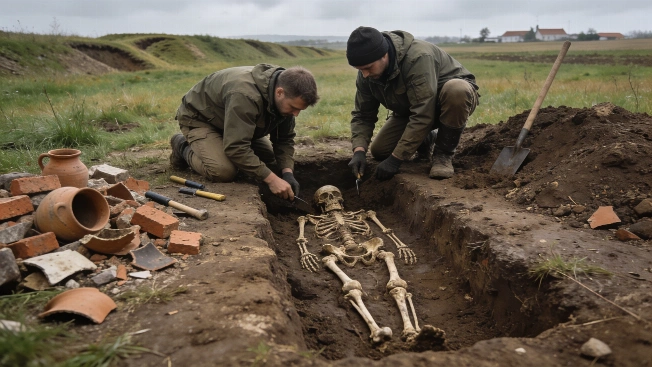
Medieval Graves Reveal Location of Lost Nyénye Settlement in Hungary
Archaeologists have identified the site of the lost medieval settlement of Nyénye near Szolnok, Hungary, by excavating graves, pottery, and building debris. The findings clarify the village's location and burial practices, but key uncertainties remain
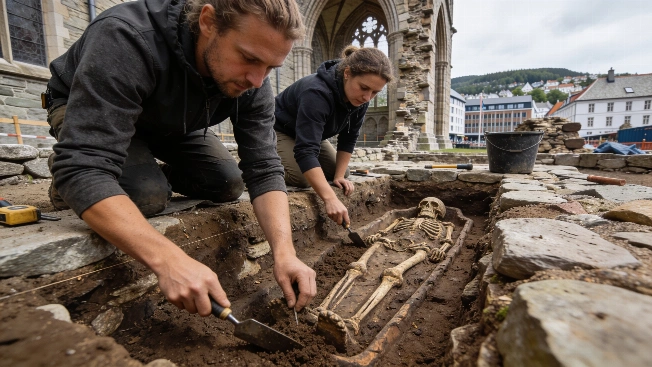
Excavation of Nonneseter Monastery Reveals Medieval Burials in Bergen
Archaeologists are excavating the choir of Nonneseter Monastery in Bergen, Norway, aiming to uncover medieval graves and artifacts that could shed light on the lives of the Benedictine community nearly 900 years ago
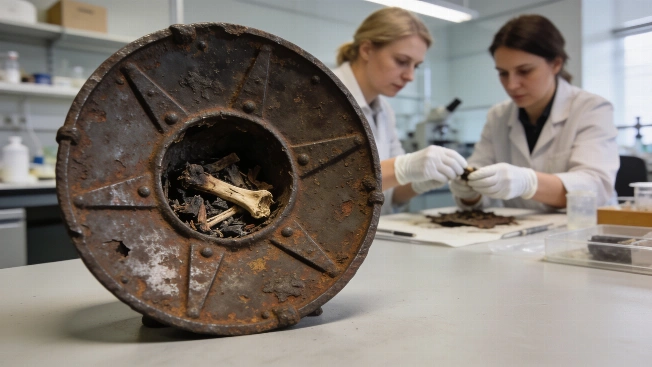
Iron Shield Boss With Cremated Remains Found in Polish Scrap Yard
A corroded iron shield boss containing cremated human bone was recovered from a scrap yard in eastern Poland, offering rare evidence of a disturbed 2nd-century CE Przeworsk culture burial and highlighting the challenges of reconstructing lost archaeological contexts
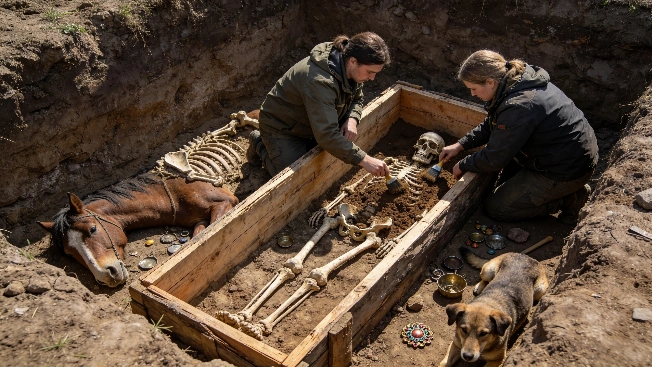
Medieval Chamber Tomb in Russia Reveals Elite Burial with Horse and Dog
Archaeologists excavating at Gnezdilovo near Suzdal have uncovered a rare 10th-century wooden chamber tomb containing the remains of a high-status individual, a horse, and a dog, offering new evidence for early medieval funerary practices in the region
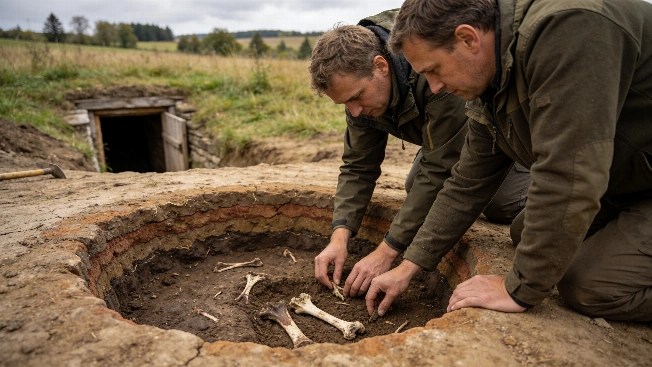
6,500-Year-Old Chleby Enclosure May Have Tracked Sun and Moon
Archaeologists have analyzed a vast Neolithic enclosure near Chleby, Czech Republic, revealing evidence that its entrances and features may have been aligned to solar and lunar cycles over 1,000 years before Stonehenge
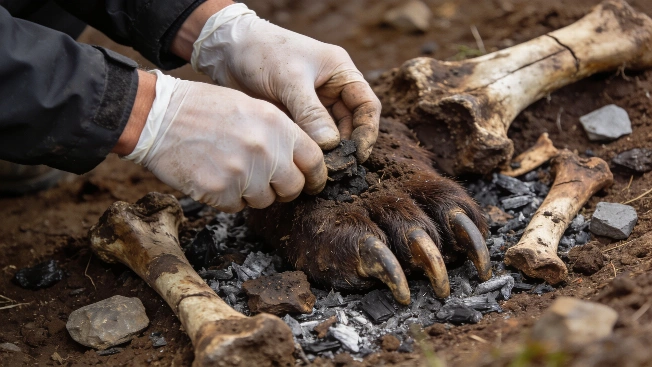
Bear Claws in Early Medieval Burials Reveal Social Hierarchy in Baltic
Archaeologists have identified brown bear claws in cremation burials from the sixth and seventh centuries CE on the Kaliningrad Peninsula, offering new evidence for social status and ritual practices among the Aestii population
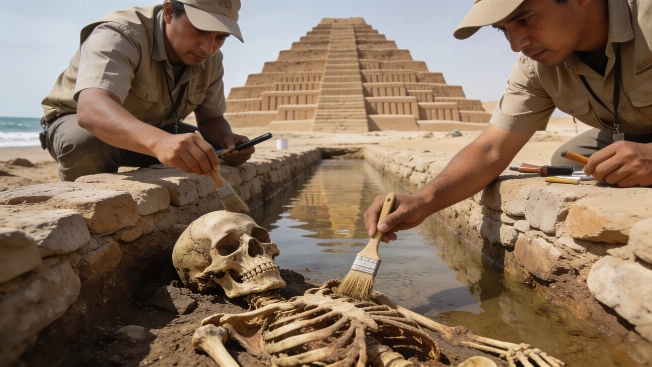
1,400-Year-Old Skeleton in Lima Water Channel May Indicate Ritual Burial
Archaeologists have uncovered a human skeleton in an underground water channel at Huaca Pucllana, Lima, Peru, dating to around 650 CE. The find may shed light on pre-Inca ritual practices and the use of water features in ceremonial contexts.
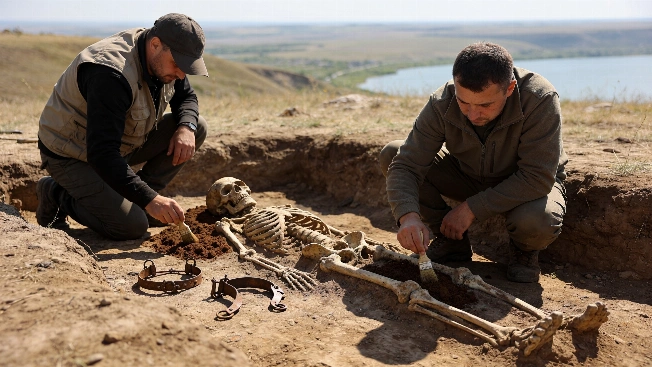
Roman-Era Burials and Iron Age Harness Unearthed in Odesa Region
Excavations at the Kartal hillfort in Ukraine's Odesa Oblast have revealed Roman-period graves and a rare Early Iron Age horse harness, providing new evidence for cultural interaction and repeated occupation in the lower Danube region
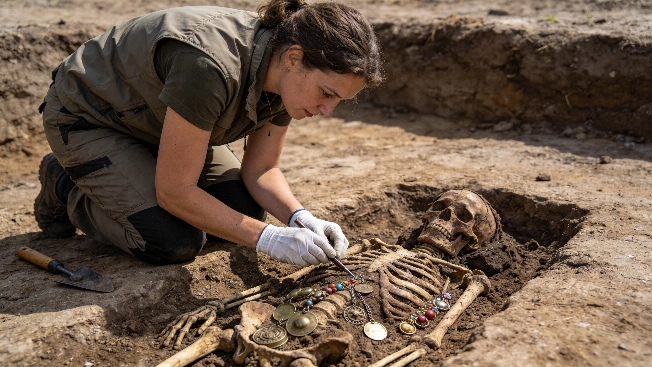
Ancient DNA Reveals Women Held Power in Prehistoric Europe
Recent genetic studies of prehistoric burials across Europe are challenging long-held assumptions about gender roles, showing that women sometimes held high status and power. Archaeologists are re-examining evidence from sites like Çatalhöyük and Iron Age Britain
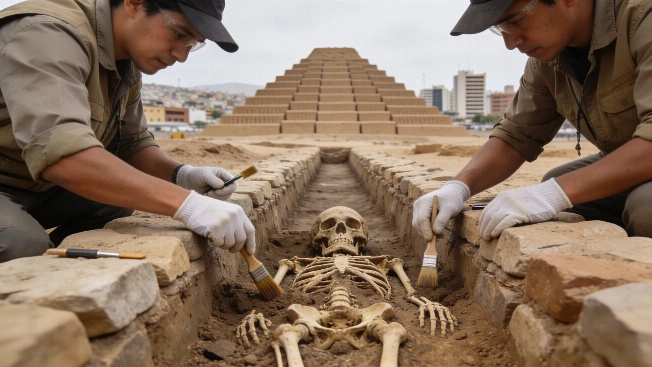
Ritual Burial Uncovered at Huaca Pucllana Sheds Light on Lima Culture
Archaeologists working at Huaca Pucllana in Lima have identified a 1,400-year-old human burial, offering new evidence for ceremonial practices and architectural diversity in the pre-Hispanic Lima culture
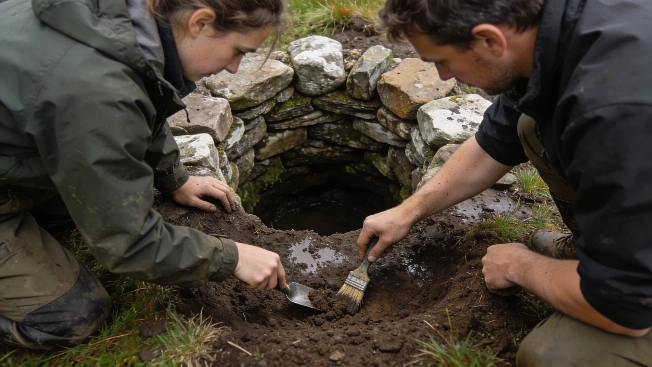
Iron Age Burial Discovered in Stone-Lined Well in Scottish Highlands
Archaeologists have uncovered a rare Iron Age grave at the base of a stone-lined well in northern Scotland, raising questions about ritual closure practices and the relationship to nearby settlements
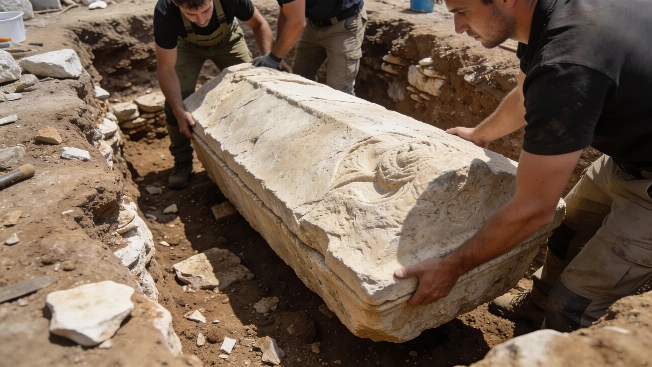
Sealed Roman-Era Sarcophagus Excavated Intact in Cavtat, Croatia
Archaeologists have excavated a massive limestone sarcophagus in Cavtat, Croatia, that remained sealed for over 1,500 years, providing rare insight into Late Antique burial practices and preservation in the eastern Adriatic
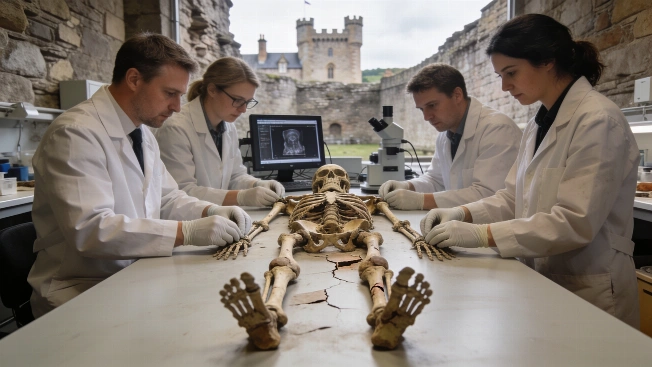
Medieval Skeleton at Stirling Castle Shows Unusual Siege Trauma
Bioarchaeologists have re-examined a 14th-century skeleton from Stirling Castle, Scotland, identifying over 160 perimortem fractures. New analysis suggests the individual may have died from a high-velocity impact during the Wars of Scottish Independence
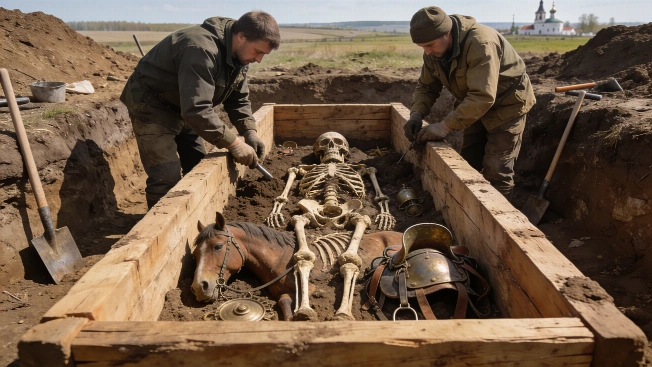
10th-Century Chamber Grave in Suzdal Reveals Early Elite Burial
Archaeologists have uncovered a rare 10th-century chamber grave at Gnezdilovo near Suzdal, containing a man, horse, and dog, with weapons and riding gear, offering new evidence for early elite presence in north-eastern Rus'
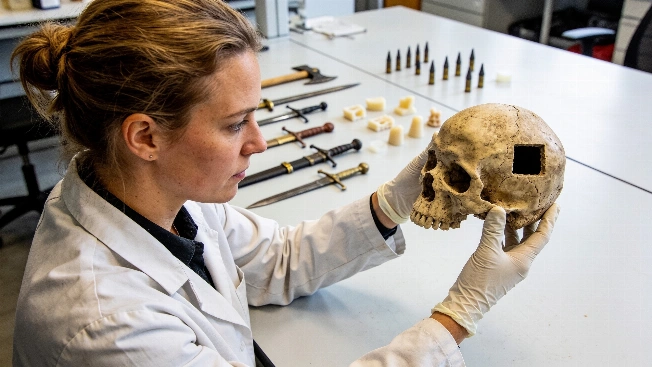
Medieval Skull Injuries at Visby Linked to Spiked Club Weapons
A new forensic analysis of 14th-century skeletons from the Battle of Visby in Sweden has identified spiked clubs as the likely cause of distinctive square cranial injuries, challenging assumptions about medieval militia training and combat methods
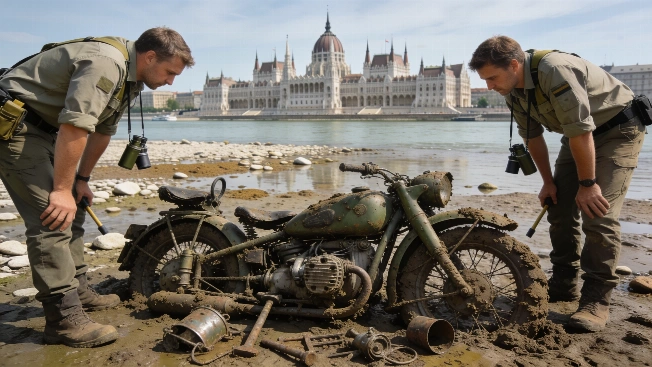
Low Danube Reveals WWII German Soldiers and Motorcycle in Budapest
Exceptionally low water levels in the Danube have exposed the remains of two German soldiers, their identification tags, a military motorcycle, and anti-tank mines in Budapest, offering new evidence of the conflict's final months and the challenges of identification decades later
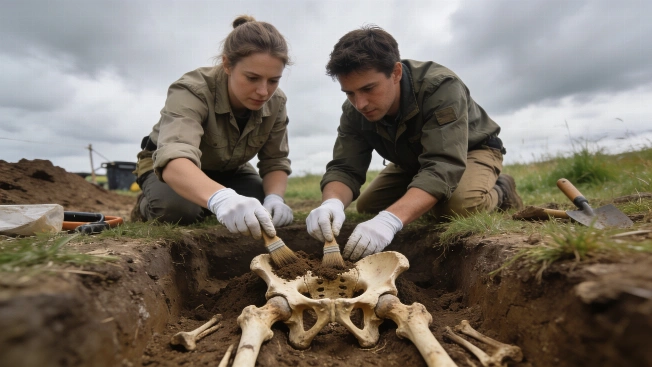
Roman-Era Mass Grave Near Vienna Reveals Unusual Groin Injuries
Bioarchaeologists have analyzed over 120 skeletons from a Roman-period mass grave in Vienna, uncovering a high frequency of perimortem trauma-especially to the pelvis-raising new questions about conflict and identity in the region
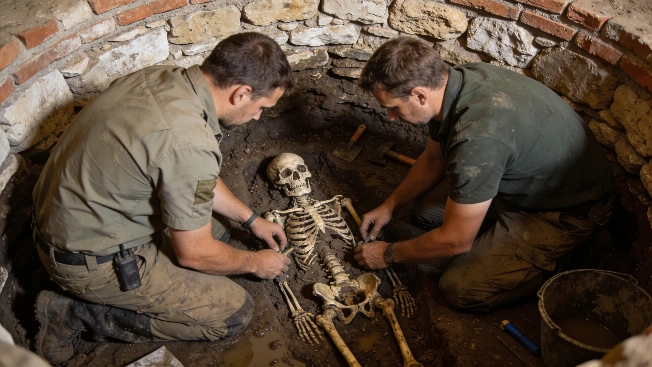
Roman-Era Well in Croatia Yields 43 Skeletons Linked to Ancient Plague
Archaeologists have examined 43 skeletons from a Roman-period well in Osijek, Croatia. The absence of trauma suggests these individuals may have died during a third-century epidemic, offering new insight into ancient disease and burial practices.
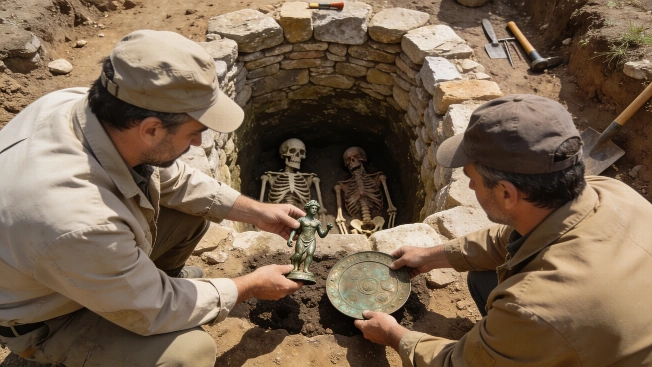
Etruscan Ritual Well With Bronze Offerings and Skeletons Uncovered
Archaeologists at Kainua, near Marzabotto in northern Italy, have excavated a remarkably preserved Etruscan ritual well containing bronze figurines, a bronze plate, and two adult skeletons, offering new evidence for religious practices and urban foundation ceremonies
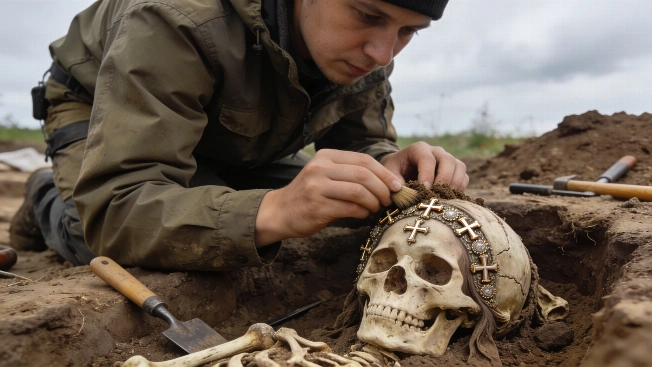
Early Murom Burials and Ceremonial Headdress Found at Zvyaginsky II
Excavations at the Zvyaginsky II cemetery in Russia's Nizhny Novgorod Region have revealed some of the earliest Murom burials, including a rare high-status female grave with a ceremonial headdress, offering new insight into early medieval populations
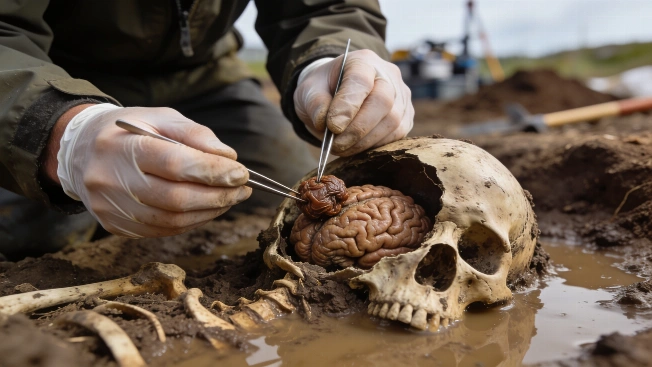
Ancient Human Brains Preserved by Unusual Chemical Pathway
Researchers have identified a chemical process that explains why brain tissue sometimes survives for millennia in archaeological contexts, challenging assumptions about soft tissue decay and offering new insight into ancient preservation
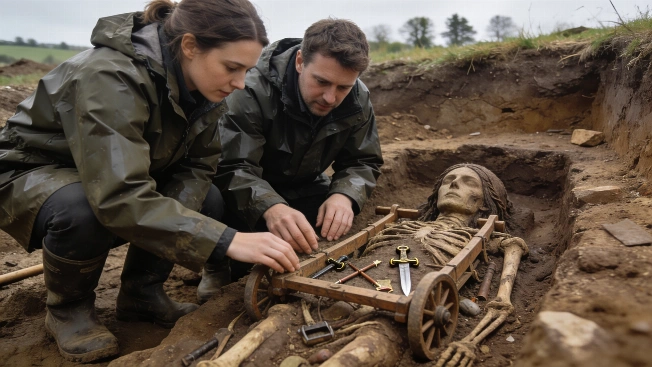
Did Women Fight in Ancient Celtic Battles Archaeology Reveals
Archaeologists have uncovered weapons in some female burials across Iron Age Europe, raising questions about the roles of women in Celtic warfare. Recent genetic and osteological studies provide new insights but leave key uncertainties unresolved
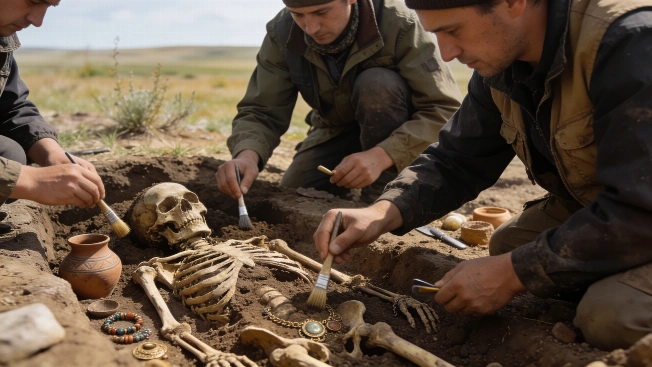
Kazakhstan Burials and Artifacts Reveal Ancient Steppe Trade Links
Recent excavations in Kazakhstan have uncovered Bronze Age and medieval burials, artifacts, and evidence of long-distance trade, offering new insight into the region's prehistoric communities and their connections across Eurasia
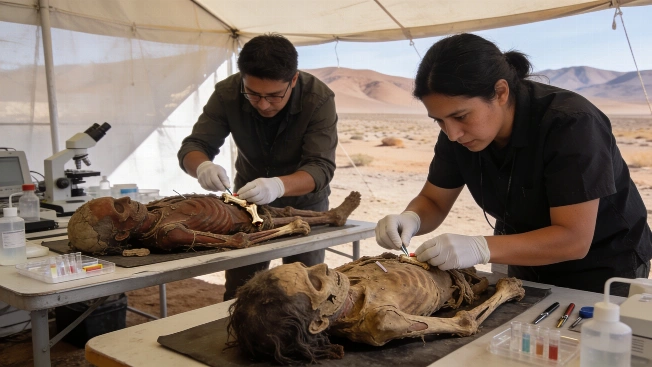
Ancient Inca Mummies Yield Earliest Smallpox DNA in the Americas
Researchers have recovered ancient smallpox DNA from two Inca mummies in northern Chile, providing the first direct molecular evidence that European-introduced smallpox reached South America during the early colonial period
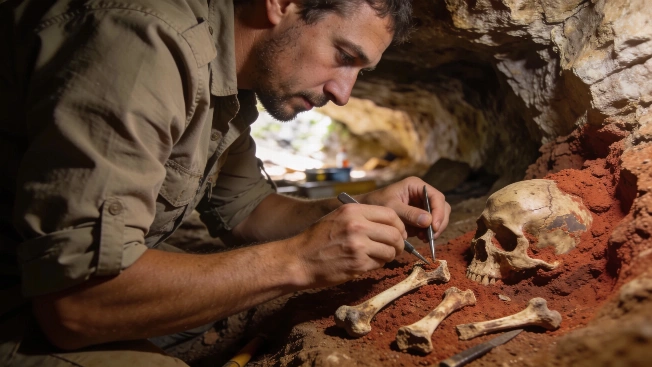
Cut Marks on Homo antecessor Bones Reveal Early Cannibalism in Spain
Archaeologists have identified new evidence of cannibalism among Homo antecessor at Gran Dolina cave in Spain, with cut marks on adult and juvenile bones dating to around 850,000 years ago, expanding our understanding of early human behavior
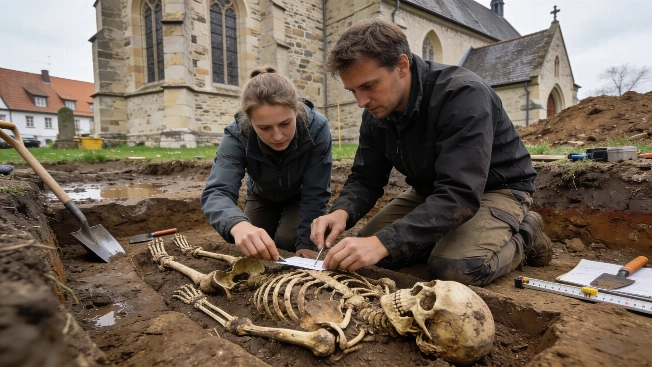
Early Medieval Cemetery Confirmed Beneath Altenberge Church Site
Radiocarbon dating of human remains from excavations at St John the Baptist Church in Altenberge, Germany, has established the presence of an early medieval cemetery, providing direct evidence for Christian burial at the site over a millennium ago
Part 1 of 2