
Archaeological Geophysics
20 reportsThe public record for Archaeological Geophysics is read through field or laboratory procedure, together with sampling strategy and dating or detection limits. For questions involving sampling strategy, the account uses calibration standards as the measured record and blind or comparative tests to expose uncertainty; interpretation remains cautious because disturbance, contamination, and incomplete context can narrow what the method establishes.
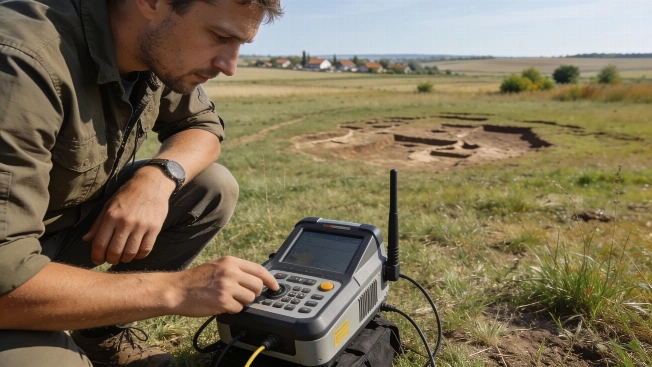
Opovo Settlement Was Twice the Size Archaeologists Thought
A new survey of Opovo Ugar-Bajbuk in Serbia combines surface collection, geophysics, drilling and targeted excavation to expand the site estimate from five hectares to more than nine and from about 200 residents to over 700.
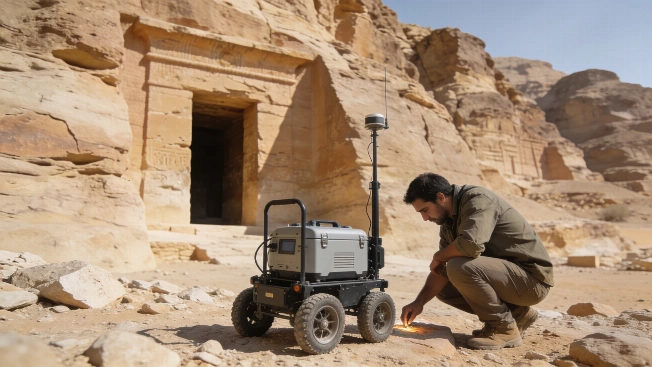
Radar Evidence Revives Search Beyond Tutankhamun's Tomb
More than 1,200 microgravity readings and ground-penetrating radar surveys have identified low-density anomalies beyond Tutankhamun's burial chamber. The findings are consistent with possible corridors and rooms, but neither the structures nor a connection to Nefertiti has been confirmed by excavation.
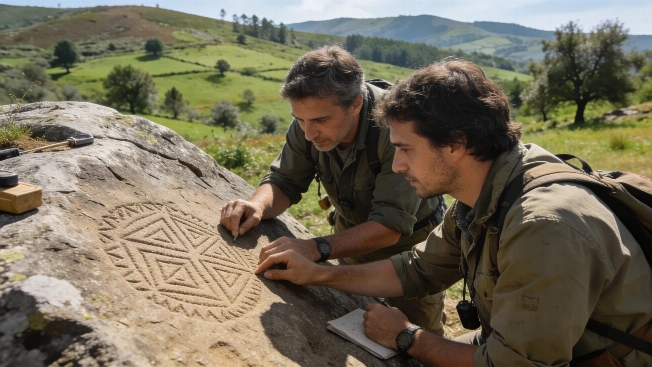
Galician Petroglyph May Depict Prehistoric Hut in Sacred Landscape
Archaeologists in Galicia are studying a large engraved rock that may show the floor plan of a prehistoric hut. The find, set among burial mounds and shelters, could change how researchers view ritual and domestic space in northwest Iberia.
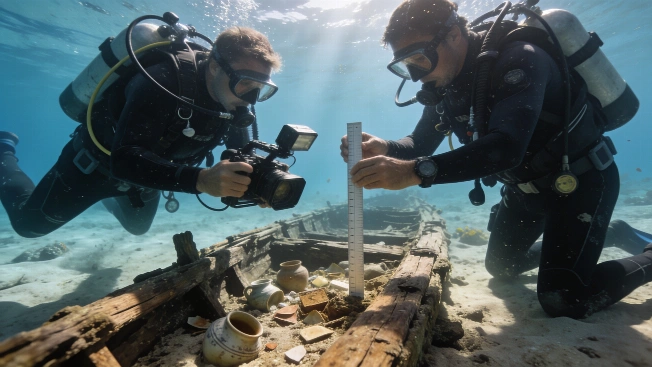
Red Sea shipwrecks mapped as Saudi underwater heritage emerges
Archaeologists have identified more than 25 underwater sites along Saudi Arabia's Red Sea coast using sonar and photogrammetry, uncovering shipwrecks and submerged structures that document ancient trade and migration routes.
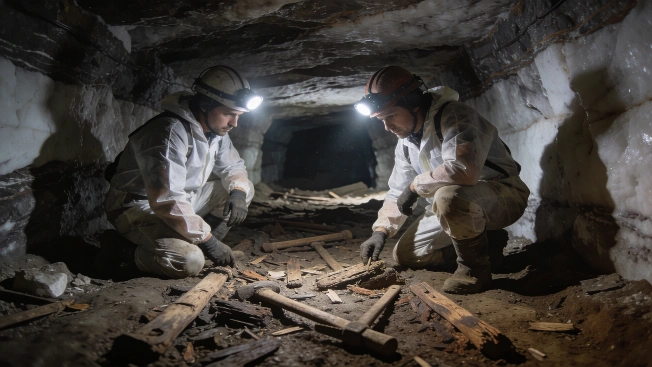
Iron Age Salt Mine Chambers Uncovered Deep Inside Hallstatt Mountain
Archaeologists have mapped a 300 meter network of Iron Age mining chambers beneath Hallstatt in Austria using core drilling, exposing thick layers of preserved debris and organic remains that offer new evidence for prehistoric salt extraction and community resilience
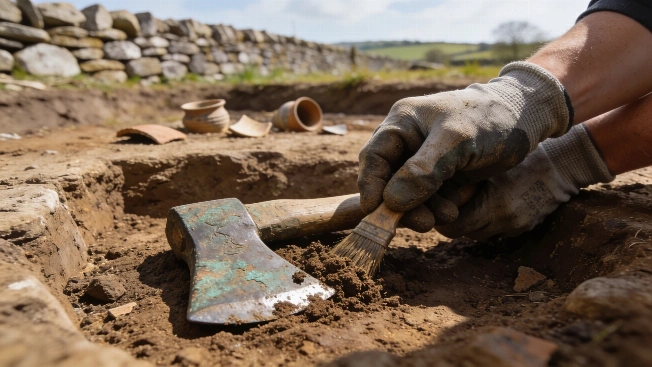
Medieval Structure and Bronze Age Axe Unearthed at Huttons Ambo
Archaeologists at Huttons Ambo have uncovered a substantial medieval building, a Bronze Age axe possibly deposited as a ritual, and wartime artifacts, offering a rare multi-period view of settlement and activity in northern England
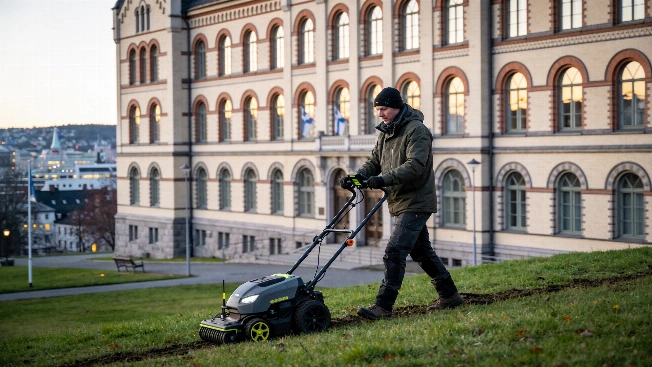
Medieval Monastery Choir Mapped Beneath Oslo Using Ground-Penetrating Radar
Archaeologists have identified the buried choir of a Franciscan monastery church beneath Oslo Hospital using ground-penetrating radar, revealing foundations, possible graves, and a lost cemetery without excavation
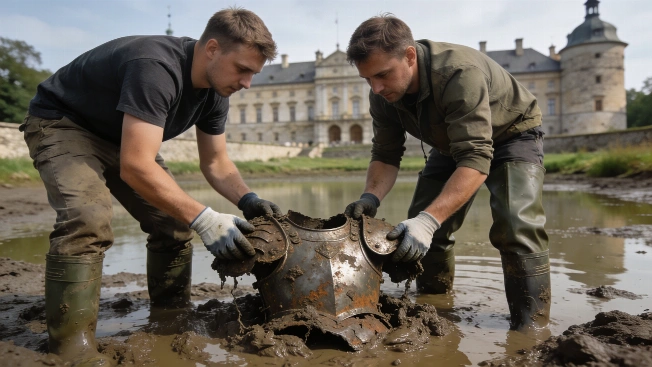
Rare 19th-Century Cavalry Armor Recovered from Polish Palace Moat
A fragment of 19th-century cuirassier armor was unexpectedly recovered from the moat of Pielaszkowice Palace in Lower Silesia, Poland, during a film-related exploration, offering new evidence of the site's turbulent Napoleonic and wartime history
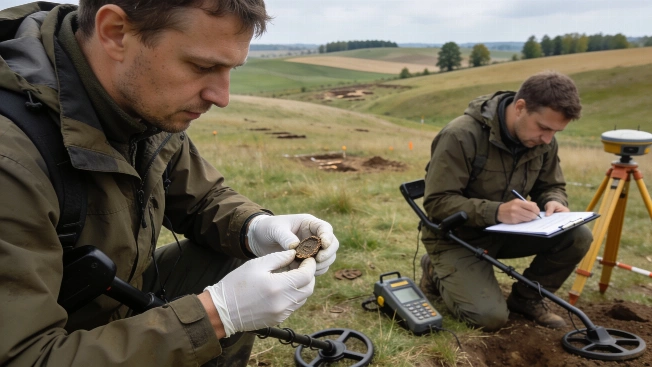
New Survey Targets Central Grunwald Battlefield for Medieval Evidence
Archaeologists and metal detectorists are conducting a targeted survey at the Grunwald battlefield in Poland, aiming to clarify the distribution of medieval artifacts and better understand the events of the 1410 conflict through systematic fieldwork
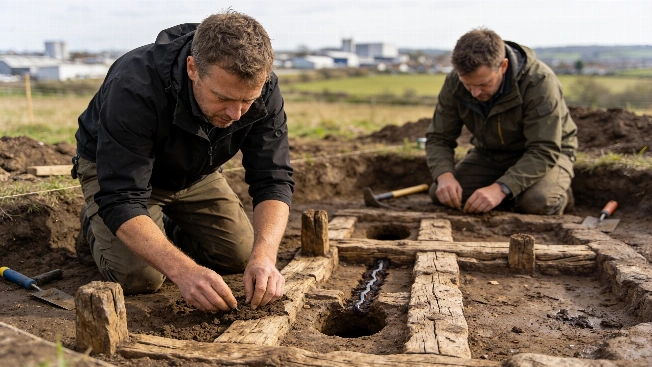
Abandoned Medieval Settlement Excavated on Halberstadt's Outskirts
Archaeologists in Saxony-Anhalt have uncovered the remains of a deserted medieval settlement, revealing sunken buildings, wells, and a complex ditch system, but remarkably few artifacts, suggesting an organized abandonment
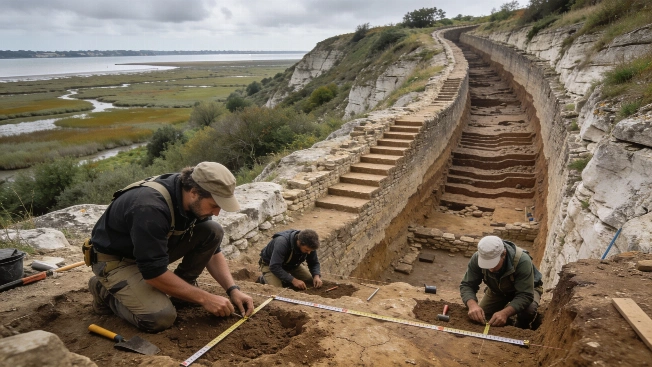
Medieval Stronghold Remains Unearthed Above Gironde Estuary in France
Archaeologists excavating at Saint-Georges-de-Didonne have identified extensive defensive earthworks and settlement traces from a medieval stronghold, offering new evidence for the site's strategic role and long-term occupation in southwestern France
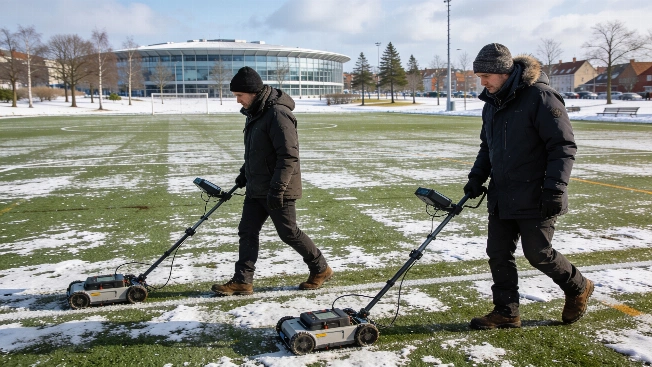
Medieval Monastery Remains Mapped Beneath Danish Football Field
Archaeologists in Roskilde, Denmark, have identified the buried remains of the 13th-century St Clara Monastery using ground-penetrating radar, revealing a well-preserved monastic layout beneath a modern sports field ahead of planned construction
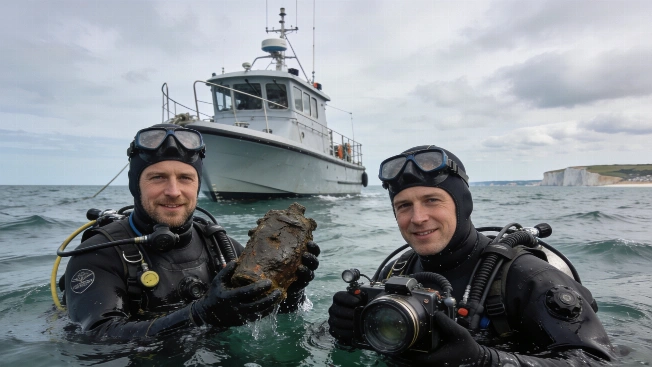
Wreck of HMS Tiger Identified After 118 Years in English Channel
Archaeologists and maritime historians have located the remains of HMS Tiger, a Royal Navy destroyer lost in 1908, using archival research and underwater survey methods. The find highlights evolving legal protections for historic military wrecks
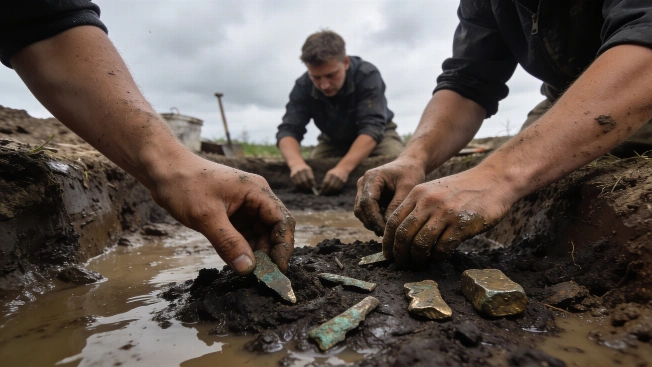
Bronze Age Hoard in Czech Wetland May Reflect Ritual Deposition
Archaeologists have uncovered a Bronze Age hoard of bronze tools and fragments near Kojetín, Czech Republic, during railway modernization works. Analysis suggests the objects were deliberately deposited in a wetland over 3,000 years ago, possibly as a ritual act.
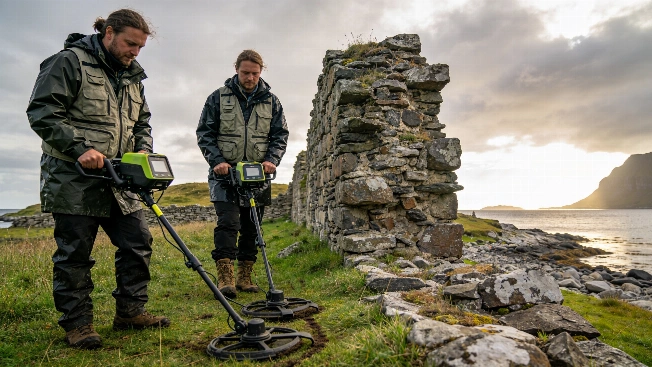
Medieval Stone Structure Discovered Outside Selja Monastery in Norway
Archaeologists using ground-penetrating radar have identified a substantial medieval stone wall outside the Selja monastery in western Norway, raising new questions about the scale and complexity of this early Christian site
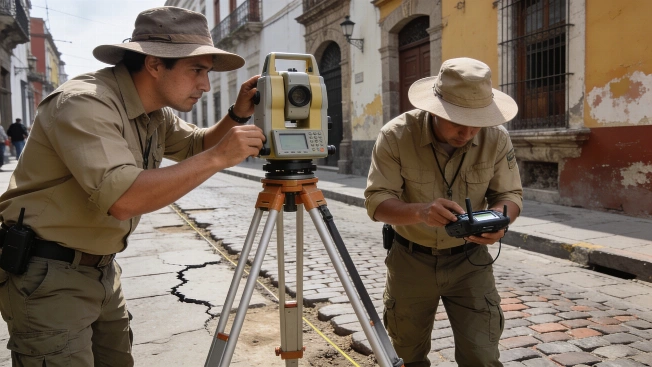
Aztec Sacred Precinct Mapped Beneath Mexico City Streets
Archaeologists have completed a detailed altimetric survey of Mexico City's historic center, revealing subtle surface changes that correspond to buried Aztec ceremonial structures and informing future heritage protection
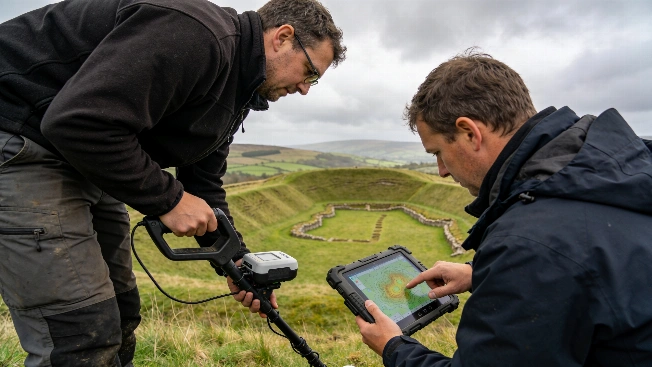
Haughey's Fort Reveals Monumental Bronze Age Power Center in Ireland
A new study using lidar, geophysics, and excavation at Haughey's Fort in County Armagh has identified over 200 timber structures and a vast enclosure, challenging assumptions about prehistoric Ireland's social complexity
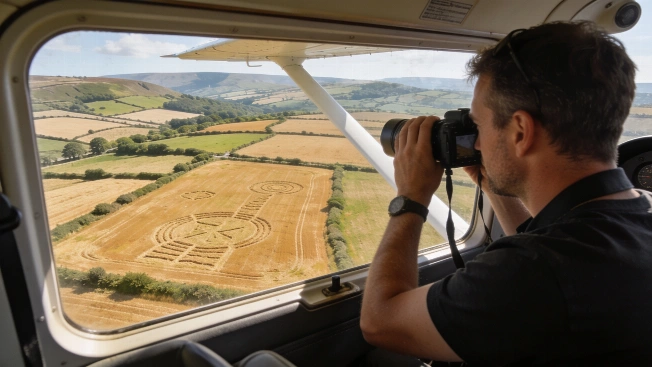
Heatwave Uncovers Ancient Monuments and Buried Sites Across Wales
Aerial archaeological surveys during an extended Welsh heatwave have revealed prehistoric barrows, Iron Age enclosures, Roman buildings, and First World War trenches as cropmarks and parchmarks, offering new insights into the region's archaeological landscape
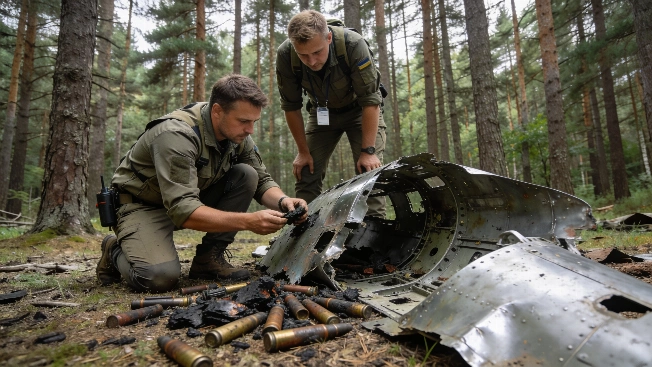
Possible WWII RAF Aircraft Remains Found Near Świnoujście Forest
Archaeologists are investigating a debris field in woodland near Świnoujście, Poland, where aircraft fragments and ammunition suggest a possible Allied wartime crash. The site's context and material evidence are now under formal examination
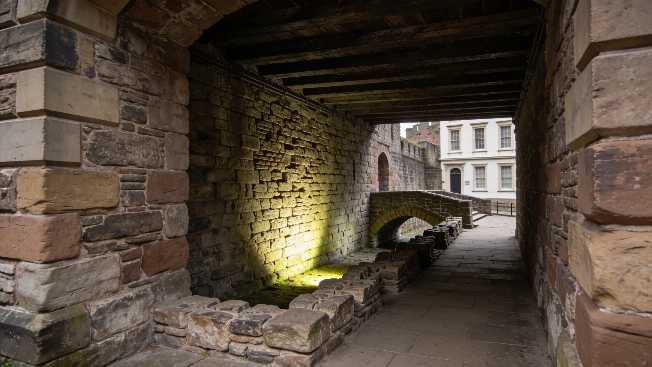
Digital Survey Reveals Medieval Bridge Remains at Chester Castle
Archaeologists using advanced digital scanning have identified the remains of a 13th-century bridge beneath Chester Castle in England, challenging previous assumptions about the site's medieval architecture and preservation