
Science Policy & Institutions
237 reportsOpen science and scientific institutions are treated as separate lines of evidence. Their combined record addresses what governance gaps remain and how research funding is allocated, tracing how review procedures translate evidence into public decisions.

Trump threatens penalties over overseas AI data centers
At a White House briefing, Donald Trump threatened steep penalties for US firms building AI data centers abroad but gave no tax formula; the Senate separately approved a bill aimed at easing domestic power-project permitting
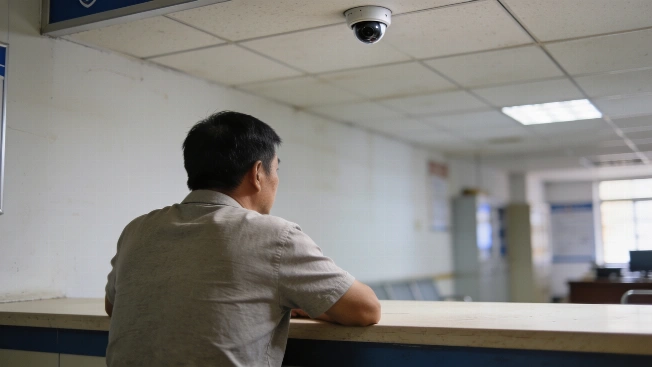
AI can infer private traits from data people share
An ETH Zurich experiment found that large language models inferred personal attributes from innocuous posts with up to 85 percent accuracy. US pricing research and chatbot use show how data can travel beyond its original purpose
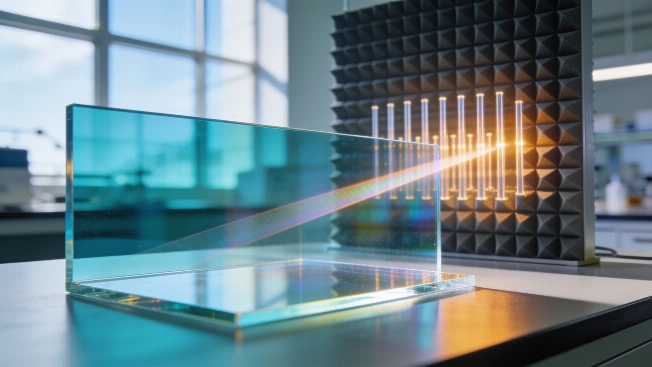
Metamaterials Move From Lab Designs Toward Practical Uses
A UK roadmap published in October 2026 sets out five steps to move metamaterials from academic research toward industry, as work on light control and sound management reveals useful applications alongside persistent manufacturing barriers.
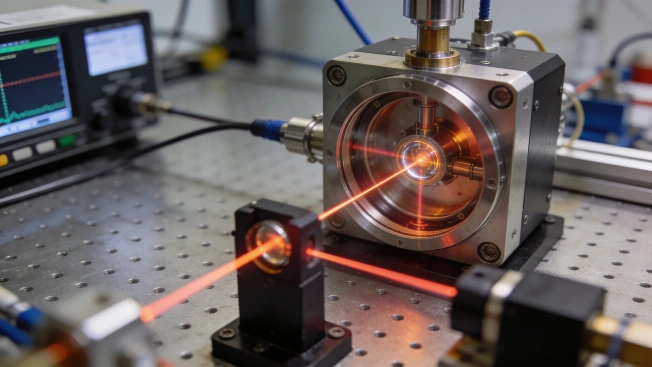
Atom Computing Finalizes Up to $100 Million Quantum R&D Deal
Atom Computing says its finalized Commerce agreement can provide up to $100 million for hardware engineering and manufacturing scale-up in Boulder, separate from its reported processor milestones
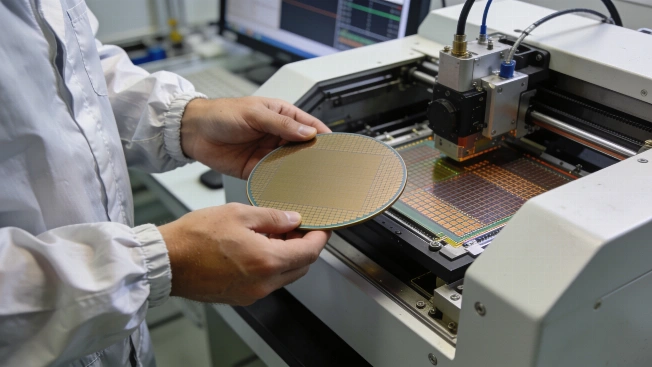
Quantum Primacy Plan Targets US Supply Chain Bottlenecks
The CUSP report sets out four pillars for U.S. quantum development, as its estimates show a wide gap in cleanroom costs and a smaller federal funding commitment than China's
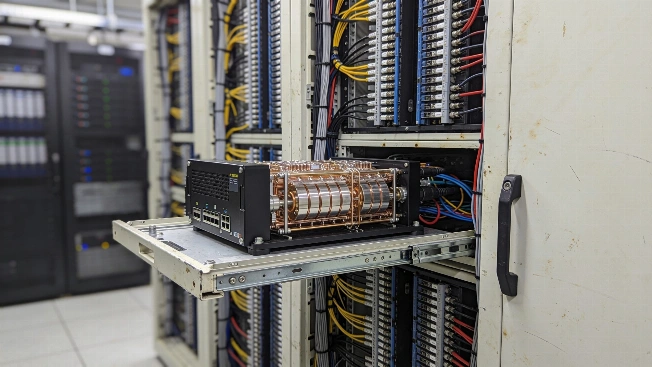
UK Pension Fund Backs Quantum Hardware Firms
A new long-term asset fund has directed its first capital to Oxford Quantum Circuits and Quantum Motion, connecting UK defined-contribution pension assets with domestic quantum hardware firms and other growth-stage companies
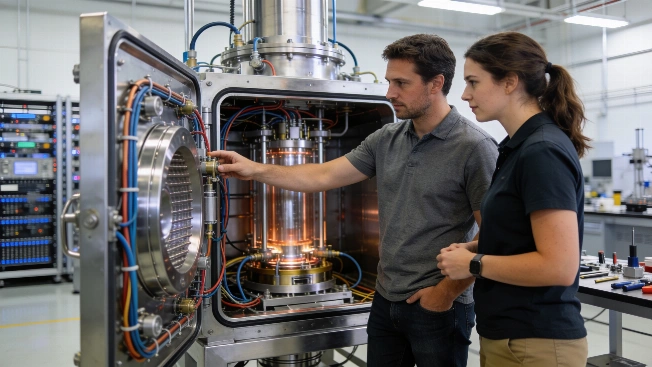
IBM's Chicago Quantum System Gives Local Research a New Base
Chicago researchers gain dedicated on-site quantum hardware for work spanning molecular modeling and grid optimization. The IBM system will anchor the National Quantum Algorithm Center before a planned move to the Illinois Quantum and Microelectronics Park

Hong Kong Banks Get a PQC Roadmap Toward 2030
A July 2026 audit found Hong Kong banks at an average QPI score of 2.3 out of 10. The new framework sets out how licensed institutions can assess cryptographic dependencies and plan migration by 2030
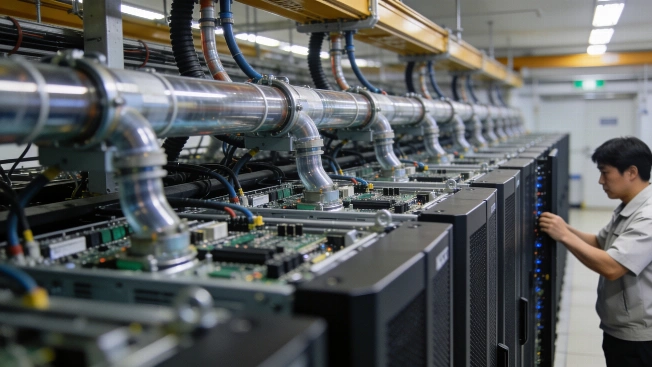
Hangang's 614-PFLOPS System Prepares for South Korea's Quantum Link
Pilot tests reported up to a 41.8-fold speedup on memory-bound workloads. The result comes as South Korea prepares a new supercomputer for a planned trapped-ion quantum connection
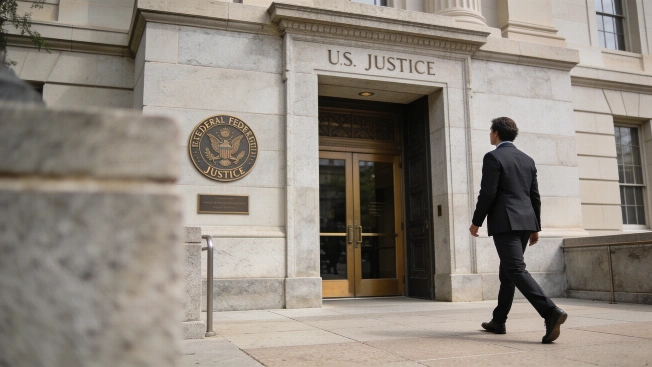
DOJ Creates Task Force to Coordinate Superintelligence Enforcement
The new DOJ unit will set enforcement priorities for unlawful uses of super intelligence and absorb the department's AI task force. It will also coordinate with the White House's Super Intelligence Force.
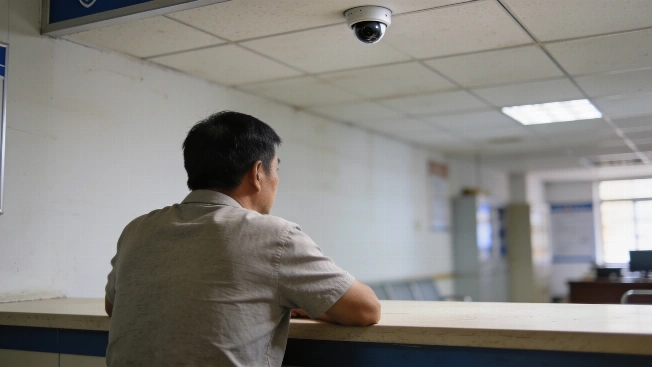
Study warns AI could expand China's social credit surveillance
A Chinese researcher says AI could turn fragmented credit and governance programs into predictive profiling. A 2025 study of one city's scoring system found that low classifications could bring police monitoring

AppViewX Launches Standalone Quantum Trust Hub
Federal systems face post-quantum cryptography targets in 2030 and 2031. AppViewX says its standalone platform can inventory cryptographic exposure and send findings into existing ServiceNow workflows as organizations confront legacy migration hurdles
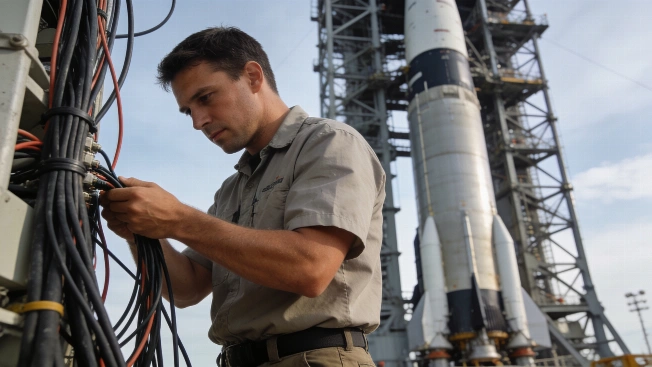
Jared Spiers Takes a Civil Servant Role at NASA
A Stennis technician who started as a contractor after college now helps ready a test stand for Blue Origin's New Glenn and supports the NASA workforce behind the agency's lunar ambitions

Caltech Names Reid Wiseman Deputy Director of NASA's JPL
Wiseman is set to begin as Caltech associate vice president and deputy director of NASA's Jet Propulsion Laboratory on Nov. 30, taking responsibility for laboratory operations and mission-execution oversight
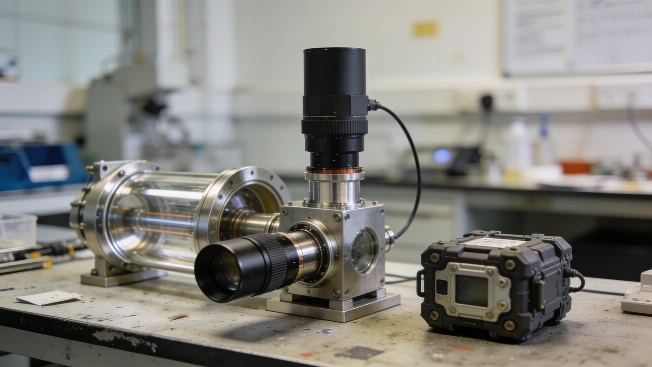
UK Roadmap Targets Sovereign Quantum Space Systems by 2040
The structure sets four investment themes and prioritizes qualification infrastructure as the UK seeks to move laboratory prototypes toward flight-ready systems across a 2035-2040 planning horizon

Quantum XChange Adds PQC Tunnels to Phio TX-CMC
Quantum XChange says Phio TX-CMC 2.0 automates enrollment of distributed security nodes and protects management links with post-quantum cryptography. A federal deployment showed legacy compatibility, while broader multi-cloud rollout remains challenging
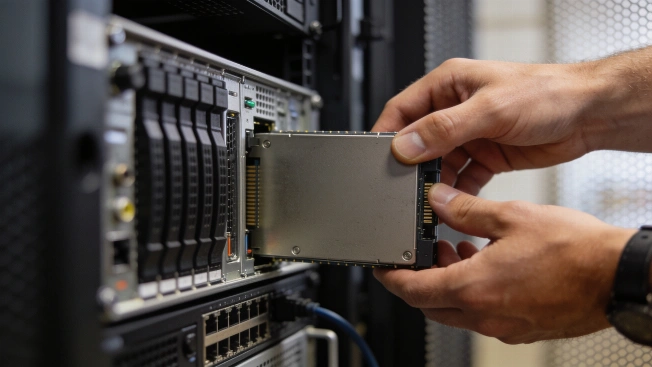
NIST Sets Post-Quantum Cryptography Transition Deadlines
The roadmap prioritizes key establishment against harvest-now-decrypt-later risks while setting separate federal deadlines for signatures and complete disallowance of vulnerable public-key algorithms after 2035
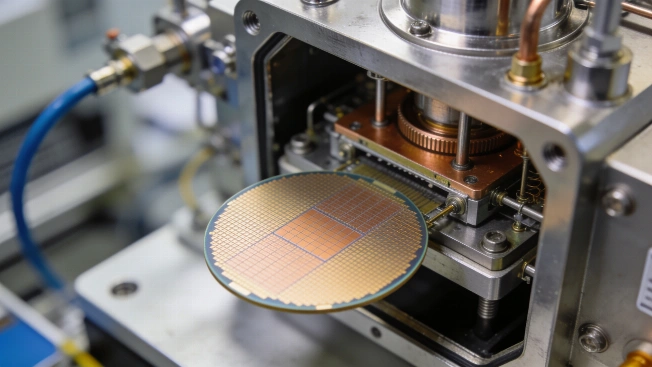
Intel Agrees to Buy Classiq for $2.3 Billion
Intel plans to pair Classiq's quantum algorithm synthesis software with its silicon spin-qubit hardware. The agreement sets out a full-stack ambition but supplies no performance results for an integrated system
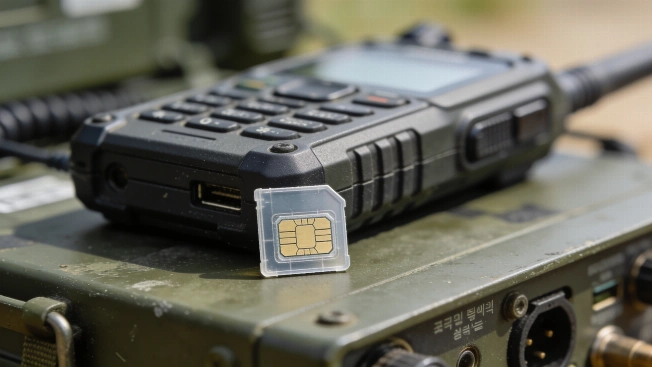
South Korean Defense Pilot Tests Post-Quantum SIM Security
South Korea's MSIT/KISA pilot places domestic KpqC algorithms alongside NIST standards inside tamper-resistant SIM hardware. The stated goal is crypto-agility for military systems, though the announcement gives no performance measurements
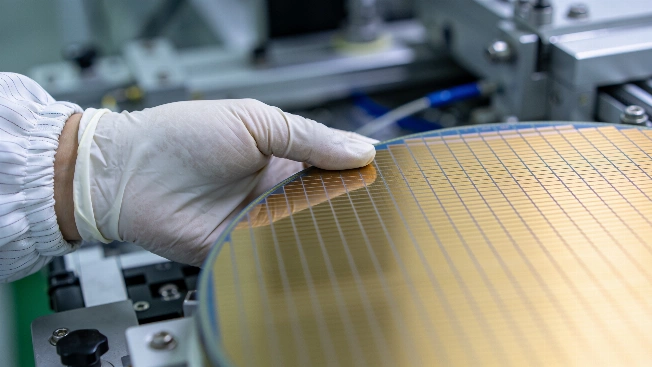
New York Funds Quantum Hubs and Stony Brook Center
New York has set out priorities for $360 million in quantum infrastructure funding, including a planned Stony Brook facility and up to four regional commercialization hubs. The plans do not report new processor results
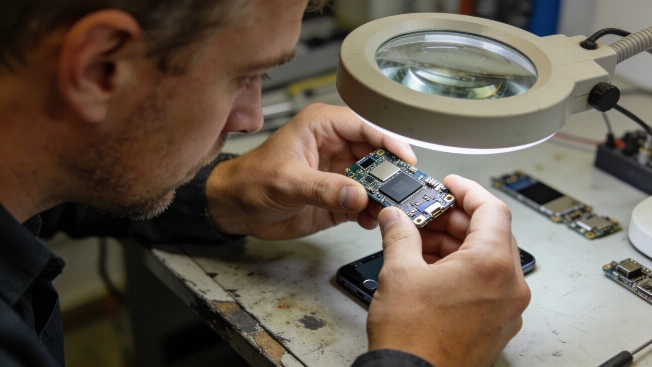
Most Mobile Apps Show No Detectable PQC Code
NowSecure's 90-day assessment found no detectable post-quantum code in most of the iOS and Android app binaries it examined. The findings expose a mobile inventory gap while underscoring the limits of binary detection
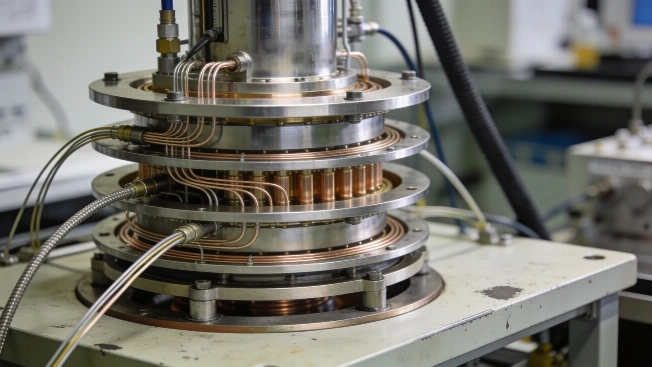
IBM Hardware Appears Across Japan's Nine Quantum Challenge Winners
NEDO's first-season results show how teams deployed IBM Quantum systems across industrial problem tracks, while judges left top awards in two categories unfilled under their standard for verifiable quantum advantage
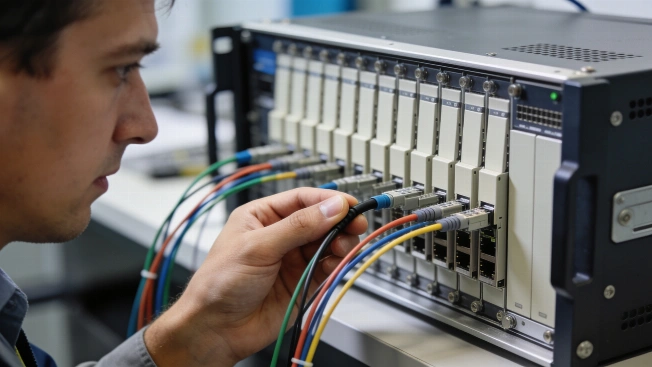
South Korea's Quantum Testbed Plan Sets a 2028 Network Goal
South Korea has begun a three-year effort to extend quantum communications testbeds beyond Seoul, Pangyo and Daejeon. Its 2028 network goal is a plan, not yet a reported performance result
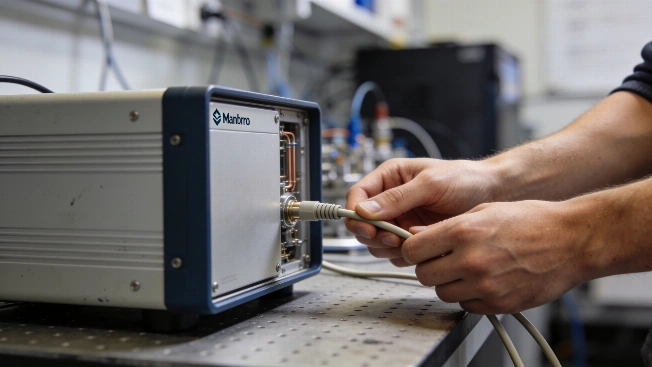
Ericsson and ÉTS Target Noise in Quantum Telecom Algorithms
The Montreal project will explore whether controlled dissipation can limit barren plateaus in variational quantum circuits. Its announcement reports no hardware benchmarks or performance figures

ORNL-Led CRAFT Plans AI Research for Paper Mills
Oak Ridge National Laboratory is leading a DOE effort to help pulp and paper manufacturers improve existing mills with AI and other technologies. The center has not reported performance results
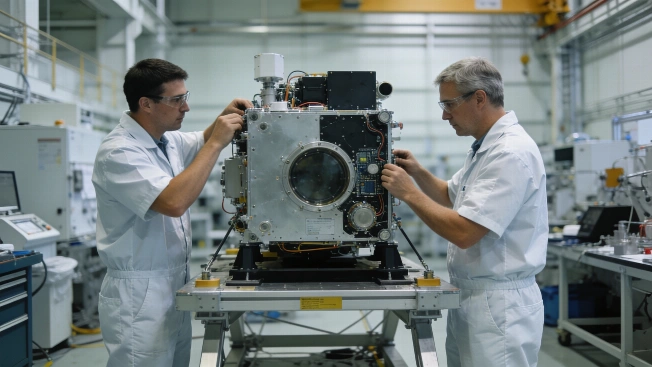
NASA Reworks How Science Missions Compete
NASA's Competition Model 2.0 would reshape how mission proposals are assessed, starting with a science-focused first round and shorter selection schedules; a virtual town hall is set for Monday, October 26
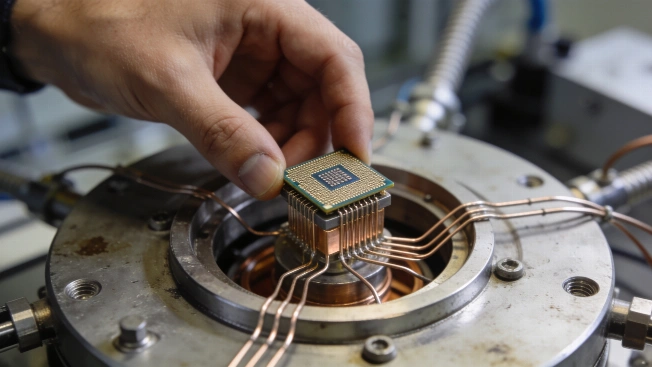
Alice & Bob Tests Cat Qubits in France's PROQCIMA Program
France's expanded quantum roadmap sets a 1,000-logical-qubit target for 2032. Alice & Bob reports testing its cat-qubit architecture on three superconducting chips, without publishing performance figures in the available summary
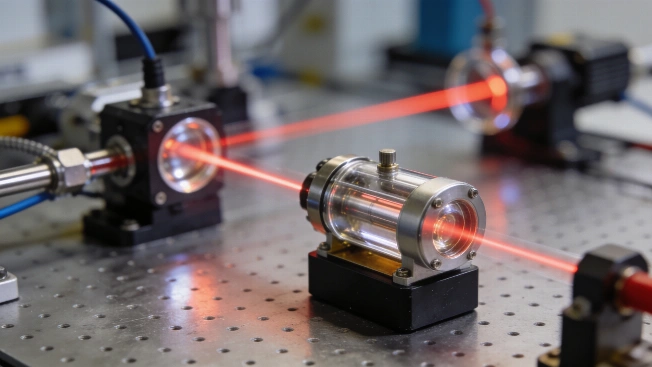
QC3 Makes Hardware Partnerships a Gate for Chemistry Research
A $37 million federal quantum-chemistry program requires applicants to partner with hardware providers. Neutral-atom developer QuEra Computing was selected for co-design work on projects with LBNL and LLNL, alongside Phasecraft.
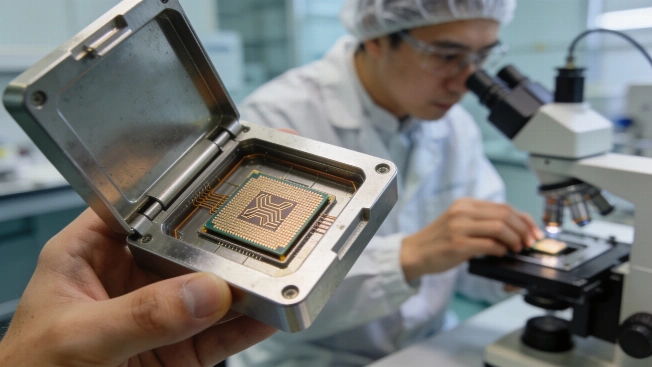
QiB1 Chip Maintains Performance Across Two Testbeds
A Gothenburg-made superconducting processor was evaluated at facilities in Sweden and Singapore. The reported tests found no loss of functional performance across the two sites, though detailed measurements have not yet been presented.

Ignacio Cirac warns against quantum hype as Europe weighs its future
In a Physics World Weekly podcast, Ignacio Cirac discusses his 1990s work with Peter Zoller on trapped-ion systems and today's qubit approaches, while weighing quantum hype against Europe's need for sustained research investment.

Online attacks leave physics facing a test of public trust
Dan Hooper says online personalities are directing claims of stagnation and misconduct at modern physics. Robert P. Crease examines scientists' possible responses and questions whether the label populism fits.
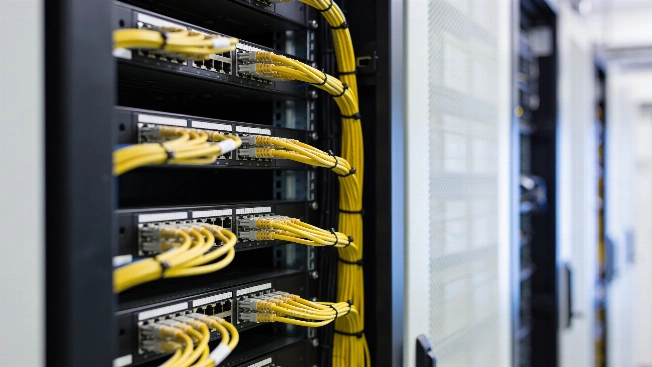
Germany Sets a PQC Migration Framework for Public and Private Systems
Germany's new guidance targets delayed decryption risks and long replacement cycles for legacy systems, requiring critical infrastructure operators to include post-quantum readiness in formal risk management
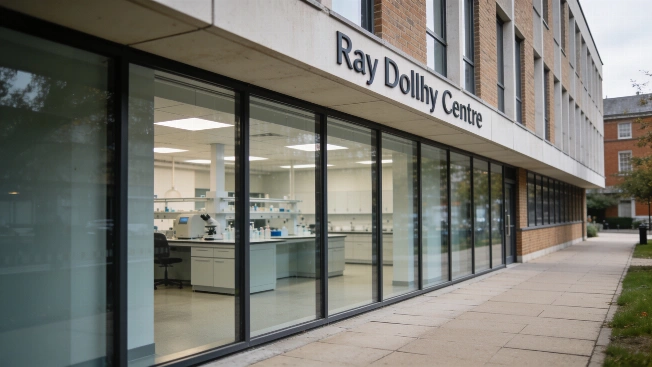
Cambridge Opens IonQ Centre With a 256-Qubit Plan
Cambridge's new IonQ centre is set to pair a planned 256-qubit Superion computer with campus entanglement links. Innovate UK will arrange three years of computing access for the National Quantum Computing Centre.

Quantum One-Time Pads Face a Key-Delivery Test
Symmatrics says it can generate and distribute one-use encryption keys at scale. The company reports trial installations, but the interview provides no independent security evaluation or performance measurements, and a random-number generator alone does not establish secure basic delivery.
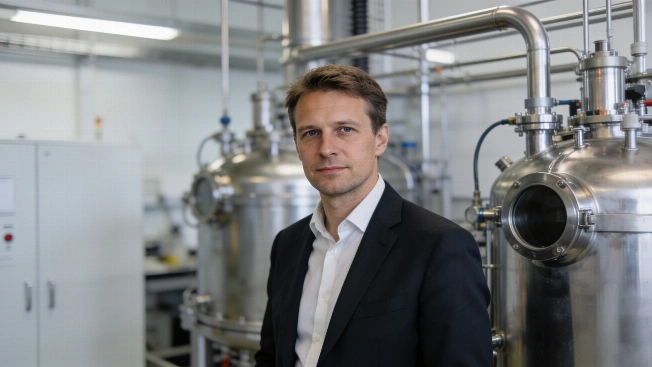
Quantum Industry Builds Leadership Around Security Research and Scale
PQShield, VTT, QuantWare, and Rensselaer Polytechnic Institute have named leaders for security strategy, quantum research, fabrication finance, and national-laboratory collaboration.
Part 1 of 7