
Robotics
117 reportsRobot safety and actuators supply complementary evidence rather than a single decisive result. Together they clarify how motion is controlled and what failure modes occur, distinguishing a laboratory demonstration from a dependable operational system.
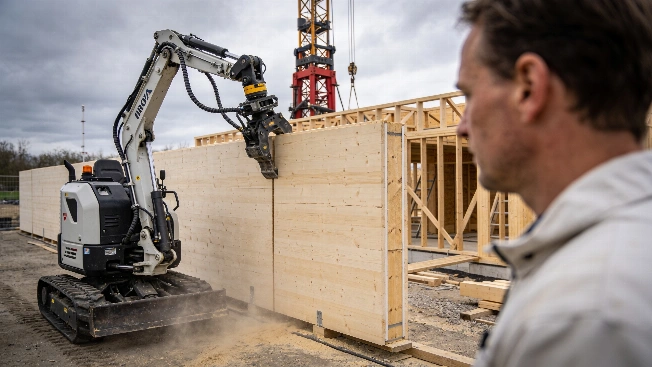
University of Stuttgart plans autonomous robot teams for construction
University of Stuttgart researchers are designing SCALAR and COBRAS to assemble timber modules and lightweight space frames with coordinated robot teams while testing whether automation can reduce waste and site labor
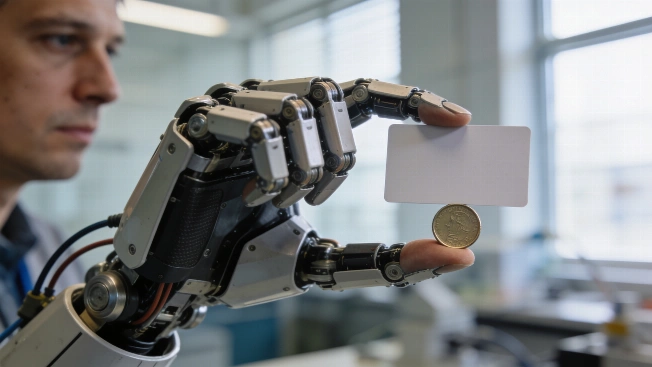
LinkerHand O30 Performs Magic Tricks With 20 Active Degrees
LinkerBot's LinkerHand O30 performed card and coin tricks in a company demonstration that showed precise finger coordination while leaving its reliability outside controlled tasks untested
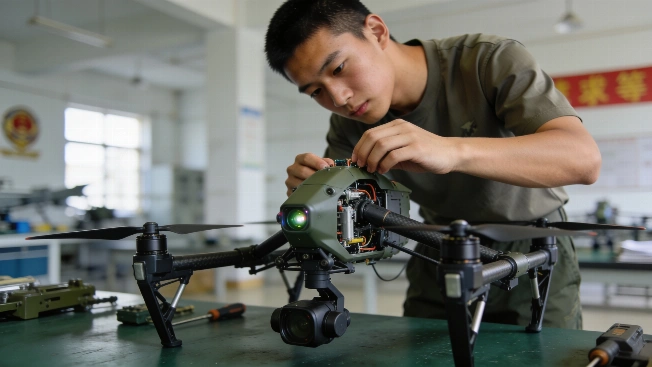
China Builds PLA Colleges Around Drones and AI
China's PLA has established new colleges for unmanned systems, artificial intelligence, engineering support and military oversight, signaling a long-term effort to turn emerging technologies into formal training and maintenance capabilities.
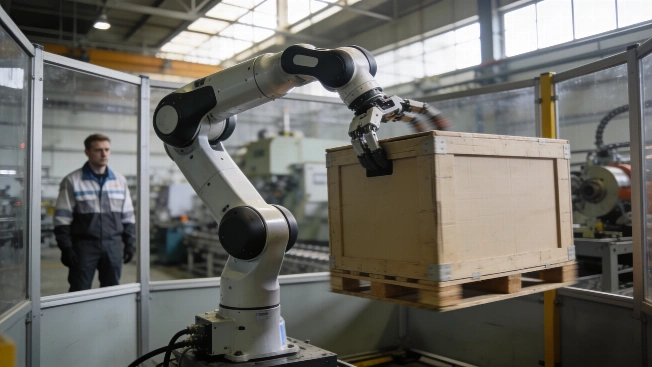
Humanoid Robots Face a Reality Gap Before Factory Work
Humanoid robots can walk and manipulate objects in demonstrations, but reliable factory work still depends on real-world data, simulation, measurable safety systems and continuous human oversight.
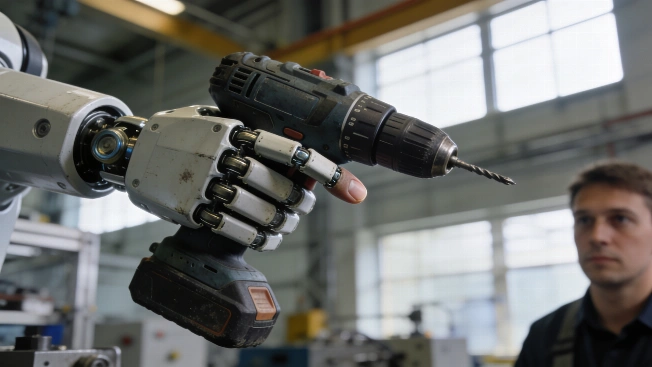
Atlas Gets Four Fingers for Industrial Robot Work
Boston Dynamics unveiled a four-finger, 13-degree-of-freedom hand for Atlas on October 1, 2026. The company says the directly actuated design can reorient objects, recover from slipping grasps and operate demanding industrial tools.
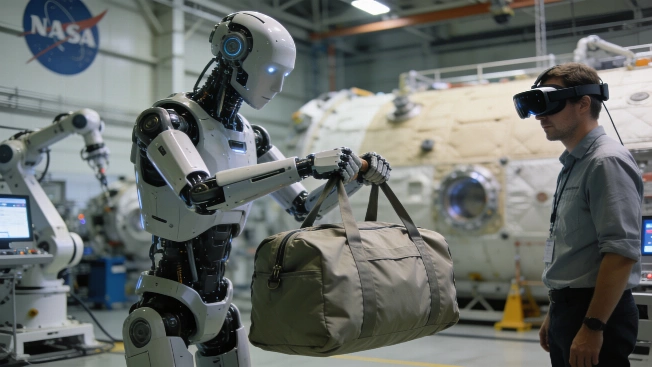
NASA Tests Human-Supervised Robots for Lunar and Mars Work
NASA is testing robots that can recognize hatches, open heavy doors, move cargo and service equipment while astronauts provide high-level commands across the communication delays of lunar and Mars missions.
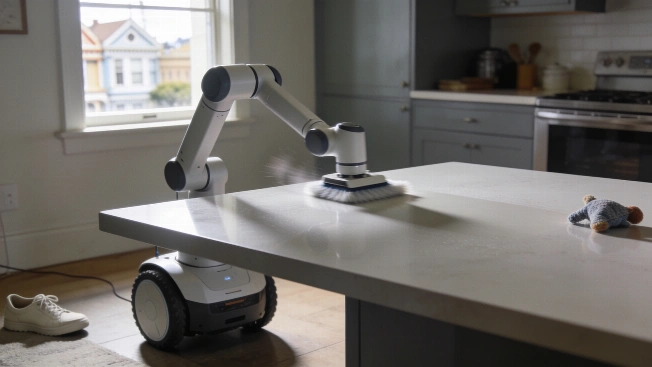
A $3,555 Home Robot Trades Strength for Simplicity
Flourish 1 is a compact household robot that owners teach by demonstration. Its low price, 3.3-pound lifting limit, and task-specific software reveal a deliberate tradeoff between broad capability and practical domestic automation.
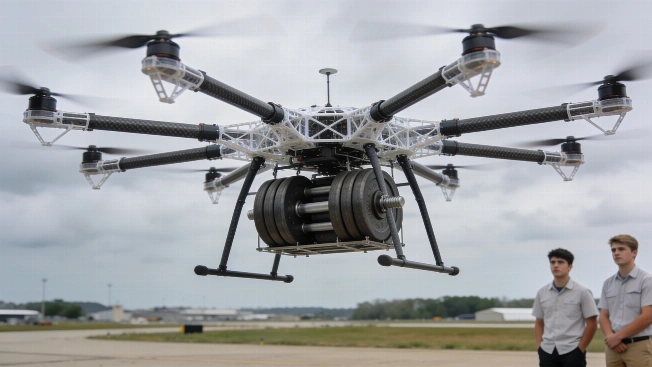
Texas A&M Drone Carries More Than Twice Its Own Weight
Texas A&M aerospace students flew a 50-pound battery-powered drone carrying 110 pounds over four nautical miles in 12 minutes at the first DARPA Lift Challenge, demonstrating the limits and promise of lightweight heavy-lift engineering.
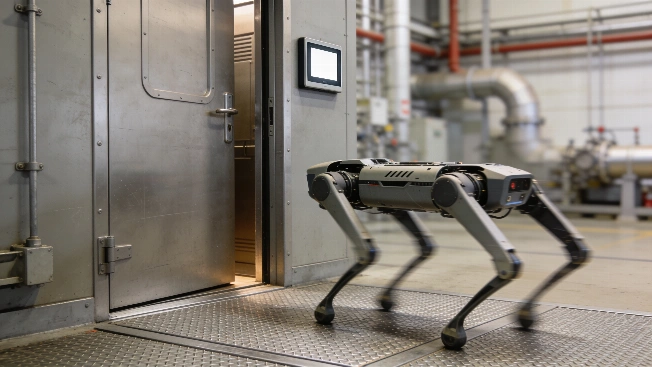
ANYmal Robots Gain Digital Credentials for Industrial Doors
ANYbotics says its ANYmal robots can authenticate at restricted doors and pass through existing industrial sites using dormakaba automation and LEGIC credentials, while human oversight and layered security remain part of the operating model.
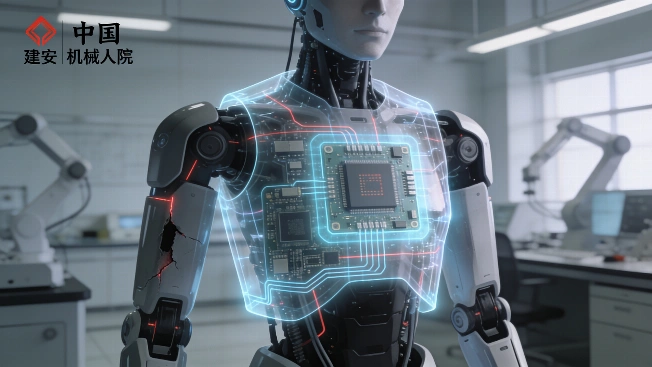
China claims first fully domestic embodied AI robot
A robot unveiled in Yichang on 28 September 2026 links AI decision-making to physical control through an electronic architecture developed in China. The developers, associated with Dongtoo Tech and LimX Dynamics, report safe operation after simulated joint damage and cyberattack tests, but provide no independent verification or numerical reliability data.
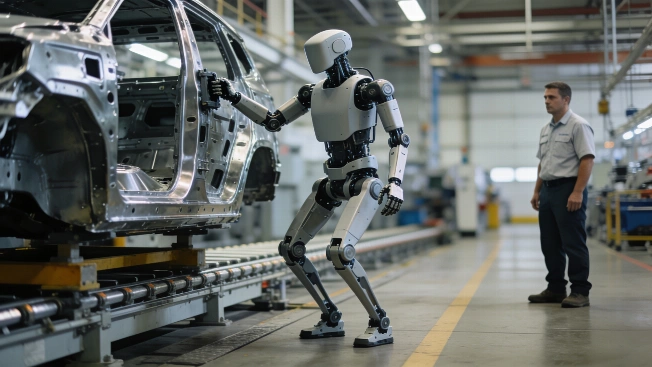
Atlas Enters Hyundai Factories Through a New Robotics Testbed
Boston Dynamics and Hyundai have opened a Georgia facility where trainers are teaching Atlas humanoid robots to sort parts and sequence factory work before planned industrial expansion
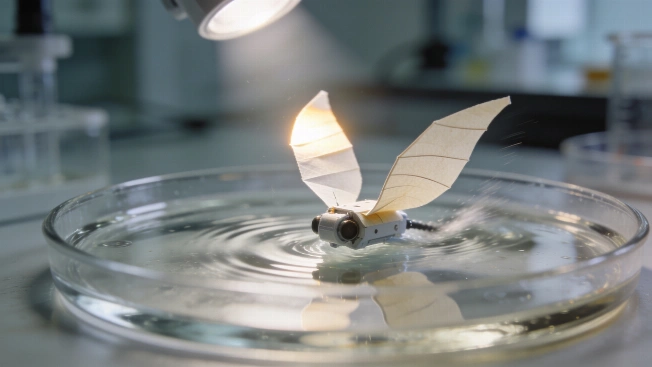
MIT Builds a Muscle-Powered Robot Thin Enough to Swim Mazes
MIT engineers have built a paper-thin biohybrid robot that swims through water using light-responsive muscle cells. Its maze test demonstrates controlled locomotion with minimal biological material, but not autonomous operation.
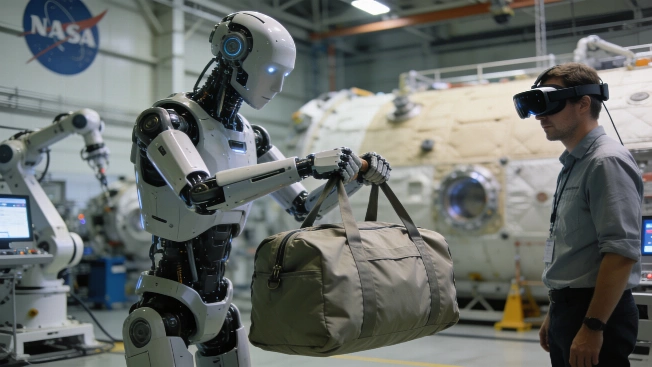
NASA Builds Humanoid Robots for Safer Lunar Work
NASA's 16-member Dexterous Robotics Team is testing humanoid robots, robotic arms, and supervised autonomy for logistics, maintenance, and scientific work supporting a sustained human presence on the Moon and possible future missions to Mars.
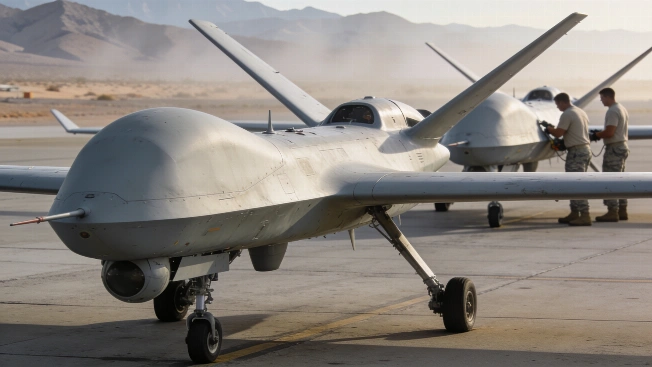
US Air Force Begins Testing Its First Collaborative Combat Aircraft
The United States Air Force has received Anduril's YFQ-44A and General Atomics' YFQ-42A for experiments on how semi-autonomous aircraft can operate with crewed fighters in contested airspace
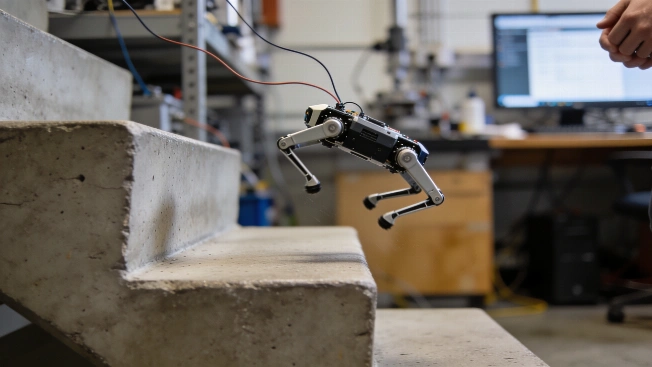
DirectHop Shows How Tiny Robots Could Hop Over Obstacles
University of Washington engineers built DirectHop, a roughly one-gram robot that can hop over a stair-like obstacle, recover after landing and prepare for another jump without relying on a spring.

Unitree Humanoids Bring Chinese Water Sleeve Dance to America's Got Talent
Eight Unitree G1 humanoid robots joined Sichuan dancer Wu Yufei for a synchronized water-sleeve routine in the Season 21 finale of America's Got Talent, demonstrating carefully programmed coordination rather than independent machine improvisation.
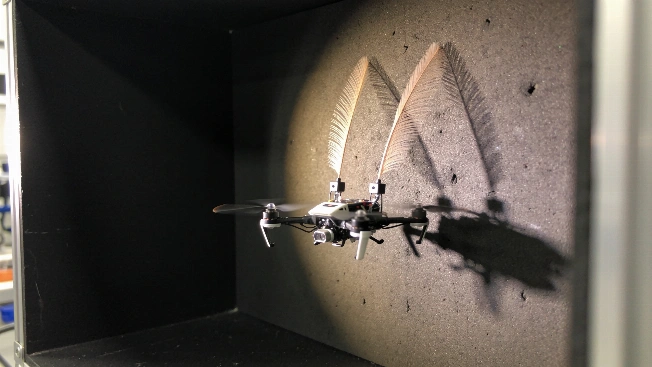
Tiny Drones Navigate Dark Spaces With Artificial Whiskers
Researchers at Delft University of Technology demonstrated a tiny drone that uses pressure-sensitive artificial whiskers to navigate clear-wall test environments without relying on visual information.
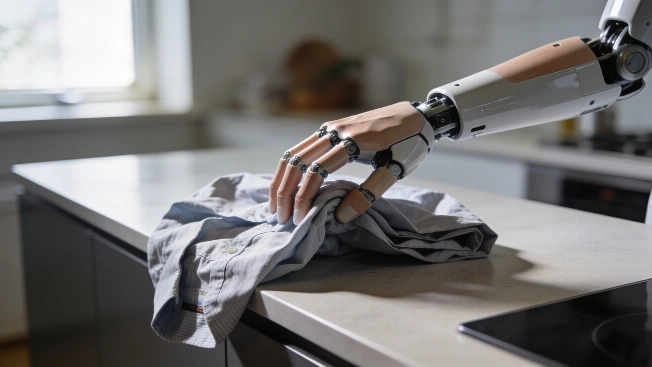
Robotic Hands Struggle With Real Objects Despite Athletic Feats
Humanoid robots can now perform acrobatics and dance routines but still fail at reliably folding laundry or handling fragile objects. New research highlights why tactile sensing and unpredictable environments remain unsolved barriers.

Figure and Nscale plan massive GPU buildout for robot AI training
Figure and Nscale have announced a multi-billion dollar partnership to deploy up to 100,000 NVIDIA GPUs for training general-purpose humanoid robot AI models, aiming to overcome the data and compute bottlenecks in physical intelligence research
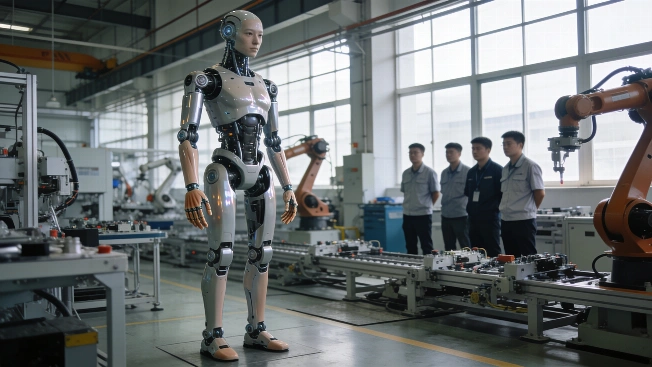
XPeng begins mass production of IRON humanoid robot in Guangzhou
XPeng has started manufacturing its IRON humanoid robot at a dedicated facility in Guangzhou, aiming to scale up production with automated lines as rivals like Tesla face delays in bringing similar robots to market.
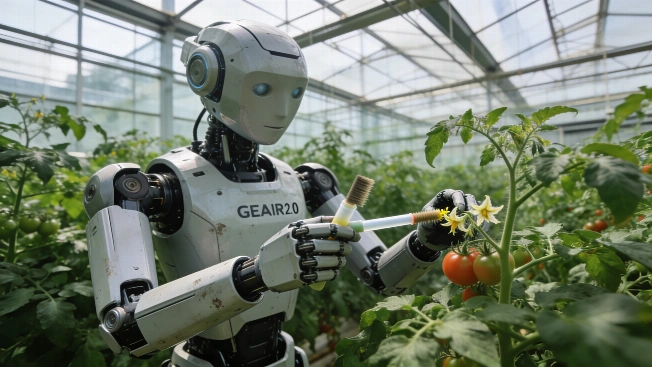
Humanoid Robot GEAIR 2.0 Automates Tomato Flower Pollination in Beijing
A humanoid robot called GEAIR 2.0 has been demonstrated in Beijing performing autonomous hybrid pollination of tomato flowers. The system aims to reduce manual labor in crop breeding by combining robotics, AI, and gene editing in real greenhouse conditions.
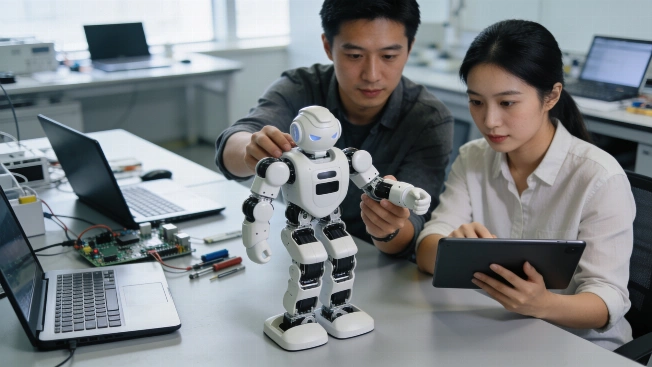
Zeroth releases Bridge robot and open-source platform for embodied AI
Zeroth has launched Bridge, a desktop-sized humanoid robot built for AI research, along with OpenBridge, an open-source platform for sharing robot skills and development tools. The system is aimed at researchers and hardware builders interested in real-world embodied AI.

Fluffy Robot MOFU Tested for Lifelike Movement in Animacy Study
A Japanese team built MOFU, a spherical robot that expands and contracts its body to test whether volumetric movement makes machines seem more alive. Nearly 500 participants rated its lifelikeness in controlled video experiments
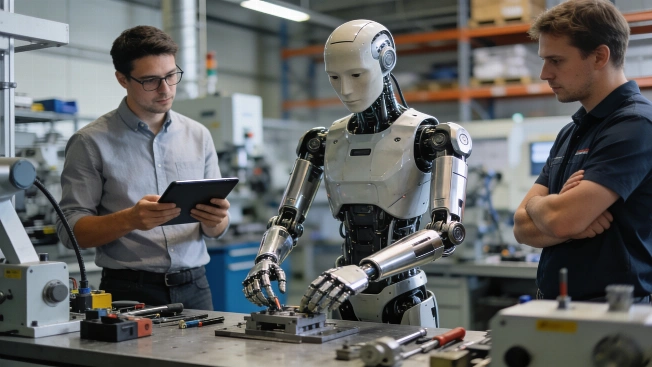
AEON Humanoid Robot Begins Industrial Training at Schaeffler Facility
Hexagon Robotics and Schaeffler have started training the AEON humanoid robot in a dedicated industrial environment in Germany, aiming to equip the system for manufacturing tasks and prepare for a planned rollout of at least 1,000 units
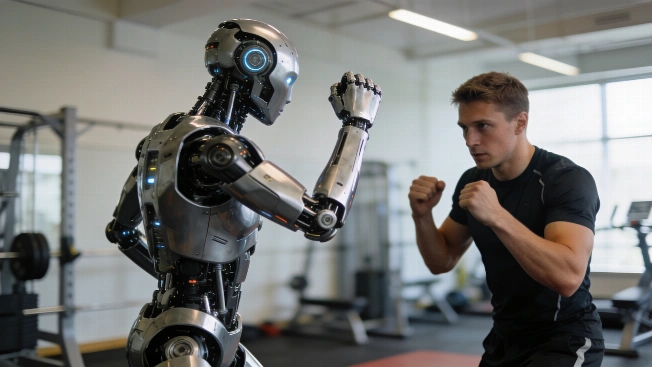
Unitree G1 Robot Demonstrates Autonomous Sparring Using UnifoLM-X2-1.0
Unitree Robotics has released footage of its G1 humanoid robot sparring with a human using the UnifoLM-X2-1.0 AI model, highlighting advances in predictive perception and autonomous motion planning for dynamic physical tasks
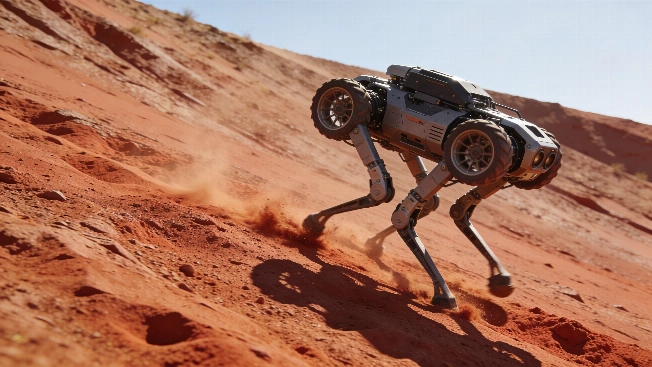
Lynx Wheel Legged Robot Tackles Desert Terrain in Field Test
DEEP Robotics has released new footage of its Lynx wheel legged robot navigating loose sand and steep slopes in a desert environment, demonstrating the platform's hybrid mobility and environmental resilience for hazardous industrial tasks
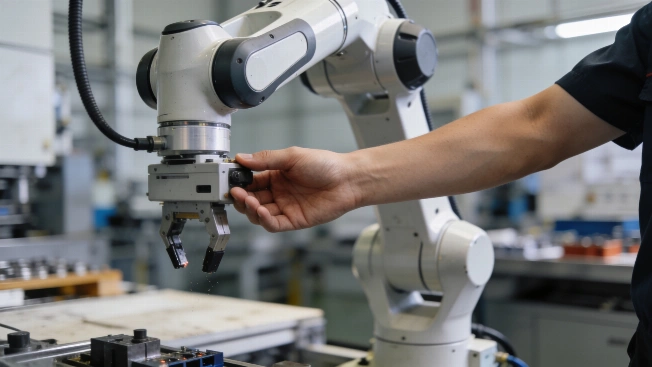
AGIBOT releases real-world robot failure data for embodied AI research
AGIBOT has published the WORLD 2026 dataset, offering over 11000 real-world robot task trajectories-including failures and human interventions-to support reinforcement learning and embodied AI beyond curated demonstrations
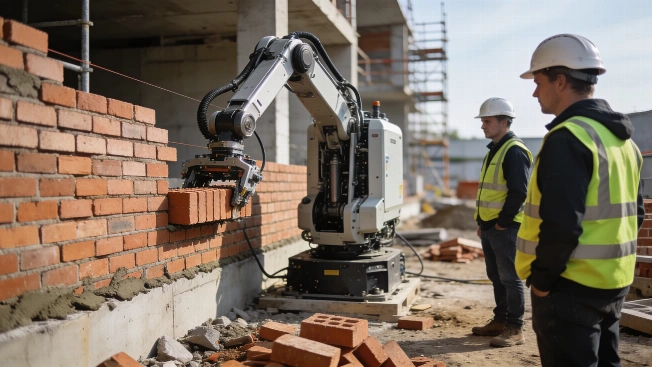
Autonomous Bricklaying Robots Face Real Construction Site Obstacles
Monumental has begun deploying autonomous robots to build brick walls on commercial construction sites, aiming to address labor shortages and rising costs. The company's approach highlights the technical and operational hurdles of moving robotics from controlled labs to unpredictable real-world environments
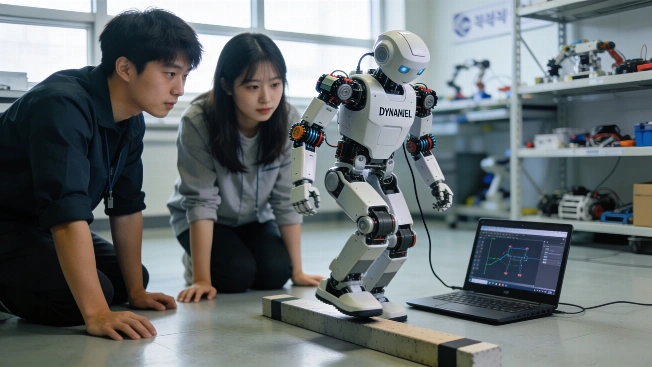
ROBOTIS Open Humanoid GYM Lets Students Train Robots With Real Hardware
ROBOTIS has launched the Open Humanoid GYM Project, giving university teams direct access to humanoid robots and simulation tools for hands-on AI behavior development, bridging the gap between virtual training and physical deployment
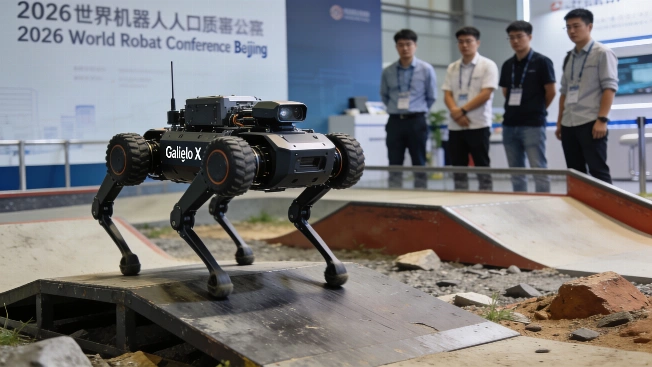
Galileo X Robot Platform Unifies Wheels, Legs, and Off-Road Mobility
Galileo Robotics has introduced Galileo X, a modular ground robot platform that merges wheeled, legged, and off-road mobility in a single system, aiming to simplify deployment across warehouses, rough terrain, and complex environments
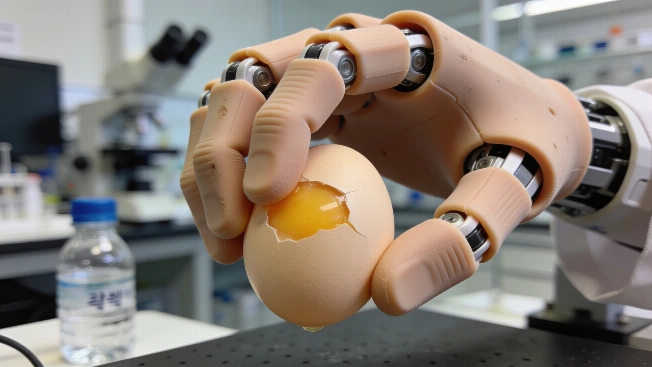
3D-Printed Soft Robotic Hand Shows Delicate Grip and Strength in Lab Tests
A research team at KAIST has built a 3D-printed soft robotic hand that can cradle fragile objects and lift heavy ones, using AI to optimize the material's stretchability and durability for advanced manipulation tasks
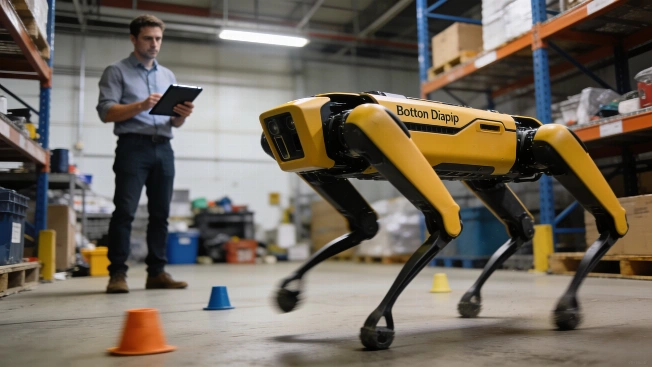
NVIDIA's COMPASS Framework Targets Faster Robot Navigation Training
NVIDIA's COMPASS system combines pretrained navigation models, reinforcement learning, and AI agents to adapt robot movement across machines and environments, aiming to reduce retraining time while keeping human oversight in the loop
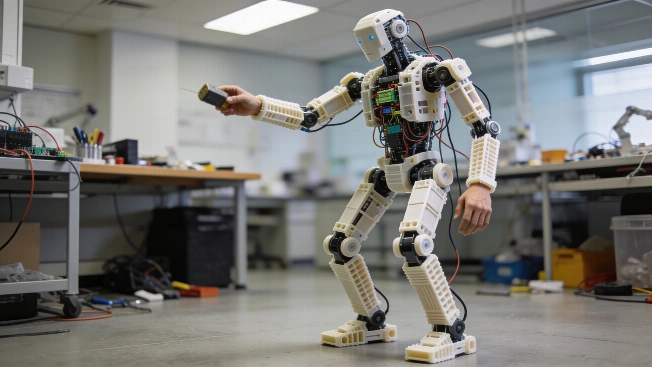
Berkeley Humanoid Lite Uses 3D-Printed Actuators to Slash Robot Costs
A research team at UC Berkeley has released the open-source Berkeley Humanoid Lite, a customizable robot platform built with 3D-printed actuators and off-the-shelf parts, aiming to lower the barrier to humanoid robotics research and experimentation
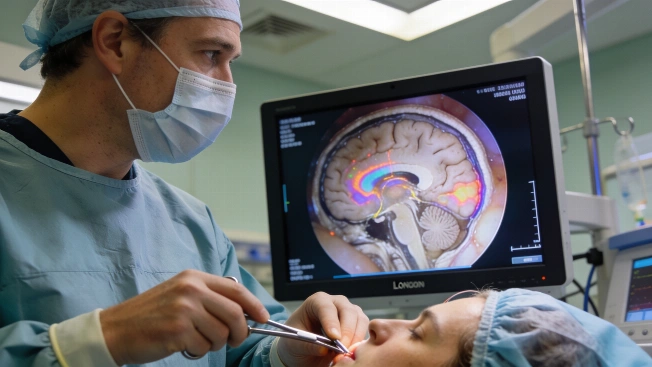
Machine Vision System Guides Surgeons in Live Brain Tumor Removal
A machine-learning system processed live endoscopic video to help surgeons identify critical anatomy during a pituitary tumor operation, aiming to reduce the risk of vision loss in a high-stakes clinical trial in London
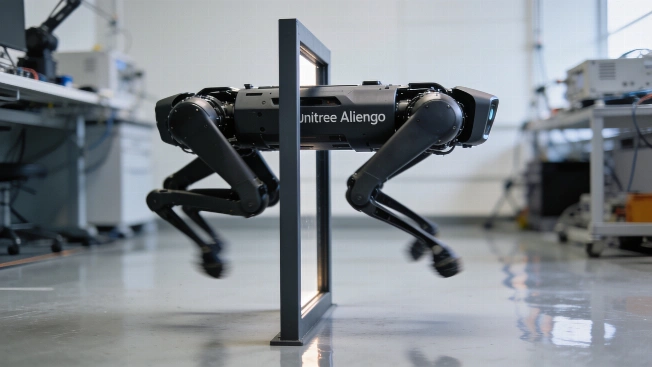
Quadruped Robot Demonstrates Dynamic Leaping Through Tight Spaces
A research team has built a hierarchical reinforcement learning system that enables a four-legged robot to leap through narrow gates at speed, coordinating vision and movement in real-world tests inspired by animal agility
Part 1 of 4