
Artifacts and Material Culture
139 reportsMetal objects and site records are treated as separate lines of evidence. Their combined record addresses what wear reveals about use and how materials trace exchange, comparing competing interpretations against the same artifacts and site records.
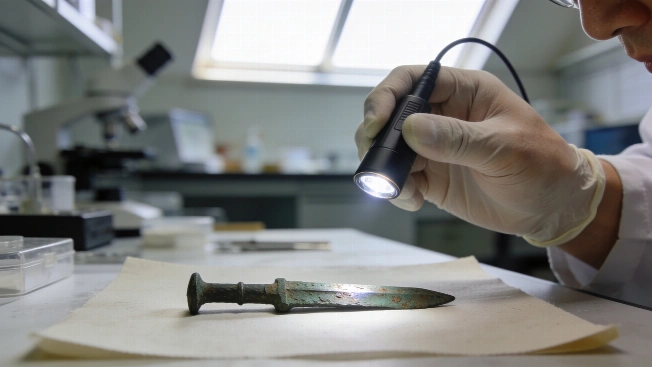
Bronze Hand Cannon Rewrites Korea's Early Firearms Record
A bronze hand cannon found during a trail safety survey in South Korea has passed X-ray and metallurgical tests. Identified as the Hwangja Hwatong after three years of analysis, it is regarded as Korea's earliest surviving firearm, although its 28-character inscription leaves two possible manufacturing dates.
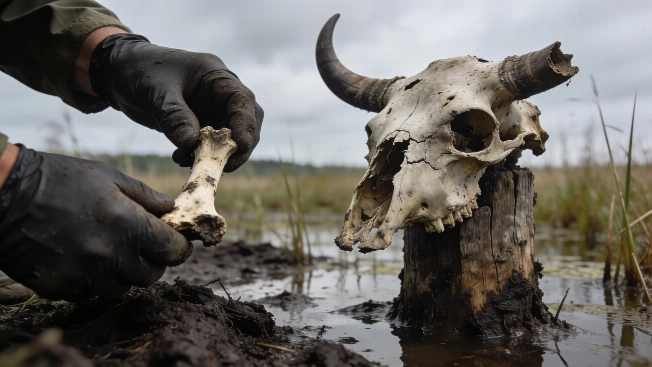
Aurochs Skull on Wooden Stake May Mark Mesolithic Burial Ritual
A nearly complete aurochs skull found driven onto a wooden stake near northern Germany's oldest known grave may point to a previously undocumented hunter-gatherer funerary practice, although researchers stress that the interpretation remains provisional.
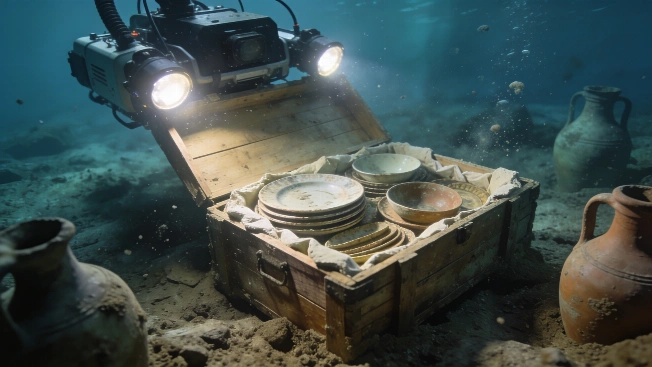
Luxury Tableware Cargo Found in a Turkish Shipwreck
Thousands of ceramic plates, bowls and trays recovered off Adrasan reveal a luxury cargo associated with Rhosus and Mediterranean trade during the 1st century BCE.
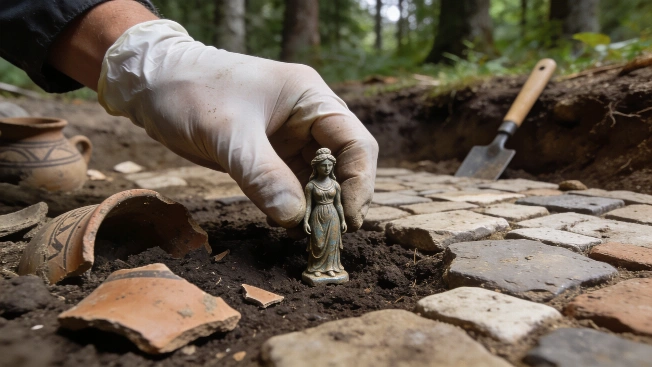
A Lead Venus Statuette Sharpens the Picture of Roman Pilisszentiván
A lead Venus Pudica found during the fourth excavation season at Pilisszentiván is the first known religious object from the Roman vicus, while associated finds illuminate personal equipment, work and monetary circulation.
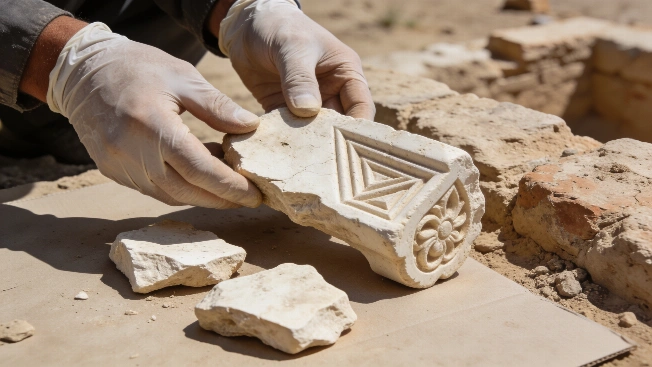
Kufic Ganch Fragments Illuminate Samanid Bukhara
Fragments of carved ganch bearing Kufic inscriptions have been recovered at Bukhara's Shahristan site. Their fragile condition limits what can be read but preserves evidence of Samanid religious architecture and the international archaeological work now documenting it.
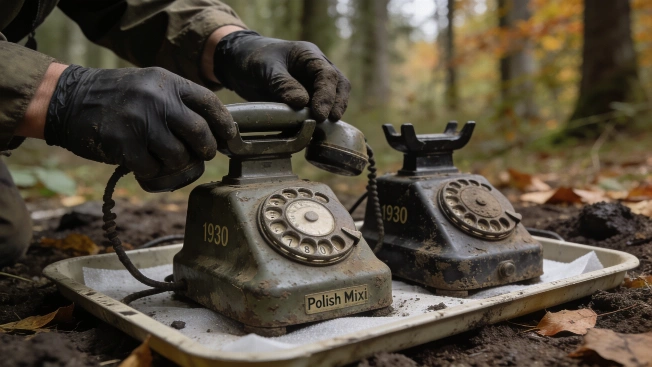
Polish Field Telephones Found Along a 1939 Retreat Route
A pair of unusually well-preserved Polish military field telephones has been recovered near Sochaczew, where the Battle of the Bzura turned retreat routes into a fragmented wartime landscape
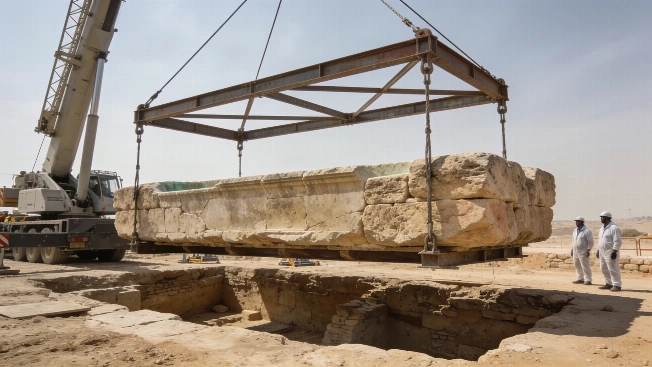
A 25-Tonne Mikveh Is Lifted Intact From an Israeli Site
A 2,000-year-old mikveh has been lifted intact from Carmei Gat using a 300-tonne crane after archaeologists linked it with a previously unknown Jewish settlement of the Second Temple period.
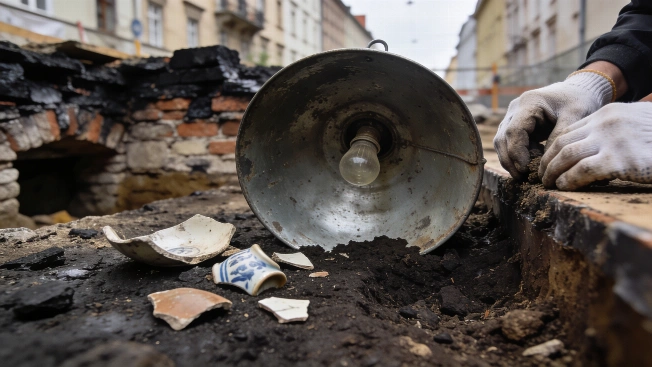
Warsaw Cellars Yield Artifacts From a City Lost to War
An excavation beneath Warsaw's E. Młynarski Square has recovered burned architectural remains and a mixed collection of lamps, ceramics, sculpture and objects that may connect to the Warsaw Philharmonic, although the attribution remains unconfirmed.
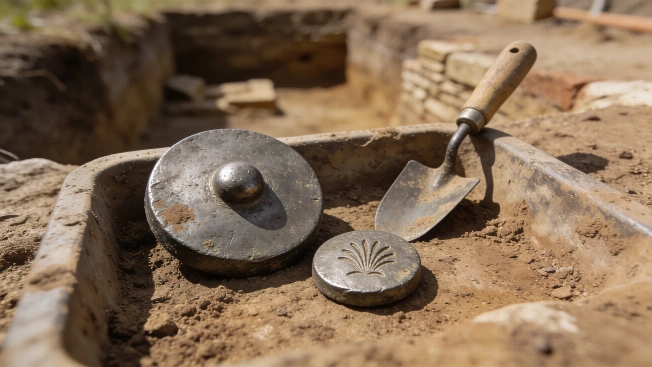
Roman Weights Expose the Working Economy of Bedford Villa
Two reported Roman lead pan weights from Bedford Roman Villa illustrate how measured mass may have structured work on a rural estate, while the limits of current verification caution against assigning them a specific trade or commodity.
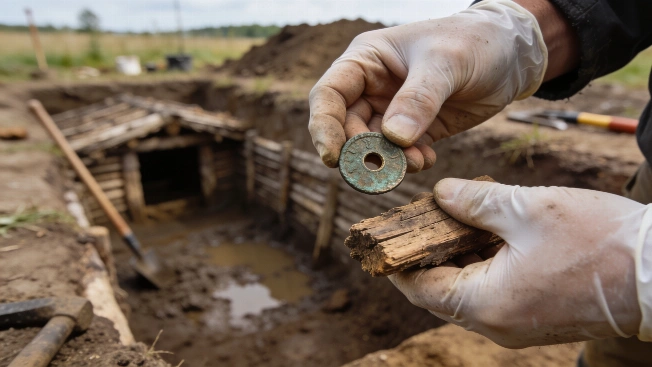
Galgenbichl Settlement Reveals Iron Age Life in South Tyrol
Excavations at Galgenbichl in South Tyrol have revealed more than 30 houses dating from approximately 800 to 500 BCE, together with craft evidence, animal remains and infant burials that differ from the cremation practices documented at nearby Windschnur.
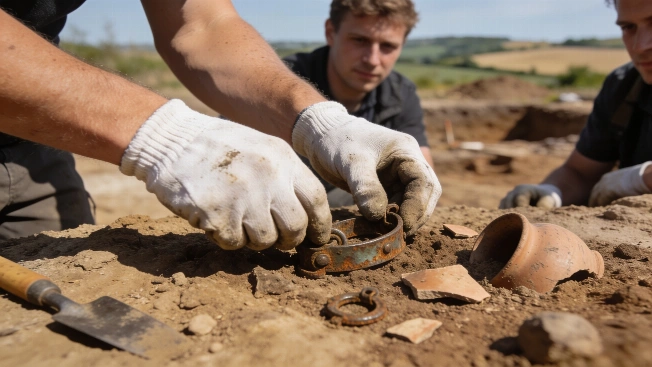
Celtic Weapons Reveal a Sparse Iron Age Record in Hungary
A Celtic spear, complete shield assemblage and associated finds recovered near Erdőbénye provide rare evidence of Iron Age activity in northeastern Hungary while leaving the deposit's date and purpose unresolved.
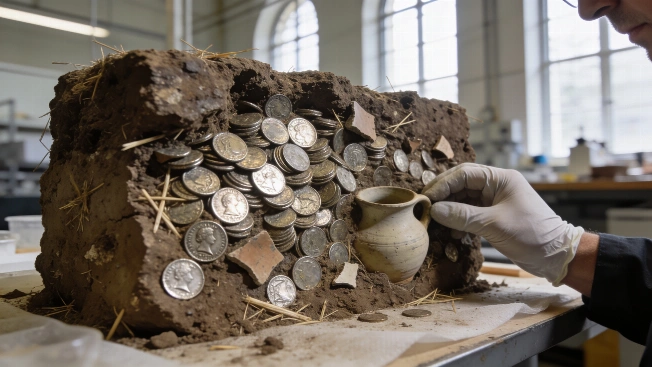
Hadrianic Coin Hoard in Germany Contains 934 Silver Denarii
A legally reported discovery near Wesseling has yielded 934 Roman silver denarii weighing 3.1 kilograms. The coins offer evidence of wealth, monetary circulation and deliberate concealment in the Rhineland during the second century CE.
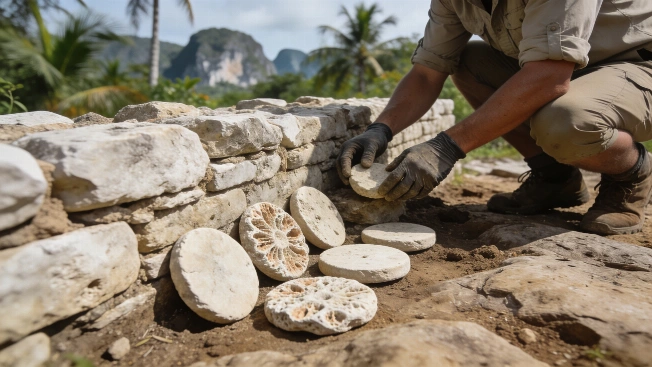
Maya Beekeeping Site Found Along the Maya Train Route
A limestone structure near Tulum may preserve evidence of pre-Hispanic stingless-bee keeping. Forty stone discs and pottery fragments could clarify how Maya households produced and stored honey, although the proposed meliponary interpretation remains provisional pending residue and contextual analyses.
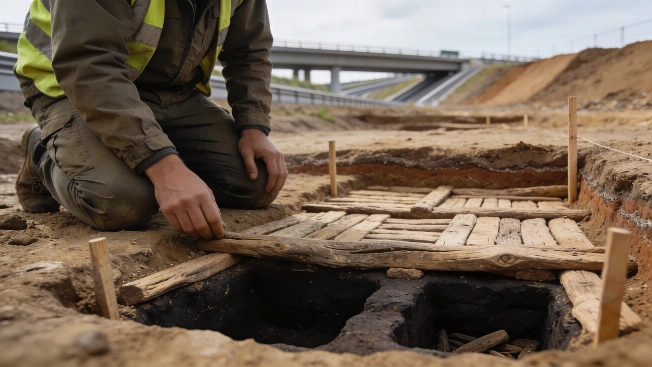
D55 Excavation Reveals 7,000-Year-Old Farming Landscape in Czech Republic
A rescue excavation along the Czech Republic's D55 motorway has documented 1,879 settlement features, 65 cremation and burial contexts, and large Neolithic houses across a landscape occupied repeatedly from the Neolithic to the medieval period.
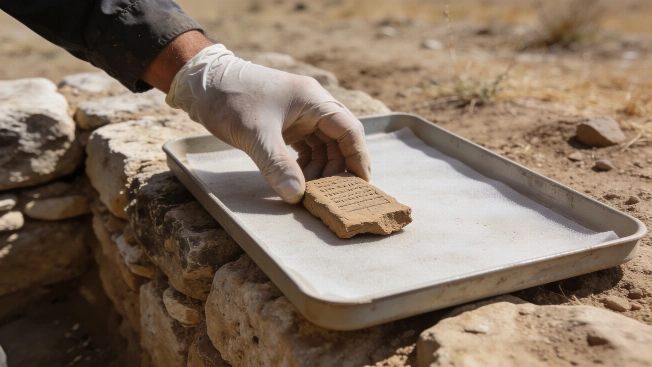
Hattusa Fragment Reconnects a Piece of the Kadesh Treaty
A newly identified cuneiform fragment from Hattusa belongs to the Hittite version of the Kadesh Peace Treaty and preserves clauses on fugitives who crossed between Egypt and Anatolia
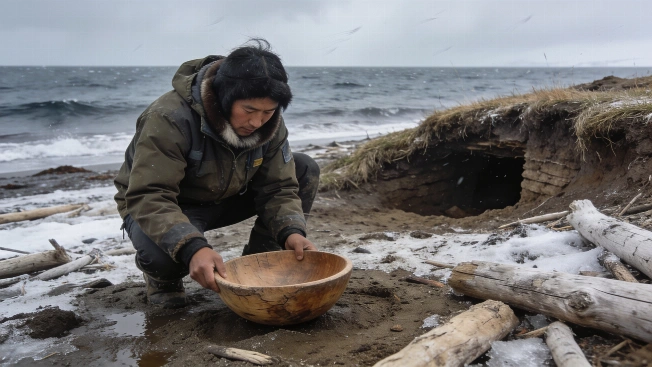
Storm Erosion Exposes Yup'ik Heritage at Nunalleq
After Typhoon Halong damaged western Alaska, archaeologists and Quinhagak volunteers carried out an emergency 2026 excavation at Nunalleq, recovering hundreds of Yup'ik artefacts before further storms and coastal erosion can carry them into the Bering Sea.
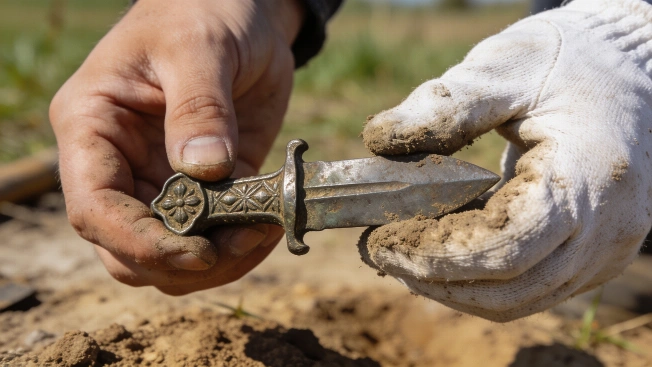
Rare Eleventh Century Sword Scabbard Fitting Found in Mazovia
Archaeologists in Poland have documented a rare metal chape from an eleventh century sword scabbard found near the surface in Mazovia, raising new questions about early medieval craftsmanship and cross regional connections
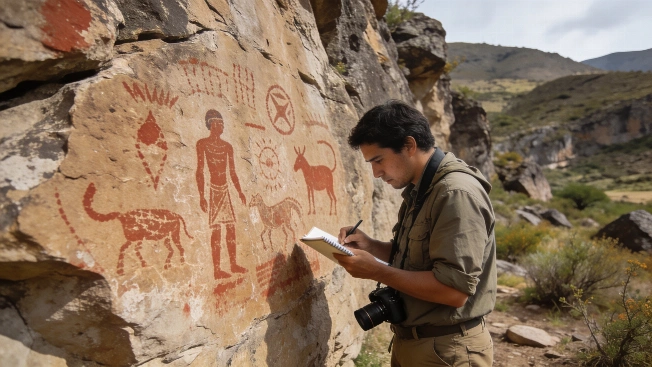
Ancient Hidalgo rock art reveals encounters with the underworld
Archaeologists have identified 55 rock art scenes at 25 sites in Hidalgo depicting figures meeting the lord of the underworld. The findings offer new evidence for how ancient communities understood death and the supernatural.
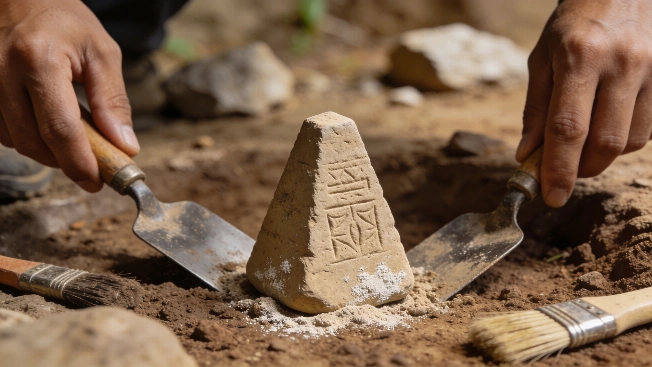
Stone prism find at Ollape unsettles Chachapoya daily life evidence
Archaeologists have recovered a carefully worked sandstone prism at the Ollape site in Peru's Amazonas region. The object's resemblance to Andean dice raises new questions about games, ritual, and social practice among the Chachapoya.
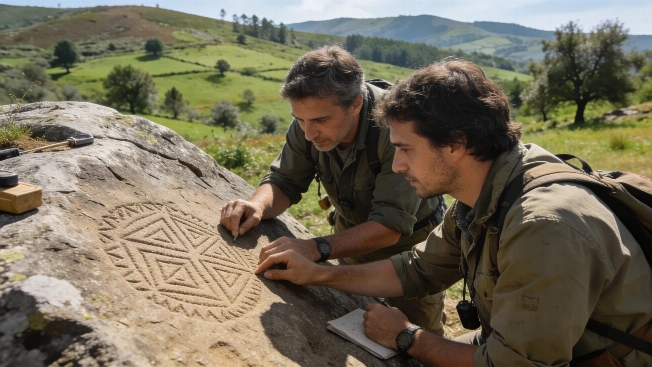
Galician Petroglyph May Depict Prehistoric Hut in Sacred Landscape
Archaeologists in Galicia are studying a large engraved rock that may show the floor plan of a prehistoric hut. The find, set among burial mounds and shelters, could change how researchers view ritual and domestic space in northwest Iberia.
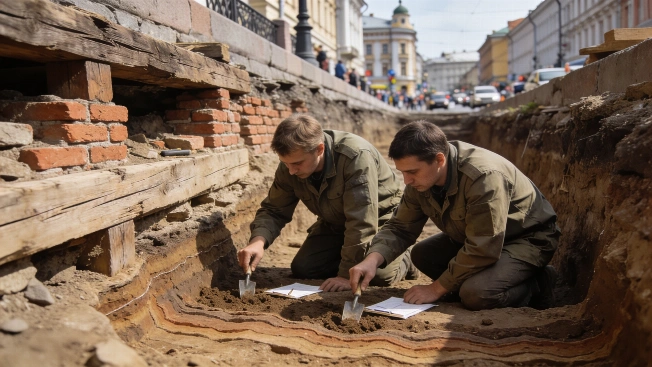
Centuries of Urban Layers Exposed at Nizhny Novgorod's Mytny Market
Archaeologists have excavated over 1,000 square meters at Mytny Market in Nizhny Novgorod, uncovering medieval property lines, market structures, coins, and hundreds of artifacts that document more than 700 years of urban transformation
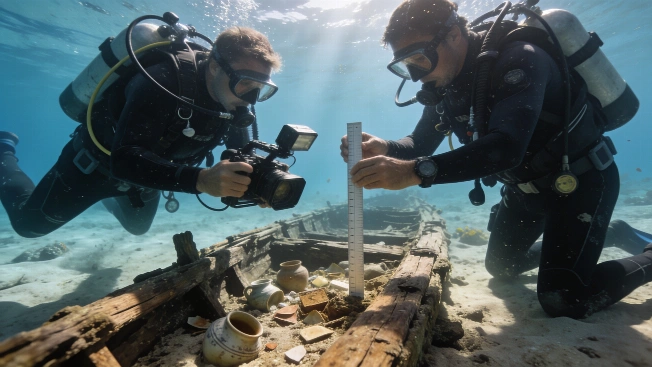
Red Sea shipwrecks mapped as Saudi underwater heritage emerges
Archaeologists have identified more than 25 underwater sites along Saudi Arabia's Red Sea coast using sonar and photogrammetry, uncovering shipwrecks and submerged structures that document ancient trade and migration routes.
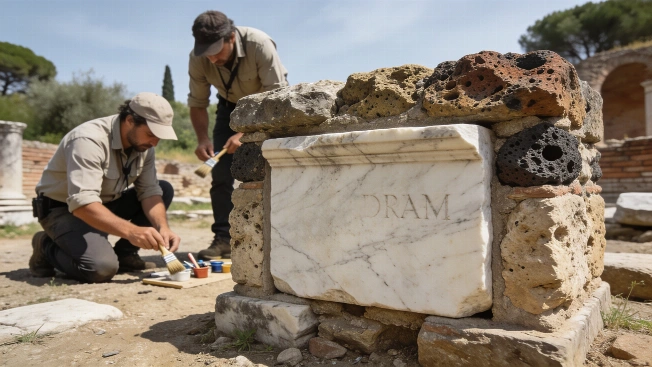
Roman Inscription at Hadrian's Villa Marks Ancient Lightning Strike
A marble inscription found at Hadrian's Villa in Tivoli records a site believed to have been struck by lightning at night, offering new insight into Roman religious practices and the physical marking of sacred ground
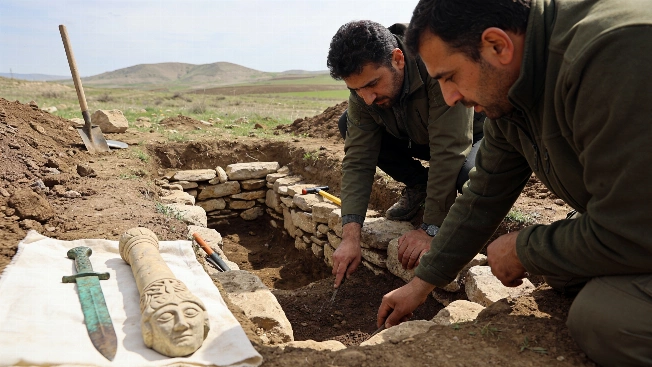
Bronze Age burial in Azerbaijan reveals weapons and staff of authority
A 3,600-year-old burial mound at Keşikçidağ in Azerbaijan has yielded a bronze dagger, obsidian and flint arrowheads, and a carved stone staff head, offering new evidence for social hierarchy and military roles in the Middle Bronze Age South Caucasus
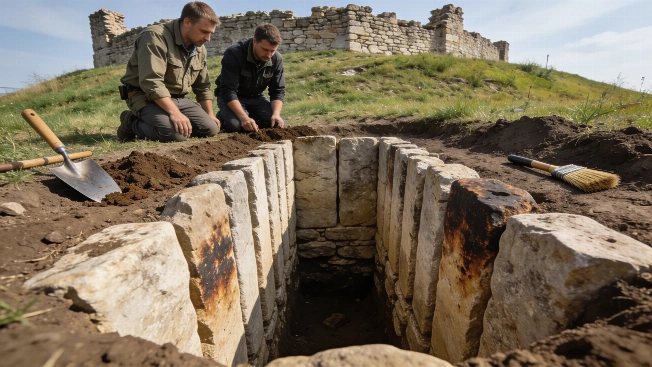
Heat-Scarred Shaft Found Beneath Essegvár Castle Walls in Hungary
Excavations at Essegvár Castle in western Hungary have revealed a stone shaft marked by intense burning, constructed before the medieval walls. The absence of industrial byproducts leaves its original function unresolved.
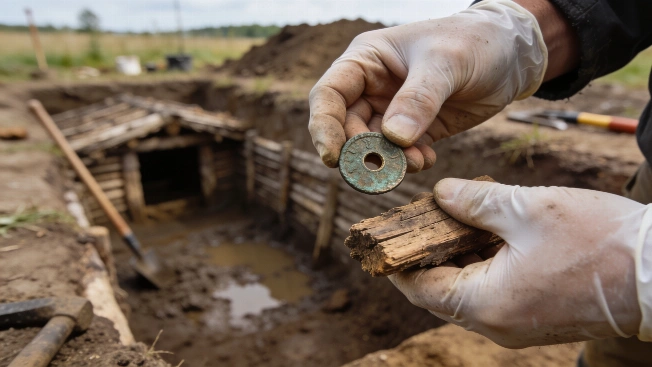
Iron Age Longhouse and Rare Coin Reveal Distant Connections in Poland
Excavations at Łysa Góra in central Poland have uncovered a 2,500-year-old longhouse and a rare Thracian coin, providing new insight into Iron Age settlement patterns and long-distance contacts across Europe
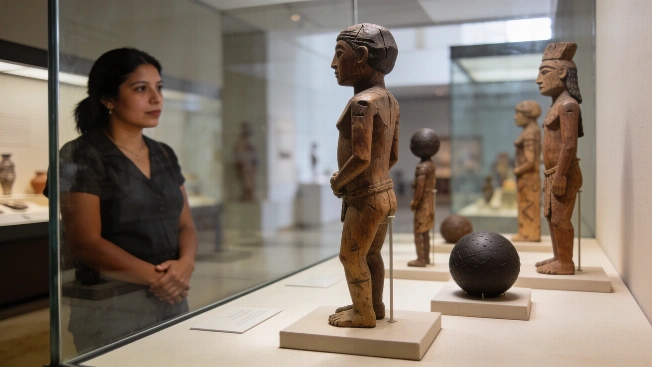
Olmec Offerings Reveal Ancient Rituals at Cerro El Manatí
Archaeologists have reunited 3,700-year-old Olmec offerings from Cerro El Manatí, including preserved wooden figures, rubber balls, and jadeite axes, providing new evidence for early Mesoamerican ritual and belief at a sacred Veracruz site
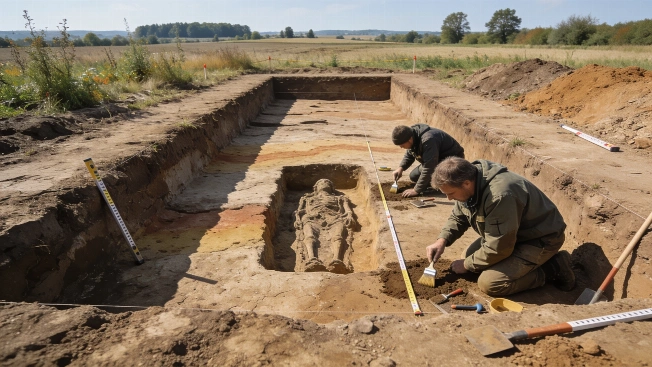
Trapezoidal Neolithic Burial Monument Uncovered Near Leipzig
Archaeologists in Saxony have excavated a 5,500-year-old trapezoidal enclosure containing a single human burial, offering new evidence for selective mortuary architecture and social differentiation among Neolithic Baalberge communities in Central Germany
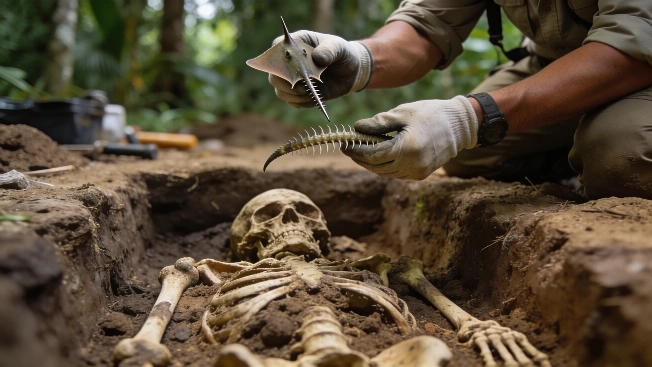
Ancient Maya burials yield stingray barbs linked to bloodletting rituals
Archaeologists working near Tenosique, Tabasco, have recovered stingray barbs and a catfish spine from ancient Maya burials. Researchers are investigating whether these aquatic animal remains were used in ritual bloodletting or self-sacrifice practices
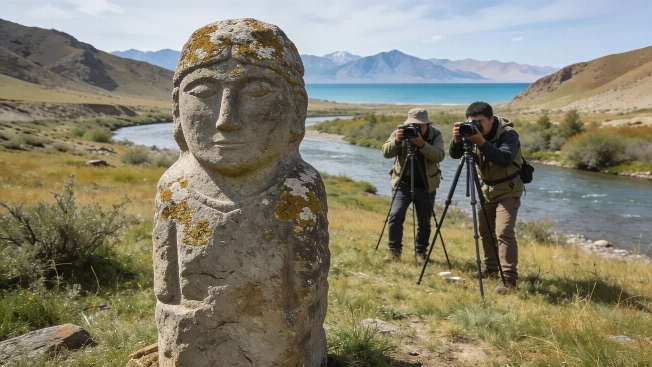
Turkic Stone Statue Documented in Dzhuuku Valley Near Issyk-Kul
A previously undocumented Turkic stone statue has been recorded in situ near Lake Issyk-Kul in Kyrgyzstan using photogrammetry, contributing to a growing digital archive of early medieval monuments and raising questions about preservation and context
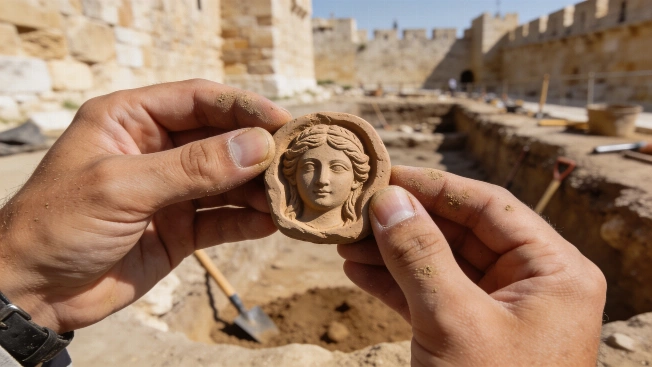
Ancient Clay Mould Reveals Figurine Production in First Temple Jerusalem
Archaeologists have identified a rare clay mould from the First Temple period at Jerusalem's Tower of David Museum, providing the first direct evidence that distinctive female figurines were produced locally rather than imported
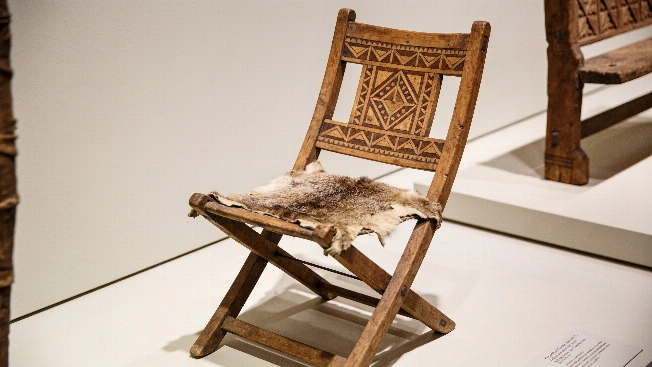
Bronze Age Folding Chair From Denmark Reveals Ancient Status Symbols
Archaeologists analyzed a 3,400-year-old wooden folding chair from a Danish burial mound using material analysis and contextual dating, revealing its role as a rare status object in Bronze Age Europe
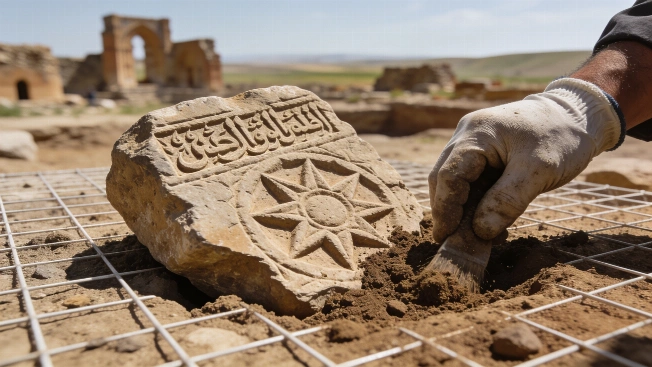
Seljuk Inscribed Stone Fragment Reveals Medieval Islamic Practice at Ani
Archaeologists at Ani in eastern Türkiye have uncovered a decorated Seljuk-era stone fragment inscribed with the name of the Prophet Muhammad in Kufic script, offering new evidence for religious and funerary traditions in medieval Anatolia
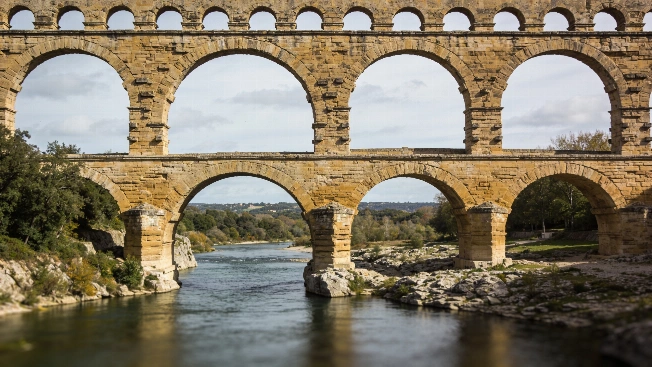
Roman Aqueducts Endured for Millennia Through Engineering and Maintenance
Archaeologists have traced the construction and survival of Roman aqueducts using evidence from preserved structures, ancient surveying tools, and maintenance records, revealing how these monumental water systems functioned and endured for centuries
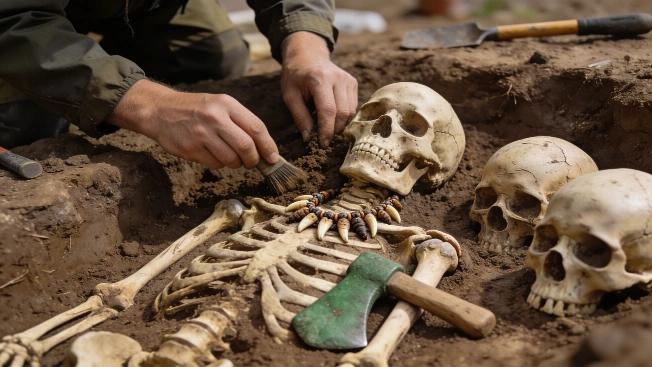
Stone Age Burial in Poland Reveals Necklace of Animal Teeth and Human Skulls
Archaeologists in southwest Poland have uncovered a Neolithic grave containing an adult skeleton, two additional human skulls, a necklace of 42 drilled animal teeth, and a serpentinite battle ax, raising new questions about burial practices and social identity around 2900 BCE
Part 1 of 4