
Roman Empire
40 reportsReaders following Roman Empire encounter instrument calibration, while also considering survey data products and spectral or imaging analysis. Conclusions concerning instrument calibration remain tied to inscriptions or archives, radiometric and comparative dating, and transparent methods; the conclusion remains provisional because surviving evidence is uneven and later narratives can oversimplify social diversity.
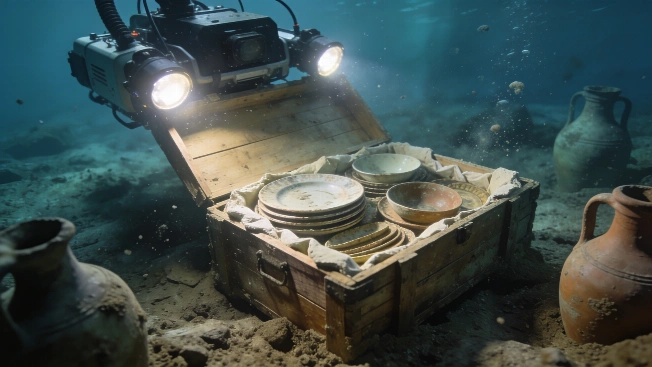
Luxury Tableware Cargo Found in a Turkish Shipwreck
Thousands of ceramic plates, bowls and trays recovered off Adrasan reveal a luxury cargo associated with Rhosus and Mediterranean trade during the 1st century BCE.
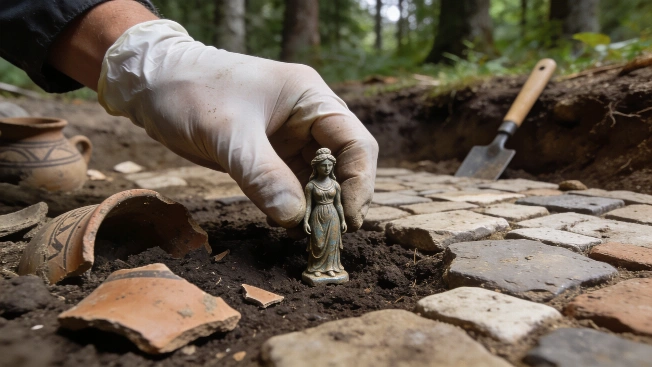
A Lead Venus Statuette Sharpens the Picture of Roman Pilisszentiván
A lead Venus Pudica found during the fourth excavation season at Pilisszentiván is the first known religious object from the Roman vicus, while associated finds illuminate personal equipment, work and monetary circulation.
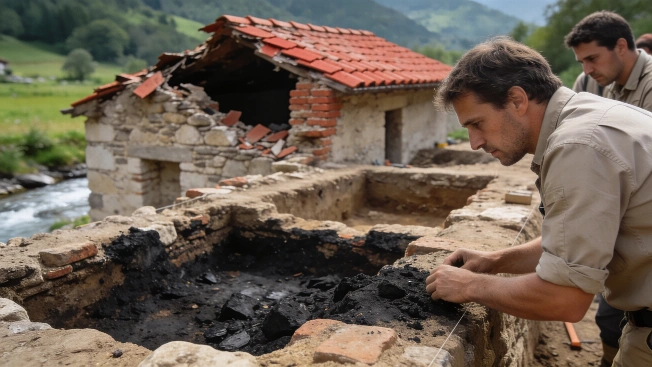
Roman Town With 8000 Seat Amphitheatre Found in Austria
Geophysical surveys in Lower Austria have mapped a Roman town with a regular street grid, burial grounds and an amphitheatre for about 8000 people. Researchers cautiously link it to Claudivium, but the identification remains unconfirmed.
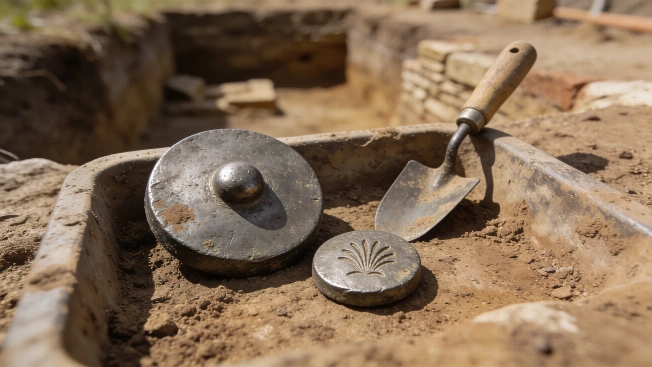
Roman Weights Expose the Working Economy of Bedford Villa
Two reported Roman lead pan weights from Bedford Roman Villa illustrate how measured mass may have structured work on a rural estate, while the limits of current verification caution against assigning them a specific trade or commodity.
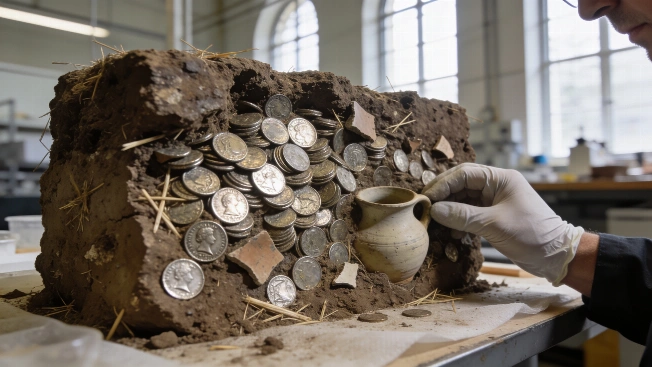
Hadrianic Coin Hoard in Germany Contains 934 Silver Denarii
A legally reported discovery near Wesseling has yielded 934 Roman silver denarii weighing 3.1 kilograms. The coins offer evidence of wealth, monetary circulation and deliberate concealment in the Rhineland during the second century CE.
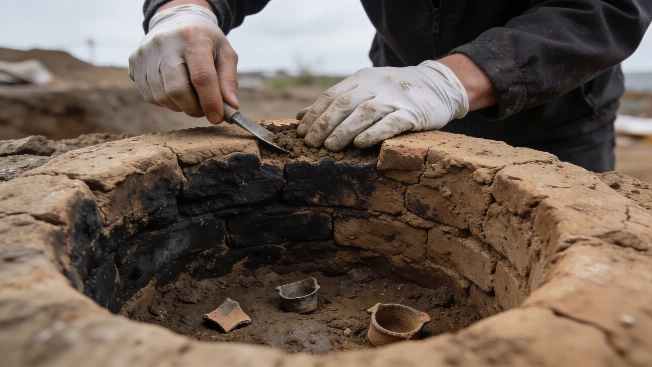
Roman Workshop Complex Reveals Germanic Metal Recycling
An approximately 850-square-metre workshop complex in western Dortmund preserves kilns, hearths and pits dating from the 1st to the 5th centuries CE, offering rare evidence of organized Germanic craft production and possible Roman-metal reuse.
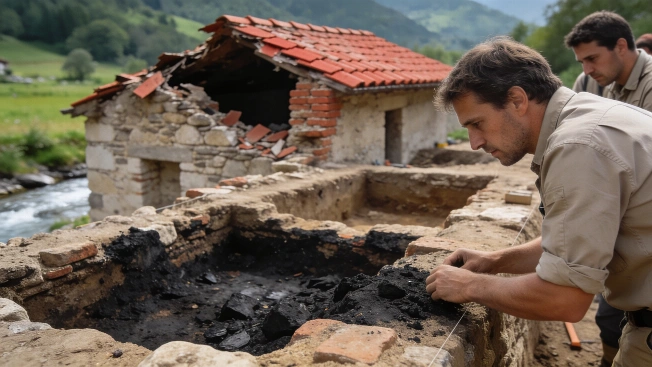
Roman Settlement in Switzerland Shows Signs of a Destructive Fire
Excavations at Ligornetto in southern Switzerland have exposed a Roman complex destroyed by fire, with iron slag and bronze-working waste that may clarify the settlement's economic role.
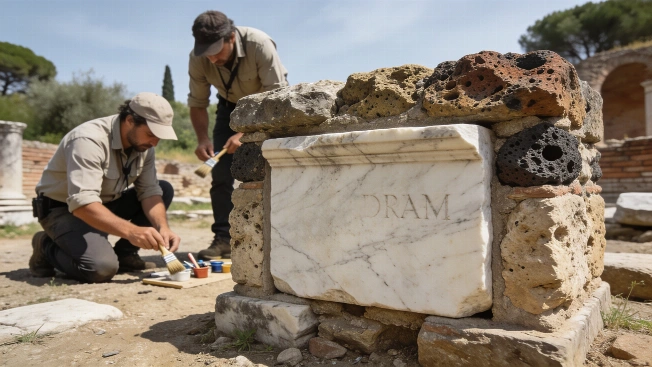
Roman Inscription at Hadrian's Villa Marks Ancient Lightning Strike
A marble inscription found at Hadrian's Villa in Tivoli records a site believed to have been struck by lightning at night, offering new insight into Roman religious practices and the physical marking of sacred ground
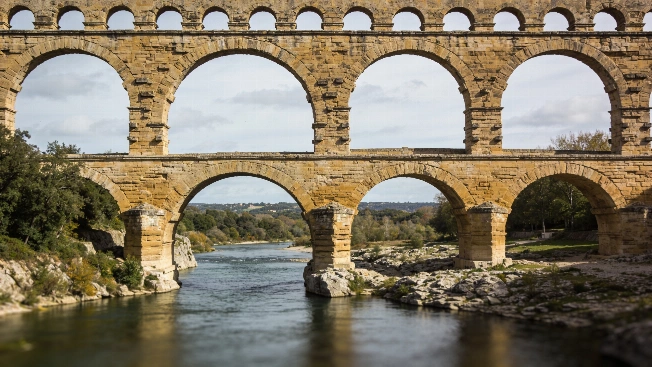
Roman Aqueducts Endured for Millennia Through Engineering and Maintenance
Archaeologists have traced the construction and survival of Roman aqueducts using evidence from preserved structures, ancient surveying tools, and maintenance records, revealing how these monumental water systems functioned and endured for centuries
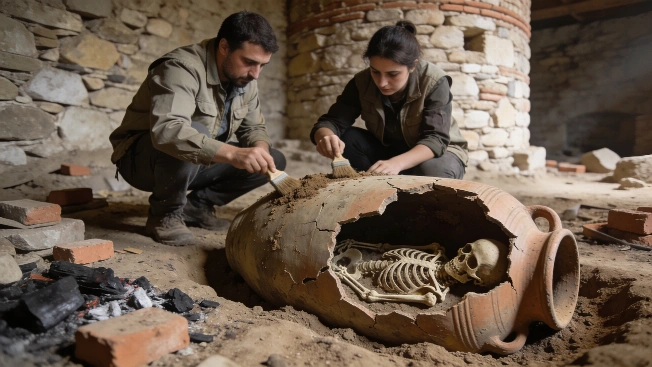
Roman-Era Skeleton Found Sheltering in Giant Jar at Deultum Fortress
Archaeologists excavating the Late Roman fortress of Deultum in Bulgaria have uncovered a human skeleton inside a massive storage jar, offering rare evidence of a fatal episode during a violent attack over 1,600 years ago
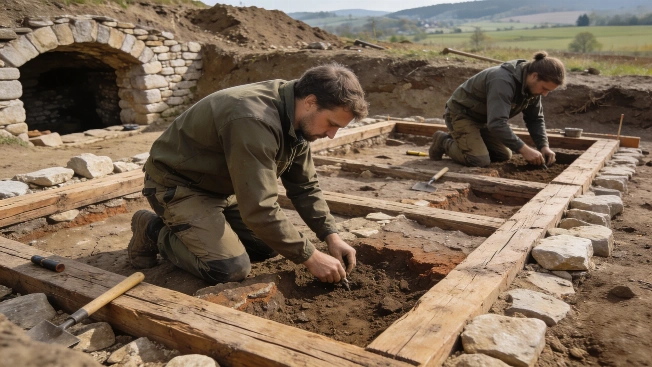
Roman Settlement at Neuenstadt Lasted Only Two Generations, Study Finds
Archaeological research at Neuenstadt am Kocher in southwestern Germany reveals that a Roman planned settlement was likely abandoned after just a few decades, with evidence pointing to instability along the empire's frontier as a possible cause
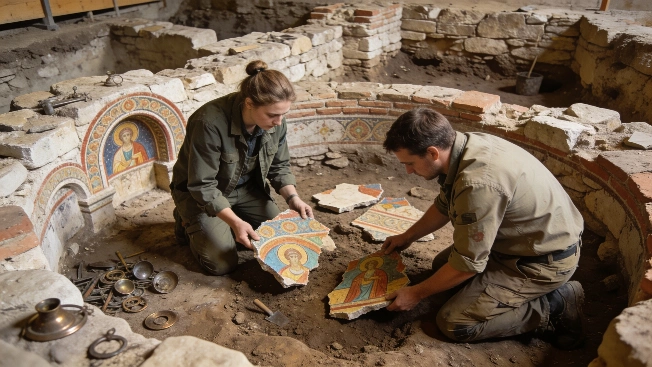
Excavation at Tokod Fortress Reveals Early Christian Church Remains
Archaeologists at the late Roman Tokod fortress in Hungary have uncovered the foundations of an early Christian church, fragments of frescoes, and a range of metal artifacts, offering new insights into religious architecture and activity at the site
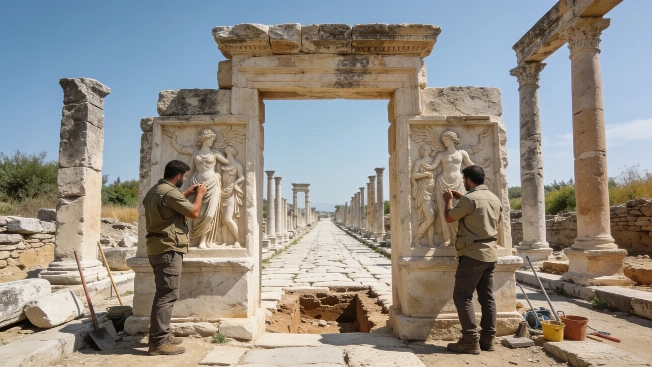
Excavation of Side's Monumental Street Reveals Centuries of Urban Change
Archaeologists have completed the excavation of a nearly 390-meter-long monumental street in the ancient city of Side, southern Turkey, documenting how its architecture and function shifted from the Roman period into Late Antiquity
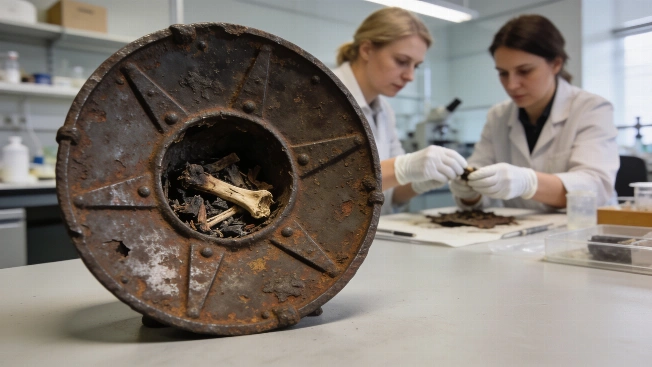
Iron Shield Boss With Cremated Remains Found in Polish Scrap Yard
A corroded iron shield boss containing cremated human bone was recovered from a scrap yard in eastern Poland, offering rare evidence of a disturbed 2nd-century CE Przeworsk culture burial and highlighting the challenges of reconstructing lost archaeological contexts
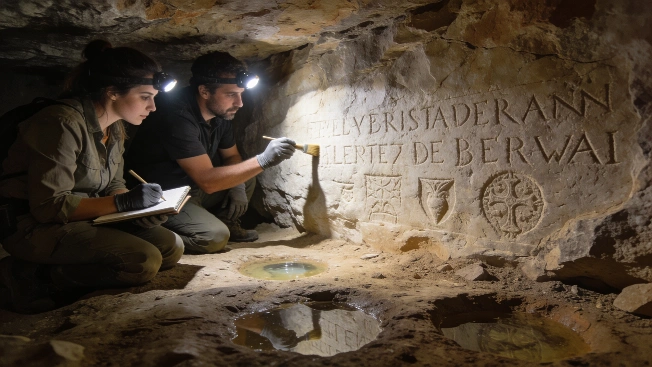
Roman-Era Cave in Spain Yields Over 120 Latin Inscriptions
Archaeologists have recorded more than 120 Latin inscriptions in Cova de les Dones, a cave sanctuary near Valencia, Spain, revealing evidence of a Roman-period cult focused on a mysterious goddess known as 'the Lady.'
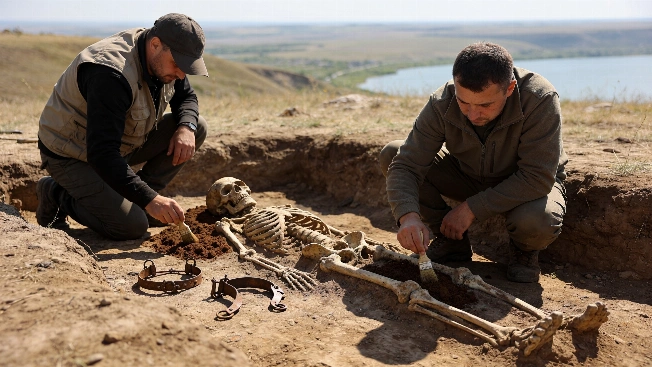
Roman-Era Burials and Iron Age Harness Unearthed in Odesa Region
Excavations at the Kartal hillfort in Ukraine's Odesa Oblast have revealed Roman-period graves and a rare Early Iron Age horse harness, providing new evidence for cultural interaction and repeated occupation in the lower Danube region
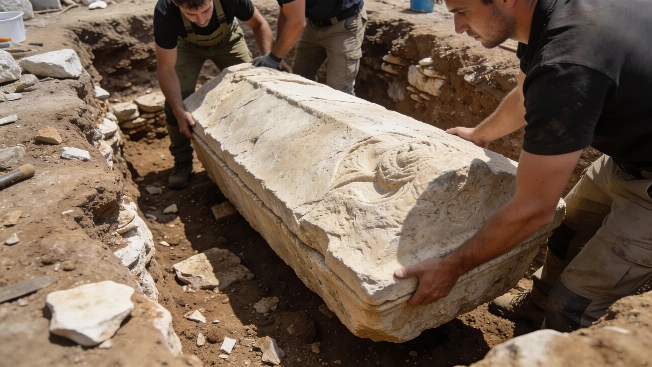
Sealed Roman-Era Sarcophagus Excavated Intact in Cavtat, Croatia
Archaeologists have excavated a massive limestone sarcophagus in Cavtat, Croatia, that remained sealed for over 1,500 years, providing rare insight into Late Antique burial practices and preservation in the eastern Adriatic
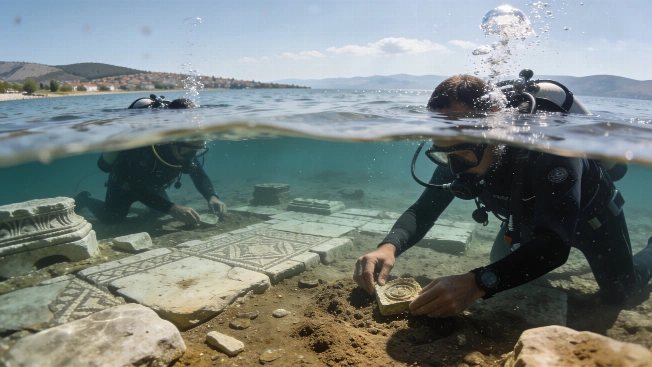
Underwater Church in Turkey Linked to Early Christian Council Debated
Archaeologists excavating beneath Lake İznik in Turkey have uncovered the remains of a small church beneath a later basilica. Some propose it hosted the First Council of Nicaea, but the evidence and dating remain contested.
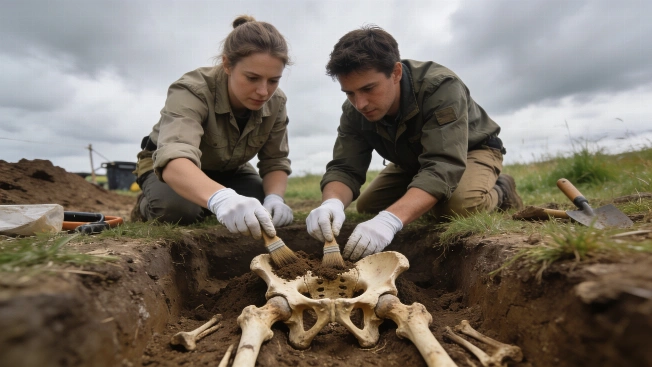
Roman-Era Mass Grave Near Vienna Reveals Unusual Groin Injuries
Bioarchaeologists have analyzed over 120 skeletons from a Roman-period mass grave in Vienna, uncovering a high frequency of perimortem trauma-especially to the pelvis-raising new questions about conflict and identity in the region
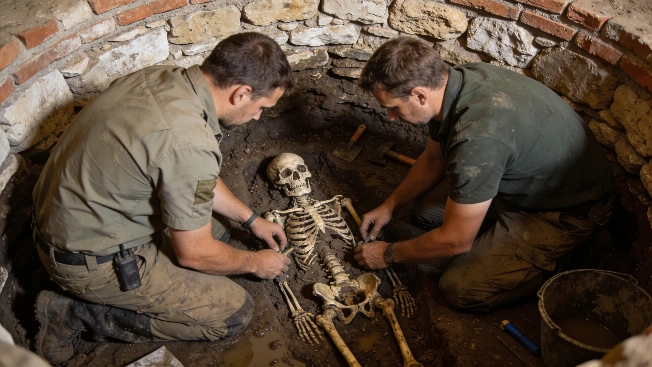
Roman-Era Well in Croatia Yields 43 Skeletons Linked to Ancient Plague
Archaeologists have examined 43 skeletons from a Roman-period well in Osijek, Croatia. The absence of trauma suggests these individuals may have died during a third-century epidemic, offering new insight into ancient disease and burial practices.
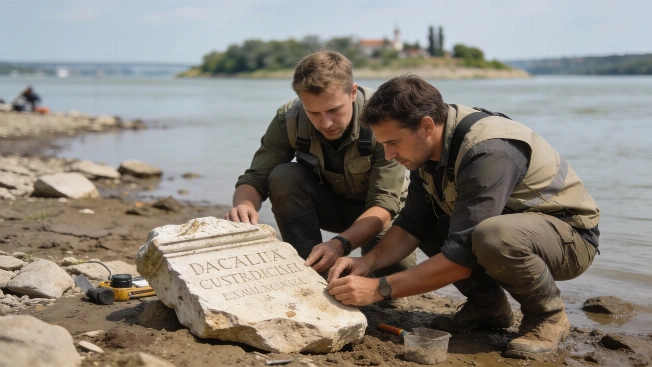
Roman Jupiter Altar Fragment Recovered from Danube Riverbed
Archaeologists have recovered a limestone altar fragment dedicated to Jupiter from the Danube near Dunaújváros, Hungary, after low water levels exposed rarely accessible riverbed areas. The find offers new evidence for Roman religious activity on the Pannonian frontier
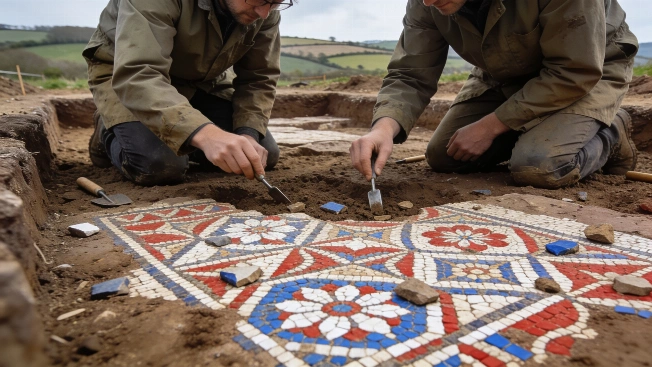
Roman Villa With Mosaic and Bathhouse Unearthed in Devon
Excavations in Devon have revealed a Roman villa complex with a polychrome mosaic, bathhouse, and evidence of industrial activity, offering new insight into rural elite life and architectural change in southwest Britain during the Roman period
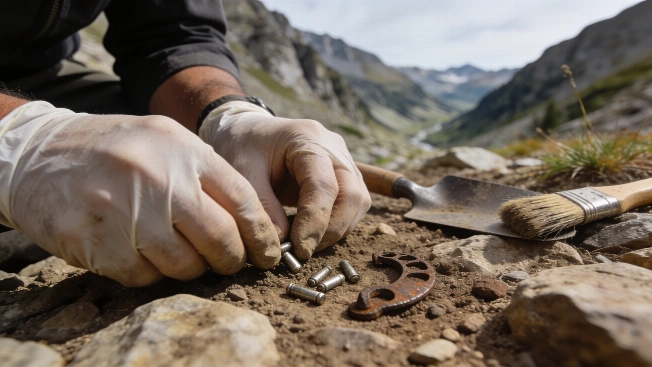
Roman Sling Bullets Pinpoint 39 BCE Ambush Site in the Pyrenees
Archaeologists have identified a Roman military camp in the eastern Pyrenees using lead sling bullets and other artifacts, revealing evidence of a violent local uprising against Roman forces in 39 BCE in what is now Catalonia, Spain
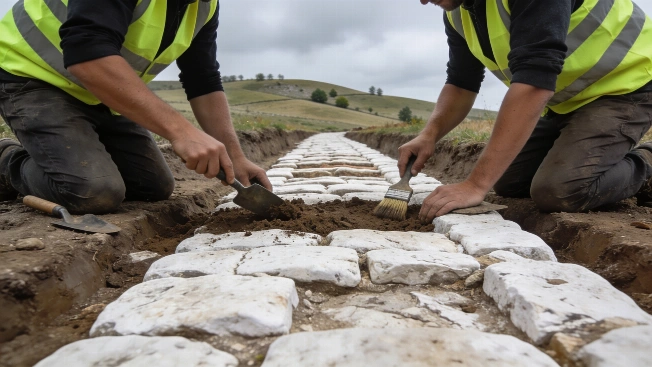
Roman Road Segment Uncovered on Swabian Alb Plateau
Archaeologists have exposed a 90-meter stretch of the Alblimes Road, a Roman route dating to the 1st century CE, during excavations ahead of motorway construction on the Swabian Alb, revealing new evidence for ancient frontier infrastructure
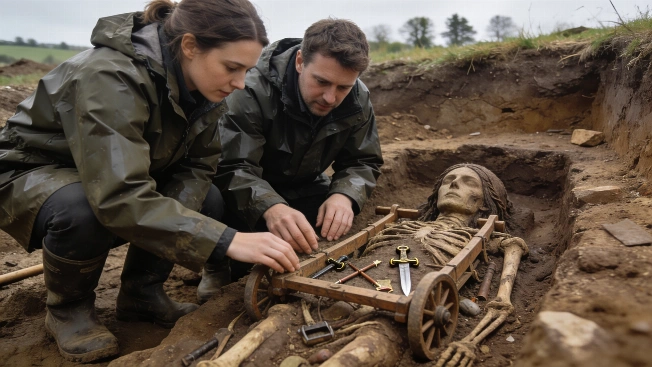
Did Women Fight in Ancient Celtic Battles Archaeology Reveals
Archaeologists have uncovered weapons in some female burials across Iron Age Europe, raising questions about the roles of women in Celtic warfare. Recent genetic and osteological studies provide new insights but leave key uncertainties unresolved
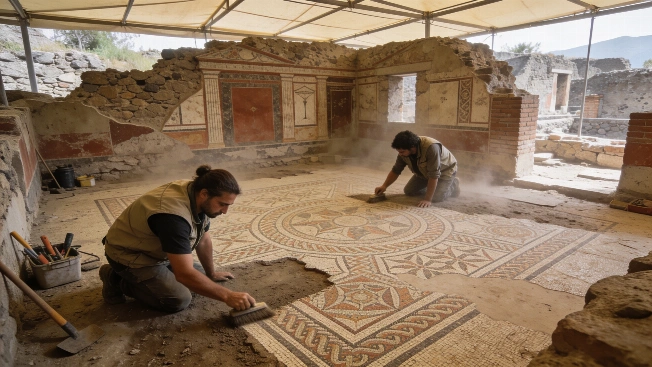
Roman Villa Mosaics Uncovered at Ancient Pompeiopolis in Türkiye
Archaeologists in northern Türkiye have revealed extensive Roman mosaics during renewed excavations at Pompeiopolis, offering new evidence for elite architecture and decorative practices in Anatolia's Roman period
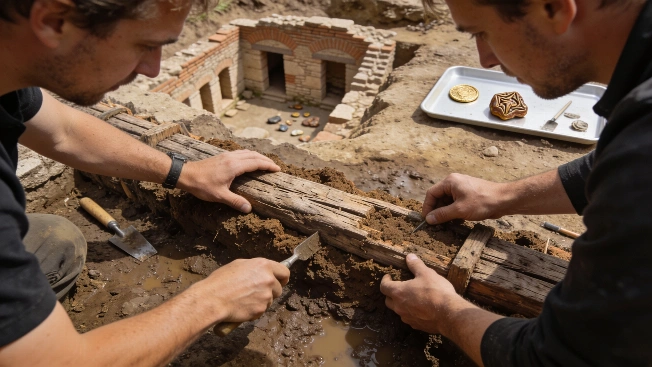
Early Roman Defenses and Rare Finds Unearthed at Vindonissa Camp
Archaeologists at Vindonissa, Switzerland's key Roman legionary camp, have uncovered the first confirmed section of its original defensive wall, a legionary barracks, and a rare gold coin, offering new evidence for the site's earliest military occupation
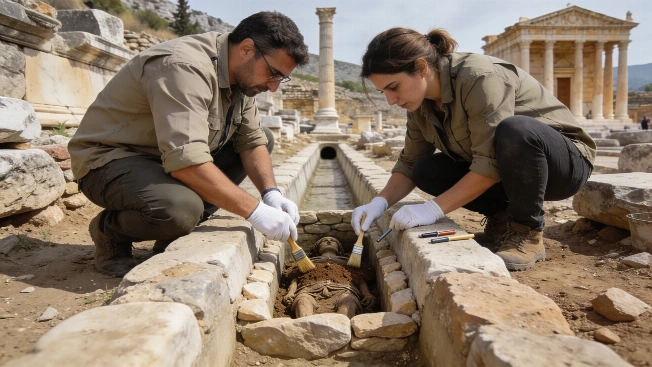
Byzantine-Era Twin Infant Burial Discovered Near Temple of Artemis
Archaeologists have identified a 1,200-year-old grave containing two premature infants near the Temple of Artemis at Ephesus, Turkey, revealing rare evidence of twin burial and a genetic anomaly in one skeleton
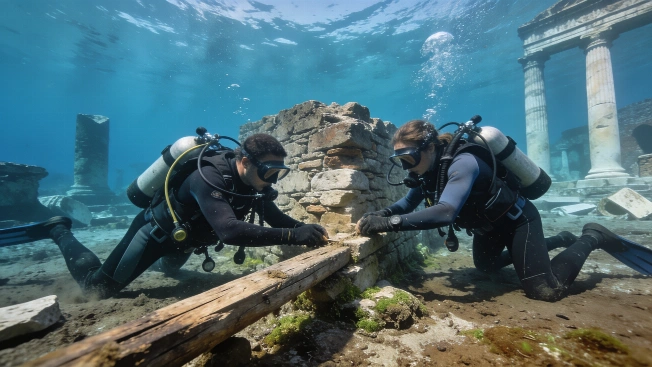
Submerged Roman Port at Puteoli Reveals Ancient Trade Infrastructure
Archaeologists are mapping the underwater remains of Puteoli, Rome's early commercial port, using advanced survey methods to document warehouses, workshops, and a rare Nabataean temple preserved beneath the Bay of Naples
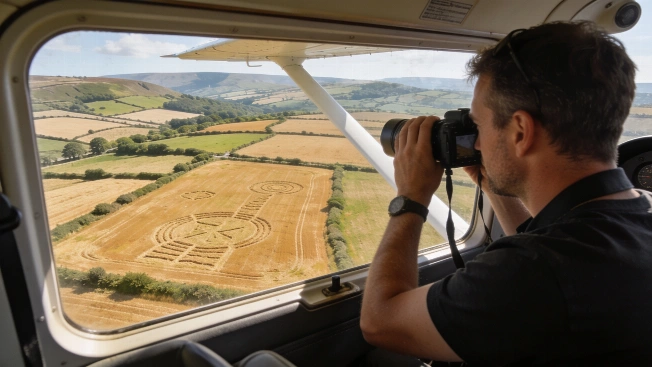
Heatwave Uncovers Ancient Monuments and Buried Sites Across Wales
Aerial archaeological surveys during an extended Welsh heatwave have revealed prehistoric barrows, Iron Age enclosures, Roman buildings, and First World War trenches as cropmarks and parchmarks, offering new insights into the region's archaeological landscape
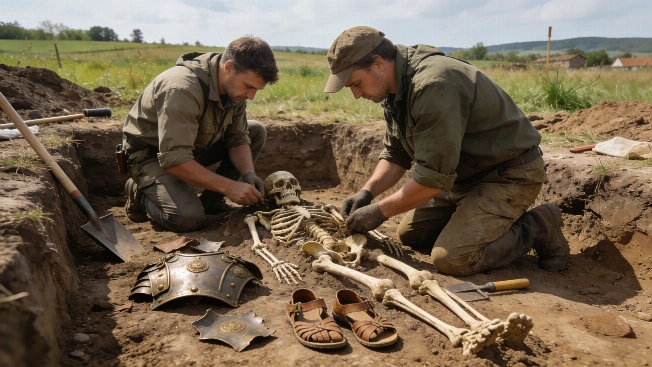
Roman Military Camp in Slovakia Reveals Unusual Soldier Burials
Archaeologists have identified a large Roman military camp near Šurany, Slovakia, containing hastily buried remains of soldiers and military equipment, offering new evidence for Roman campaigns during the Marcomannic Wars
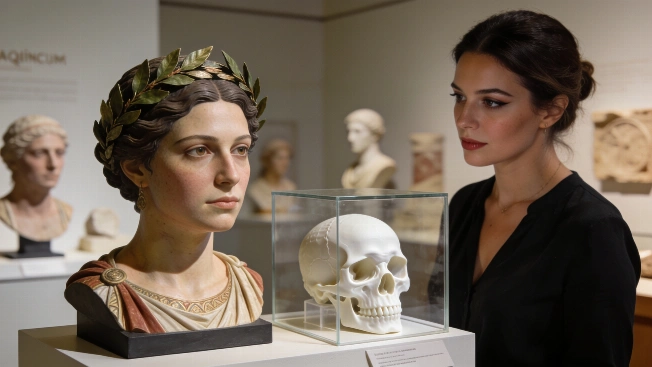
Facial Reconstructions Reveal Roman-Era Lives at Aquincum, Hungary
Researchers used DNA analysis, 3D-printed skulls, and forensic modeling to reconstruct the faces of 16 individuals buried near the Roman frontier city of Aquincum, offering new insights into population diversity and daily life nearly 1,700 years ago
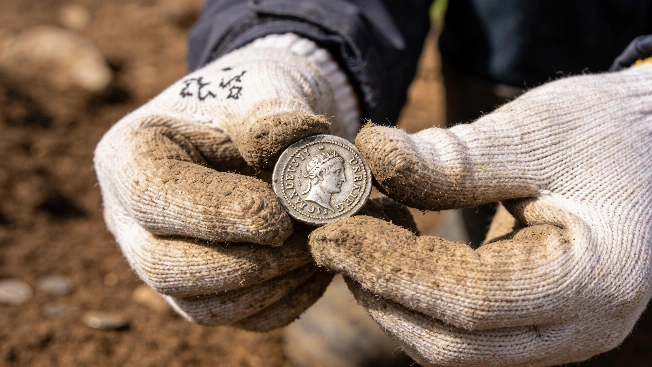
Roman Republican Silver Coins Reveal Early Cross-Border Exchange
A newly documented hoard of Roman Republican silver denarii found near Halle, Saxony-Anhalt, offers rare evidence for early contact and exchange between the Roman Republic and communities beyond its northern frontier
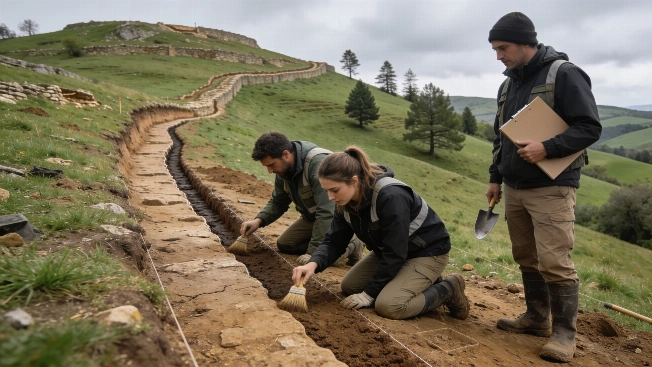
Roman Siege Network at La Loma Larger Than Previously Known
Archaeologists have identified a seventh Roman military camp near the Iron Age hill fort of La Loma in northern Spain, revealing a more extensive siege network during the Cantabrian Wars than earlier evidence suggested
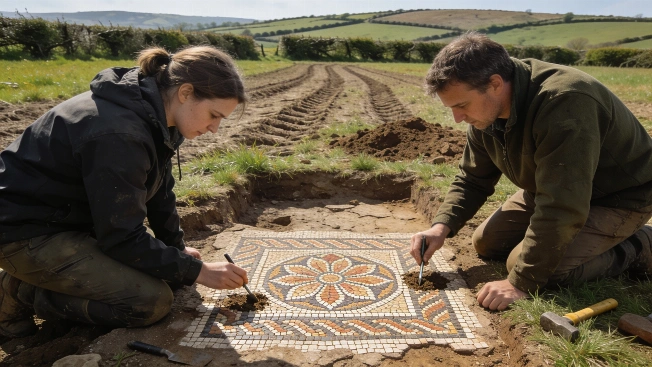
Roman Mosaic Uncovered at Devon Villa Site After 16 Years of Investigation
Archaeologists have excavated a Roman mosaic beneath farmland in Devon, England, revealing a rare decorated floor from a villa complex. The find offers new evidence for Roman presence in a region where such sites are uncommon.
Part 1 of 2