
Quantum Advantage
167 reportsAnalysis of Quantum Advantage focuses on links to other theories, together with unresolved questions and or explanation applies. Conclusions concerning links to other theories remain tied to independent experiments, quantitative predictions, and transparent methods; the evidence is read with the caveat that agreement within one regime does not guarantee validity beyond tested conditions.

CGI Turns Quantum Hardware Into Enterprise Infrastructure
CGI is building a business around connecting quantum processors to existing enterprise systems. Its work spans optimization, security and federal logistics while the underlying hardware remains outside the company.
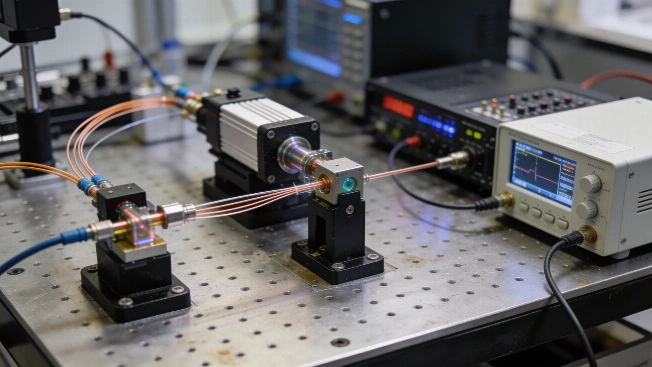
Quantum Optimization Finds Value Before Quantum Advantage
JIJ uses classical and quantum-inspired solvers for most commercial optimization work while testing quantum photonics for better answers rather than faster runtimes
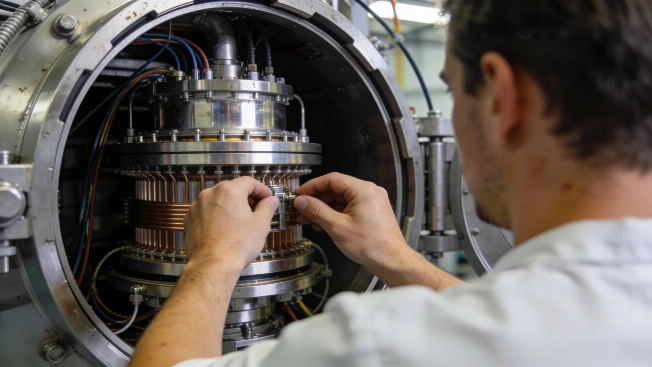
Quantum Computing Faces Its Hardest Test Beyond Qubit Counts
Quantum processors are no longer judged only as faster classical machines. Their value depends on whether real workloads can be mapped to quantum evolution and run reliably inside hybrid systems with effective error correction.
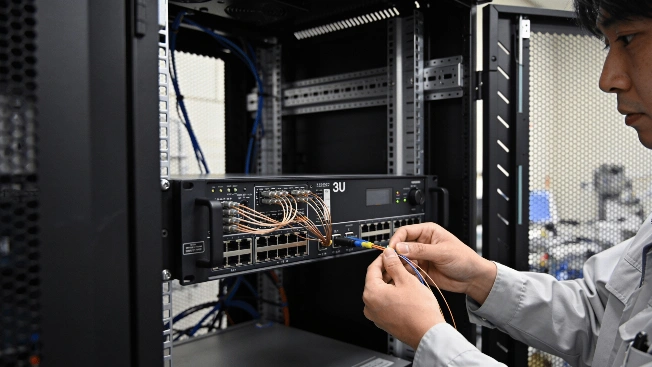
QuiX Quantum Brings Photonic Quantum Hardware to Japan
QuiX Quantum has appointed Sendai-based TEI-C as its exclusive Japanese distributor, giving universities, research institutes and industry local access to Alquor 2.0 photonic processors and PACU control systems.

IonQ QCBM Beats Classical Radar Change Detection Baselines
IonQ reports that a 20-qubit trapped-ion quantum generative model improved radar change detection on a high-resolution airfield dataset while matching classical methods on volcanic InSAR imagery
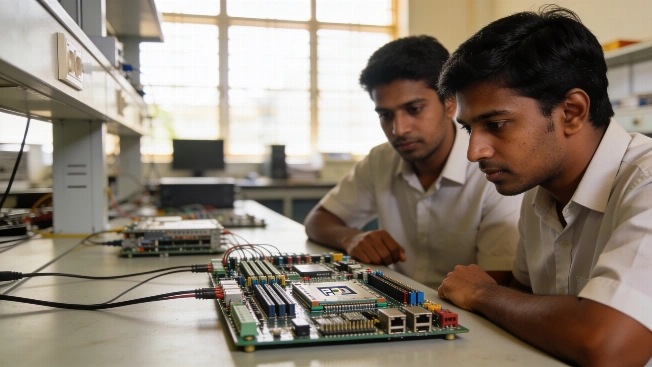
Yenepoya Plans Quantum AI Hardware Lab in Mangaluru
Yenepoya University and REYRA AI plan a Mangaluru laboratory for quantum-inspired hardware and software while preparing students and faculty through certification courses in quantum computing and Quantum Machine Learning.
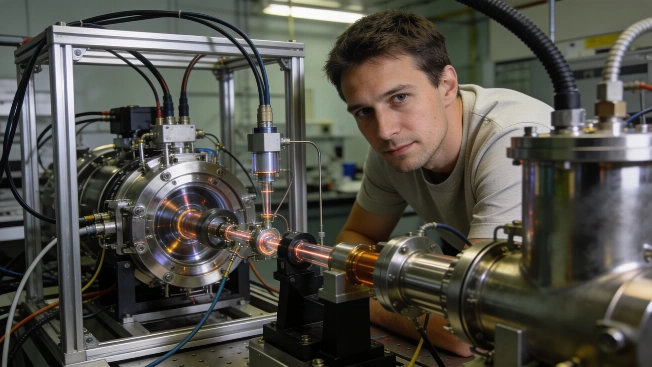
Quantum Utility Starts With Chemistry Not Qubit Counts
Matthias Troyer's assessment of quantum computing points to chemistry as the clearest near-term application while error correction, data movement, hardware architecture and end-to-end cost determine whether larger systems will become scientifically useful.
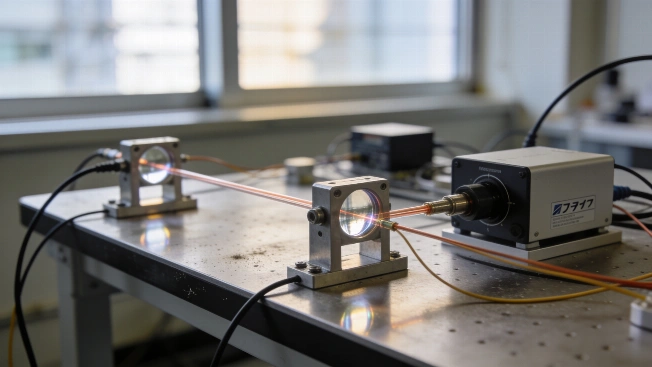
Japan Bets on Photonic Quantum Computing at 10,000 Qubits
OptQC has closed a JPY 7 billion Series A2 round and plans a Tokyo R&D hub for photonic quantum processors, while Mitsubishi Electric expands its strategic role in Japan's quantum-hardware ecosystem.
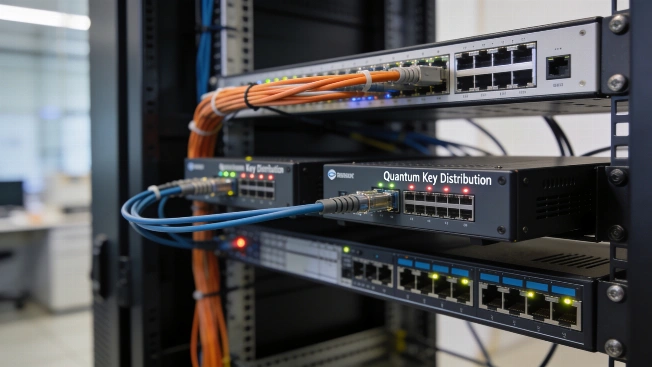
Quantum-Safe Network Platform Launches on Existing Fiber in Europe
Q-SAFE Solutions has introduced a quantum-safe communications platform built in the EU-27, combining quantum key distribution and post-quantum cryptography for telecom, infrastructure, and government networks-no dedicated dark fiber required.
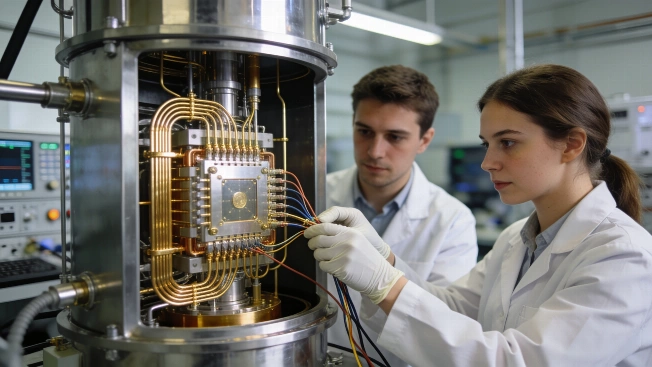
Surface code error suppression tested on IBM heavy-hex quantum processors
A team from the University of Southern California and Quantum Elements has experimentally tested surface code error suppression on IBM's 156-qubit heavy-hex superconducting processors, challenging assumptions about lattice geometry and quantum error correction.

Riverlane opens US quantum error correction hub in Maryland
Riverlane has set up its US headquarters in Maryland's Discovery District to speed up real-time quantum error correction projects and work more closely with quantum hardware makers and academic researchers.
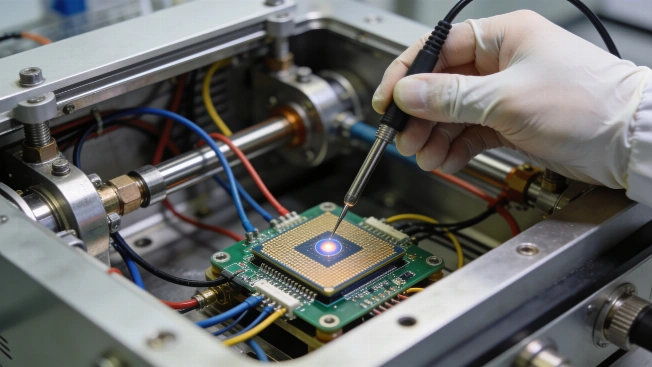
Patent eligibility for quantum dot Pauli Z gate hardware faces legal scrutiny
A proposed hardware method for implementing the Pauli Z gate in quantum dot-based quantum computers highlights the unresolved legal barriers to patenting quantum operations that rely on established physical laws.
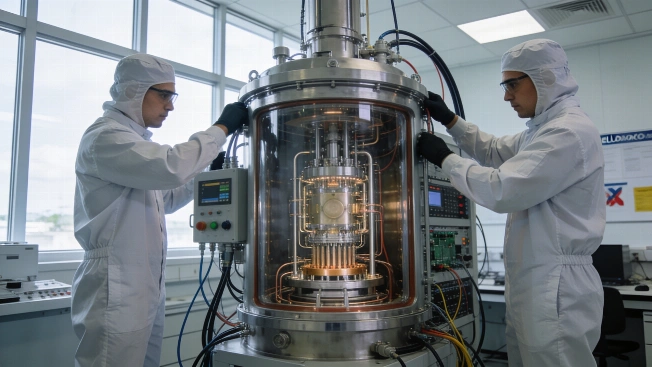
Brazilian Research Institute Orders On-Premises Superconducting Quantum Computer
IQM Quantum Computers will supply its IQM Spark superconducting quantum system to Brazil's Eldorado Research Institute, marking the first time a private research institution in South America has purchased and installed a quantum computer on site.
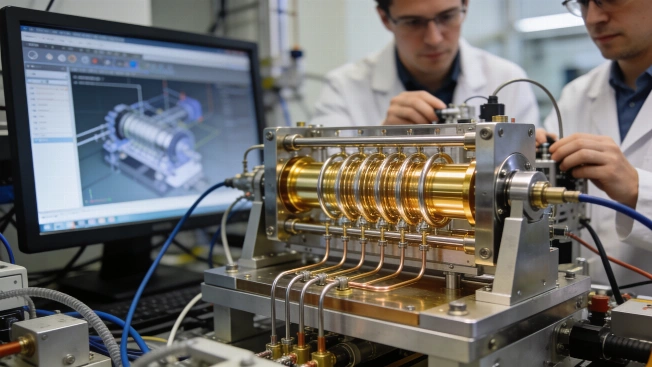
Trapped-ion quantum processor trims engineering simulation time by 14 percent
IonQ, Synopsys, and NVIDIA have linked a trapped-ion quantum processor with large-scale engineering simulation software, reporting up to 14.6% total runtime savings in benchmarked industrial workloads.

Falqon Systems launches multi-node quantum secure networks across Europe
Falqon Systems, formerly Q*Bird, is rolling out operational quantum secure networks in several European countries using measurement-device-independent quantum key distribution and hybrid key management.

Canada's BDC directs $1 billion to quantum and deep-tech startups
The Business Development Bank of Canada is deploying $1 billion to support quantum computing, post-quantum cryptography, and dual-use deep technologies, aiming to fill funding gaps for Canadian startups beyond the seed stage.
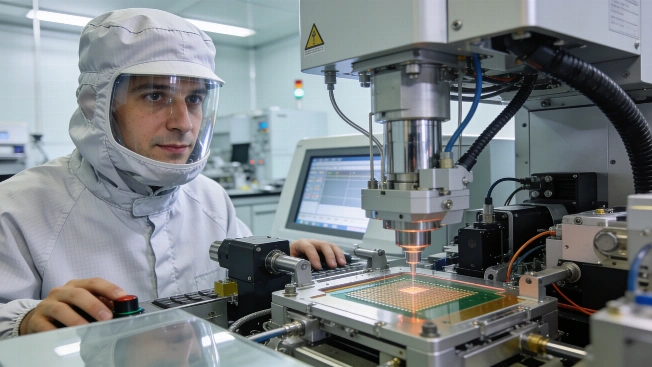
Spain Launches Quantum Nanofabrication Facility for Device Prototyping
A new quantum nanofabrication area at IMB-CNM in Barcelona brings advanced electron-beam lithography and metrology tools to Spain's largest cleanroom for quantum device prototyping, aiming to bridge laboratory research and industrial pilot lines
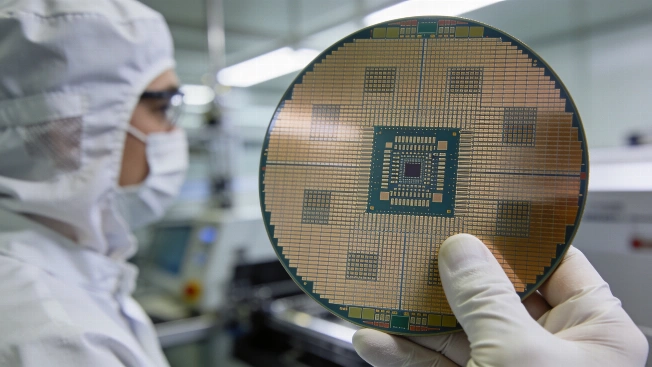
Silicon Spin Qubit Chip Integrates Quantum Gates and Readout on 300mm Wafer
Quobly has demonstrated single-chip readout and quantum gate operations on its QSOI architecture, fabricated with industrial 300mm FD-SOI CMOS technology and enriched silicon-28, marking a step toward scalable silicon-based quantum processors
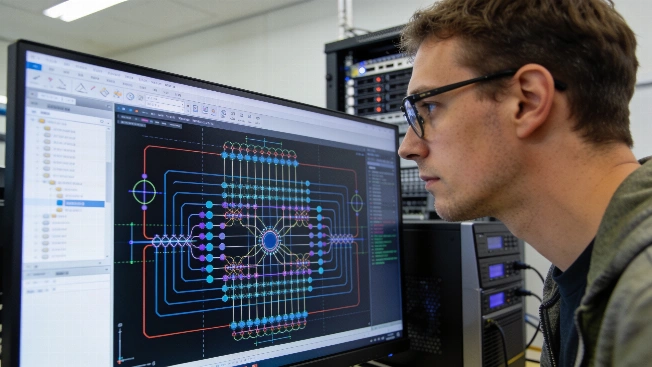
Fujitsu Releases OpenQARP to Tackle Quantum Software Complexity
Fujitsu has released OpenQARP, an open-source quantum application framework with over 100 modular components. The package is designed to reduce code complexity for chemistry, materials, and optimization workflows on NISQ and future fault-tolerant quantum systems.
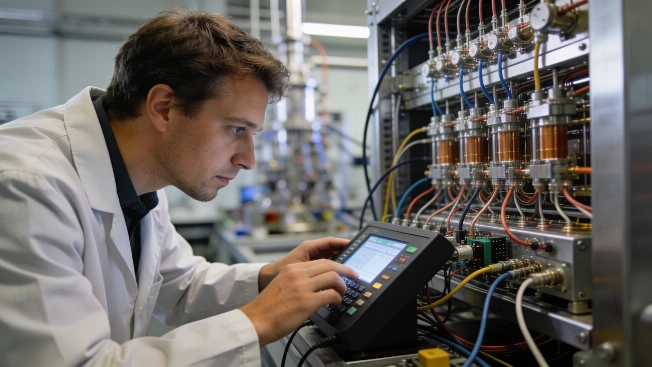
Parity Twine Optimizer Cuts Quantum Circuit Depth in IBM Qiskit
ParityQC has released the Parity Twine Optimizer for IBM Qiskit, a compiler module designed to minimize two-qubit gate count and circuit depth by mapping optimization problems directly onto quantum hardware coupling maps.
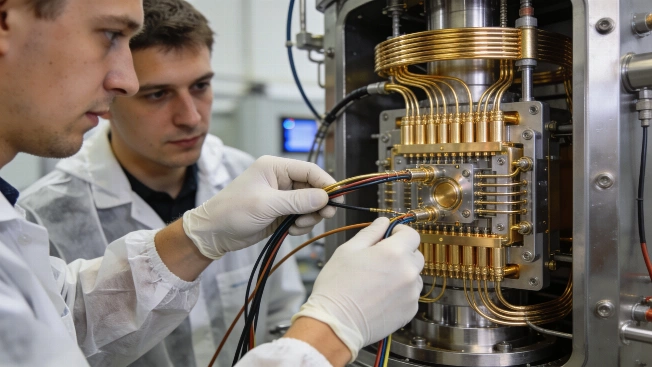
Superconducting Quantum Processor Runs Qubit-Efficient Optimization Algorithm
Rigetti Computing has used a superconducting quantum processor to run an optimization algorithm that packs more classical variables into each qubit, letting the hardware tackle larger problems with fewer resources. The team benchmarked the approach against standard methods.
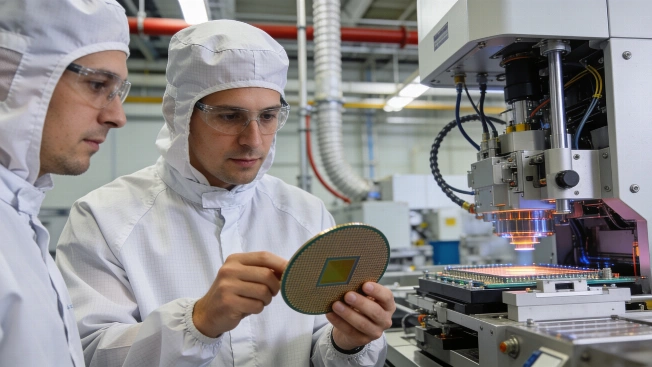
Photonic Inc Plans CA$500M Silicon Quantum Fab in Vancouver
Photonic Inc has put forward Project VANGUARD, a CA$500 million semiconductor fabrication and packaging facility in Vancouver. The site would give Canadian companies a domestic option for prototyping and scaling quantum, AI, and defense hardware.

Zapata Quantum Restructures After Failed SPAC and Cancer Research Milestone
After a failed SPAC deal in 2024 left Zapata Quantum with new debt and little fresh capital, the company restructured and shifted its focus. Zapata now highlights progress in quantum resource estimation and cancer research, but faces ongoing engineering and scalability hurdles.
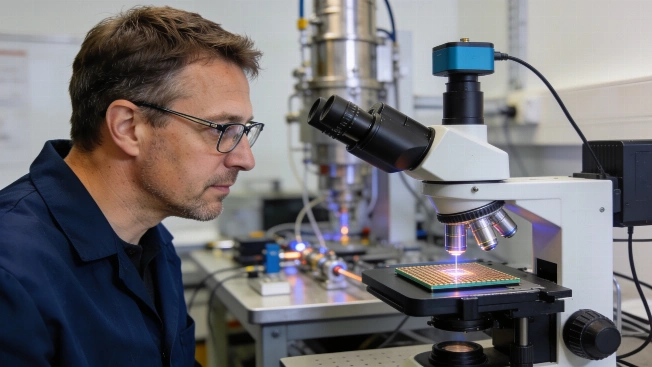
Quantum hardware companies bring in new leaders to tackle engineering hurdles
Senior hires at Q.ANT, Qtonic Quantum, QuantrolOx, and Leiden Cryogenics reflect a push to solve the practical challenges of building and scaling quantum hardware, photonic processors, and cryogenic systems.

Quantum Computing Patents Face Uncertainty Under US Legal Standards
Quantum computing developers in the US confront unpredictable patent eligibility as courts apply inconsistent standards to algorithms and device innovations. This analysis examines the legal hurdles and offers practical strategies for protecting quantum inventions.
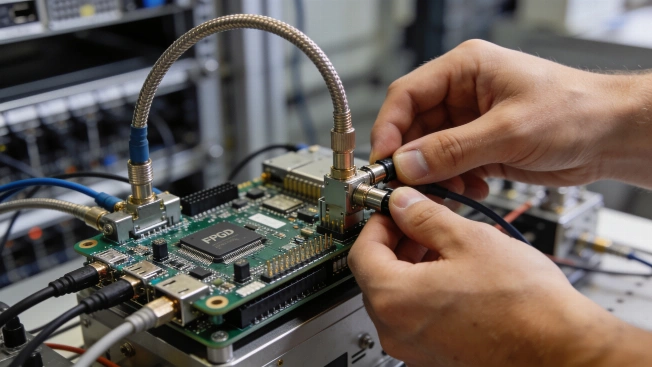
Altera and Riverlane validate real time QEC interface on Agilex FPGAs
Altera and Riverlane have integrated an open source quantum error correction interface on Agilex 7 FPGAs, aiming to standardize real time data movement and control for multi qubit quantum processors across several hardware platforms
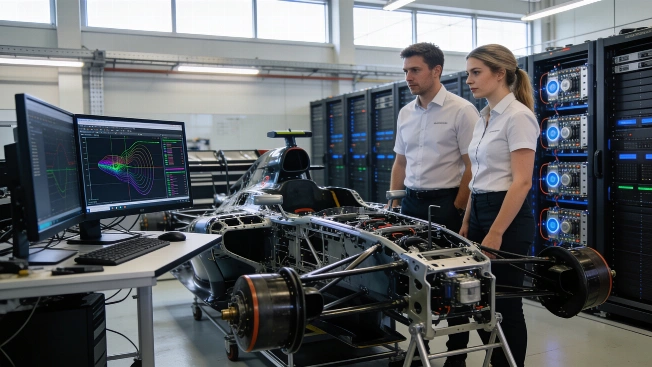
Hybrid Quantum Simulation Targets Formula One Engineering Limits
A Formula One team is piloting hybrid quantum-classical simulation tools to model complex physics in car development, integrating quantum algorithms and post-quantum security hardware under strict computational budgets
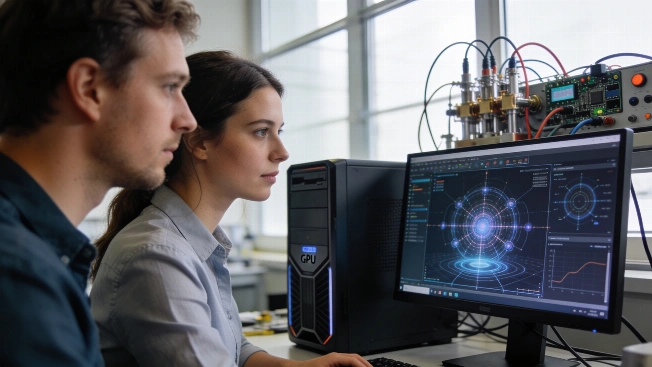
Qilimanjaro Quantum Tech adds GPU acceleration to analog simulation
Qilimanjaro Quantum Tech has released QiliSDK v0.3.0, introducing GPU-accelerated analog quantum simulation, a new stabilizer state simulator, and expanded classical optimization tools for hybrid quantum-classical workflows

IBM Ventures Backs BQP for Quantum Physics Simulation Acceleration
BQP has secured an $8 million investment led by IBM Ventures to expand its quantum-accelerated physics simulation platform. The company aims to bridge the gap between classical high-performance computing and hybrid quantum-classical workflows for engineering applications.
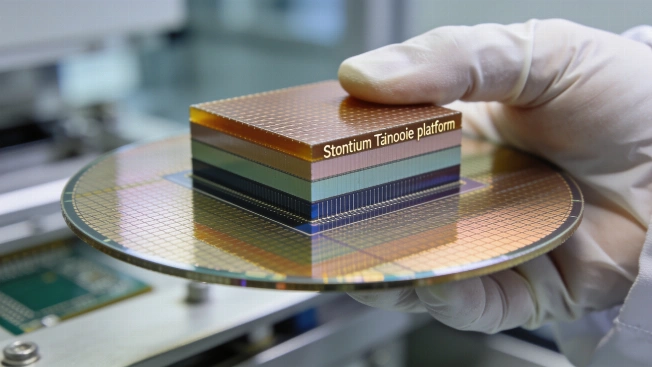
Strontium Titanate Insulator Platform Targets Quantum Device Integration
La Luce Cristallina has introduced a silicon-based quantum paraelectric strontium titanate on insulator wafer platform engineered for quantum computing and cryogenic electronics, with a focus on foundry compatibility and voltage-tunable dielectric control
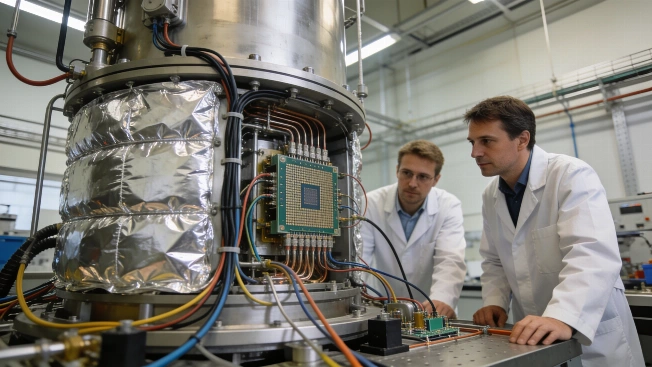
Cryogenic Milestone for Silicon Spin Qubits as Quobly and Absolut System Advance
Quobly and Absolut System have qualified a 100 mW sub-kelvin cryogenic platform to support silicon spin-qubit quantum processors, marking a key step toward scalable quantum computing hardware and revealing the engineering limits of thermal management
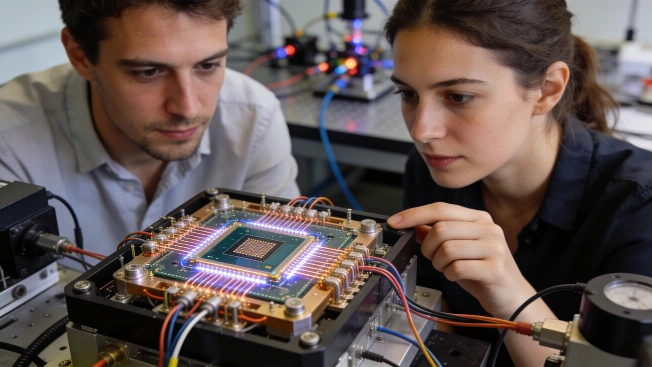
NVision Targets Scalable Spin Qubit Chips With Photonic Links
NVision Quantum Technologies has secured EuroHPC funding to develop a roadmap for quantum processors that combine organic molecular spin qubits with photonic interconnects, aiming to address scaling and integration challenges in quantum computing hardware

Keyfactor revenue doubles as post-quantum migration accelerates
Keyfactor reports annual recurring revenue above $200 million as regulatory deadlines and post-quantum cryptography migration drive rapid adoption of automated certificate management and trust infrastructure
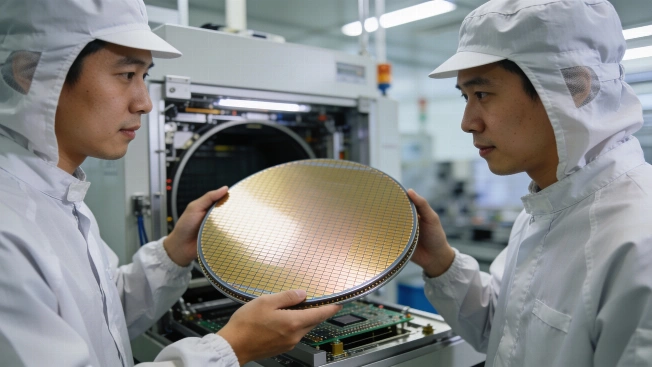
Universal Quantum launches Singapore center for trapped-ion chip development
Universal Quantum has opened its first Asia-Pacific R&D center in Singapore, aiming to advance trapped-ion quantum processor fabrication and algorithm co-design with over SGD 30 million in investment
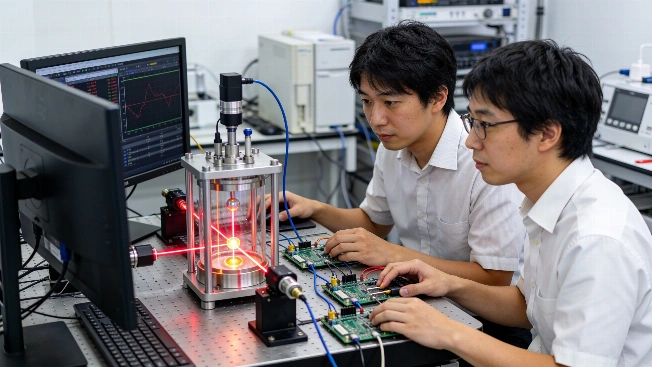
Neutral Atom Quantum Processors Tested With STAR Architecture Integration
Fujitsu and Yaqumo have begun experimental validation of the STAR architecture on cold-atom quantum processors, aiming to reduce physical qubit overhead and test error correction strategies on hardware using ytterbium atom arrays
Part 1 of 5