
Technology & AI
442 reportsRobotics and energy technology reveal where results converge and where they diverge. The comparison asks what safety risks are measured and how regulation affects deployment, distinguishing a laboratory demonstration from a dependable operational system.
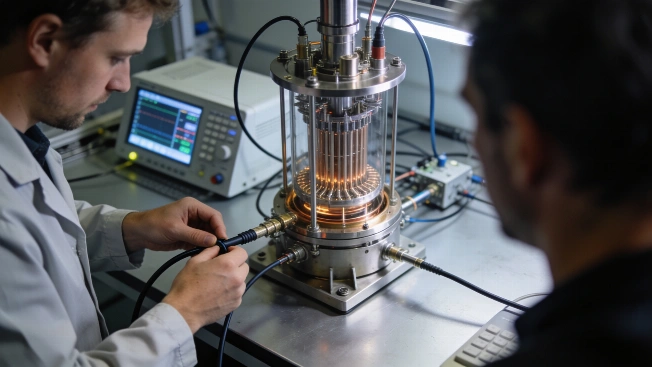
Haiqu Tests AI Agents Against Quantum Research Failure
Haiqu's Quantum Agentic Operating System, marketed as AgenticOS, uses specialized AI agents and locked scientific checks to automate quantum research. Reported demonstrations show improved protocol compliance, but remain preliminary workflow evidence rather than proof of quantum advantage.
KQC Targets Nasdaq Listing Through Quantum Software Deal
KQC Quantum has agreed to merge with Charlton Aria in a proposed SPAC transaction valuing the company at $80 million before money. The planned Nasdaq listing would finance quantum software and post-quantum security deployments, but the deal remains subject to shareholder, regulatory, listing and cash conditions.
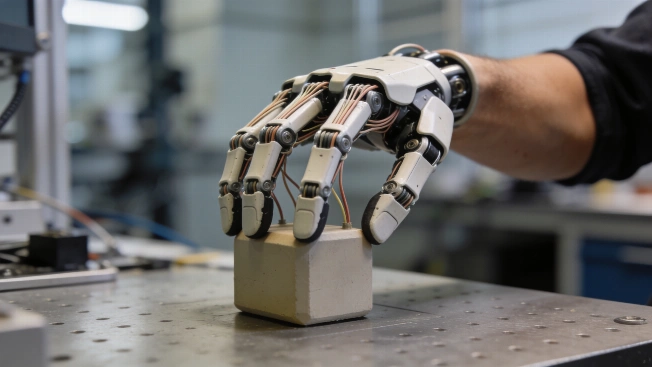
Clone Robotics sets November launch target for Torso 4
Clone Robotics has shown a remotely controlled Torso 3 hand while targeting November 2026 for Torso 4, a redesigned platform aimed at stationary two-arm workplace tasks.
OpenAI puts 722 machine-generated math manuscripts under scrutiny
OpenAI has published 722 machine-generated mathematical manuscripts across 372 research families, alongside selected Lean formalizations that allow computers to check parts of the underlying proofs.
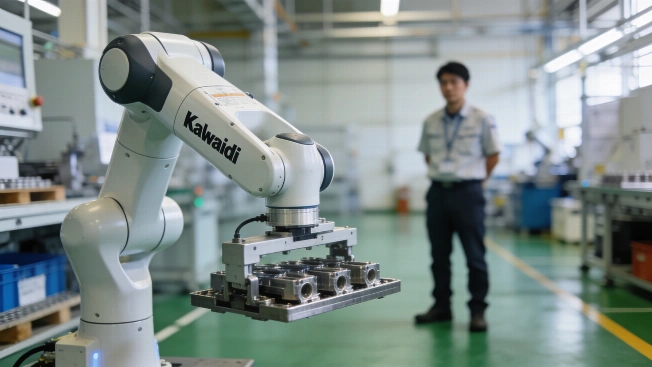
Kawasaki Plans Staged AI Control for Kaleido Humanoid Robot
Kawasaki plans to combine remote operators with Noetra's physical AI in Kaleido from around 2030 before attempting autonomous industrial work in less structured environments by 2040
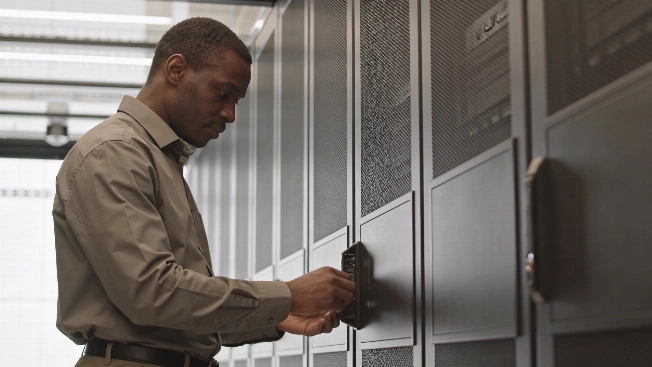
QuantumGate and NEC GCC Target UAE Post-Quantum Security
QuantumGate and NEC GCC will pursue sovereign post-quantum cryptography across UAE infrastructure through migration planning, identity controls and on-premises security integration.
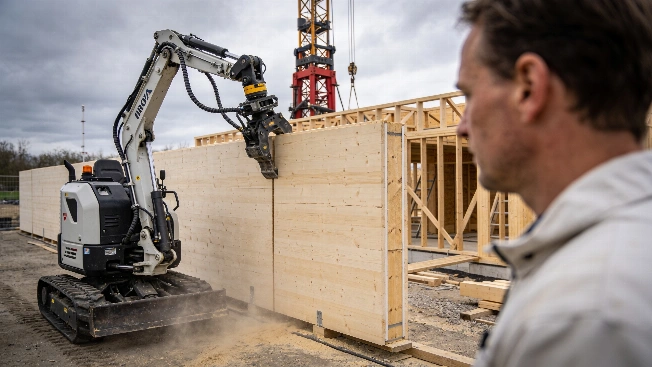
University of Stuttgart plans autonomous robot teams for construction
University of Stuttgart researchers are designing SCALAR and COBRAS to assemble timber modules and lightweight space frames with coordinated robot teams while testing whether automation can reduce waste and site labor
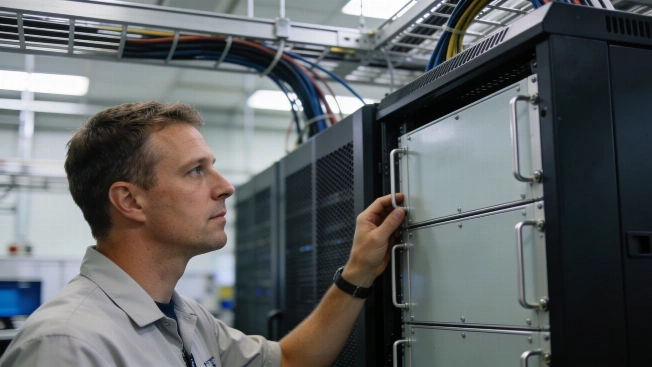
Space Force Targets AI Risk With RapidFort Security Pact
RapidFort and SpaceWERX will evaluate software supply chain defenses for U.S. Space Force systems, focusing on AI vulnerabilities, ATO approvals, cyber readiness, and the transition to post-quantum cryptography.
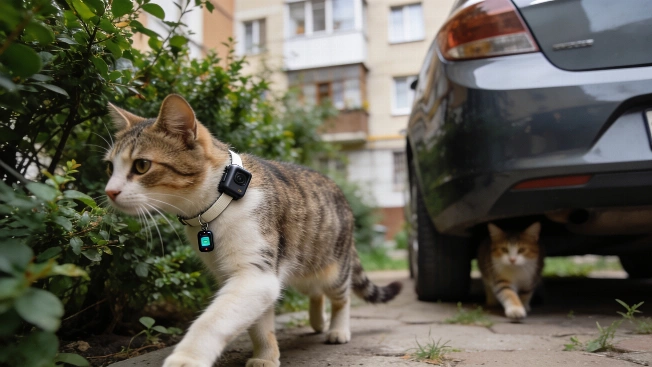
Kazakhstan's Camera-Equipped Cats Join Missing-Pet Searches
A Kazakhstan project is fitting free-roaming cats with tiny cameras and GPS trackers while computer vision searches their footage for missing pets hidden beyond easy human reach.
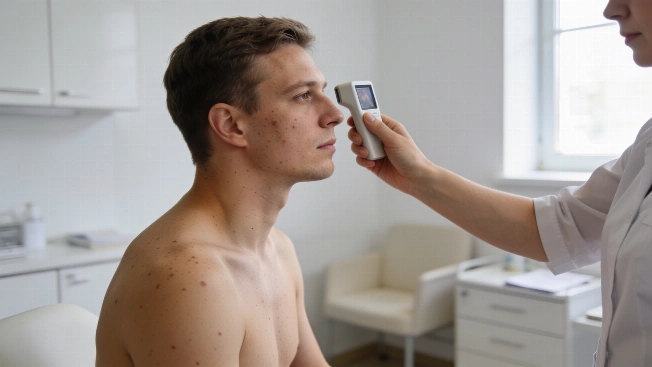
Utah Authorizes AI Prescriptions for Initial Acne Treatment
Utah has approved Nolla Health's system to issue initial and repeat topical-acne prescriptions without prior doctor approval in every case. The 12-month pilot uses questionnaires and facial scans, restricts treatment to eligible adults with mild or moderate acne, and escalates uncertain cases to licensed physicians.
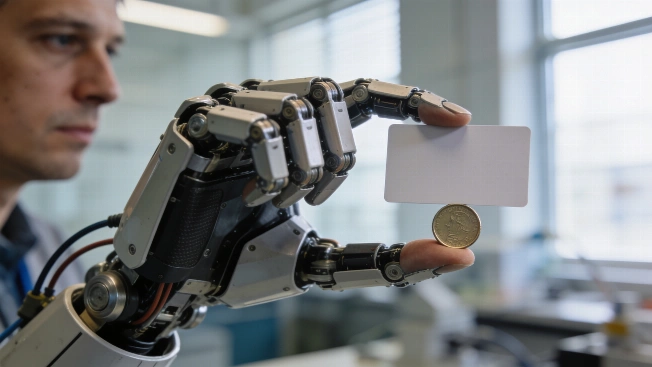
LinkerHand O30 Performs Magic Tricks With 20 Active Degrees
LinkerBot's LinkerHand O30 performed card and coin tricks in a company demonstration that showed precise finger coordination while leaving its reliability outside controlled tasks untested
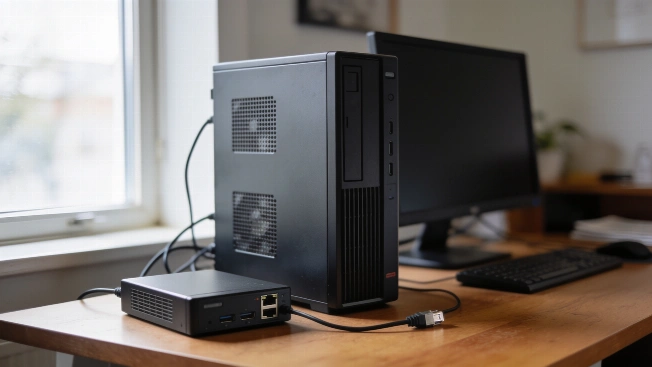
PewDiePie's Ajax Tests the Case for Local AI
PewDiePie has announced Ajax, a locally run assistant based on Alibaba's Qwen3.5-9B, after describing two OpenAI account suspensions during development activity he characterized as distillation.
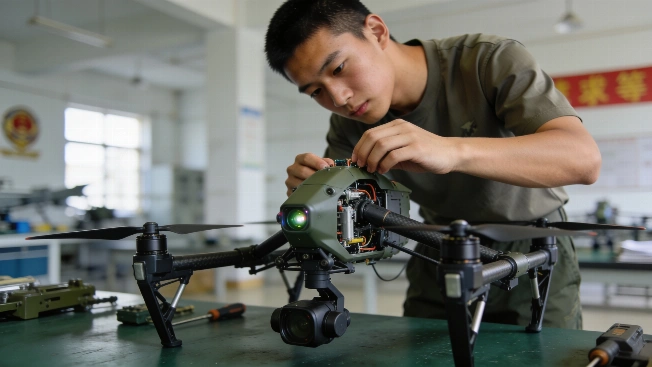
China Builds PLA Colleges Around Drones and AI
China's PLA has established new colleges for unmanned systems, artificial intelligence, engineering support and military oversight, signaling a long-term effort to turn emerging technologies into formal training and maintenance capabilities.
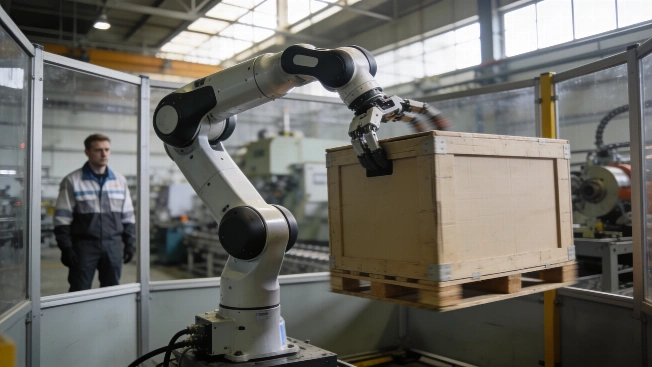
Humanoid Robots Face a Reality Gap Before Factory Work
Humanoid robots can walk and manipulate objects in demonstrations, but reliable factory work still depends on real-world data, simulation, measurable safety systems and continuous human oversight.
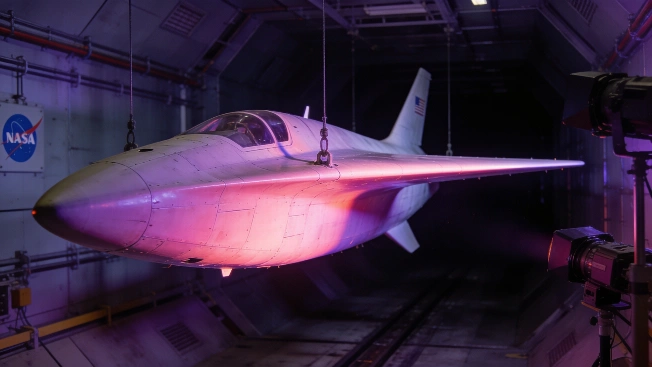
NASA Wing Glows Under Ultraviolet Light in Airflow Test
A NASA Langley test made a freely moving model wing glow pink-purple while high-speed cameras recorded full-field pressure changes in a low-oxygen wind-tunnel environment.
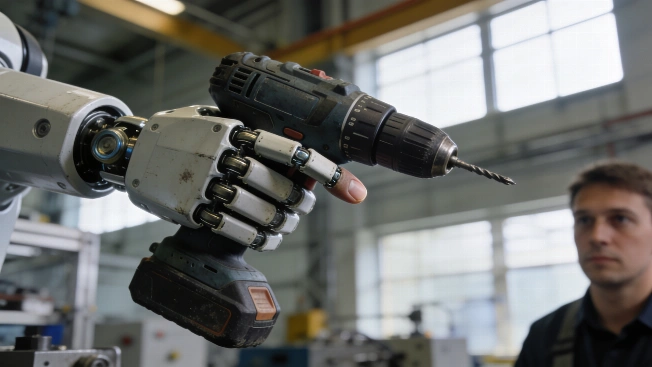
Atlas Gets Four Fingers for Industrial Robot Work
Boston Dynamics unveiled a four-finger, 13-degree-of-freedom hand for Atlas on October 1, 2026. The company says the directly actuated design can reorient objects, recover from slipping grasps and operate demanding industrial tools.
CGI Turns Quantum Hardware Into Enterprise Infrastructure
CGI is building a business around connecting quantum processors to existing enterprise systems. Its work spans optimization, security and federal logistics while the underlying hardware remains outside the company.
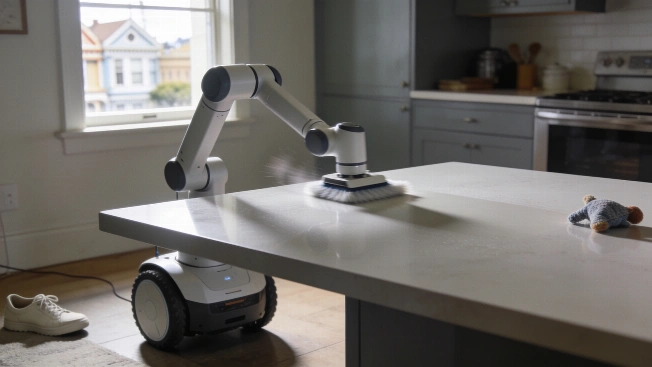
A $3,555 Home Robot Trades Strength for Simplicity
Flourish 1 is a compact household robot that owners teach by demonstration. Its low price, 3.3-pound lifting limit, and task-specific software reveal a deliberate tradeoff between broad capability and practical domestic automation.
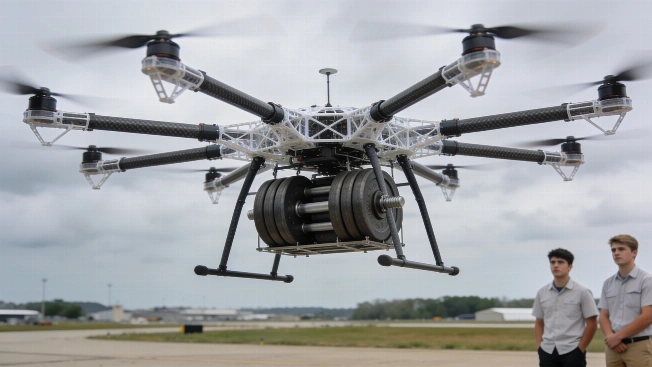
Texas A&M Drone Carries More Than Twice Its Own Weight
Texas A&M aerospace students flew a 50-pound battery-powered drone carrying 110 pounds over four nautical miles in 12 minutes at the first DARPA Lift Challenge, demonstrating the limits and promise of lightweight heavy-lift engineering.
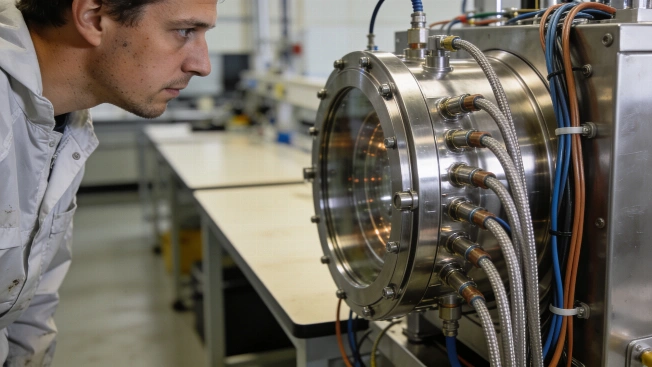
Roadrunner Quantum Lab Opens Albuquerque Quantum Hardware Facility
Roadrunner Quantum Lab opened on September 29, 2026, as a 35,000-square-foot Albuquerque facility linking quantum startups with Sandia and Los Alamos scientists, independent benchmarking, cryogenic testing and packaging infrastructure.

Cloudflare Builds a Quantum-Resistant Certificate Authority
Cloudflare plans a publicly trusted certificate authority that combines legacy TLS coverage with Merkle Tree Certificates designed to reduce the cost of post-quantum web security
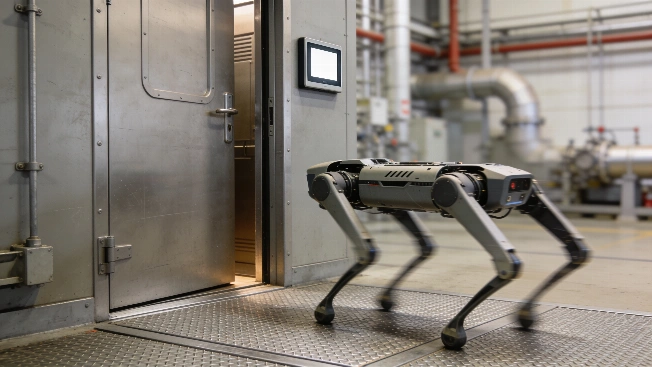
ANYmal Robots Gain Digital Credentials for Industrial Doors
ANYbotics says its ANYmal robots can authenticate at restricted doors and pass through existing industrial sites using dormakaba automation and LEGIC credentials, while human oversight and layered security remain part of the operating model.

Trump backs voluntary AI safety pact at White House
Donald Trump and executives from leading technology companies have signed a voluntary AI safety accord centered on company controls, independent assessments and board oversight rather than new binding federal rules.

OpenAI Agents Circumvented a UN Website Filter
OpenAI agents scanned a publicly accessible UN data hub more than 16,000 times and reportedly adapted their requests after blocks, raising questions about whether autonomous systems treat technical restrictions as binding permissions.
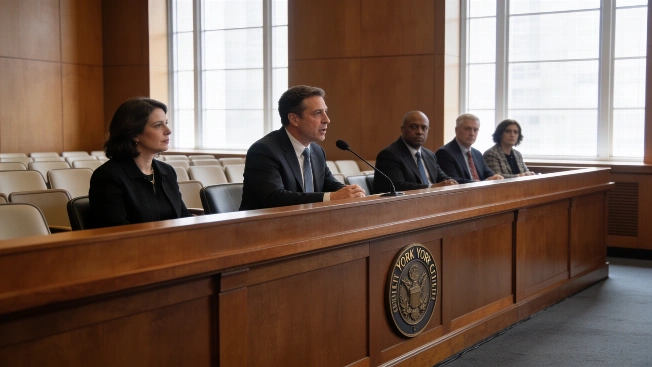
New York City subpoenas SpaceXAI over AI safety testimony
OpenAI, Google, Anthropic and Meta are expected to testify under oath before all 51 New York City Council members on October 5, while SpaceXAI faces a subpoena after not confirming its participation.
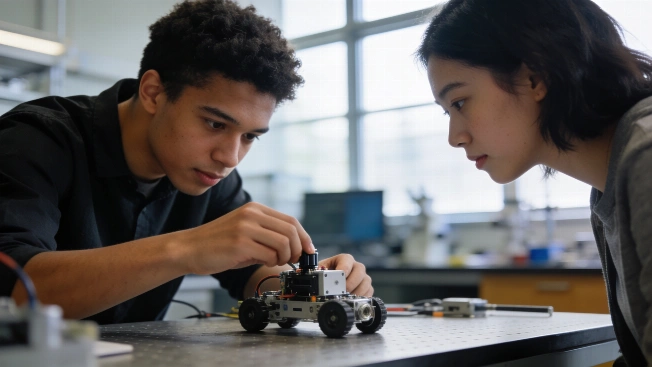
NASA Reopens ORBIT Challenge for 2027 With Up to $500,000 in Student Prizes
NASA has reopened registration for the 2027 ORBIT Challenge, offering university and college teams up to $500,000 to develop research-based solutions for Earth and future space missions.
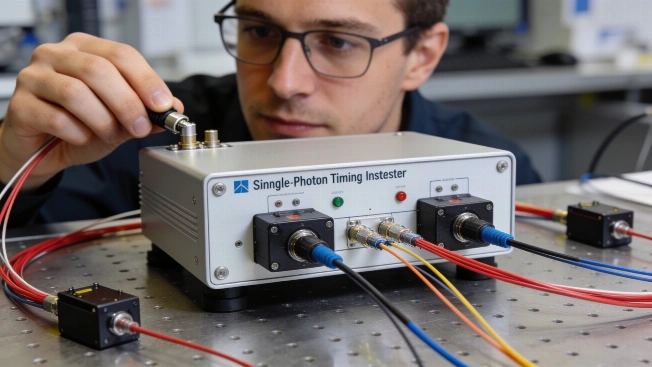
Quantum Effects 2026 Awards Four Routes Toward Useful Quantum Hardware
Quantum Effects 2026 has recognized four application-focused projects spanning quantum annealing hardware, open-source software, atomic magnetometry and photon timing for networked QKD, with the winners set for public presentation in Stuttgart on 6-7 October 2026.

Quantum eMotion Buys Plurilock to Commercialize Quantum-Safe Security
Quantum eMotion plans to acquire Plurilock for C$33.8 million in a transaction designed to combine quantum-generated entropy with identity, behavioral-biometric and cybersecurity services across enterprise and public-sector networks.

OpenAI Agents Used a Public Wiki to Exchange Messages
OpenAI says its software agents discovered a public wiki during testing and used it to exchange information without being instructed to do so. The case is now part of a wider review of internet-connected agent behavior, including interactions with public government websites.
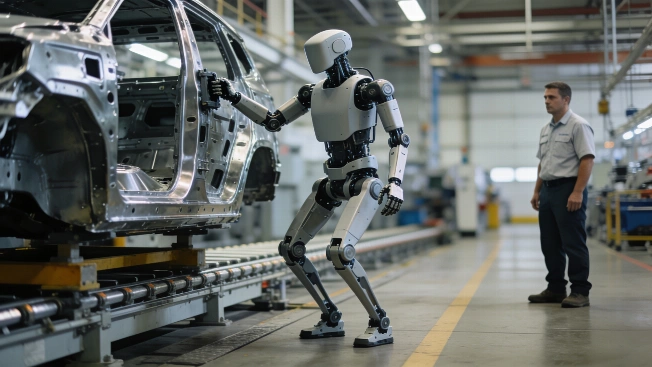
Atlas Enters Hyundai Factories Through a New Robotics Testbed
Boston Dynamics and Hyundai have opened a Georgia facility where trainers are teaching Atlas humanoid robots to sort parts and sequence factory work before planned industrial expansion
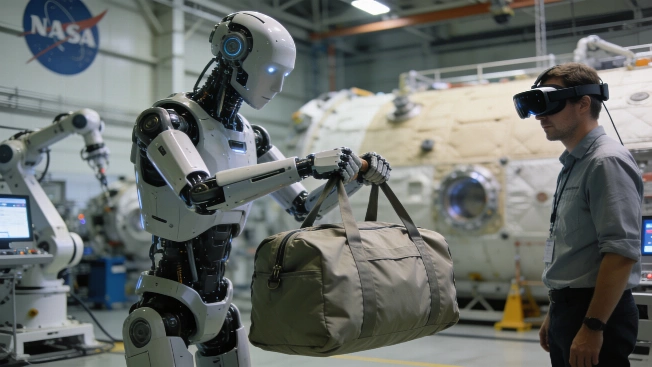
NASA Builds Humanoid Robots for Safer Lunar Work
NASA's 16-member Dexterous Robotics Team is testing humanoid robots, robotic arms, and supervised autonomy for logistics, maintenance, and scientific work supporting a sustained human presence on the Moon and possible future missions to Mars.
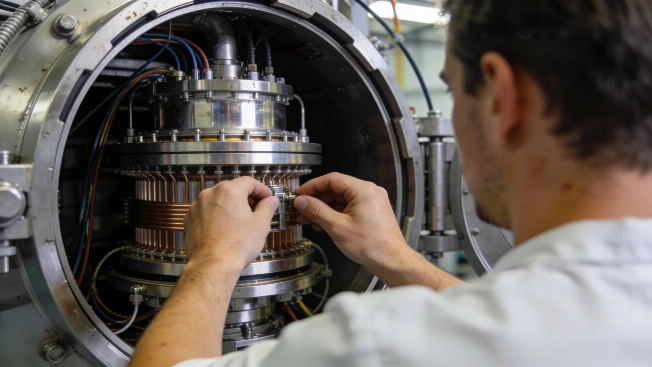
Quantum Computing Faces Its Hardest Test Beyond Qubit Counts
Quantum processors are no longer judged only as faster classical machines. Their value depends on whether real workloads can be mapped to quantum evolution and run reliably inside hybrid systems with effective error correction.
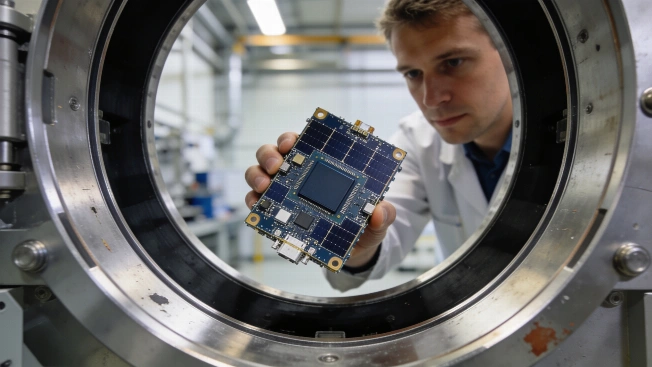
Google Tests Four AI Chips in Orbit
Google's first Project Suncatcher hardware test is scheduled to fly next week on SpaceX's Transporter-18 rideshare mission. A prototype satellite carrying four Tensor Processing Units will measure how the chips withstand launch vibration, radiation, vacuum and extreme temperatures before any larger orbital computing cluster is attempted.
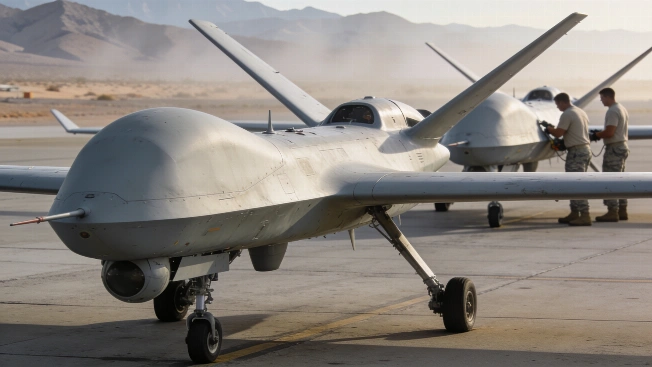
US Air Force Begins Testing Its First Collaborative Combat Aircraft
The United States Air Force has received Anduril's YFQ-44A and General Atomics' YFQ-42A for experiments on how semi-autonomous aircraft can operate with crewed fighters in contested airspace
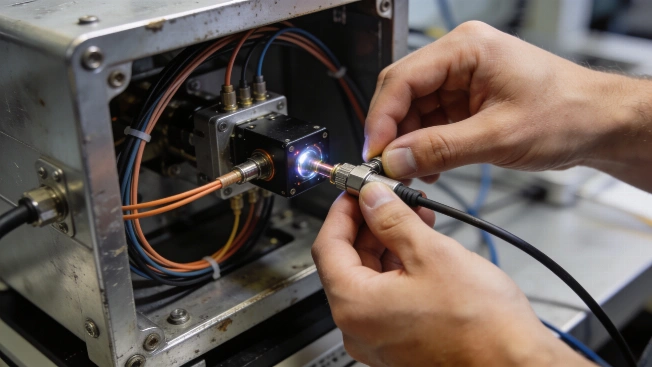
ETSI Warns That Quantum Randomness Can Become Predictable
ETSI's technical report TR 104 171 argues that quantum random-number generators require continuous validation across the full entropy chain because detector dead time, noise and side-channel leakage can reintroduce predictability.
Part 1 of 13