
Stratigraphy
62 reportsCoverage distinguishes how sampling and context; calibration or reference data; and spatial or chronological resolution shape the interpretation of Stratigraphy. The analysis begins with calibration standards for spatial or chronological resolution, and uses blind or comparative tests to identify where the explanation succeeds or fails; the conclusion remains provisional because disturbance, contamination, and incomplete context can narrow what the method establishes.
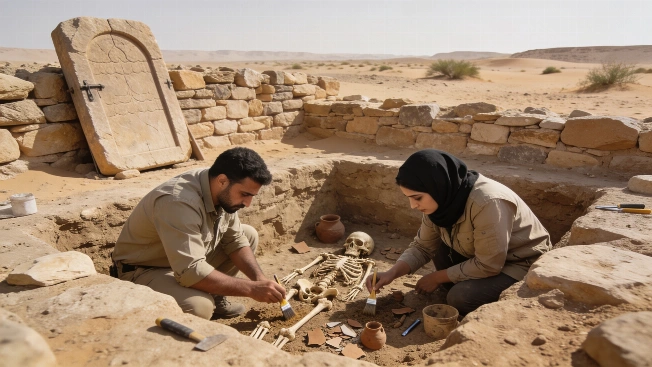
Somló Hill Reveals a Major Bronze Age Settlement
Archaeologists have identified a substantial prehistoric settlement on Hungary's Somló Hill through metalwork deposits, craft tools and ceramics dating from the Late Bronze Age into the Early Iron Age.
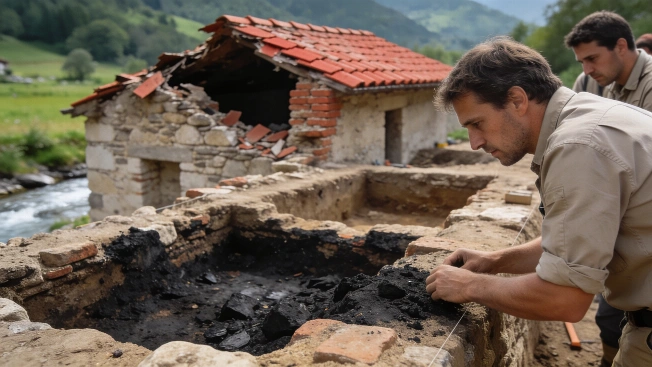
Roman Settlement in Switzerland Shows Signs of a Destructive Fire
Excavations at Ligornetto in southern Switzerland have exposed a Roman complex destroyed by fire, with iron slag and bronze-working waste that may clarify the settlement's economic role.
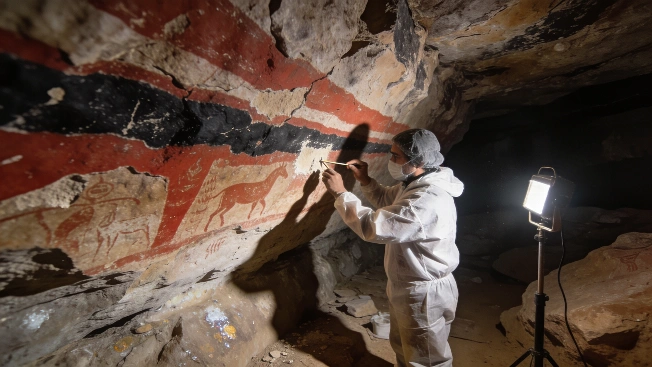
Conservation Secures Two Millennia of Rock Art at Cueva de las Monas
A five-year project at Cueva de las Monas in northern Mexico has stabilized ancient rock paintings spanning over 2,000 years, protecting them from weathering and vandalism while revealing complex cultural layers
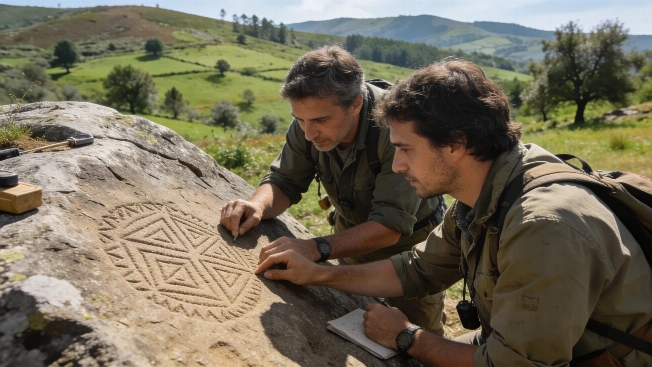
Galician Petroglyph May Depict Prehistoric Hut in Sacred Landscape
Archaeologists in Galicia are studying a large engraved rock that may show the floor plan of a prehistoric hut. The find, set among burial mounds and shelters, could change how researchers view ritual and domestic space in northwest Iberia.
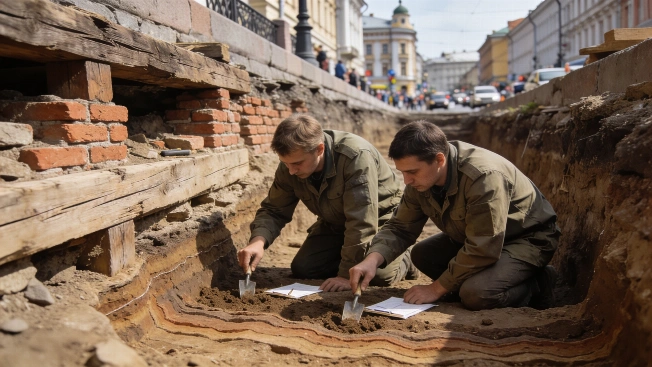
Centuries of Urban Layers Exposed at Nizhny Novgorod's Mytny Market
Archaeologists have excavated over 1,000 square meters at Mytny Market in Nizhny Novgorod, uncovering medieval property lines, market structures, coins, and hundreds of artifacts that document more than 700 years of urban transformation
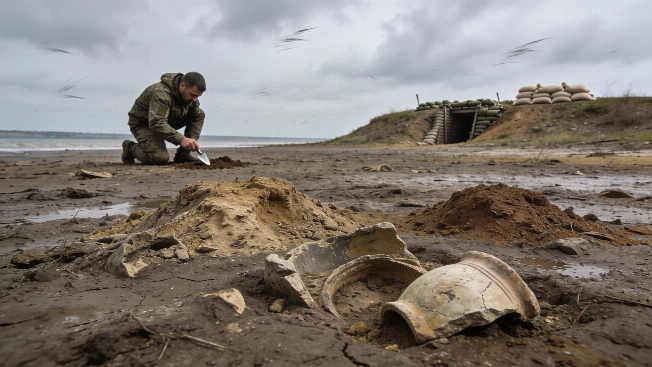
Archaeological Sites Emerge as Kakhovka Reservoir Drains in Ukraine
As the Kakhovka Reservoir in Ukraine recedes, archaeologists warn that prehistoric and Cossack-era sites are being revealed-but ongoing conflict and looting threaten their preservation and study.
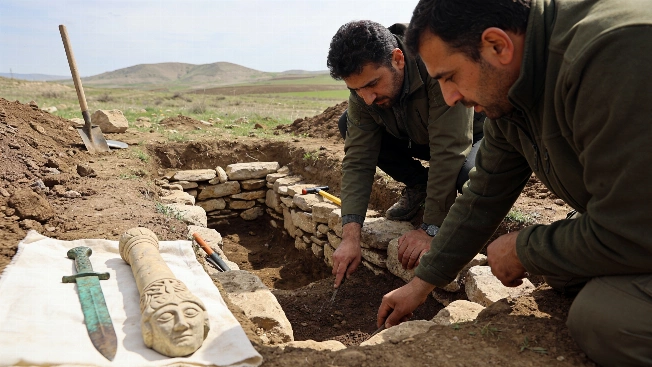
Bronze Age burial in Azerbaijan reveals weapons and staff of authority
A 3,600-year-old burial mound at Keşikçidağ in Azerbaijan has yielded a bronze dagger, obsidian and flint arrowheads, and a carved stone staff head, offering new evidence for social hierarchy and military roles in the Middle Bronze Age South Caucasus
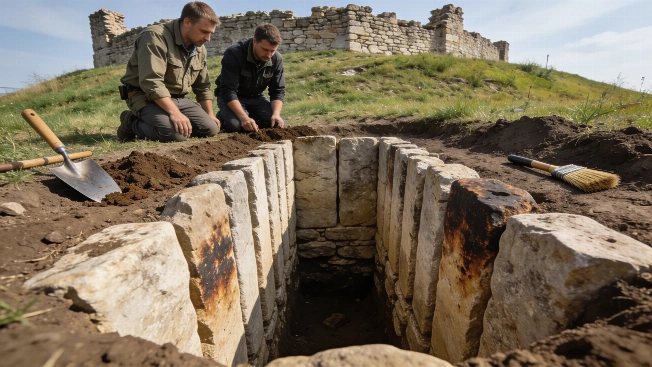
Heat-Scarred Shaft Found Beneath Essegvár Castle Walls in Hungary
Excavations at Essegvár Castle in western Hungary have revealed a stone shaft marked by intense burning, constructed before the medieval walls. The absence of industrial byproducts leaves its original function unresolved.
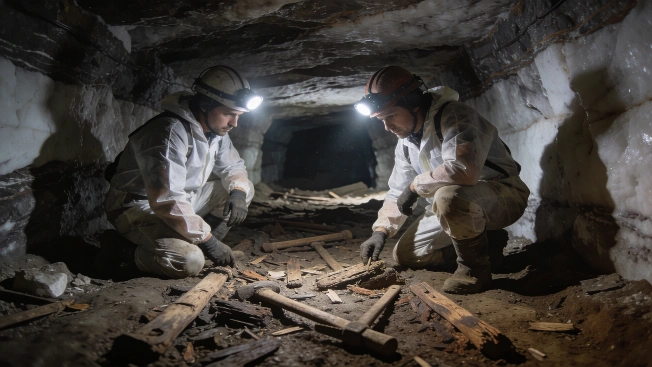
Iron Age Salt Mine Chambers Uncovered Deep Inside Hallstatt Mountain
Archaeologists have mapped a 300 meter network of Iron Age mining chambers beneath Hallstatt in Austria using core drilling, exposing thick layers of preserved debris and organic remains that offer new evidence for prehistoric salt extraction and community resilience
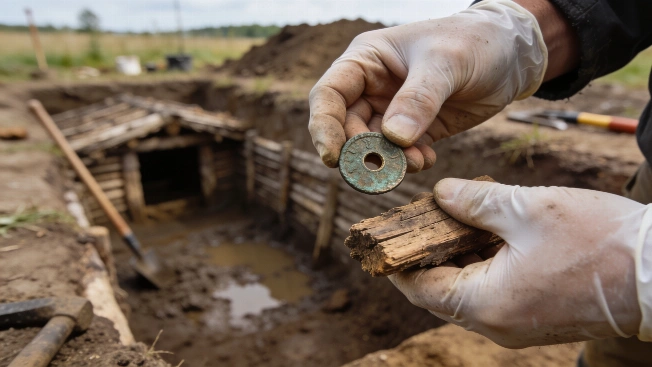
Iron Age Longhouse and Rare Coin Reveal Distant Connections in Poland
Excavations at Łysa Góra in central Poland have uncovered a 2,500-year-old longhouse and a rare Thracian coin, providing new insight into Iron Age settlement patterns and long-distance contacts across Europe
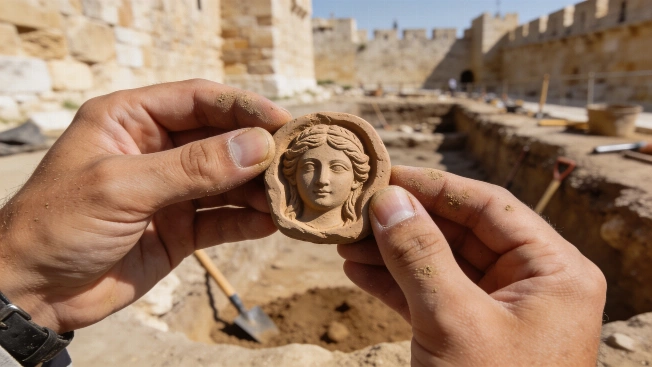
Ancient Clay Mould Reveals Figurine Production in First Temple Jerusalem
Archaeologists have identified a rare clay mould from the First Temple period at Jerusalem's Tower of David Museum, providing the first direct evidence that distinctive female figurines were produced locally rather than imported
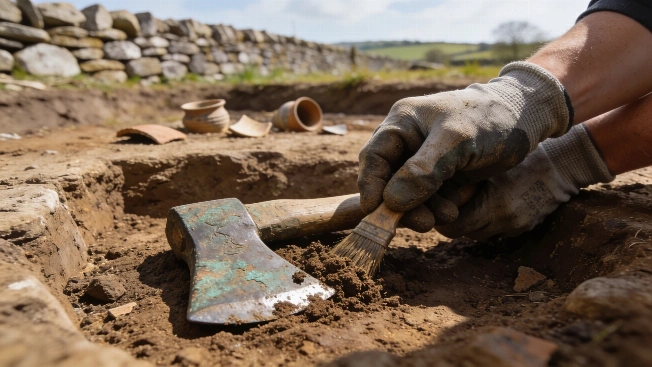
Medieval Structure and Bronze Age Axe Unearthed at Huttons Ambo
Archaeologists at Huttons Ambo have uncovered a substantial medieval building, a Bronze Age axe possibly deposited as a ritual, and wartime artifacts, offering a rare multi-period view of settlement and activity in northern England
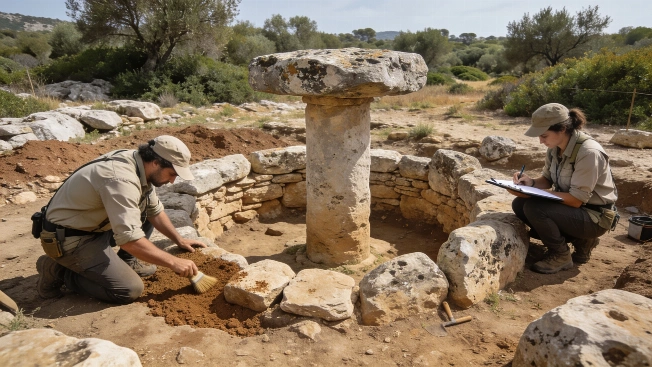
Newly Identified Talayot Alters Understanding of Son Fornés Settlement
Archaeologists at Son Fornés in Mallorca have uncovered a fourth talayot hidden beneath dense vegetation, revealing a previously unknown monumental structure and raising new questions about the diversity and chronology of Talayotic architecture at the site
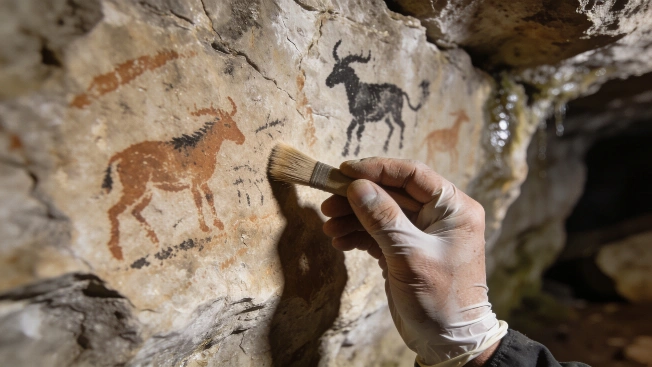
Ice Age cave art in Ireland suggests earlier human arrival
Archaeologists have identified prehistoric engravings and paintings in eight caves in southwest Ireland, potentially extending the earliest evidence for human presence on the island by 5,000 years and raising new questions about Ice Age migration routes
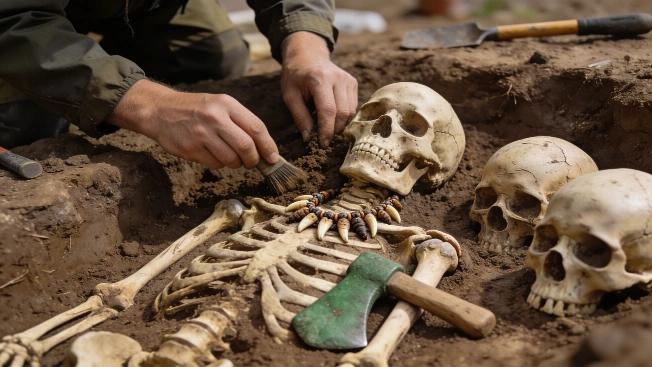
Stone Age Burial in Poland Reveals Necklace of Animal Teeth and Human Skulls
Archaeologists in southwest Poland have uncovered a Neolithic grave containing an adult skeleton, two additional human skulls, a necklace of 42 drilled animal teeth, and a serpentinite battle ax, raising new questions about burial practices and social identity around 2900 BCE
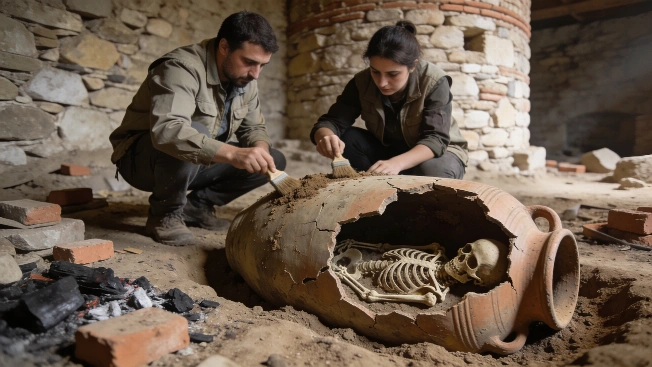
Roman-Era Skeleton Found Sheltering in Giant Jar at Deultum Fortress
Archaeologists excavating the Late Roman fortress of Deultum in Bulgaria have uncovered a human skeleton inside a massive storage jar, offering rare evidence of a fatal episode during a violent attack over 1,600 years ago
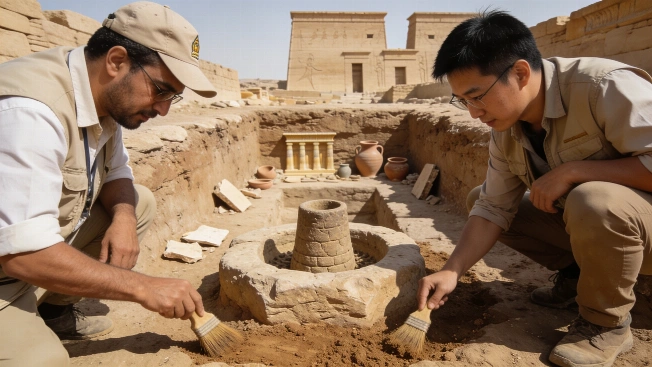
Ancient Memphis Excavation Reveals Residential Complex and Wine Press
Archaeologists working at Mit Rahina near the Temple of Sekhmet have uncovered a residential complex, a possible wine press, and artifacts spanning multiple periods, offering new evidence for daily life in ancient Memphis
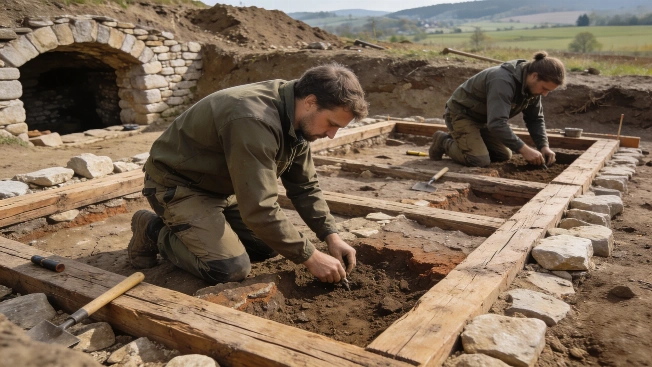
Roman Settlement at Neuenstadt Lasted Only Two Generations, Study Finds
Archaeological research at Neuenstadt am Kocher in southwestern Germany reveals that a Roman planned settlement was likely abandoned after just a few decades, with evidence pointing to instability along the empire's frontier as a possible cause
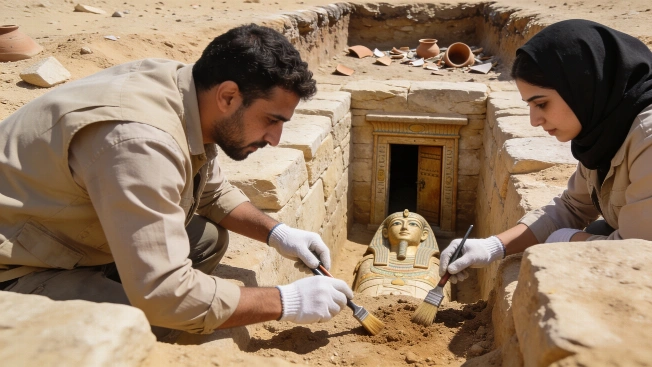
Old Kingdom Tomb and Burial Shafts Uncovered at Saqqara
Archaeologists excavating the Bubasteion necropolis at Saqqara have identified the tomb of Sakhnetio-Btah, a high-ranking Old Kingdom official, alongside a network of burial shafts containing human remains and funerary objects from multiple periods
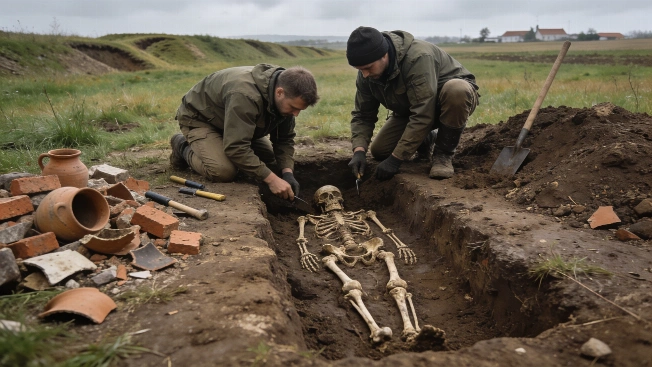
Medieval Graves Reveal Location of Lost Nyénye Settlement in Hungary
Archaeologists have identified the site of the lost medieval settlement of Nyénye near Szolnok, Hungary, by excavating graves, pottery, and building debris. The findings clarify the village's location and burial practices, but key uncertainties remain
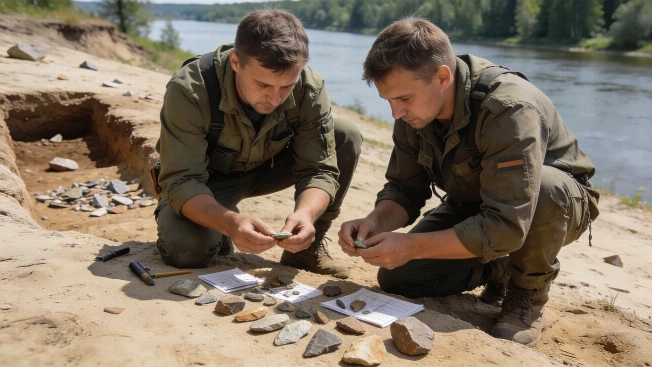
10,000-Year-Old Mesolithic Toolmaking Center Uncovered in Russia
Archaeologists excavating a Mesolithic site in northwestern Russia have recovered thousands of stone tools and manufacturing debris, revealing a large-scale tool production center dating back up to 10,000 years and offering new insight into early postglacial lifeways
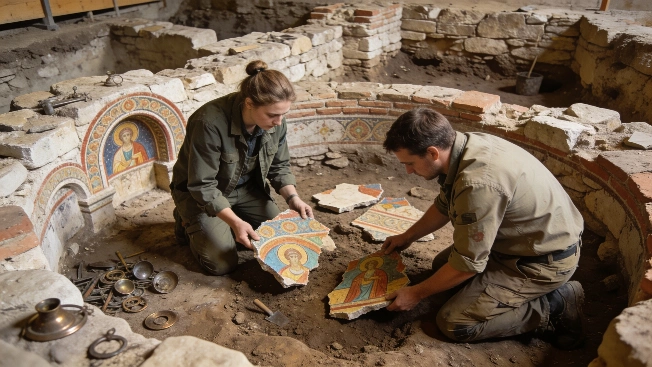
Excavation at Tokod Fortress Reveals Early Christian Church Remains
Archaeologists at the late Roman Tokod fortress in Hungary have uncovered the foundations of an early Christian church, fragments of frescoes, and a range of metal artifacts, offering new insights into religious architecture and activity at the site
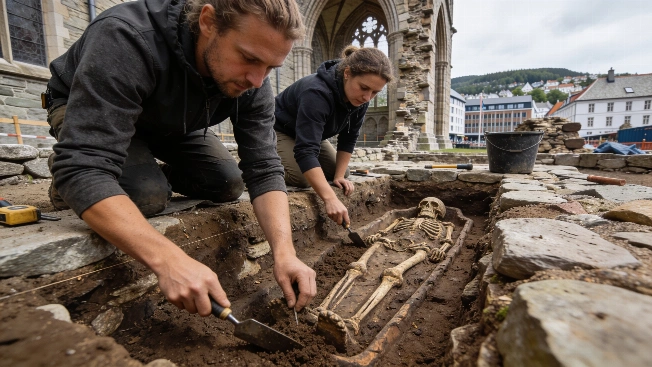
Excavation of Nonneseter Monastery Reveals Medieval Burials in Bergen
Archaeologists are excavating the choir of Nonneseter Monastery in Bergen, Norway, aiming to uncover medieval graves and artifacts that could shed light on the lives of the Benedictine community nearly 900 years ago
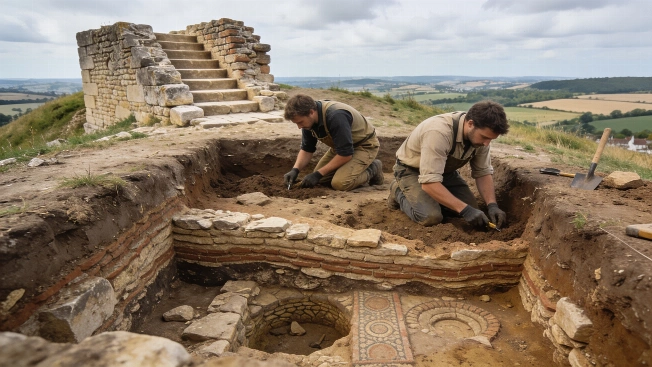
Excavation Reveals 1,500 Years of Settlement on Montbellant Hill
Archaeologists in Burgundy have uncovered deep, stratified remains on Montbellant hill, documenting the transformation from a Gallic oppidum to a medieval town through successive building phases and industrial activity
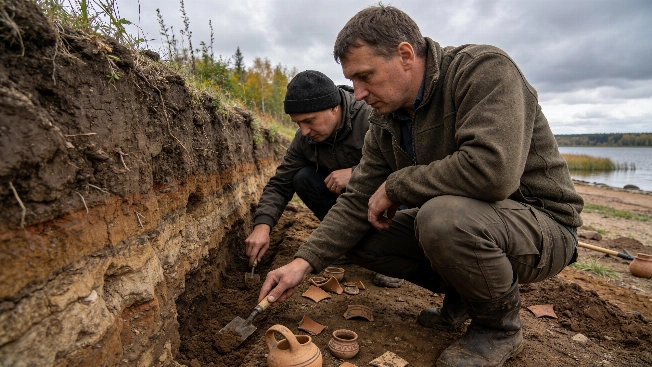
Medieval Galich Fortress Reinterpreted by New Archaeological Evidence
Recent excavations and LiDAR analysis at Galich's fortified settlements indicate that the Lower Settlement's major defenses were likely constructed in the 15th century, challenging the long-held view of a 12th-century origin
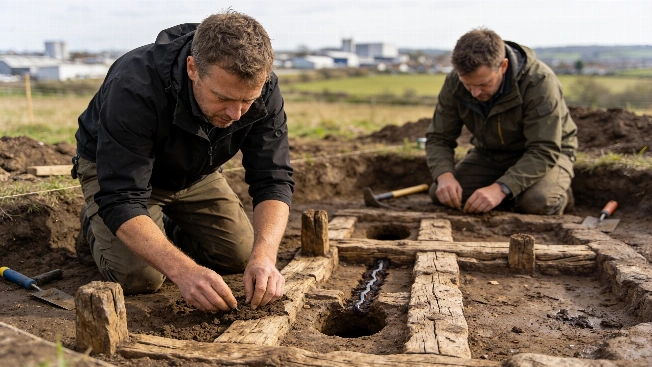
Abandoned Medieval Settlement Excavated on Halberstadt's Outskirts
Archaeologists in Saxony-Anhalt have uncovered the remains of a deserted medieval settlement, revealing sunken buildings, wells, and a complex ditch system, but remarkably few artifacts, suggesting an organized abandonment
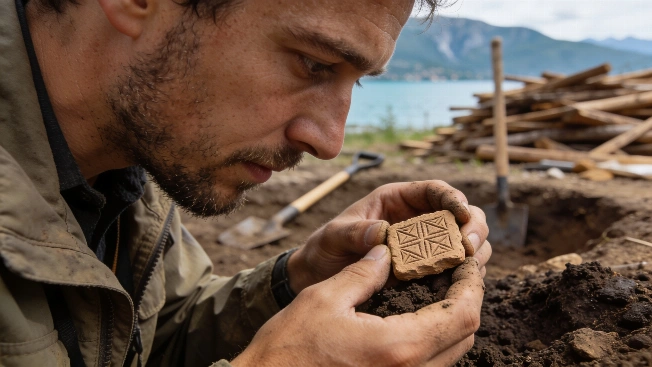
4,000-Year-Old Clay Tablet With Geometric Markings Found Near Lake Garda
Archaeologists working at Lucone di Polpenazze in northern Italy have uncovered a 4,000-year-old clay tablet inscribed with geometric patterns, deepening questions about the function and meaning of these enigmatic Bronze Age artifacts
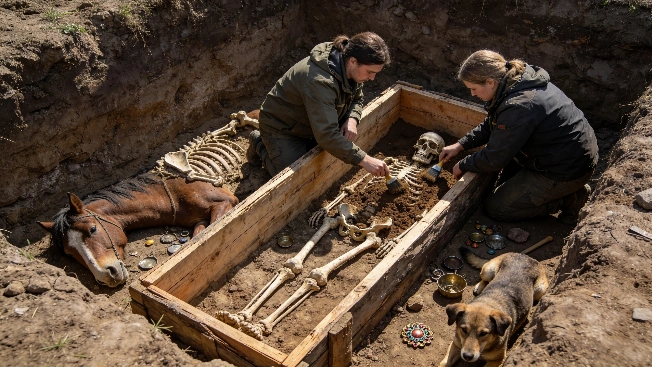
Medieval Chamber Tomb in Russia Reveals Elite Burial with Horse and Dog
Archaeologists excavating at Gnezdilovo near Suzdal have uncovered a rare 10th-century wooden chamber tomb containing the remains of a high-status individual, a horse, and a dog, offering new evidence for early medieval funerary practices in the region
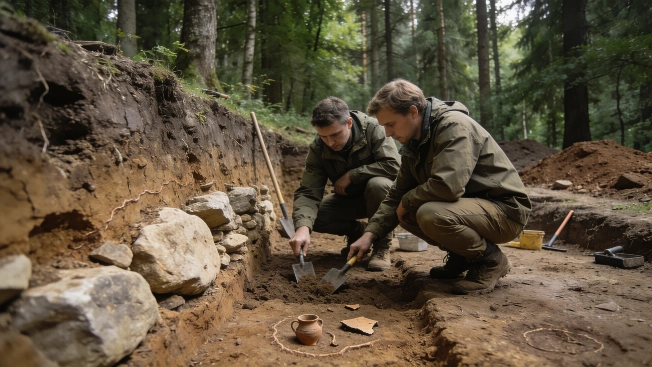
5,500-Year-Old Megalithic Tomb Excavated in Western Poland
Archaeologists have begun targeted excavations of a large earthen mound near Wyrzecz, western Poland, revealing evidence for a monumental tomb built by early farming communities over five millennia ago using megalithic construction techniques
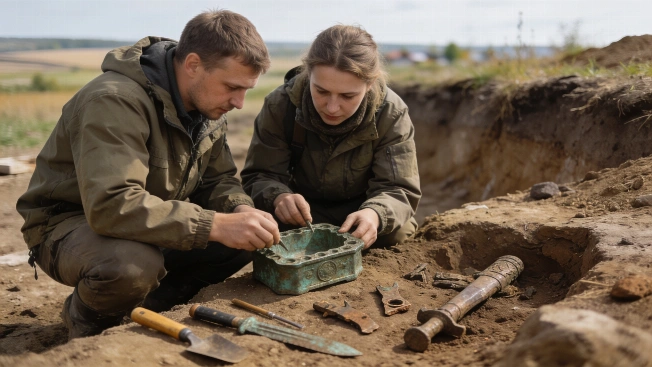
Bronze-Casting Mould and Weapons Found at Pyanobor Settlement in Tatarstan
Excavations at the Kipchak Archaeological Complex in Tatarstan have revealed a bronze-casting mould, weapons, and decorated pottery linked to the Pyanobor culture, offering new evidence for debates about its origins and regional connections
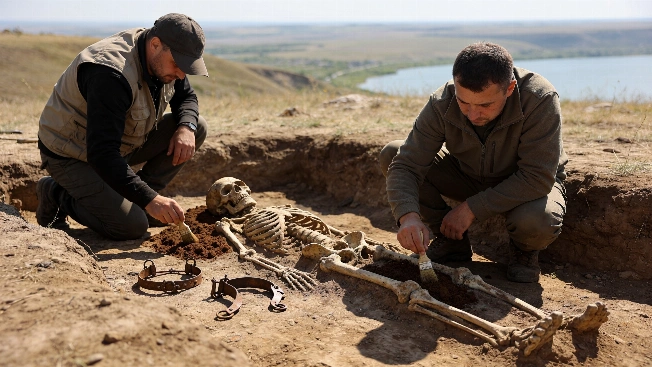
Roman-Era Burials and Iron Age Harness Unearthed in Odesa Region
Excavations at the Kartal hillfort in Ukraine's Odesa Oblast have revealed Roman-period graves and a rare Early Iron Age horse harness, providing new evidence for cultural interaction and repeated occupation in the lower Danube region
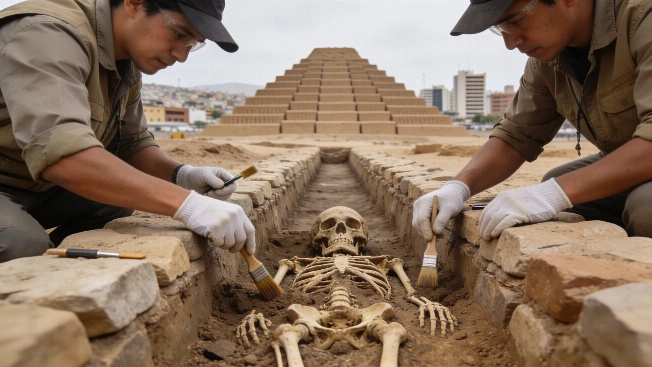
Ritual Burial Uncovered at Huaca Pucllana Sheds Light on Lima Culture
Archaeologists working at Huaca Pucllana in Lima have identified a 1,400-year-old human burial, offering new evidence for ceremonial practices and architectural diversity in the pre-Hispanic Lima culture
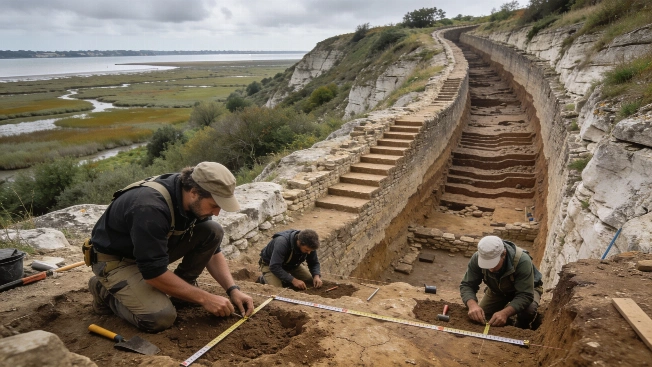
Medieval Stronghold Remains Unearthed Above Gironde Estuary in France
Archaeologists excavating at Saint-Georges-de-Didonne have identified extensive defensive earthworks and settlement traces from a medieval stronghold, offering new evidence for the site's strategic role and long-term occupation in southwestern France
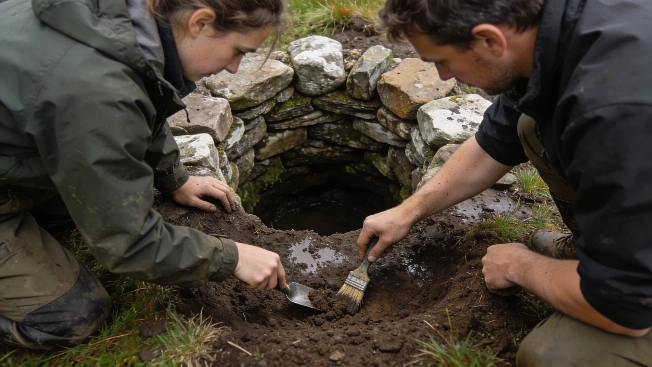
Iron Age Burial Discovered in Stone-Lined Well in Scottish Highlands
Archaeologists have uncovered a rare Iron Age grave at the base of a stone-lined well in northern Scotland, raising questions about ritual closure practices and the relationship to nearby settlements
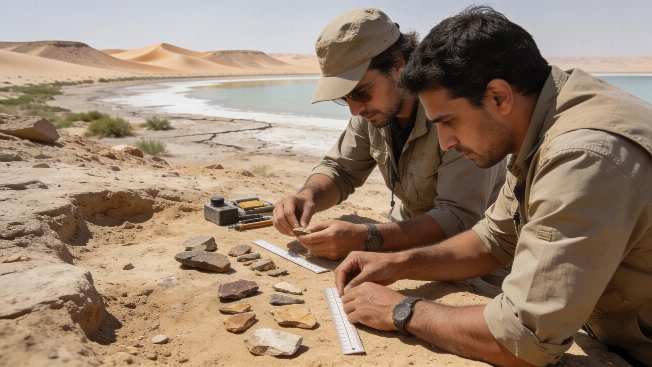
Stone Tools Suggest Neanderthals Reached Deep into Arabian Desert
Archaeologists have identified stone tools from Jebel Katefeh-1 in Saudi Arabia's Nefud Desert that closely match Neanderthal technology, suggesting these hominins may have adapted to arid environments far south of their previously known range
Part 1 of 2