
Quantum Physics
330 reportsQuantum states, entanglement, and formal definitions provide separate checks. Together they examine how the concept is defined and tested and where classical approximations fail, identifying which examples clarify the concept and which expose its limits.
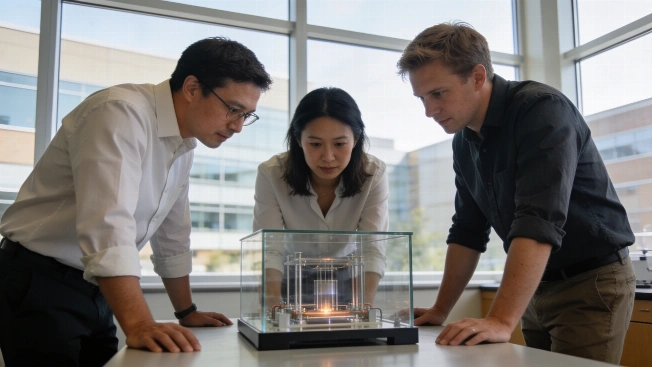
Midwest Quantum Collaboratory Reaches Eight Universities
The Midwest Quantum Collaboratory has become an eight-university consortium after UIC and other regional institutions joined a network focused on quantum research, knowledge sharing and workforce development.
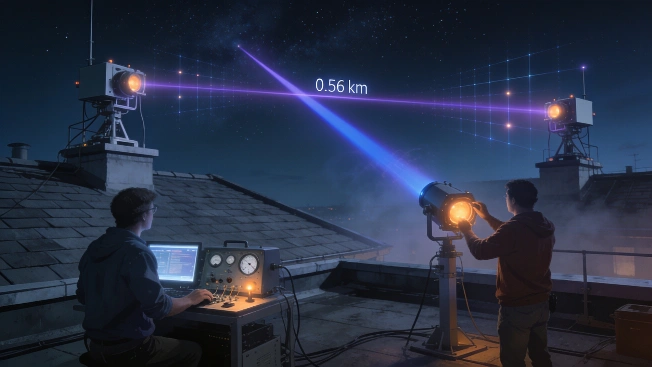
India Demonstrates a 5.56 km Free-Space Quantum Link
QNu Labs, BISAG-N and IIT Gandhinagar tested a 5.56 km free-space QKD link with a 1550 nm channel, sub-5% QBER and hybrid encryption during an overnight field trial.
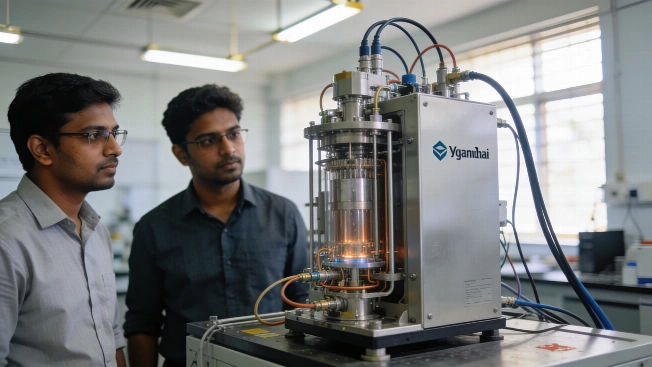
IBM Deepens India Partnerships Around Quantum Computing and AI
IBM is expanding its established research collaborations with IISc and IIT Bombay around quantum-classical workflows, agentic systems, sovereign AI infrastructure and Indic language models, while leaving performance gains and deployment outcomes to be demonstrated.
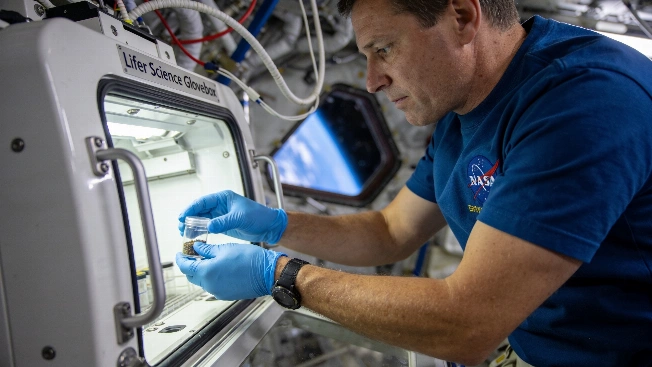
Crew-12 Heads Home After 235 Days of Science in Orbit
NASA's SpaceX Crew-12 is preparing to leave the International Space Station after a 235-day mission investigating quantum systems, living tissue, microbes, materials and medical supplies, with undocking possible as early as October 5, 2026.
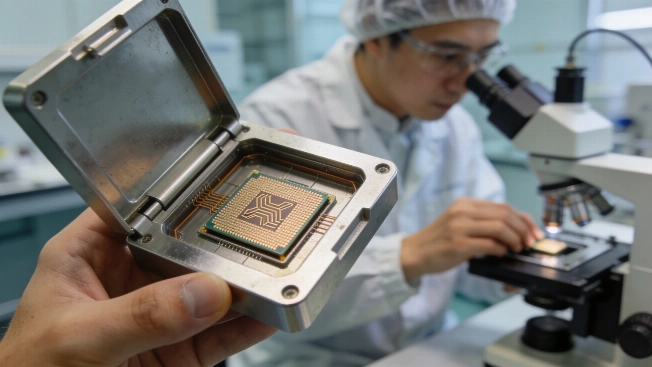
Nanometre Fabrication Shifts Explain Transmon Qubit Performance Gaps
A blinded study of 22 superconducting transmons links twofold T1 variation to nanometre-scale oxide and etch differences while finding no clear role for macroscopic surface defects
LuGo Cuts Quantum CFD Gate Counts by More Than 95 Percent
ORNL's LuGo framework moves heavy initialization onto Frontier before quantum state mapping and reduces a fluid-dynamics circuit from about 2 million gates to 91,000 across several hardware platforms
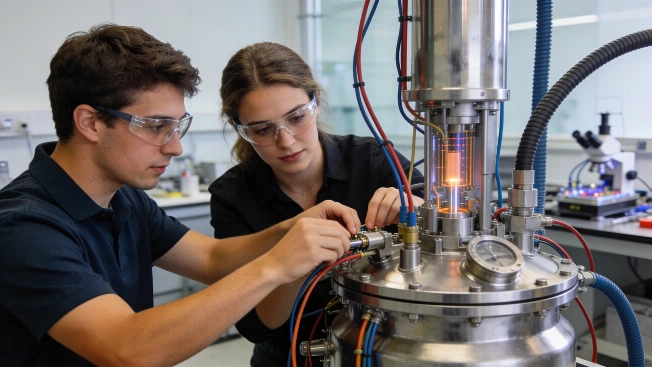
FSU Wins $2.1M to Build Quantum Communication Testbed
Florida State University will build a campus-scale quantum communication testbed linking engineering and high-field facilities to study entangled photons under turbulence, magnetic fields and cryogenic cycling.
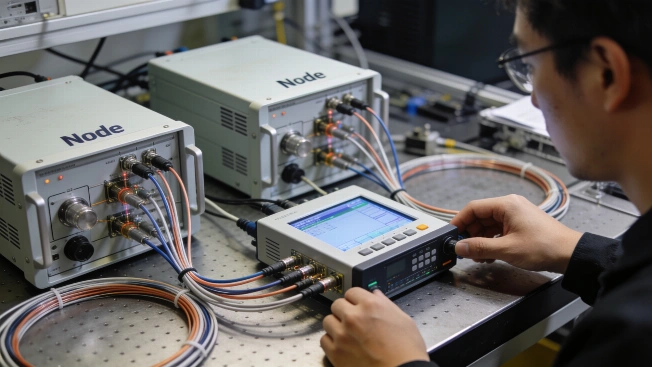
Entanglement Swapping Faces a Patent Eligibility Test
Entanglement swapping could link distant quantum nodes through a Bell-state measurement, but a patent claim may fail if it captures only quantum mechanics without a specific hardware advance

CGI Turns Quantum Hardware Into Enterprise Infrastructure
CGI is building a business around connecting quantum processors to existing enterprise systems. Its work spans optimization, security and federal logistics while the underlying hardware remains outside the company.
Quantum Software Survey Maps the People Behind the Field
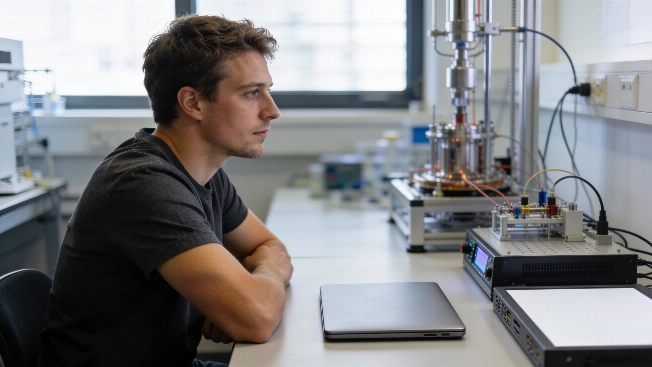
The Unitary Foundation has opened its 2026 Quantum Open Source Software survey to map demographics, research, tools and platforms while building a public record of how the community changes.
D-Wave Opens Beta for 21-Qubit Error-Aware Simulator
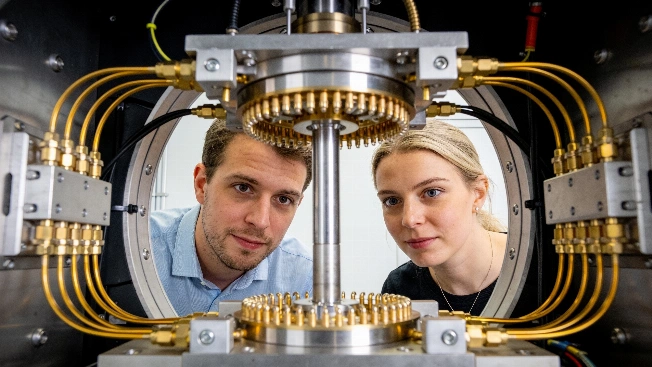
D-Wave is giving selected companies and research centers access to a 21-qubit simulator that models photon-loss erasures and real-time error detection before general availability
NATO Sets Quantum Defense Milestones Through 2027
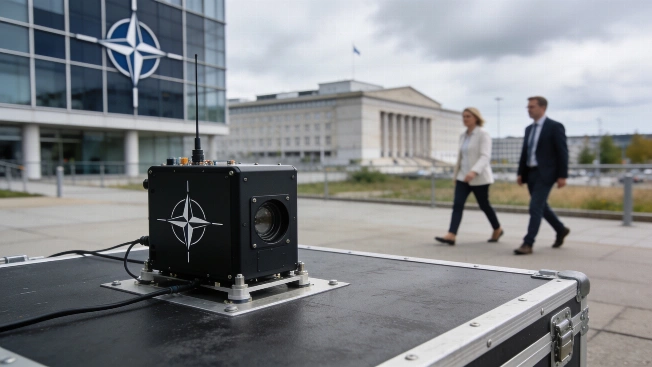
NATO has published an implementation roadmap for quantum computing, sensing and communications, including a Brussels-to-Mons pilot link planned for Q4 2027.
Classiq Turns Quantum Circuits Into Fault-Tolerant Hardware Plans
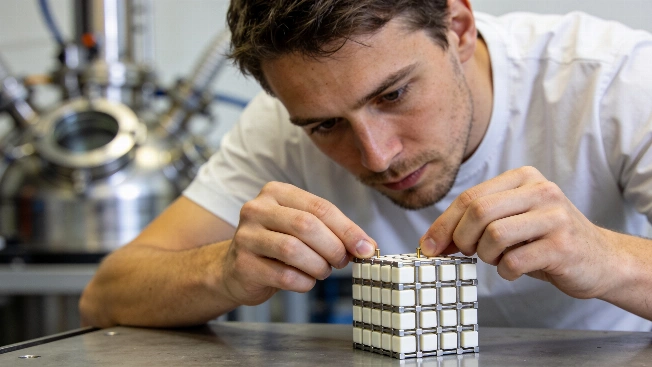
Classiq's Fault Tolerance Engine translates optimized logical circuits into three-dimensional surface-code execution plans with routing schedules, magic-state cultivation and physical-resource estimates.
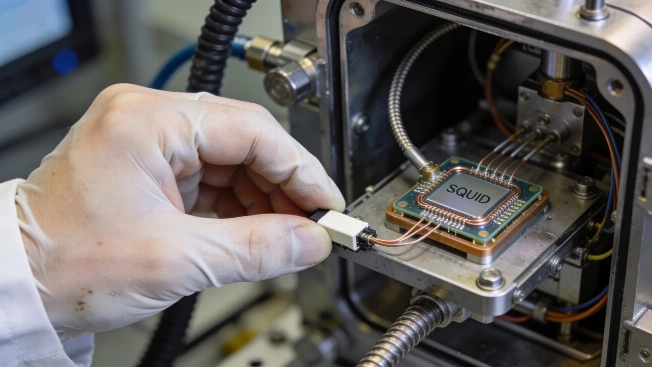
DC-Biased SQUID Stabilizes Multi-Photon Cat Qubits
Alice & Bob and ENS Lyon used a microvolt-scale DC-biased SQUID to control photon conversion between superconducting resonators and demonstrate multi-photon dissipation for cat-qubit stabilization.
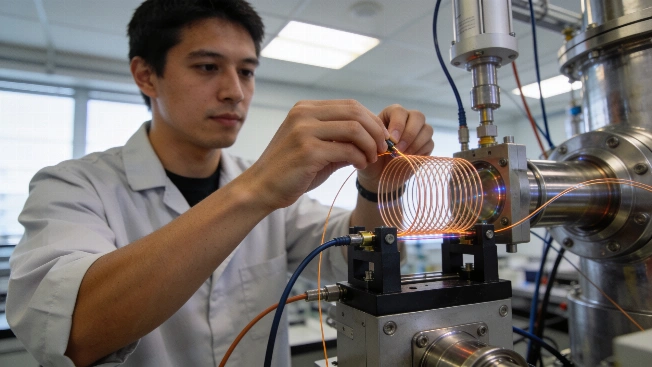
California Moves to Build Quantum and Fusion Infrastructure
California has signed fusion and advanced nuclear legislation while directing $30 million toward quantum and deep-space research, including university laboratories, startup partnerships and semiconductor infrastructure.
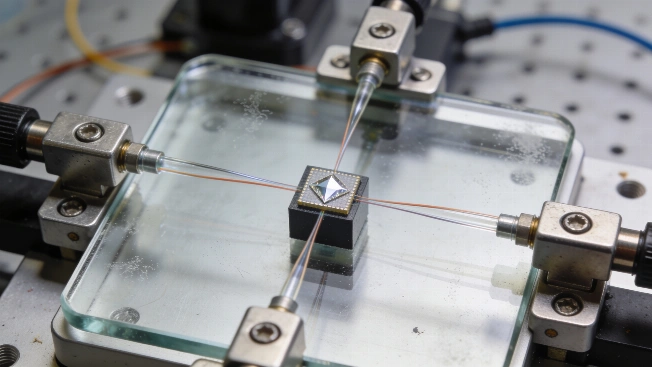
Quantum Sensor Network Research Wins $600,000 NSF Grant
A three-year NSF award, beginning June 1, 2026, will fund a Stony Brook and University of Hawaiʻi collaboration on entangled sensor nodes using squeezed-light photonics and diamond spin centers under realistic noise.
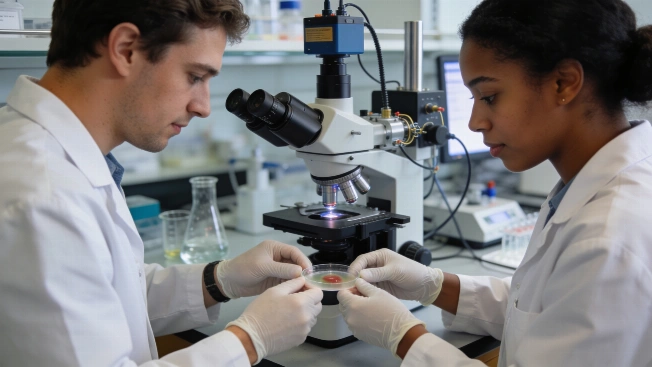
UCSB Joins Three NSF Quantum Institutes in $290M Renewal
UC Santa Barbara researchers will participate in three NSF Quantum Leap Challenge Institutes within a $290 million, five-year portfolio spanning quantum hardware, manufacturing partnerships and workforce development.
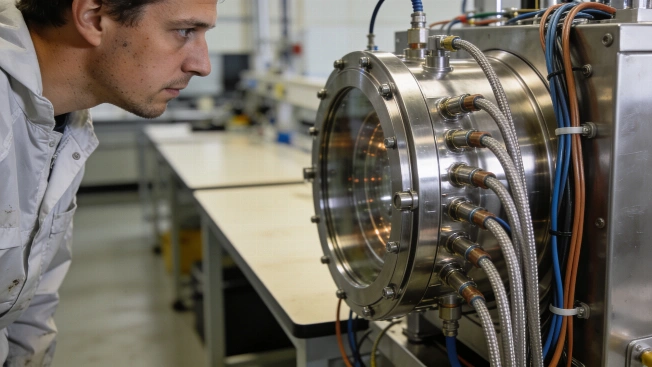
Roadrunner Quantum Lab Opens Albuquerque Quantum Hardware Facility
Roadrunner Quantum Lab opened on September 29, 2026, as a 35,000-square-foot Albuquerque facility linking quantum startups with Sandia and Los Alamos scientists, independent benchmarking, cryogenic testing and packaging infrastructure.

Cloudflare Builds a Quantum-Resistant Certificate Authority
Cloudflare plans a publicly trusted certificate authority that combines legacy TLS coverage with Merkle Tree Certificates designed to reduce the cost of post-quantum web security
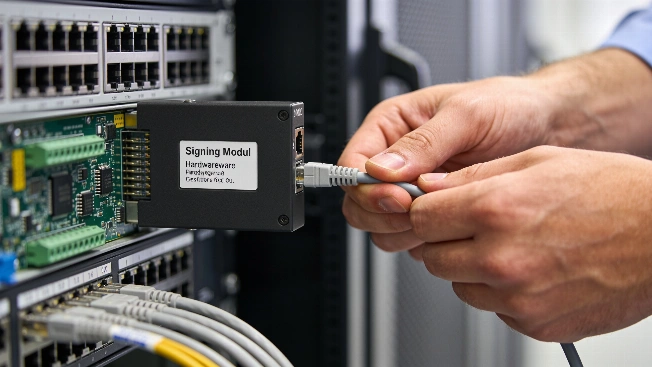
Project Eleven Buys Riva Labs for Post-Quantum Security
Project Eleven has acquired Riva Labs to combine post-quantum signatures, MPC, account abstraction and hardware signing across blockchain infrastructure before quantum computers can threaten today's public-key systems.
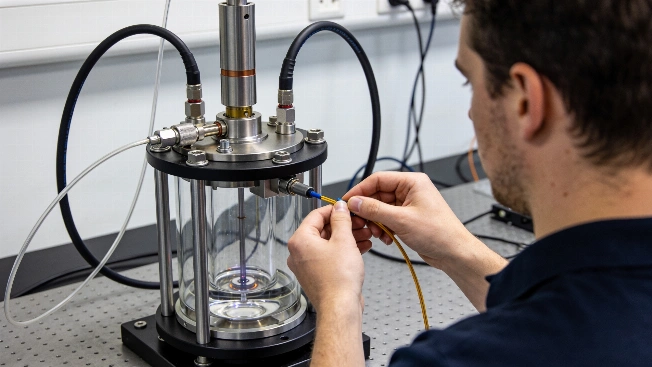
Infleqtion Links Neutral Atoms to Real-Time Error Decoding
Infleqtion and Riverlane plan to connect neutral-atom hardware with real-time quantum error-correction decoding in a UK engineering effort focused on latency and logical-qubit performance
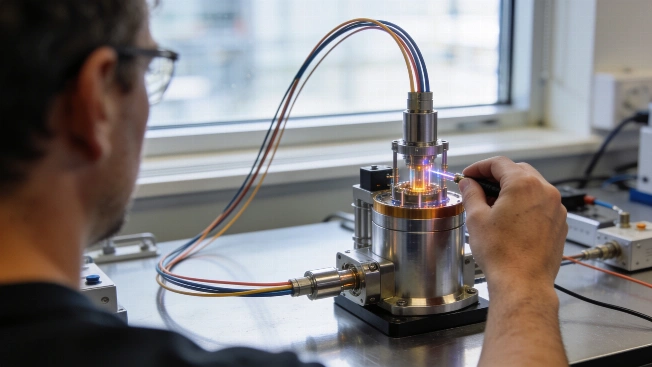
RBC Builds a Quantum Strategy Before Quantum Finance Arrives
Royal Bank of Canada is combining quantum application research with post-quantum security migration, academic fellowships, developer training, a new Director of Quantum role and a C$180 million hardware investment.
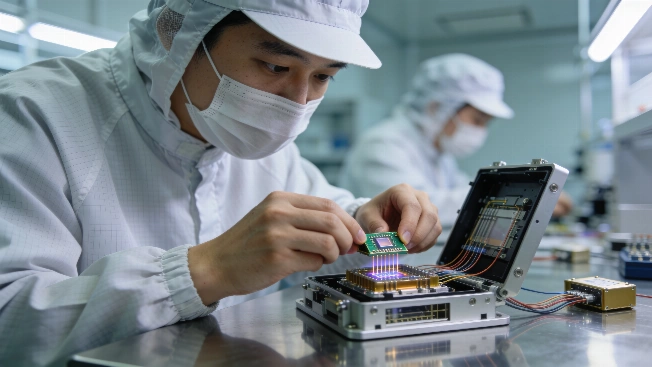
Quandela Targets South Korea for Photonic Quantum Hardware
Quandela has identified South Korea as a potential Asian center for photonic quantum hardware, system integration and joint R&D, while emphasizing that the initiative remains a partner-search and development framework rather than a completed manufacturing agreement.
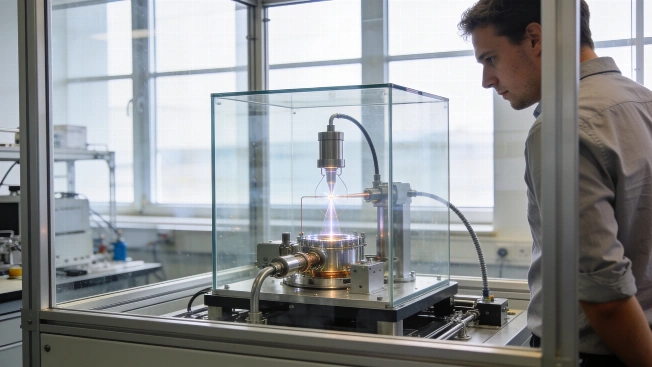
Pasqal Moves Its Quantum Roadmap Beyond Defense Procurement
Pasqal has completed the first phase of France's PROQCIMA defense program and is shifting its public-sector collaboration toward a proposed civil R&D track for fault-tolerant neutral-atom quantum computing after its Nasdaq debut.
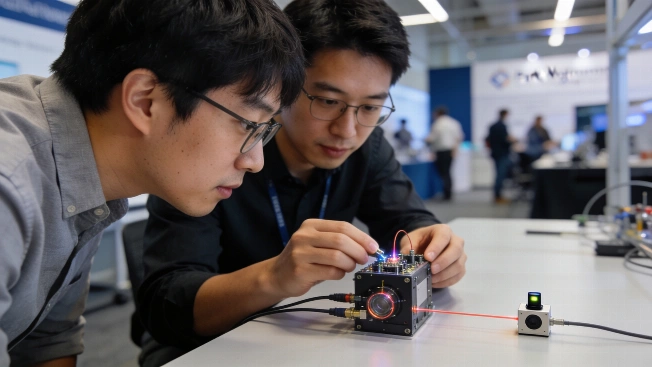
KIST Pushes Korean Quantum Startups Toward US Market Entry
KIST used the Quantum World Congress in College Park to connect South Korean quantum startups with D-Wave, Microsoft and East Asian research networks, while OptiQ-Labs plans a US East Coast office for November 2026.
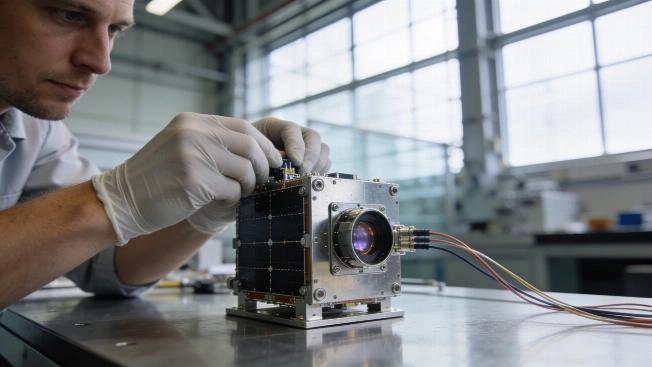
Quantum Photonic Processor Survives Its First Orbit Test
A University of Vienna payload has demonstrated two-photon interference and programmable matrix execution in orbit, showing that integrated photonic quantum hardware can operate beyond the laboratory.
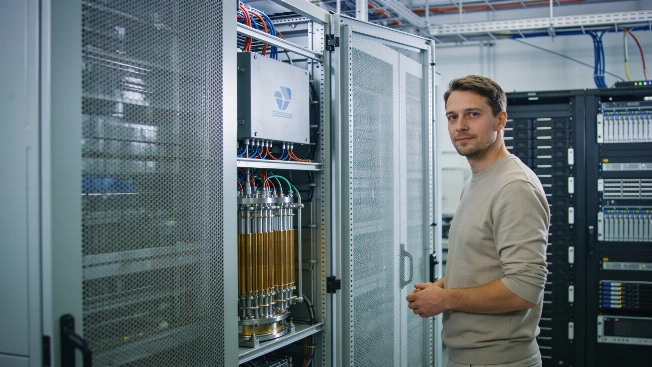
Europe Funds a Hardware-Agnostic Quantum Software Stack
The European Union is backing a 36-month, €5 million effort to build an open and interoperable software layer across quantum processors, annealers and high-performance computing systems while addressing noise, testing and fragmented compilers.
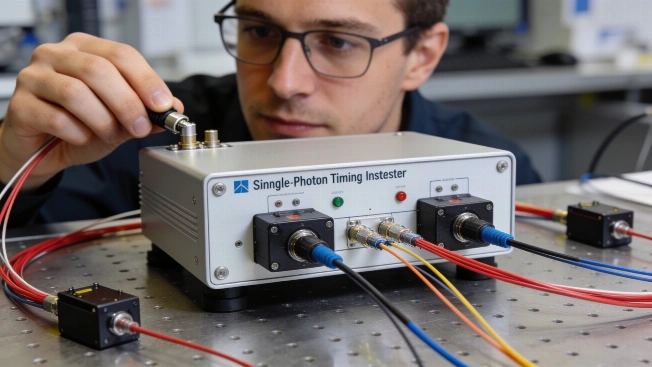
Quantum Effects 2026 Awards Four Routes Toward Useful Quantum Hardware
Quantum Effects 2026 has recognized four application-focused projects spanning quantum annealing hardware, open-source software, atomic magnetometry and photon timing for networked QKD, with the winners set for public presentation in Stuttgart on 6-7 October 2026.

Quantum eMotion Buys Plurilock to Commercialize Quantum-Safe Security
Quantum eMotion plans to acquire Plurilock for C$33.8 million in a transaction designed to combine quantum-generated entropy with identity, behavioral-biometric and cybersecurity services across enterprise and public-sector networks.
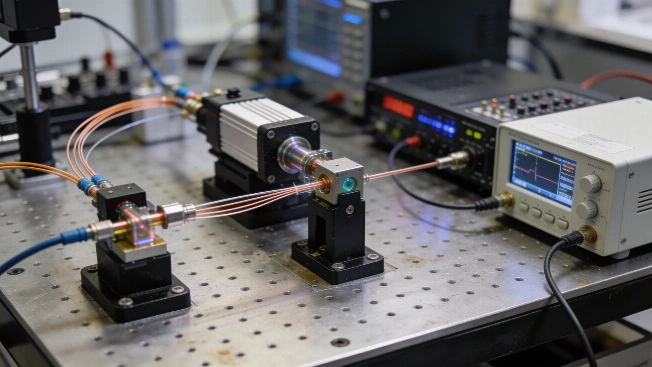
Quantum Optimization Finds Value Before Quantum Advantage
JIJ uses classical and quantum-inspired solvers for most commercial optimization work while testing quantum photonics for better answers rather than faster runtimes
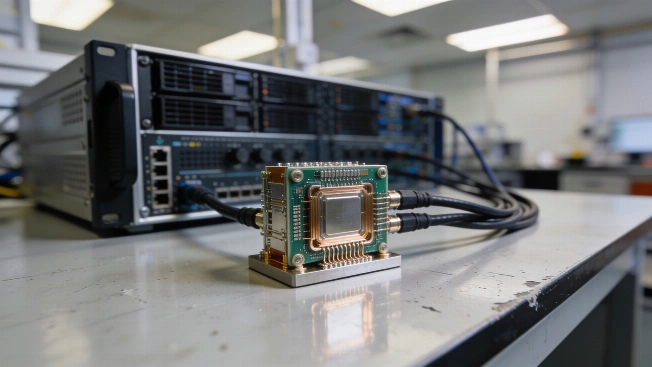
Silicon Spin Qubits Move Toward 300 mm Quantum Processing
Quobly will use CEA-Leti's FAMES Pilot Line in Grenoble to prototype 3D integration and cryogenic control layers for 300 mm silicon spin-qubit processors, while Alloy Forge and qBraid Cloud offer developers an interim environment before planned access to the Alloy Pioneer QPU.
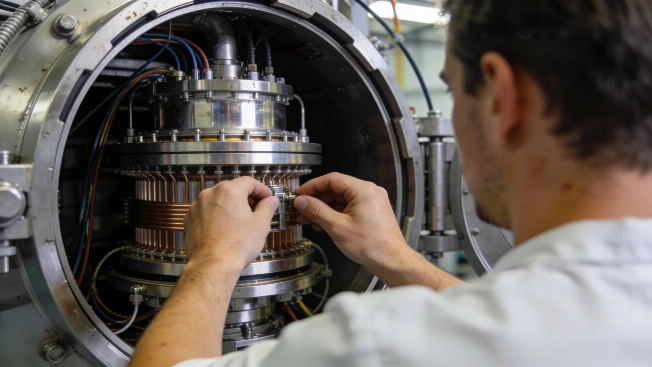
Quantum Computing Faces Its Hardest Test Beyond Qubit Counts
Quantum processors are no longer judged only as faster classical machines. Their value depends on whether real workloads can be mapped to quantum evolution and run reliably inside hybrid systems with effective error correction.
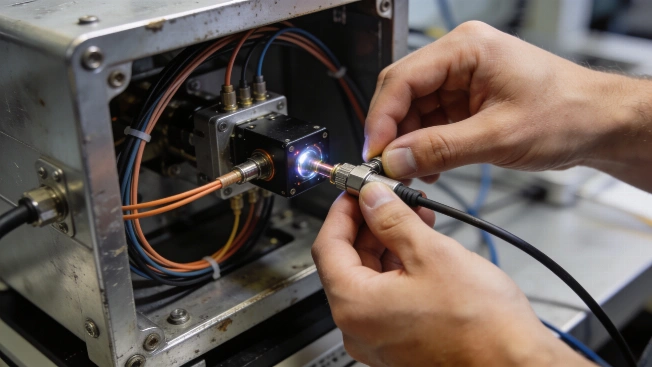
ETSI Warns That Quantum Randomness Can Become Predictable
ETSI's technical report TR 104 171 argues that quantum random-number generators require continuous validation across the full entropy chain because detector dead time, noise and side-channel leakage can reintroduce predictability.
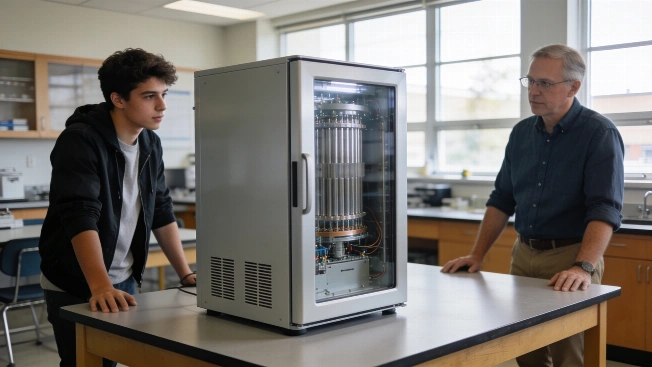
Room Temperature Quantum Computer Heads to Public High School
Fairfax County Public Schools plans to place XeedQ's four-qubit diamond spin processor at Skyview High School in December 2026, giving students direct access to room-temperature quantum hardware through learning pathways beginning in spring 2027.
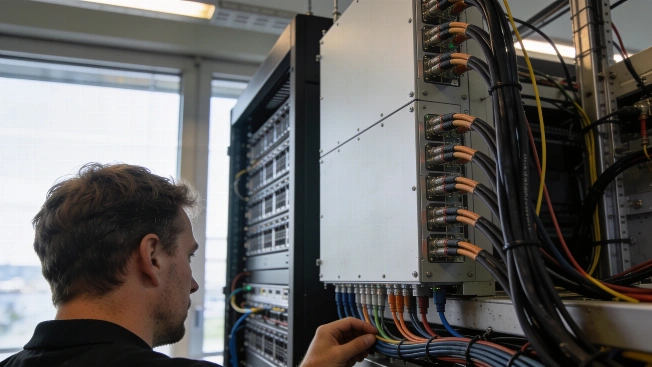
Qambria Raises $2.4M for Quantum Control Infrastructure
Swiss startup Qambria has raised CHF 2 million to develop vendor-neutral software that links quantum processors with high-performance computing systems and handles real-time control tasks.
Part 1 of 10