
Neanderthal
6 reportsThe main lines of inquiry around Neanderthal include evolutionary relationships; fossil anatomy; and chronology and site context. The case for chronology and site context is reconstructed from dated fossils and comparative anatomy, subject to the fact that the strongest interpretation still recognizes that small samples and fragmentary remains can change species assignments.
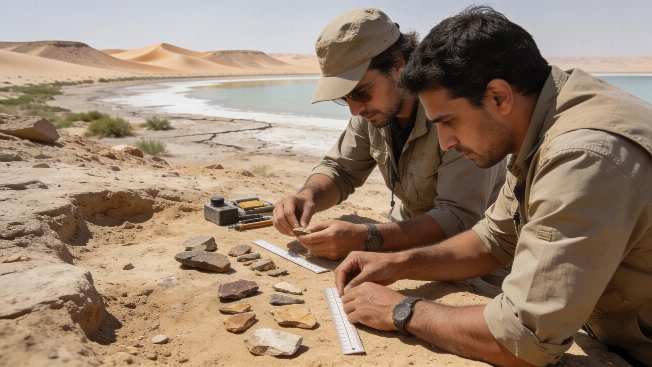
Stone Tools Suggest Neanderthals Reached Deep into Arabian Desert
Archaeologists have identified stone tools from Jebel Katefeh-1 in Saudi Arabia's Nefud Desert that closely match Neanderthal technology, suggesting these hominins may have adapted to arid environments far south of their previously known range

Neanderthal Gene Variant Linked to Muscle Mass in Modern Humans
A newly published study identifies a Neanderthal-derived gene variant in the growth hormone receptor that increases muscle mass in some modern humans. Researchers analyzed ancient DNA and over a million modern genomes to trace its distribution and effects.
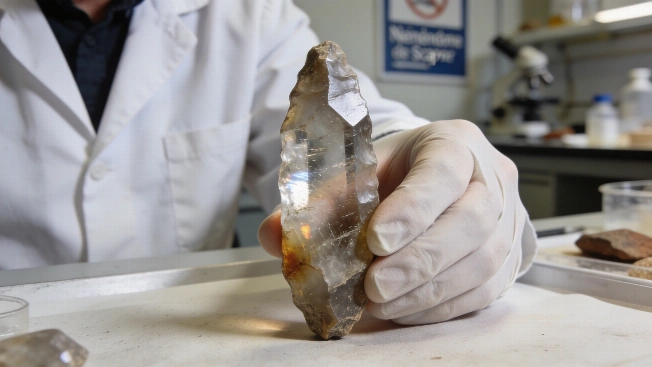
Neanderthal Rock Crystal Tool Sheds Light on Ancient Craftsmanship
Archaeologists have reexamined a rare rock crystal scraper from Abri des Merveilles, France, revealing how Neanderthals selected unusual materials and challenging outdated views of their cognitive abilities

Ancient DNA Reveals Two Unknown Human Lineages in Modern Genomes
A new genome analysis method has identified traces of two previously unknown extinct human lineages in the DNA of living people, offering fresh insight into ancient population interactions and the complexity of human evolution
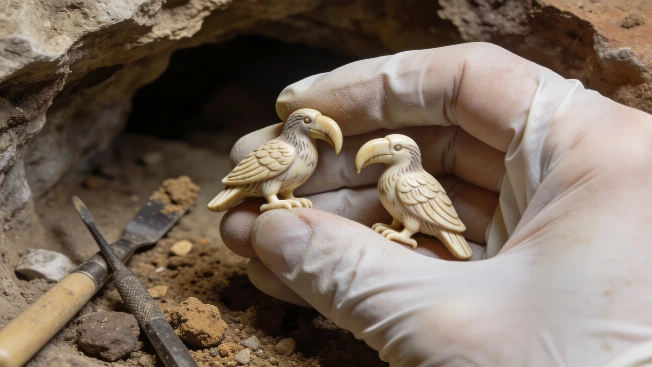
Ice Age Bird Figurines Unearthed in Hohle Fels Cave, Germany
Archaeologists have identified two miniature bird carvings from mammoth ivory in Hohle Fels cave, Germany, dating to around 40,000 years ago. The finds expand evidence for symbolic art among early Homo sapiens in Upper Paleolithic Europe
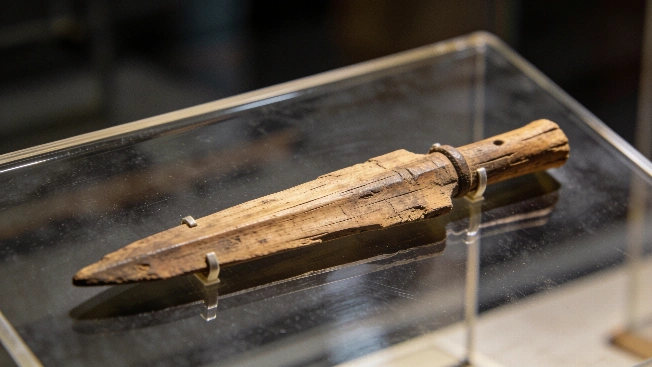
How Archaeologists Trace the Oldest Known Weapons in Human History
Archaeologists have identified several contenders for the world's oldest weapon, including wooden spears and stone points from sites in Africa and Europe. Careful analysis of context, material, and wear patterns helps distinguish weapons from other ancient tools