
Radiocarbon Dating
11 reportsThe page treats sources of error; sampling and context; and calibration or reference data as distinct parts of Radiocarbon Dating. For questions involving sampling and context, the account uses integration with excavation records as the measured record and calibration standards to expose uncertainty; the account does not overlook that disturbance, contamination, and incomplete context can narrow what the method establishes.
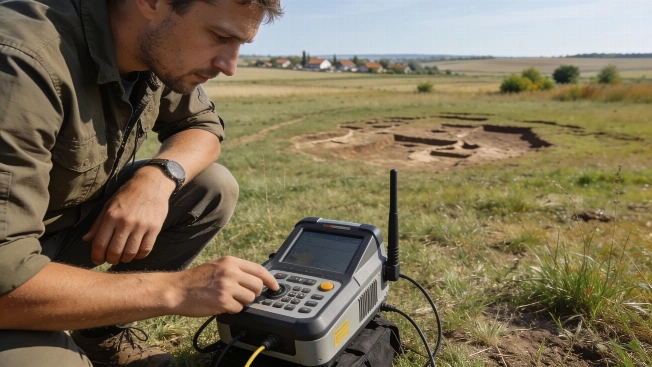
Opovo Settlement Was Twice the Size Archaeologists Thought
A new survey of Opovo Ugar-Bajbuk in Serbia combines surface collection, geophysics, drilling and targeted excavation to expand the site estimate from five hectares to more than nine and from about 200 residents to over 700.
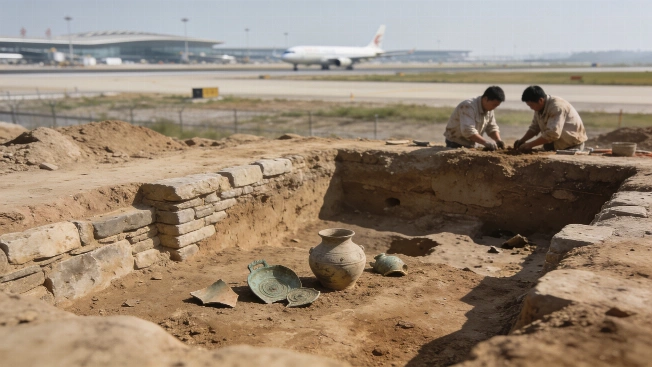
A Qin Royal Tomb Near Xi'an May Belong to Huayang
A looted royal tomb beside Xi'an Xianyang International Airport contains a 2,250-year-old burial complex whose date, architecture and associated burials point toward Empress Dowager Huayang, although no inscription has conclusively identified the occupant.
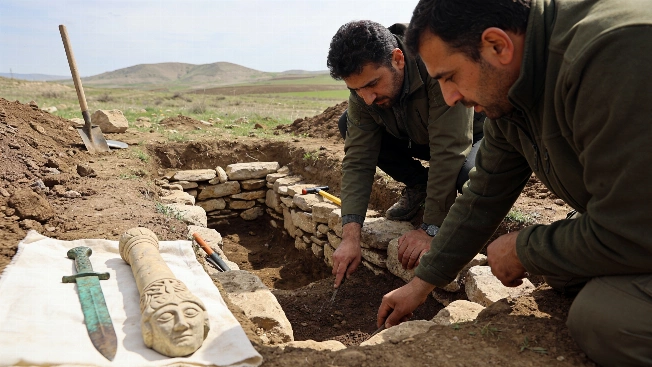
Bronze Age burial in Azerbaijan reveals weapons and staff of authority
A 3,600-year-old burial mound at Keşikçidağ in Azerbaijan has yielded a bronze dagger, obsidian and flint arrowheads, and a carved stone staff head, offering new evidence for social hierarchy and military roles in the Middle Bronze Age South Caucasus
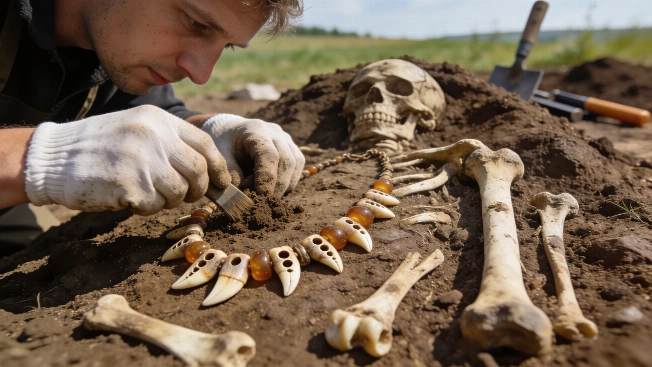
5,000-Year-Old Tooth Necklace Burial Sheds Light on Corded Ware Poland
Archaeologists near Wrocław have uncovered a 5,000-year-old burial containing a necklace made from 42 animal teeth, stone weapons, and human skulls, offering new evidence for Corded Ware culture and prehistoric mortuary practices in southwestern Poland
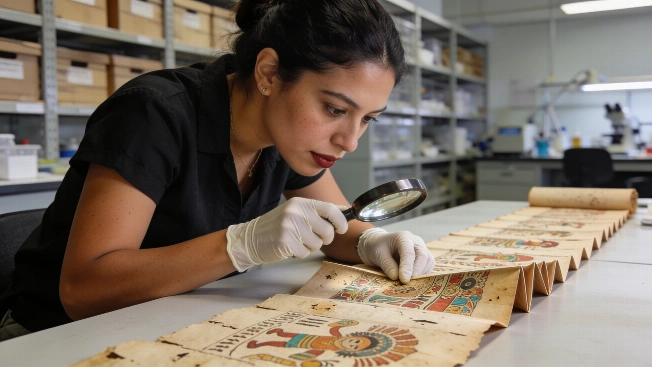
Radiocarbon Dating Confirms Pre-Conquest Date for Aubin Tonalámatl Codex
A new radiocarbon analysis of the Aubin Tonalámatl Codex places its creation firmly in the late 15th century, resolving long-standing doubts about whether this Indigenous Mexican manuscript predates Spanish colonization
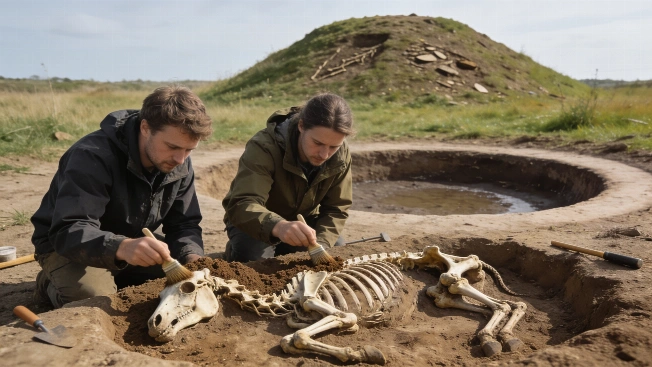
Bronze Age Foals Buried Beside Ancient Mound in Germany
Archaeologists in Saxony-Anhalt have uncovered two young horse skeletons intentionally buried near a Late Bronze Age burial mound, offering rare evidence for the ritual deposition of valuable animals over 3,000 years ago
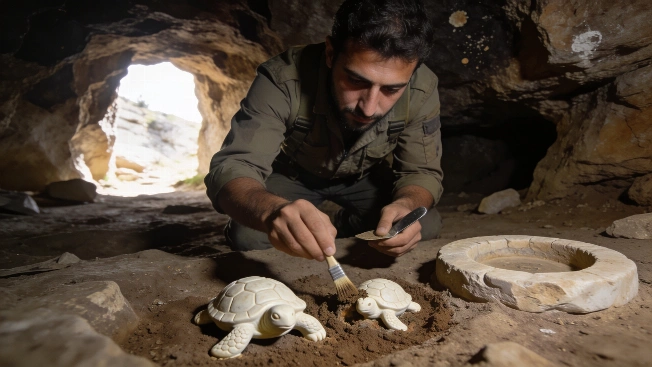
Ice Age Turtle Figurines Suggest Ritual Activity in Northwestern Türkiye
Archaeologists have uncovered 25 limestone turtle figurines at İn Cave in Bilecik Province, Türkiye, dating to 14,500-11,200 BCE, offering rare evidence for symbolic or ritual practices among Epipalaeolithic hunter-gatherers
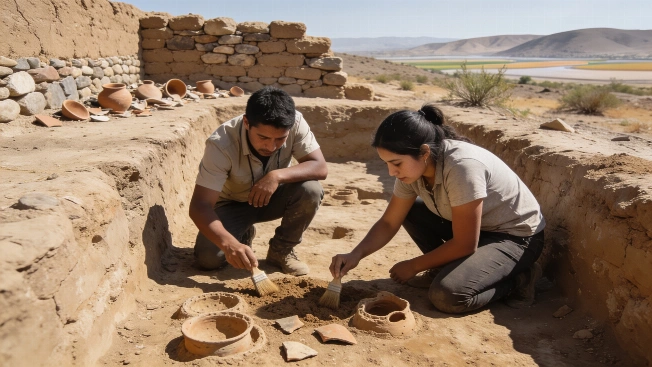
Moche Pottery Workshops Uncovered at Cerro Mayal in Northern Peru
Excavations at Cerro Mayal in Peru's Chicama Valley have revealed extensive evidence of Moche ceramic production, including molds, pottery waste, and workshop-house structures, offering new insight into the organization of ancient craft specialists
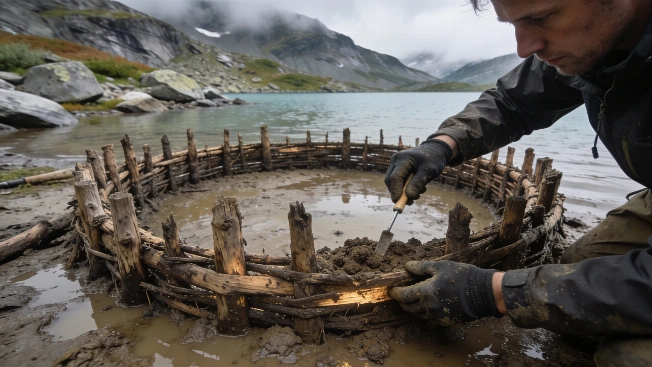
Mesolithic Fish Traps Reveal Early Ecosystem Management in Norway
Archaeologists have identified 7,000-year-old wooden fish traps in Norway's Jotunheimen mountains, providing evidence that Mesolithic hunter-gatherers deliberately introduced brown trout to high-altitude lakes using advanced ecological knowledge
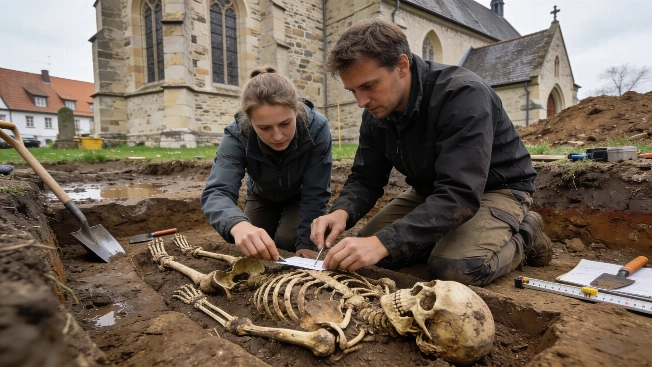
Early Medieval Cemetery Confirmed Beneath Altenberge Church Site
Radiocarbon dating of human remains from excavations at St John the Baptist Church in Altenberge, Germany, has established the presence of an early medieval cemetery, providing direct evidence for Christian burial at the site over a millennium ago
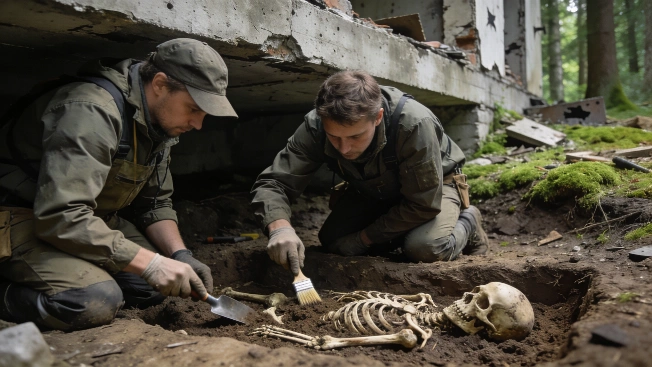
Excavation Reveals Göring's Wolf's Lair Residence Built Over Cemetery
Archaeologists investigating human remains beneath Hermann Göring's former house at the Wolf's Lair have determined the Nazi-era structure was constructed atop a pre-existing cemetery, using stratigraphic and osteological analysis to clarify the context