
Space Exploration
234 reportsEvidence from space policy, human spaceflight, and launch systems supports a focused comparison. It examines where mission data are released and how exploration missions are selected, separating design goals from performance demonstrated in operation.
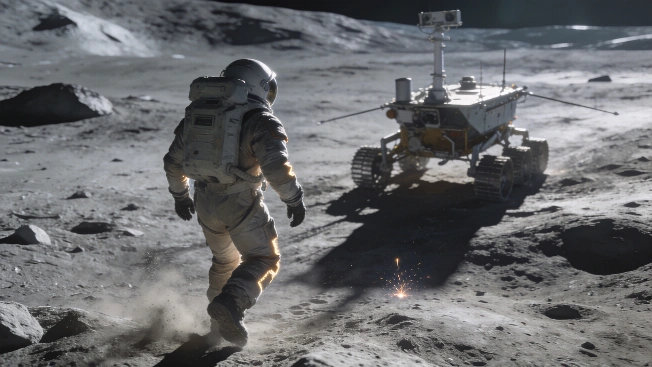
NASA Seeks a Safe Way to Ground Moonwalking Astronauts
NASA has opened a challenge for systems and procedures that can safely bring astronauts to electrical equilibrium before they touch a lander during Artemis operations near the lunar South Pole.
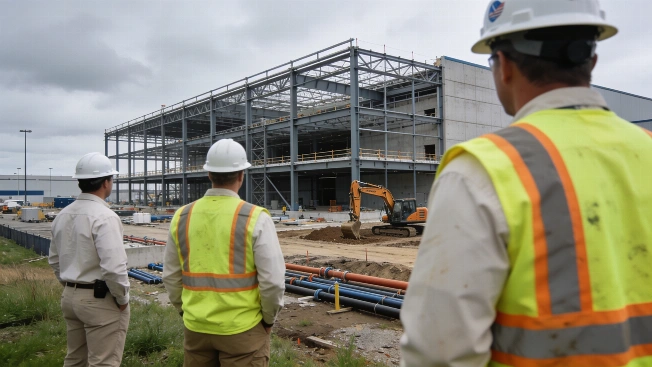
NASA Glenn Seeks Proposals for New Aerospace Power Laboratory
NASA Glenn has opened a full and open competition for Phase 1 of a proposed Aerospace Power Systems Laboratory in Cleveland, with Phase 1 proposals due October 30, 2026; the procurement record does not yet confirm an award, construction or a facility budget.
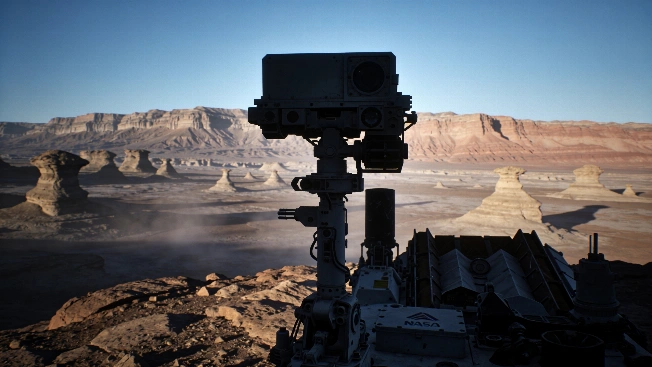
Curiosity Maps Mars Yardangs in Unprecedented Detail
NASA's Curiosity rover has produced its clearest panorama yet of Martian yardangs while climbing Mount Sharp toward a rock layer that may preserve evidence of ancient water, evaporated brines and volcanic ash.
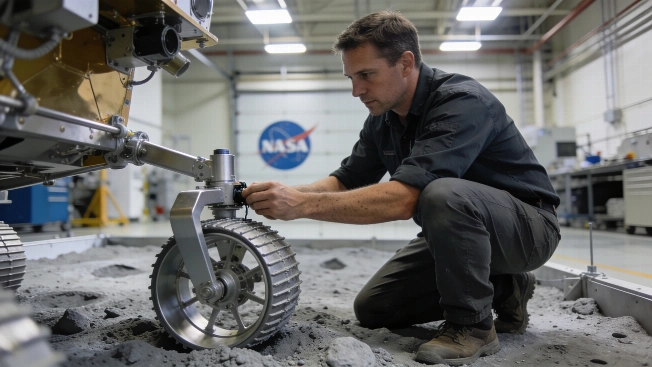
NASA's Lunar Return Depends on Data Gaps Before Hardware
At NASA Langley Research Center, Richard Spolzino tracks the measurements still missing from lunar and Mars planning and helps convert those gaps into priorities for missions and commercial partners.
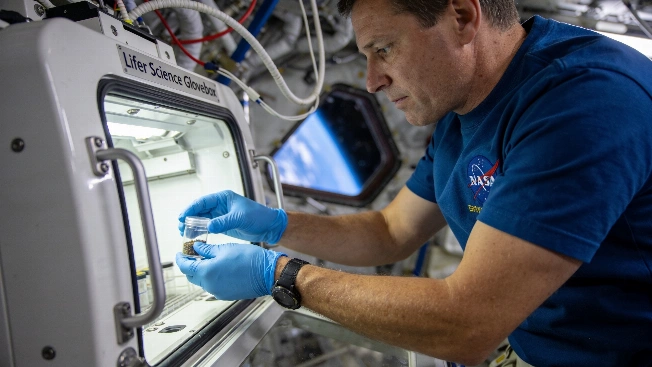
Crew-12 Heads Home After 235 Days of Science in Orbit
NASA's SpaceX Crew-12 is preparing to leave the International Space Station after a 235-day mission investigating quantum systems, living tissue, microbes, materials and medical supplies, with undocking possible as early as October 5, 2026.
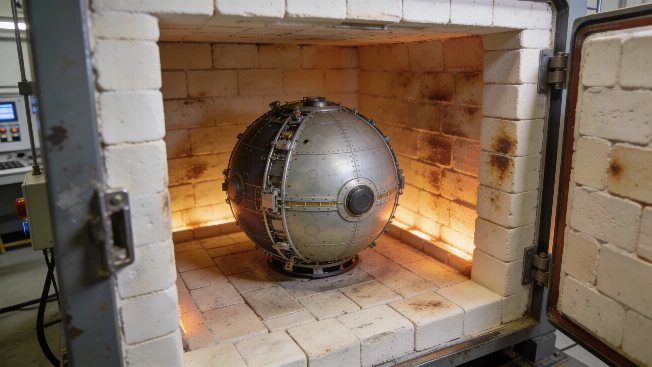
DAVINCI Engineering Model Survives Venus Heat Test
NASA's DAVINCI engineering model completed six thermal cycles at 465 C, reproducing the heating rate expected during a descent through Venus' atmosphere and clearing an important hardware-readiness test.
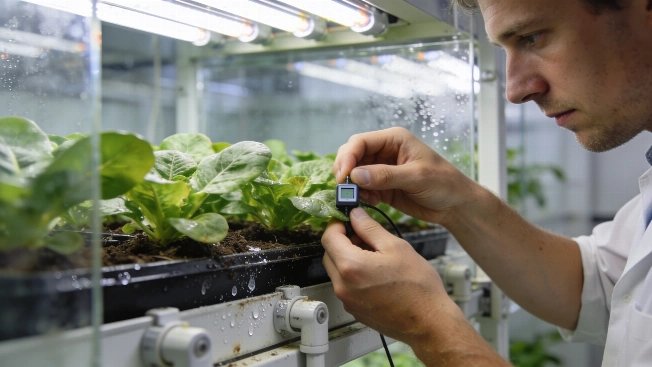
NASA Partners Prepare Ground Tests for Crops on the Moon
NASA, the Canadian Space Agency, and the German Aerospace Center are coordinating preparatory work on an Earth-based lunar agriculture demonstrator designed to test crop production and resource recycling for longer missions.
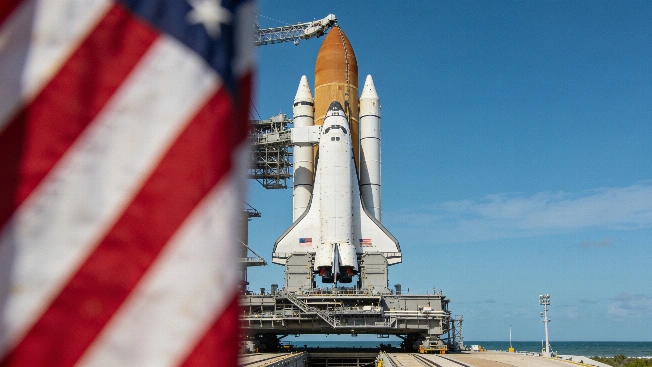
Crew-13 Falcon 9 Stands Ready for Its October Launch
A Falcon 9 rocket and Dragon spacecraft stand vertical at Space Launch Complex 40 ahead of NASA's Crew-13 mission, which is scheduled to carry four international crew members to the International Space Station.
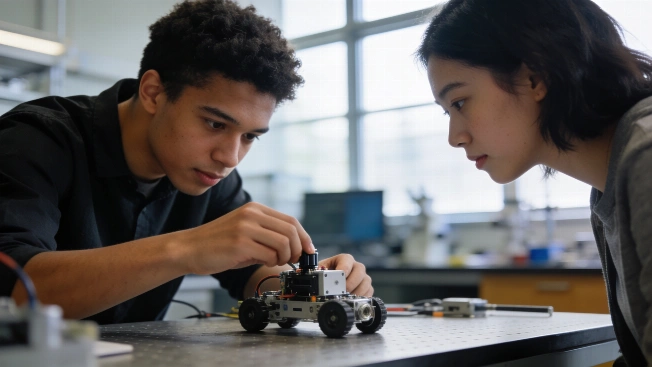
NASA Reopens ORBIT Challenge for 2027 With Up to $500,000 in Student Prizes
NASA has reopened registration for the 2027 ORBIT Challenge, offering university and college teams up to $500,000 to develop research-based solutions for Earth and future space missions.
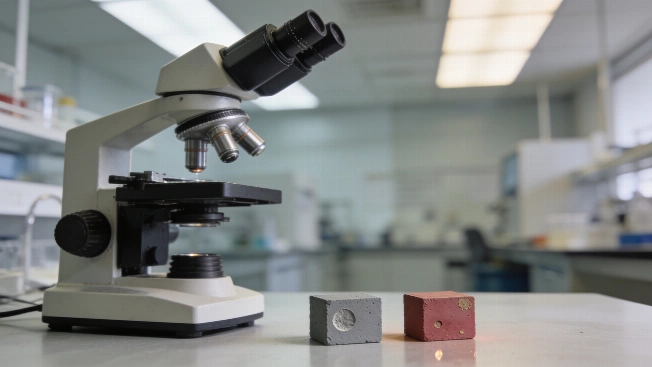
NASA Material Turns Lunar Dust Into Tools for Future Habitats
NASA researchers have mixed biodegradable plastic with simulated Moon and Mars dust to create a tunable composite now being tested for future habitat equipment and extreme space conditions.
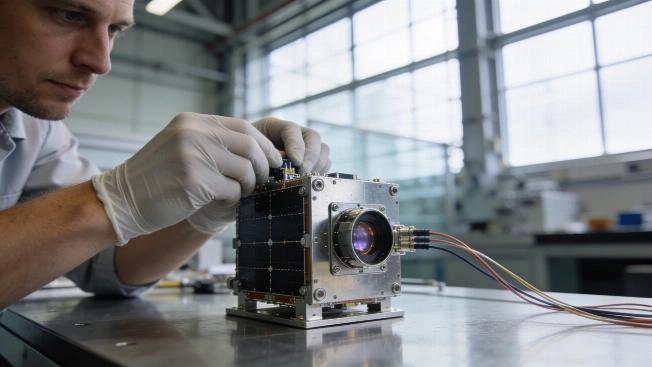
Quantum Photonic Processor Survives Its First Orbit Test
A University of Vienna payload has demonstrated two-photon interference and programmable matrix execution in orbit, showing that integrated photonic quantum hardware can operate beyond the laboratory.
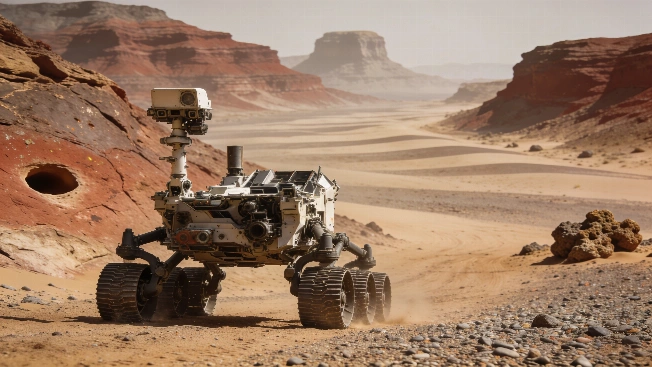
Perseverance Finds a Strange Rock Texture on Ancient Mars
NASA's Perseverance rover has investigated ancient rocks west of Jezero crater and exposed an unusual light-and-dark texture that may reveal how early Mars evolved
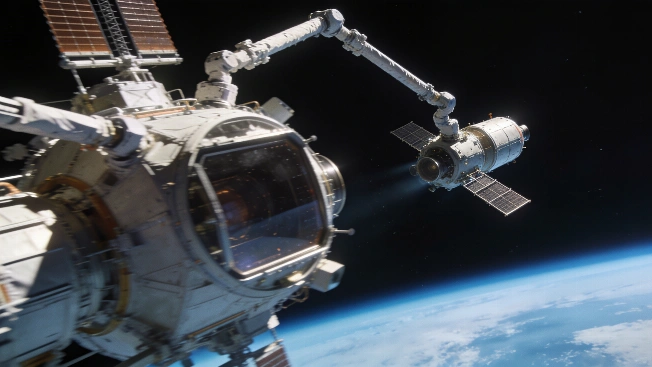
Swift Boost Mission Ends Without Raising Its Orbit
NASA's attempt to lift the Neil Gehrels Swift Observatory ended after its commercial servicing spacecraft developed communications and orientation problems, but the mission still produced valuable operational lessons for future in-space servicing.
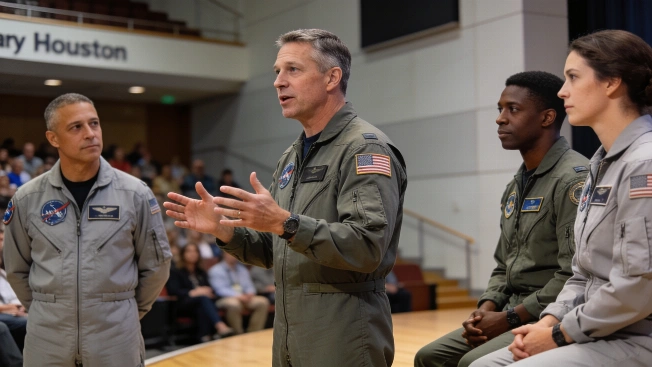
Artemis II Crew Set for Houston Event After Record Lunar Flyby
The Artemis II astronauts will meet the public at the University of Houston after traveling 406,771 kilometers from Earth during the first crewed lunar flyby in more than 50 years.
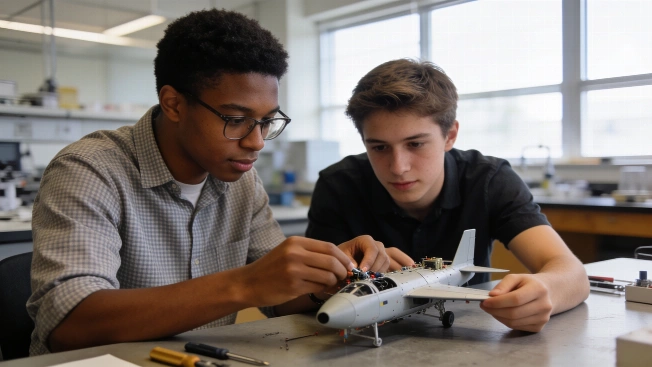
NASA ORBIT Challenge opens mission work to student teams
The NASA ORBIT Challenge gives university and community college students access to NASA intellectual property and mission problems, with up to $500,000 in prizes, expert mentorship and a pathway from technical concepts to potential commercial applications.
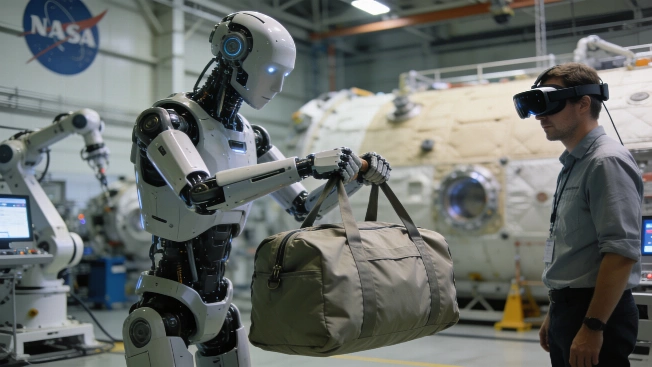
NASA Builds Humanoid Robots for Safer Lunar Work
NASA's 16-member Dexterous Robotics Team is testing humanoid robots, robotic arms, and supervised autonomy for logistics, maintenance, and scientific work supporting a sustained human presence on the Moon and possible future missions to Mars.
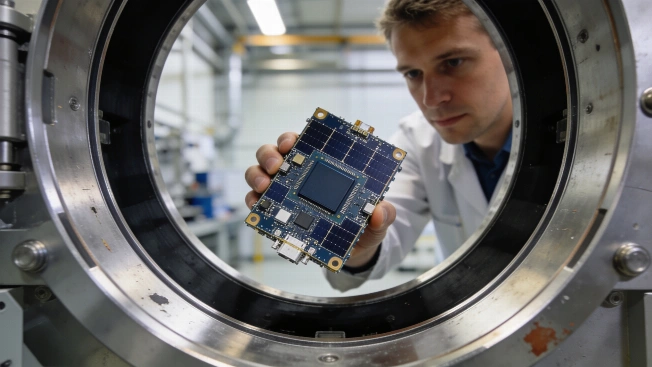
Google Tests Four AI Chips in Orbit
Google's first Project Suncatcher hardware test is scheduled to fly next week on SpaceX's Transporter-18 rideshare mission. A prototype satellite carrying four Tensor Processing Units will measure how the chips withstand launch vibration, radiation, vacuum and extreme temperatures before any larger orbital computing cluster is attempted.
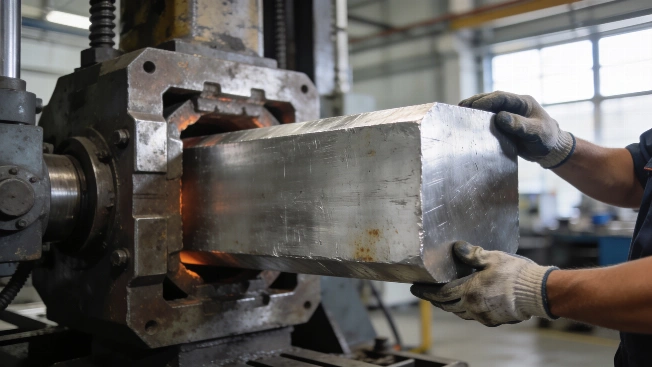
NASA Warns Casting Defects Can Weaken Aluminum 2219
A NASA technical bulletin warns that flawed casting can leave Aluminum 2219 vulnerable to corrosion and uneven mechanical performance unless manufacturers apply validated homogenization and multidirectional deformation.
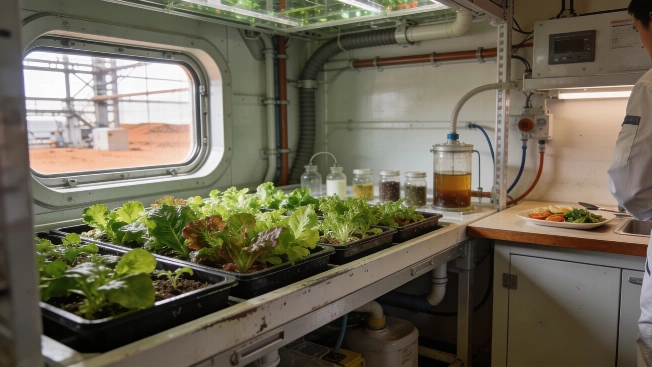
NASA Picks Mars Food Systems Built for Long Surface Missions
NASA has awarded five teams a combined $650,000 for proposed food systems designed to support 15 astronauts across 500 Martian sols while reducing dependence on meals shipped from Earth.
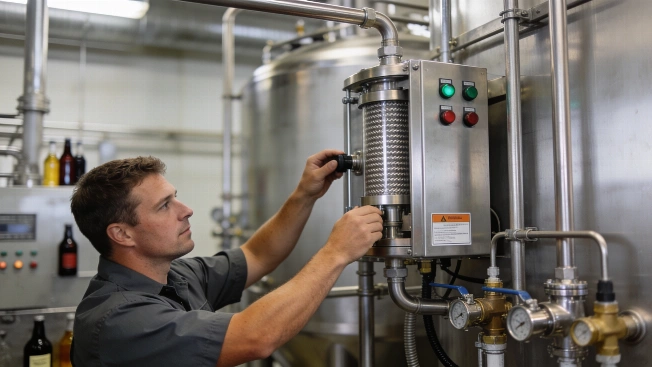
Mars Resource Technology Gives Breweries a Carbon Lifeline
A carbon-capture system designed for future Mars resource harvesting is now helping breweries and other industries recover and purify carbon dioxide amid shortages and volatile supply.
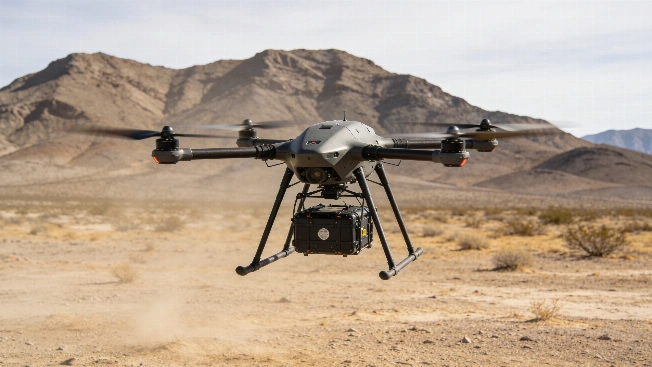
NASA Tests SPLICE for Precision Landings on the Moon
NASA's SPLICE system has completed simulated lunar descent and landing maneuvers aboard an Alta-X drone near Armstrong Flight Research Center, testing navigation designed for difficult lunar and planetary terrain.
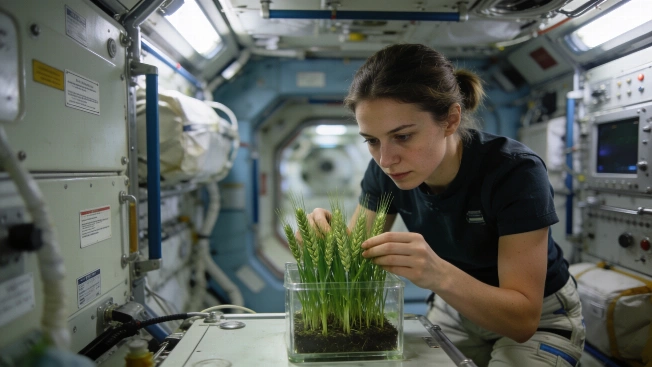
Shannon Lucid Set a Human Spaceflight Record on Mir
Shannon Lucid spent 188 days aboard Russia's Mir, tending life-science experiments and helping NASA understand the operational, psychological, and cultural demands of long-duration spaceflight.
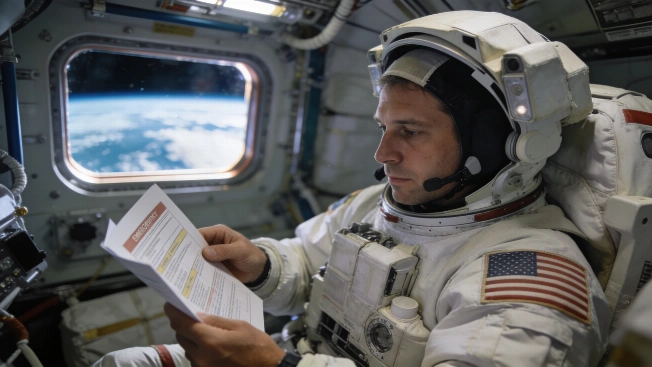
NASA Astronaut Anil Menon Will Answer New Hampshire Student Questions
A live NASA stream will carry prerecorded STEM questions from New Hampshire students to astronaut Anil Menon aboard the International Space Station on Thursday, Sept. 24, offering students a direct view of science and space careers in orbit.
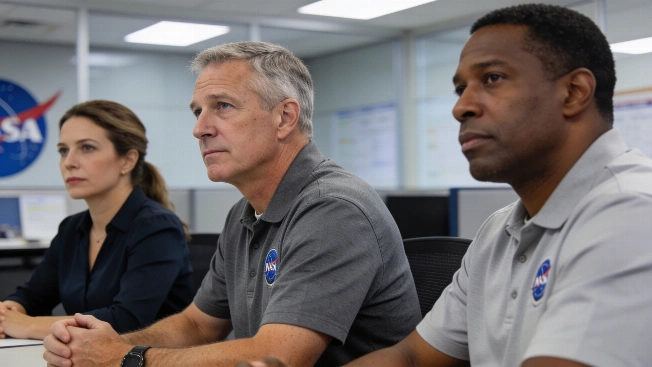
NASA Builds State Hubs for the Aerospace Workforce
NASA has launched a nationwide workforce initiative with seven State Hubs across the United States designed to connect students with technical skills, credentials, and hands-on aerospace experience.
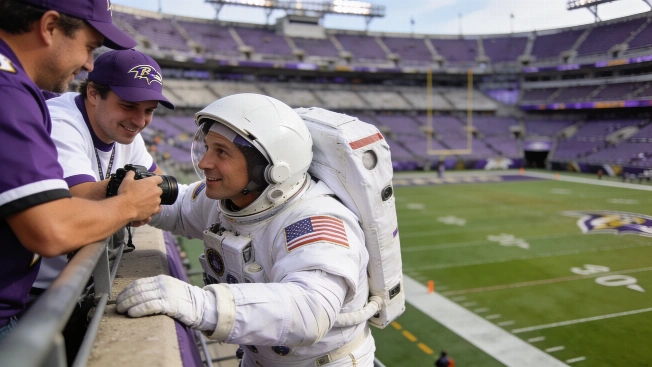
Reid Wiseman Brings Artemis II to Baltimore Ravens Fans
Artemis II commander Reid Wiseman returned to his Baltimore roots at M&T Bank Stadium on Sept. 20, 2026, as NASA used the Ravens-Saints game to bring space exploration closer to local fans.
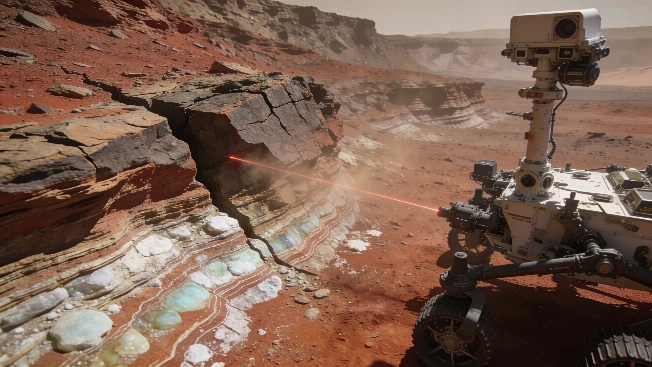
Perseverance Finds Three Water Episodes in Ancient Mars Rocks
Perseverance has analyzed igneous rocks in Mars' Jezero Crater that record at least three separate interactions with water, including a later episode involving heated underground fluids.
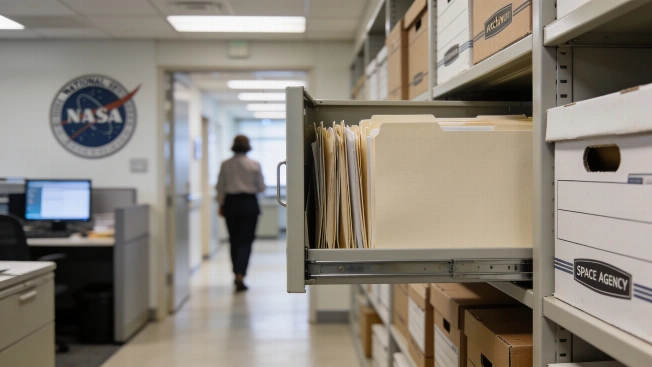
NASA Archive Maps Seven Years of Widely Attended Space Events
NASA's Widely Attended Gatherings archive brings together event determinations from 2020 through 2026, covering launches, awards dinners, policy meetings and industry receptions while showing why administrative records must be distinguished from scientific evidence.
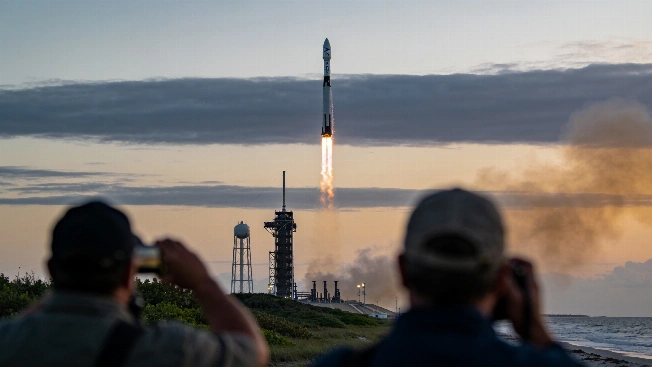
NASA Adds Three SpaceX Crew Flights Through 2030
NASA has added $946 million for SpaceX's Crew-15, Crew-16, and Crew-17 missions, raising the company's total Commercial Crew missions to 17 and the contract value to $5.92 billion. The decision secures transportation and lifeboat services through 2030 while NASA evaluates schedule pressure, Dragon inspections, and the future role of Boeing's Starliner.
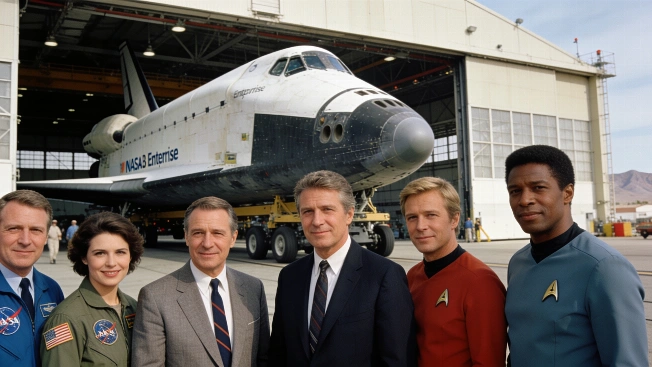
NASA's Enterprise Shuttle: How a Test Vehicle and Star Trek Fans Shaped the Shuttle Era
On September 17, 1976, NASA introduced its first space shuttle orbiter, OV-101. Named Enterprise after a wave of public support, the vehicle played a central role in early shuttle flight tests and set the stage for the program's future.
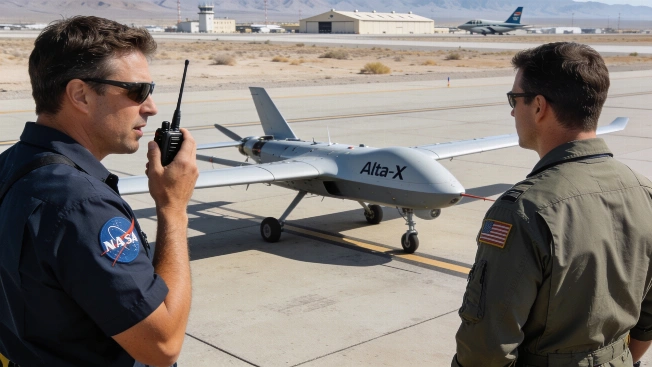
NASA tests new Moon and Mars landing system at Armstrong flight lab
NASA's Dale Reed Subscale Flight Research Laboratory is testing the SPLICE guidance system on the Alta-X drone to improve hazard detection and precision landings for future Moon and Mars missions.
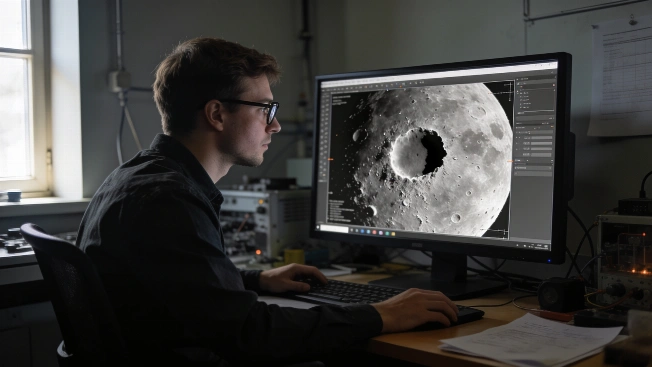
NASA orbiter spots largest new lunar crater in a century
NASA's Lunar Reconnaissance Orbiter has found a 728-foot-wide impact crater on the Moon's eastern limb, created between April and May 2024 by a building-sized asteroid or comet. The discovery gives scientists a rare look at how the lunar surface changes after a major collision.
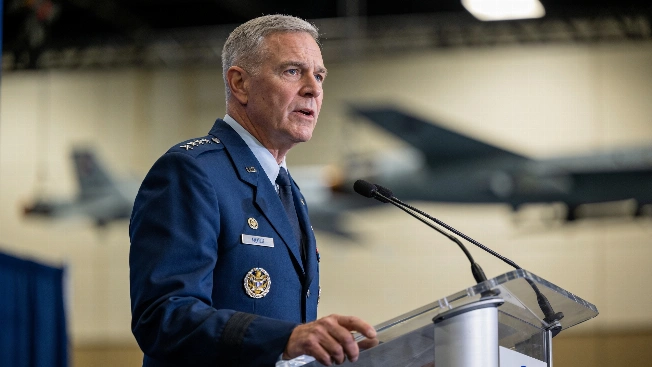
US military expands defense planning from ocean floor to lunar orbit
The US military's top officer says future conflicts could extend from the seafloor to the Moon's orbit, as the Space Force openly acknowledges operating defensive weapons in space for the first time.
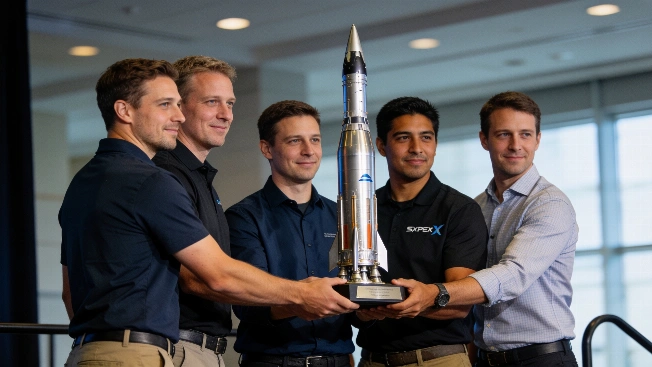
SpaceX Falcon 9 landing team wins Neil Armstrong Space Prize
SpaceX's Falcon 9 booster landing team has received the first Neil Armstrong Space Prize, recognizing their work in making large-scale rocket reuse routine and changing the economics of space launches.
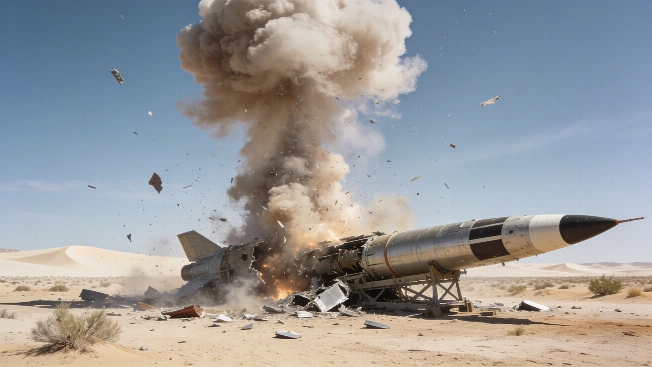
V-2 Rocket Explosion Cut Albert III's Spaceflight Short
A V-2 rocket carrying the monkey Albert III exploded seconds after launch in 1949, exposing the dangers of early animal spaceflight and the technical limits of postwar rocketry.
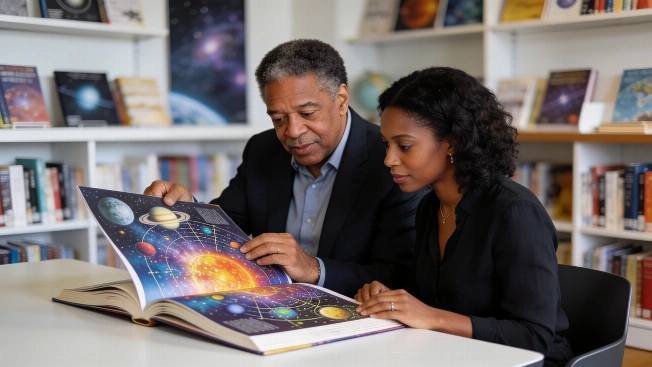
Neil deGrasse Tyson releases Lost in Space, a new encyclopedia of the cosmos
Neil deGrasse Tyson and Lindsey Nyx Walker introduce Lost in Space, a 400-page National Geographic encyclopedia packed with thousands of facts, images, and profiles of planets, telescopes, and cosmic phenomena.
Part 1 of 7