
Cultural Heritage
136 reportsTo examine how ownership claims are evaluated, reports set repatriation beside site records and dating evidence. They also address what damage limits interpretation, comparing competing interpretations against the same artifacts and site records.
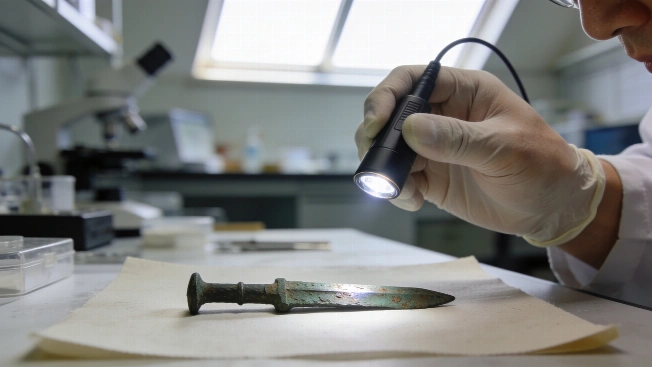
Bronze Hand Cannon Rewrites Korea's Early Firearms Record
A bronze hand cannon found during a trail safety survey in South Korea has passed X-ray and metallurgical tests. Identified as the Hwangja Hwatong after three years of analysis, it is regarded as Korea's earliest surviving firearm, although its 28-character inscription leaves two possible manufacturing dates.
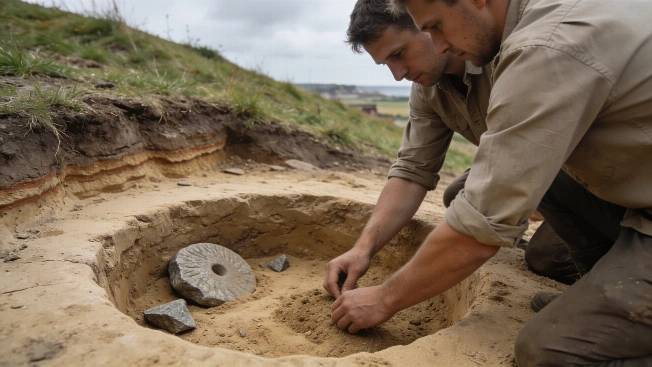
Possible Fortified Windmill Revealed on Poland's Windmill Hill
Excavations near Puck have exposed more than 300 features, including two circular trenches around a possible 15th-century windmill and a Lutheran cemetery with about 150 graves.
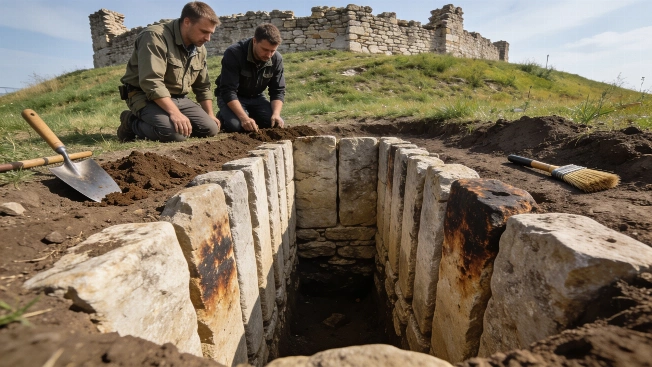
Medieval Hot-Air Heating System Found Beneath Swiss Monastery
Archaeologists in Basel have documented a rare, almost completely preserved medieval hot-air heating system beneath the former Gnadental Monastery, including a stone heat-storage chamber, a masonry fire channel and eight controllable openings.
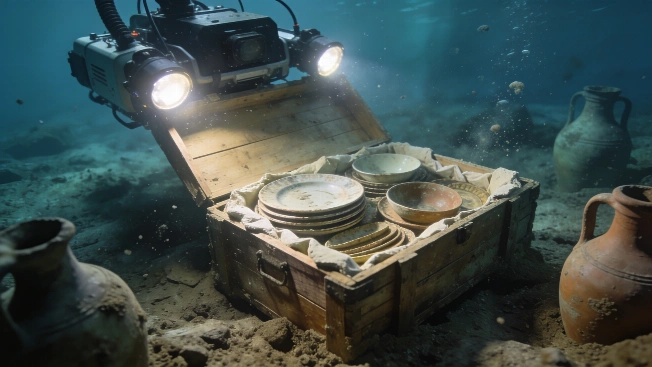
Luxury Tableware Cargo Found in a Turkish Shipwreck
Thousands of ceramic plates, bowls and trays recovered off Adrasan reveal a luxury cargo associated with Rhosus and Mediterranean trade during the 1st century BCE.
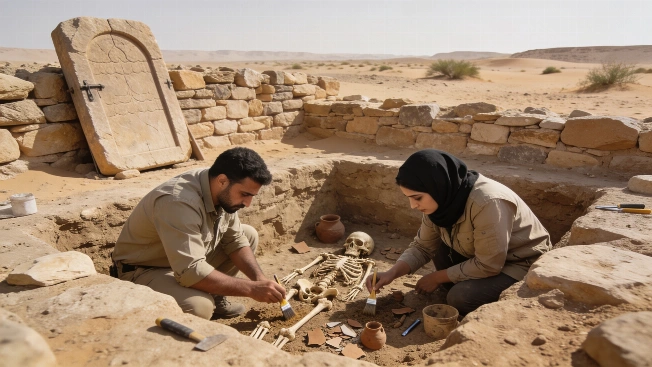
Somló Hill Reveals a Major Bronze Age Settlement
Archaeologists have identified a substantial prehistoric settlement on Hungary's Somló Hill through metalwork deposits, craft tools and ceramics dating from the Late Bronze Age into the Early Iron Age.
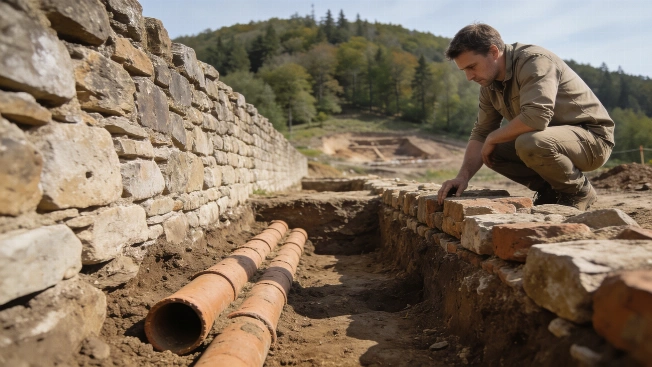
Posa Hill Excavations Expose a Bishop's Palace and Monastery Network
Excavations at Posa Hill have expanded the known monastery and exposed a possible early medieval tower, a monumental bishop's palace and a rare ceramic water-pipe system.
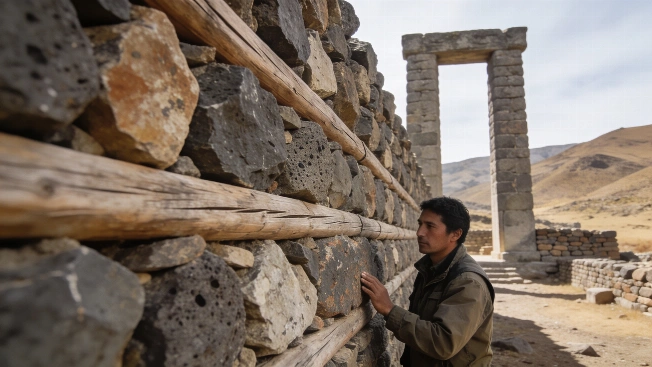
Yeha Palace May Have Supported 19 Storeys
A structural study of the 2,800-year-old Grat Be'al Gibri palace in Ethiopia suggests that its walls could theoretically have supported at least 19 storeys, although the model does not prove that the palace was ever built to that height.
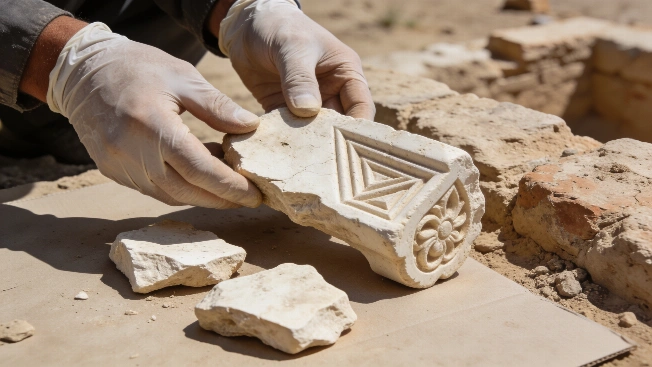
Kufic Ganch Fragments Illuminate Samanid Bukhara
Fragments of carved ganch bearing Kufic inscriptions have been recovered at Bukhara's Shahristan site. Their fragile condition limits what can be read but preserves evidence of Samanid religious architecture and the international archaeological work now documenting it.
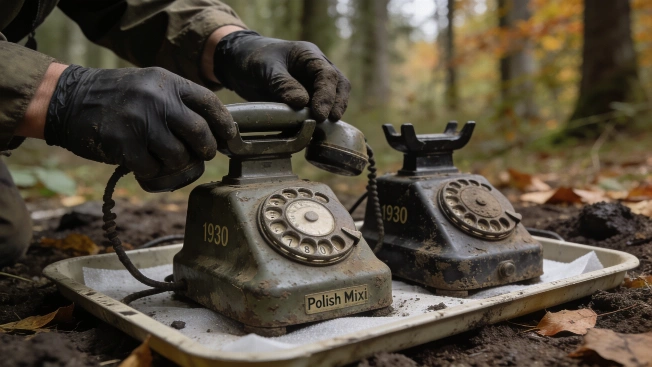
Polish Field Telephones Found Along a 1939 Retreat Route
A pair of unusually well-preserved Polish military field telephones has been recovered near Sochaczew, where the Battle of the Bzura turned retreat routes into a fragmented wartime landscape
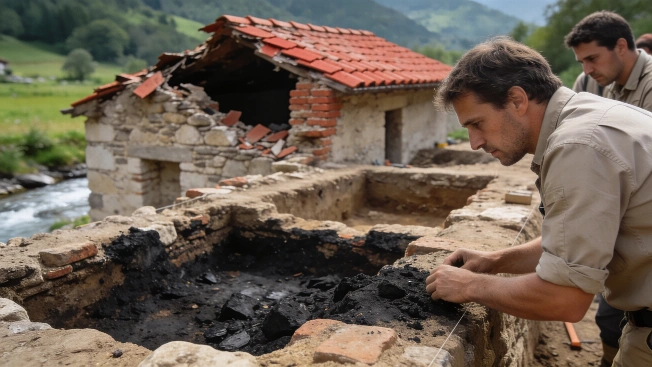
Roman Town With 8000 Seat Amphitheatre Found in Austria
Geophysical surveys in Lower Austria have mapped a Roman town with a regular street grid, burial grounds and an amphitheatre for about 8000 people. Researchers cautiously link it to Claudivium, but the identification remains unconfirmed.
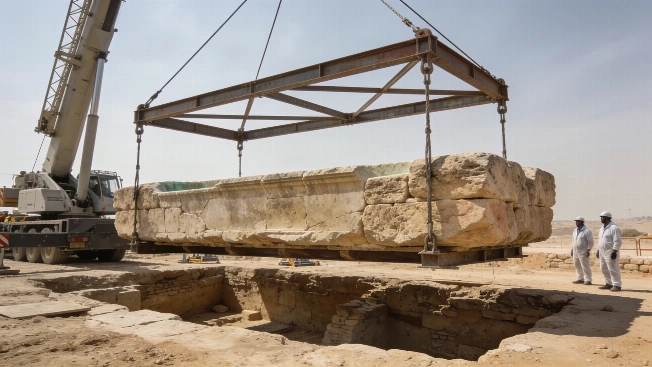
A 25-Tonne Mikveh Is Lifted Intact From an Israeli Site
A 2,000-year-old mikveh has been lifted intact from Carmei Gat using a 300-tonne crane after archaeologists linked it with a previously unknown Jewish settlement of the Second Temple period.
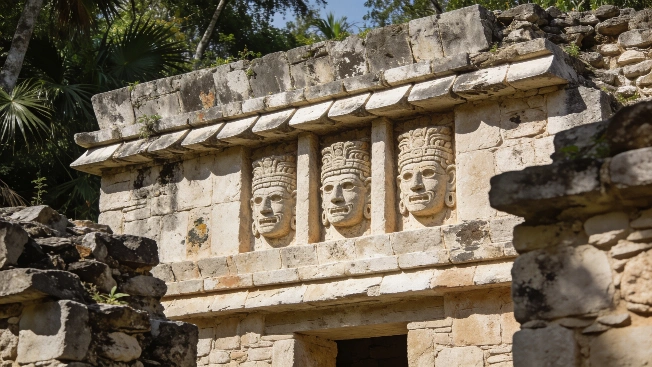
Xpujil Maya Residence Reveals How Elite Power Was Built in Stone
Carved façades at a Maya residence near Xpujil feature three images of K'awiil and a royal mat glyph, evidence that the building housed elites during the final centuries of the Classic period
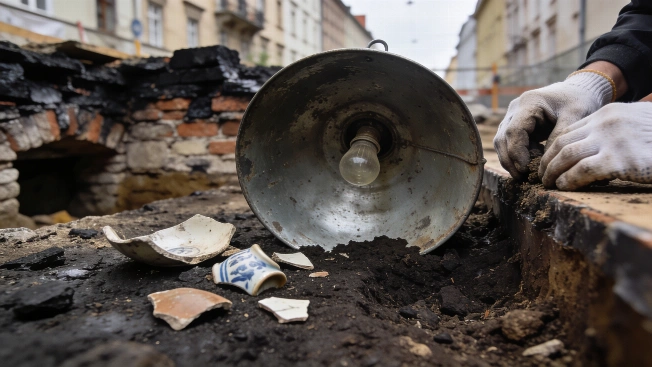
Warsaw Cellars Yield Artifacts From a City Lost to War
An excavation beneath Warsaw's E. Młynarski Square has recovered burned architectural remains and a mixed collection of lamps, ceramics, sculpture and objects that may connect to the Warsaw Philharmonic, although the attribution remains unconfirmed.
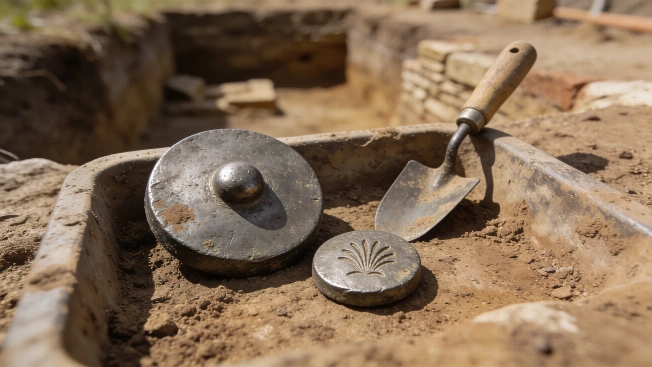
Roman Weights Expose the Working Economy of Bedford Villa
Two reported Roman lead pan weights from Bedford Roman Villa illustrate how measured mass may have structured work on a rural estate, while the limits of current verification caution against assigning them a specific trade or commodity.
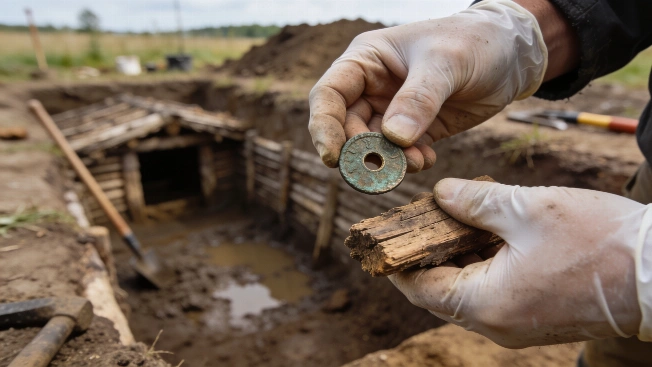
Galgenbichl Settlement Reveals Iron Age Life in South Tyrol
Excavations at Galgenbichl in South Tyrol have revealed more than 30 houses dating from approximately 800 to 500 BCE, together with craft evidence, animal remains and infant burials that differ from the cremation practices documented at nearby Windschnur.
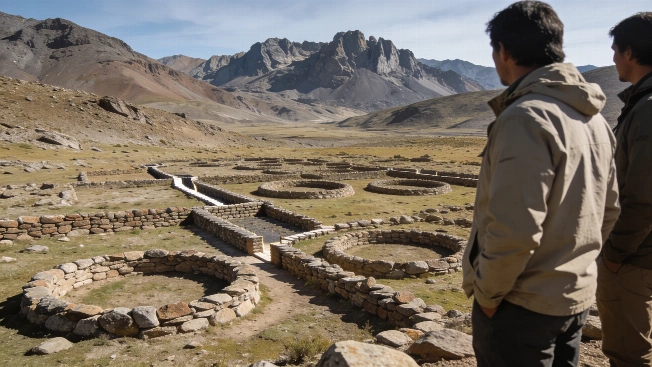
Argentina's Andes Reveal Vast Stone Circles With Unknown Purpose
A remote survey in Mendoza province has confirmed huge circular stone structures linked by passageways at more than 3,000 meters above sea level. Their date and purpose remain unresolved
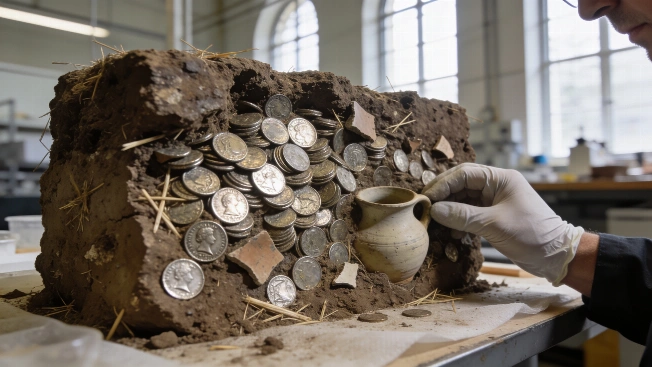
Hadrianic Coin Hoard in Germany Contains 934 Silver Denarii
A legally reported discovery near Wesseling has yielded 934 Roman silver denarii weighing 3.1 kilograms. The coins offer evidence of wealth, monetary circulation and deliberate concealment in the Rhineland during the second century CE.
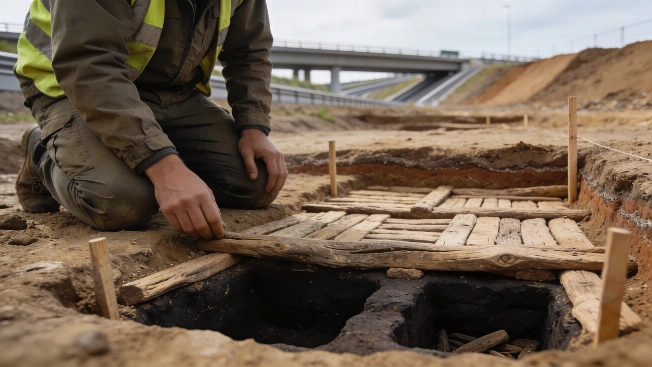
D55 Excavation Reveals 7,000-Year-Old Farming Landscape in Czech Republic
A rescue excavation along the Czech Republic's D55 motorway has documented 1,879 settlement features, 65 cremation and burial contexts, and large Neolithic houses across a landscape occupied repeatedly from the Neolithic to the medieval period.
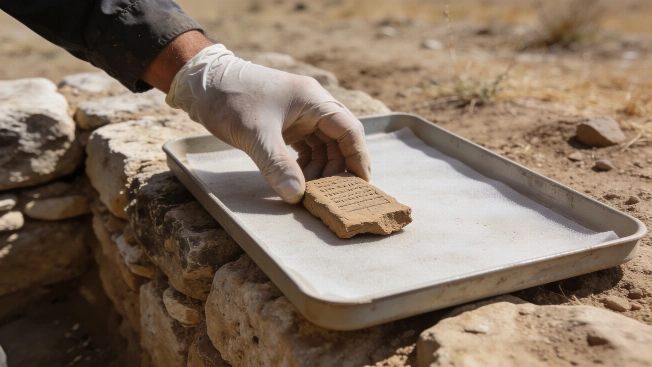
Hattusa Fragment Reconnects a Piece of the Kadesh Treaty
A newly identified cuneiform fragment from Hattusa belongs to the Hittite version of the Kadesh Peace Treaty and preserves clauses on fugitives who crossed between Egypt and Anatolia
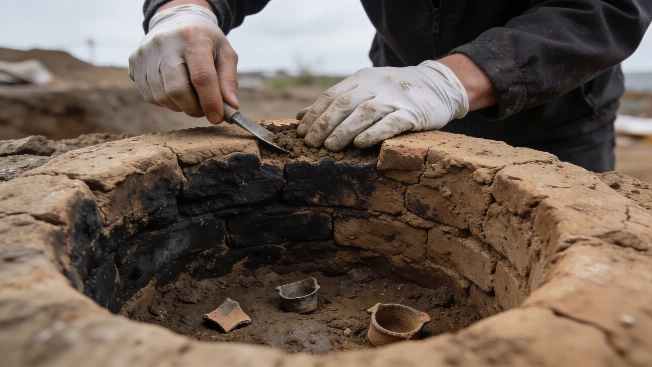
Roman Workshop Complex Reveals Germanic Metal Recycling
An approximately 850-square-metre workshop complex in western Dortmund preserves kilns, hearths and pits dating from the 1st to the 5th centuries CE, offering rare evidence of organized Germanic craft production and possible Roman-metal reuse.
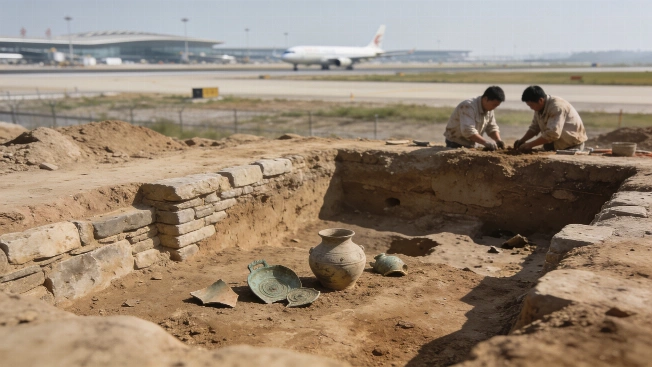
A Qin Royal Tomb Near Xi'an May Belong to Huayang
A looted royal tomb beside Xi'an Xianyang International Airport contains a 2,250-year-old burial complex whose date, architecture and associated burials point toward Empress Dowager Huayang, although no inscription has conclusively identified the occupant.
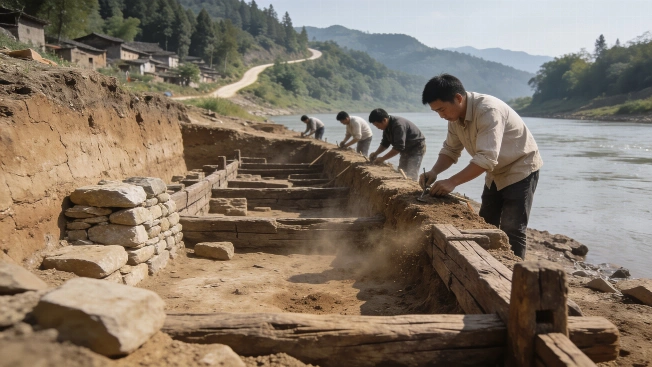
Chengba May Be the Han-Dynasty Site of Dangqu
Excavations at Chengba in eastern Sichuan have revealed a fortified Han settlement with workshops, streets, bamboo documents and a possible water gateway associated with the ancient county of Dangqu, although the identification remains an archaeological interpretation rather than a confirmed administrative decision.
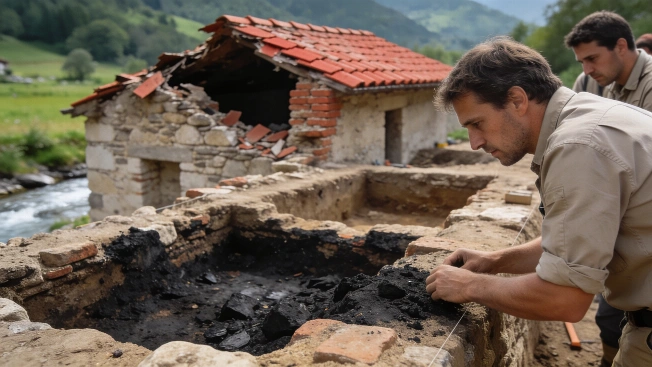
Roman Settlement in Switzerland Shows Signs of a Destructive Fire
Excavations at Ligornetto in southern Switzerland have exposed a Roman complex destroyed by fire, with iron slag and bronze-working waste that may clarify the settlement's economic role.
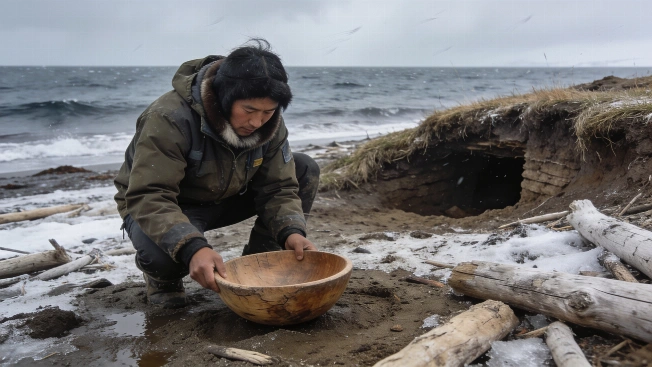
Storm Erosion Exposes Yup'ik Heritage at Nunalleq
After Typhoon Halong damaged western Alaska, archaeologists and Quinhagak volunteers carried out an emergency 2026 excavation at Nunalleq, recovering hundreds of Yup'ik artefacts before further storms and coastal erosion can carry them into the Bering Sea.
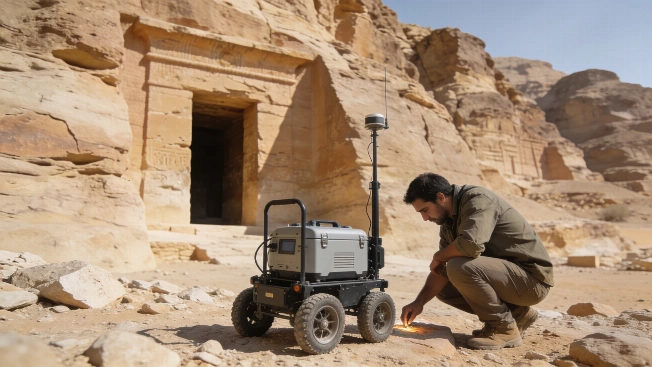
Radar Evidence Revives Search Beyond Tutankhamun's Tomb
More than 1,200 microgravity readings and ground-penetrating radar surveys have identified low-density anomalies beyond Tutankhamun's burial chamber. The findings are consistent with possible corridors and rooms, but neither the structures nor a connection to Nefertiti has been confirmed by excavation.
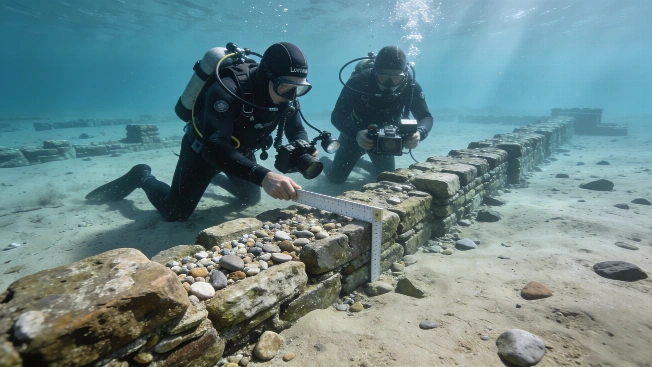
Submerged Medieval Settlement Shipden Reveals New Evidence off Norfolk Coast
Underwater archaeologists have mapped 25 manmade features on the seabed near Cromer, offering new insight into the medieval town of Shipden lost to the North Sea around 700 years ago and challenging local legends about its fate
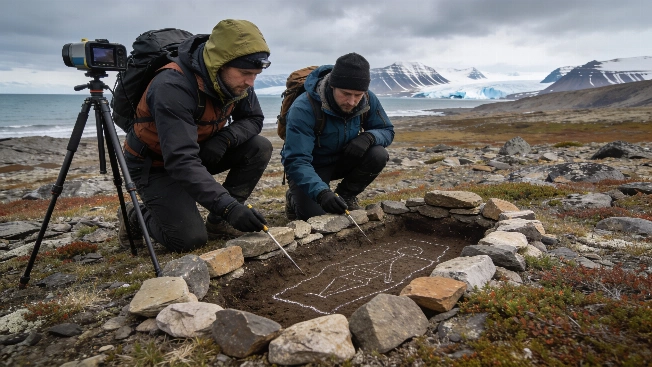
Stone-Lined Graves and Ship Timbers Documented in Arctic Svalbard Survey
Archaeologists have identified 45 stone-lined graves and ship timber fragments on Svalbard using non-invasive survey methods, raising new questions about burial traditions and the preservation of Arctic heritage under threat from erosion
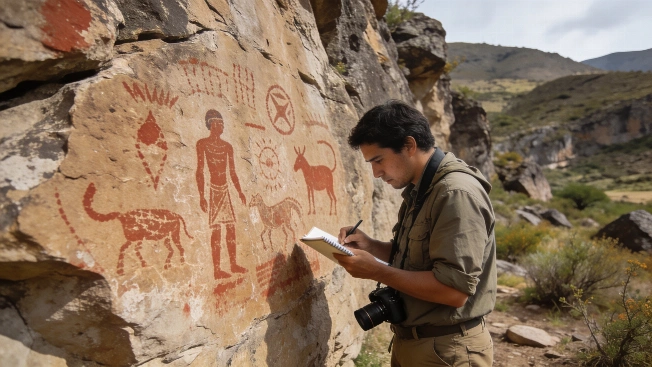
Ancient Hidalgo rock art reveals encounters with the underworld
Archaeologists have identified 55 rock art scenes at 25 sites in Hidalgo depicting figures meeting the lord of the underworld. The findings offer new evidence for how ancient communities understood death and the supernatural.
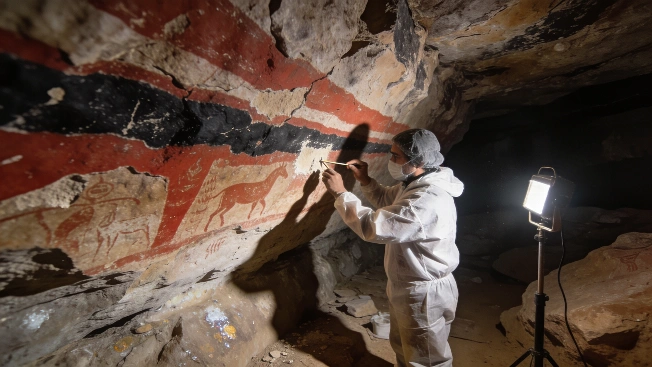
Conservation Secures Two Millennia of Rock Art at Cueva de las Monas
A five-year project at Cueva de las Monas in northern Mexico has stabilized ancient rock paintings spanning over 2,000 years, protecting them from weathering and vandalism while revealing complex cultural layers
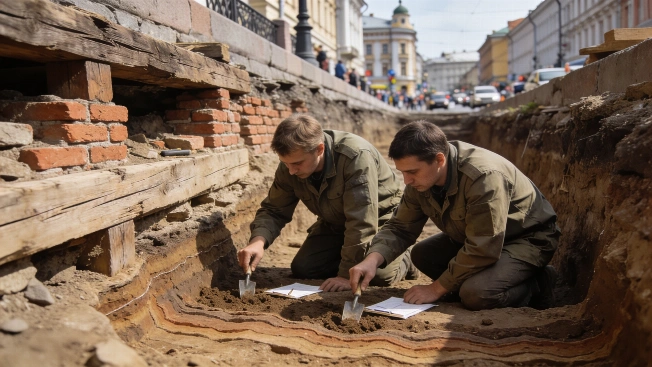
Centuries of Urban Layers Exposed at Nizhny Novgorod's Mytny Market
Archaeologists have excavated over 1,000 square meters at Mytny Market in Nizhny Novgorod, uncovering medieval property lines, market structures, coins, and hundreds of artifacts that document more than 700 years of urban transformation
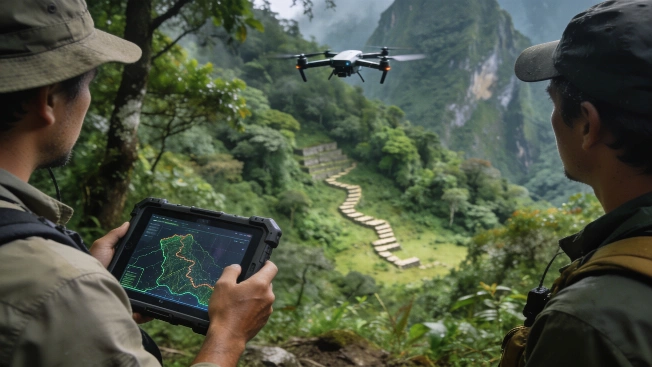
LiDAR survey uncovers hidden Inca roads near Machu Picchu
Archaeologists using drone-based LiDAR have mapped over 2.5 kilometers of previously undocumented pre-Columbian roads and terraces beneath rainforest near Machu Picchu, challenging assumptions about the extent of Inca landscape development
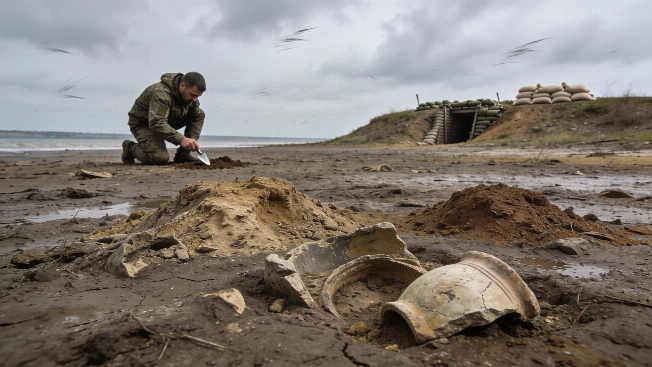
Archaeological Sites Emerge as Kakhovka Reservoir Drains in Ukraine
As the Kakhovka Reservoir in Ukraine recedes, archaeologists warn that prehistoric and Cossack-era sites are being revealed-but ongoing conflict and looting threaten their preservation and study.
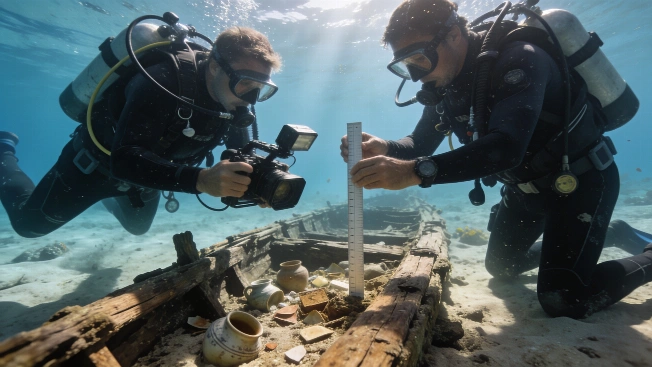
Red Sea shipwrecks mapped as Saudi underwater heritage emerges
Archaeologists have identified more than 25 underwater sites along Saudi Arabia's Red Sea coast using sonar and photogrammetry, uncovering shipwrecks and submerged structures that document ancient trade and migration routes.
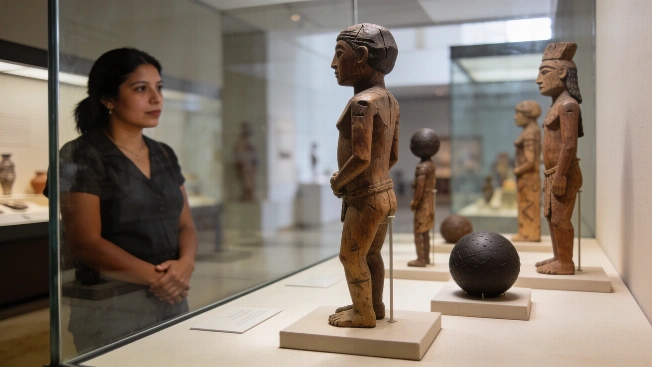
Olmec Offerings Reveal Ancient Rituals at Cerro El Manatí
Archaeologists have reunited 3,700-year-old Olmec offerings from Cerro El Manatí, including preserved wooden figures, rubber balls, and jadeite axes, providing new evidence for early Mesoamerican ritual and belief at a sacred Veracruz site
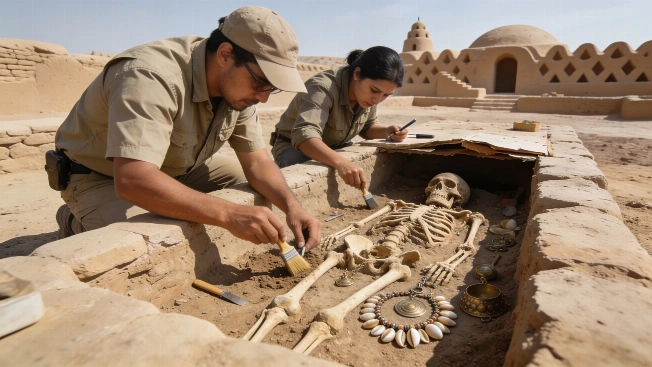
Elite Chimú Burials Uncovered in Intact Chan Chan Funerary Platform
Archaeologists have excavated a remarkably preserved funerary platform at Chan Chan, Peru, containing 38 individuals and elaborate grave goods. The find offers new evidence for Chimú elite burial customs and raises questions about ritual and status
Part 1 of 4