
Quantum Error Correction
183 reportsThe page treats experimental tests, limiting cases, and links to other theories as distinct parts of Quantum Error Correction. The discussion relates quantitative predictions to experimental tests and uses precision measurements to examine alternatives; any broad claim must allow for the fact that agreement within one regime does not guarantee validity beyond tested conditions.
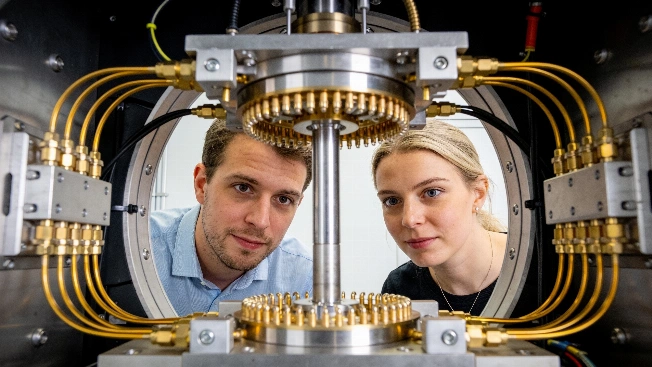
D-Wave Opens Beta for 21-Qubit Error-Aware Simulator
D-Wave is giving selected companies and research centers access to a 21-qubit simulator that models photon-loss erasures and real-time error detection before general availability
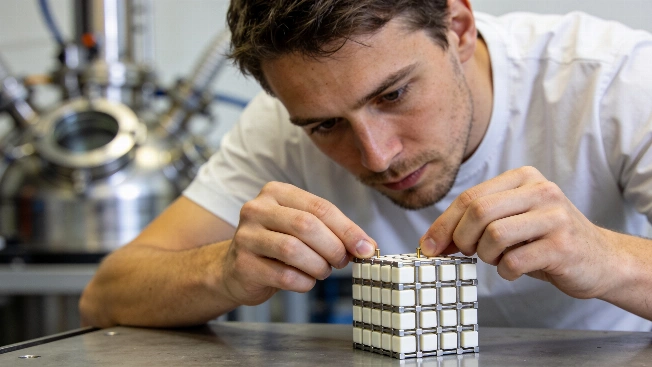
Classiq Turns Quantum Circuits Into Fault-Tolerant Hardware Plans
Classiq's Fault Tolerance Engine translates optimized logical circuits into three-dimensional surface-code execution plans with routing schedules, magic-state cultivation and physical-resource estimates.
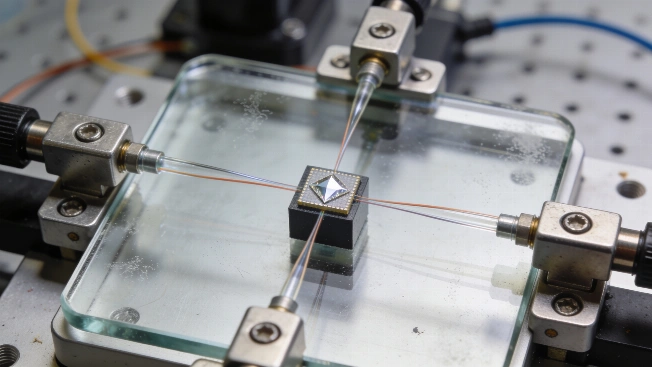
Quantum Sensor Network Research Wins $600,000 NSF Grant
A three-year NSF award, beginning June 1, 2026, will fund a Stony Brook and University of Hawaiʻi collaboration on entangled sensor nodes using squeezed-light photonics and diamond spin centers under realistic noise.
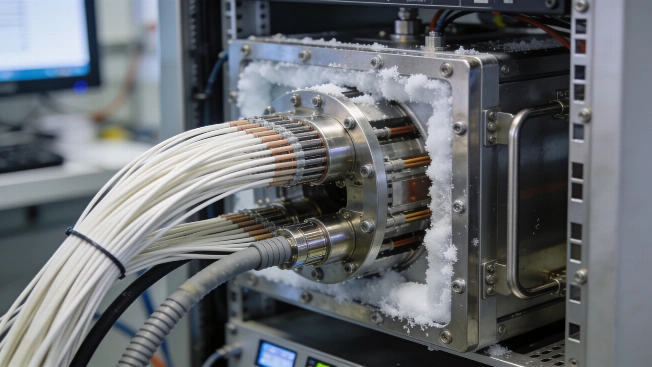
Xanadu and Bluefors Target the Cryogenic Bottleneck in Quantum Scaling
Xanadu and Bluefors announced a multi-million-dollar partnership on September 29, 2026, to develop modular cryogenic infrastructure for photonic quantum systems whose SNSPD detectors must operate near 2 kelvins.
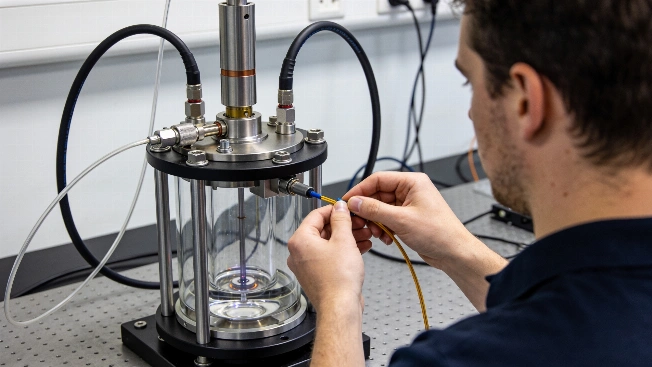
Infleqtion Links Neutral Atoms to Real-Time Error Decoding
Infleqtion and Riverlane plan to connect neutral-atom hardware with real-time quantum error-correction decoding in a UK engineering effort focused on latency and logical-qubit performance
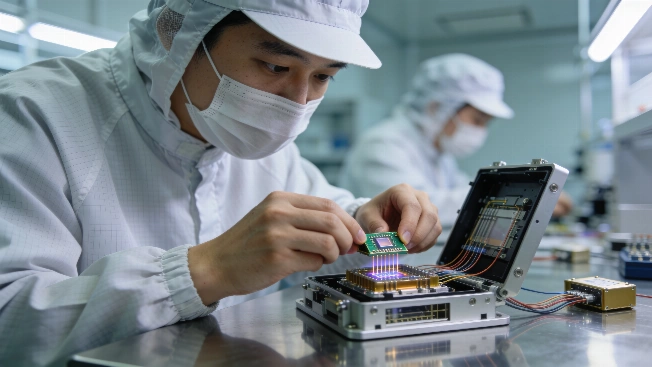
Quandela Targets South Korea for Photonic Quantum Hardware
Quandela has identified South Korea as a potential Asian center for photonic quantum hardware, system integration and joint R&D, while emphasizing that the initiative remains a partner-search and development framework rather than a completed manufacturing agreement.
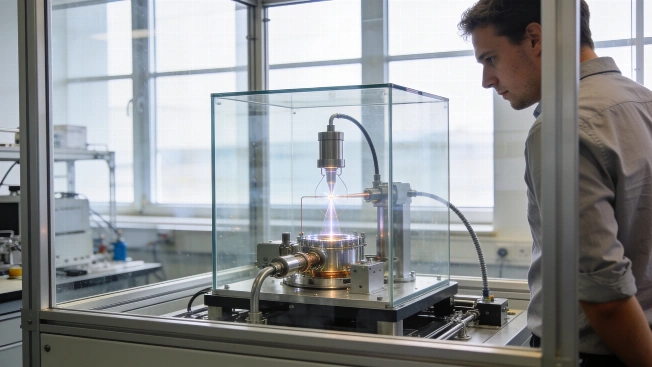
Pasqal Moves Its Quantum Roadmap Beyond Defense Procurement
Pasqal has completed the first phase of France's PROQCIMA defense program and is shifting its public-sector collaboration toward a proposed civil R&D track for fault-tolerant neutral-atom quantum computing after its Nasdaq debut.
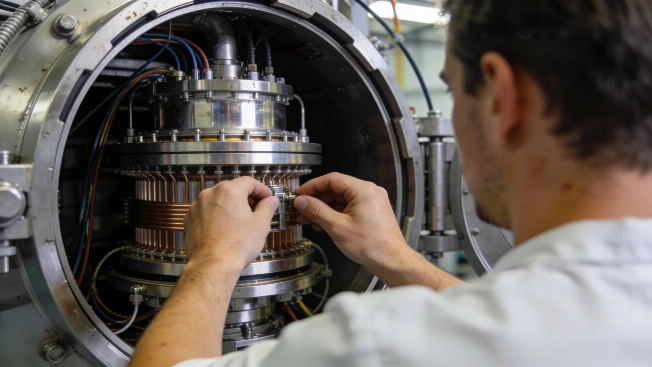
Quantum Computing Faces Its Hardest Test Beyond Qubit Counts
Quantum processors are no longer judged only as faster classical machines. Their value depends on whether real workloads can be mapped to quantum evolution and run reliably inside hybrid systems with effective error correction.
Qambria Raises $2.4M for Quantum Control Infrastructure
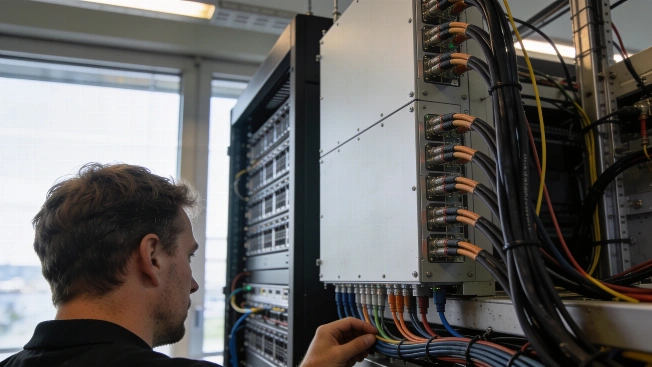
Swiss startup Qambria has raised CHF 2 million to develop vendor-neutral software that links quantum processors with high-performance computing systems and handles real-time control tasks.
Infleqtion Entangles 30 Logical Qubits on Neutral Atoms
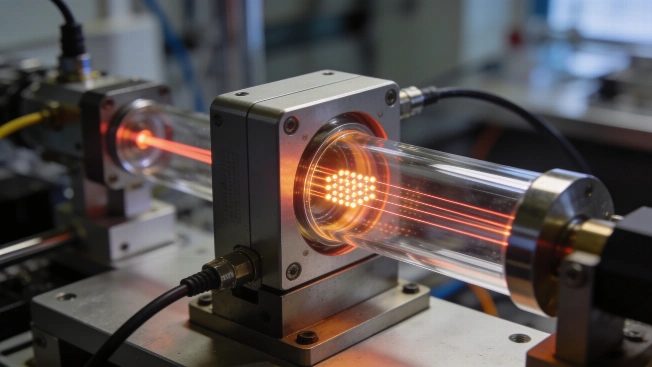
Infleqtion announced on September 24, 2026, that its commercial Sqale neutral-atom processor had entangled 30 logical qubits using 80 physical qubits. The demonstration combined encoded atom blocks, dynamic shuttling, a lower-overhead logical gate and software-assisted loss recovery.
AI Design System Cuts Simulated Quantum Error Rates 14.6-Fold
QC Design says its Meridian platform reduced evaluated logical error rates across more than 100 fault-tolerance design tasks while testing architectures against hardware noise in simulation
Surface Codes Put Logical Qubits on Trial for Patent Eligibility
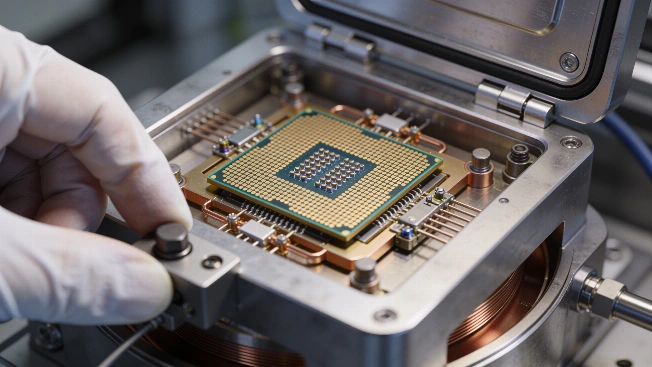
Surface codes could protect logical qubits from physical errors, yet their patent claims may face an abstractness challenge unless they are tied to a specific quantum computing system and measurable implementation.
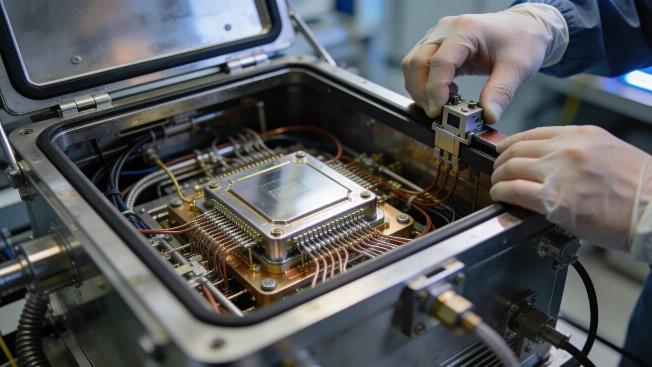
Q-CTRL Outperforms IBM Error Suppression on 156-Qubit Heron
An arXiv benchmark on IBM's 156-qubit Heron processor finds Q-CTRL led exact-output sampling while Qedma delivered the lowest estimator error at a much higher QPU time cost
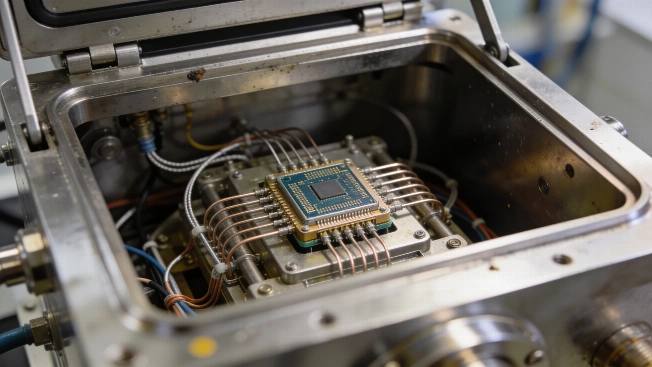
Germany Selects QUDORA Consortium for 1000 Qubit Quantum Project
Germany has invited a QUDORA-led consortium to submit a full proposal for a five-year trapped-ion machine targeting 1,000 physical qubits, 50 logical qubits and semiconductor-compatible quantum control.
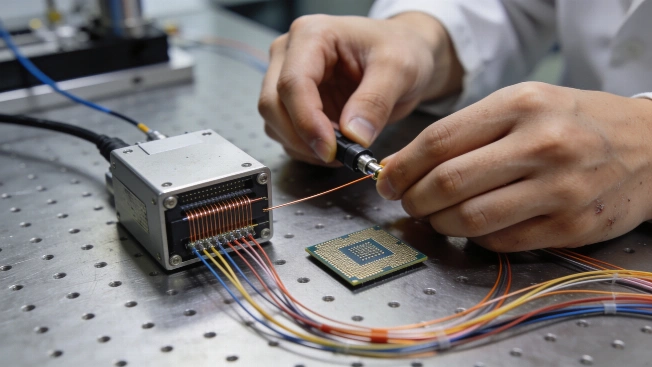
Quantum Resource Estimation Adds Distributed Photonic Architectures
Microsoft and Photonic are adapting an open-source quantum resource estimator for modular systems so developers can model physical-qubit counts, runtime and optical-networking overhead before distributed hardware is available.
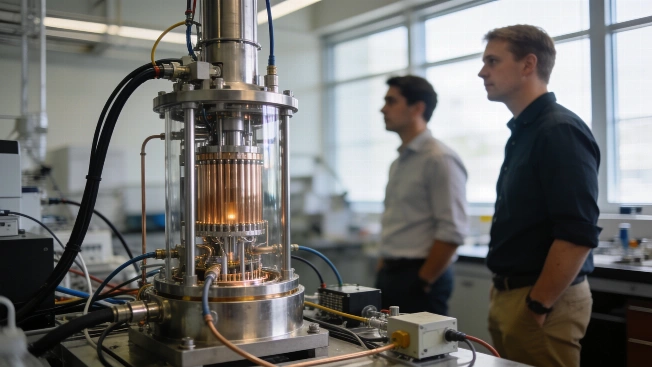
Maryland Is Building Quantum Infrastructure Before the Market
Maryland's quantum strategy now links federal benchmarking with university research funding, hands-on training and company laboratories across five hardware approaches, creating an ecosystem whose value depends on reproducible testing and commercial results
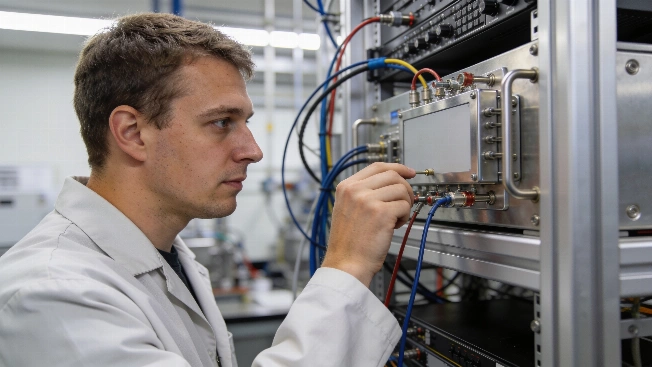
Microsoft Builds Maryland Hub for Quantum Hardware Verification
Microsoft has opened a 15,000-square-foot Maryland center where DARPA can physically test Majorana 2 and research partners can develop quantum hardware, control systems, and software-without yet establishing a useful fault-tolerant machine.
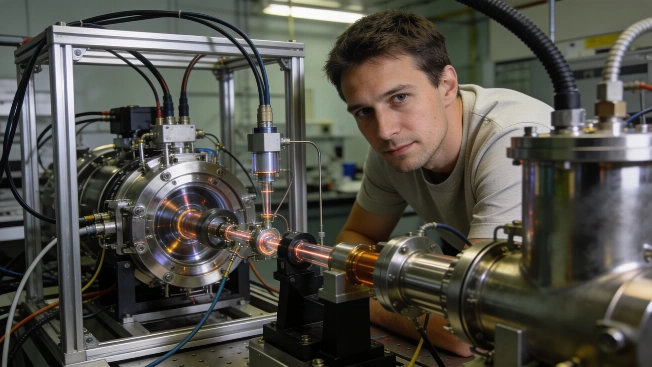
Quantum Utility Starts With Chemistry Not Qubit Counts
Matthias Troyer's assessment of quantum computing points to chemistry as the clearest near-term application while error correction, data movement, hardware architecture and end-to-end cost determine whether larger systems will become scientifically useful.
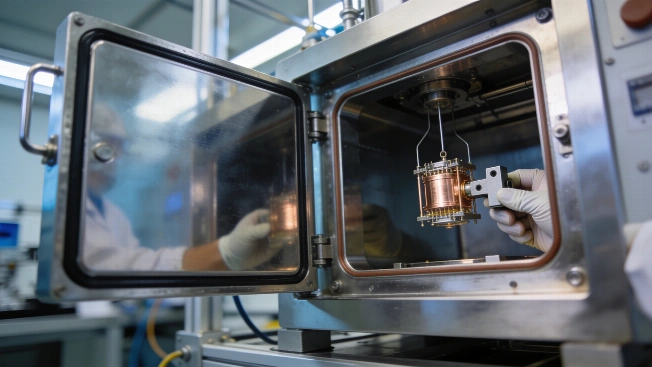
IBM Hybrid Error Mitigation Cuts Quantum Sampling Overhead 63-Fold
IBM researchers tested a hybrid protocol on a 27-qubit superconducting processor and recovered Ising-model magnetization while reducing inferred error-mitigation sampling overhead by up to 63-fold

Diamond Spin Register Entangles Four Qubits in 14.8 Microseconds
University of Pennsylvania researchers entangled an electron spin with three nuclear memory qubits in diamond at room temperature using one dynamical decoupling sequence rather than a chain of pairwise gates
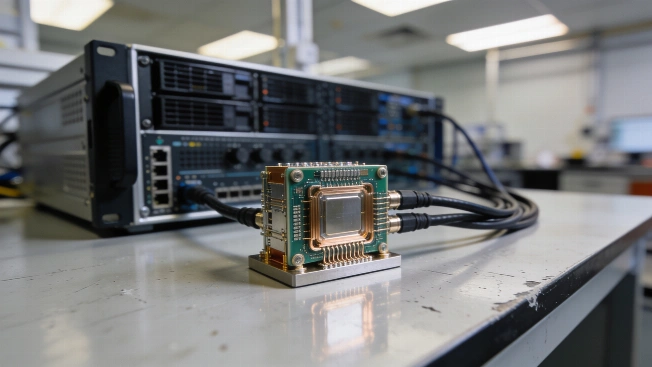
Dell and Diraq Place Silicon Qubits Beside HPC Servers
Diraq and Dell Technologies have installed a Dell HPC cluster beside Diraq's silicon spin-qubit hardware in Sydney to test real-time orchestration, calibration and quantum-classical control workflows without claiming quantum advantage.
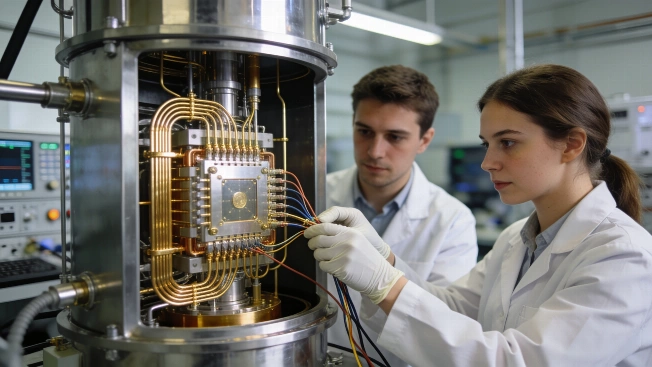
Surface code error suppression tested on IBM heavy-hex quantum processors
A team from the University of Southern California and Quantum Elements has experimentally tested surface code error suppression on IBM's 156-qubit heavy-hex superconducting processors, challenging assumptions about lattice geometry and quantum error correction.
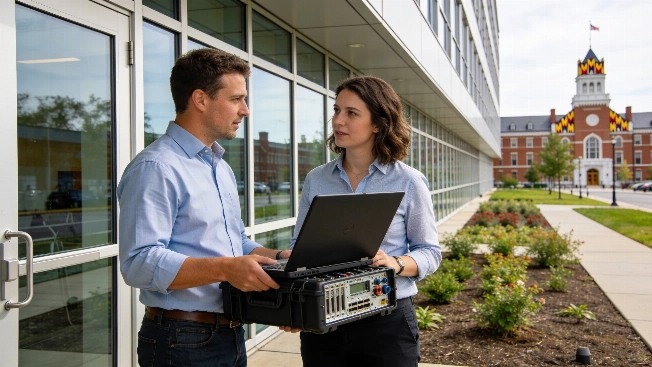
Riverlane opens US quantum error correction hub in Maryland
Riverlane has set up its US headquarters in Maryland's Discovery District to speed up real-time quantum error correction projects and work more closely with quantum hardware makers and academic researchers.
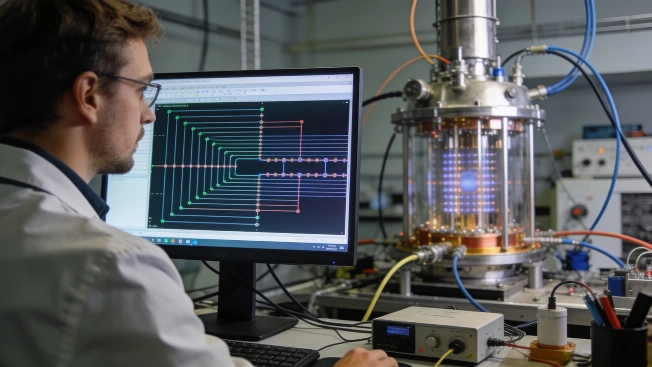
Erasure Noise Simulator Targets Quantum Error Mitigation in Qiskit Circuits
Oxford Quantum Circuits has launched erado, a Python library that simulates erasure noise and post-selection in Qiskit circuits. The tool enables researchers to probe error mitigation strategies before running algorithms on superconducting quantum hardware.
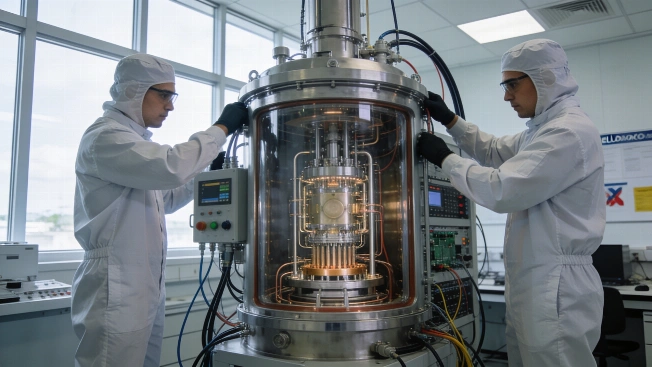
Brazilian Research Institute Orders On-Premises Superconducting Quantum Computer
IQM Quantum Computers will supply its IQM Spark superconducting quantum system to Brazil's Eldorado Research Institute, marking the first time a private research institution in South America has purchased and installed a quantum computer on site.
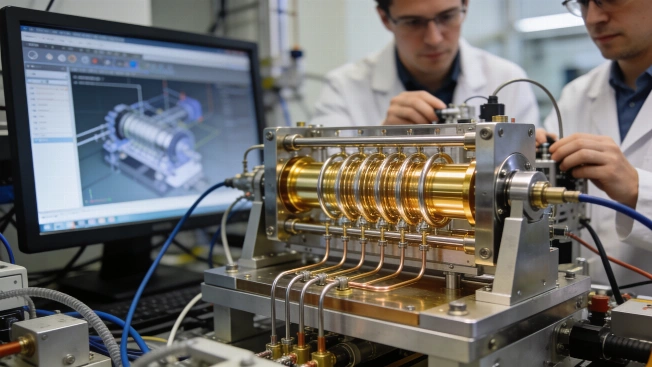
Trapped-ion quantum processor trims engineering simulation time by 14 percent
IonQ, Synopsys, and NVIDIA have linked a trapped-ion quantum processor with large-scale engineering simulation software, reporting up to 14.6% total runtime savings in benchmarked industrial workloads.
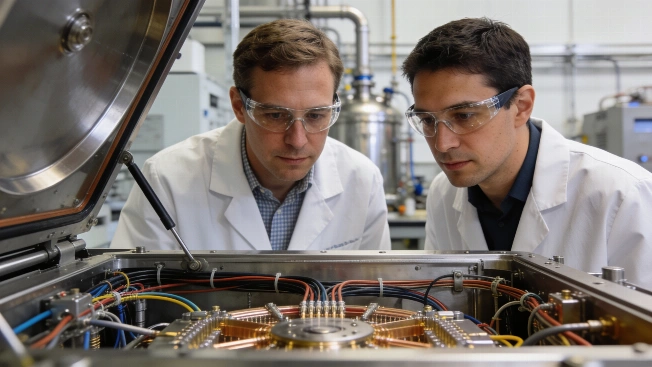
DOE launches $215 million competition for logical qubit quantum computers
The US Department of Energy is offering $215 million to teams that can build quantum computers with at least 100 logical qubits and run hundreds of millions of fault-tolerant operations, alongside a $45 million program for independent hardware benchmarking.
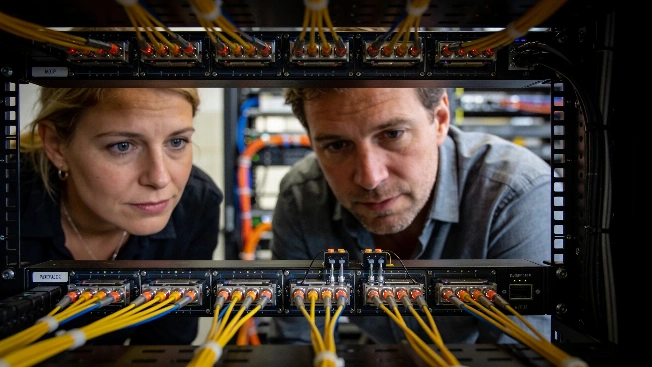
Falqon Systems launches multi-node quantum secure networks across Europe
Falqon Systems, formerly Q*Bird, is rolling out operational quantum secure networks in several European countries using measurement-device-independent quantum key distribution and hybrid key management.

Canada's BDC directs $1 billion to quantum and deep-tech startups
The Business Development Bank of Canada is deploying $1 billion to support quantum computing, post-quantum cryptography, and dual-use deep technologies, aiming to fill funding gaps for Canadian startups beyond the seed stage.
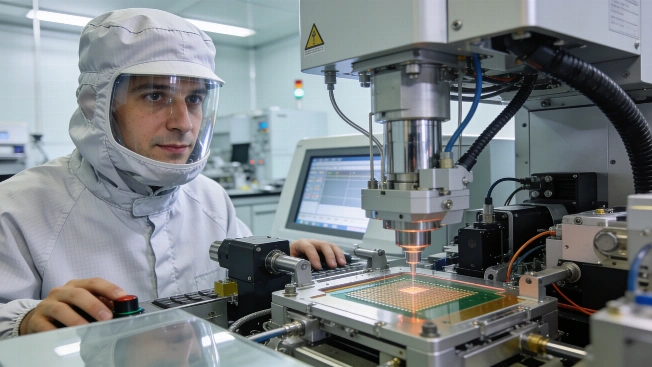
Spain Launches Quantum Nanofabrication Facility for Device Prototyping
A new quantum nanofabrication area at IMB-CNM in Barcelona brings advanced electron-beam lithography and metrology tools to Spain's largest cleanroom for quantum device prototyping, aiming to bridge laboratory research and industrial pilot lines
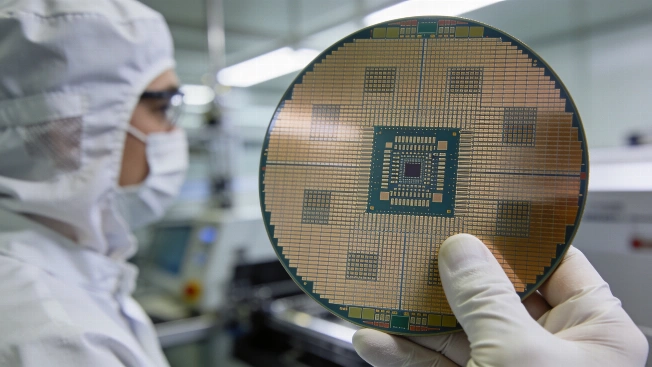
Silicon Spin Qubit Chip Integrates Quantum Gates and Readout on 300mm Wafer
Quobly has demonstrated single-chip readout and quantum gate operations on its QSOI architecture, fabricated with industrial 300mm FD-SOI CMOS technology and enriched silicon-28, marking a step toward scalable silicon-based quantum processors
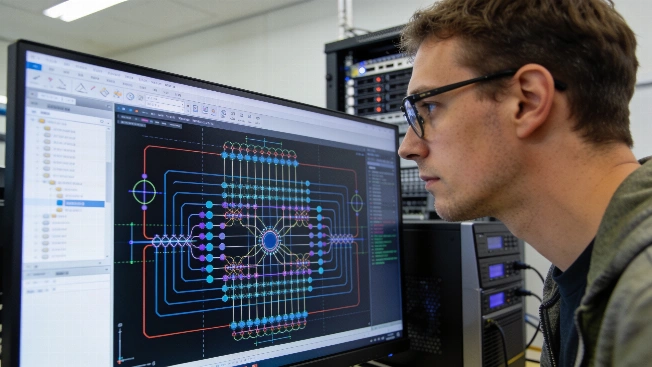
Fujitsu Releases OpenQARP to Tackle Quantum Software Complexity
Fujitsu has released OpenQARP, an open-source quantum application framework with over 100 modular components. The package is designed to reduce code complexity for chemistry, materials, and optimization workflows on NISQ and future fault-tolerant quantum systems.
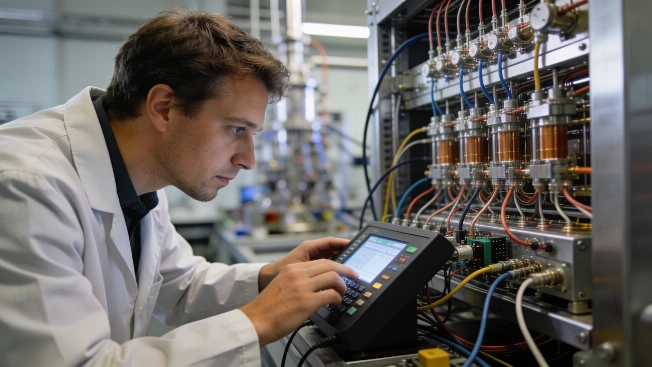
Parity Twine Optimizer Cuts Quantum Circuit Depth in IBM Qiskit
ParityQC has released the Parity Twine Optimizer for IBM Qiskit, a compiler module designed to minimize two-qubit gate count and circuit depth by mapping optimization problems directly onto quantum hardware coupling maps.
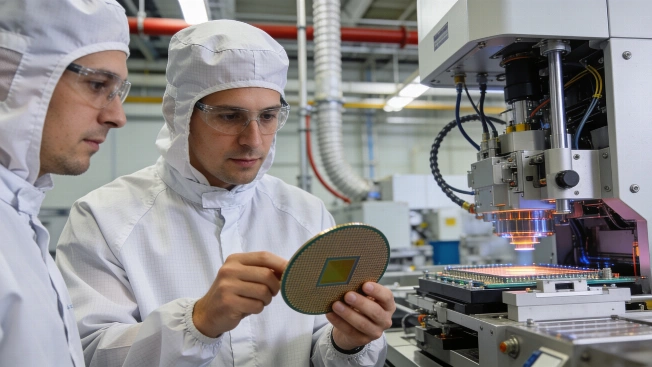
Photonic Inc Plans CA$500M Silicon Quantum Fab in Vancouver
Photonic Inc has put forward Project VANGUARD, a CA$500 million semiconductor fabrication and packaging facility in Vancouver. The site would give Canadian companies a domestic option for prototyping and scaling quantum, AI, and defense hardware.
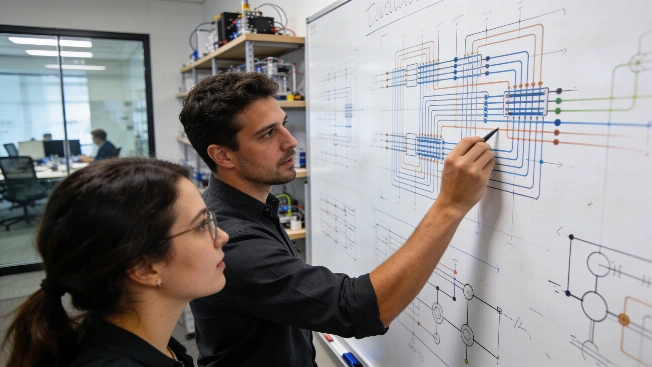
Zapata Quantum Restructures After Failed SPAC and Cancer Research Milestone
After a failed SPAC deal in 2024 left Zapata Quantum with new debt and little fresh capital, the company restructured and shifted its focus. Zapata now highlights progress in quantum resource estimation and cancer research, but faces ongoing engineering and scalability hurdles.
Part 1 of 6