Home

Science Report

Popular science, technology and space

Evidence-led science journalism for readers who want the discovery, the method and the context.

Science for readers who want the evidence

Science Report is a popular science publisher for readers in the United States, the United Kingdom and the wider English-speaking world. We cover science, technology and space as public knowledge: discoveries, instruments, research groups, missions, medicine, climate, AI, archaeology, physics and the systems that turn evidence into decisions.

Our archive began as a research-facing publication trail: author profiles, publication pages and scientific references that appeared across academic and media contexts. Those traces were cited by chemistry journalism, university blogs, global policy platforms, academic publishers and encyclopedic references before the 2026 return of the brand as a full public science magazine.

We work in an authorial, deep and proof-led style. A Science Report article is built from papers, institutional documents, datasets, expert context, archive records and clear explanation. We avoid empty novelty; the question is always what the evidence shows and what it does not show.

In 2026 we returned with a broader editorial structure: a newsroom-style front page, permanent desks, topic pages, fact-checking routes, privacy information and a living taxonomy. The subject stayed the same — science in the public interest — while the publisher layer became clearer and more useful for readers.

Our strongest desks are space, physics, life sciences, medicine, climate, AI, archaeology and technology. We also publish reviews, explainers, interviews and deep dives where a subject needs more than a short news brief.

Today in Science

News & Comment

Space

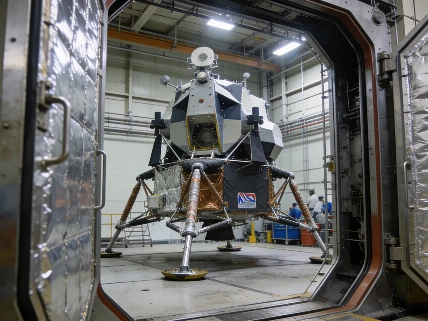
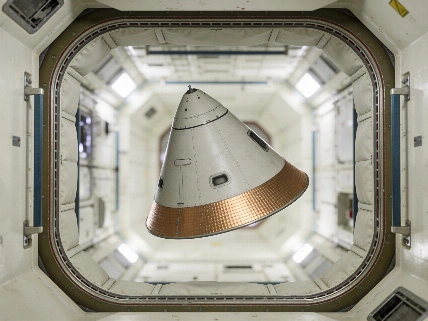
Moon exploration is becoming infrastructure, not a single mission

We follow landers, orbiters, instruments, launch contracts, communications networks and the science case for lunar work.

Medicine

Clinical research coverage starts with trial design

Claims about diagnostics, vaccines, longevity and cancer care are read through endpoints, cohorts, conflicts and reproducibility.

Reviews & Analysis

Technology

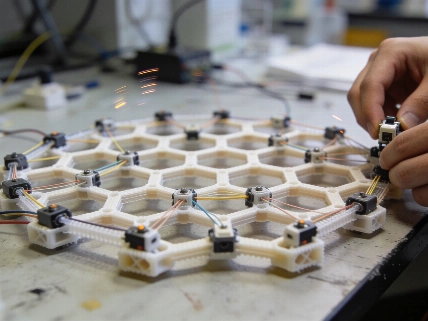
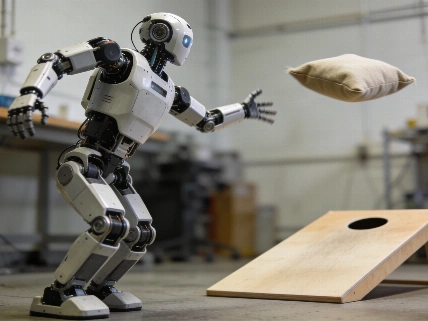
AI systems need public explanation beyond product launches

We cover models, chips, datasets, labs, regulation and real-world adoption as a science-and-society story.

Archaeology

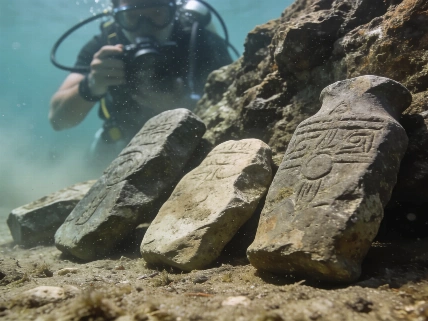
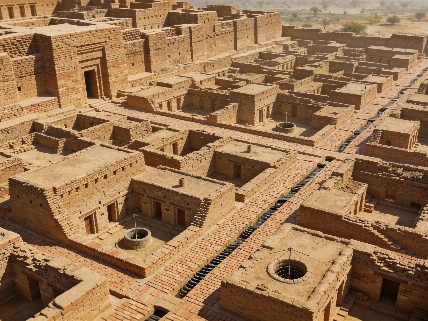
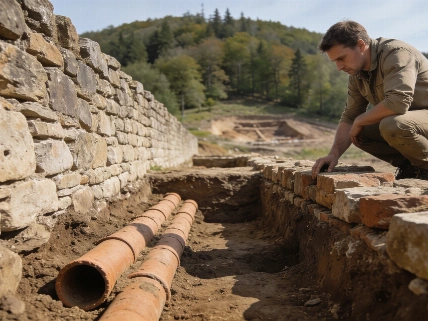
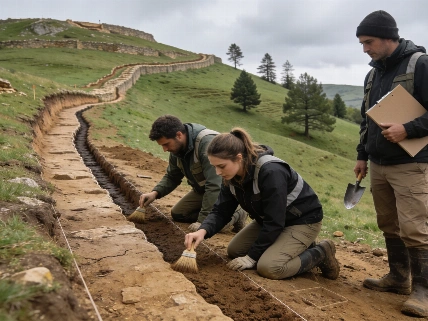
The archaeology desk connects fieldwork, dating methods and ancient DNA

Coverage links excavations with lab techniques, museum records, contested narratives and the ethics of interpretation.

Research briefings

How we build a briefing

Each briefing begins with the paper, preprint, mission page, dataset, regulatory file or institutional record. We then check the method, compare independent context and separate what is observed from what is inferred.

Latest editorial tracks

How a research archive becomes public science journalism

The 2026 Science Report relaunch builds on cited publication pages, author records and scientific references.

Space, AI and medicine lead the new public agenda

Our desks follow the fields where research changes policy, industry and daily decisions fastest.

Archive and return

Science Report’s older record includes links from C&EN, World Economic Forum, LSE Business Review, Frontiers, Springer and Wikipedia references. Those citations point to the range of the archive: biomedical science, occupational health, parasitology, nanomaterials, veterinary methods and history of medicine.

The 2026 return is a continuation of that evidence-first approach in a publisher format built for a broad B2C readership.

Topic hubs

Space missions and astronomy

Mission timelines, instruments, observatories, planetary science, exoplanets and launch systems.

AI and technology systems

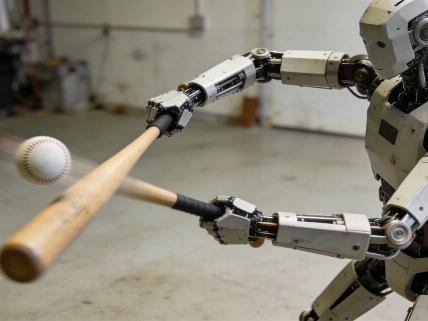
Models, chips, robotics, computing, enterprise systems and public technology policy.

Medicine and biology

Clinical research, genetics, public health, biotechnology, diagnostics and evidence quality.

Archaeology and human origins

Fieldwork, ancient DNA, dating methods, material culture and contested historical narratives.

Key sections

Key entities