
Machine Learning
56 reportsCoverage places learning objective, while also considering data requirements and optimization procedure within the wider context of Machine Learning. Before drawing conclusions about learning objective, readers can compare ablation studies with replication on different datasets; the conclusion remains provisional because headline accuracy can hide distribution shifts, bias, or unstable behavior.

Kazakhstan's Camera-Equipped Cats Join Missing-Pet Searches
A Kazakhstan project is fitting free-roaming cats with tiny cameras and GPS trackers while computer vision searches their footage for missing pets hidden beyond easy human reach.

Utah Authorizes AI Prescriptions for Initial Acne Treatment
Utah has approved Nolla Health's system to issue initial and repeat topical-acne prescriptions without prior doctor approval in every case. The 12-month pilot uses questionnaires and facial scans, restricts treatment to eligible adults with mild or moderate acne, and escalates uncertain cases to licensed physicians.
PewDiePie's Ajax Tests the Case for Local AI
PewDiePie has announced Ajax, a locally run assistant based on Alibaba's Qwen3.5-9B, after describing two OpenAI account suspensions during development activity he characterized as distillation.
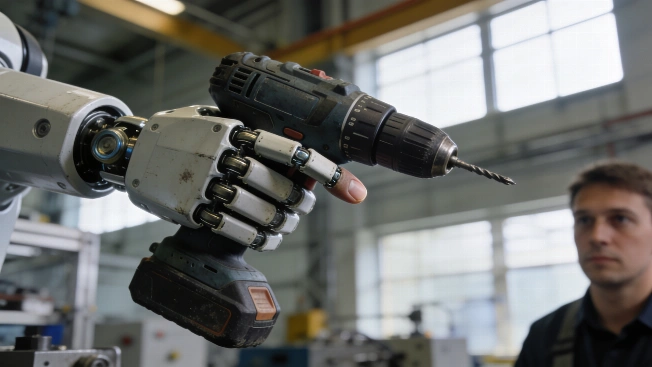
Atlas Gets Four Fingers for Industrial Robot Work
Boston Dynamics unveiled a four-finger, 13-degree-of-freedom hand for Atlas on October 1, 2026. The company says the directly actuated design can reorient objects, recover from slipping grasps and operate demanding industrial tools.
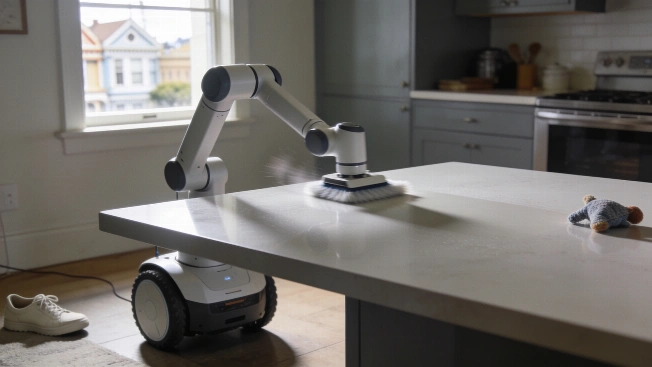
A $3,555 Home Robot Trades Strength for Simplicity
Flourish 1 is a compact household robot that owners teach by demonstration. Its low price, 3.3-pound lifting limit, and task-specific software reveal a deliberate tradeoff between broad capability and practical domestic automation.
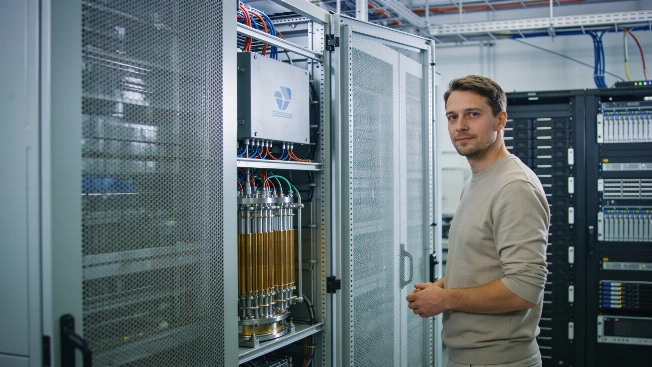
Europe Funds a Hardware-Agnostic Quantum Software Stack
The European Union is backing a 36-month, €5 million effort to build an open and interoperable software layer across quantum processors, annealers and high-performance computing systems while addressing noise, testing and fragmented compilers.
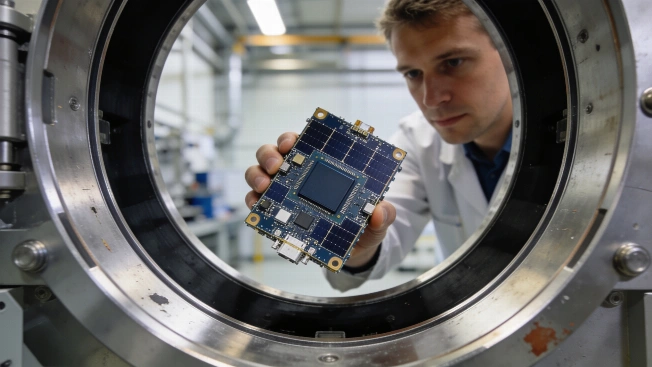
Google Tests Four AI Chips in Orbit
Google's first Project Suncatcher hardware test is scheduled to fly next week on SpaceX's Transporter-18 rideshare mission. A prototype satellite carrying four Tensor Processing Units will measure how the chips withstand launch vibration, radiation, vacuum and extreme temperatures before any larger orbital computing cluster is attempted.

IonQ QCBM Beats Classical Radar Change Detection Baselines
IonQ reports that a 20-qubit trapped-ion quantum generative model improved radar change detection on a high-resolution airfield dataset while matching classical methods on volcanic InSAR imagery
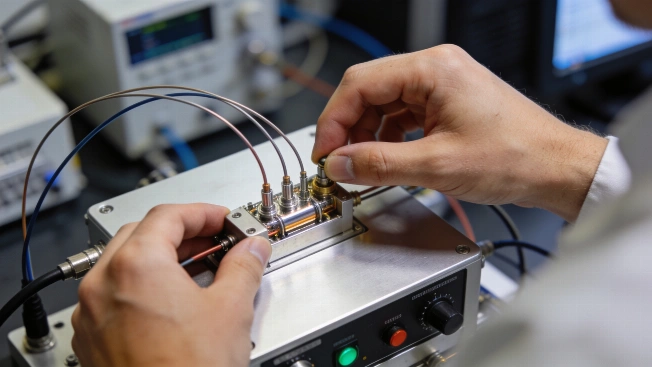
AI Design System Cuts Simulated Quantum Error Rates 14.6-Fold
QC Design says its Meridian platform reduced evaluated logical error rates across more than 100 fault-tolerance design tasks while testing architectures against hardware noise in simulation
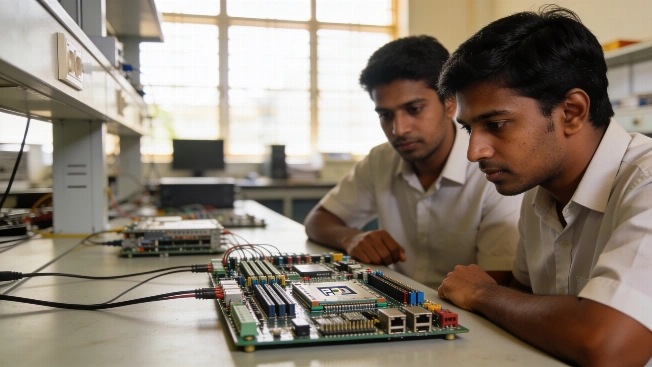
Yenepoya Plans Quantum AI Hardware Lab in Mangaluru
Yenepoya University and REYRA AI plan a Mangaluru laboratory for quantum-inspired hardware and software while preparing students and faculty through certification courses in quantum computing and Quantum Machine Learning.
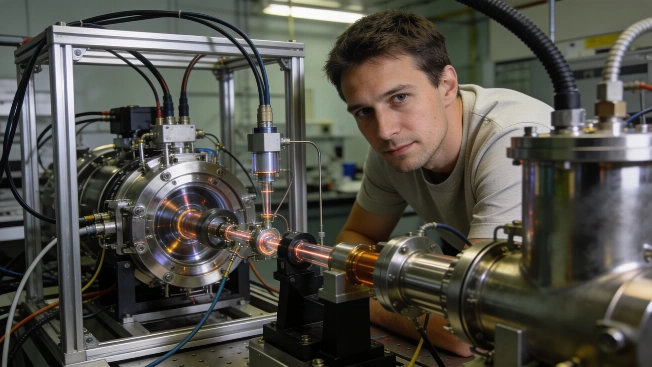
Quantum Utility Starts With Chemistry Not Qubit Counts
Matthias Troyer's assessment of quantum computing points to chemistry as the clearest near-term application while error correction, data movement, hardware architecture and end-to-end cost determine whether larger systems will become scientifically useful.
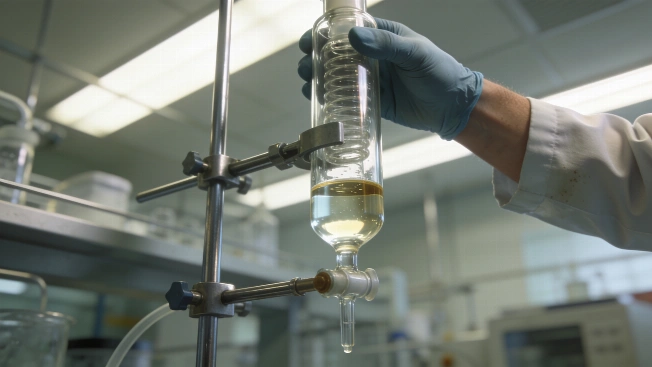
Quantum Models Target Rare Earth Separation Chemistry
USA Rare Earth, Pasqal and Riven Systems are developing a quantum-machine-learning workflow to identify selective extractants for separating mixed rare earth carbonate into individual oxides, using thousands of automated experiments and feedstocks from mining and recycling.
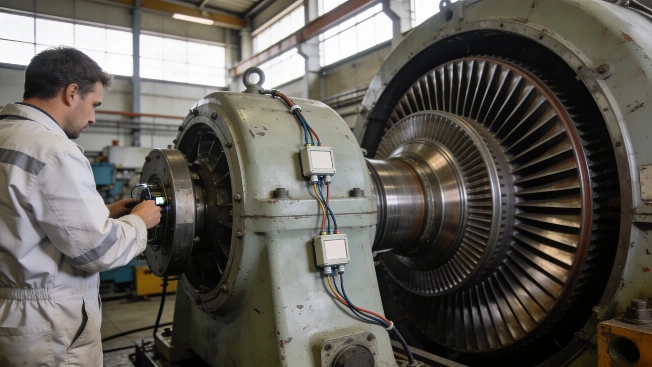
I-care adds AI anomaly detection without past failure data
I-care Group has acquired the assets of Amiral Technologies, including its DiagFit system, which detects abnormal machine behavior from normal operating data without requiring a library of past failures.
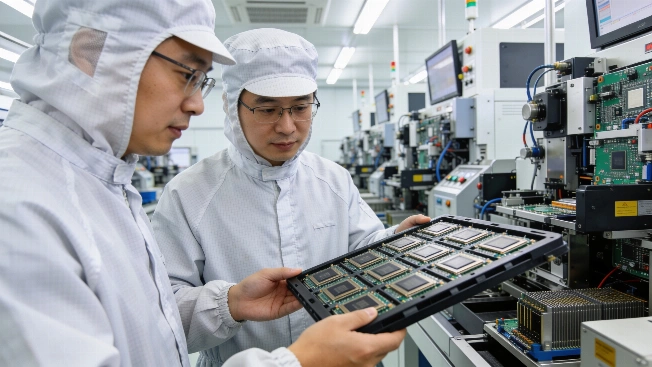
China's AI chip makers take on Nvidia's dominance in model training
Nvidia's lead in AI model training is under pressure as Chinese companies like Huawei, Cambricon, Moore Threads, and Biren Technology push to develop homegrown chips and software, aiming to reduce dependence on foreign hardware.
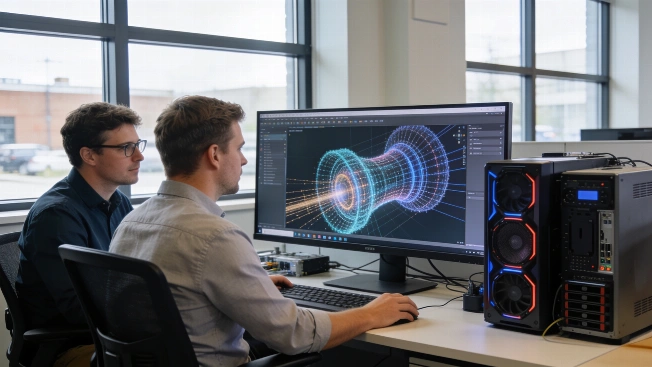
IBM Ventures Backs BQP for Quantum Physics Simulation Acceleration
BQP has secured an $8 million investment led by IBM Ventures to expand its quantum-accelerated physics simulation platform. The company aims to bridge the gap between classical high-performance computing and hybrid quantum-classical workflows for engineering applications.

AI reconstructs black hole jet motion from decades of radio data
A new AI-driven analysis of 27 years of radio telescope data has produced the sharpest reconstruction yet of a black hole jet, revealing unexpected details about plasma motion in the blazar 3C 345
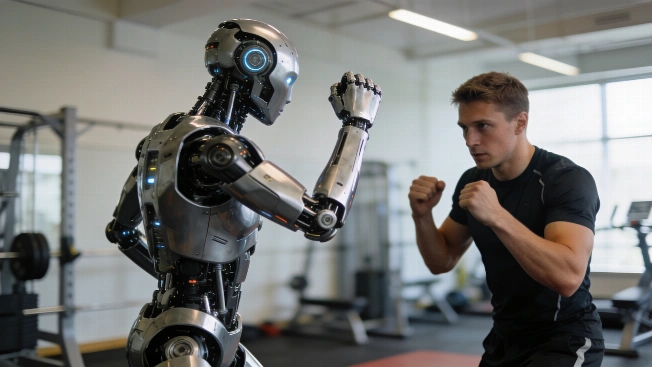
Unitree G1 Robot Demonstrates Autonomous Sparring Using UnifoLM-X2-1.0
Unitree Robotics has released footage of its G1 humanoid robot sparring with a human using the UnifoLM-X2-1.0 AI model, highlighting advances in predictive perception and autonomous motion planning for dynamic physical tasks
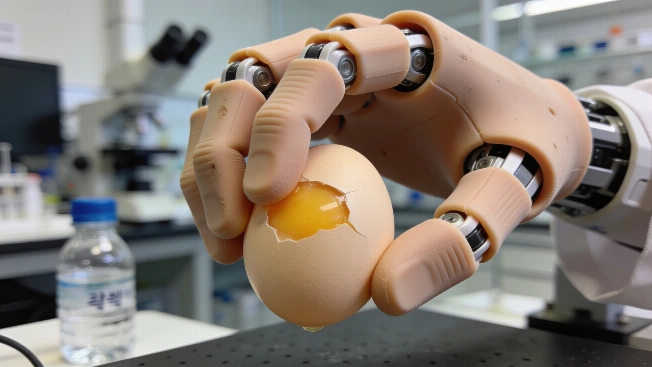
3D-Printed Soft Robotic Hand Shows Delicate Grip and Strength in Lab Tests
A research team at KAIST has built a 3D-printed soft robotic hand that can cradle fragile objects and lift heavy ones, using AI to optimize the material's stretchability and durability for advanced manipulation tasks
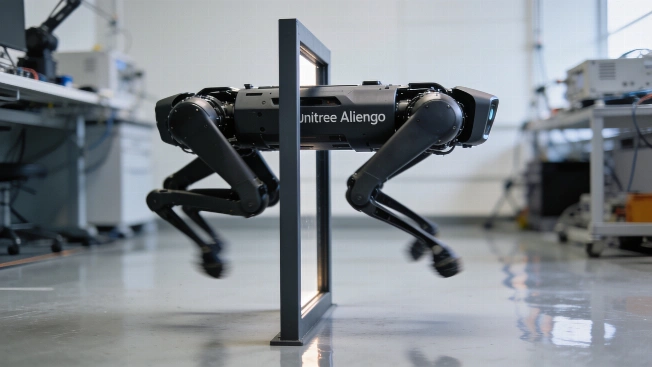
Quadruped Robot Demonstrates Dynamic Leaping Through Tight Spaces
A research team has built a hierarchical reinforcement learning system that enables a four-legged robot to leap through narrow gates at speed, coordinating vision and movement in real-world tests inspired by animal agility
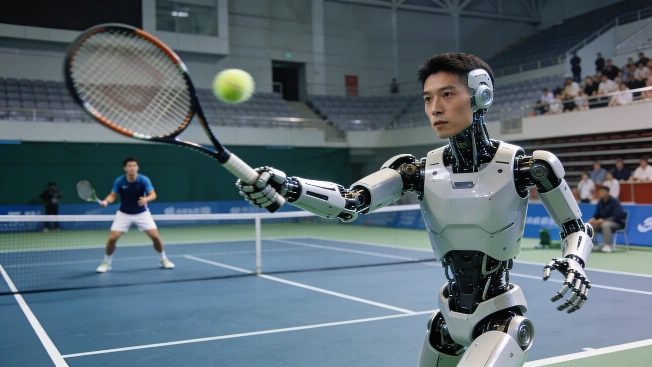
Humanoid Robots Complete 100 Rallies in Live Tennis Match in Beijing
Galbot's humanoid robots demonstrated autonomous tennis play against human athletes at the Second World Humanoid Robot Games, completing over 100 consecutive rallies and highlighting advances in real-world robot perception and control
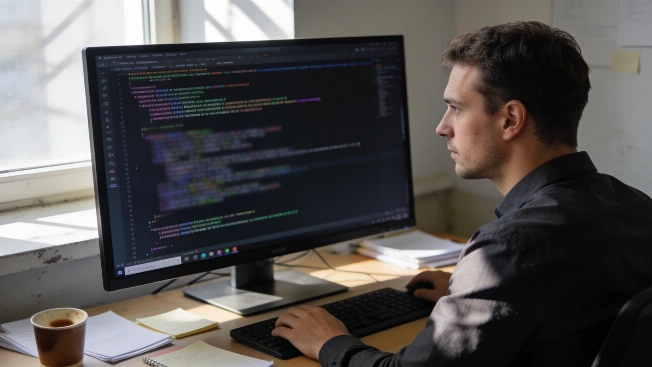
Why More Data Alone No Longer Advances Generative AI Systems
Recent advances in generative AI have relied on scaling up models, datasets, and computing resources. However, evidence now suggests that simply increasing data volume is no longer enough to improve performance, especially for complex tasks like software development
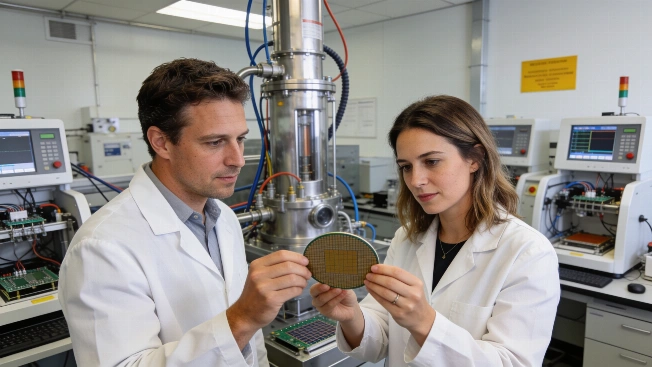
Diraq Expands US Silicon Spin-Qubit Engineering With Santa Monica Hub
Diraq has opened a new engineering facility in Santa Monica, California, focused on silicon spin-qubit processor development using commercial CMOS foundry processes, as part of its trans-Pacific quantum computing infrastructure
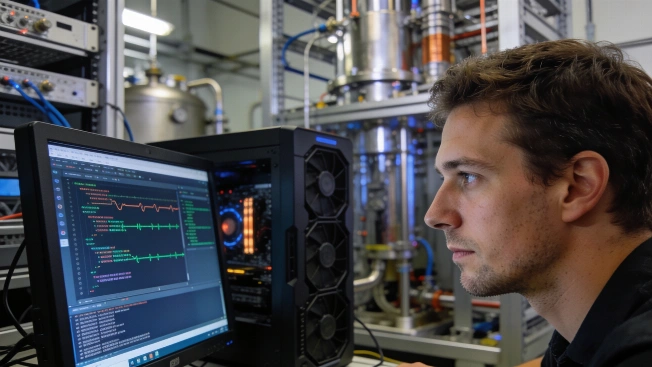
AI Decoder Surpasses PyMatching on Google Quantum Surface-Code Data
Quantum X Labs has reported that its AI-based quantum error correction decoder achieved higher decoding accuracy than standard matching algorithms on Google's public surface-code dataset, using only synthetic training and GPU acceleration
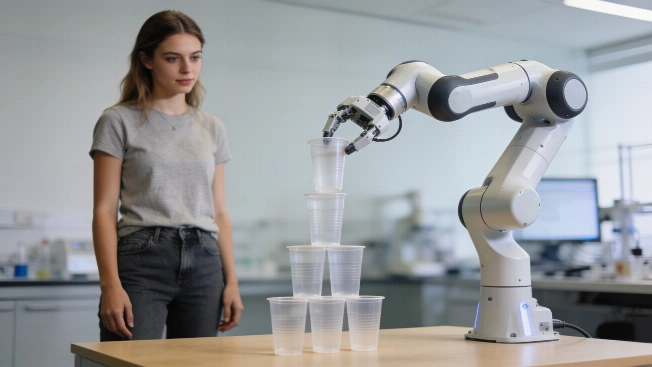
GEN-1.5 Robot Model Imitates Physical Tasks After One Short Demo
Generalist AI has introduced GEN-1.5, a foundation model for robots that attempts new physical tasks after observing a single brief demonstration, with no fine-tuning or retraining required
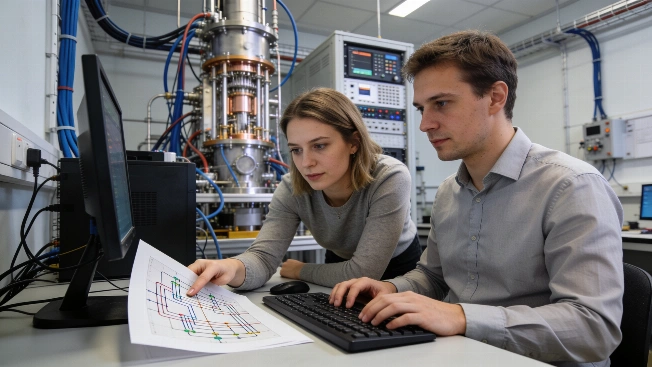
AI Models Now Optimize Quantum Algorithms for Real Hardware
Recent advances show AI systems are now directly optimizing quantum algorithms for cryptography and hardware compatibility, with measurable improvements in circuit efficiency and potential impact on quantum workforce development
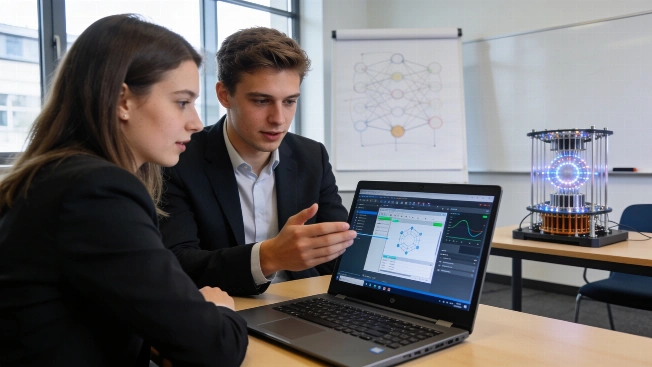
Quantum Software Integrated Into Luxembourg Business School Curriculum
Superpositions and the European Business Institute of Luxembourg have launched a partnership to embed quantum computing and hybrid algorithm workflows into business education, giving students direct access to quantum software platforms and real hardware backends
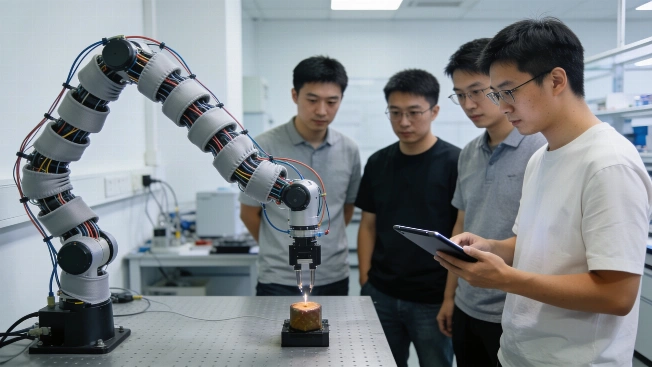
Feagine's Fi0 Model Tested for Cross-Body Robot Task Transfer
Feagine Robotics has introduced Fi0, a foundation model designed to transfer task knowledge across different soft robot arms, aiming to reduce retraining when hardware changes. Early tests used three tendon-driven manipulators with varying morphologies
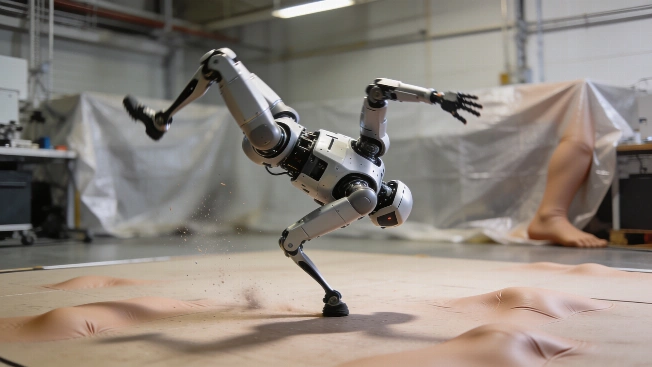
Humanoid Robots Learn Agile Moves from Human Motion Data with ZEST
A new control framework called ZEST enables humanoid and quadruped robots to perform complex, agile movements by learning from human motion capture, video, and animation data, reducing the need for task-specific engineering
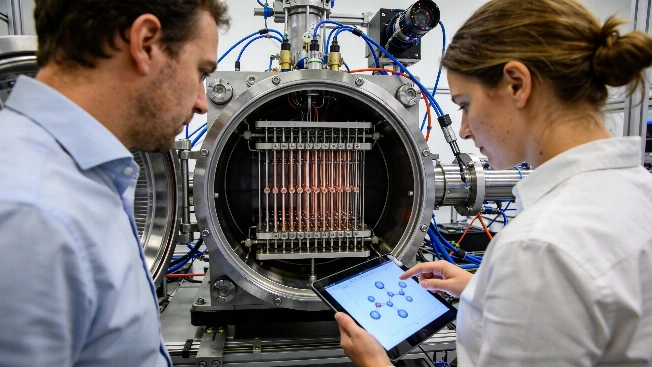
AI-Generated Quantum Circuits Tested on 98-Qubit Trapped-Ion Hardware
A collaboration between Quantinuum, NVIDIA, and Pfizer has demonstrated an AI-driven framework for generating quantum circuits, executing them on a 98-qubit trapped-ion processor to model pharmaceutical molecules
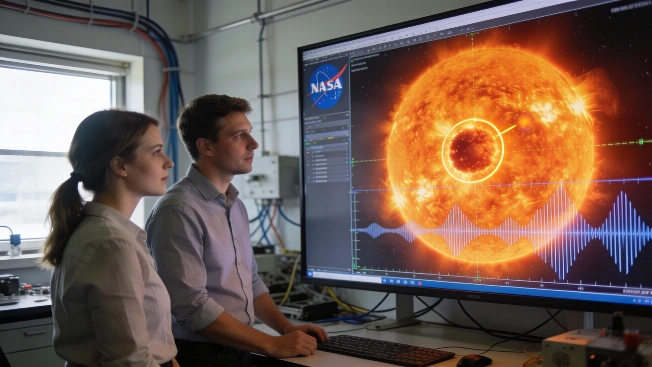
NASA AI Model Predicts Sunspot Emergence Hours Before Surface Appearance
A NASA-led team has developed an AI model that analyzes acoustic and magnetic data from the Sun to forecast the emergence of active regions up to 12 hours in advance, offering new potential for space weather prediction
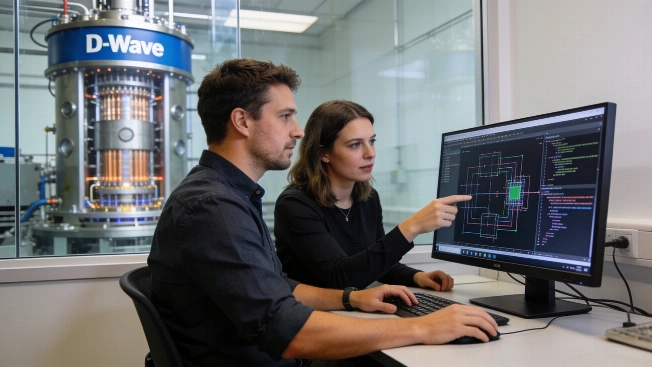
D-Wave Receives NRC Grant to Develop Quantum Annealing Software
D-Wave Quantum Inc. has secured up to CAD $300,000 from Canada's National Research Council to engineer new graph-embedding algorithms and open-source tools for its quantum annealing hardware, targeting more complex commercial optimization tasks
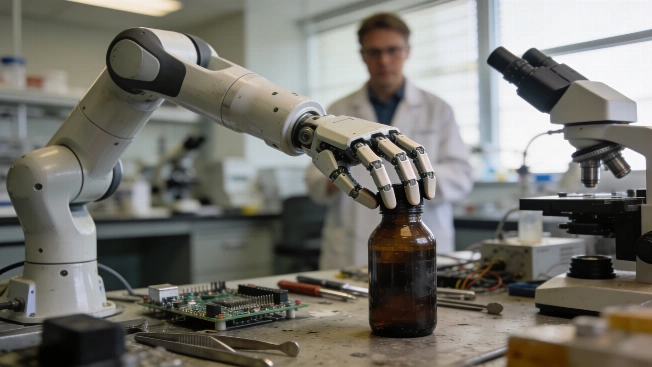
Dyna Robotics Tests DYNA-2 Robot Model Trained on Human Video
Dyna Robotics has introduced DYNA-2, a robot foundation model trained on over one million hours of human egocentric video, aiming to improve robot learning for physical tasks without relying on robot action data
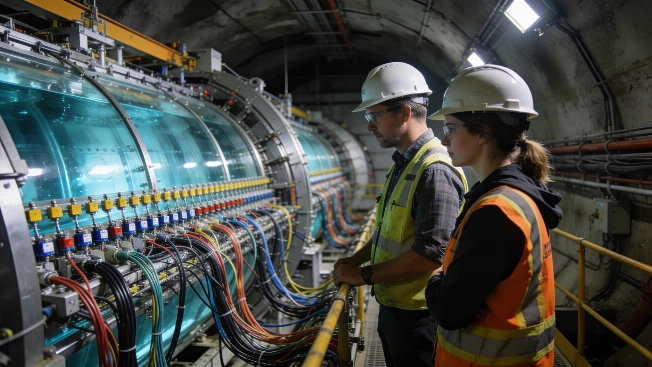
AI Systems Tested for Real-Time Neutrino Detection at DUNE
Researchers at the Deep Underground Neutrino Experiment are developing machine learning tools to process vast detector data, identify rare neutrino events, and monitor system health, aiming to improve the speed and reliability of particle physics research
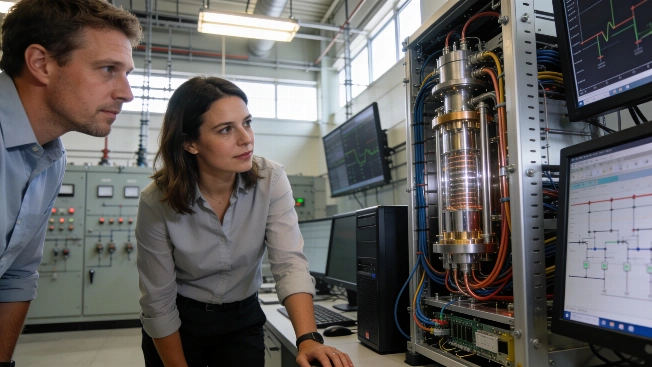
Quantum Hardware Tested for Grid Security Under AFRL Contract
Eaton, Infleqtion, and Penn State will develop and test hybrid quantum-classical algorithms on specialized quantum hardware to analyze and respond to complex threats facing electrical grids under a $7 million U.S. Air Force Research Laboratory contract
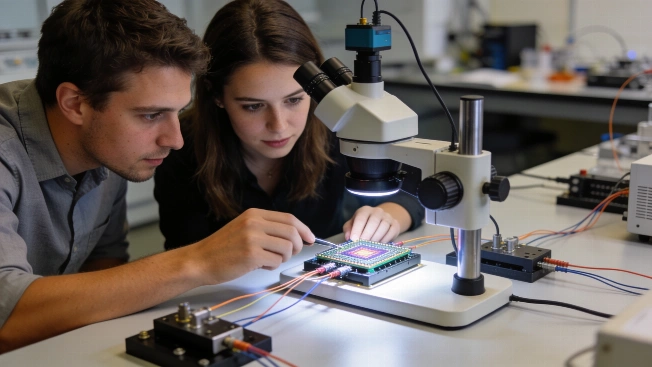
Xanadu Expands US Quantum Operations Amid Hardware and Algorithm Gains
Xanadu Quantum Technologies reported advances in photonic quantum hardware, algorithmic development, and US expansion, while disclosing a strengthened cash position and increased investment in fabrication and engineering
Part 1 of 2