
Homo sapiens
7 reportsCurrent work on Homo sapiens is assessed through tool association and phylogenetic position, with separate attention to skeletal anatomy. Reporting uses comparative anatomy alongside independent genetic or proteomic evidence to assess phylogenetic position; small samples and fragmentary remains can change species assignments.
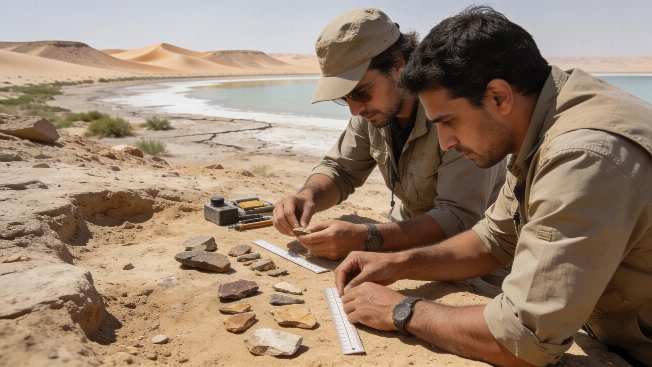
Stone Tools Suggest Neanderthals Reached Deep into Arabian Desert
Archaeologists have identified stone tools from Jebel Katefeh-1 in Saudi Arabia's Nefud Desert that closely match Neanderthal technology, suggesting these hominins may have adapted to arid environments far south of their previously known range

Neanderthal Gene Variant Linked to Muscle Mass in Modern Humans
A newly published study identifies a Neanderthal-derived gene variant in the growth hormone receptor that increases muscle mass in some modern humans. Researchers analyzed ancient DNA and over a million modern genomes to trace its distribution and effects.

Ancient DNA Reveals Two Unknown Human Lineages in Modern Genomes
A new genome analysis method has identified traces of two previously unknown extinct human lineages in the DNA of living people, offering fresh insight into ancient population interactions and the complexity of human evolution
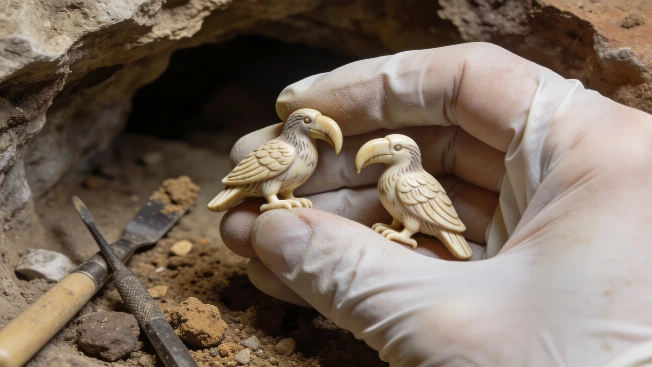
Ice Age Bird Figurines Unearthed in Hohle Fels Cave, Germany
Archaeologists have identified two miniature bird carvings from mammoth ivory in Hohle Fels cave, Germany, dating to around 40,000 years ago. The finds expand evidence for symbolic art among early Homo sapiens in Upper Paleolithic Europe
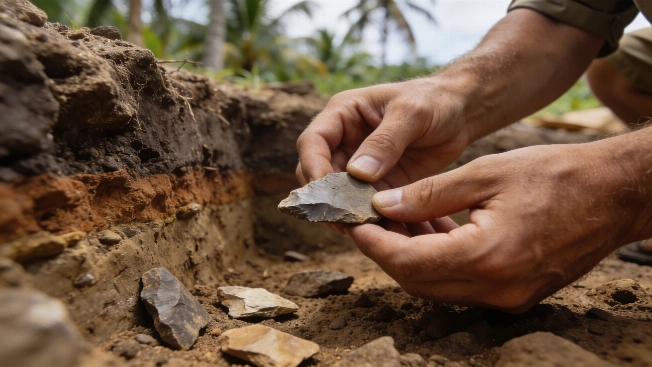
Stone Tools Reveal Early Human Technology Beyond Homo sapiens
Archaeologists use the term lithics to describe stone artifacts found at ancient sites. Recent discoveries in Indonesia show that stone tool production predates Homo sapiens, challenging earlier assumptions about human technological origins
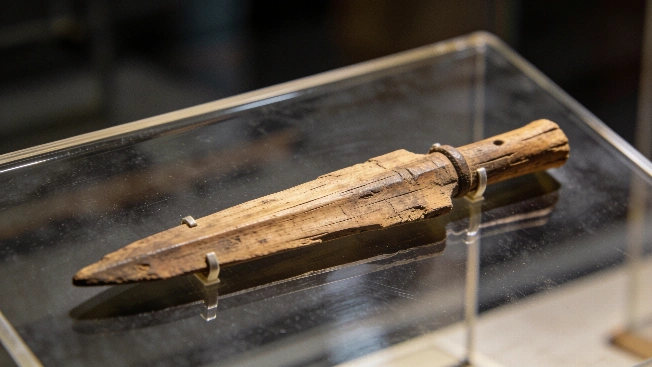
How Archaeologists Trace the Oldest Known Weapons in Human History
Archaeologists have identified several contenders for the world's oldest weapon, including wooden spears and stone points from sites in Africa and Europe. Careful analysis of context, material, and wear patterns helps distinguish weapons from other ancient tools
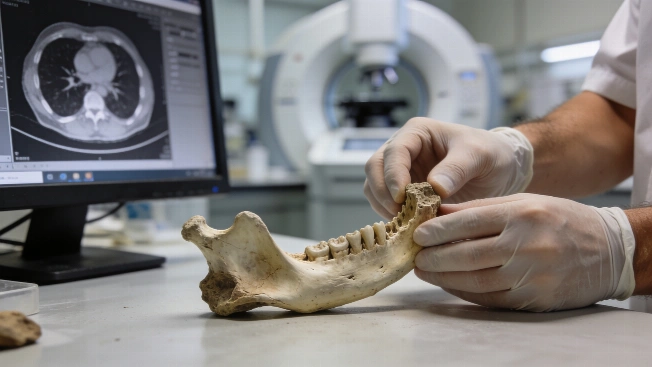
Ancient Jaw Injury in Qafzeh 25 Sheds Light on Early Human Violence
A new micro-CT study of the Qafzeh 25 remains from Israel reveals a partially healed jaw injury, offering rare evidence for trauma and possible interpersonal violence among early Homo sapiens in the Late Pleistocene