
Moon Exploration
42 reportsSample return and lunar rovers are read together rather than as isolated findings. This makes it possible to address how lunar water ice is detected and how landing sites are selected, separating design goals from performance demonstrated in operation.
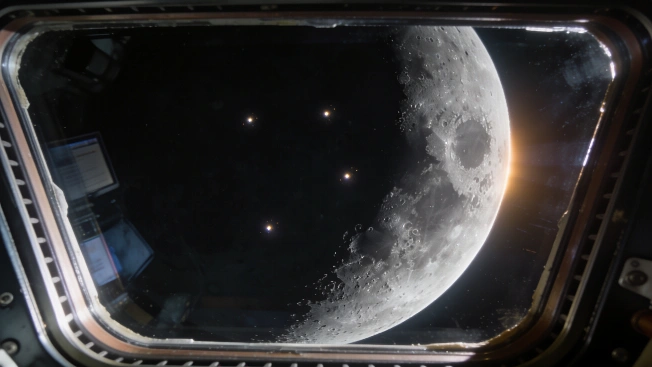
Artemis II Crew Recorded Five Faint Moon Impact Flashes
A tablet image from Artemis II records five faint impact flashes seen near the eclipsed Moon from Orion 46,000 miles away; NASA's later analysis ruled out cosmic rays and spacecraft reflections and released the mission's lunar science dataset.
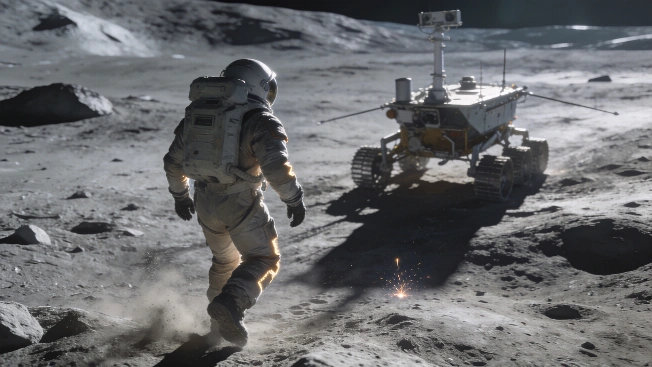
NASA Seeks a Safe Way to Ground Moonwalking Astronauts
NASA has opened a challenge for systems and procedures that can safely bring astronauts to electrical equilibrium before they touch a lander during Artemis operations near the lunar South Pole.
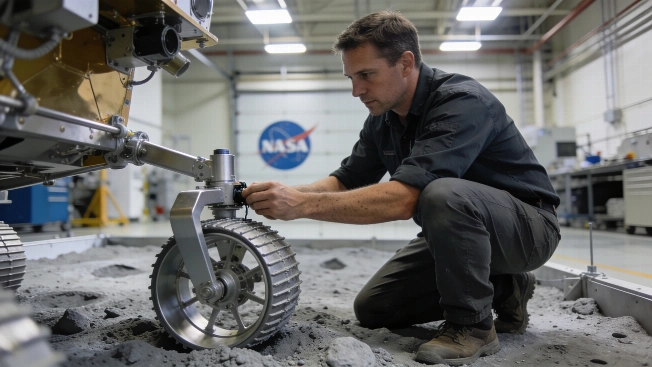
NASA's Lunar Return Depends on Data Gaps Before Hardware
At NASA Langley Research Center, Richard Spolzino tracks the measurements still missing from lunar and Mars planning and helps convert those gaps into priorities for missions and commercial partners.
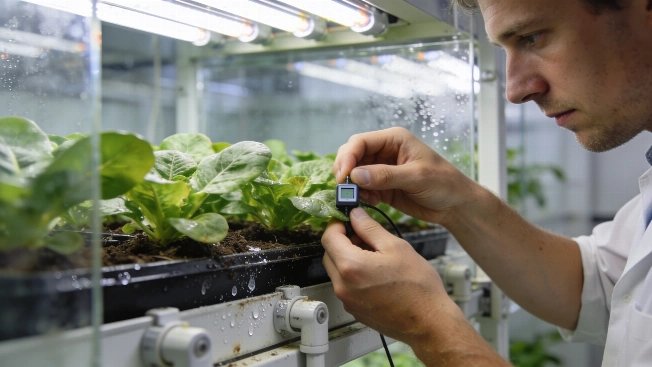
NASA Partners Prepare Ground Tests for Crops on the Moon
NASA, the Canadian Space Agency, and the German Aerospace Center are coordinating preparatory work on an Earth-based lunar agriculture demonstrator designed to test crop production and resource recycling for longer missions.
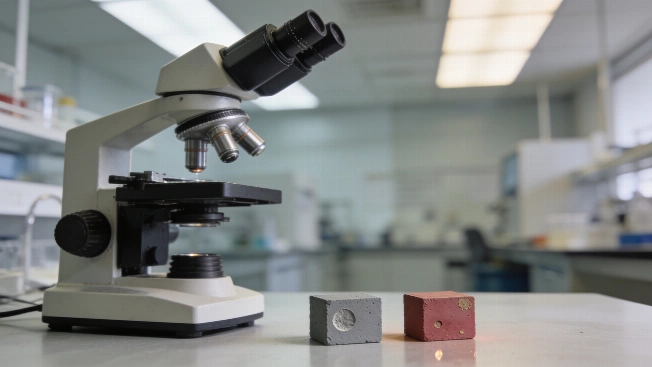
NASA Material Turns Lunar Dust Into Tools for Future Habitats
NASA researchers have mixed biodegradable plastic with simulated Moon and Mars dust to create a tunable composite now being tested for future habitat equipment and extreme space conditions.
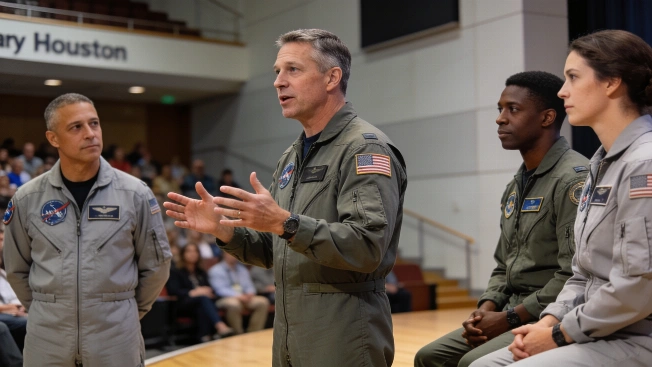
Artemis II Crew Set for Houston Event After Record Lunar Flyby
The Artemis II astronauts will meet the public at the University of Houston after traveling 406,771 kilometers from Earth during the first crewed lunar flyby in more than 50 years.
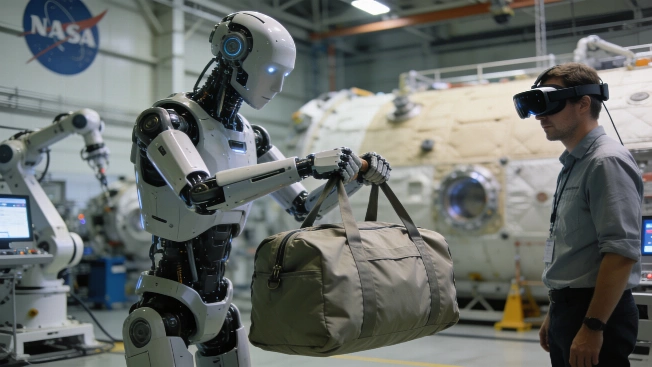
NASA Builds Humanoid Robots for Safer Lunar Work
NASA's 16-member Dexterous Robotics Team is testing humanoid robots, robotic arms, and supervised autonomy for logistics, maintenance, and scientific work supporting a sustained human presence on the Moon and possible future missions to Mars.
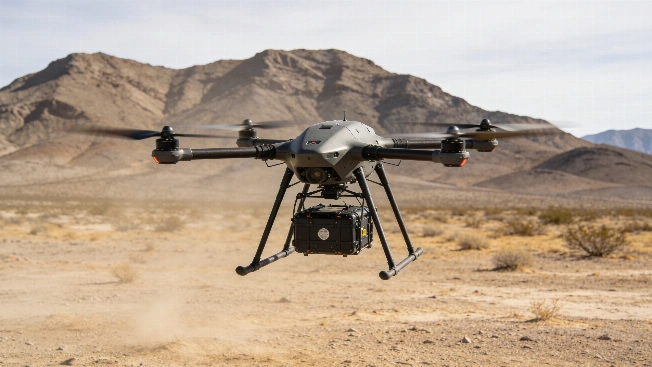
NASA Tests SPLICE for Precision Landings on the Moon
NASA's SPLICE system has completed simulated lunar descent and landing maneuvers aboard an Alta-X drone near Armstrong Flight Research Center, testing navigation designed for difficult lunar and planetary terrain.
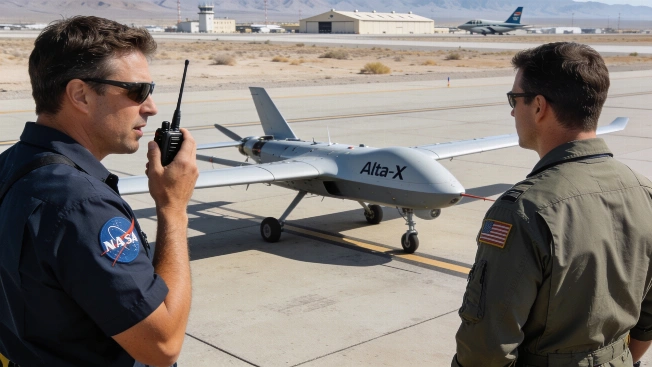
NASA tests new Moon and Mars landing system at Armstrong flight lab
NASA's Dale Reed Subscale Flight Research Laboratory is testing the SPLICE guidance system on the Alta-X drone to improve hazard detection and precision landings for future Moon and Mars missions.
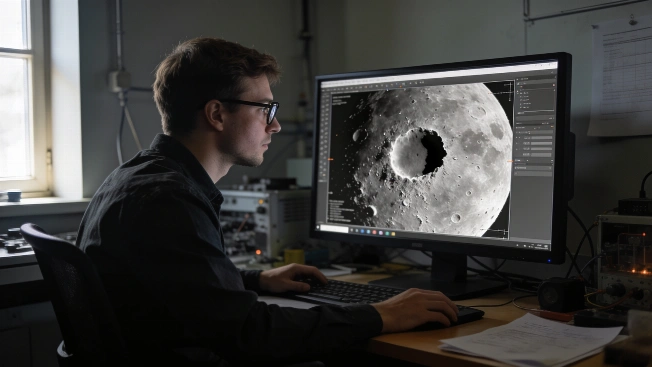
NASA orbiter spots largest new lunar crater in a century
NASA's Lunar Reconnaissance Orbiter has found a 728-foot-wide impact crater on the Moon's eastern limb, created between April and May 2024 by a building-sized asteroid or comet. The discovery gives scientists a rare look at how the lunar surface changes after a major collision.
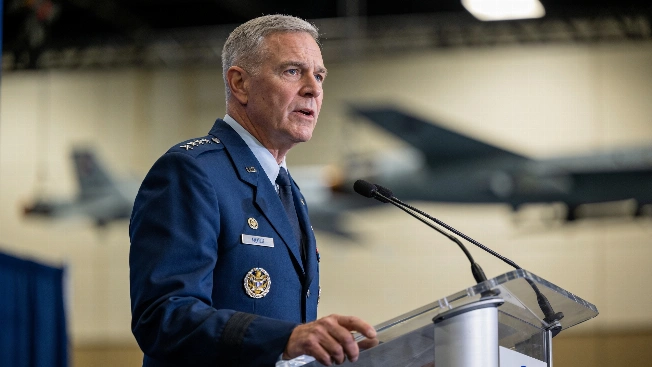
US military expands defense planning from ocean floor to lunar orbit
The US military's top officer says future conflicts could extend from the seafloor to the Moon's orbit, as the Space Force openly acknowledges operating defensive weapons in space for the first time.
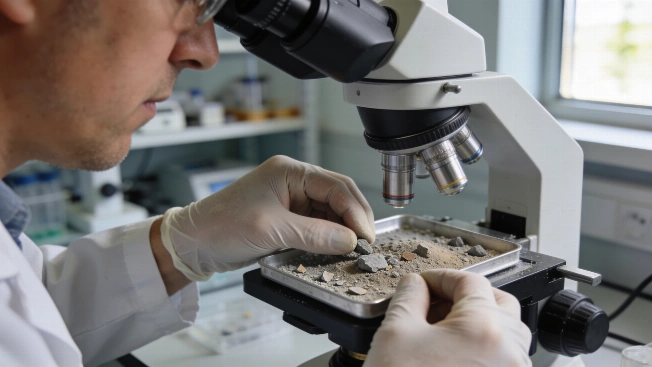
Researchers suggest searching the Moon for alien technology fragments
A new study proposes that tiny fragments of ancient alien technology might be preserved in the Moon's surface. The authors outline how future lunar samples and advanced analysis could help search for these microscopic technosignatures.
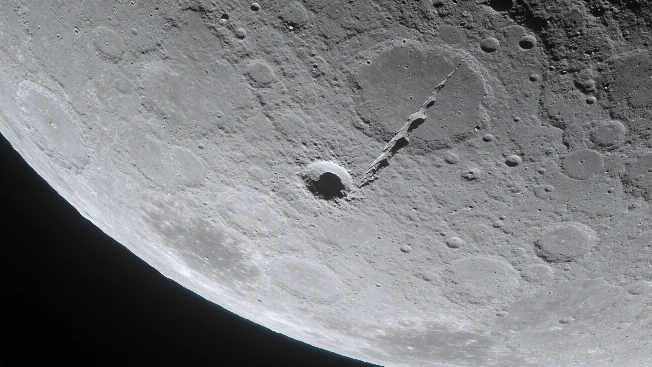
SMART-1's Controlled Lunar Crash Changed How Spacecraft Reach the Moon
Europe's SMART-1 probe ended its mission with a deliberate impact on the Moon, testing solar electric propulsion and gathering data on lunar geology. The mission's engineered crash provided new insight into impact processes and spacecraft design limits
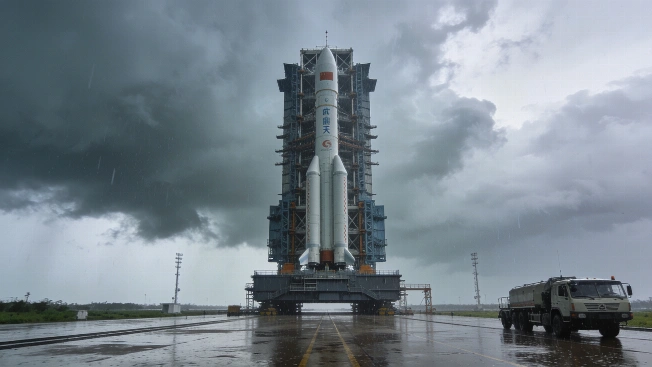
China Delays Chang'e 7 Moon South Pole Launch Amid Severe Weather
China's Chang'e 7 lunar mission, designed to search for water ice near the Moon's south pole, has been postponed due to a tropical depression threatening the Hainan launch site. The new launch window remains uncertain
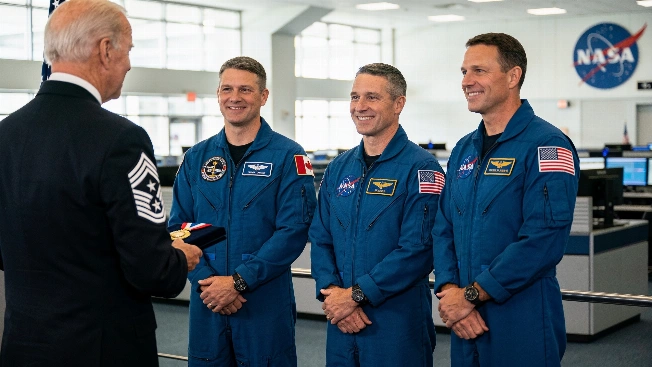
NASA Artemis II Astronauts to Receive Congressional Space Medal of Honor
NASA's Artemis II crew, who completed a lunar flyby in April, will be awarded the Congressional Space Medal of Honor at Johnson Space Center, recognizing their role in advancing human spaceflight beyond low Earth orbit
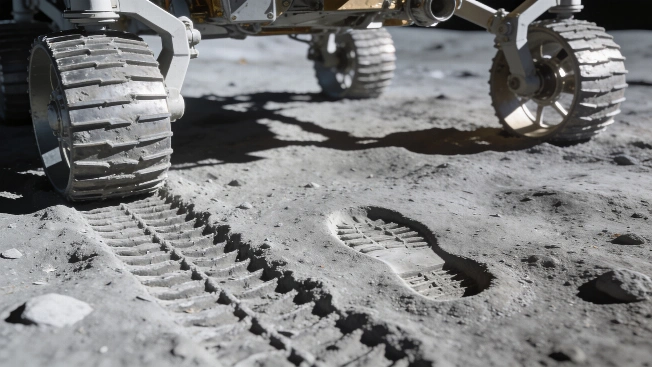
Study Finds Some Terrestrial Microbes Could Survive on the Moon
A new analysis suggests certain bacteria and fungi from Earth may persist in cryptobiotic states on the lunar surface, especially in shadowed polar regions, raising questions for future crewed missions and planetary protection
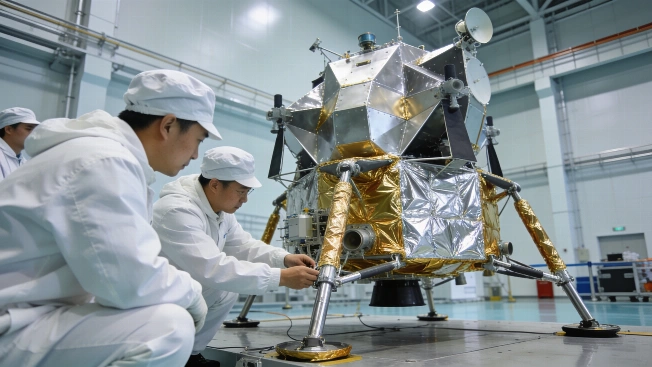
China Prepares Chang'e 7 for Complex Lunar South Pole Mission
China's Chang'e 7 spacecraft, launching in August 2026, will deploy an orbiter, lander, rover, and hopper to investigate the Moon's south pole, targeting water ice and testing new navigation and international science payloads
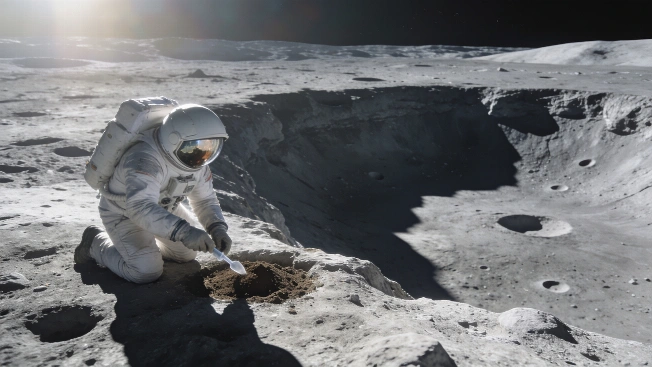
NASA Study Finds Human Microbes Could Survive in Moon's South Pole Shadows
A NASA-led study simulates lunar south polar conditions and finds that some common Earth microbes, including bacteria and fungi, could persist in shadowed lunar regions, raising new questions for planetary protection as human exploration expands
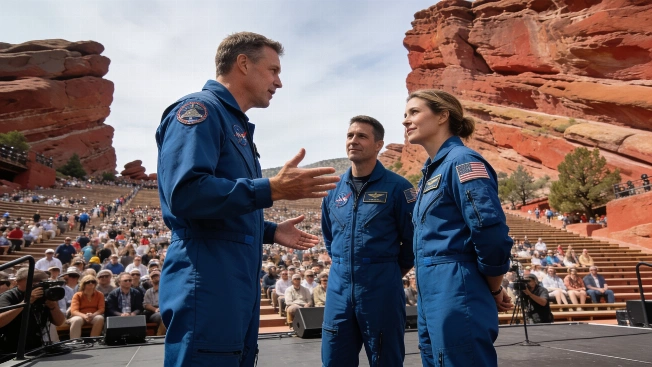
Artemis II Astronauts Reflect on Orion's Moon Mission and Next Steps
NASA's Artemis II crew discussed their 10-day lunar flyby, Orion spacecraft performance, and upcoming mission challenges at a public event in Colorado, highlighting both technical lessons and international collaboration
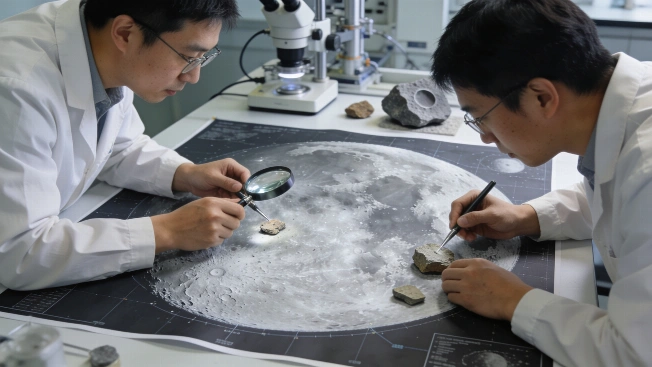
China Unveils Detailed Lunar Map and New Geologic Timeline
Chinese researchers have released a new 1:5 million scale map of the Moon, updating lunar geologic eras and far side data using recent sample-return missions and reprocessed spectral analysis
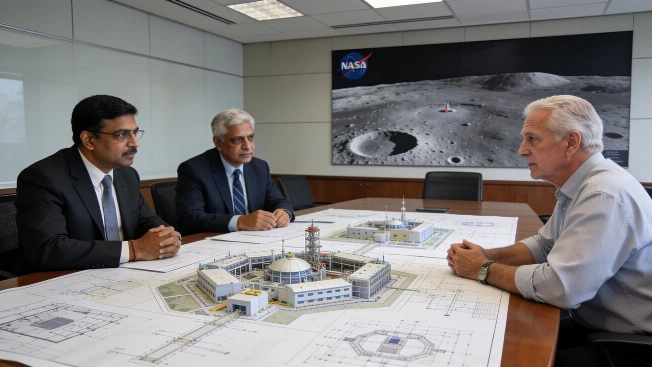
NASA Invites India to Join Moon South Pole Base Collaboration
NASA has formally invited India to participate in developing a permanent lunar base near the Moon's south pole, marking a significant step in US-India deep-space cooperation and expanding the Artemis program's international partnerships
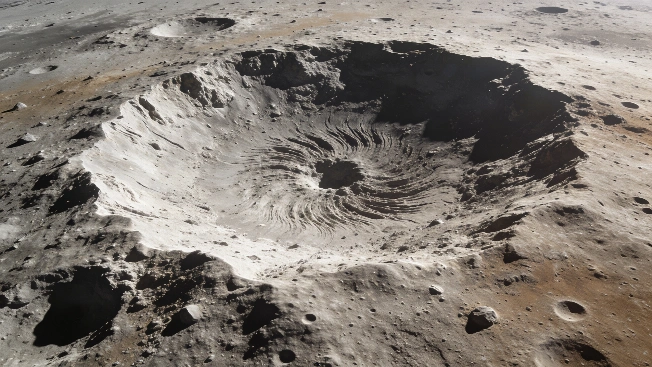
SpaceX Rocket Impact on Moon Raises Safety Questions for Lunar Missions
A SpaceX Falcon 9 upper stage collided with the lunar surface near Einstein Crater, prompting new scrutiny of debris risks as lunar exploration and infrastructure expand
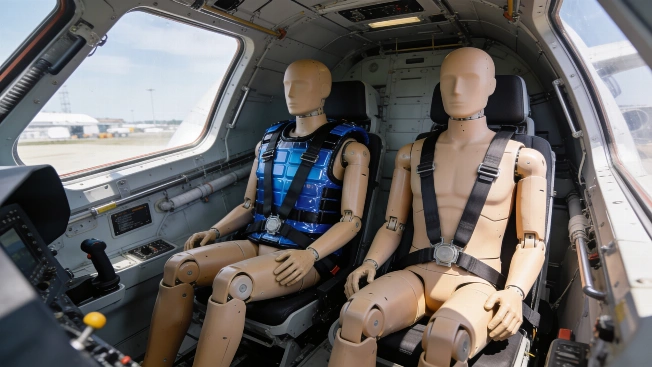
Radiation Vest Tested on Artemis I May Aid Deep Space Astronaut Safety
A hydrogen-rich plastic vest tested aboard NASA's Artemis I mission has demonstrated significant shielding against solar radiation, offering a potential solution for astronaut protection on future lunar and Mars expeditions
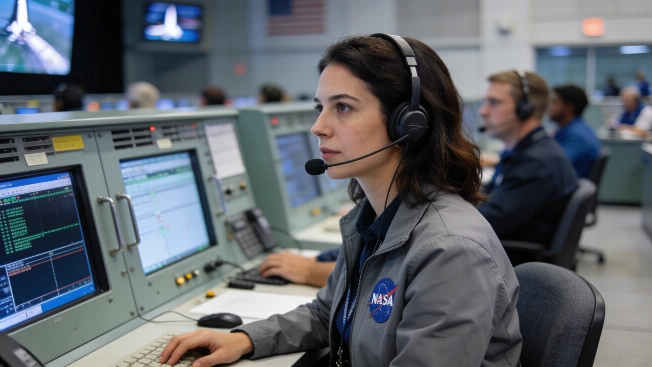
NASA Artemis Launch Team Welcomes New Test Project Engineer
NASA's Artemis program has added Lindsey Waitt as a test project engineer, supporting launch operations for upcoming Moon missions. Her appointment highlights the technical demands and collaborative environment of Artemis launch preparations.

China Plans Lunar Base with Quadruped Robots for 2035 Deployment
China aims to deploy quadruped robots to support astronauts and conduct research at its planned International Lunar Research Station by 2035, raising questions about autonomy, safety, and human-robot collaboration in extreme environments
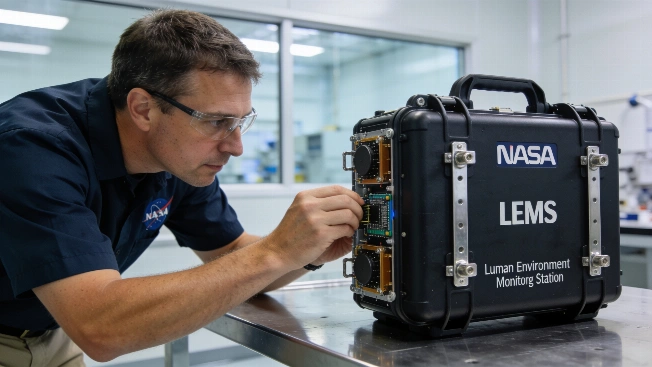
NASA Prepares LEMS Seismic Station for Artemis Lunar Surface Deployment
NASA engineers have completed the Lunar Environment Monitoring Station (LEMS), a compact seismic instrument suite designed for long-term deployment by Artemis astronauts near the Moon's south pole, aiming to monitor moonquakes and meteorite impacts.
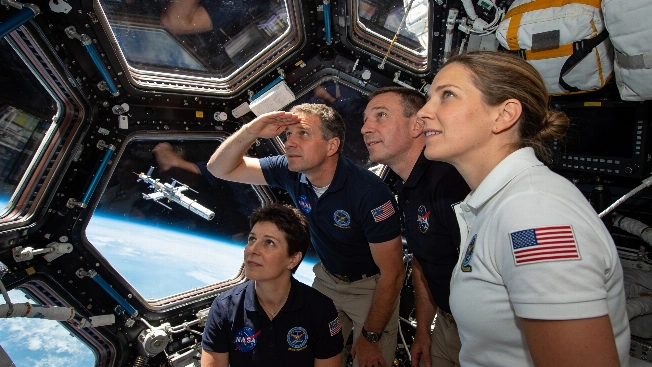
Space Station Research Advances Artemis Moon and Mars Missions
NASA's International Space Station experiments in 2026 are testing technologies and studying astronaut health to support future Artemis missions to the Moon and Mars, with new results informing spacecraft design and deep space exploration
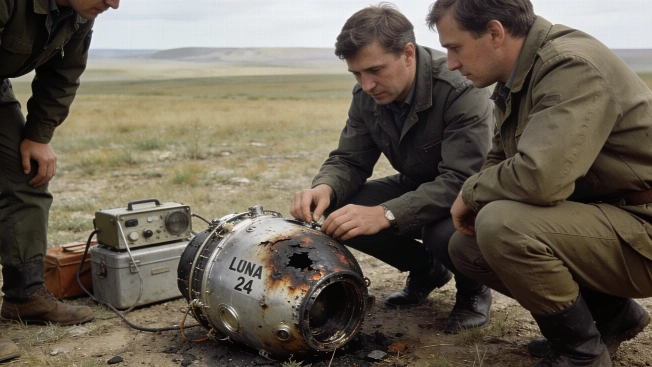
Luna 24's 1976 Moon Sample Return Marked End of Soviet Lunar Missions
On August 9, 1976, the Soviet Luna 24 probe launched from Baikonur, aiming to collect and return lunar soil. The mission's samples revealed traces of water and closed a chapter in robotic Moon exploration.
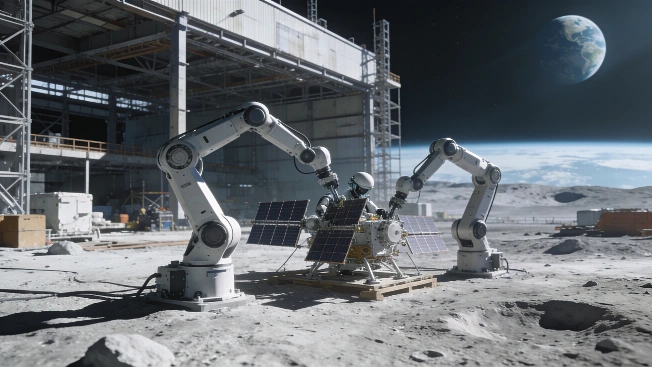
SpaceX Outlines Plan for Robotic Factories on the Moon
SpaceX has detailed its intention to construct automated factories on the lunar surface, aiming to use robots for manufacturing satellites and key components, as discussed during the company's first quarterly earnings call as a public company
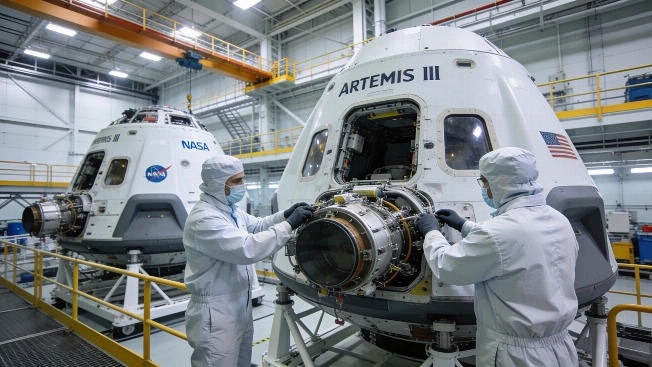
NASA Joins Artemis III Orion Crew and Service Modules for Lunar Mission
Technicians at Kennedy Space Center have integrated the Orion crew and service modules for Artemis III, a key milestone ahead of the mission to test lunar landing system rendezvous and docking in lunar orbit
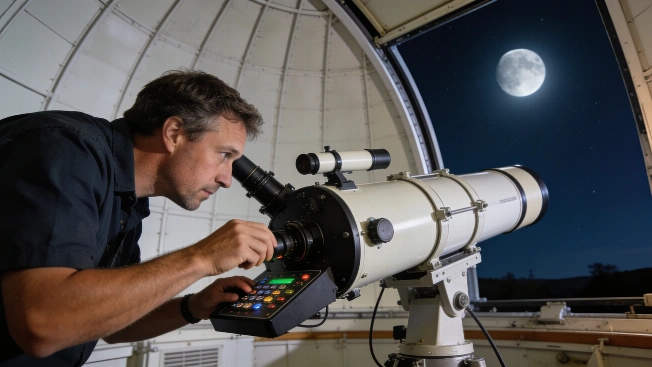
NASA Tracks Falcon 9 Rocket Stage Ahead of Planned Lunar Impact
NASA and SpaceX are monitoring a spent Falcon 9 upper stage expected to strike the Moon near Einstein and Bell craters, using ground and space-based telescopes to gather data and refine tracking methods
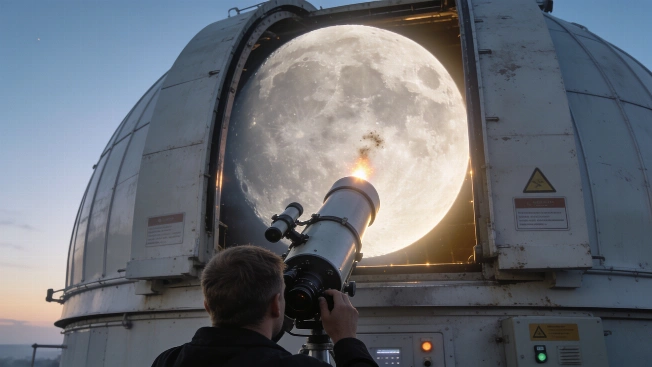
How a Falcon 9 Upper Stage Ended Up Bound for the Moon
A Falcon 9 upper stage abandoned in a high Earth orbit is expected to hit the Moon on August 5, 2026, after gravity and solar activity gradually altered its trajectory
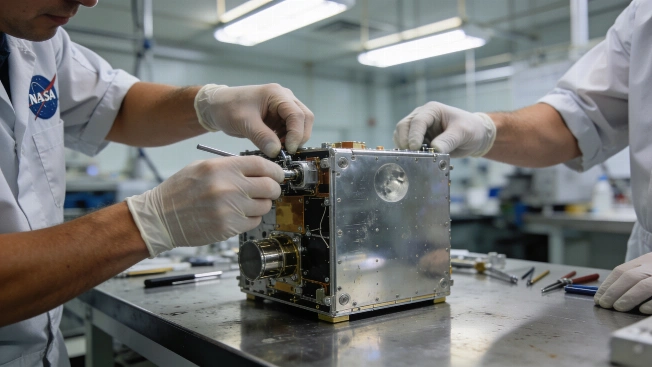
NASA's NavCube3-mini Heads to a Commercial Lunar Relay
NASA has handed a compact GNSS navigation payload to Intuitive Machines for installation on Altus-1, testing whether Earth-based positioning signals can support spacecraft operating near the Moon
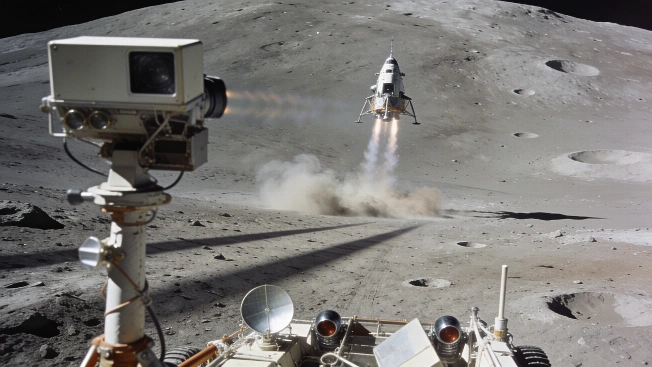
Apollo 15's Moon Liftoff Became Television's First From Another World
On Aug. 2, 1971, Apollo 15 transmitted the first live television view of a spacecraft leaving the moon, using a rover-mounted camera that revealed both the mission's ingenuity and its limits
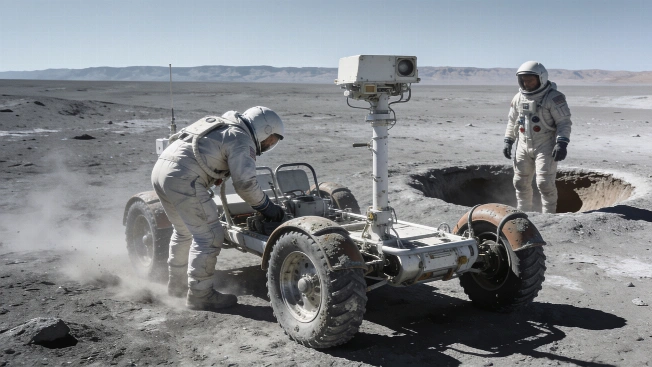
Apollo 15's Lunar Rover Turned Moonwalking Into Exploration
Apollo 15's Lunar Roving Vehicle gave astronauts their first way to travel extensively across the moon's surface, extending scientific exploration beyond the immediate landing site in July 1971
Part 1 of 2