
Space Exploration - Part 6
286 reports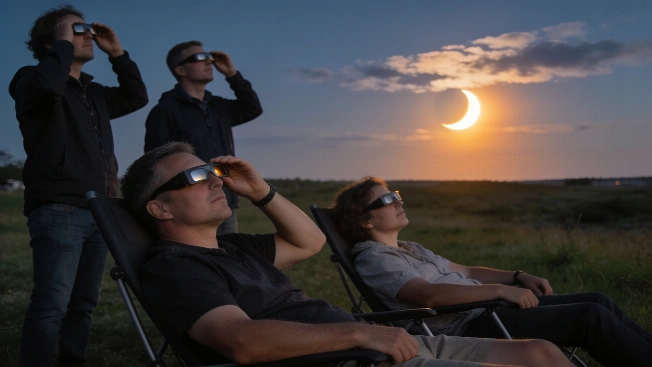
Partial Solar Eclipse and Perseid Meteors Offer Rare Double Event
On August 12, observers across North America and Europe will see a partial solar eclipse by day and the Perseid meteor shower by night. The new moon and clear skies in many regions are expected to offer favorable viewing conditions.
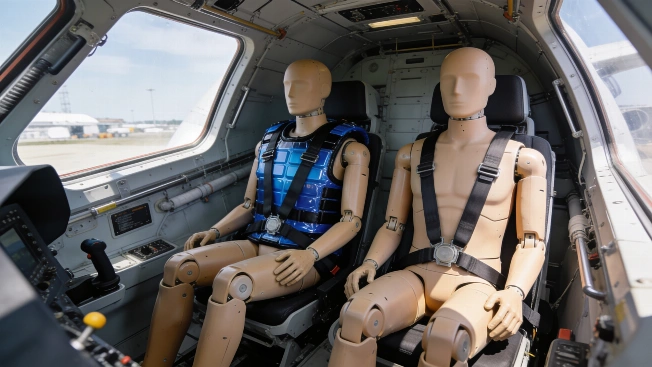
Radiation Vest Tested on Artemis I May Aid Deep Space Astronaut Safety
A hydrogen-rich plastic vest tested aboard NASA's Artemis I mission showed potential to shield astronauts from solar radiation, offering a possible protection measure for future lunar and Mars expeditions.
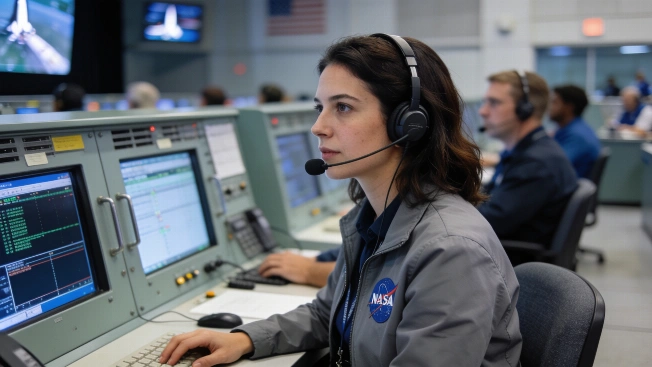
NASA Artemis Launch Team Welcomes New Test Project Engineer
NASA's Artemis program has added Lindsey Waitt as a test project engineer, supporting launch operations for upcoming Moon missions. Her appointment highlights the technical demands and collaborative environment of Artemis launch preparations.
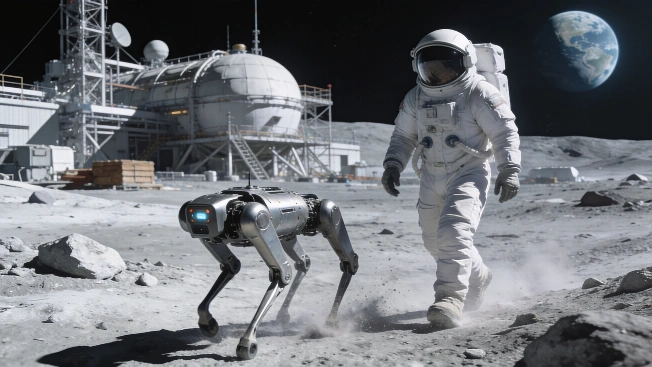
China Plans Lunar Base with Quadruped Robots for 2035 Deployment
China aims to deploy quadruped robots to support astronauts and conduct research at its planned International Lunar Research Station by 2035. The proposal raises questions about autonomy and safety, as well as human-robot collaboration in extreme environments.
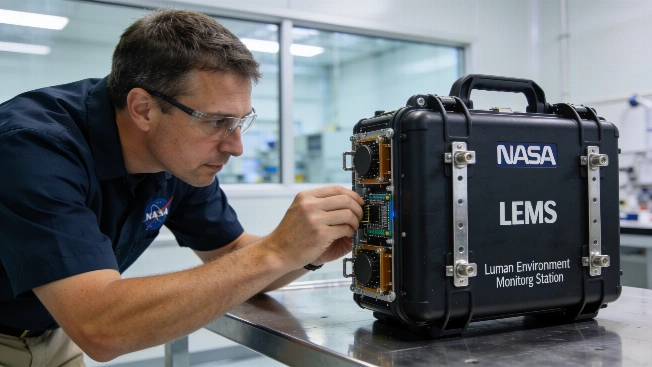
NASA Prepares LEMS Seismic Station for Artemis Lunar Surface Deployment
NASA engineers have completed the Lunar Environment Monitoring Station (LEMS), a compact seismic instrument suite designed for long-term deployment by Artemis astronauts near the Moon's south pole to monitor moonquakes and meteorite impacts.
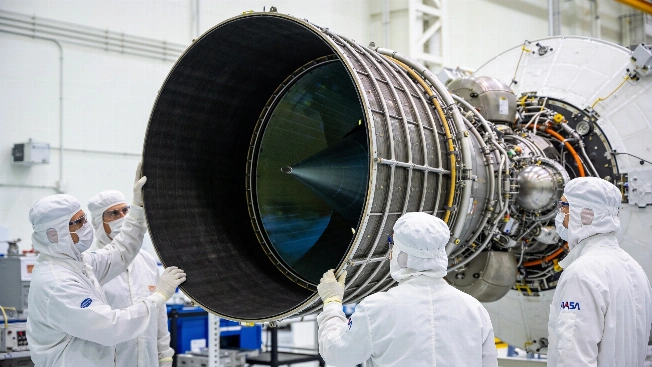
NASA's Roman Space Telescope Targets Dark Energy and Exoplanets
NASA's Nancy Grace Roman Space Telescope launched in 2026 and is traveling toward a stable orbit 1.5 million kilometers from Earth. Its infrared instruments will investigate dark energy and dark matter, while also studying exoplanets.
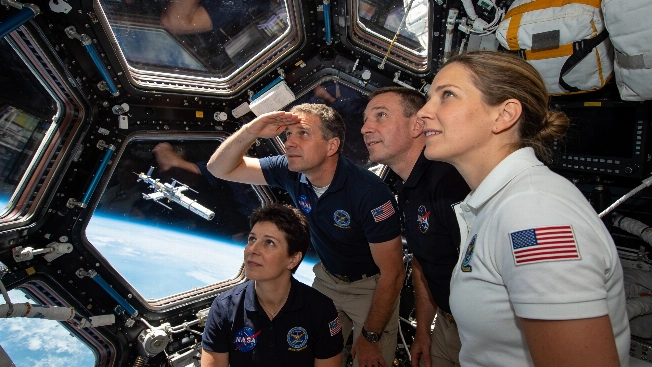
Space Station Research Advances Artemis Moon and Mars Missions
NASA's International Space Station experiments in 2026 are testing technologies and studying astronaut health to support future Artemis missions to the Moon and Mars, with new results informing spacecraft design and deep space exploration.
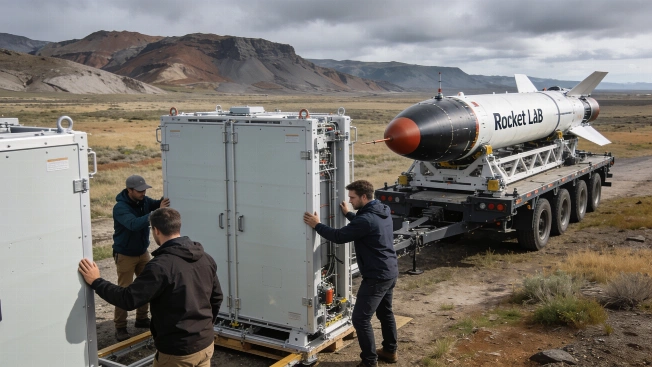
Rocket Lab Reveals GHOST Portable Launch System for Flexible Missions
Rocket Lab has introduced GHOST, a portable launch infrastructure system designed to allow rapid deployment of Electron and HASTE rockets from a wider range of locations. It is intended to support orbital and hypersonic test missions with greater flexibility.
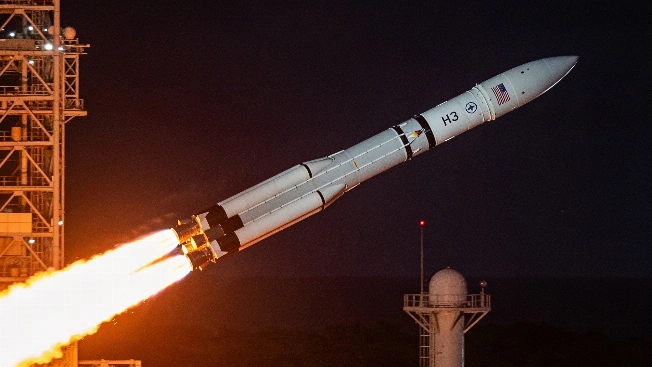
Japan's H3 Rocket Delivers Michibiki 7 Navigation Satellite to Orbit
Japan's H3 launch vehicle has successfully placed the 10,800-pound Michibiki 7 navigation satellite into geosynchronous transfer orbit, a basic step in expanding the nation's Quasi-Zenith Satellite System.
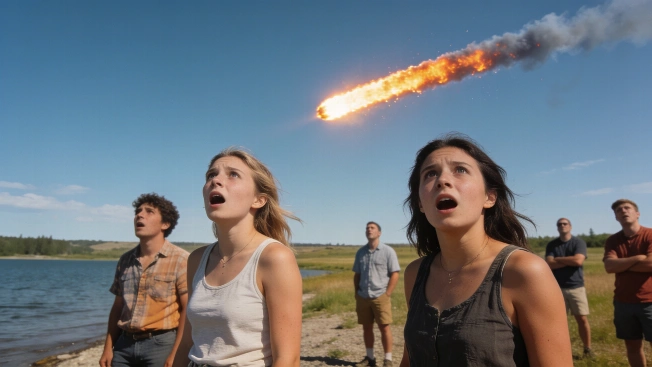
1972 Daylight Fireball Skimmed Earth's Atmosphere Over North America
On August 10, 1972, a large meteoroid entered Earth's atmosphere over Utah and exited over Alberta, Canada, producing a rare daylight fireball visible across North America and offering a unique chance to study atmospheric entry dynamics.
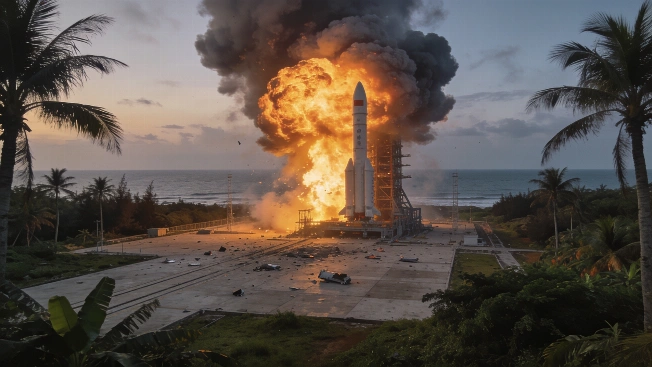
Long March 7A Rocket Explodes 85 Seconds After Launch in China
A Long March 7A rocket carrying the Zhongxing-4B satellite exploded less than two minutes after lifting off from Wenchang, raising questions about the reliability of China’s medium-lift launch vehicles and the impact on future missions.
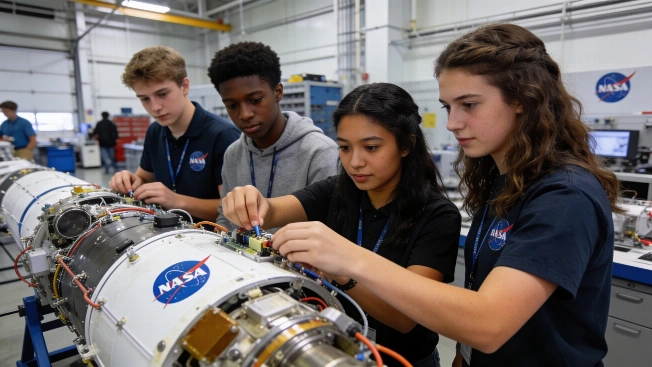
NASA Expands Student Access to Space Missions and STEM Careers
NASA is expanding opportunities for students to join mission experiences and explore technical careers, while contributing to citizen science as the agency prepares for major launches and ongoing lunar and space station operations.
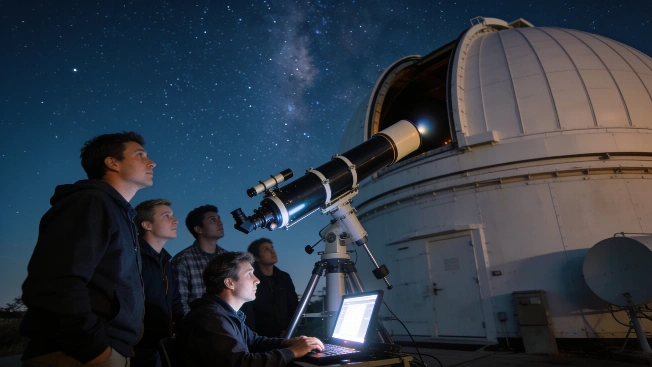
Pluto's Atmosphere Shows Signs of Collapse as It Moves Away from the Sun
Astronomers tracking Pluto's atmosphere through stellar occultations have measured a drop in pressure, suggesting its nitrogen-rich envelope is beginning to freeze out as the dwarf planet recedes from the Sun
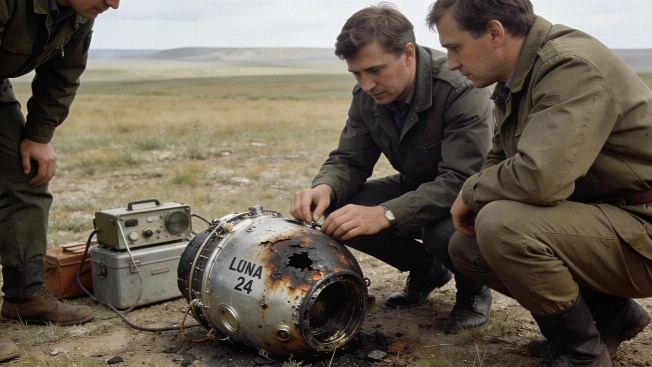
Luna 24's 1976 Moon Sample Return Marked End of Soviet Lunar Missions
On August 9, 1976, the Soviet Luna 24 probe launched from Baikonur to collect and return lunar soil. Its samples revealed traces of water, and the mission closed a chapter in robotic Moon exploration.
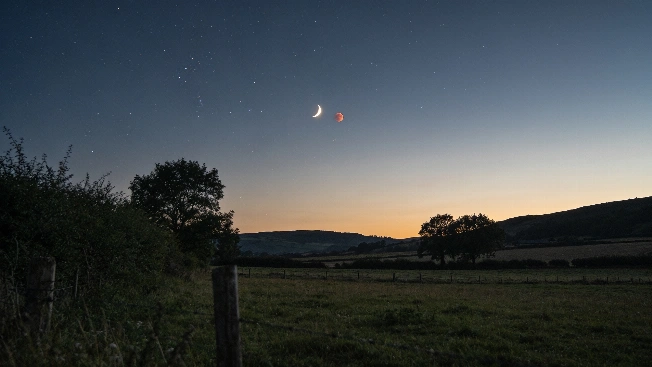
Crescent Moon and Mars Align Over Taurus Before Dawn on August 9
Observers in the Northern Hemisphere will see the waning crescent Moon pass close to Mars before sunrise on August 9, offering a preview of the winter starscape and a chance to view the pair through binoculars.
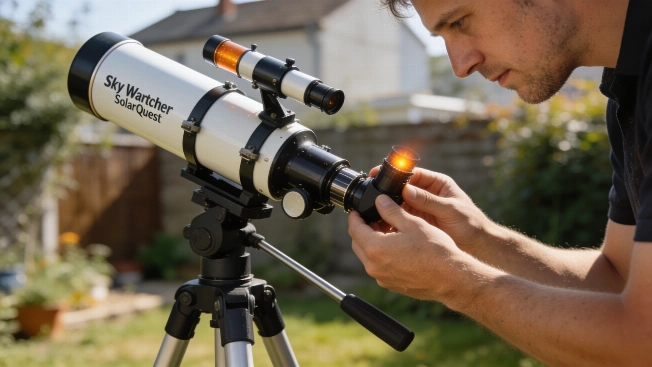
Sky-Watcher SolarQuest Mount Tracks the Sun for Solar Observing
The Sky-Watcher SolarQuest mount uses GPS and a solar sensor to find and track the Sun automatically, giving small solar telescopes and eclipse viewing a simpler setup with little manual adjustment.
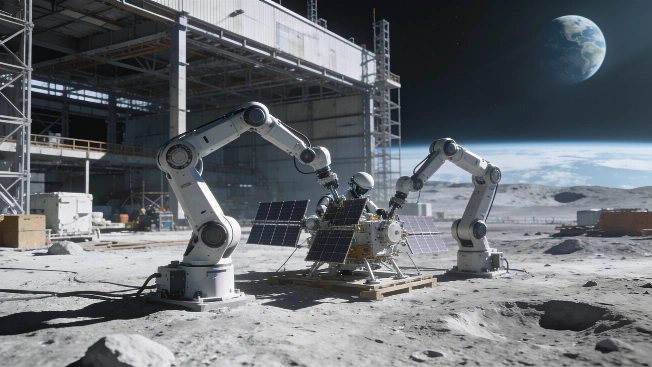
SpaceX Outlines Plan for Robotic Factories on the Moon
SpaceX has detailed its intention to construct automated factories on the lunar surface, where robots would manufacture satellites and basic components. The plan was discussed during the company's first quarterly earnings call as a public company.
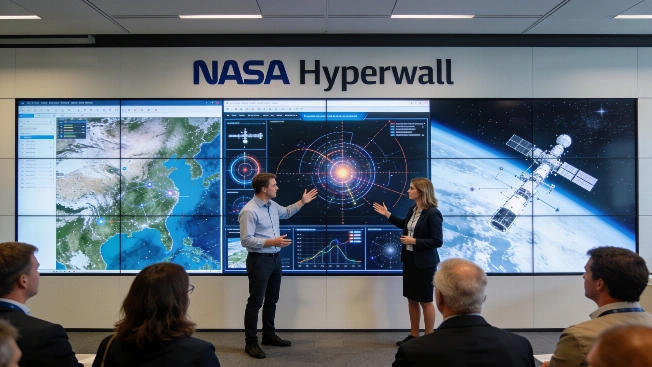
NASA Schedules Hyperwall Science Talks for IGARSS 2026 in Vienna
NASA will present a series of Hyperwall science talks at IGARSS 2026, featuring mission updates and instrument demonstrations from Earth and planetary science experts in the exhibit hall.
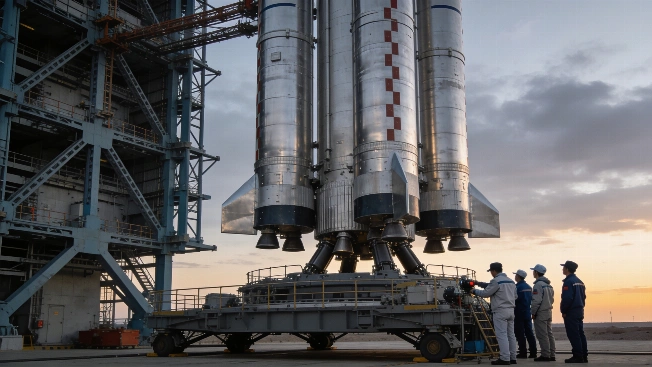
Landspace Schedules Second Zhuque-3 Rocket Landing Attempt for August 10
Chinese launch company Landspace plans another attempt to recover its Zhuque-3 orbital rocket booster, targeting liftoff and a powered landing from Jiuquan spaceport on August 10 after a failed recovery attempt in 2025.
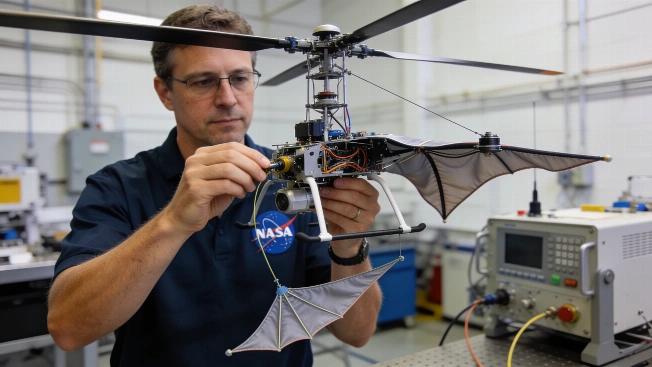
NASA's SkyFall Mars Helicopters to Map Subsurface Ice with Flexible Radar
NASA's upcoming SkyFall mission will deploy three mini helicopters to Mars, each equipped with a lightweight, flexible radar antenna designed to detect shallow subsurface ice deposits inaccessible to orbiting spacecraft.
NASA's IXPE Observes Magnetar and Tests Quantum Vacuum Theory
NASA's IXPE telescope spent over 140 hours observing magnetar 1E 1547-5408, collecting X-ray polarization data that may reveal how empty space behaves in extreme magnetic fields.
NASA Extends Voyager 2 Science With Power-Saving Maneuver
NASA engineers have implemented a new power-management strategy on Voyager 2, allowing the spacecraft to continue collecting scientific data for at least another year as its nuclear power source declines.
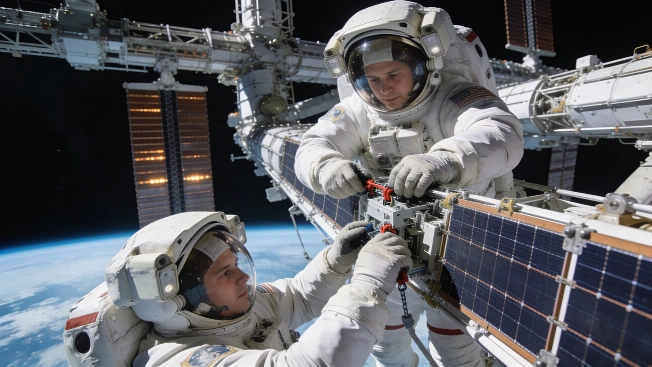
NASA Astronauts Complete Spacewalk to Prepare ISS for Solar Array Upgrade
NASA astronauts Anil Menon and Joshua Kutryk are scheduled to make two spacewalks on October 29 and November 5, 2026, to install the station’s final roll-out solar arrays and complete its power-system upgrades.
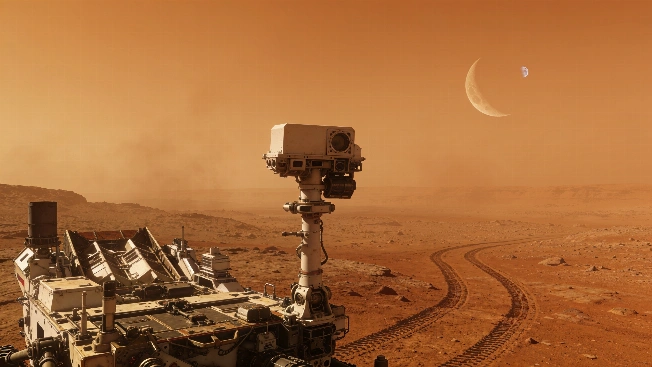
Perseverance Rover Captures Earth Passing Behind Mars' Moon Phobos
NASA's Perseverance rover recorded a rare occultation, imaging Earth as it briefly disappeared behind Mars' innermost moon, Phobos, with its Mastcam-Z camera system.
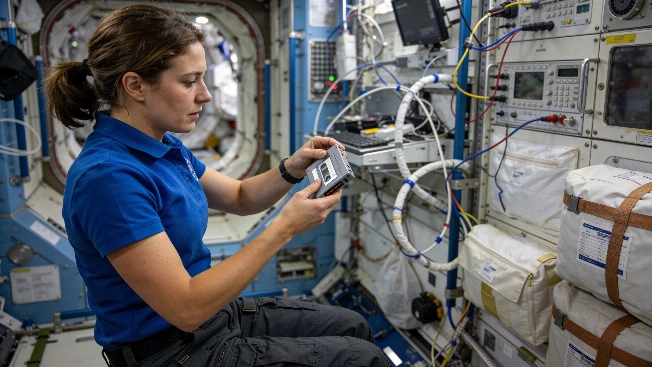
Automated Mini-Labs Expand Space Station Research With Less Crew Time
Redwire's ADvanced Space Experiment Processors (ADSEPs) allow the International Space Station to run complex biological and materials science experiments with minimal astronaut involvement, advancing pharmaceutical and fundamental research in microgravity.
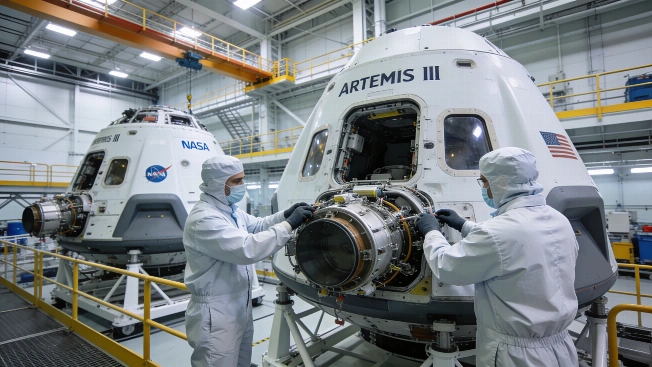
NASA Joins Artemis III Orion Crew and Service Modules for Lunar Mission
Technicians at Kennedy Space Center have integrated the Orion crew and service modules for Artemis III, a basic key stage ahead of the mission to test rendezvous and docking with lunar landing systems in low Earth orbit.
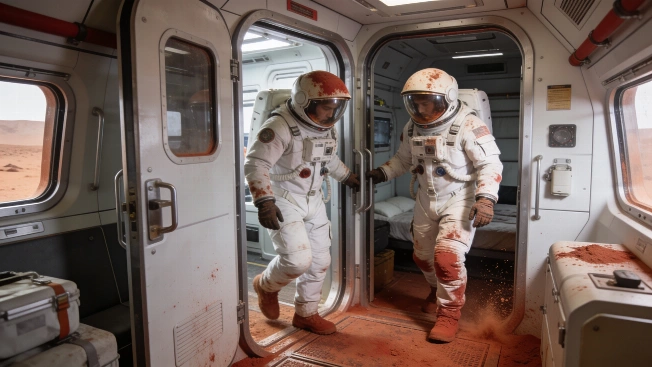
NASA Faces Challenge of Toxic Dust for Future Mars Astronauts
NASA's Martian Dust Limit Working Group has reviewed the health risks posed by Mars dust, which contains carcinogenic silica and heavy metals, and is developing exposure standards and mitigation strategies for future crewed missions.
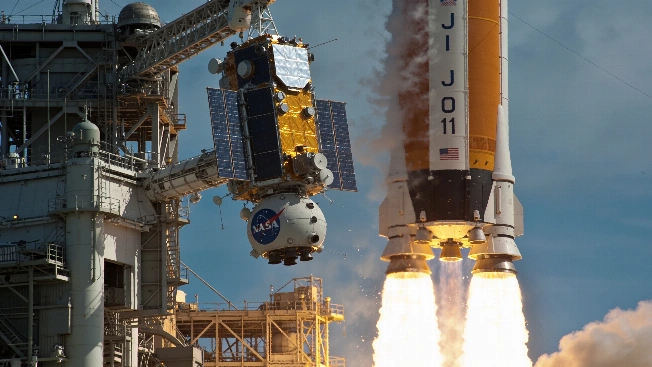
NASA's Juno Mission Transformed Jupiter Science After 2011 Launch
NASA's Juno spacecraft, launched in 2011 aboard an Atlas V rocket, reached Jupiter in 2016 and has since delivered unprecedented data and images, reshaping our understanding of the giant planet's atmosphere, magnetic field, and moons.
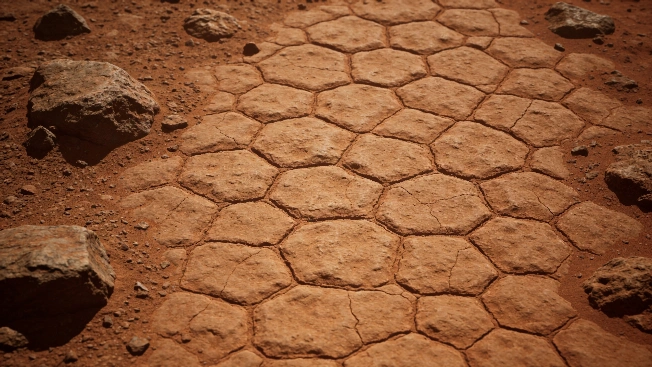
Curiosity Rover Detects Extensive Polygon Patterns in Martian Valley
NASA's Curiosity rover is reported to have imaged a vast field of honeycomb-like polygonal fractures in Mars' Valle Grande, raising questions about the planet's surface processes and past water activity. The available NASA record does not independently confirm the specific observation.
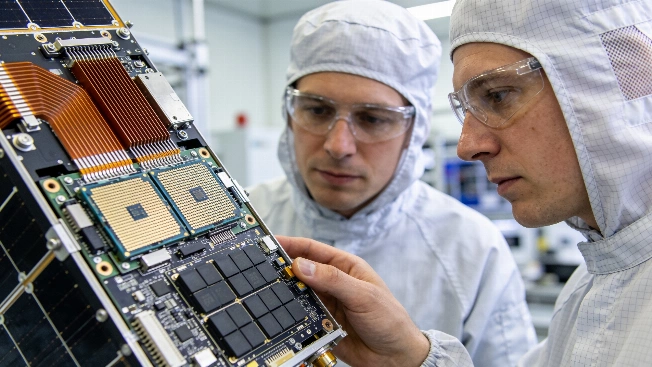
SpaceX and Nvidia Plan Starmind AI1 Satellite for In-Orbit AI Processing
SpaceX and Nvidia are exploring Starmind, a computing architecture for Earth and space built around Nvidia's Vera Rubin NVL72, with a potential large orbital computing network under discussion.
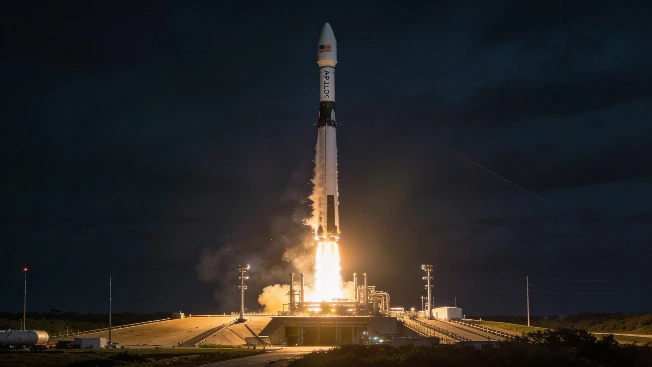
SpaceX Launches Three BlueBird Satellites for Direct-to-Cell Network
A Falcon 9 rocket deployed three AST SpaceMobile BlueBird satellites from Cape Canaveral, expanding a low Earth orbit constellation designed to deliver broadband directly to standard smartphones.
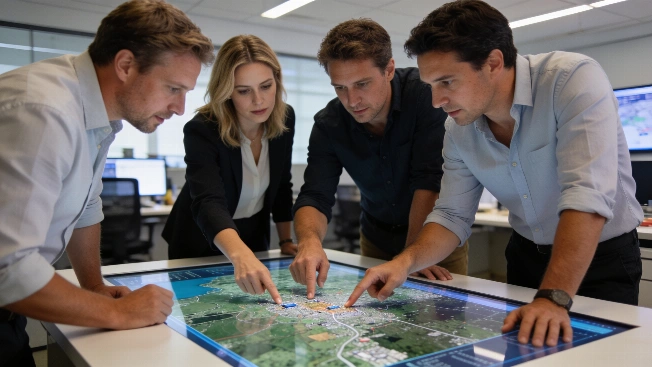
NASA Invites Public to Identify August 2026 Satellite Image
NASA Earth Observatory has released a new satellite image challenge for August 2026, inviting the public to analyze a puzzling landform and submit interpretations based on visible clues and scientific reasoning.
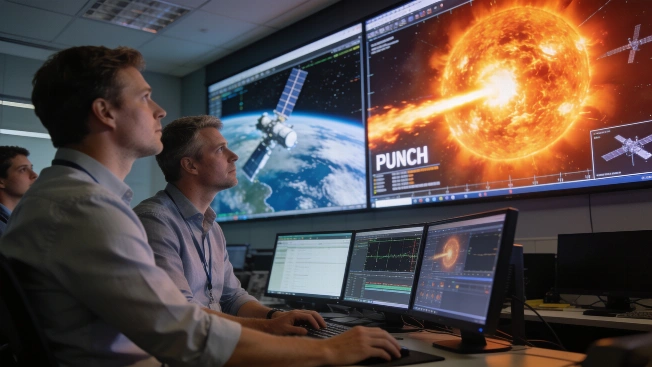
NASA's PUNCH Mission Narrows Solar Storm Arrival Forecasts
NASA's PUNCH mission has enabled scientists to predict the arrival of a solar eruption near Earth to within 30 minutes, using continuous 3D imaging of coronal mass ejections as they travel through the inner solar system.
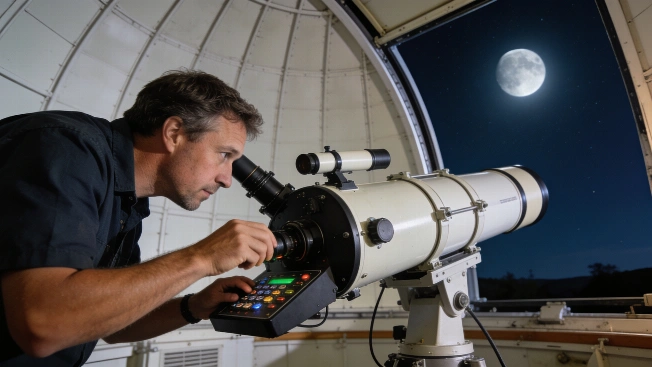
NASA Tracks Falcon 9 Rocket Stage Ahead of Planned Lunar Impact
NASA and SpaceX are monitoring a spent Falcon 9 upper stage expected to strike the Moon near the Einstein and Bell craters, using ground- and space-based telescopes to gather data and refine tracking methods.
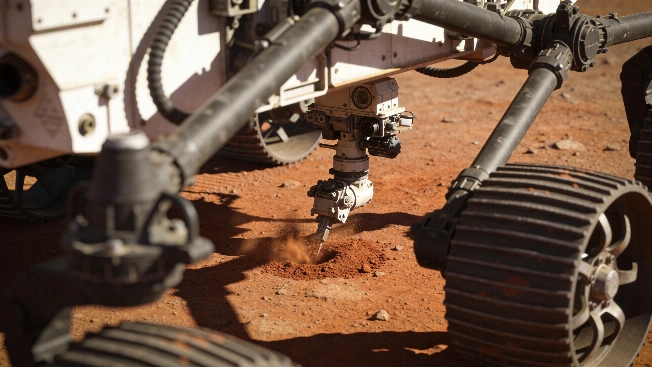
Spirit Rover Data Reveals Widespread Ancient Water Activity on Mars
A new analysis of NASA's Spirit rover data has identified crystalline hematite and altered magnetite in Martian soil, supporting the view that liquid water once shaped large regions of Mars
Part 6 of 9