
Space Exploration - Part 3
286 reports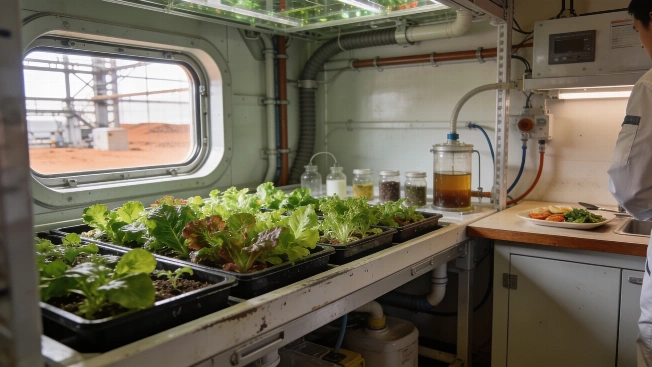
NASA Picks Mars Food Systems Built for Long Surface Missions
NASA has awarded five teams a combined $650,000 for proposed food systems designed to support 15 astronauts across 500 Martian sols while reducing dependence on meals shipped from Earth.
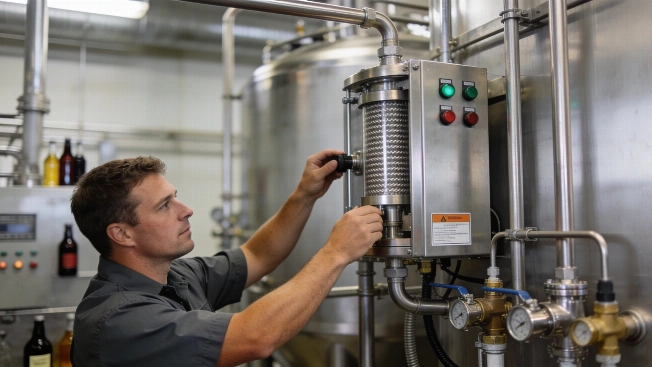
Mars Resource Technology Gives Breweries a Carbon Lifeline
A carbon-capture system designed for future Mars resource harvesting is now helping breweries and other industries recover and purify carbon dioxide amid shortages and volatile supply.
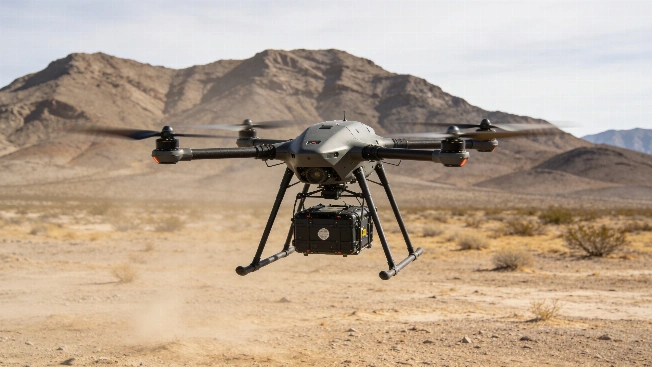
NASA Tests SPLICE for Precision Landings on the Moon
NASA's SPLICE system has completed simulated lunar descent and landing maneuvers aboard an Alta-X drone near Armstrong Flight Research Center, testing navigation designed for difficult lunar and planetary terrain.
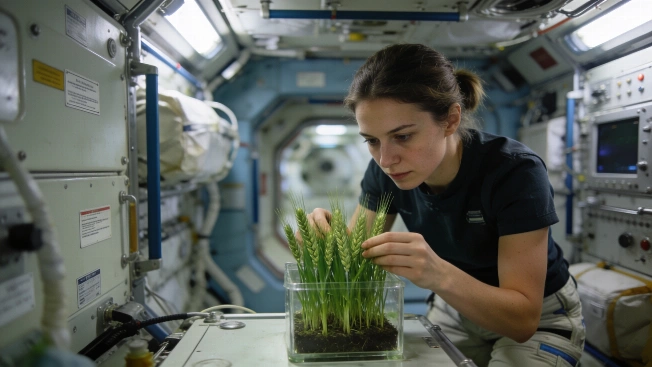
Shannon Lucid Set a Human Spaceflight Record on Mir
Shannon Lucid spent 188 days aboard Russia's Mir, tending life-science experiments and helping NASA understand the human demands of long-duration spaceflight, from station operations to life across cultures.
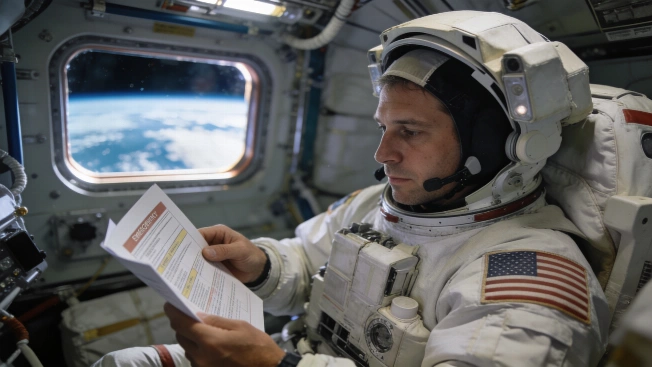
NASA Astronaut Anil Menon Will Answer New Hampshire Student Questions
A live NASA stream will carry prerecorded STEM questions from New Hampshire students to astronaut Anil Menon aboard the International Space Station on Thursday, Sept. 24, 2026, offering students a direct view of science and space careers in orbit.
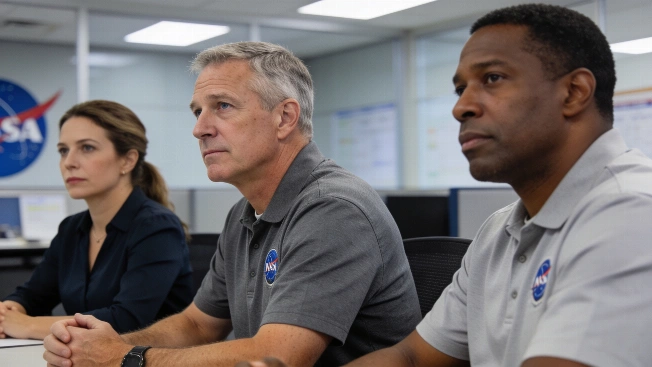
NASA Builds State Hubs for the Aerospace Workforce
NASA has launched a nationwide workforce initiative, establishing seven State Hubs across the United States to connect students with aerospace skills and practical training, including credentials.
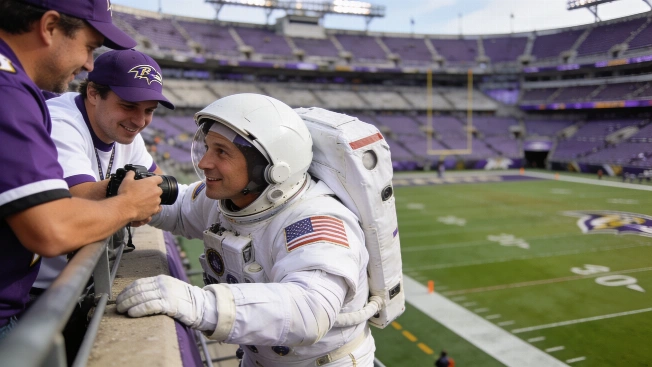
Reid Wiseman Brings Artemis II to Baltimore Ravens Fans
Artemis II commander Reid Wiseman returned to his Baltimore roots at M&T Bank Stadium on Sept. 20, 2026, as NASA used the Ravens-Saints game to bring space exploration closer to local fans.
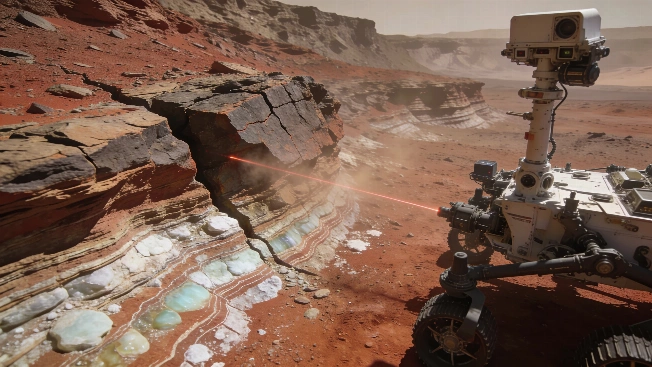
Perseverance Finds Three Water Episodes in Ancient Mars Rocks
Perseverance has analyzed igneous rocks in Mars' Jezero Crater that record at least three separate interactions with water, including a later episode involving heated underground fluids.
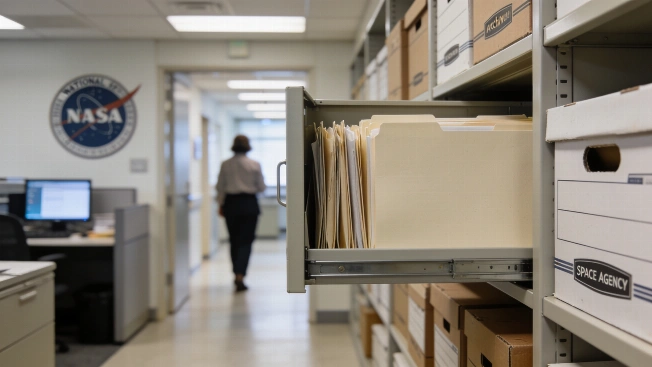
NASA Archive Maps Seven Years of Widely Attended Space Events
NASA's Widely Attended Gatherings archive brings together event determinations from 2020 through 2026, covering launches and awards dinners alongside policy meetings and industry receptions. It also shows why administrative records must be distinguished from scientific evidence.
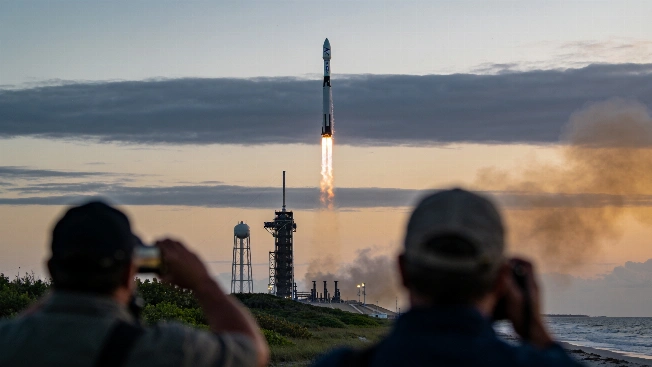
NASA Adds Three SpaceX Crew Flights Through 2030
NASA has added $946 million for SpaceX's Crew-15, Crew-16, and Crew-17 missions, raising the company's total number of Commercial Crew missions to 17 and its contract value to $5.92 billion. The decision secures transportation and lifeboat services through 2030 as NASA evaluates schedule pressures, Dragon inspections, and the future role of Boeing's Starliner.
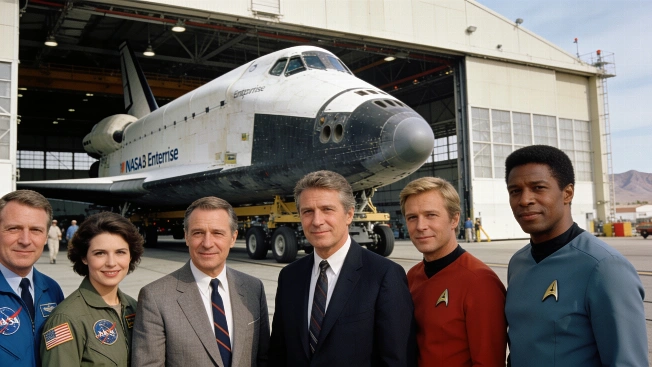
NASA's Enterprise Shuttle: How a Test Vehicle and Star Trek Fans Shaped the Shuttle Era
On September 17, 1976, NASA introduced its first space shuttle orbiter, OV-101. Named Enterprise after a wave of public support, the vehicle became basic to early shuttle flight tests and helped set the stage for the program's future.
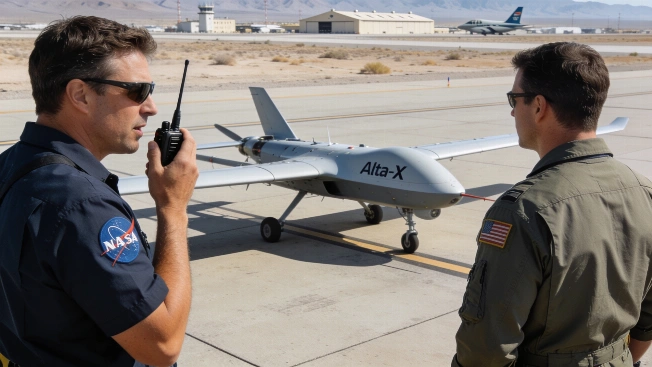
NASA tests new Moon and Mars landing system at Armstrong flight lab
NASA's Dale Reed Subscale Flight Research Laboratory is testing the SPLICE guidance system on the Alta-X drone to improve hazard detection and precision landing for future Moon and Mars missions.
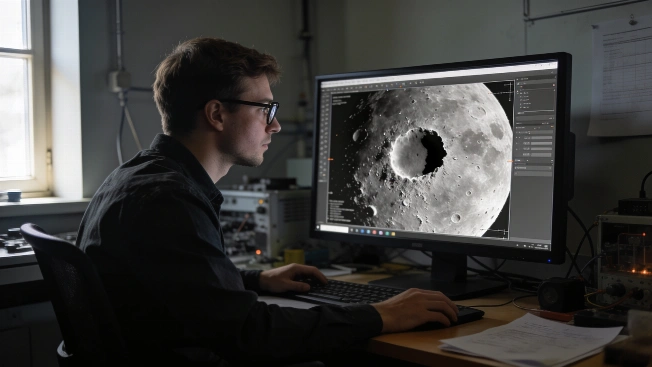
NASA orbiter spots largest new lunar crater in a century
NASA's Lunar Reconnaissance Orbiter has found a 728-foot-wide impact crater on the Moon's eastern limb, created between April and May 2024 by a building-sized asteroid or comet. The discovery gives scientists a rare look at how the lunar surface changes after a major collision.
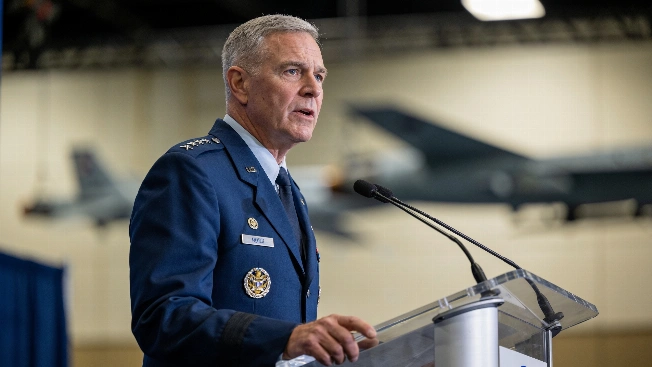
US military expands defense planning from ocean floor to lunar orbit
The US military's top officer says future conflicts could extend from the seafloor to the Moon's orbit, as the Space Force openly acknowledges operating defensive weapons in space for the first time.
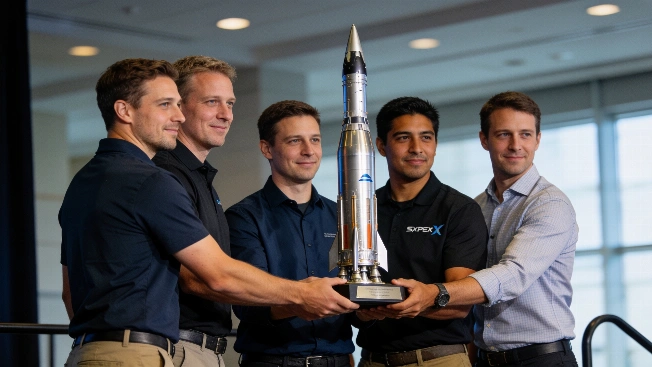
SpaceX Falcon 9 landing team wins Neil Armstrong Space Prize
SpaceX's Falcon 9 booster landing team has received the first Neil Armstrong Space Prize, recognizing its work in making large-scale rocket reuse routine and changing the economics of space launches.
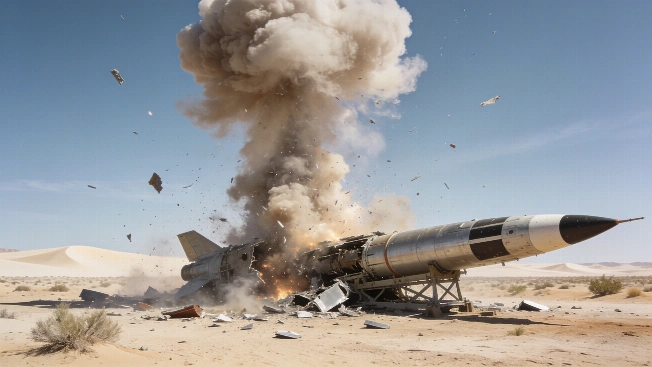
V-2 Rocket Explosion Cut Albert III's Spaceflight Short
A V-2 rocket carrying the monkey Albert III exploded seconds after launch in 1949, exposing the dangers of early animal spaceflight and the technical limits of postwar rocketry.
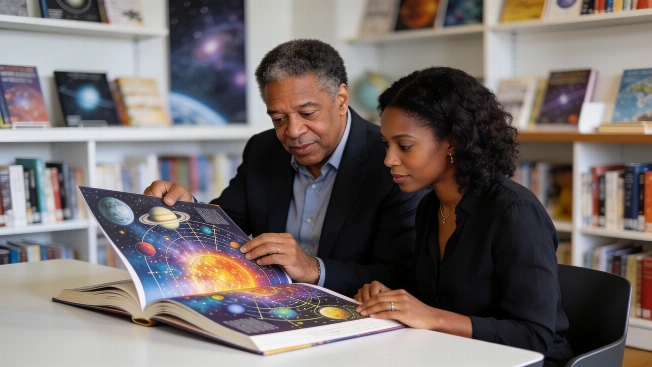
Neil deGrasse Tyson releases Lost in Space, a new encyclopedia of the cosmos
Neil deGrasse Tyson and Lindsey Nyx Walker introduce Lost in Space, a 400-page National Geographic encyclopedia with thousands of facts, illustrated profiles of planets and telescopes, and coverage of cosmic phenomena.
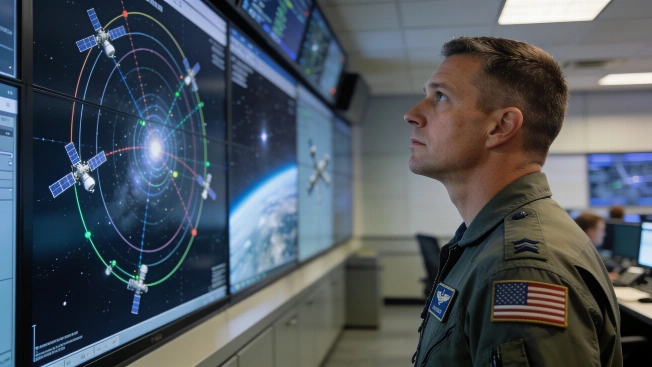
US Confirms Deployment of Space-Based Weapons Amid Treaty Concerns
The US Air Force has acknowledged that operational space control weapons are in Earth orbit, renewing scrutiny of international agreements and the risk of an orbital arms race.
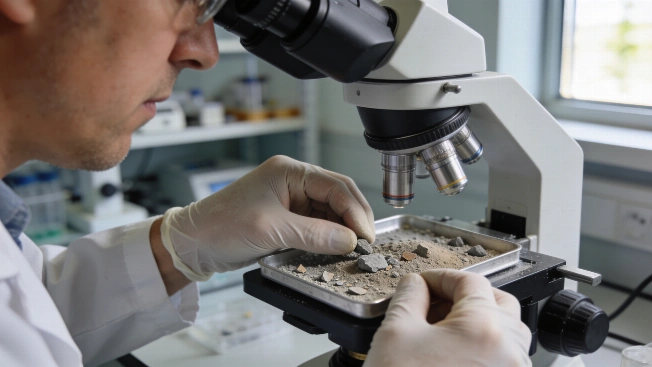
Researchers suggest searching the Moon for alien technology fragments
A new study proposes that tiny fragments of ancient alien technology may be preserved on the Moon's surface. The authors outline how future lunar samples and advanced analysis could help search for these microscopic technosignatures.
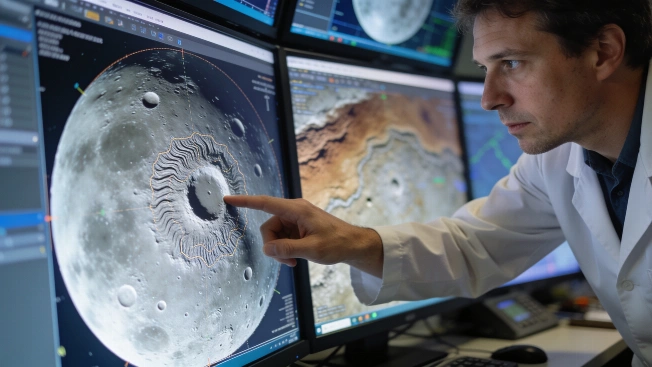
Mercury's Surface Hides Evidence of Greater Planetary Shrinkage
A new study using NASA MESSENGER data finds that Mercury may have shrunk by up to 30 percent more than earlier models indicated, with impact debris masking the true scale of the planet's contraction.
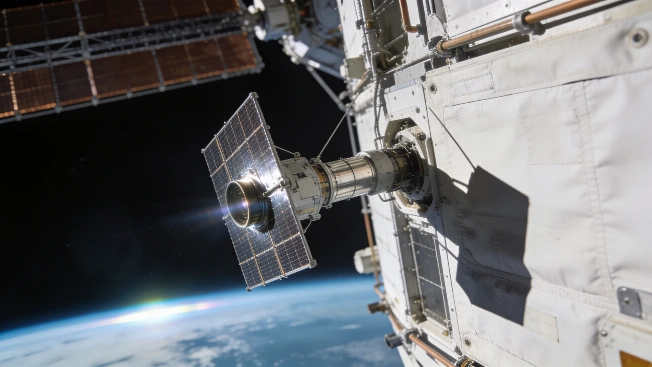
New sensor concept aims to reveal hidden nuclear weapons in orbit
A proposed satellite-based detector could identify nuclear warheads concealed on spacecraft by measuring neutron emissions, offering the first practical method to verify the decades-old ban on nuclear arms in space
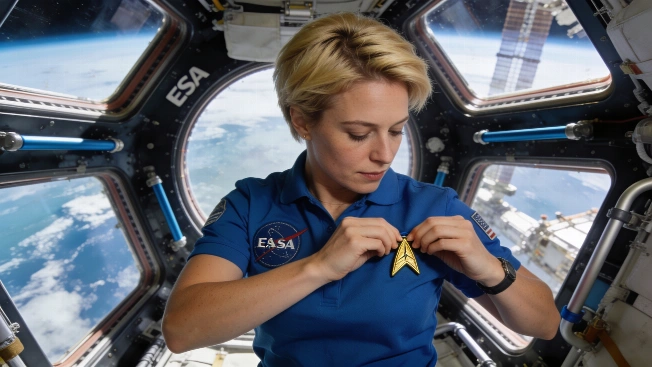
ESA astronaut honors Star Trek legacy aboard International Space Station
ESA astronaut Sophie Adenot marked Star Trek's 60th anniversary by wearing a Starfleet badge aboard the International Space Station, highlighting the show's influence on real-world space exploration and international scientific cooperation.
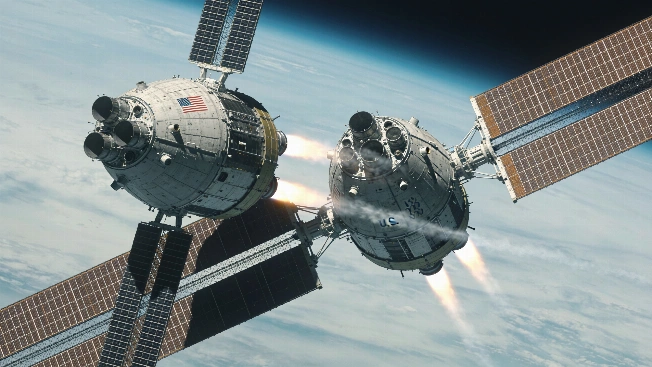
US Space Command simulates orbital maneuvers in live satellite exercise
US Space Command has conducted its first live orbital maneuver exercise, using satellites to simulate close-approach operations and test military tactics for potential conflict in Earth orbit.
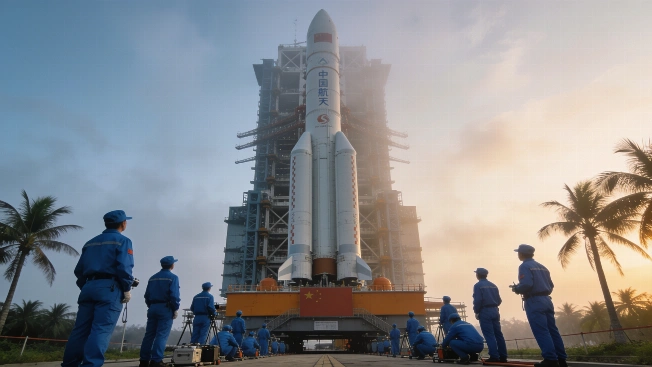
China Targets 2028 Launch for Mars Sample Return Mission
China's Tianwen 3 mission is advancing toward a 2028 launch window, with plans to return Martian surface samples to Earth by 2031 using a multi-stage spacecraft and strict planetary protection protocols
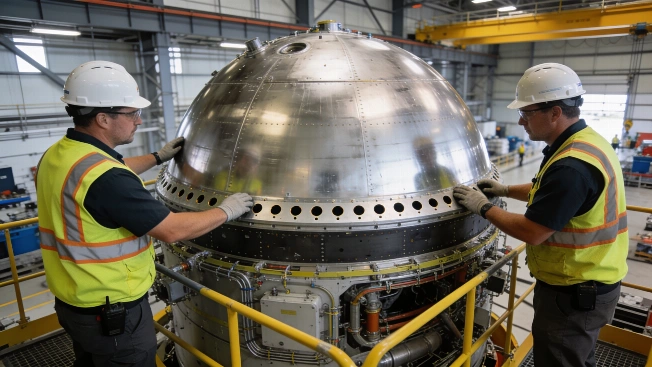
Stoke Space Secures Major Funding for Fully Reusable Nova Rocket Program
Stoke Space has raised $1 billion to advance its Nova Pathfinder and Nova Block 2 rockets, both designed for full reusability and high payload capacity to low Earth orbit, with the first orbital launch targeted for early 2027.
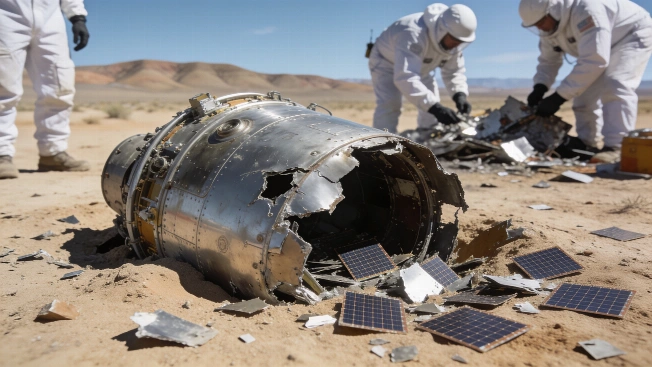
Genesis Sample Capsule Carash Exposed a Critical Spacecraft Design Flaw
NASA's Genesis mission was designed to return solar wind samples from deep space, but its capsule shattered in the Utah desert after a parachute system failure. The crash prompted a fresh examination of spacecraft safety and sample-recovery methods.
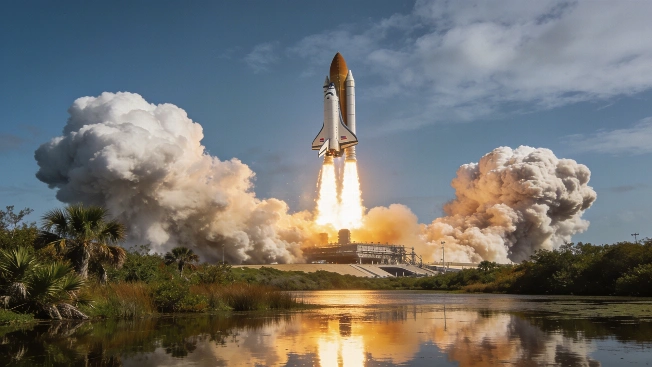
NASA's 100th Astronaut Flight Tested Space Station Assembly in Orbit
NASA's space shuttle Endeavour launched the STS-69 mission on September 7, 1995, where the crew tested International Space Station assembly techniques during a spacewalk and deployed and retrieved two satellites
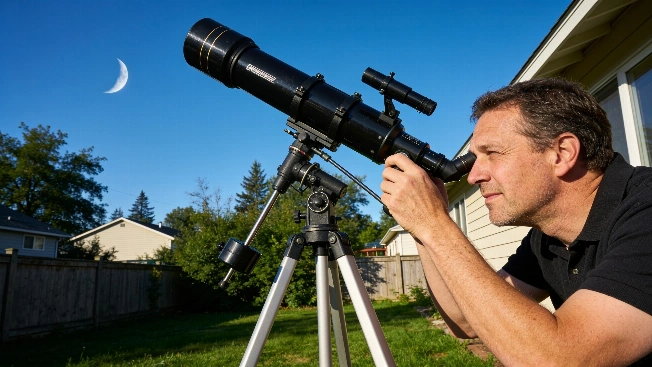
Crescent Moon to Occult Jupiter in Rare Daytime Event
A rare daytime occultation will see the Moon pass in front of Jupiter on September 8, with the best viewing opportunities in North America. Observers will need careful planning and optical aid to catch the event in daylight.
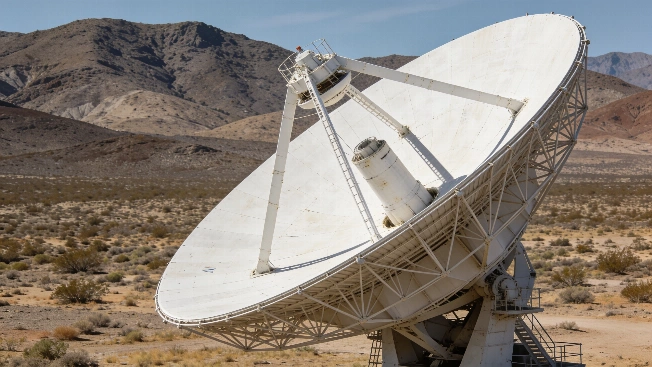
NASA adds new Goldstone antenna to expand deep space communications
NASA has activated a new 34-meter antenna at Goldstone to increase the Deep Space Network's capacity as Artemis and other missions strain existing communications infrastructure.
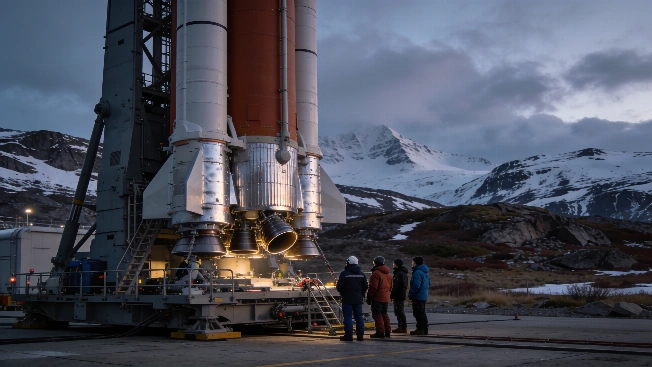
German Spectrum Rocket Achieves First Orbital Launch from Europe
Isar Aerospace's Spectrum rocket has become the first vehicle to reach orbit from a Western European launch site after a successful mission from Andøya Space Center in Norway that deployed multiple payloads.
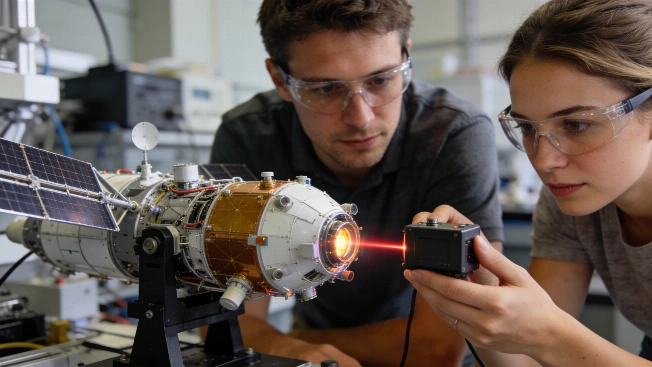
NASA tests Slingshot spacecraft concept for mineral mapping beyond Earth
A NASA-funded study is evaluating whether a small spacecraft using Raman spectroscopy could remotely identify minerals on the Moon, asteroids, and Martian moons, potentially transforming how resources are surveyed before future missions
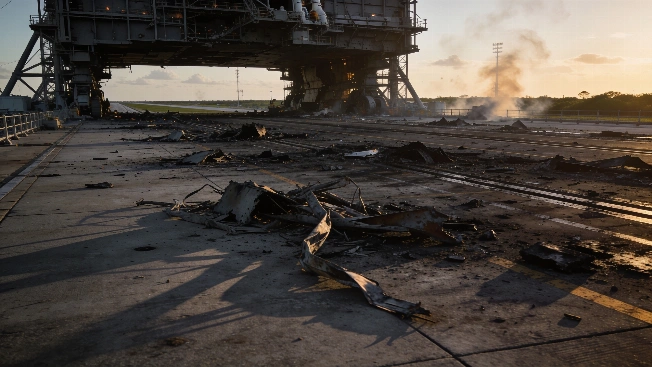
Blue Origin rocket blast detected over 1600 kilometers from Cape Canaveral
A Blue Origin New Glenn rocket explosion at Cape Canaveral produced infrasound waves detected more than 1600 kilometers away. Researchers used specialized sensors to estimate the blast's energy and assess its impact on launch operations and future missions.
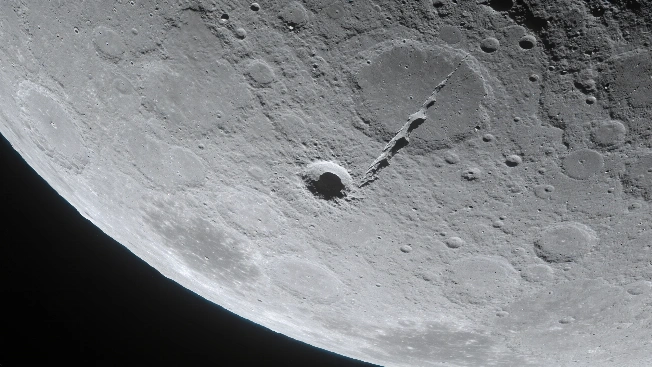
SMART-1's Controlled Lunar Crash Changed How Spacecraft Reach the Moon
Europe's SMART-1 probe ended its mission with a deliberate impact on the Moon, testing solar electric propulsion while gathering data on lunar geology. The engineered crash offered new understanding into impact processes and spacecraft design limits.
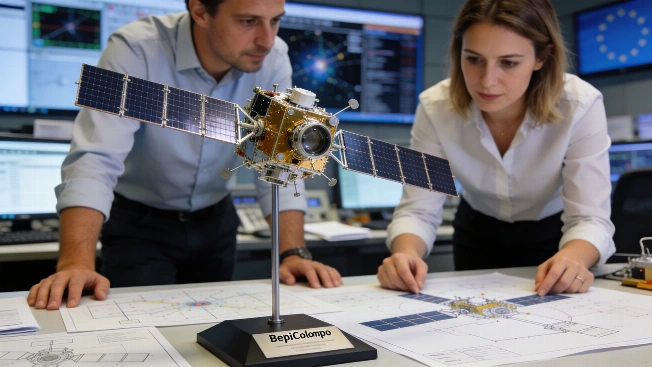
BepiColombo Prepares for Dual Mercury Orbit as Separation Nears
After nearly eight years in transit, ESA and JAXA's BepiColombo mission is set to split into two orbiters at Mercury. Coordinated observations will examine the planet's surface and magnetic field while seeking answers about its formation.
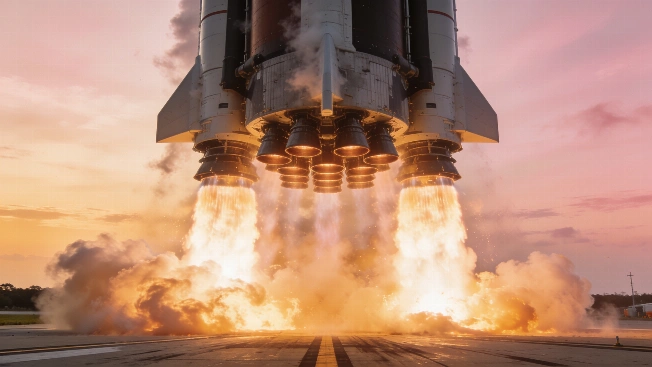
Falcon Heavy Launches NASA's Roman Telescope Toward Deep Space Science
SpaceX's Falcon Heavy rocket has launched NASA's Nancy Grace Roman Space Telescope, sending the observatory on a million-mile journey to its operational orbit beyond Earth.
Part 3 of 9