
International Space Missions
66 reportsData sharing agreements and mission governance connect the immediate finding with its wider evidence base. The account examines how costs are allocated and which agencies participate, distinguishing a planned capability from one verified after deployment.
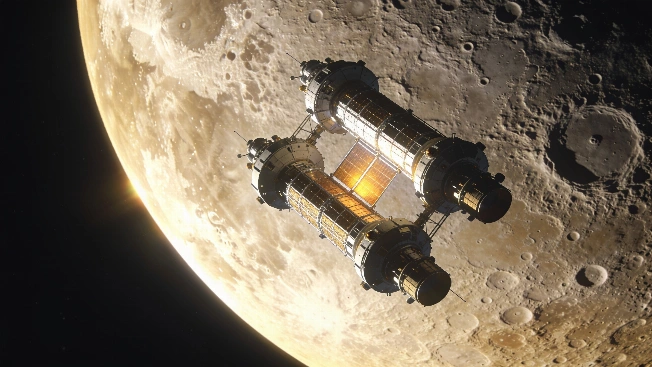
BepiColombo Reaches Mercury Orbit After Software Glitch
A thruster shutdown sent the spacecraft into safe mode during orbit insertion, but ESA reported BepiColombo safe in a stable Mercury orbit. Its two orbiters are due to separate in December before science operations begin in April 2027
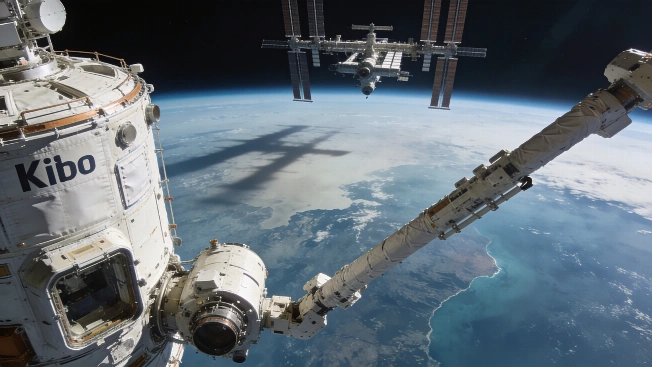
Expedition 74 Crew to Share Station Mission at Houston Event
The Houston program will feature mission highlights and an awards ceremony at the Johnson Space Center visitor center. Media interview requests are due to the JSC Newsroom by 5 p.m. Nov. 16
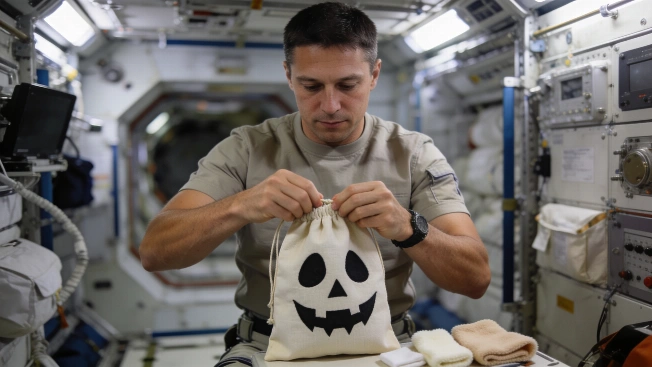
Halloween Takes a Creative Turn Aboard the Space Station
Expedition crews have marked Halloween with improvised outfits and cards aboard the orbiting laboratory. Photos from 2009 through 2025 show how available station materials and playful character ideas found a place in life in orbit
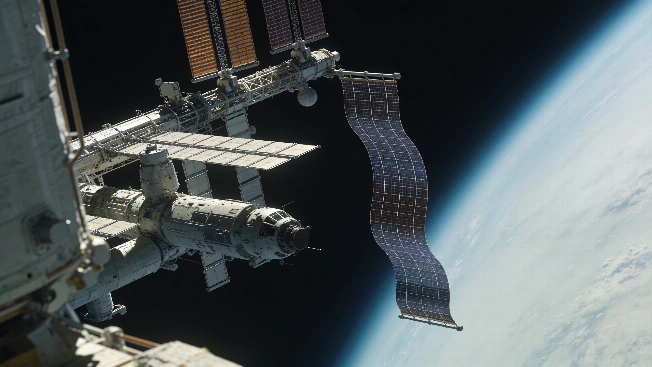
Space Station Solar Upgrade Will Add More Than 160 kW
A compact array unfolds after installation outside the International Space Station. NASA says the completed eight-array upgrade will add more than 160 kW of power for the orbiting laboratory’s research and operations.
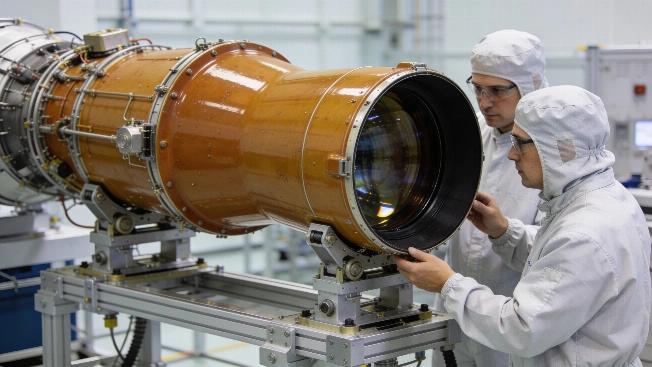
LISA Telescope Reaches Final Test Before Flight Hardware
NASA has commissioned L3Harris Technologies to build an engineering test telescope for LISA. The all-glass unit will test the design before production of hardware for the mission planned for the mid-2030s, while ESA advances the broader observatory toward its planned 2035 launch.
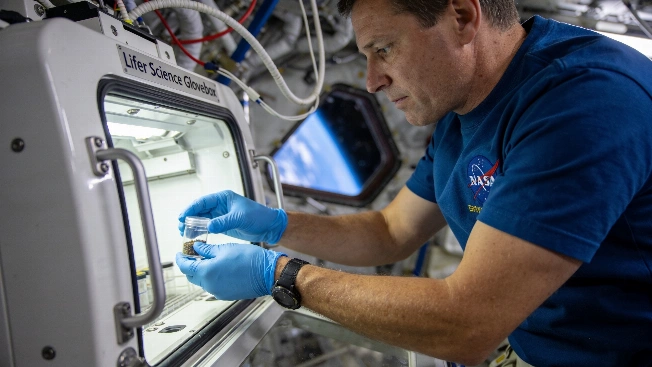
Crew-12 Heads Home After 235 Days of Science in Orbit
NASA's SpaceX Crew-12 is preparing to leave the International Space Station after a 235-day mission investigating quantum systems, living tissue, microbes, materials and medical supplies, with undocking possible as early as October 5, 2026.
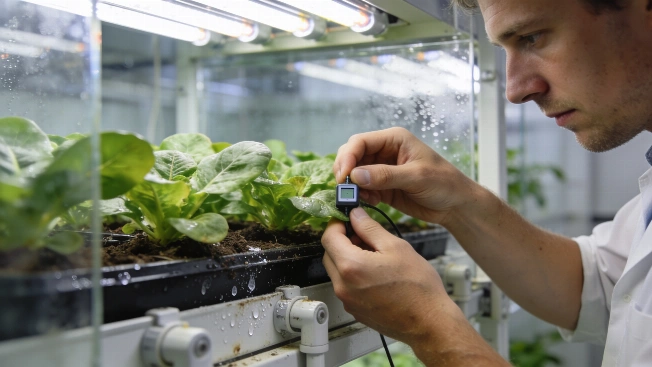
NASA Partners Prepare Ground Tests for Crops on the Moon
NASA, the Canadian Space Agency, and the German Aerospace Center are coordinating preparatory work on an Earth-based lunar agriculture demonstrator designed to test crop production and resource recycling for longer missions.
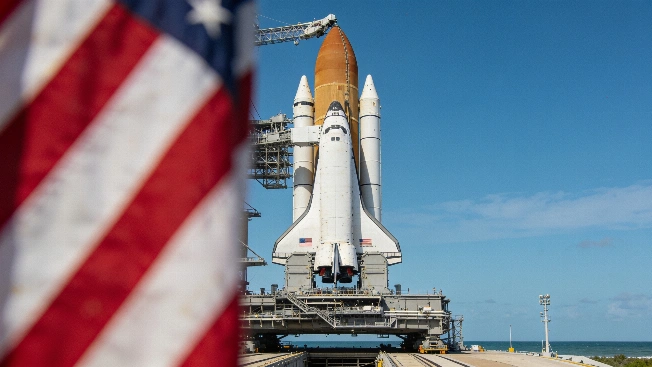
Crew-13 Falcon 9 Stands Ready for Its October Launch
A Falcon 9 rocket and Dragon spacecraft stand vertical at Space Launch Complex 40 ahead of NASA's Crew-13 mission, which is scheduled to carry four international crew members to the International Space Station.
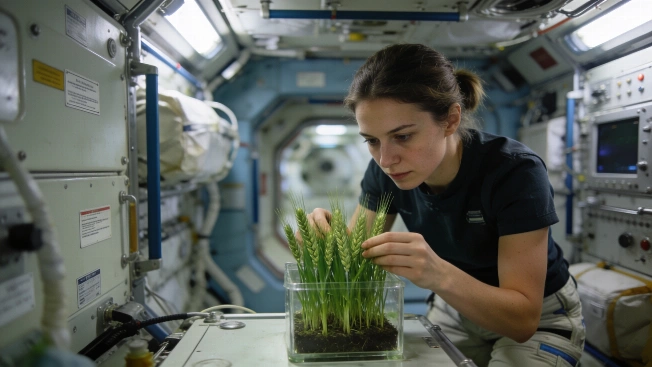
Shannon Lucid Set a Human Spaceflight Record on Mir
Shannon Lucid spent 188 days aboard Russia's Mir, tending life-science experiments and helping NASA understand the human demands of long-duration spaceflight, from station operations to life across cultures.
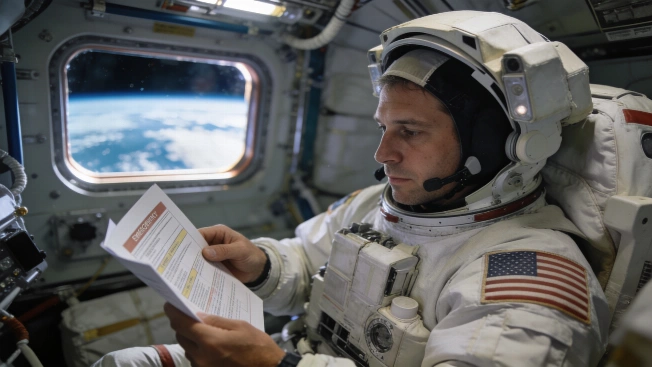
NASA Astronaut Anil Menon Will Answer New Hampshire Student Questions
A live NASA stream will carry prerecorded STEM questions from New Hampshire students to astronaut Anil Menon aboard the International Space Station on Thursday, Sept. 24, 2026, offering students a direct view of science and space careers in orbit.
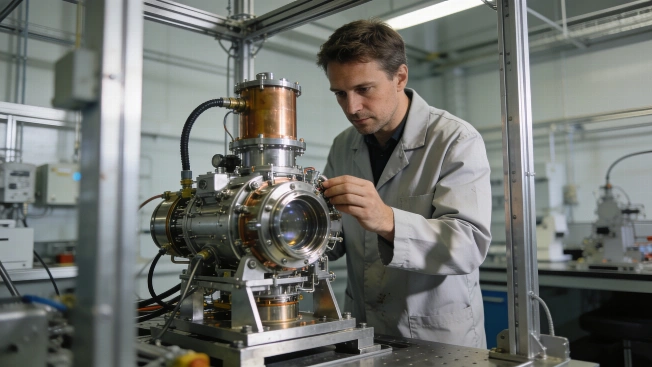
XRISM Tracks Stellar Wind Falling Onto a Pulsar
XRISM has traced iron-rich plasma moving toward the pulsar GX 301-2 at about 540,000 kph, providing spectroscopic evidence that a neutron star captures its giant companion's stellar wind and powers recurring X-ray flares.
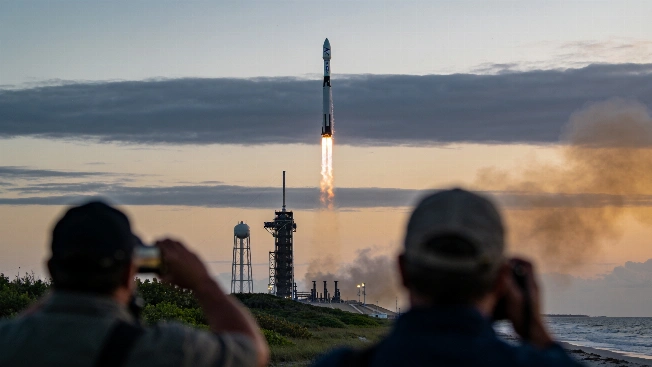
NASA Adds Three SpaceX Crew Flights Through 2030
NASA has added $946 million for SpaceX's Crew-15, Crew-16, and Crew-17 missions, raising the company's total number of Commercial Crew missions to 17 and its contract value to $5.92 billion. The decision secures transportation and lifeboat services through 2030 as NASA evaluates schedule pressures, Dragon inspections, and the future role of Boeing's Starliner.
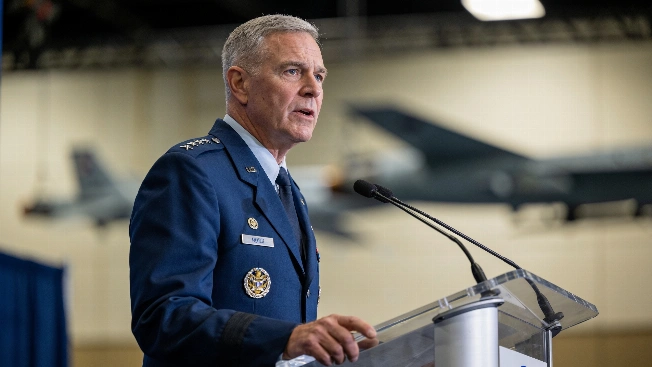
US military expands defense planning from ocean floor to lunar orbit
The US military's top officer says future conflicts could extend from the seafloor to the Moon's orbit, as the Space Force openly acknowledges operating defensive weapons in space for the first time.
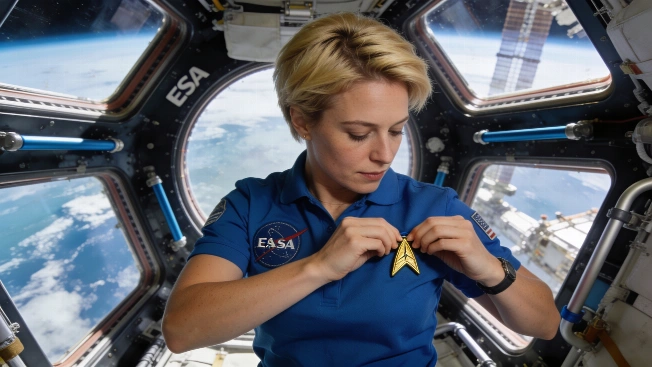
ESA astronaut honors Star Trek legacy aboard International Space Station
ESA astronaut Sophie Adenot marked Star Trek's 60th anniversary by wearing a Starfleet badge aboard the International Space Station, highlighting the show's influence on real-world space exploration and international scientific cooperation.
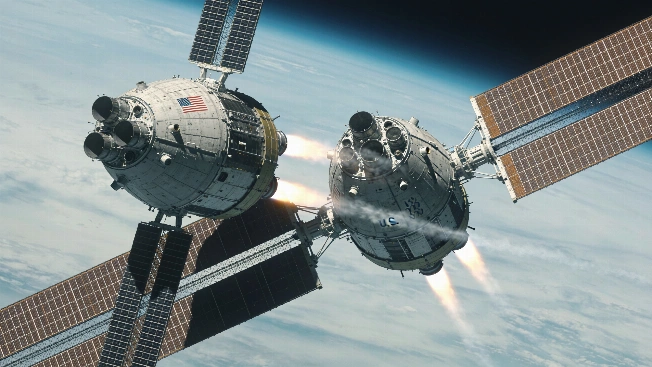
US Space Command simulates orbital maneuvers in live satellite exercise
US Space Command has conducted its first live orbital maneuver exercise, using satellites to simulate close-approach operations and test military tactics for potential conflict in Earth orbit.
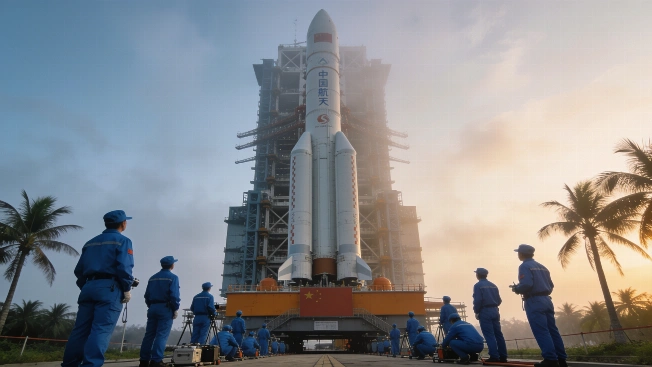
China Targets 2028 Launch for Mars Sample Return Mission
China's Tianwen 3 mission is advancing toward a 2028 launch window, with plans to return Martian surface samples to Earth by 2031 using a multi-stage spacecraft and strict planetary protection protocols
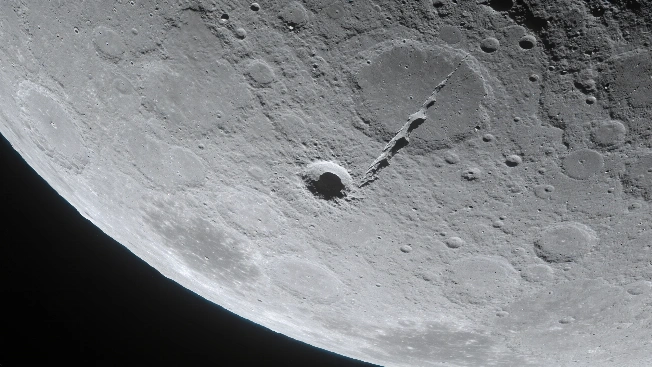
SMART-1's Controlled Lunar Crash Changed How Spacecraft Reach the Moon
Europe's SMART-1 probe ended its mission with a deliberate impact on the Moon, testing solar electric propulsion while gathering data on lunar geology. The engineered crash offered new understanding into impact processes and spacecraft design limits.
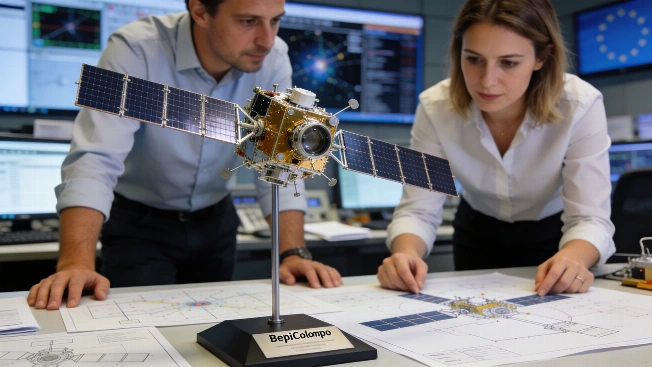
BepiColombo Prepares for Dual Mercury Orbit as Separation Nears
After nearly eight years in transit, ESA and JAXA's BepiColombo mission is set to split into two orbiters at Mercury. Coordinated observations will examine the planet's surface and magnetic field while seeking answers about its formation.
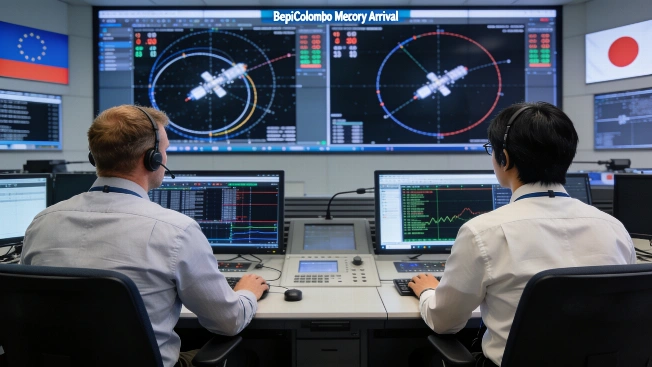
BepiColombo Prepares for Critical Mercury Arrival Maneuver
ESA and JAXA's BepiColombo spacecraft will soon separate its orbiters for Mercury capture, a major phase in the mission's multi-year journey to study the planet's surface and magnetic environment.
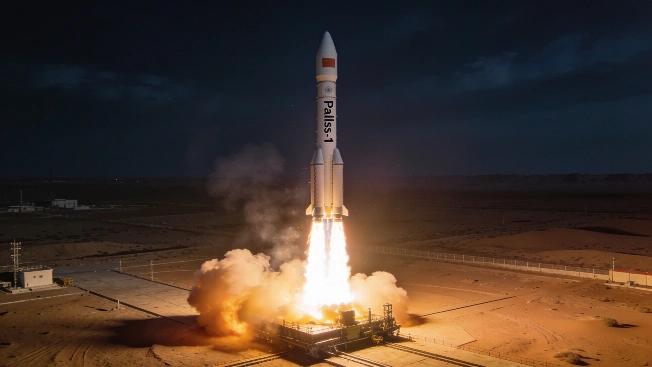
China's Pallas-1 Rocket Achieves Orbit in Reusable Launcher Test
Galactic Energy's Pallas-1 rocket reached orbit on its debut flight from Jiuquan, marking a technical basic stage for China's private launch sector. The mission did not attempt a first-stage landing, but aims for reusability on future flights.
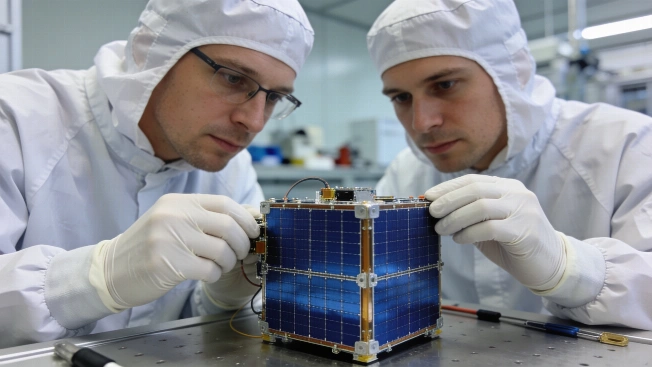
Fermi Explorer Mission Targets 2029 Launch Toward Alpha Centauri
A nonprofit group aims to send a low-cost probe to Alpha Centauri by 2029, marking the first directed interstellar mission. The journey would last 80,000 years, raising new questions about the feasibility and purpose of such long-term exploration.
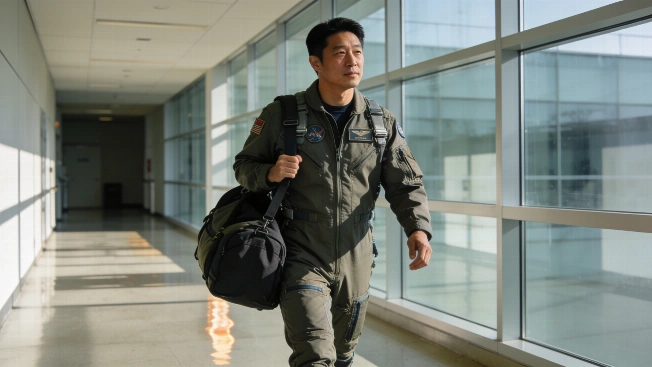
NASA Astronaut Jonny Kim Departs Agency to Resume Naval Aviation Career
NASA astronaut Jonny Kim, a Harvard-trained physician and Navy SEAL, is leaving the agency after nine years and one mission to the International Space Station to return to active duty in naval aviation training.
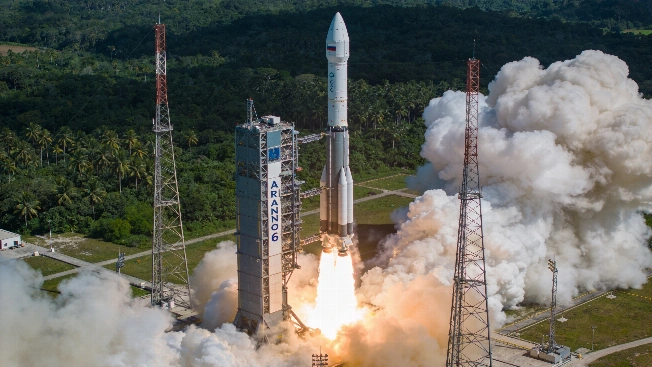
Ariane 6 Launches Final Meteosat Third Generation Weather Satellite
Europe's Ariane 6 rocket has launched the MTG-I2 satellite, completing the Meteosat Third Generation constellation for advanced weather monitoring from geostationary orbit.
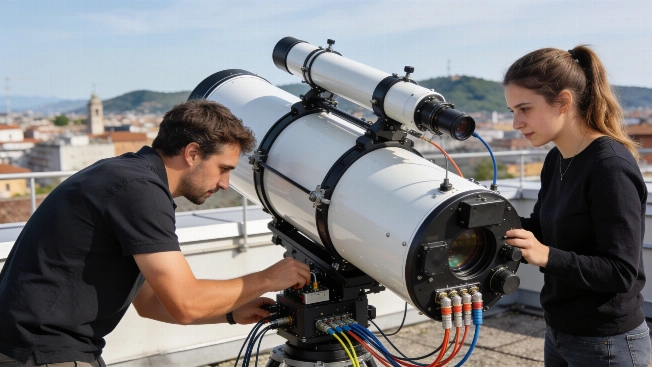
Field Test Links Quantum Key Distribution Over 18 km Free-Space Channel
A team in Italy has demonstrated real-time quantum key distribution over an 18-kilometer free-space link, using room-temperature detectors and adaptive optics to counter atmospheric turbulence and couple the signal into standard fiber.
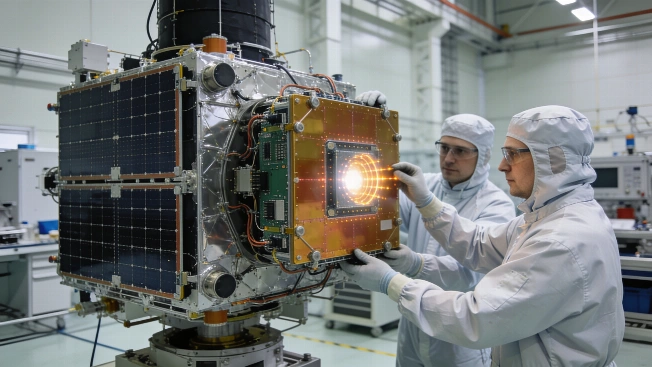
Ares Shield to Equip Lonestar Satellites With Microwave Defense Modules
Florida-based Lonestar Data Holdings has signed a contract with Polish startup Ares Shield to supply high-power microwave defense systems for its planned orbital data centers, aiming to counter satellite threats without generating space debris.
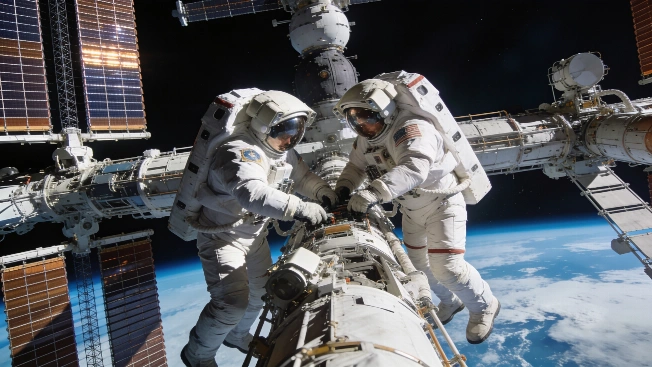
ISS Spacewalk Removes Failed Antenna but Leaves Replacement Unfinished
ESA astronaut Sophie Adenot and NASA astronaut Anil Menon spent more than six hours outside the International Space Station on August 18, 2026, removing a malfunctioning antenna during a technically demanding extravehicular activity.
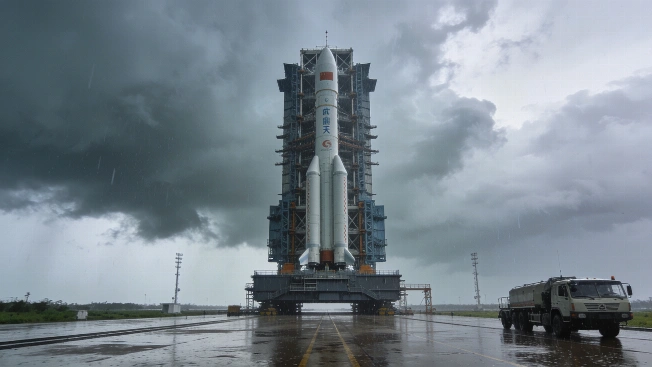
China Delays Chang'e 7 Moon South Pole Launch Amid Severe Weather
China's Chang'e 7 lunar mission, designed to search for water ice near the Moon's south pole, has been postponed as a tropical depression threatens the Hainan launch site. The new launch window remains uncertain.
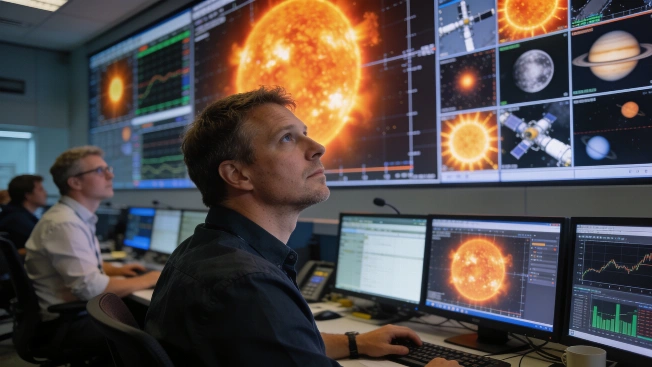
Seventeen Spacecraft Reveal Asymmetric Structure in Solar Ejection
A coronal mass ejection observed in December 2024 was tracked by 17 spacecraft across the solar system, revealing an unexpected double-lobed structure and a marked speed difference between its components
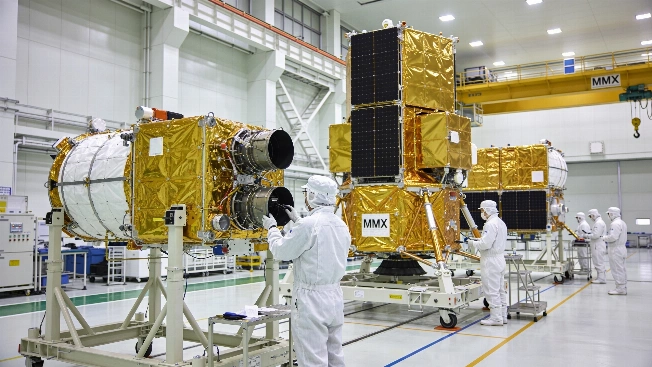
Japan Prepares MMX Spacecraft for Mars Moon Sample Return Launch
Japan has unveiled its MMX spacecraft, scheduled to launch on October 19, 2026, to collect and return samples from Mars' moon Phobos. The mission will test sample-return technology and address basic questions about the origins of Mars' moons.
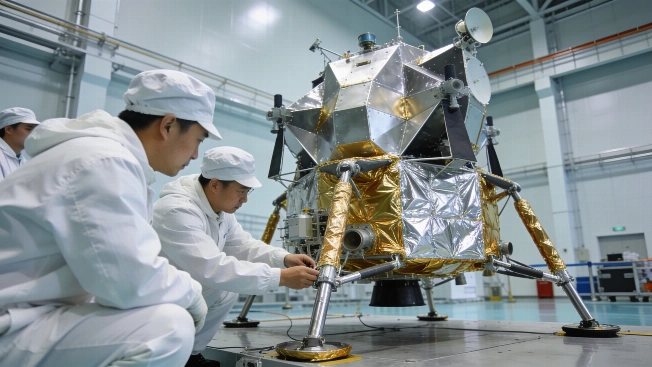
China Prepares Chang'e 7 for Complex Lunar South Pole Mission
China's Chang'e 7, now expected to launch in 2027 after a 2026 postponement, will send an orbiter and lander, plus a rover and hopper, to investigate the Moon's south pole, targeting water ice and testing new navigation and international science payloads.
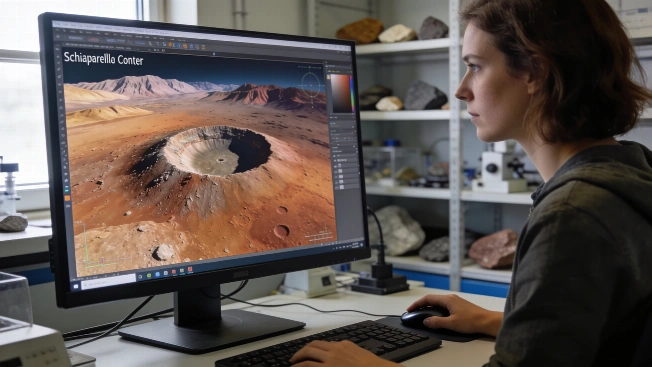
Mars Express Reveals Detailed 3D View of Schiaparelli Crater
ESA's Mars Express orbiter has produced a new high-resolution 3D visualization of Schiaparelli Crater and the Southern Highlands, offering fresh understanding into ancient Martian water activity and surface evolution.
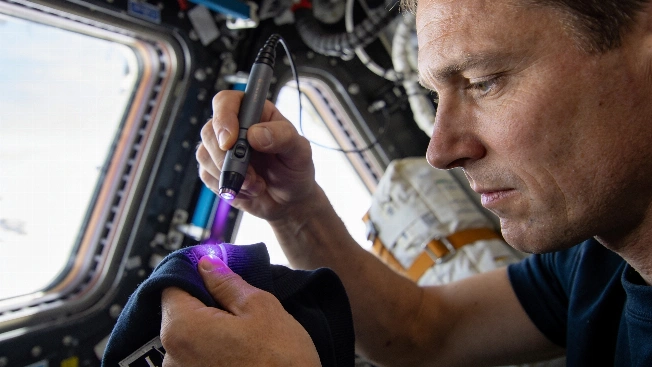
Plasma Laundry Gun Tested for Astronaut Clothing on Long-Duration Missions
Researchers have developed a pen-sized plasma device to sterilize fabrics in space, offering a potential solution for cleaning astronaut clothing without water during extended missions beyond Earth orbit
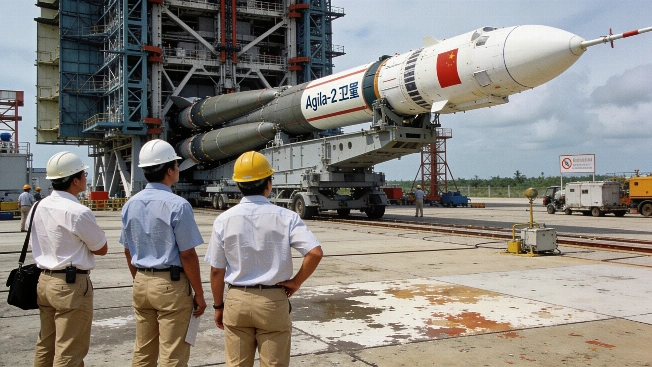
Agila-2 Launch Marks Philippines' Entry Into Satellite Operations
On August 19, 1997, the Philippines launched Agila-2 aboard a Long March 3B rocket, marking the nation's first domestically operated satellite and expanding regional communications coverage
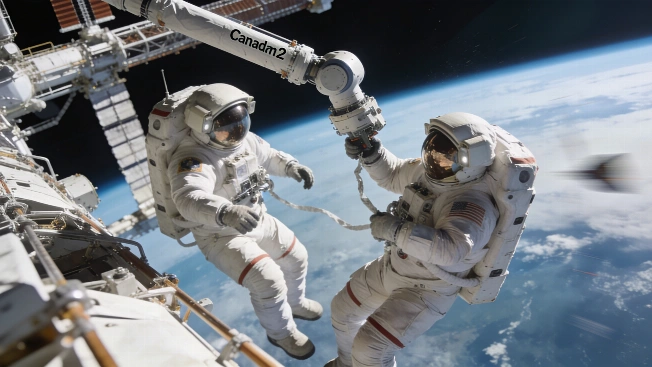
ISS Spacewalk Removes Failed Antenna but Replacement Delayed
NASA astronaut Anil Menon and ESA astronaut Sophie Adenot removed a nonfunctional antenna from the International Space Station during a six-hour spacewalk, but time constraints postponed installation of the replacement hardware.
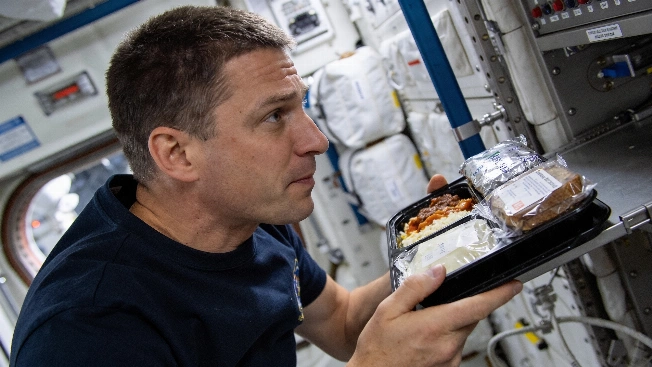
Microgravity Slows Digestion for Astronauts on the ISS, Study Finds
A new analysis of blood samples from 52 astronauts aboard the International Space Station finds that microgravity alters gut function, slowing digestion and changing microbial activity in ways not fully explained by diet alone.
Part 1 of 2