NASA and SpaceX have postponed the Crew-13 mission to the International Space Station after detecting an oxidizer leak in the Dragon spacecraft's propulsion system. The new launch date remains unconfirmed as teams investigate the issue
The next crewed mission to the International Space Station (ISS) using SpaceX's Dragon spacecraft has been postponed following the discovery of an oxidizer leak in the vehicle's propulsion system. The Crew-13 mission, which was scheduled to launch on September 12, will remain on hold while NASA and SpaceX teams conduct further analysis and repairs. No revised launch date has been set, and the delay underscores the technical challenges involved in maintaining crew safety for orbital missions.
Technical Issue and Mission Status
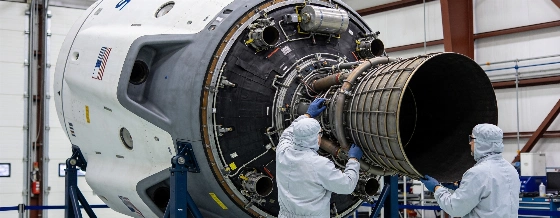
The oxidizer leak was identified during pre-launch preparations, prompting a halt to the countdown and a comprehensive review of the Dragon spacecraft's propulsion subsystem. The propulsion system, which relies on hypergolic propellants for maneuvering and docking, is critical for both in-orbit operations and safe return to Earth. NASA and SpaceX have stated that additional tests and data reviews are underway, and any necessary rework will be completed before a new launch attempt is scheduled. The agencies have not provided a timeline for resolution, reflecting the complexity of diagnosing and addressing propulsion anomalies in crew-rated vehicles.
Crew and Mission Objectives
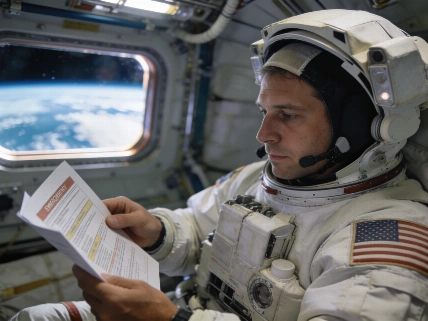
Crew-13 is set to transport four astronauts to the ISS for a planned seven-month expedition. The crew includes NASA astronauts Jessica Watkins and Luke Delaney, Josh Kutryk from the Canadian Space Agency, and Sergey Teteryatnikov representing Roscosmos. Their mission will involve a range of scientific experiments, station maintenance tasks, and several extravehicular activities (EVAs). The astronauts are also expected to support visiting vehicle operations and conduct outreach activities during their stay. The launch will utilize a Falcon 9 rocket from Cape Canaveral Space Force Station, continuing SpaceX's operational partnership with NASA for crewed ISS transport.
Recent Launches and Broader Context
The delay comes shortly after SpaceX successfully launched NASA's Nancy Grace Roman Space Telescope, a major milestone for the agency's astrophysics program. That mission, which overcame significant funding uncertainty, is detailed in Science Report's coverage of the telescope's final preparations and scientific goals: how the Roman Space Telescope reached the launch pad after budget challenges. Meanwhile, SpaceX is preparing for the next test flight of its Starship launch system, which aims to achieve Earth orbit for the first time. These overlapping activities highlight the operational demands on commercial launch providers and the importance of rigorous safety protocols for human spaceflight.
Implications for ISS Operations
The postponement of Crew-13 does not immediately affect the ISS's current crew complement, but extended delays could require adjustments to the station's rotation schedule and logistics planning. NASA and its international partners routinely coordinate crew arrivals and departures to maintain continuous human presence and scientific operations aboard the ISS. The incident also illustrates the ongoing engineering vigilance required to ensure the reliability of commercial crew vehicles, particularly as the ISS program approaches its third decade of continuous operation.
Understanding the role of spacecraft propulsion systems is essential for appreciating the risks and safeguards involved in crewed spaceflight. The Dragon spacecraft's propulsion relies on hypergolic fuels-chemicals that ignite on contact-enabling precise orbital maneuvers and controlled reentry. Any leak or anomaly in this system can compromise mission safety, making thorough ground testing and fault analysis a non-negotiable part of launch preparation. Such technical scrutiny is a cornerstone of modern human spaceflight, where even minor deviations can have significant operational consequences.