
Artifacts and Material Culture - Part 4
183 reports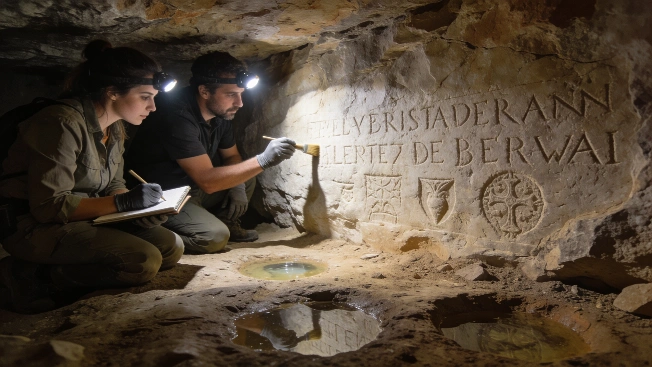
Roman-Era Cave in Spain Yields Over 120 Latin Inscriptions
Archaeologists have recorded more than 120 Latin inscriptions in Cova de les Dones, a cave sanctuary near Valencia, Spain, revealing evidence of a Roman-period cult centered on a mysterious goddess known as 'the Lady.'
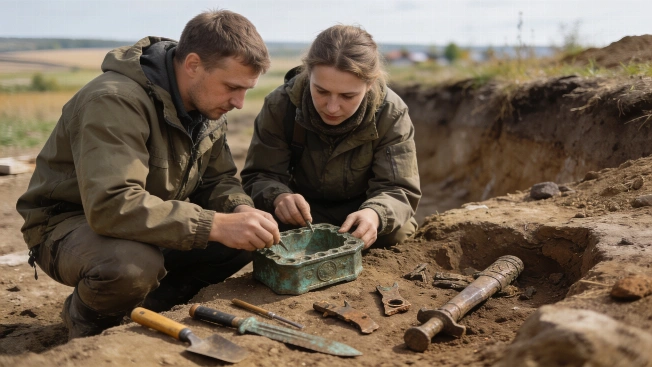
Bronze-Casting Mould and Weapons Found at Pyanobor Settlement in Tatarstan
Excavations at the Kipchak Archaeological Complex in Tatarstan have revealed a bronze-casting mould, weapons, and decorated pottery linked to the Pyanobor culture, offering new evidence for debates about its origins and regional connections.
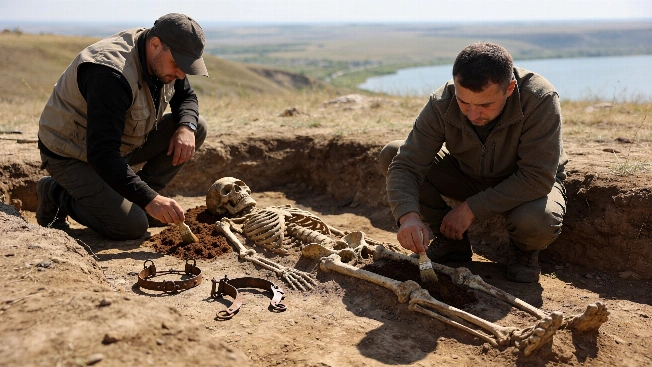
Roman-Era Burials and Iron Age Harness Unearthed in Odesa Region
Excavations at the Kartal hillfort in Ukraine's Odesa Oblast have revealed Roman-period graves and a rare Early Iron Age horse harness, providing new evidence of cultural interaction and repeated occupation in the lower Danube region.
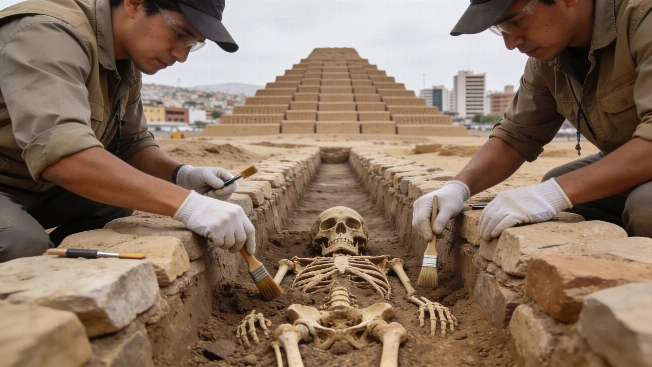
Ritual Burial Uncovered at Huaca Pucllana Sheds Light on Lima Culture
Archaeologists at Huaca Pucllana in Lima have identified a 1,400-year-old human burial, offering new evidence about ceremonial practices and architectural diversity in the pre-Hispanic Lima culture.
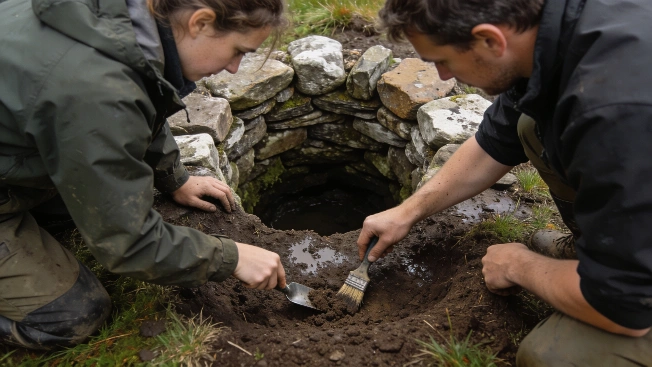
Iron Age Burial Discovered in Stone-Lined Well in Scottish Highlands
Archaeologists have uncovered a rare Iron Age grave at the base of a stone-lined well in northern Scotland, raising questions about ritual closure practices and its relationship to nearby settlements.
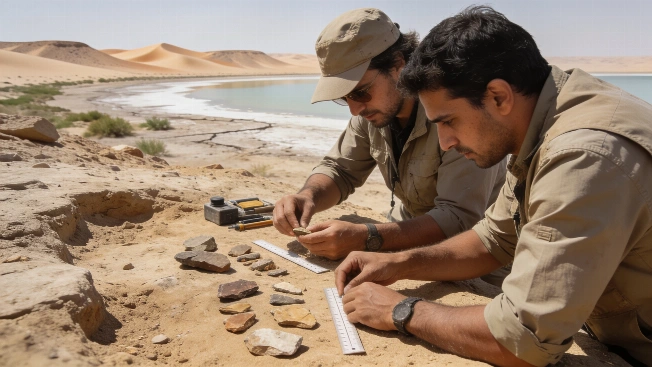
Stone Tools Suggest Neanderthals Reached Deep into Arabian Desert
Archaeologists have identified stone tools from Jebel Katefeh-1 in Saudi Arabia's Nefud Desert that closely match Neanderthal technology, suggesting these hominins may have adapted to arid environments far south of their previously known range.
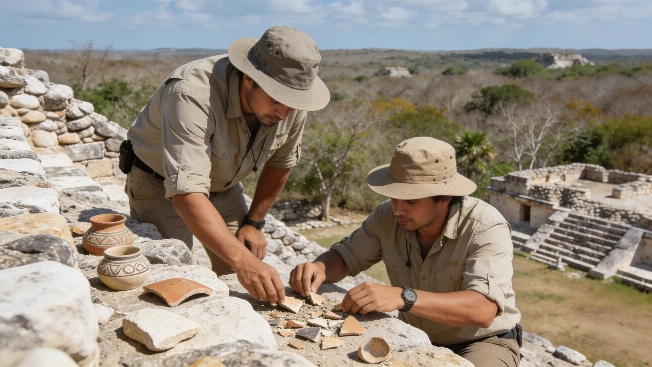
New Excavations at Xcalumkín Reveal Maya Puuc Architecture Origins
Recent archaeological research at Xcalumkín in Campeche, Mexico, has provided new evidence about the development of Puuc architectural traditions and settlement patterns, as well as possible dual governance among the ancient Maya between the 7th and 10th centuries CE.
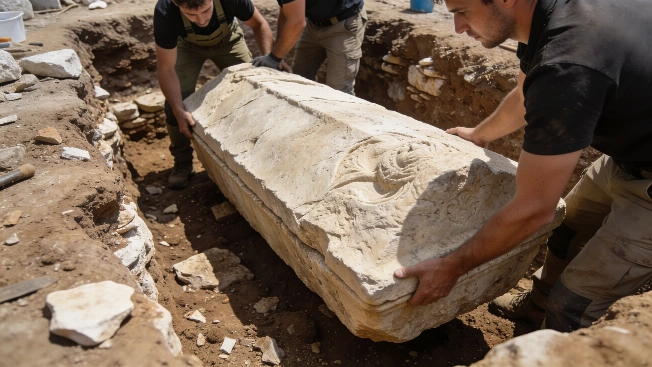
Sealed Roman-Era Sarcophagus Excavated Intact in Cavtat, Croatia
Archaeologists have excavated a massive limestone sarcophagus in Cavtat, Croatia, that remained sealed for over 1,500 years, providing rare understanding into Late Antique burial practices and preservation in the eastern Adriatic
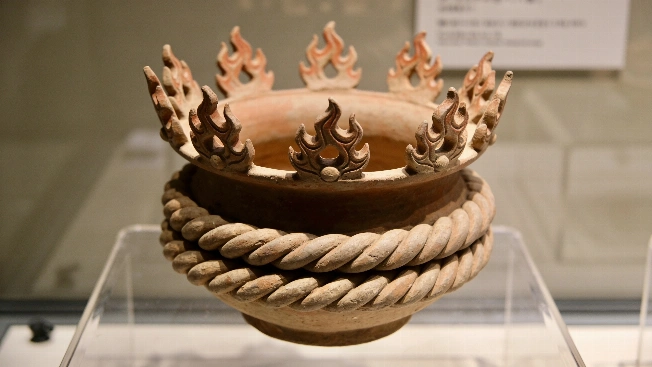
Jōmon Fire-Flame Vessel Reveals Prehistoric Japanese Pottery Skill
Archaeologists have examined a 4,500-year-old fire-flame vessel from Honshu, Japan, analyzing its elaborate ceramic construction and uncertain function to better understand Jōmon-period material culture and social practices.
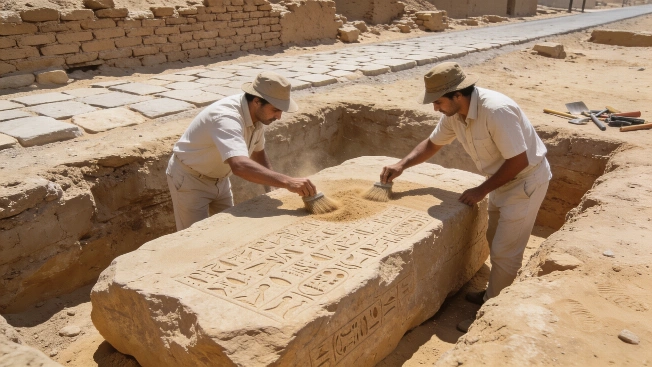
New Finds at Tel Abu Saify Suggest Link to Lost City of Msen
Archaeologists at Tel Abu Saify in Egypt have uncovered evidence in fortifications and roads, alongside inscriptions that may connect the site to the ancient city of Msen, offering new evidence for the route and function of the Horus Military Road.
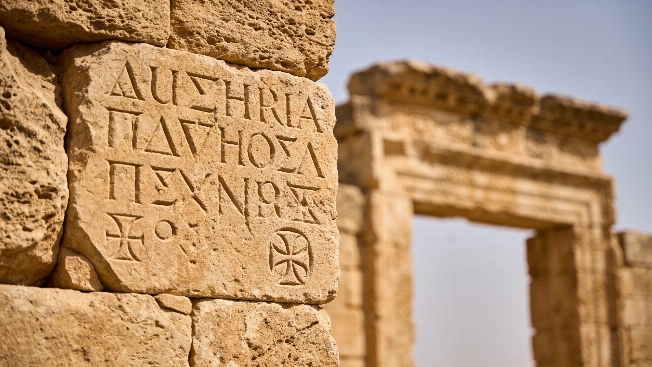
Ancient Libyan Gateway Marks Reveal Hellenistic Construction System
Archaeologists have analyzed over 620 carved marks on the Tauchira Gate at Ptolemais, Libya, finding evidence of organized labor and material transport, with possible payment tracking in a major Hellenistic building project more than 2,000 years ago
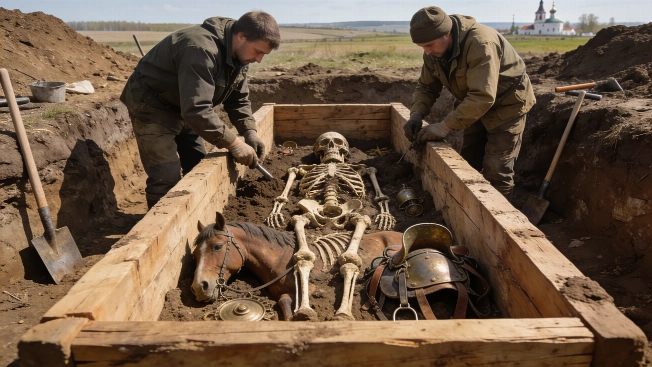
10th-Century Chamber Grave in Suzdal Reveals Early Elite Burial
Archaeologists have uncovered a rare 10th-century chamber grave at Gnezdilovo near Suzdal, containing a man, a horse and a dog, along with weapons and riding gear. The find offers new evidence of an early elite presence in north-eastern Rus'.
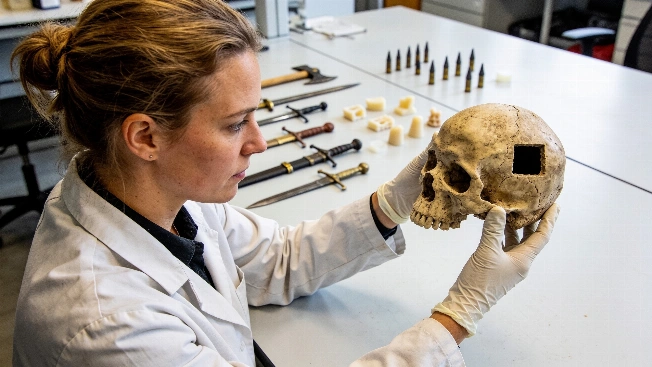
Medieval Skull Injuries at Visby Linked to Spiked Club Weapons
A new forensic analysis of 14th-century skeletons from the Battle of Visby in Sweden identifies spiked clubs as the likely cause of distinctive square cranial injuries, challenging assumptions about medieval militia training and combat methods.
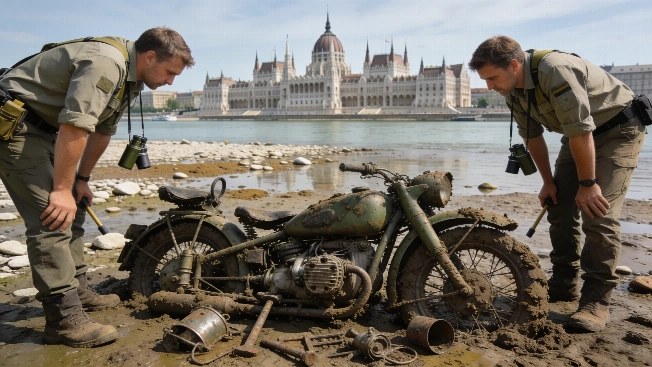
Low Danube Reveals WWII German Soldiers and Motorcycle in Budapest
Exceptionally low water levels in the Danube have exposed the remains of two German soldiers, their identification tags, a military motorcycle and anti-tank mines in Budapest, offering new evidence of the conflict's final months and the challenges of identifying the dead decades later.
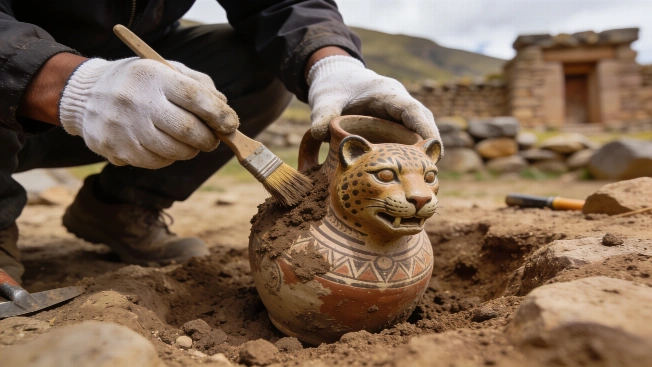
Puma-Headed Pottery Sheds Light on Rituals at Marcahuamachuco
Archaeologists at Marcahuamachuco in northern Peru have uncovered a unique puma-headed ceramic vessel and animal remains, offering new evidence for ceremonial practices and daily life at the site between 850 and 950 CE.
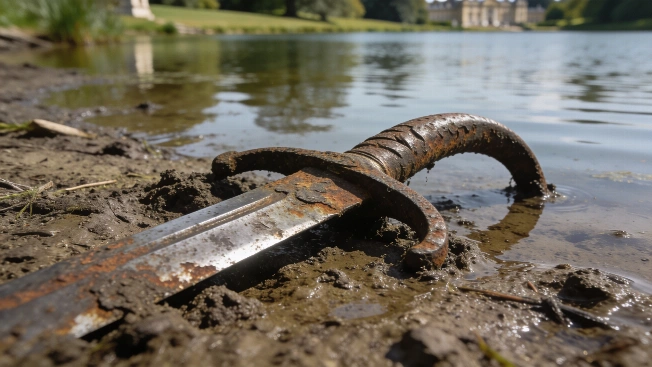
Victorian-Era Sword Emerges From Chiddingstone Castle Lake
A heavily corroded sword, likely dating to the early 19th century, has been recovered from the receding waters of Chiddingstone Castle's lake in Kent, raising questions about its origin and deposition.
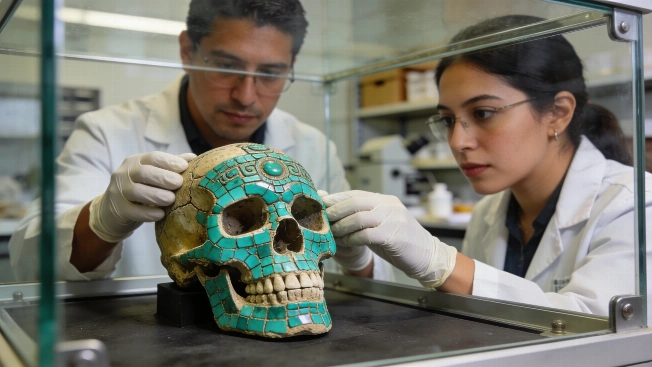
Mixtec Turquoise-Mosaic Skull Returns to Mexico After Six Decades
A rare pre-Hispanic human skull with a turquoise mosaic, linked to the Mixtec tradition, has been repatriated to Mexico after decades in a Dutch museum. Scientific analysis confirms its pre-Hispanic origin, but its precise archaeological context remains uncertain.
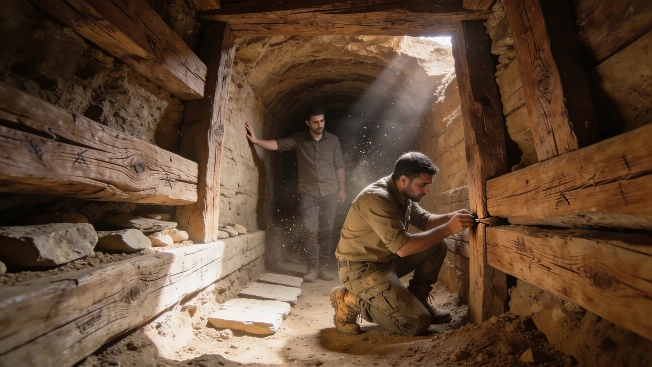
Ancient Gordion Tomb Likely Built for King Midas' Father, Not Midas
Archaeologists at Gordion in central Türkiye have re-examined the so-called Midas Tumulus, concluding that the monumental burial mound was likely constructed for Gordias, the father of the legendary King Midas. The conclusion is based on new analysis of the mound’s structure and contents.
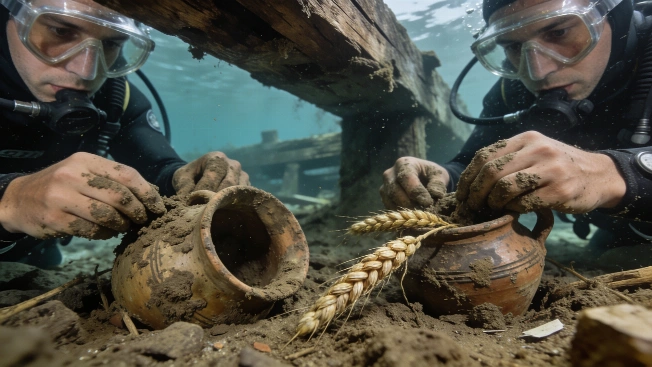
3,000-Year-Old Spelt and Pottery Found in Submerged Italian Settlement
Archaeologists working beneath Lake Bolsena have recovered Late Bronze Age ceramics and preserved spelt, along with wooden structures, shedding new light on prehistoric occupation and environmental preservation at Gran Carro di Bolsena
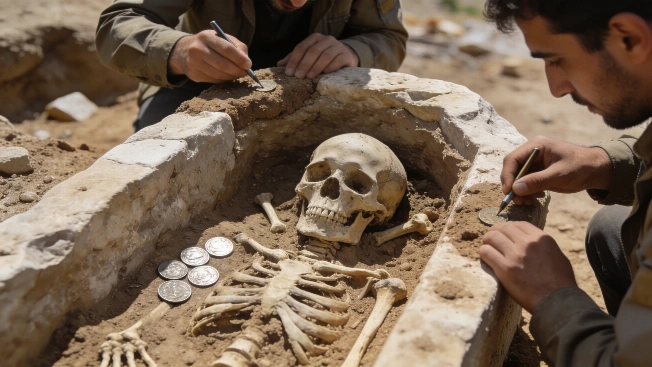
Aspendos Grave Yields Ancient Skeleton and Wrestler Coins
Archaeologists in Turkey have uncovered a 2,400-year-old stone sarcophagus near Aspendos containing a human skeleton and silver coins depicting wrestlers, offering new evidence for the role of athletics in Classical-period society while raising questions about individual identity
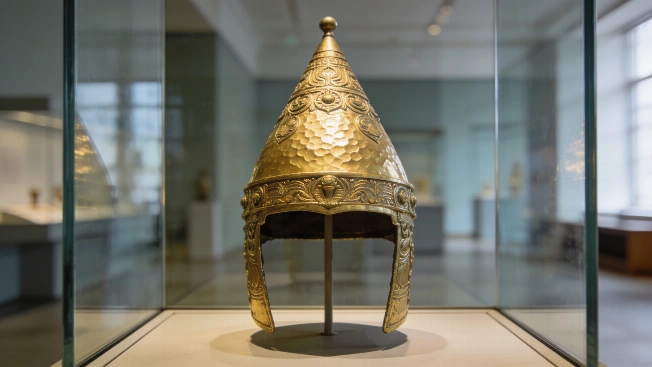
Berlin Gold Hat Reveals Bronze Age Astronomical Knowledge
Archaeologists have analyzed a 3,000-year-old gold headdress from Central Europe, uncovering evidence that its intricate motifs encode calendrical information used to track solar and lunar cycles
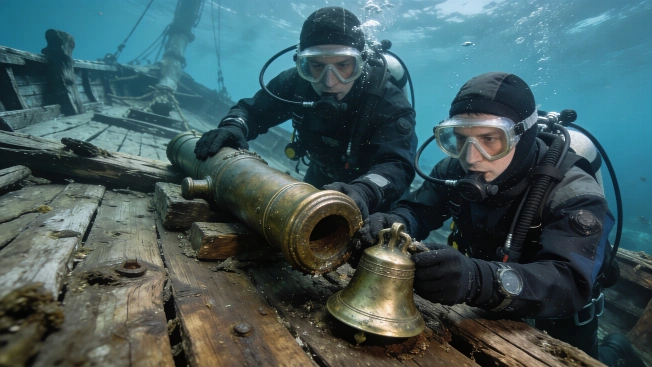
Swedish Warship Wrecks Yield New Insights Into Naval Life in 1714
Archaeologists have recovered exceptionally preserved artifacts from two Swedish shipwrecks lost in the Baltic Sea during the Great Northern War, offering rare evidence for naval provisioning and daily life in the early eighteenth century.
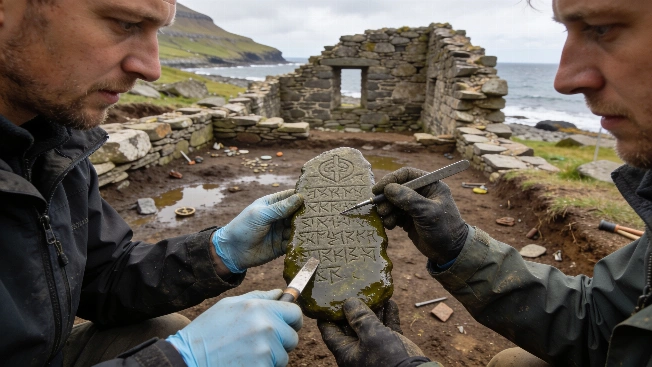
Rare Runestone and Christian Artifacts Found at Medieval Faroe Islands Site
Archaeologists excavating the medieval site of Sondur on Sandoy, Faroe Islands, have uncovered a rare runestone and Christian artifacts, offering new evidence of religious activity and material culture in the North Atlantic during the Middle Ages.
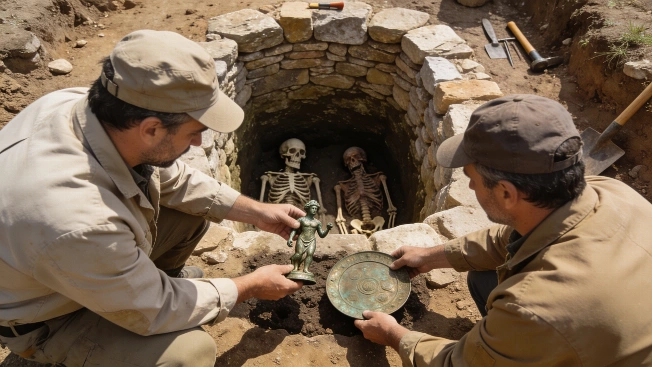
Etruscan Ritual Well With Bronze Offerings and Skeletons Uncovered
Archaeologists at Kainua, near Marzabotto in northern Italy, have excavated a remarkably preserved Etruscan ritual well containing bronze figurines, a bronze plate and two adult skeletons, offering new evidence about religious practices and urban foundation ceremonies.
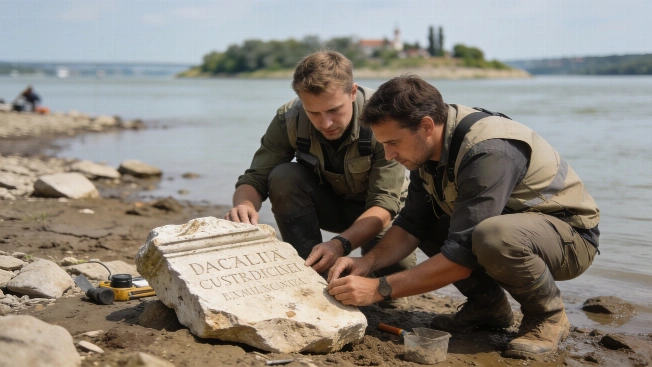
Roman Jupiter Altar Fragment Recovered from Danube Riverbed
Archaeologists have recovered a limestone altar fragment dedicated to Jupiter from the Danube near Dunaújváros, Hungary, after low water levels exposed rarely accessible sections of the riverbed. The find offers new evidence of Roman religious activity on the Pannonian frontier.
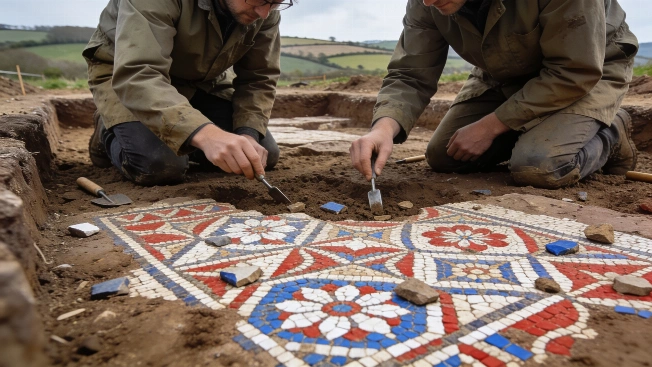
Roman Villa With Mosaic and Bathhouse Unearthed in Devon
Excavations in Devon have revealed a Roman villa complex with a polychrome mosaic and bathhouse, alongside evidence of industrial activity. The finds offer new understanding into rural elite life and architectural change in southwest Britain during the Roman period.
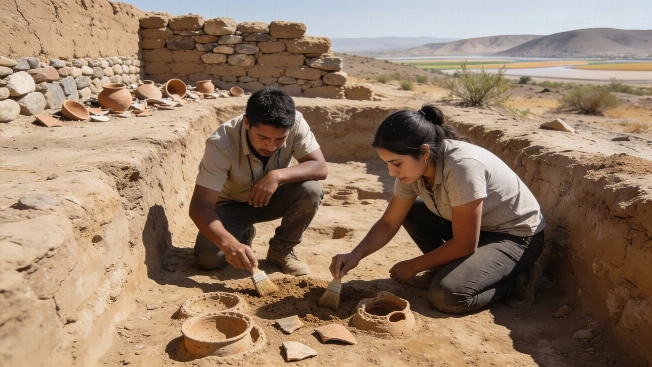
Moche Pottery Workshops Uncovered at Cerro Mayal in Northern Peru
Excavations at Cerro Mayal in Peru's Chicama Valley have revealed extensive evidence of Moche ceramic production, from molds and pottery waste to workshop-house structures, offering new understanding into the organization of ancient craft specialists.
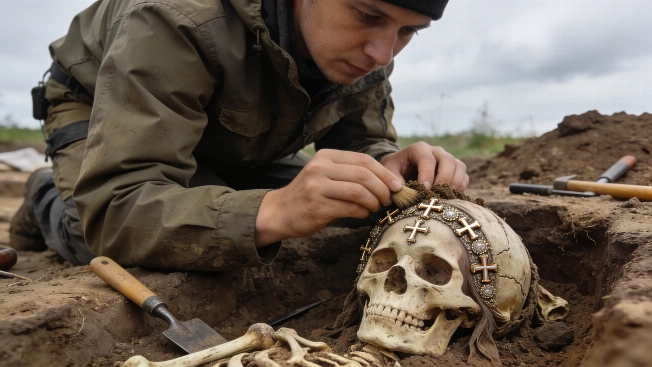
Early Murom Burials and Ceremonial Headdress Found at Zvyaginsky II
Excavations at the Zvyaginsky II cemetery in Russia's Nizhny Novgorod Region have revealed some of the earliest Murom burials, including a rare high-status female grave with a ceremonial headdress, offering new understanding into early medieval populations.
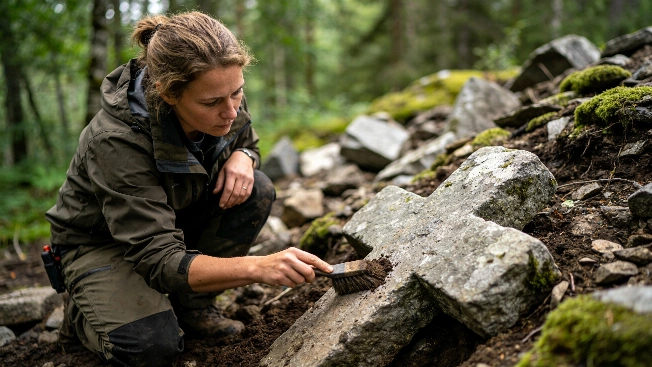
Medieval Stone Crosses Unearthed at Viking-Era Quarry in Norway
Archaeologists working at Hyllestad in western Norway recovered seven medieval stone crosses from a quarry waste heap, offering new evidence of local craftsmanship and religious change between the 11th and 13th centuries.
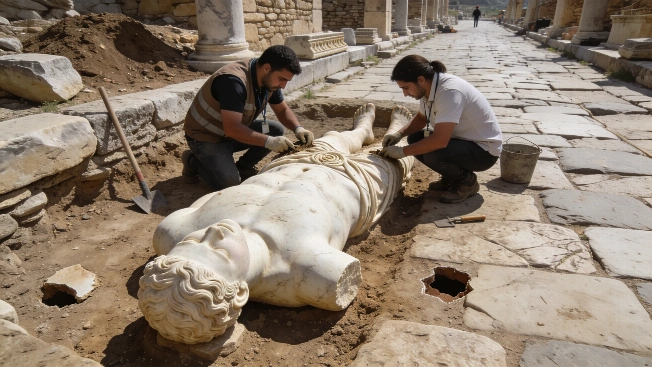
Early Classical Marble Statue Found at Sardis Reveals Lydian Traditions
Archaeologists have uncovered a 2,500-year-old marble statue at Sardis in western Turkey, offering rare evidence of early Classical monumental sculpture and showing how local Lydian art intersected with wider Mediterranean traditions.
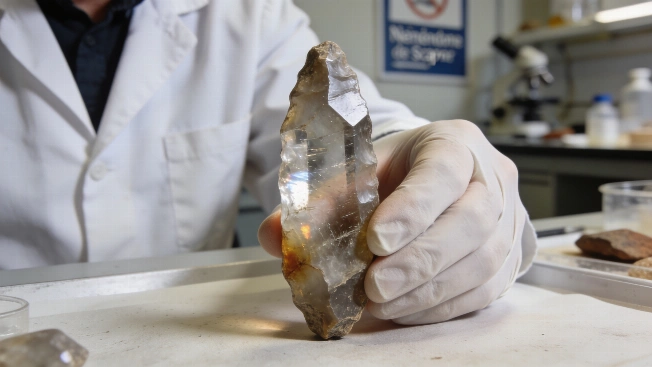
Neanderthal Rock Crystal Tool Sheds Light on Ancient Craftsmanship
Archaeologists have reexamined a rare rock crystal scraper from Abri des Merveilles, France, revealing how Neanderthals selected unusual materials and challenging outdated views of their cognitive abilities.
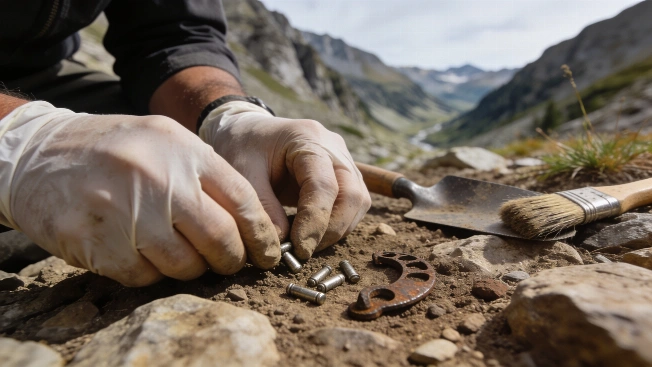
Roman Sling Bullets Pinpoint 39 BCE Ambush Site in the Pyrenees
Archaeologists have identified a Roman military camp in the eastern Pyrenees using lead sling bullets and other artifacts, revealing evidence of a violent local uprising against Roman forces in 39 BCE in what is now Catalonia, Spain.
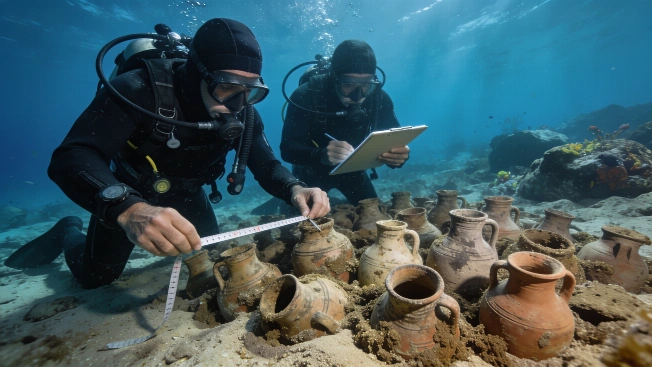
Ancient Shipwreck With Hundreds of Amphorae Found Near Andros
Archaeologists have identified a late Classical-period merchant shipwreck off Andros, Greece, containing more than 600 amphorae. The find offers new evidence about Aegean maritime trade and cargo transport in the 5th and 4th centuries BCE.
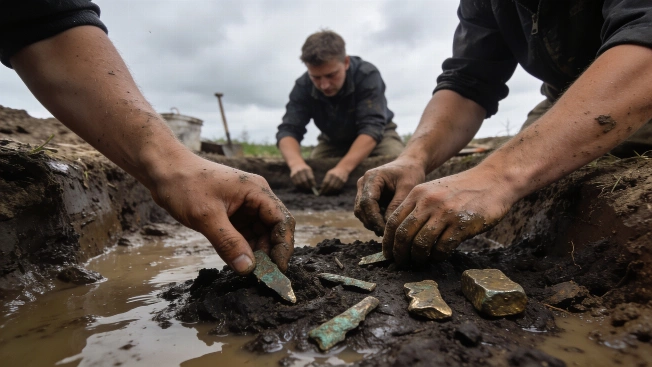
Bronze Age Hoard in Czech Wetland May Reflect Ritual Deposition
Archaeologists have uncovered a Bronze Age hoard of bronze tools and fragments near Kojetín, Czech Republic, during railway modernization works. Analysis suggests the objects were deliberately deposited in a wetland over 3,000 years ago, possibly as a ritual act.
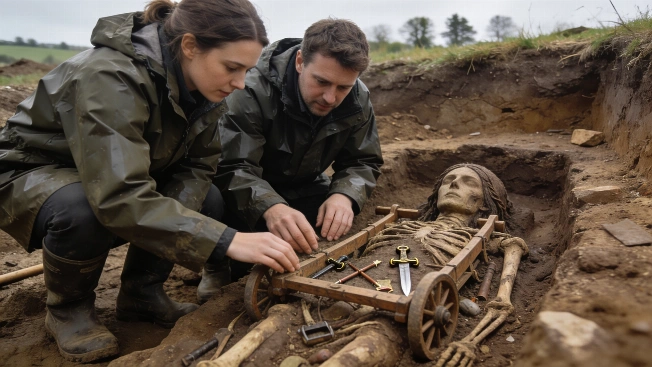
Did Women Fight in Ancient Celtic Battles Archaeology Reveals
Archaeologists have uncovered weapons in some female burials across Iron Age Europe, raising questions about women’s roles in Celtic warfare. Recent genetic and osteological studies offer new insights but leave basic uncertainties unresolved.
Part 4 of 6