
Agriculture and Food Systems
9 reportsFertilizer use and supply chains are compared with direct observations. This record clarifies what lifecycle assessments include and how farming practices affect yields, distinguishing a consistent pattern from a uniquely established explanation.
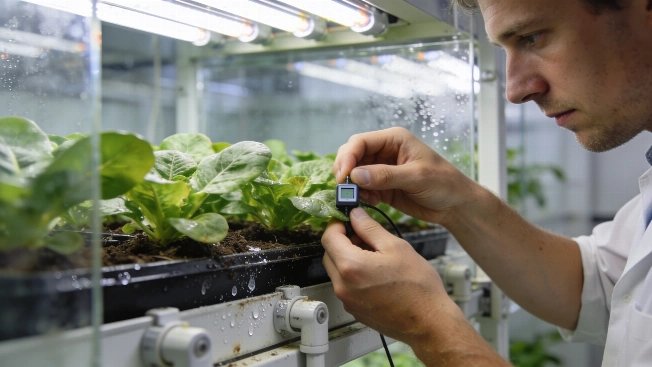
NASA Partners Prepare Ground Tests for Crops on the Moon
NASA, the Canadian Space Agency, and the German Aerospace Center are coordinating preparatory work on an Earth-based lunar agriculture demonstrator designed to test crop production and resource recycling for longer missions.
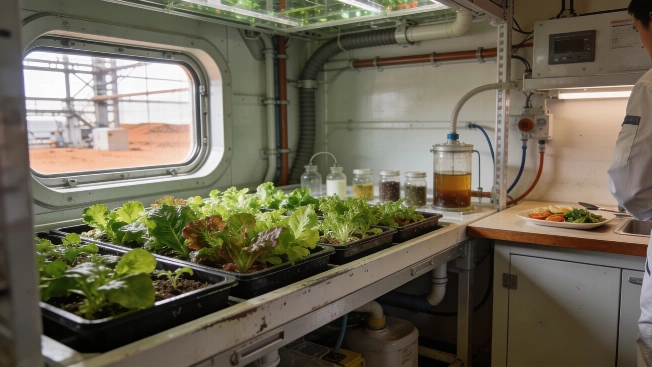
NASA Picks Mars Food Systems Built for Long Surface Missions
NASA has awarded five teams a combined $650,000 for proposed food systems designed to support 15 astronauts across 500 Martian sols while reducing dependence on meals shipped from Earth.
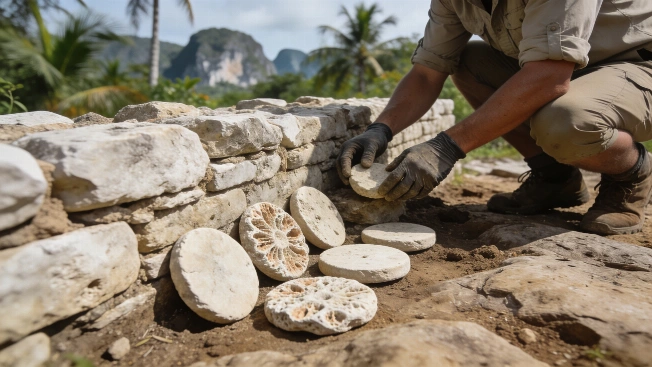
Maya Beekeeping Site Found Along the Maya Train Route
A limestone structure near Tulum may preserve evidence of pre-Hispanic stingless-bee keeping. Forty stone discs and pottery fragments could clarify how Maya households produced and stored honey, although the proposed meliponary interpretation remains provisional pending residue and contextual analyses.

NASA Aircraft Will Track Farm Pollution Over Colorado
NASA's FarmFlux airborne campaign is planned to begin with low-altitude flights over Colorado farmland in fall 2026, measuring methane, ozone, ammonia, particulates and other pollutants while tracing nitrogen exchange between agricultural systems and the atmosphere.
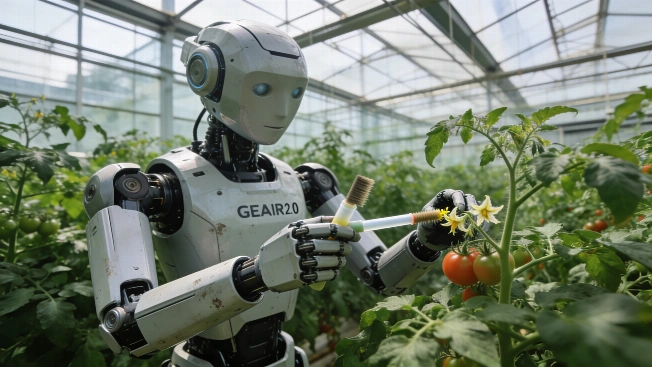
Humanoid Robot GEAIR 2.0 Automates Tomato Flower Pollination in Beijing
A humanoid robot called GEAIR 2.0 has been demonstrated in Beijing performing autonomous hybrid pollination of tomato flowers. The system aims to reduce manual labor in crop breeding by combining robotics, AI, and gene editing in real greenhouse conditions.
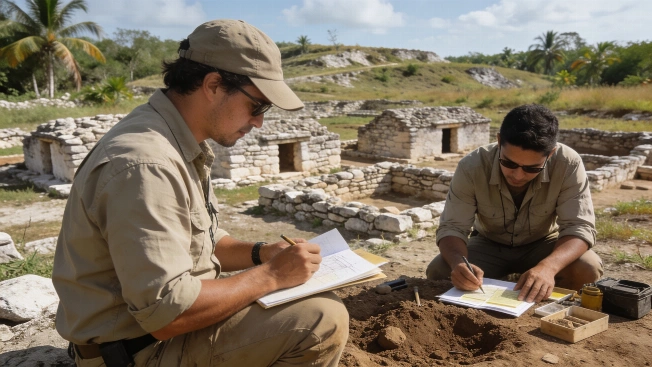
Maya Household Gardens Reveal Ancient Strategies for Food and Water
Archaeologists analyzing soils and settlement patterns in the Northern Maya Lowlands have identified evidence that ancient Maya households organized their domestic plots to support agriculture and manage rainwater, offering new insight into daily life beyond monumental centers
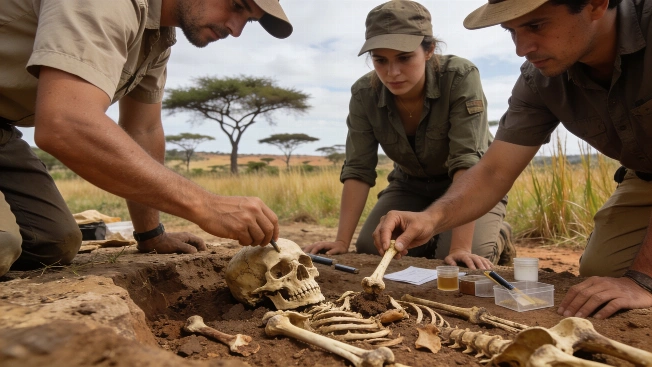
Isotope Evidence Reveals Maize-Based Farming in Ancient Brazilian Cerrado
Analysis of stable isotopes from over 100 individuals across 37 archaeological sites in Brazil's Cerrado shows that some large precolonial communities relied on maize-based polyculture, challenging assumptions about Indigenous subsistence in tropical South America
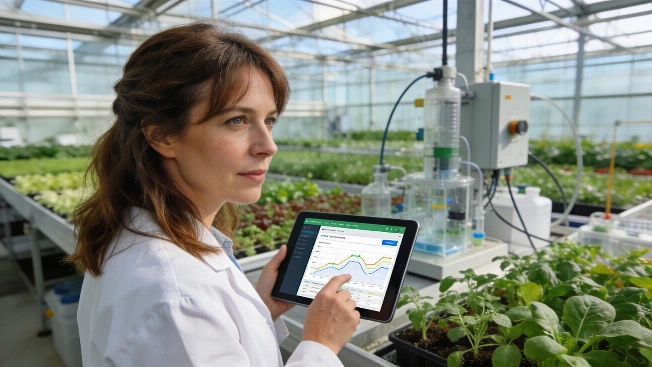
How Physics Tools Are Shaping Food System Modeling and Policy
Sarah Bridle, a physicist with a background in cosmology, is applying quantitative modeling and open-data practices from astrophysics to analyze food systems, land use, and climate impacts, revealing new challenges for sustainable agriculture
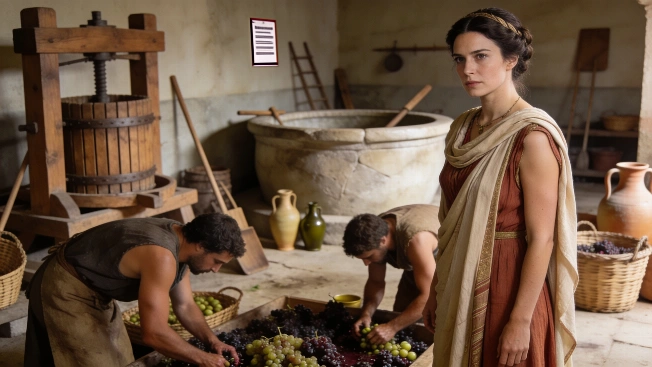
Roman Female Farm Managers Oversaw Wine and Oil Production
A new analysis of Roman-era texts and archaeological evidence reveals that women known as vilicae managed large-scale wine and olive oil production, challenging the long-held view that their roles were limited to domestic tasks