
Artifacts and Material Culture - Part 3
139 reports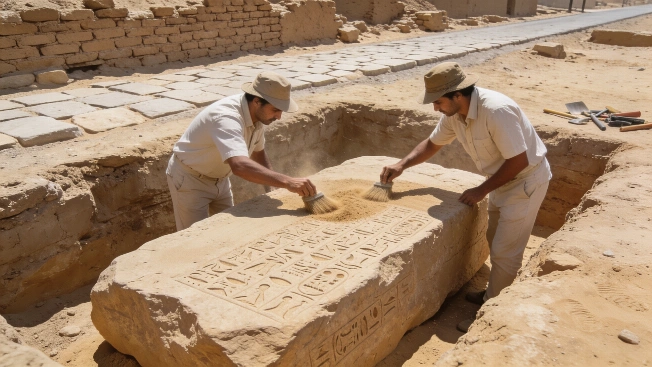
New Finds at Tel Abu Saify Suggest Link to Lost City of Msen
Archaeologists at Tel Abu Saify in Egypt have uncovered fortifications, roads, and inscriptions that may connect the site to the ancient city of Msen, offering new evidence for the route and function of the Horus Military Road
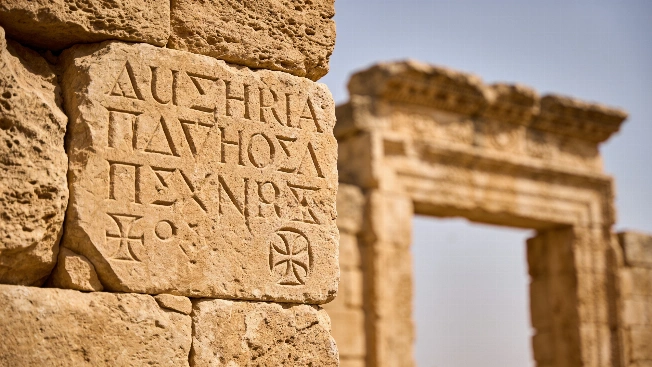
Ancient Libyan Gateway Marks Reveal Hellenistic Construction System
Archaeologists have analyzed over 620 carved marks on the Tauchira Gate at Ptolemais, Libya, uncovering evidence for organized labor, material transport, and possible payment tracking in a major Hellenistic building project more than 2,000 years ago
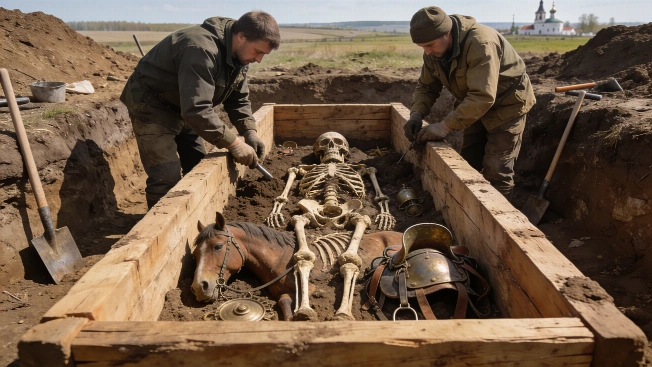
10th-Century Chamber Grave in Suzdal Reveals Early Elite Burial
Archaeologists have uncovered a rare 10th-century chamber grave at Gnezdilovo near Suzdal, containing a man, horse, and dog, with weapons and riding gear, offering new evidence for early elite presence in north-eastern Rus'
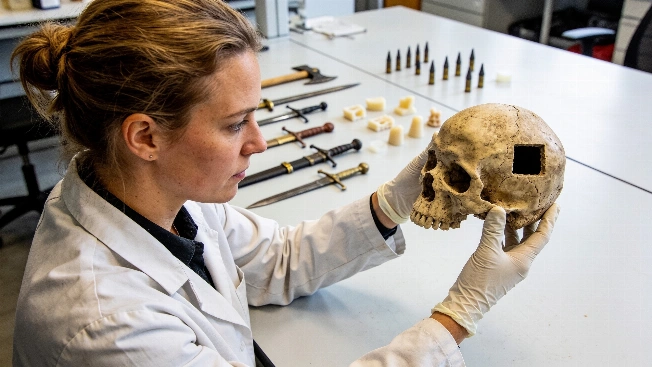
Medieval Skull Injuries at Visby Linked to Spiked Club Weapons
A new forensic analysis of 14th-century skeletons from the Battle of Visby in Sweden has identified spiked clubs as the likely cause of distinctive square cranial injuries, challenging assumptions about medieval militia training and combat methods
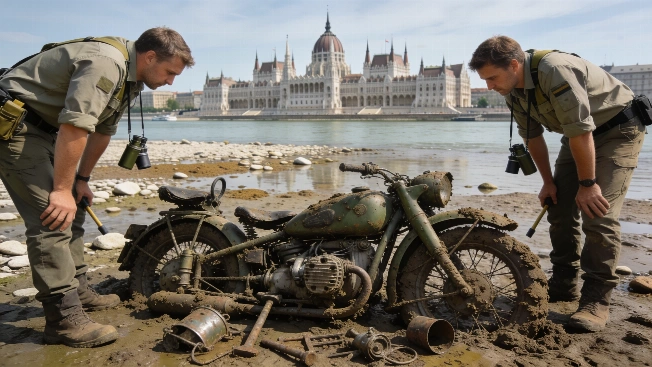
Low Danube Reveals WWII German Soldiers and Motorcycle in Budapest
Exceptionally low water levels in the Danube have exposed the remains of two German soldiers, their identification tags, a military motorcycle, and anti-tank mines in Budapest, offering new evidence of the conflict's final months and the challenges of identification decades later
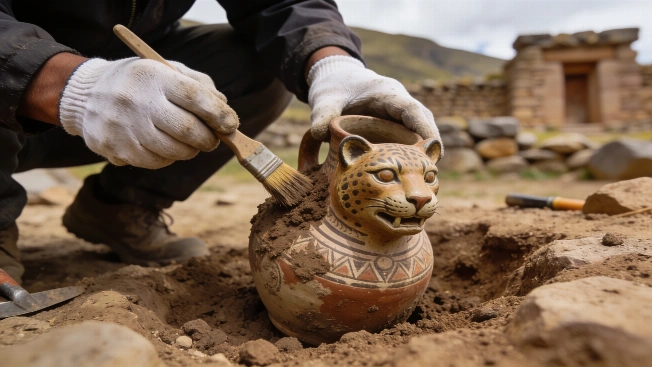
Puma-Headed Pottery Sheds Light on Rituals at Marcahuamachuco
Archaeologists at Marcahuamachuco in northern Peru have uncovered a unique puma-headed ceramic vessel and animal remains, offering new evidence for ceremonial practices and daily life at the site between 850 and 950 CE
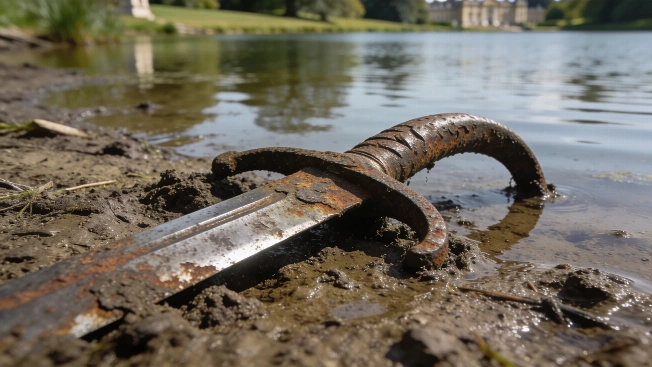
Victorian-Era Sword Emerges From Chiddingstone Castle Lake
A heavily corroded sword, likely dating to the early 19th century, has been recovered from the receding waters of Chiddingstone Castle's lake in Kent, raising questions about its origin and deposition
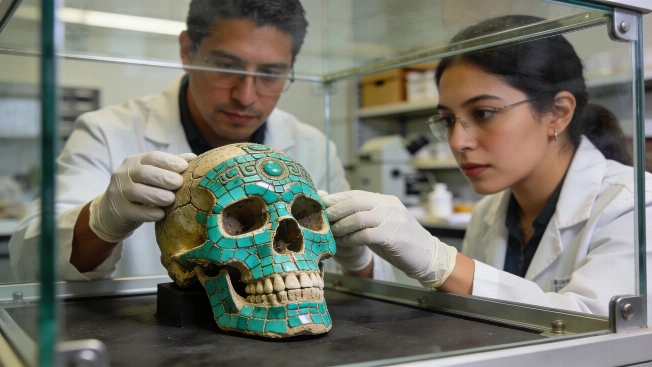
Mixtec Turquoise-Mosaic Skull Returns to Mexico After Six Decades
A rare pre-Hispanic human skull with a turquoise mosaic, linked to the Mixtec tradition, has been repatriated to Mexico after decades in a Dutch museum. Scientific analysis confirms its pre-Hispanic origin, but its precise archaeological context remains uncertain
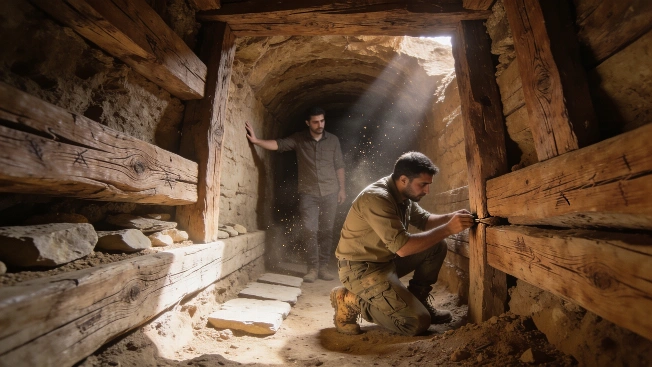
Ancient Gordion Tomb Likely Built for King Midas' Father, Not Midas
Archaeologists at Gordion in central Türkiye have re-examined the so-called Midas Tumulus, concluding that the monumental burial mound was likely constructed for Gordias, the father of the legendary King Midas, based on new analysis of its structure and contents
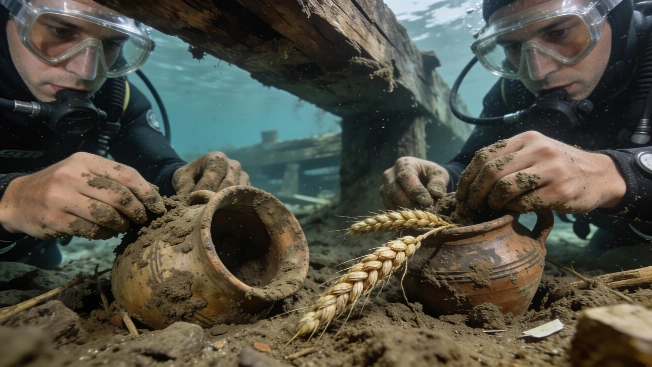
3,000-Year-Old Spelt and Pottery Found in Submerged Italian Settlement
Archaeologists working beneath Lake Bolsena have recovered Late Bronze Age ceramics, preserved spelt, and wooden structures, offering new insight into prehistoric occupation and environmental preservation at Gran Carro di Bolsena
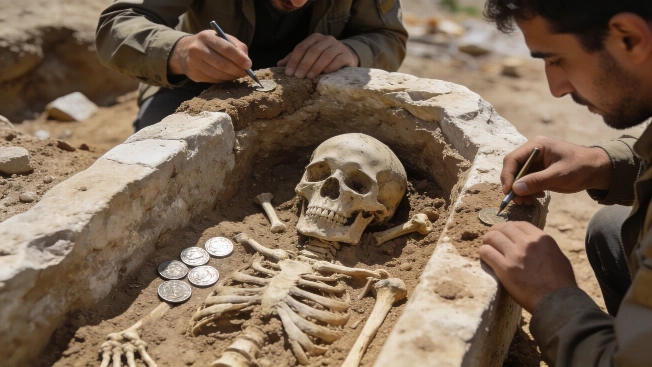
Aspendos Grave Yields Ancient Skeleton and Wrestler Coins
Archaeologists in Turkey have uncovered a 2,400-year-old stone sarcophagus near Aspendos containing a human skeleton and silver coins depicting wrestlers, offering new evidence for the role of athletics in Classical-period society while raising questions about individual identity
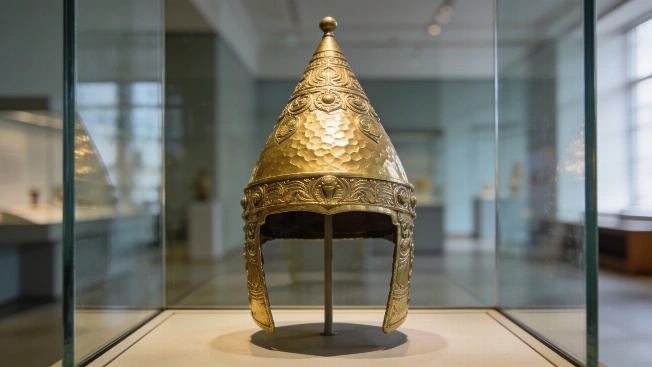
Berlin Gold Hat Reveals Bronze Age Astronomical Knowledge
Archaeologists have analyzed a 3,000-year-old gold headdress from Central Europe, uncovering evidence that its intricate motifs encode calendrical information used to track solar and lunar cycles
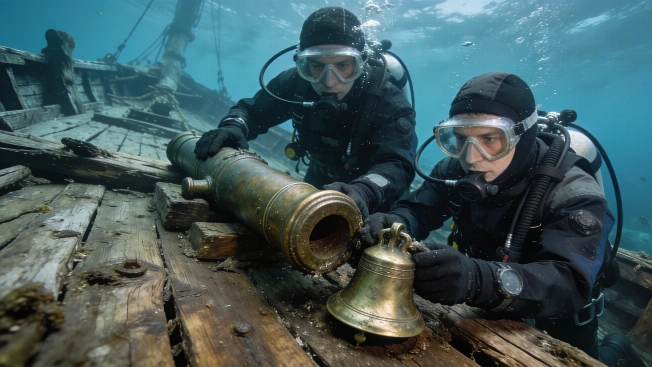
Swedish Warship Wrecks Yield New Insights Into Naval Life in 1714
Archaeologists have recovered exceptionally preserved artifacts from two Swedish shipwrecks lost in the Baltic Sea during the Great Northern War, offering rare evidence for naval provisioning and daily life in the early eighteenth century.
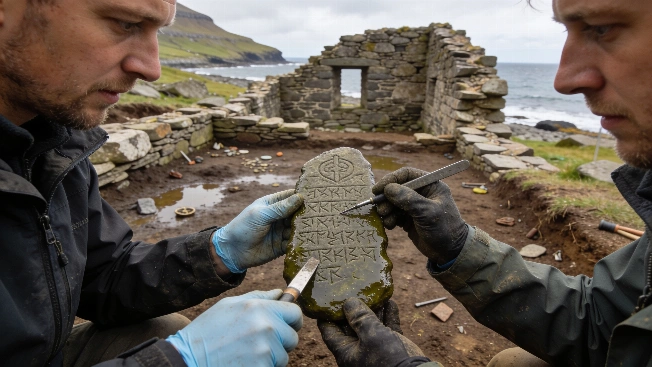
Rare Runestone and Christian Artifacts Found at Medieval Faroe Islands Site
Archaeologists excavating the medieval site of Sondur on Sandoy, Faroe Islands, have uncovered a rare runestone and Christian artifacts, offering new evidence for religious activity and material culture in the North Atlantic during the Middle Ages
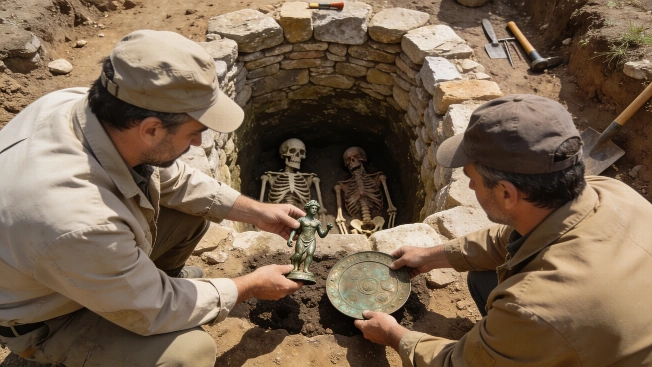
Etruscan Ritual Well With Bronze Offerings and Skeletons Uncovered
Archaeologists at Kainua, near Marzabotto in northern Italy, have excavated a remarkably preserved Etruscan ritual well containing bronze figurines, a bronze plate, and two adult skeletons, offering new evidence for religious practices and urban foundation ceremonies
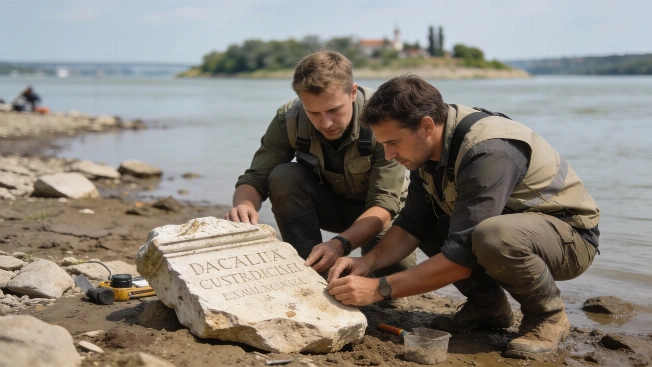
Roman Jupiter Altar Fragment Recovered from Danube Riverbed
Archaeologists have recovered a limestone altar fragment dedicated to Jupiter from the Danube near Dunaújváros, Hungary, after low water levels exposed rarely accessible riverbed areas. The find offers new evidence for Roman religious activity on the Pannonian frontier
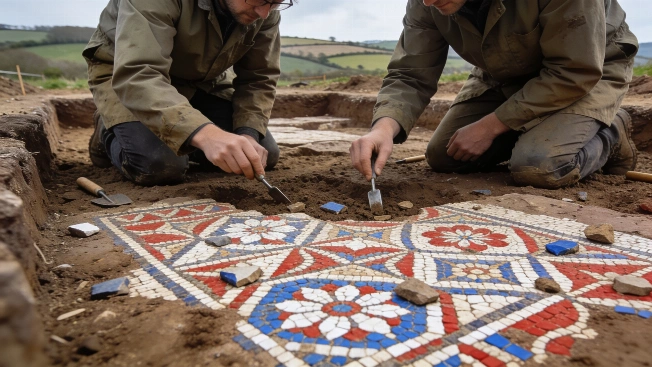
Roman Villa With Mosaic and Bathhouse Unearthed in Devon
Excavations in Devon have revealed a Roman villa complex with a polychrome mosaic, bathhouse, and evidence of industrial activity, offering new insight into rural elite life and architectural change in southwest Britain during the Roman period
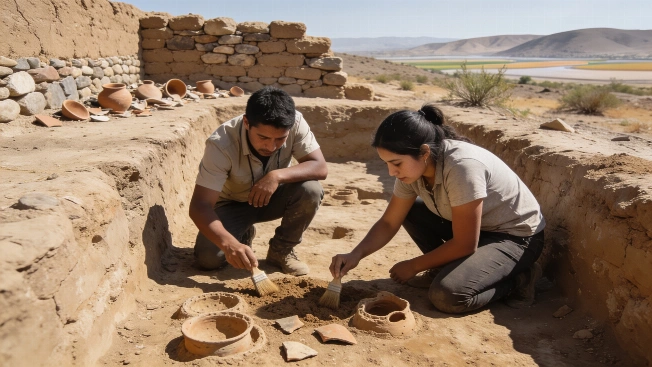
Moche Pottery Workshops Uncovered at Cerro Mayal in Northern Peru
Excavations at Cerro Mayal in Peru's Chicama Valley have revealed extensive evidence of Moche ceramic production, including molds, pottery waste, and workshop-house structures, offering new insight into the organization of ancient craft specialists
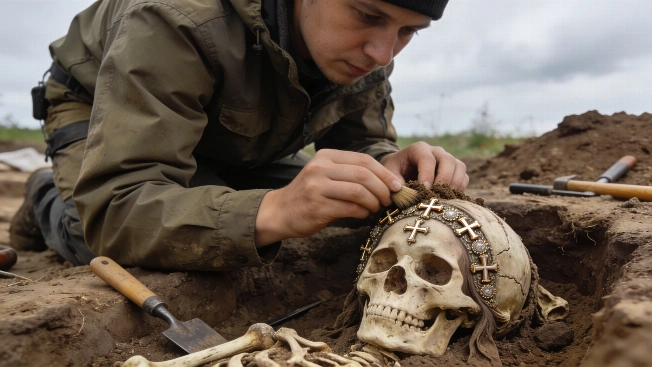
Early Murom Burials and Ceremonial Headdress Found at Zvyaginsky II
Excavations at the Zvyaginsky II cemetery in Russia's Nizhny Novgorod Region have revealed some of the earliest Murom burials, including a rare high-status female grave with a ceremonial headdress, offering new insight into early medieval populations
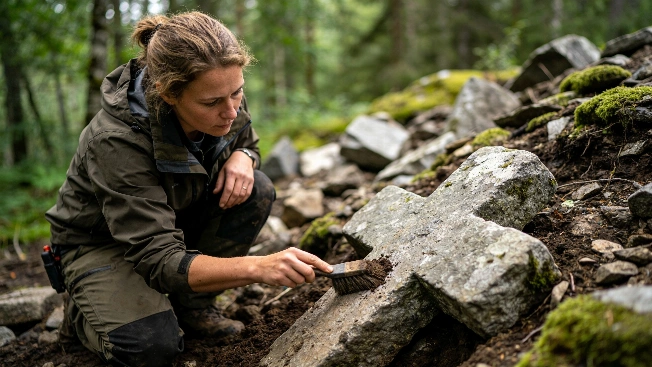
Medieval Stone Crosses Unearthed at Viking-Era Quarry in Norway
Archaeologists working at Hyllestad in western Norway recovered seven medieval stone crosses from a quarry waste heap, providing new evidence for local craftsmanship and religious change during the 11th to 13th centuries
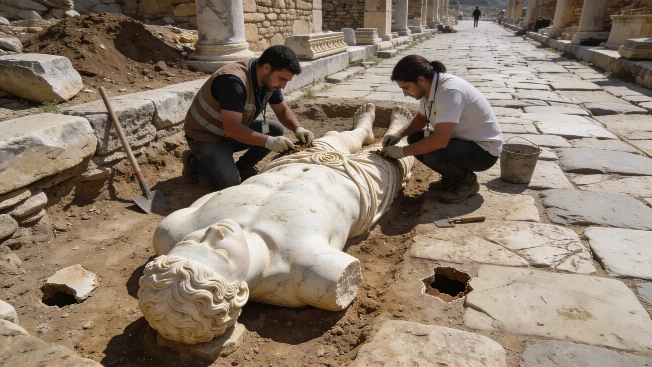
Early Classical Marble Statue Found at Sardis Reveals Lydian Traditions
Archaeologists have uncovered a 2,500-year-old marble statue at Sardis in western Turkey, offering rare evidence of early Classical monumental sculpture and highlighting the interplay of local Lydian and wider Mediterranean artistic traditions
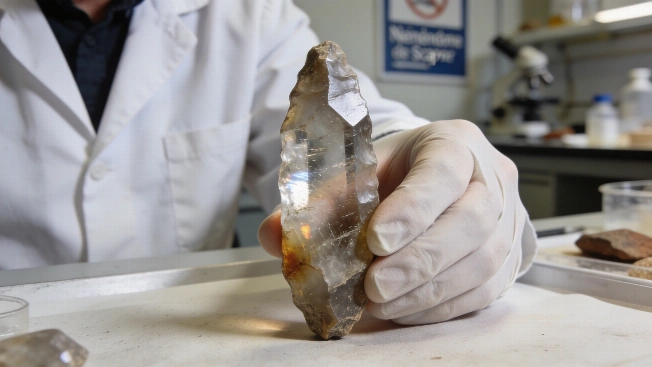
Neanderthal Rock Crystal Tool Sheds Light on Ancient Craftsmanship
Archaeologists have reexamined a rare rock crystal scraper from Abri des Merveilles, France, revealing how Neanderthals selected unusual materials and challenging outdated views of their cognitive abilities
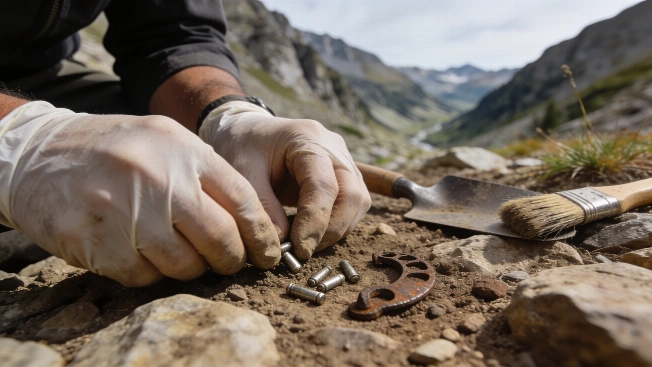
Roman Sling Bullets Pinpoint 39 BCE Ambush Site in the Pyrenees
Archaeologists have identified a Roman military camp in the eastern Pyrenees using lead sling bullets and other artifacts, revealing evidence of a violent local uprising against Roman forces in 39 BCE in what is now Catalonia, Spain
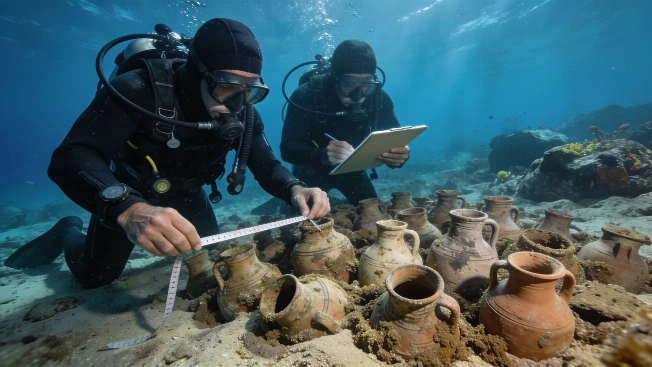
Ancient Shipwreck With Hundreds of Amphorae Found Near Andros
Archaeologists have identified a late Classical period merchant shipwreck off Andros, Greece, containing over 600 amphorae. The find offers new evidence for Aegean maritime trade and cargo transport in the 5th-4th centuries BCE.
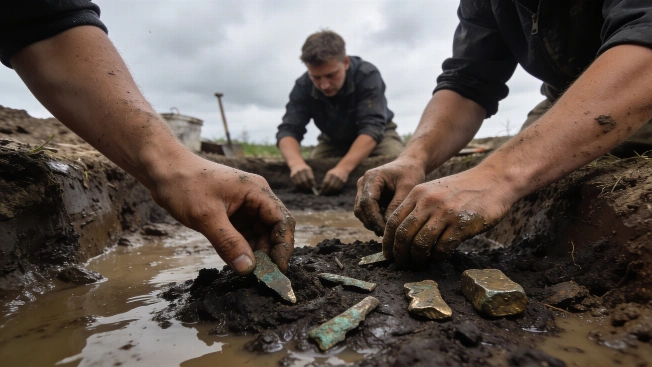
Bronze Age Hoard in Czech Wetland May Reflect Ritual Deposition
Archaeologists have uncovered a Bronze Age hoard of bronze tools and fragments near Kojetín, Czech Republic, during railway modernization works. Analysis suggests the objects were deliberately deposited in a wetland over 3,000 years ago, possibly as a ritual act.
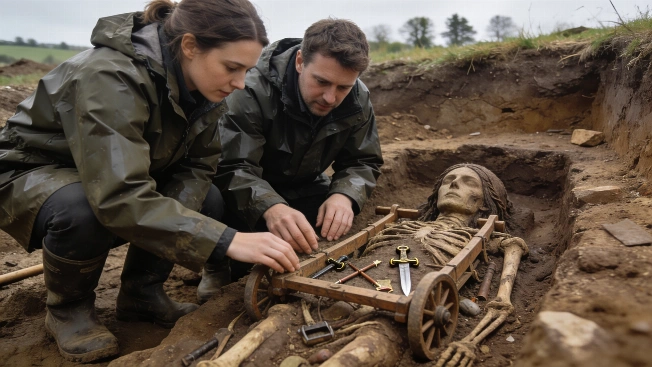
Did Women Fight in Ancient Celtic Battles Archaeology Reveals
Archaeologists have uncovered weapons in some female burials across Iron Age Europe, raising questions about the roles of women in Celtic warfare. Recent genetic and osteological studies provide new insights but leave key uncertainties unresolved
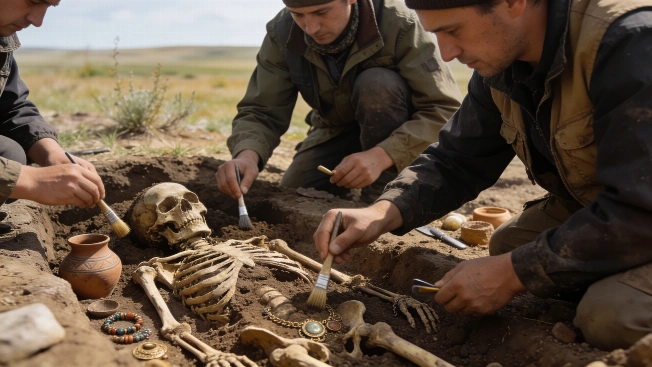
Kazakhstan Burials and Artifacts Reveal Ancient Steppe Trade Links
Recent excavations in Kazakhstan have uncovered Bronze Age and medieval burials, artifacts, and evidence of long-distance trade, offering new insight into the region's prehistoric communities and their connections across Eurasia
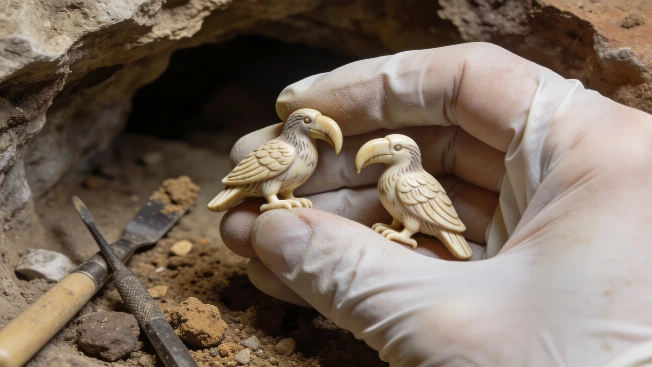
Ice Age Bird Figurines Unearthed in Hohle Fels Cave, Germany
Archaeologists have identified two miniature bird carvings from mammoth ivory in Hohle Fels cave, Germany, dating to around 40,000 years ago. The finds expand evidence for symbolic art among early Homo sapiens in Upper Paleolithic Europe
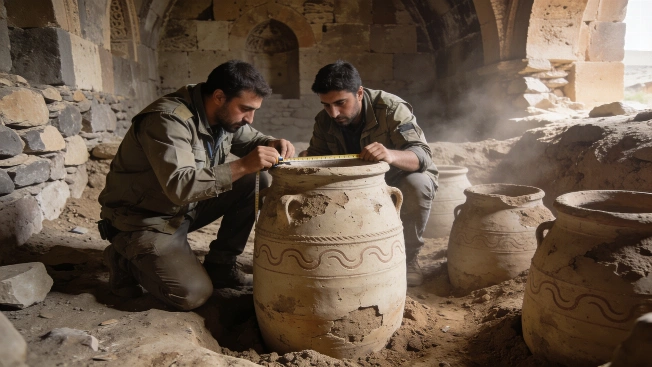
Seljuk Food Storage Facility Unearthed at Ani World Heritage Site
Archaeologists at Ani in eastern Türkiye have uncovered a Seljuk-era food storage facility with five large ceramic jars, offering new evidence for food preservation and urban organization in the medieval city
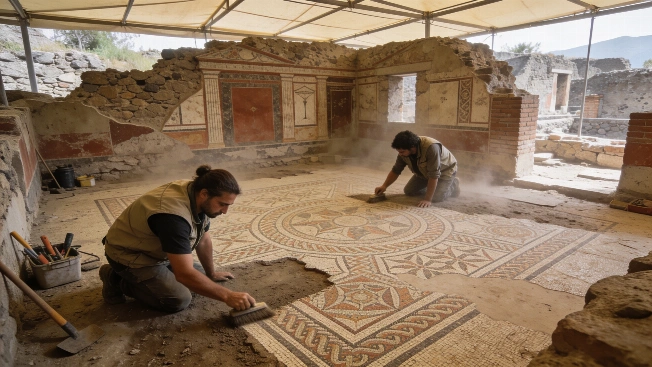
Roman Villa Mosaics Uncovered at Ancient Pompeiopolis in Türkiye
Archaeologists in northern Türkiye have revealed extensive Roman mosaics during renewed excavations at Pompeiopolis, offering new evidence for elite architecture and decorative practices in Anatolia's Roman period
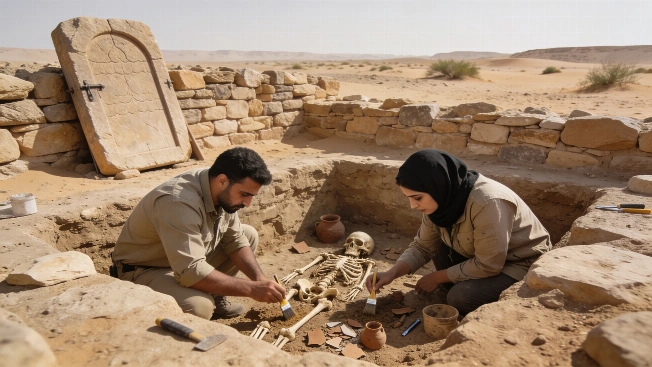
Bronze Age Tomb in UAE Used for Over a Millennium Revealed
Archaeologists have excavated a communal tomb at Qattarah Necropolis in Al Ain, UAE, showing continuous use from the Wadi Suq period through the Iron Age. Isotope and ancient DNA analysis may clarify population origins and burial practices
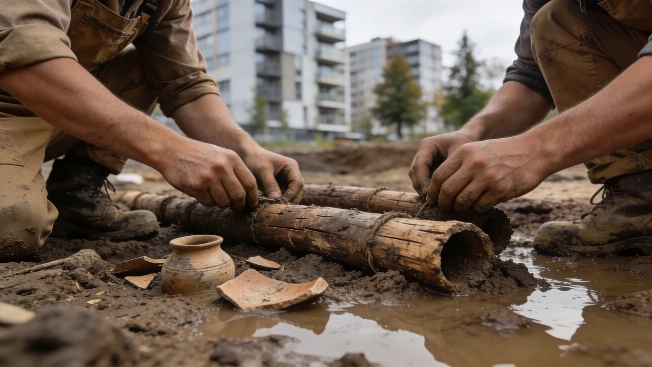
Excavation in Kaliningrad Reveals Four Centuries of Königsberg Life
Archaeologists in Kaliningrad's Far Forstadt district have uncovered well-preserved artifacts and infrastructure spanning the 16th to 20th centuries, offering new evidence for daily life, craft production, and urban change in historic Königsberg
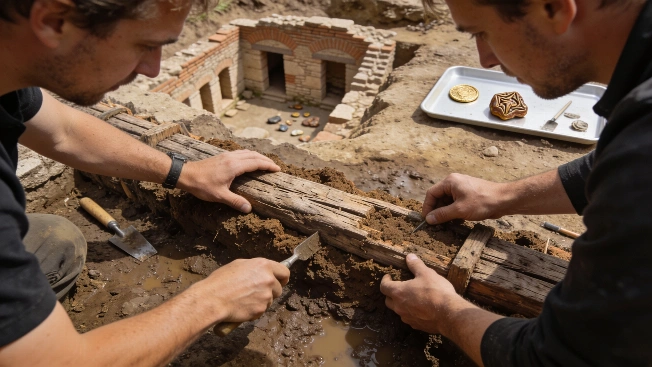
Early Roman Defenses and Rare Finds Unearthed at Vindonissa Camp
Archaeologists at Vindonissa, Switzerland's key Roman legionary camp, have uncovered the first confirmed section of its original defensive wall, a legionary barracks, and a rare gold coin, offering new evidence for the site's earliest military occupation
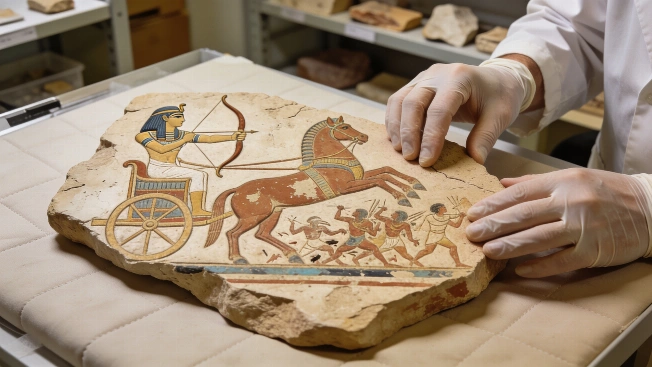
Ancient Egyptian Relief Fragment Shows Pharaoh Overcoming Foreign Foes
A painted sandstone relief from Luxor, created during the reign of Amenhotep II, depicts an Egyptian pharaoh defeating western Asian soldiers. Later reused in a temple foundation, the artifact offers insight into royal iconography and material reuse
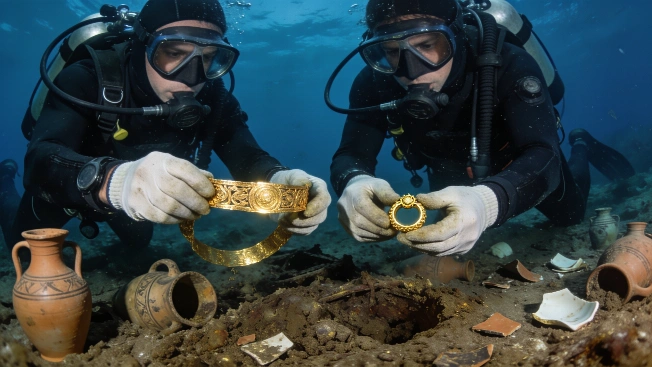
Byzantine Gold Regalia and Imperial Ring Found in Adriatic Shipwreck
Archaeologists have recovered gold ceremonial belts, imperial coins, and a rare signet ring from a Byzantine shipwreck off Croatia's Mljet island, offering new evidence for elite travel and trade across the Adriatic in the early Middle Ages
Part 3 of 4