
Archaeology & Human Origins - Part 3
302 reports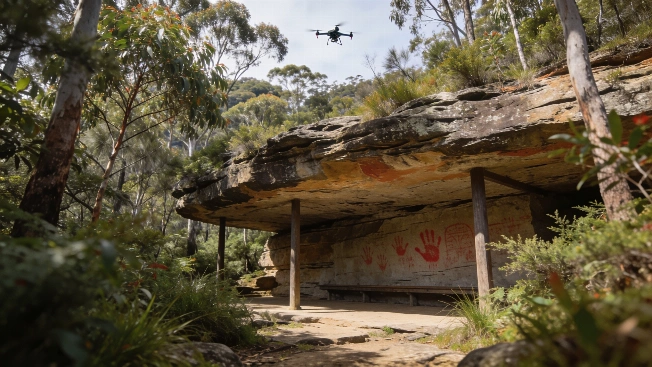
LiDAR Survey Finds Three Unregistered Blue Mountains Shelters
More than 200 rock shelters are documented across the Blue Mountains, but researchers estimate that only about a tenth of the region has been systematically surveyed. Drone mapping helped teams locate three more shelters for ground inspection
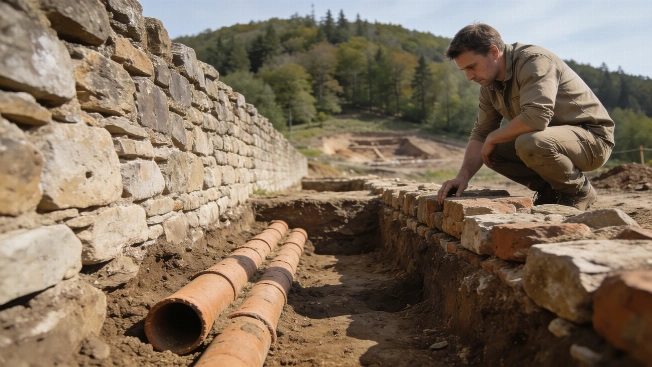
Lismore finds point to a wealthy early medieval monastery
Excavation and geophysical survey around Lismore's 13th-century cathedral exposed burial grounds and early structures, along with signs of precious-metal work. The finds suggest a large religious community whose full extent remains unknown
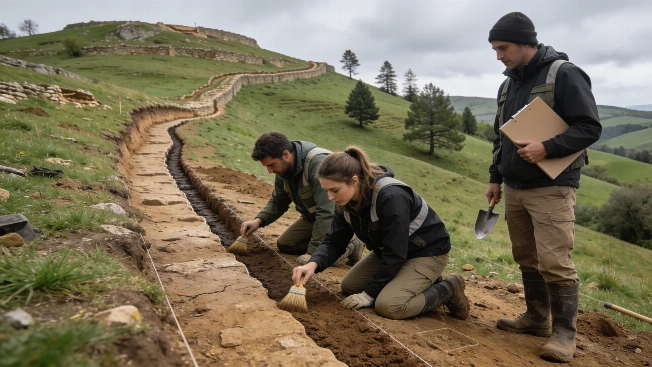
Roman Camp Near La Peña del Castro Tied to Hillfort Siege
A 1.7-hectare enclosure about 500 metres from La Peña del Castro preserves Roman military footwear fittings and defensive remains. Excavations link it to the hillfort's siege, while its precise chronology remains unresolved
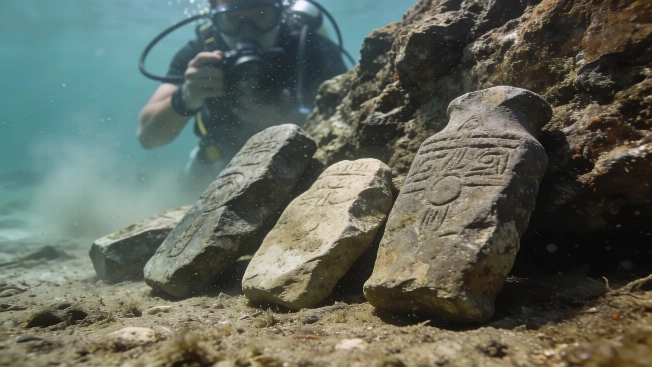
Stone Tools Reveal an Aboriginal Landscape Beneath Murujuga
Stone artifacts found near a former freshwater spring and river channel extend the archaeological picture of Murujuga, where rising seas submerged an Aboriginal field at least 9,000 years ago.
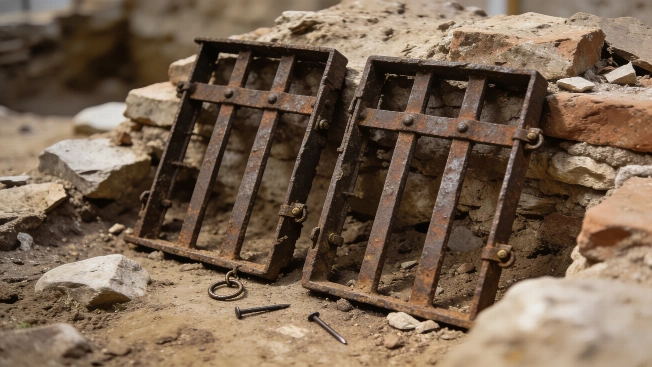
Roman Iron Window Grille Emerges From a Collapsed Wall
Excavators at Augusta Raurica found a Roman iron window grille in a collapsed wall 1.7 metres below ground. Its fittings survive, but the building's date and purpose remain unknown

Colossal statue remains may depict Ramses II in Egypt
A carved head identified by inscription as Ramses II and a second monumental figure found at Behbeit El-Hagar are tentatively linked to the king. Their original setting and relationship to the site's later temple remain unestablished.
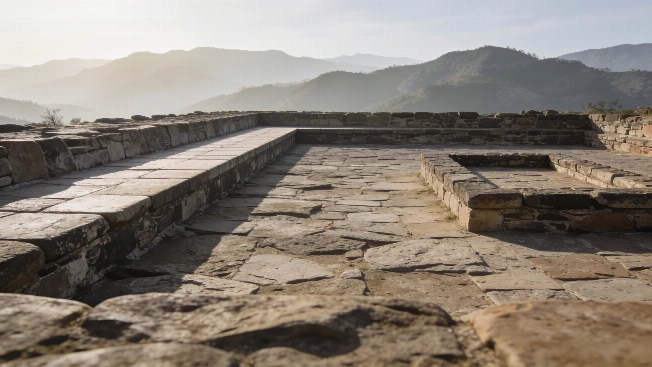
A 2,500-Year-Old Solar Observatory Identified in Puebla
A monumental courtyard in Puebla aligns with the Sun's annual movements and may have marked basic points in the agricultural year. Its layout is the first confirmed Group E complex identified outside the Maya region.
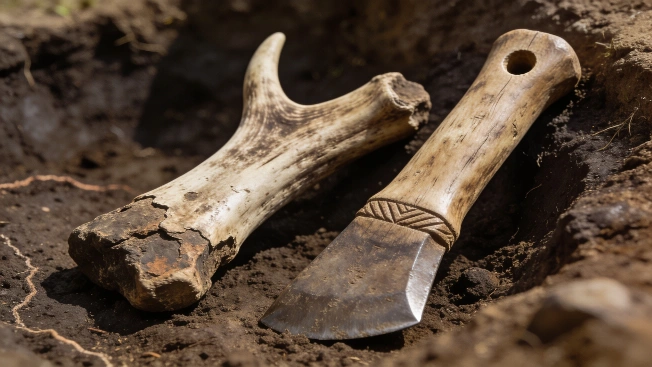
Rare Bronze Age Antler Axes Found in Southern Sweden
Two deer-antler axes reportedly recovered from pits at a prehistoric settlement near Löddeköpinge offer a rare potential addition to Sweden's Bronze Age record. Their condition suggests skilled shaping, but independent confirmation remains unpublished; precise dating and evidence of their use have not been published either.

Tangbaletasi Cave Art Tracks Bronze Age Beliefs Into Tibetan Buddhism
Paintings in two caves at Tangbaletasi span possible Bronze Age traditions and later Tibetan Buddhist imagery. New imaging reveals hidden motifs, while the figures’ precise meanings remain unresolved.
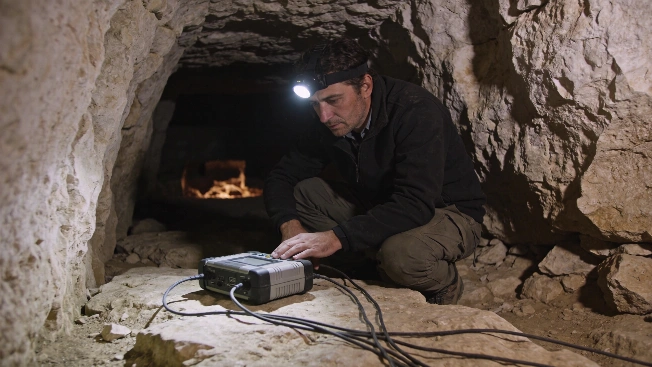
Radar Maps Possible Hidden Chambers Beneath Italy's Cave of Venuses
Ground-penetrating radar and electrical resistivity surveys at Italy's Grotta delle Veneri have detected underground anomalies that may connect with the known cave system but are not yet confirmed chambers
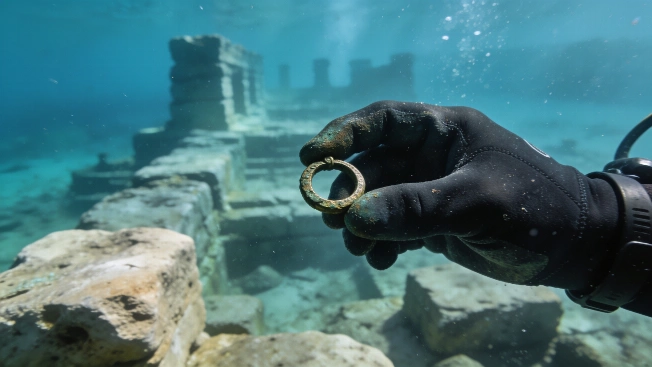
Bronze Seal Ring Reveals Alexandria Lighthouse in Portus Magnus
A bronze seal ring recovered from submerged Antirhodos bears an image of Alexandria's famous lighthouse. Its archaeological context may connect the royal quarter with the symbolic and administrative reach of the Pharos, although the object's date, owner and precise function remain unconfirmed.
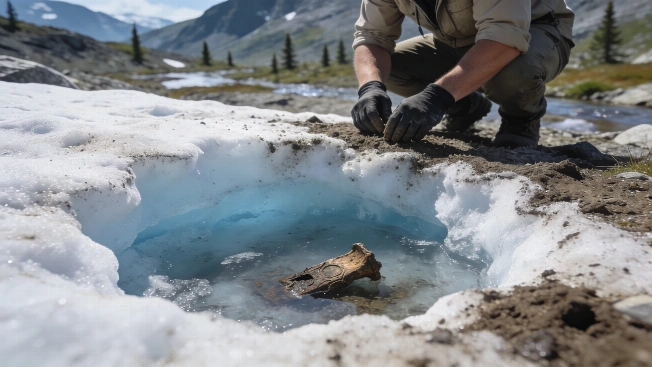
Melting Norwegian Ice Exposes 6,000-Year-Old Mountain Artefacts
Norway's retreating mountain ice has exposed 48 prehistoric arrows and other artefacts dating from more than 6,000 to about 1,800 years ago, prompting archaeologists to reassess how people used high-elevation landscapes.
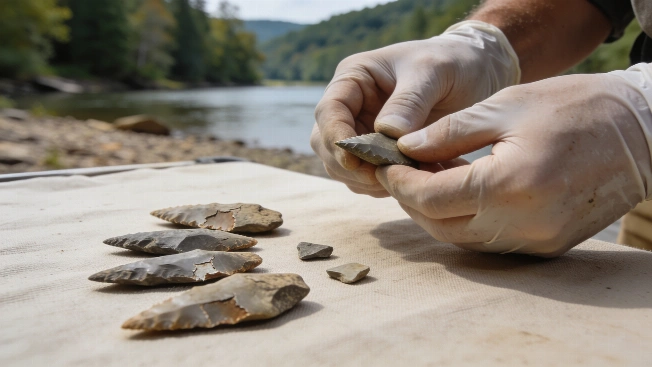
Resharpened Clovis Points Track Early Adaptation in Tennessee
An analysis of 489 Clovis and Cumberland projectile points from the Tennessee River Valley shows how early hunter-gatherers changed their use of stone as they learned the field
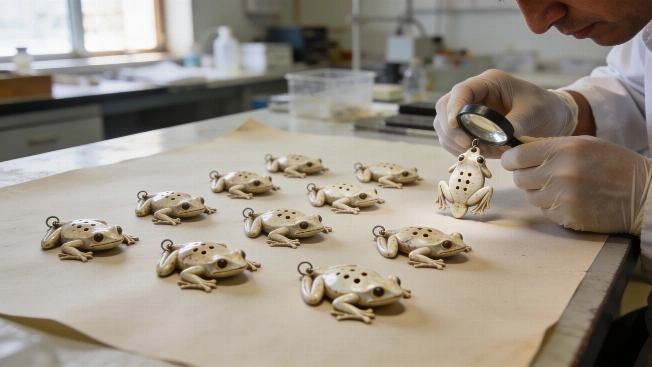
Maya Frog Pendants Map Late Classic Exchange Networks
Fourteen small zoomorphic shell pendants recovered during Maya Train salvage excavations in Campeche and Yucatán may illuminate craft production, funerary practice and the movement of marine materials. No independent chemical provenance study or later official assessment has been documented.
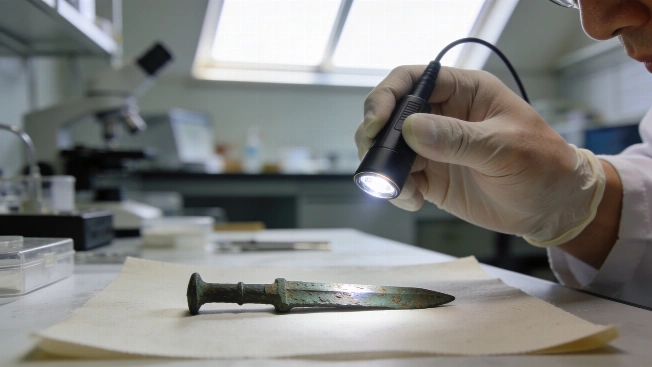
Bronze Hand Cannon Rewrites Korea's Early Firearms Record
A bronze hand cannon found during a trail safety survey in South Korea has passed X-ray and metallurgical tests. Identified as the Hwangja Hwatong after three years of analysis, it is regarded as Korea's earliest surviving firearm, although its 28-character inscription leaves two possible manufacturing dates.
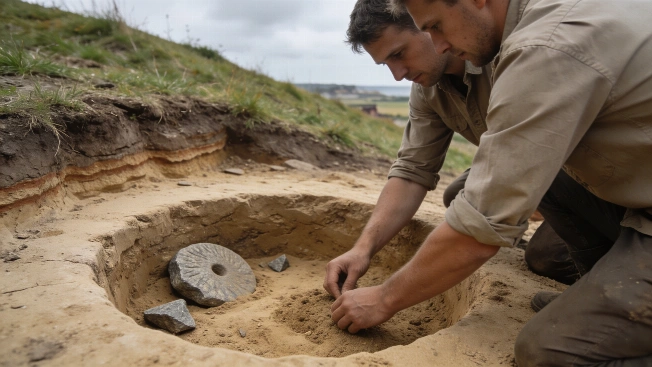
Possible Fortified Windmill Revealed on Poland's Windmill Hill
Excavations near Puck have exposed more than 300 features, including two circular trenches around a possible 15th-century windmill and a Lutheran cemetery with about 150 graves.
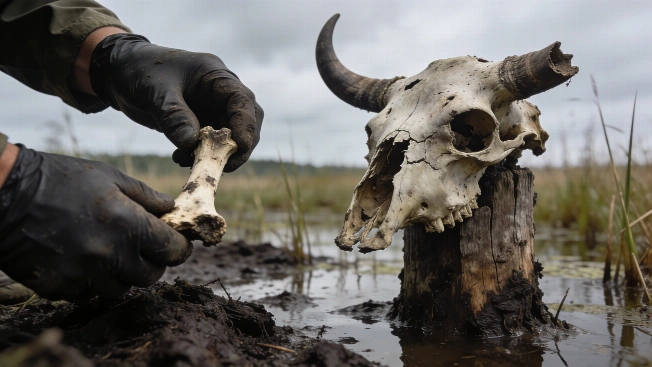
Aurochs Skull on Wooden Stake May Mark Mesolithic Burial Ritual
A nearly complete aurochs skull found driven onto a wooden stake near northern Germany's oldest known grave may point to a previously undocumented hunter-gatherer funerary practice, although researchers stress that the interpretation remains provisional.
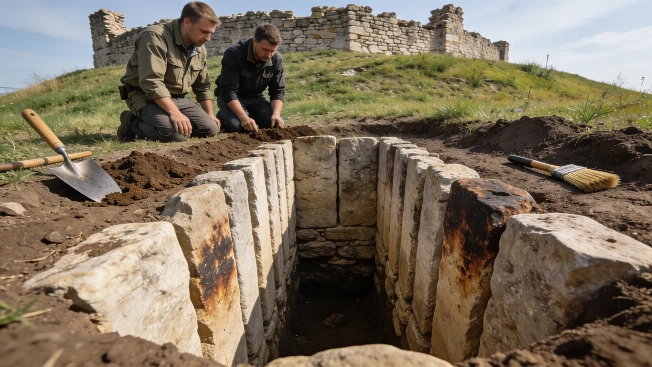
Medieval Hot-Air Heating System Found Beneath Swiss Monastery
Archaeologists in Basel have documented a rare, almost completely preserved medieval hot-air heating system beneath the former Gnadental Monastery, including a stone heat-storage chamber, a masonry fire channel and eight controllable openings.
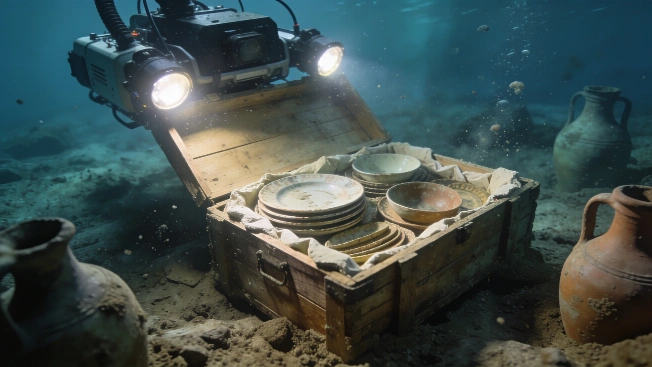
Luxury Tableware Cargo Found in a Turkish Shipwreck
Thousands of ceramic tableware pieces recovered off Adrasan, including plates and bowls alongside trays, reveal a luxury cargo associated with Rhosus and Mediterranean trade during the 1st century BCE.
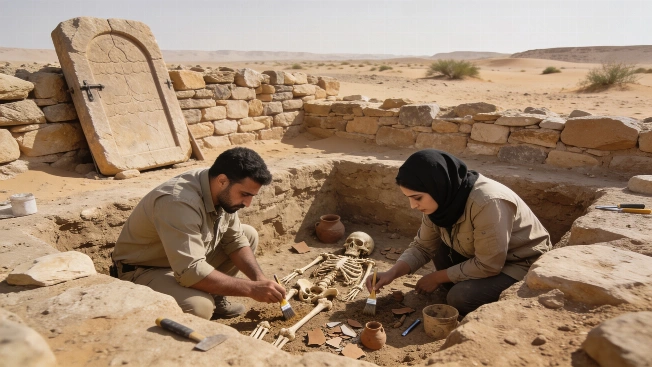
Somló Hill Reveals a Major Bronze Age Settlement
Archaeologists have identified a large prehistoric settlement on Hungary's Somló Hill through ceramic finds and craft tools, alongside metalwork deposits dating from the Late Bronze Age into the Early Iron Age.
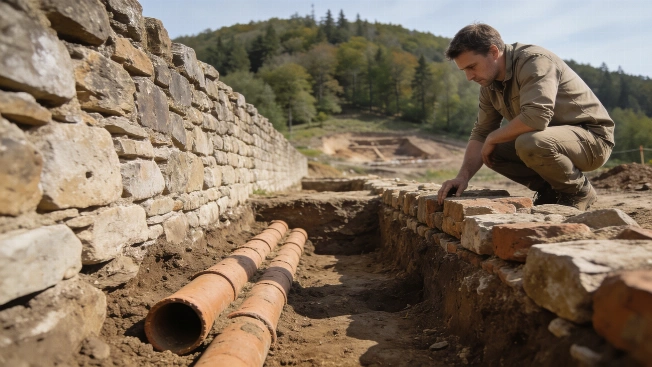
Posa Hill Excavations Expose a Bishop's Palace and Monastery Network
Excavations at Posa Hill have expanded the known extent of the monastery and revealed a possible early medieval tower, a monumental bishop's palace and a rare ceramic water-pipe system.
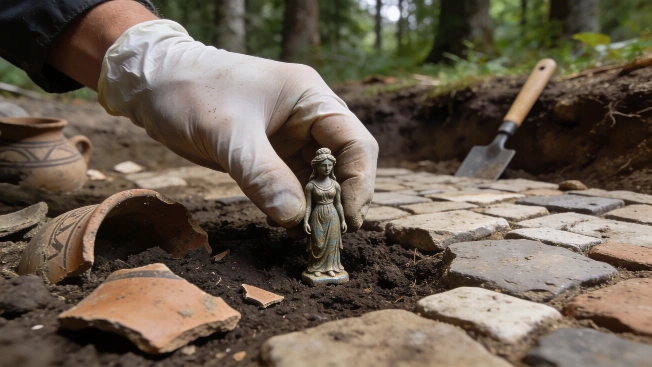
A Lead Venus Statuette Sharpens the Picture of Roman Pilisszentiván
A lead Venus Pudica found during the fourth excavation season at Pilisszentiván is the first known religious object from the Roman vicus, while associated finds shed light on personal equipment, work and monetary circulation.
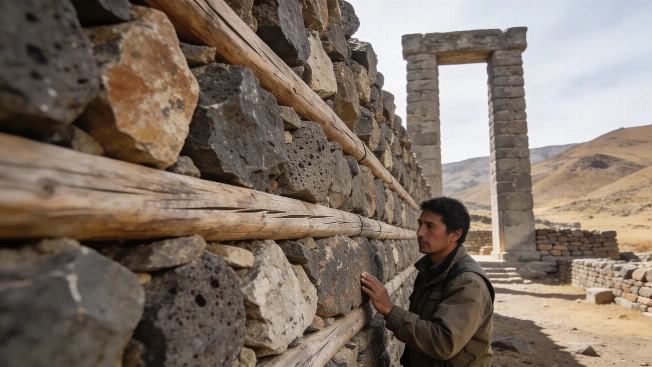
Yeha Palace May Have Supported 19 Storeys
A structural study of the 2,800-year-old Grat Be'al Gibri palace in Ethiopia suggests that its walls could theoretically have supported at least 19 storeys, although the model does not prove that the palace was ever built to that height.
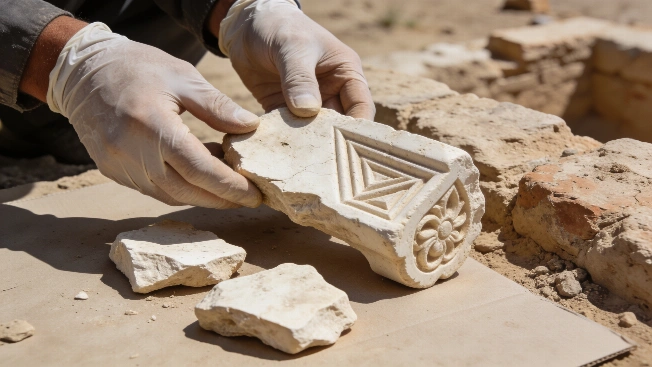
Kufic Ganch Fragments Illuminate Samanid Bukhara
Fragments of carved ganch bearing Kufic inscriptions have been recovered at Bukhara's Shahristan site. Their fragile condition limits what can be read, but they preserve evidence of Samanid religious architecture and the international archaeological work documenting it.
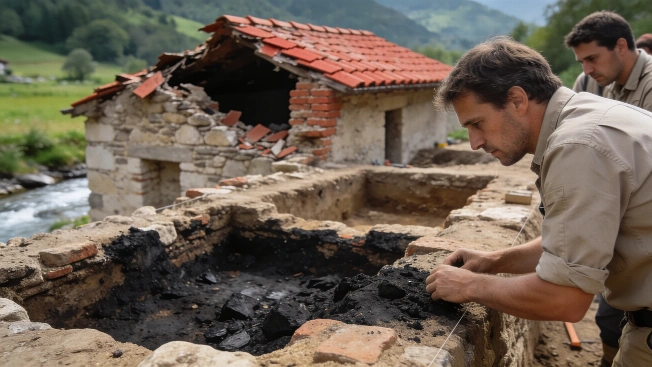
Roman Town With 8000 Seat Amphitheatre Found in Austria
Geophysical surveys in Lower Austria have mapped a Roman town with a regular street grid, burial grounds and an amphitheatre for about 8000 people. Researchers cautiously link it to Claudivium, but the identification remains unconfirmed.
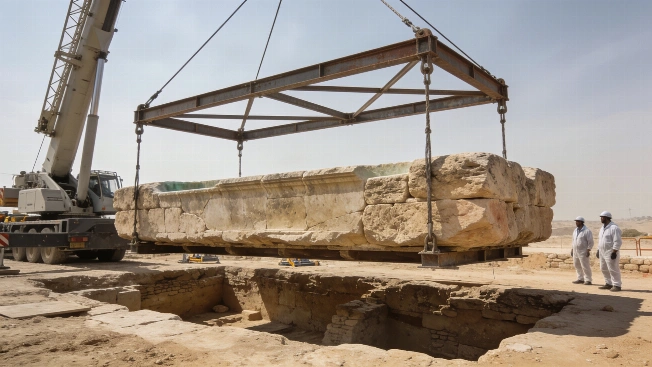
A 25-Tonne Mikveh Is Lifted Intact From an Israeli Site
A 2,000-year-old mikveh has been lifted intact from Carmei Gat using a 300-tonne crane after archaeologists linked it with a previously unknown Jewish settlement of the Second Temple period.
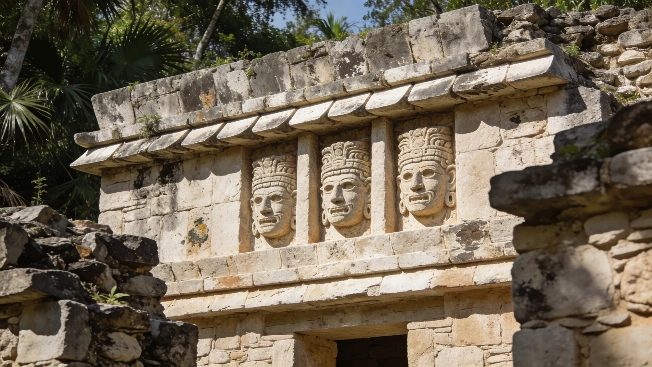
Xpujil Maya Residence Reveals How Elite Power Was Built in Stone
Carved façades at a Maya residence near Xpujil feature three images of K'awiil and a royal mat glyph, evidence that the building housed elites during the final centuries of the Classic period.
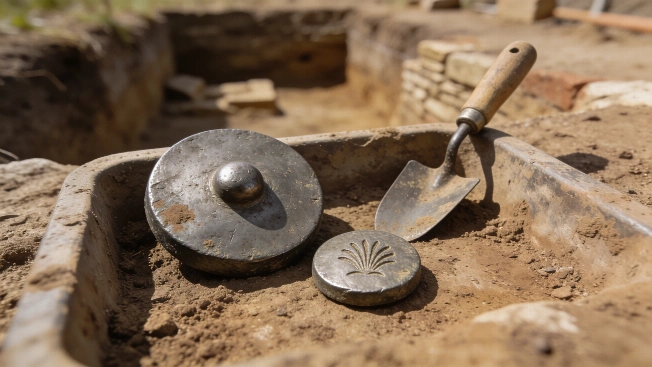
Roman Weights Expose the Working Economy of Bedford Villa
Two reported Roman lead pan weights from Bedford Roman Villa illustrate how measured mass may have structured work on a rural estate, while the limits of current verification caution against assigning them a specific trade or commodity.
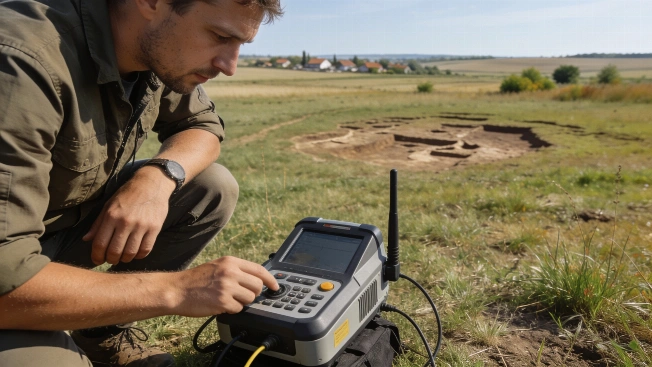
Opovo Settlement Was Twice the Size Archaeologists Thought
A new survey of Opovo Ugar-Bajbuk in Serbia combines surface collection with geophysical mapping, while drilling and targeted excavation add subsurface checks. The results expand the site estimate from five hectares to more than nine and from about 200 residents to over 700.
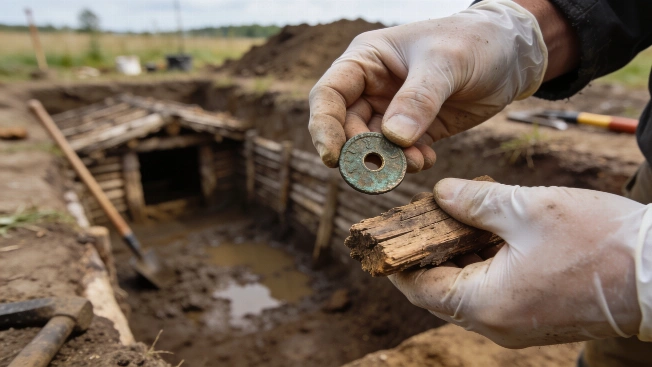
Galgenbichl Settlement Reveals Iron Age Life in South Tyrol
Excavations at Galgenbichl in South Tyrol have revealed more than 30 houses dating from approximately 800 to 500 BCE, together with craft evidence, animal remains and infant burials that differ from the cremation practices documented at nearby Windschnur.
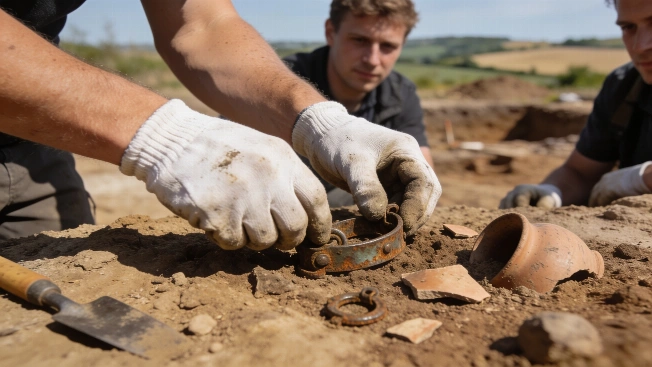
Celtic Weapons Reveal a Sparse Iron Age Record in Hungary
A Celtic spear and complete shield assemblage, recovered with associated finds near Erdőbénye, provide rare evidence of Iron Age activity in northeastern Hungary while leaving the deposit's date and purpose unresolved.
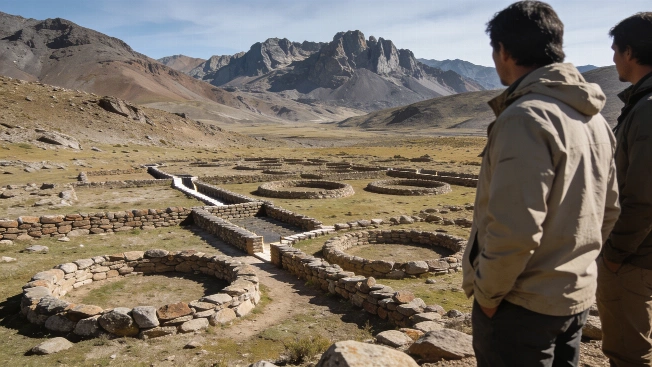
Argentina's Andes Reveal Vast Stone Circles With Unknown Purpose
A remote survey in Mendoza province has confirmed large circular stone structures linked by passageways at more than 3,000 meters above sea level. Their date and purpose remain unresolved.
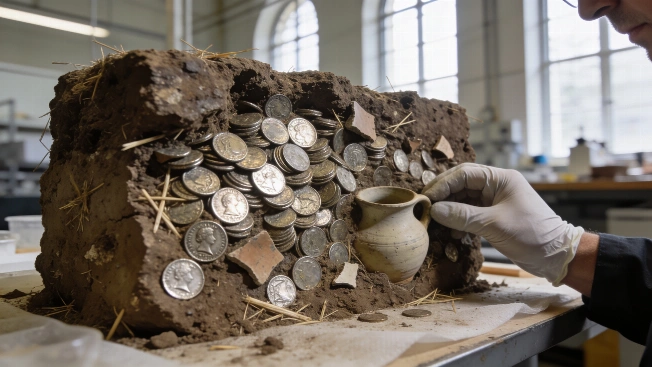
Hadrianic Coin Hoard in Germany Contains 934 Silver Denarii
A legally reported discovery near Wesseling has yielded 934 Roman silver denarii weighing 3.1 kilograms. The coins offer evidence of wealth and monetary circulation, including deliberate concealment in the Rhineland during the second century CE.
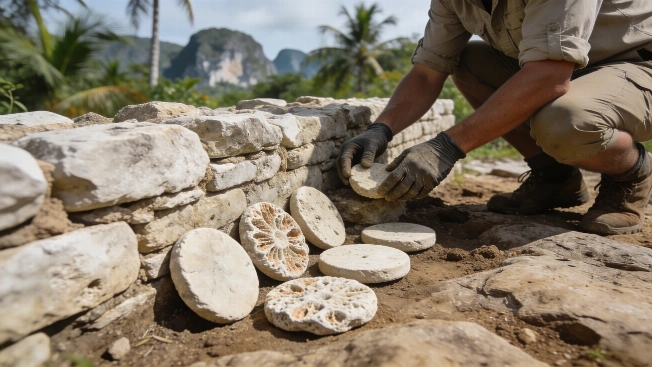
Maya Beekeeping Site Found Along the Maya Train Route
A limestone structure near Tulum may preserve evidence of pre-Hispanic stingless-bee keeping. Forty stone discs and pottery fragments could clarify how Maya households produced and stored honey, although the proposed meliponary interpretation remains provisional pending residue and contextual analyses.
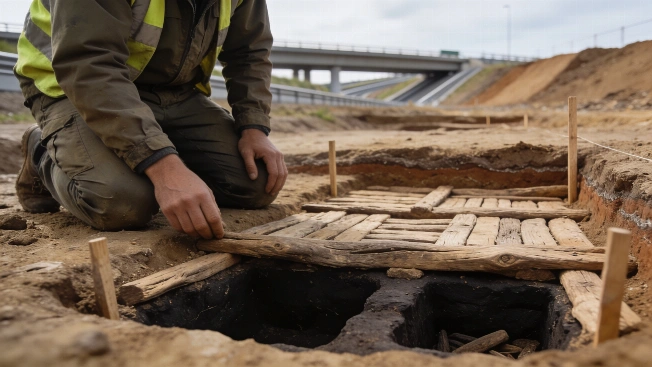
D55 Excavation Reveals 7,000-Year-Old Farming Landscape in Czech Republic
A rescue excavation along the Czech Republic's D55 motorway has documented 1,879 settlement features, 65 cremation and burial contexts, and large Neolithic houses across a field occupied repeatedly from the Neolithic to the medieval period.
Part 3 of 9