
Ancient Civilizations
90 reportsSite records and dating evidence reveal where results converge and where they diverge. The comparison asks which evidence supports political claims and how trade is traced, noting where excavation history or disturbed context weakens the reconstruction.
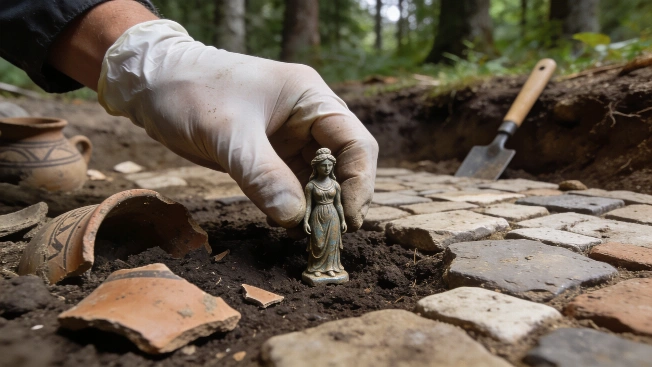
A Lead Venus Statuette Sharpens the Picture of Roman Pilisszentiván
A lead Venus Pudica found during the fourth excavation season at Pilisszentiván is the first known religious object from the Roman vicus, while associated finds illuminate personal equipment, work and monetary circulation.
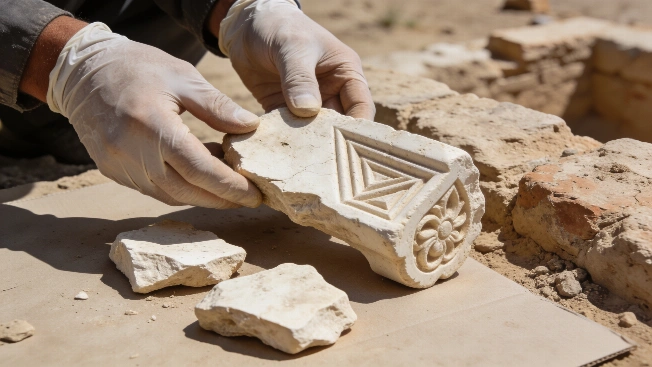
Kufic Ganch Fragments Illuminate Samanid Bukhara
Fragments of carved ganch bearing Kufic inscriptions have been recovered at Bukhara's Shahristan site. Their fragile condition limits what can be read but preserves evidence of Samanid religious architecture and the international archaeological work now documenting it.
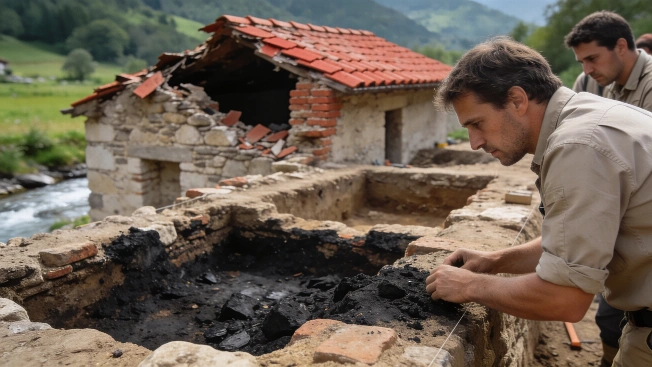
Roman Town With 8000 Seat Amphitheatre Found in Austria
Geophysical surveys in Lower Austria have mapped a Roman town with a regular street grid, burial grounds and an amphitheatre for about 8000 people. Researchers cautiously link it to Claudivium, but the identification remains unconfirmed.
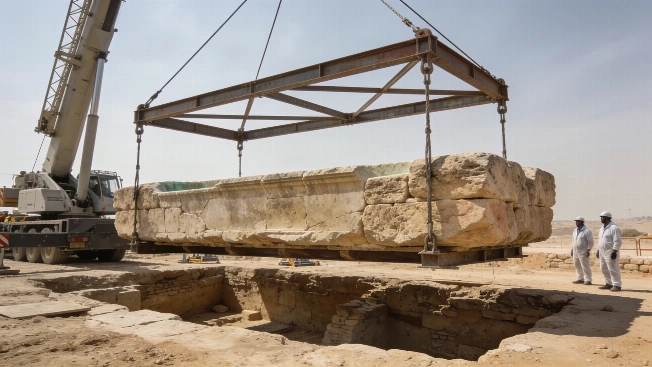
A 25-Tonne Mikveh Is Lifted Intact From an Israeli Site
A 2,000-year-old mikveh has been lifted intact from Carmei Gat using a 300-tonne crane after archaeologists linked it with a previously unknown Jewish settlement of the Second Temple period.
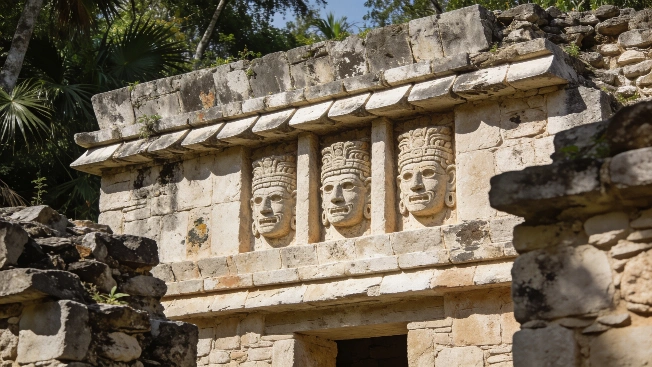
Xpujil Maya Residence Reveals How Elite Power Was Built in Stone
Carved façades at a Maya residence near Xpujil feature three images of K'awiil and a royal mat glyph, evidence that the building housed elites during the final centuries of the Classic period
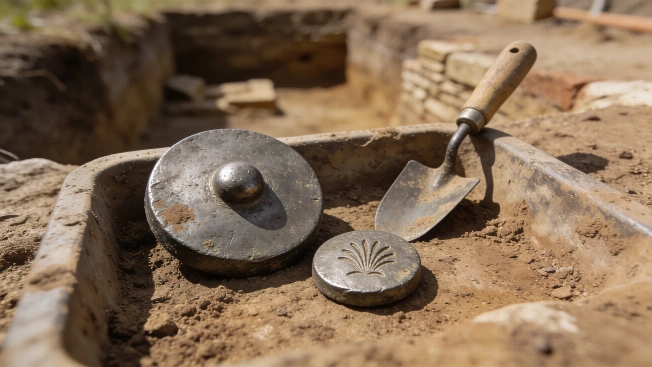
Roman Weights Expose the Working Economy of Bedford Villa
Two reported Roman lead pan weights from Bedford Roman Villa illustrate how measured mass may have structured work on a rural estate, while the limits of current verification caution against assigning them a specific trade or commodity.
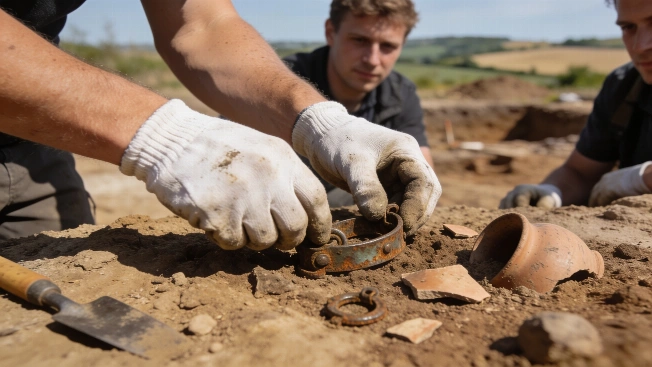
Celtic Weapons Reveal a Sparse Iron Age Record in Hungary
A Celtic spear, complete shield assemblage and associated finds recovered near Erdőbénye provide rare evidence of Iron Age activity in northeastern Hungary while leaving the deposit's date and purpose unresolved.
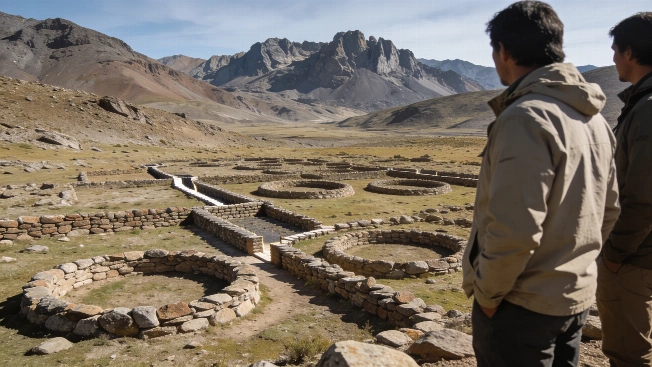
Argentina's Andes Reveal Vast Stone Circles With Unknown Purpose
A remote survey in Mendoza province has confirmed huge circular stone structures linked by passageways at more than 3,000 meters above sea level. Their date and purpose remain unresolved
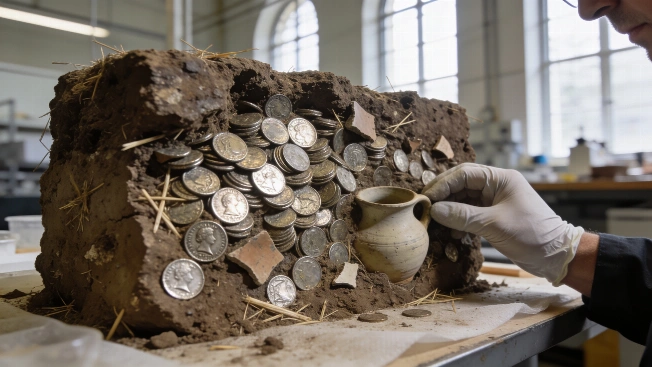
Hadrianic Coin Hoard in Germany Contains 934 Silver Denarii
A legally reported discovery near Wesseling has yielded 934 Roman silver denarii weighing 3.1 kilograms. The coins offer evidence of wealth, monetary circulation and deliberate concealment in the Rhineland during the second century CE.
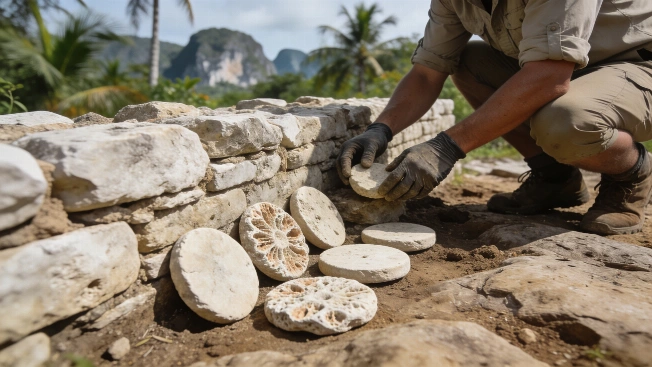
Maya Beekeeping Site Found Along the Maya Train Route
A limestone structure near Tulum may preserve evidence of pre-Hispanic stingless-bee keeping. Forty stone discs and pottery fragments could clarify how Maya households produced and stored honey, although the proposed meliponary interpretation remains provisional pending residue and contextual analyses.
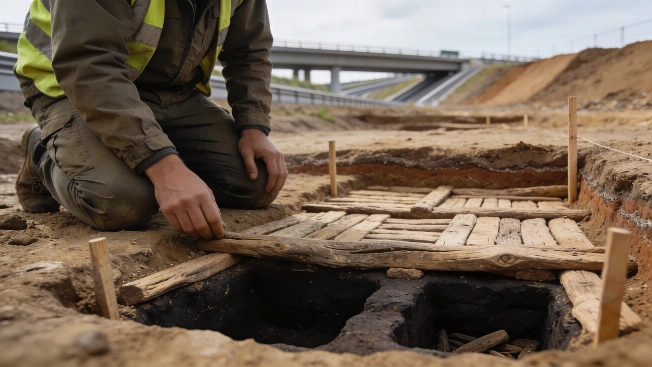
D55 Excavation Reveals 7,000-Year-Old Farming Landscape in Czech Republic
A rescue excavation along the Czech Republic's D55 motorway has documented 1,879 settlement features, 65 cremation and burial contexts, and large Neolithic houses across a landscape occupied repeatedly from the Neolithic to the medieval period.
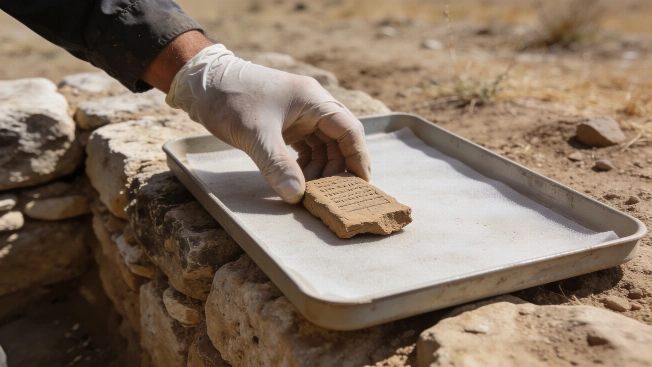
Hattusa Fragment Reconnects a Piece of the Kadesh Treaty
A newly identified cuneiform fragment from Hattusa belongs to the Hittite version of the Kadesh Peace Treaty and preserves clauses on fugitives who crossed between Egypt and Anatolia
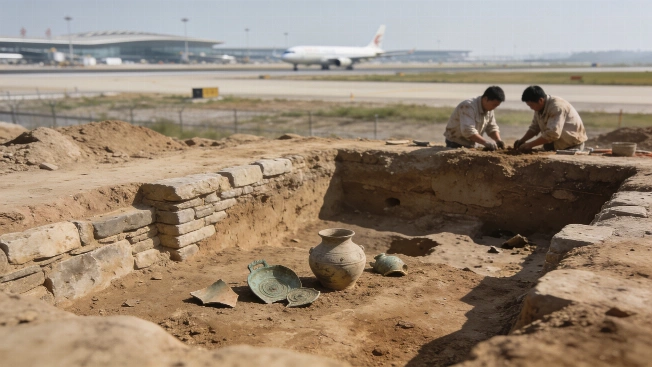
A Qin Royal Tomb Near Xi'an May Belong to Huayang
A looted royal tomb beside Xi'an Xianyang International Airport contains a 2,250-year-old burial complex whose date, architecture and associated burials point toward Empress Dowager Huayang, although no inscription has conclusively identified the occupant.
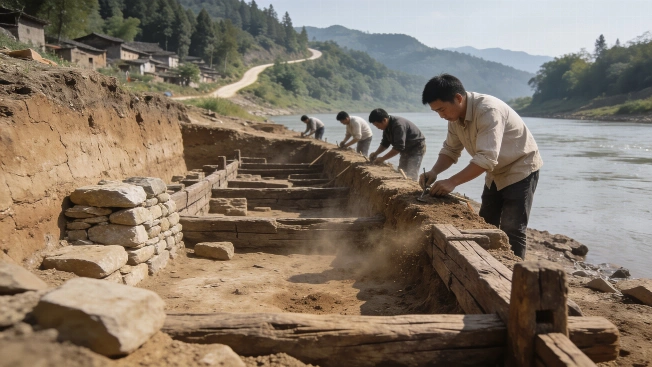
Chengba May Be the Han-Dynasty Site of Dangqu
Excavations at Chengba in eastern Sichuan have revealed a fortified Han settlement with workshops, streets, bamboo documents and a possible water gateway associated with the ancient county of Dangqu, although the identification remains an archaeological interpretation rather than a confirmed administrative decision.
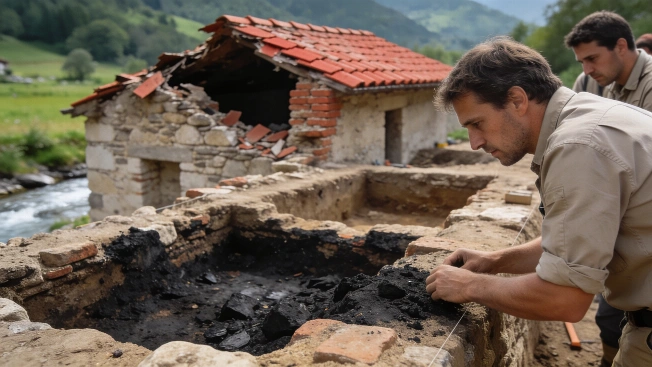
Roman Settlement in Switzerland Shows Signs of a Destructive Fire
Excavations at Ligornetto in southern Switzerland have exposed a Roman complex destroyed by fire, with iron slag and bronze-working waste that may clarify the settlement's economic role.
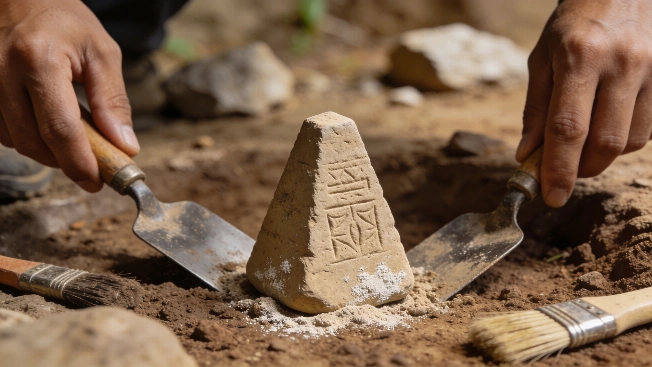
Stone prism find at Ollape unsettles Chachapoya daily life evidence
Archaeologists have recovered a carefully worked sandstone prism at the Ollape site in Peru's Amazonas region. The object's resemblance to Andean dice raises new questions about games, ritual, and social practice among the Chachapoya.
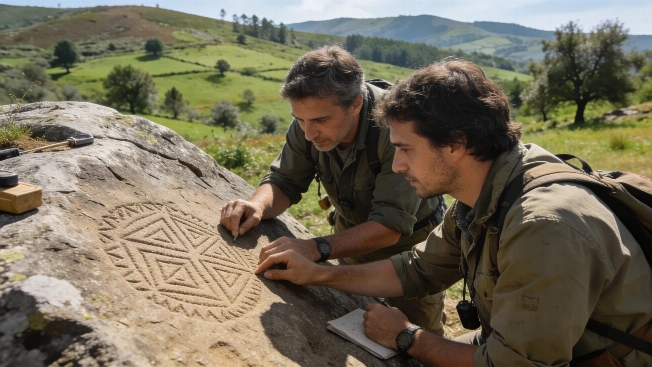
Galician Petroglyph May Depict Prehistoric Hut in Sacred Landscape
Archaeologists in Galicia are studying a large engraved rock that may show the floor plan of a prehistoric hut. The find, set among burial mounds and shelters, could change how researchers view ritual and domestic space in northwest Iberia.
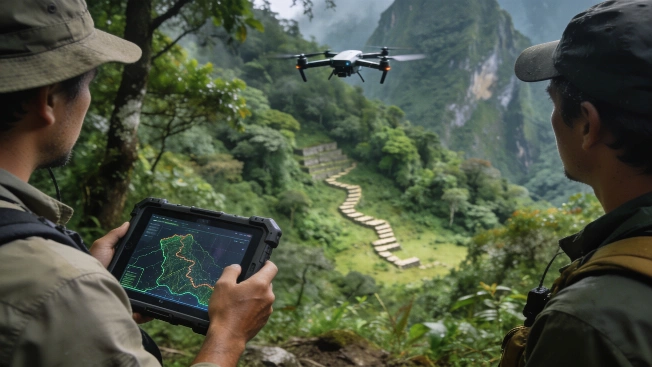
LiDAR survey uncovers hidden Inca roads near Machu Picchu
Archaeologists using drone-based LiDAR have mapped over 2.5 kilometers of previously undocumented pre-Columbian roads and terraces beneath rainforest near Machu Picchu, challenging assumptions about the extent of Inca landscape development
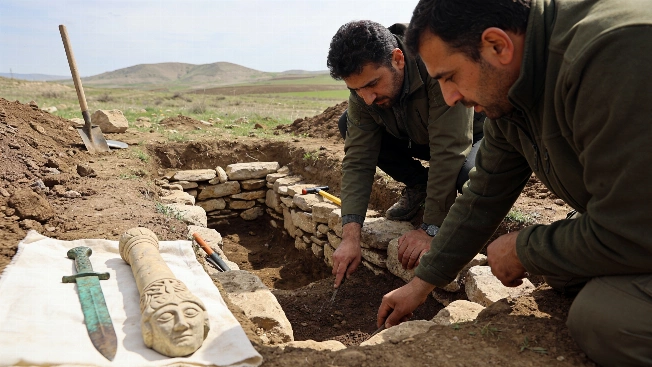
Bronze Age burial in Azerbaijan reveals weapons and staff of authority
A 3,600-year-old burial mound at Keşikçidağ in Azerbaijan has yielded a bronze dagger, obsidian and flint arrowheads, and a carved stone staff head, offering new evidence for social hierarchy and military roles in the Middle Bronze Age South Caucasus
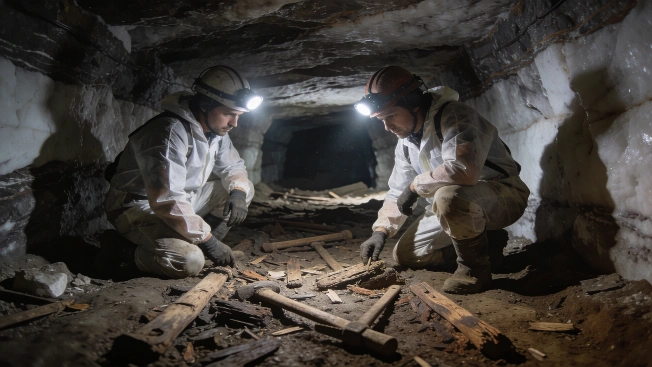
Iron Age Salt Mine Chambers Uncovered Deep Inside Hallstatt Mountain
Archaeologists have mapped a 300 meter network of Iron Age mining chambers beneath Hallstatt in Austria using core drilling, exposing thick layers of preserved debris and organic remains that offer new evidence for prehistoric salt extraction and community resilience
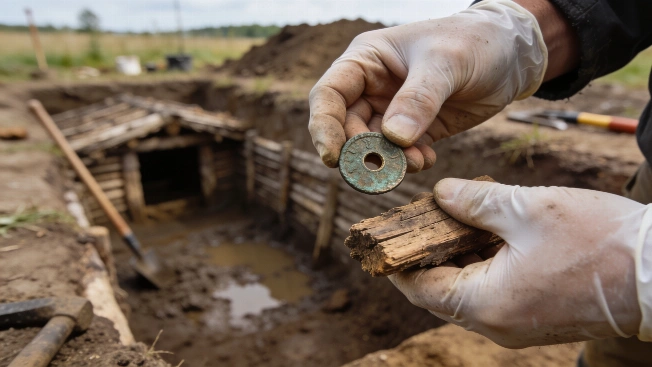
Iron Age Longhouse and Rare Coin Reveal Distant Connections in Poland
Excavations at Łysa Góra in central Poland have uncovered a 2,500-year-old longhouse and a rare Thracian coin, providing new insight into Iron Age settlement patterns and long-distance contacts across Europe
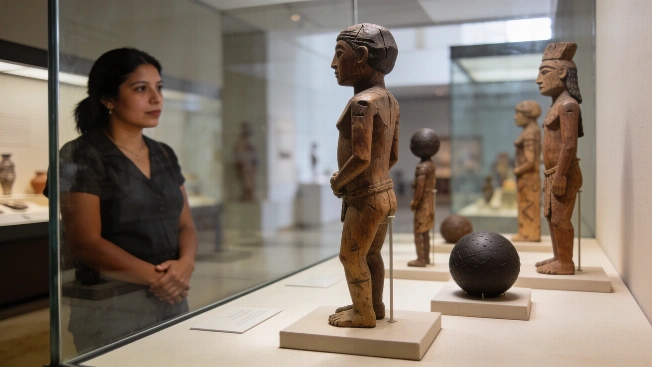
Olmec Offerings Reveal Ancient Rituals at Cerro El Manatí
Archaeologists have reunited 3,700-year-old Olmec offerings from Cerro El Manatí, including preserved wooden figures, rubber balls, and jadeite axes, providing new evidence for early Mesoamerican ritual and belief at a sacred Veracruz site
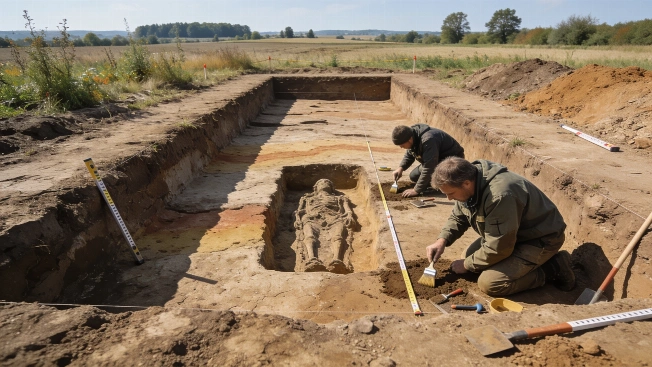
Trapezoidal Neolithic Burial Monument Uncovered Near Leipzig
Archaeologists in Saxony have excavated a 5,500-year-old trapezoidal enclosure containing a single human burial, offering new evidence for selective mortuary architecture and social differentiation among Neolithic Baalberge communities in Central Germany
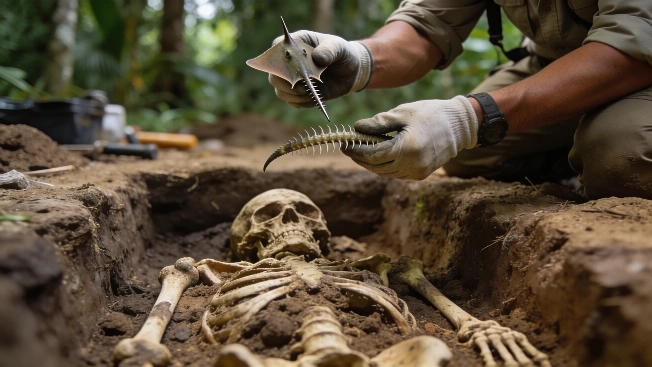
Ancient Maya burials yield stingray barbs linked to bloodletting rituals
Archaeologists working near Tenosique, Tabasco, have recovered stingray barbs and a catfish spine from ancient Maya burials. Researchers are investigating whether these aquatic animal remains were used in ritual bloodletting or self-sacrifice practices
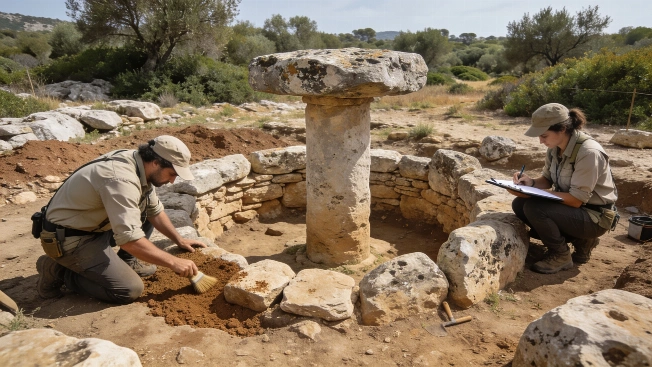
Newly Identified Talayot Alters Understanding of Son Fornés Settlement
Archaeologists at Son Fornés in Mallorca have uncovered a fourth talayot hidden beneath dense vegetation, revealing a previously unknown monumental structure and raising new questions about the diversity and chronology of Talayotic architecture at the site
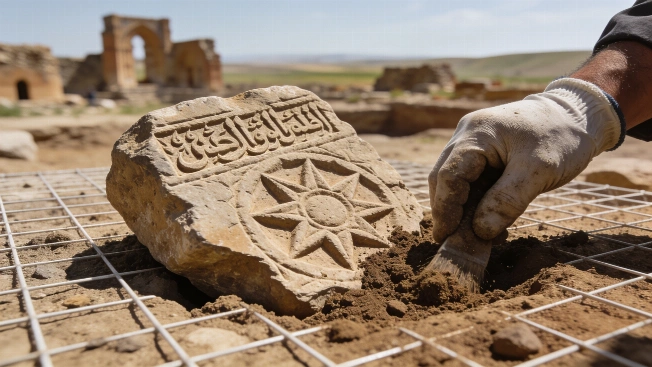
Seljuk Inscribed Stone Fragment Reveals Medieval Islamic Practice at Ani
Archaeologists at Ani in eastern Türkiye have uncovered a decorated Seljuk-era stone fragment inscribed with the name of the Prophet Muhammad in Kufic script, offering new evidence for religious and funerary traditions in medieval Anatolia
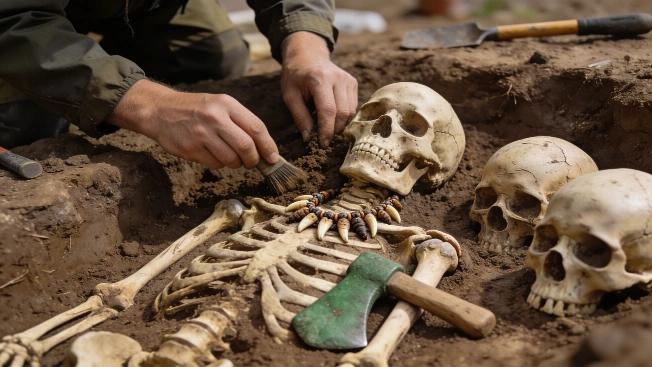
Stone Age Burial in Poland Reveals Necklace of Animal Teeth and Human Skulls
Archaeologists in southwest Poland have uncovered a Neolithic grave containing an adult skeleton, two additional human skulls, a necklace of 42 drilled animal teeth, and a serpentinite battle ax, raising new questions about burial practices and social identity around 2900 BCE
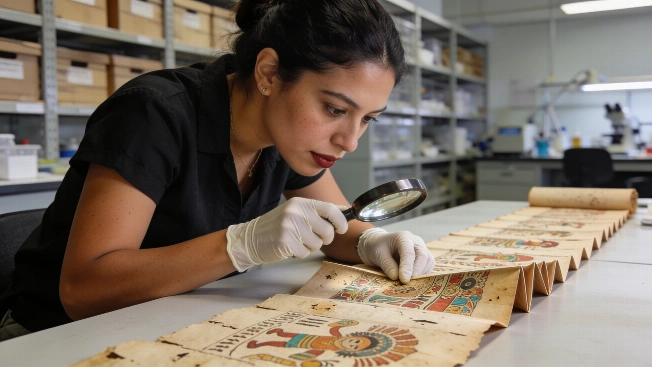
Radiocarbon Dating Confirms Pre-Conquest Date for Aubin Tonalámatl Codex
A new radiocarbon analysis of the Aubin Tonalámatl Codex places its creation firmly in the late 15th century, resolving long-standing doubts about whether this Indigenous Mexican manuscript predates Spanish colonization
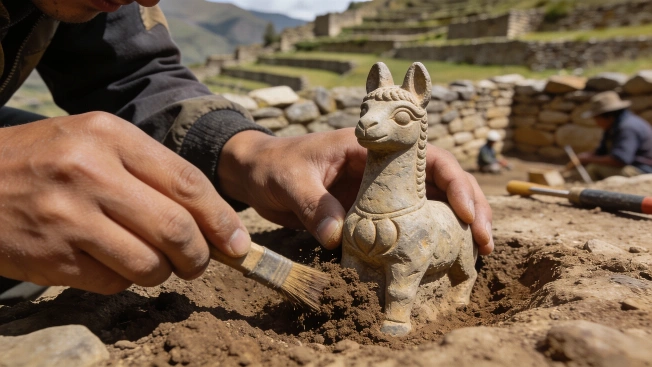
Stone Figures at Kuélap Suggest Fertility Rituals in Ancient Peru
Archaeologists at Kuélap in northern Peru have uncovered carved stone figures depicting animals with female traits, offering new evidence for fertility-related rituals and the influence of Inca religious practices at the site
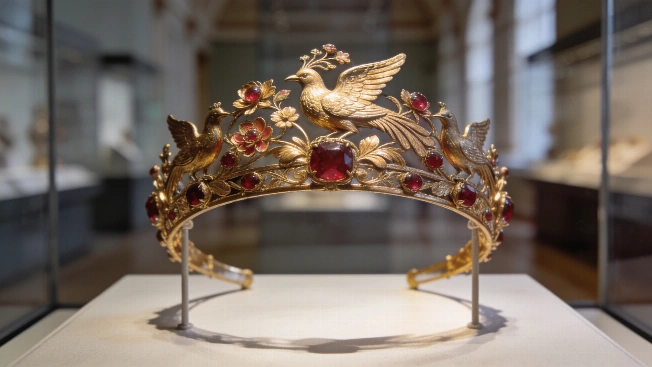
Gold Diadem from Crimea Sheds Light on Hun Elite Burial Practices
Archaeologists have examined a gold and garnet diadem from a fifth-century burial in Crimea, revealing details about Hun material culture, mortuary customs, and the artifact's symbolic motifs
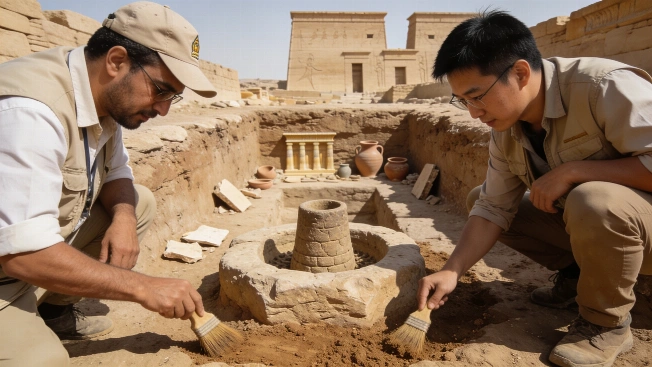
Ancient Memphis Excavation Reveals Residential Complex and Wine Press
Archaeologists working at Mit Rahina near the Temple of Sekhmet have uncovered a residential complex, a possible wine press, and artifacts spanning multiple periods, offering new evidence for daily life in ancient Memphis
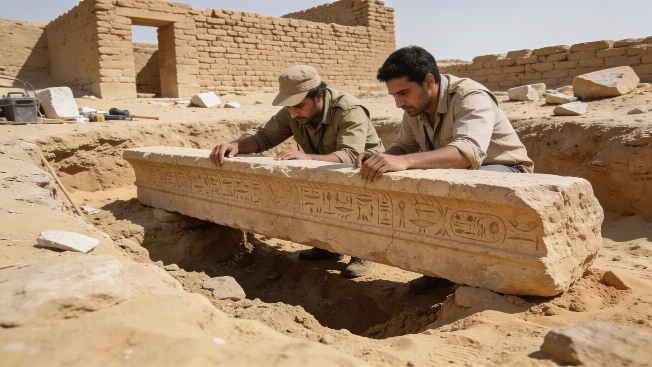
Ramesses II Inscription Hints at Location of Ancient Mesn in Sinai
Archaeologists at Tell Abu Saifi in northern Sinai have uncovered a sandstone lintel inscribed with the name of Ramesses II and a reference to Mesn, alongside temple remains reused during the Roman period, offering new clues to Egypt's eastern frontier settlements
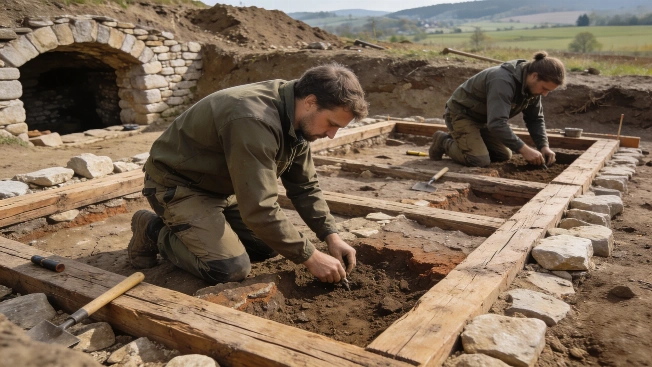
Roman Settlement at Neuenstadt Lasted Only Two Generations, Study Finds
Archaeological research at Neuenstadt am Kocher in southwestern Germany reveals that a Roman planned settlement was likely abandoned after just a few decades, with evidence pointing to instability along the empire's frontier as a possible cause
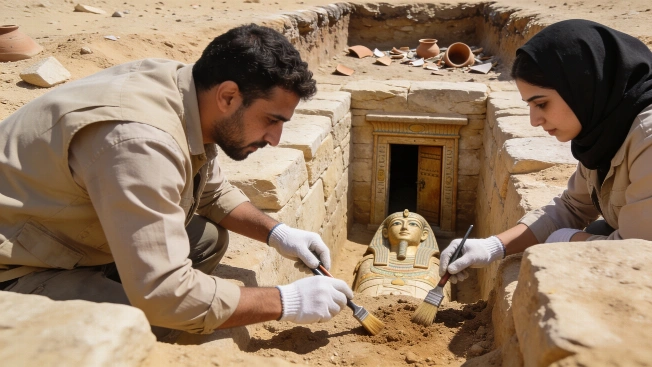
Old Kingdom Tomb and Burial Shafts Uncovered at Saqqara
Archaeologists excavating the Bubasteion necropolis at Saqqara have identified the tomb of Sakhnetio-Btah, a high-ranking Old Kingdom official, alongside a network of burial shafts containing human remains and funerary objects from multiple periods
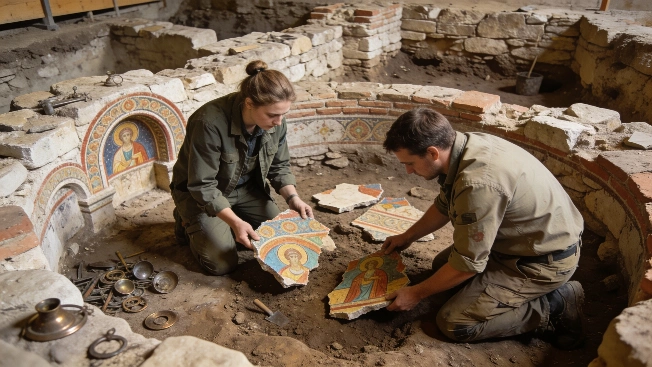
Excavation at Tokod Fortress Reveals Early Christian Church Remains
Archaeologists at the late Roman Tokod fortress in Hungary have uncovered the foundations of an early Christian church, fragments of frescoes, and a range of metal artifacts, offering new insights into religious architecture and activity at the site
Part 1 of 3