
Archaeology & Human Origins - Part 4
221 reports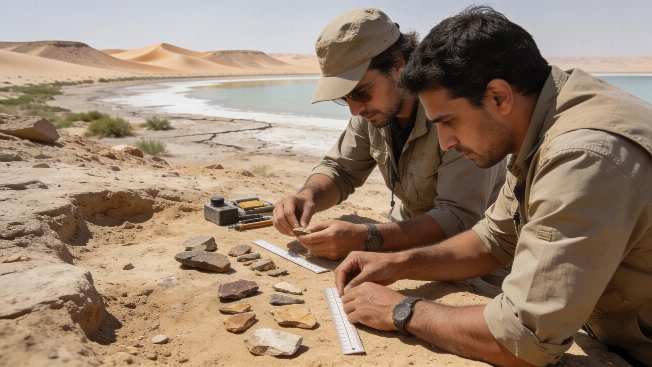
Stone Tools Suggest Neanderthals Reached Deep into Arabian Desert
Archaeologists have identified stone tools from Jebel Katefeh-1 in Saudi Arabia's Nefud Desert that closely match Neanderthal technology, suggesting these hominins may have adapted to arid environments far south of their previously known range
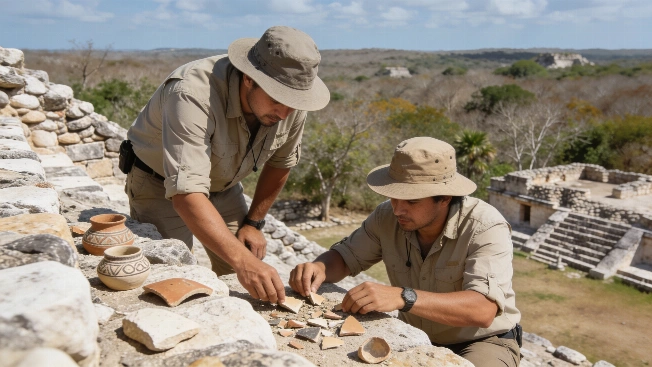
New Excavations at Xcalumkín Reveal Maya Puuc Architecture Origins
Recent archaeological research at Xcalumkín in Campeche, Mexico, has provided new evidence on the development of Puuc architectural traditions, settlement patterns, and possible dual governance among the ancient Maya between the 7th and 10th centuries CE
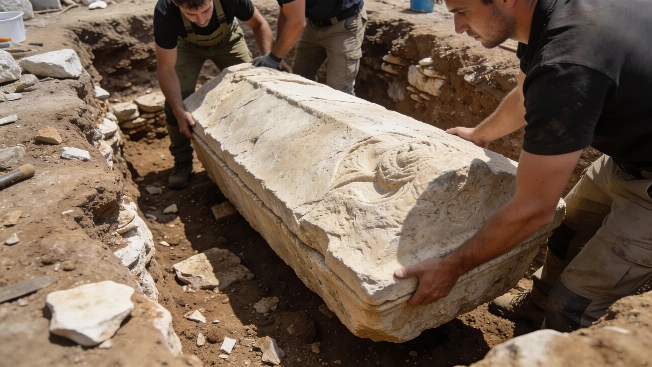
Sealed Roman-Era Sarcophagus Excavated Intact in Cavtat, Croatia
Archaeologists have excavated a massive limestone sarcophagus in Cavtat, Croatia, that remained sealed for over 1,500 years, providing rare insight into Late Antique burial practices and preservation in the eastern Adriatic
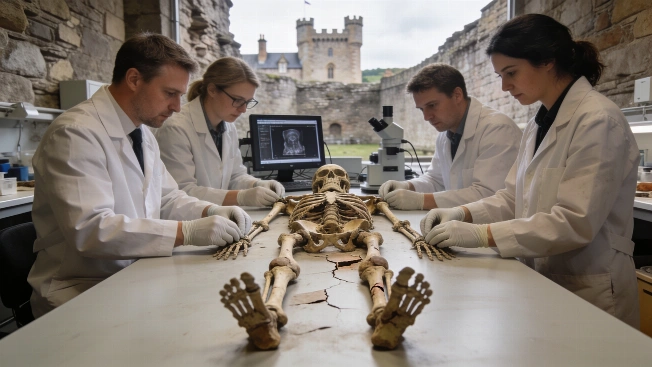
Medieval Skeleton at Stirling Castle Shows Unusual Siege Trauma
Bioarchaeologists have re-examined a 14th-century skeleton from Stirling Castle, Scotland, identifying over 160 perimortem fractures. New analysis suggests the individual may have died from a high-velocity impact during the Wars of Scottish Independence
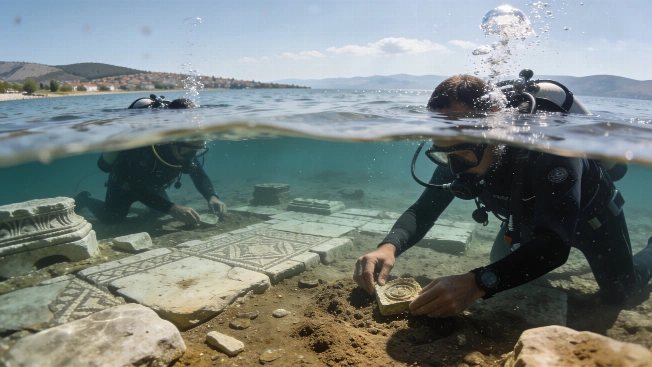
Underwater Church in Turkey Linked to Early Christian Council Debated
Archaeologists excavating beneath Lake İznik in Turkey have uncovered the remains of a small church beneath a later basilica. Some propose it hosted the First Council of Nicaea, but the evidence and dating remain contested.
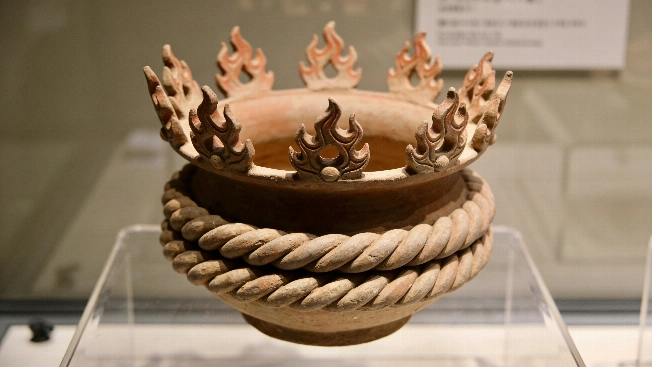
Jōmon Fire-Flame Vessel Reveals Prehistoric Japanese Pottery Skill
Archaeologists have examined a 4,500-year-old fire-flame vessel from Honshu, Japan, analyzing its elaborate ceramic construction and uncertain function to better understand the Jōmon period's material culture and social practices
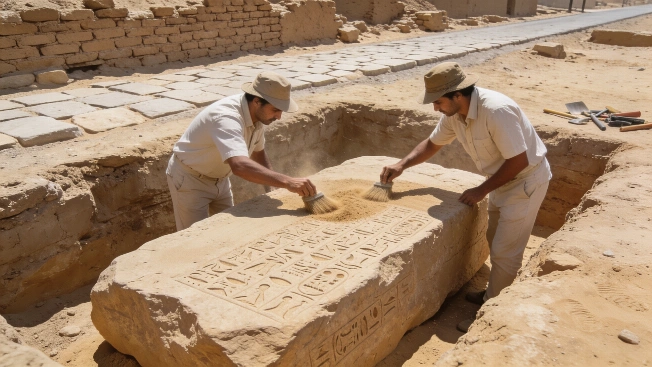
New Finds at Tel Abu Saify Suggest Link to Lost City of Msen
Archaeologists at Tel Abu Saify in Egypt have uncovered fortifications, roads, and inscriptions that may connect the site to the ancient city of Msen, offering new evidence for the route and function of the Horus Military Road

Ancient Libyan Gateway Marks Reveal Hellenistic Construction System
Archaeologists have analyzed over 620 carved marks on the Tauchira Gate at Ptolemais, Libya, uncovering evidence for organized labor, material transport, and possible payment tracking in a major Hellenistic building project more than 2,000 years ago
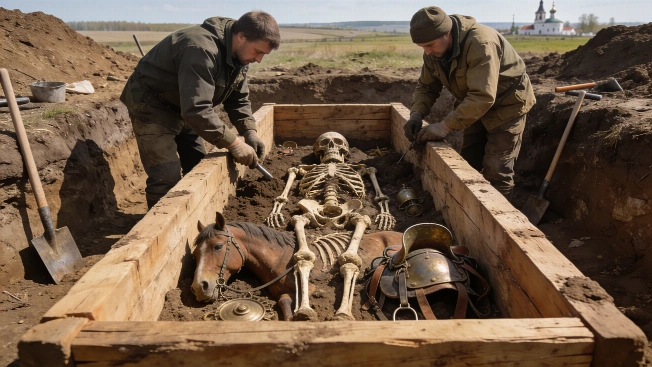
10th-Century Chamber Grave in Suzdal Reveals Early Elite Burial
Archaeologists have uncovered a rare 10th-century chamber grave at Gnezdilovo near Suzdal, containing a man, horse, and dog, with weapons and riding gear, offering new evidence for early elite presence in north-eastern Rus'
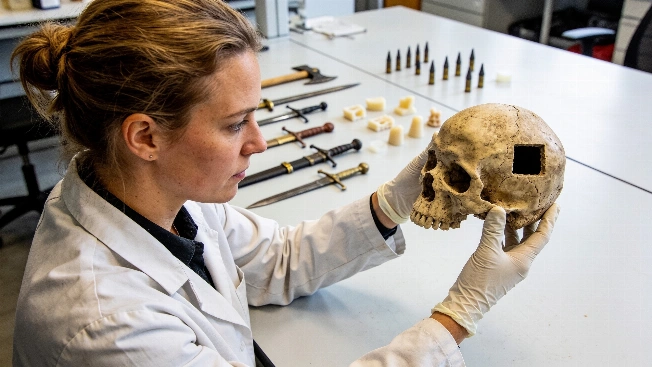
Medieval Skull Injuries at Visby Linked to Spiked Club Weapons
A new forensic analysis of 14th-century skeletons from the Battle of Visby in Sweden has identified spiked clubs as the likely cause of distinctive square cranial injuries, challenging assumptions about medieval militia training and combat methods
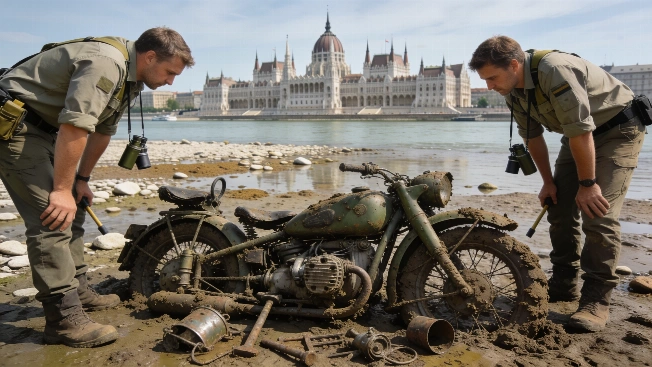
Low Danube Reveals WWII German Soldiers and Motorcycle in Budapest
Exceptionally low water levels in the Danube have exposed the remains of two German soldiers, their identification tags, a military motorcycle, and anti-tank mines in Budapest, offering new evidence of the conflict's final months and the challenges of identification decades later
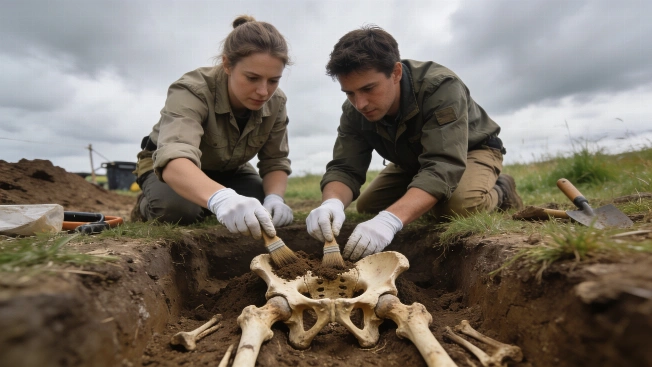
Roman-Era Mass Grave Near Vienna Reveals Unusual Groin Injuries
Bioarchaeologists have analyzed over 120 skeletons from a Roman-period mass grave in Vienna, uncovering a high frequency of perimortem trauma-especially to the pelvis-raising new questions about conflict and identity in the region
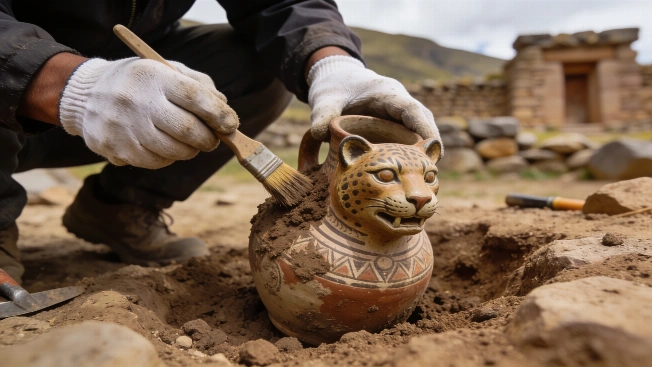
Puma-Headed Pottery Sheds Light on Rituals at Marcahuamachuco
Archaeologists at Marcahuamachuco in northern Peru have uncovered a unique puma-headed ceramic vessel and animal remains, offering new evidence for ceremonial practices and daily life at the site between 850 and 950 CE
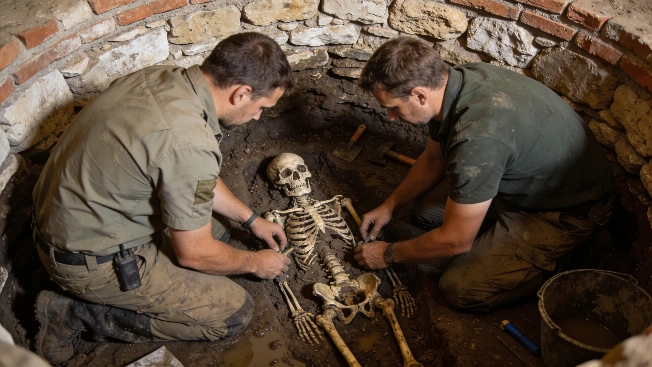
Roman-Era Well in Croatia Yields 43 Skeletons Linked to Ancient Plague
Archaeologists have examined 43 skeletons from a Roman-period well in Osijek, Croatia. The absence of trauma suggests these individuals may have died during a third-century epidemic, offering new insight into ancient disease and burial practices.
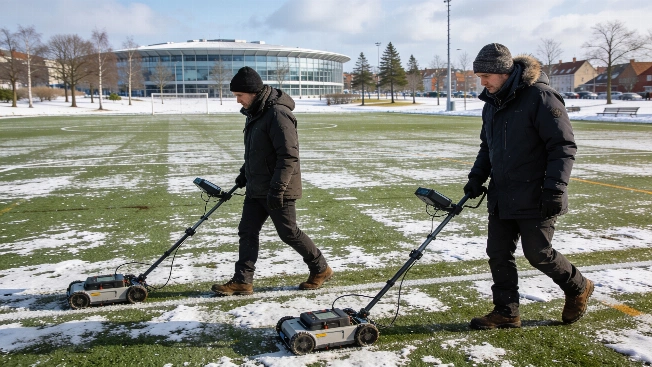
Medieval Monastery Remains Mapped Beneath Danish Football Field
Archaeologists in Roskilde, Denmark, have identified the buried remains of the 13th-century St Clara Monastery using ground-penetrating radar, revealing a well-preserved monastic layout beneath a modern sports field ahead of planned construction
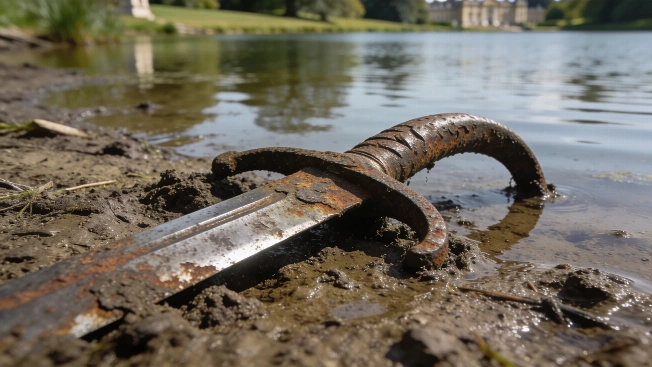
Victorian-Era Sword Emerges From Chiddingstone Castle Lake
A heavily corroded sword, likely dating to the early 19th century, has been recovered from the receding waters of Chiddingstone Castle's lake in Kent, raising questions about its origin and deposition
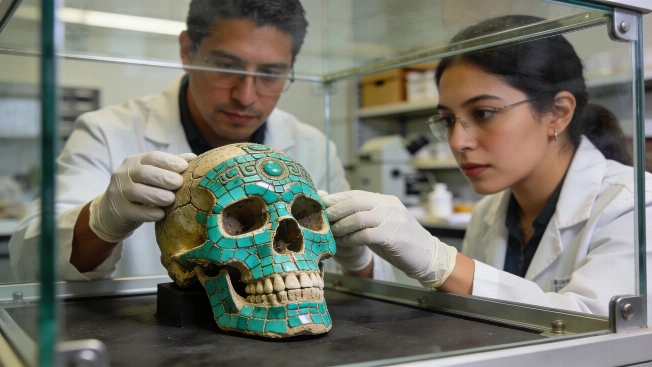
Mixtec Turquoise-Mosaic Skull Returns to Mexico After Six Decades
A rare pre-Hispanic human skull with a turquoise mosaic, linked to the Mixtec tradition, has been repatriated to Mexico after decades in a Dutch museum. Scientific analysis confirms its pre-Hispanic origin, but its precise archaeological context remains uncertain
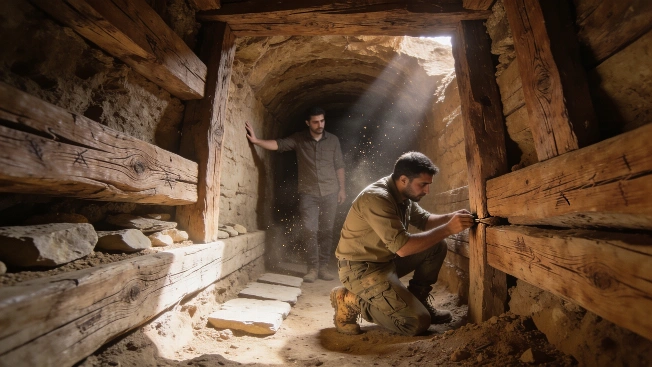
Ancient Gordion Tomb Likely Built for King Midas' Father, Not Midas
Archaeologists at Gordion in central Türkiye have re-examined the so-called Midas Tumulus, concluding that the monumental burial mound was likely constructed for Gordias, the father of the legendary King Midas, based on new analysis of its structure and contents
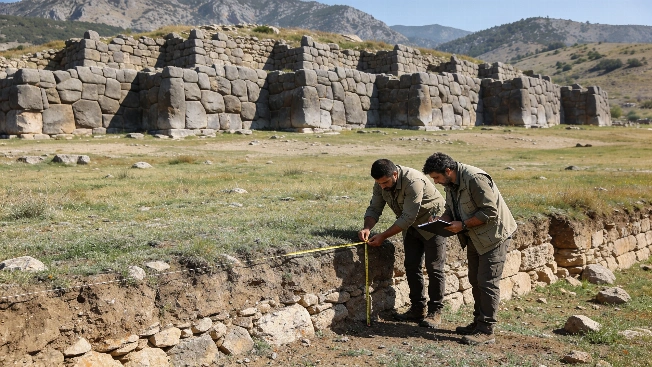
Ancient Fortress in Eastern Türkiye May Mark Urartian Expansion
Archaeologists have mapped a massive stone fortress near Mescidli in Muş Province, Türkiye, using satellite imagery and fieldwork to reveal defensive walls and architectural features that could shed light on the early Urartian state

Neanderthal Gene Variant Linked to Muscle Mass in Modern Humans
A newly published study identifies a Neanderthal-derived gene variant in the growth hormone receptor that increases muscle mass in some modern humans. Researchers analyzed ancient DNA and over a million modern genomes to trace its distribution and effects.
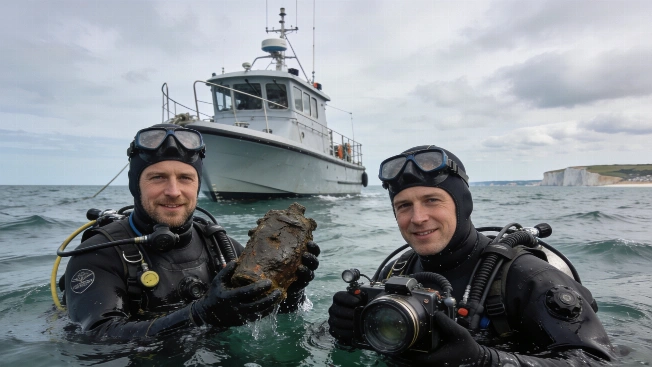
Wreck of HMS Tiger Identified After 118 Years in English Channel
Archaeologists and maritime historians have located the remains of HMS Tiger, a Royal Navy destroyer lost in 1908, using archival research and underwater survey methods. The find highlights evolving legal protections for historic military wrecks
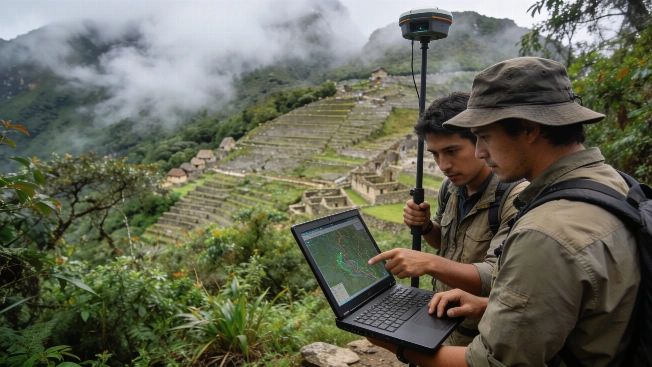
LiDAR Reveals Undocumented Ancient Roads Near Machu Picchu
Archaeologists have mapped over 2.5 kilometers of previously unknown pre-Hispanic roads and possible agricultural features near Machu Picchu using airborne LiDAR, offering new insight into the Inca landscape hidden beneath dense cloud forest vegetation.
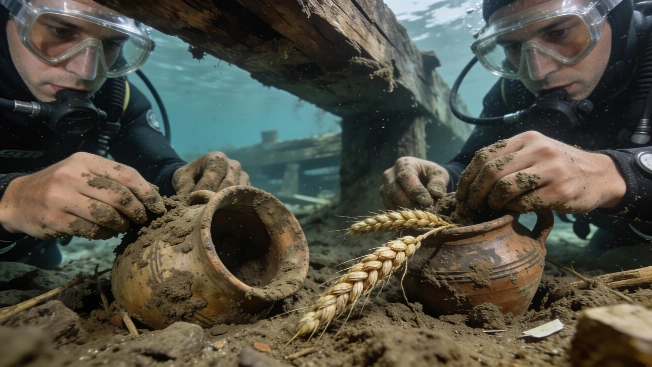
3,000-Year-Old Spelt and Pottery Found in Submerged Italian Settlement
Archaeologists working beneath Lake Bolsena have recovered Late Bronze Age ceramics, preserved spelt, and wooden structures, offering new insight into prehistoric occupation and environmental preservation at Gran Carro di Bolsena
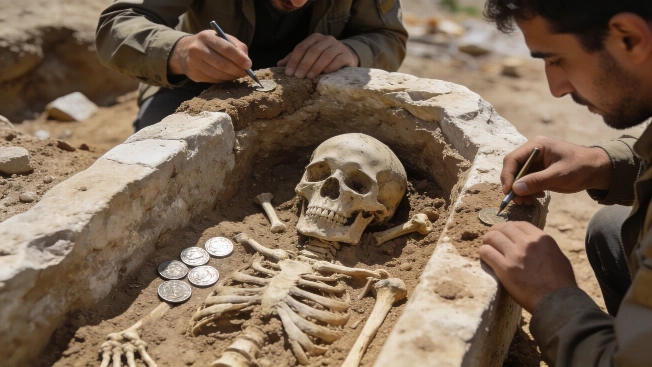
Aspendos Grave Yields Ancient Skeleton and Wrestler Coins
Archaeologists in Turkey have uncovered a 2,400-year-old stone sarcophagus near Aspendos containing a human skeleton and silver coins depicting wrestlers, offering new evidence for the role of athletics in Classical-period society while raising questions about individual identity
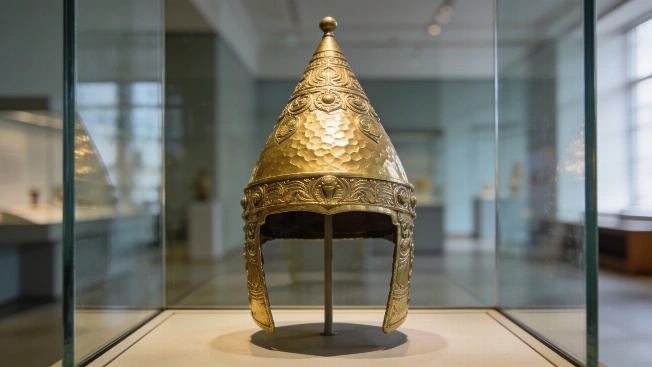
Berlin Gold Hat Reveals Bronze Age Astronomical Knowledge
Archaeologists have analyzed a 3,000-year-old gold headdress from Central Europe, uncovering evidence that its intricate motifs encode calendrical information used to track solar and lunar cycles
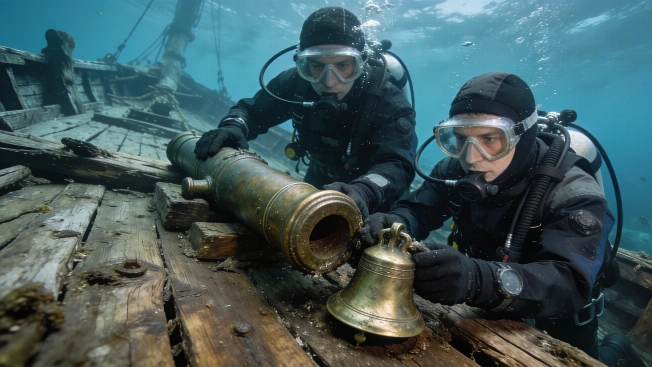
Swedish Warship Wrecks Yield New Insights Into Naval Life in 1714
Archaeologists have recovered exceptionally preserved artifacts from two Swedish shipwrecks lost in the Baltic Sea during the Great Northern War, offering rare evidence for naval provisioning and daily life in the early eighteenth century.
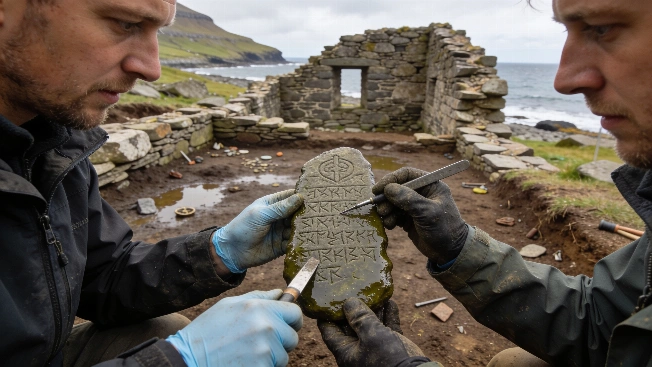
Rare Runestone and Christian Artifacts Found at Medieval Faroe Islands Site
Archaeologists excavating the medieval site of Sondur on Sandoy, Faroe Islands, have uncovered a rare runestone and Christian artifacts, offering new evidence for religious activity and material culture in the North Atlantic during the Middle Ages
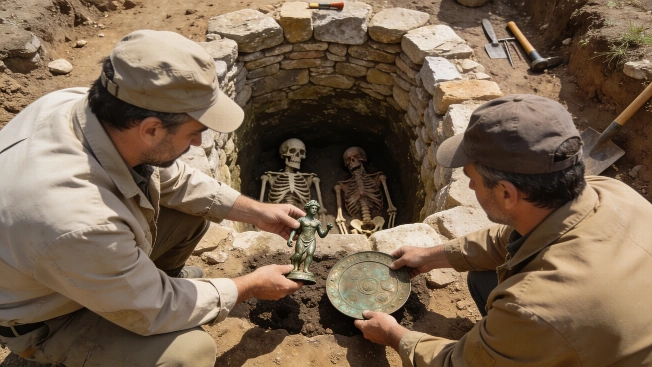
Etruscan Ritual Well With Bronze Offerings and Skeletons Uncovered
Archaeologists at Kainua, near Marzabotto in northern Italy, have excavated a remarkably preserved Etruscan ritual well containing bronze figurines, a bronze plate, and two adult skeletons, offering new evidence for religious practices and urban foundation ceremonies
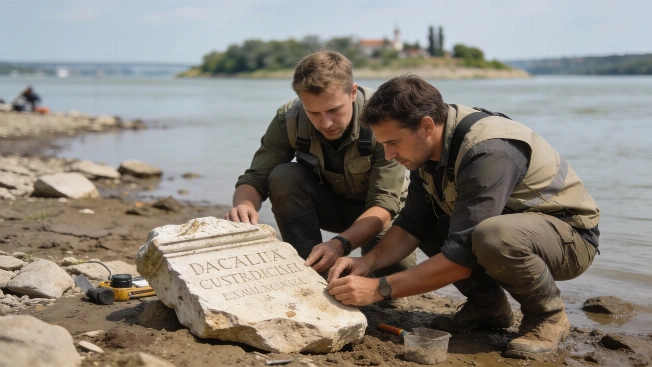
Roman Jupiter Altar Fragment Recovered from Danube Riverbed
Archaeologists have recovered a limestone altar fragment dedicated to Jupiter from the Danube near Dunaújváros, Hungary, after low water levels exposed rarely accessible riverbed areas. The find offers new evidence for Roman religious activity on the Pannonian frontier
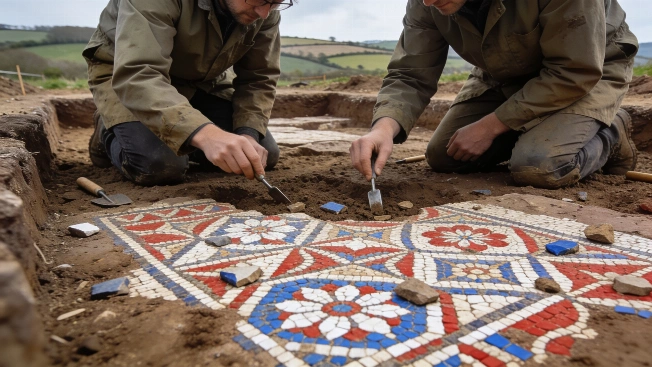
Roman Villa With Mosaic and Bathhouse Unearthed in Devon
Excavations in Devon have revealed a Roman villa complex with a polychrome mosaic, bathhouse, and evidence of industrial activity, offering new insight into rural elite life and architectural change in southwest Britain during the Roman period
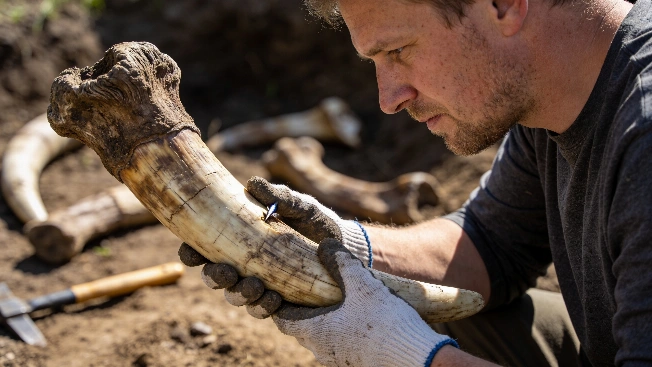
Ancient DNA Reveals Sex Bias in Ice Age Mammoth Hunting
Genomic analysis of over 500 woolly mammoth remains from Eurasia and North America suggests Upper Paleolithic hunter-gatherers may have disproportionately targeted female mammoths, raising new questions about prehistoric hunting strategies
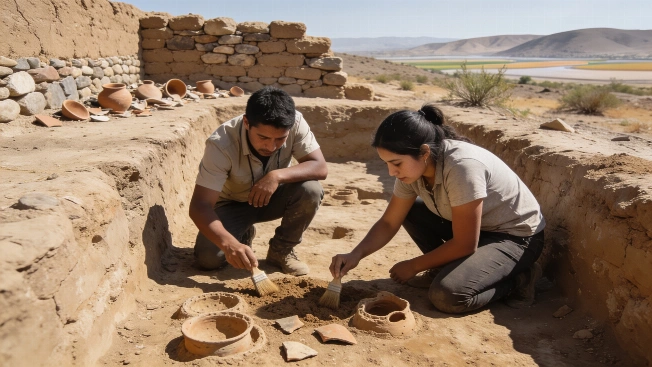
Moche Pottery Workshops Uncovered at Cerro Mayal in Northern Peru
Excavations at Cerro Mayal in Peru's Chicama Valley have revealed extensive evidence of Moche ceramic production, including molds, pottery waste, and workshop-house structures, offering new insight into the organization of ancient craft specialists
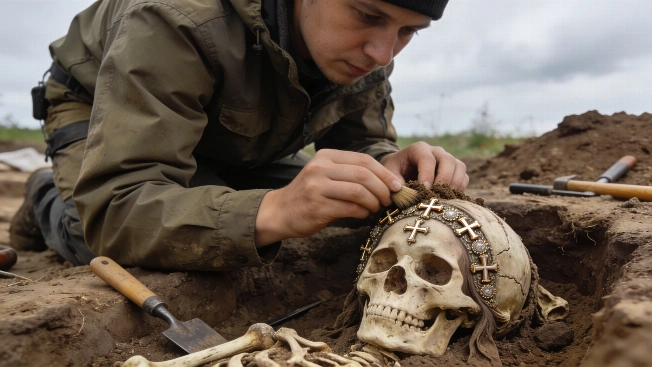
Early Murom Burials and Ceremonial Headdress Found at Zvyaginsky II
Excavations at the Zvyaginsky II cemetery in Russia's Nizhny Novgorod Region have revealed some of the earliest Murom burials, including a rare high-status female grave with a ceremonial headdress, offering new insight into early medieval populations
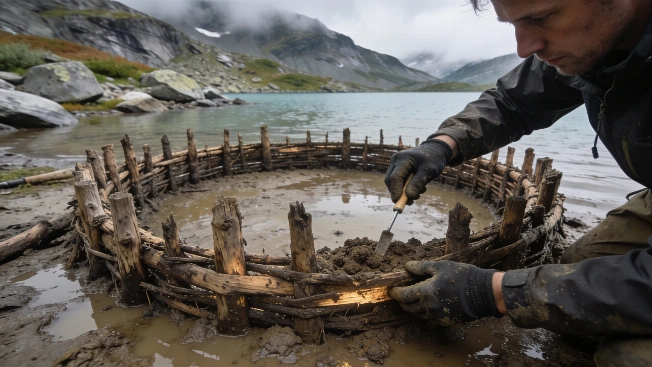
Mesolithic Fish Traps Reveal Early Ecosystem Management in Norway
Archaeologists have identified 7,000-year-old wooden fish traps in Norway's Jotunheimen mountains, providing evidence that Mesolithic hunter-gatherers deliberately introduced brown trout to high-altitude lakes using advanced ecological knowledge
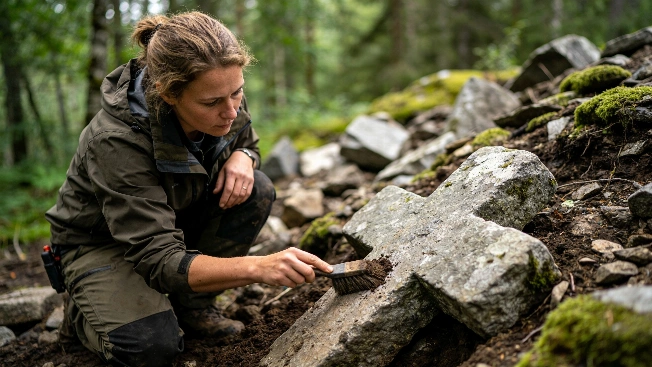
Medieval Stone Crosses Unearthed at Viking-Era Quarry in Norway
Archaeologists working at Hyllestad in western Norway recovered seven medieval stone crosses from a quarry waste heap, providing new evidence for local craftsmanship and religious change during the 11th to 13th centuries
Part 4 of 7