
Ancient Civilizations - Part 3
130 reports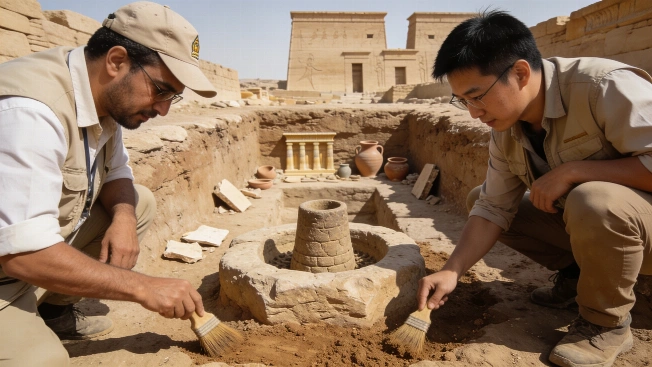
Ancient Memphis Excavation Reveals Residential Complex and Wine Press
Archaeologists working at Mit Rahina near the Temple of Sekhmet have uncovered a residential complex and a possible wine press, alongside artifacts spanning multiple periods that offer new evidence for daily life in ancient Memphis.
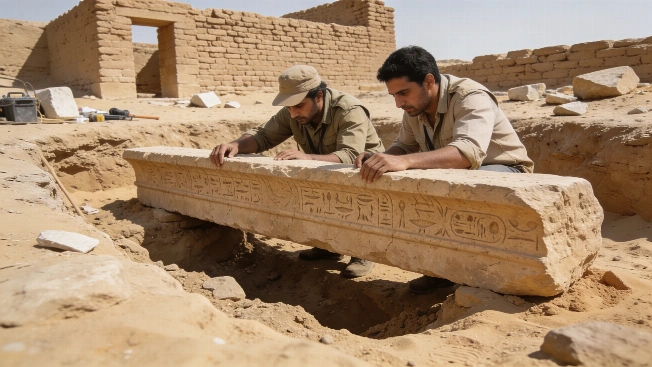
Ramesses II Inscription Hints at Location of Ancient Mesn in Sinai
Archaeologists at Tell Abu Saifi in northern Sinai have uncovered a sandstone lintel inscribed with the name of Ramesses II and a reference to Mesn, alongside temple remains reused during the Roman period, offering new clues to Egypt's eastern frontier settlements
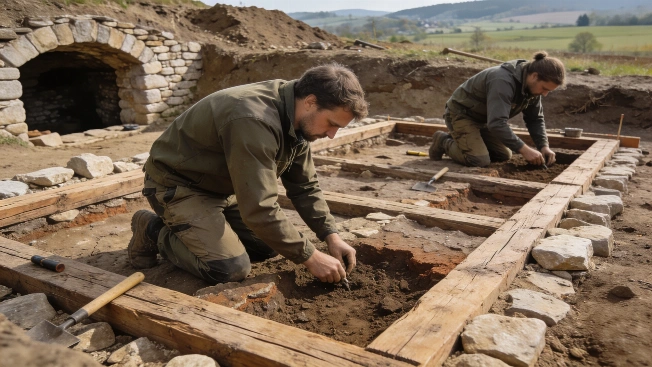
Roman Settlement at Neuenstadt Lasted Only Two Generations, Study Finds
Archaeological research at Neuenstadt am Kocher in southwestern Germany indicates that a planned Roman settlement was likely abandoned after just a few decades, with evidence pointing to instability along the empire's frontier as a possible cause.
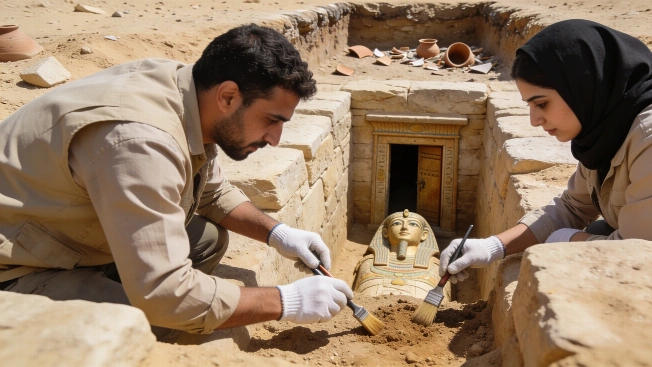
Old Kingdom Tomb and Burial Shafts Uncovered at Saqqara
Archaeologists excavating the Bubasteion necropolis at Saqqara have identified the tomb of Sakhnetio-Btah, a high-ranking Old Kingdom official, alongside a network of burial shafts containing human remains and funerary objects from multiple periods.
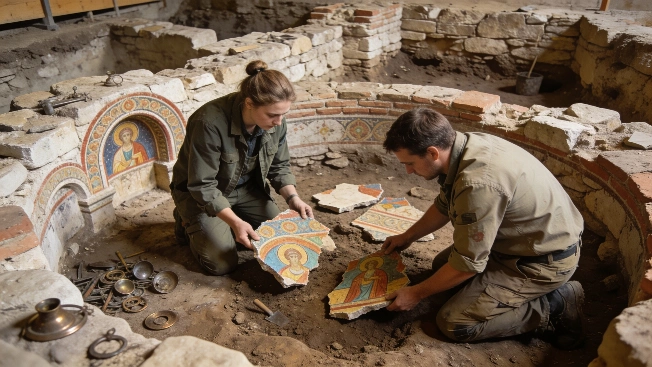
Excavation at Tokod Fortress Reveals Early Christian Church Remains
Archaeologists at the late Roman Tokod fortress in Hungary have uncovered an early Christian church, including its foundations and fresco fragments, alongside metal artifacts. The finds offer new insights into religious architecture and activity at the site
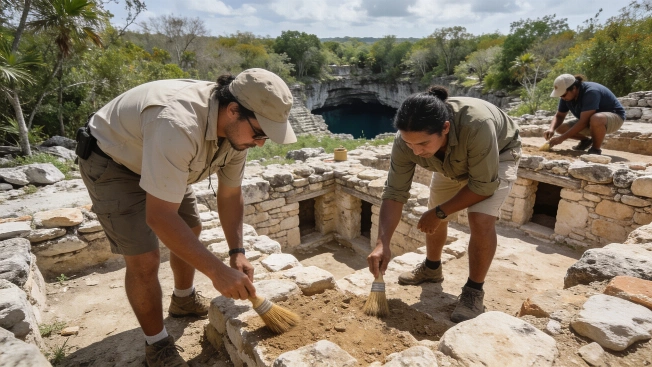
2,000-Year-Old Maya Settlement Uncovered in Yucatán Freight Rail Project
Archaeologists have identified and preserved a previously unknown Maya settlement in Yucatán, revealing 21 structures and evidence of water management. Excavated ahead of rail construction, the site offers new understanding into the daily lives of non-elite Maya households.
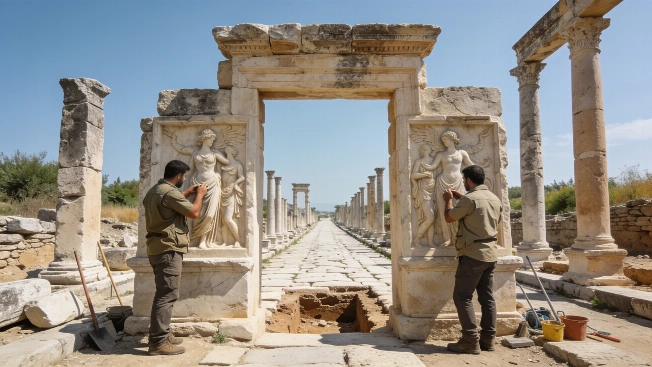
Excavation of Side's Monumental Street Reveals Centuries of Urban Change
Archaeologists have completed the excavation of a nearly 390-meter-long monumental street in the ancient city of Side, southern Turkey, documenting how its architecture and function changed from the Roman period into Late Antiquity.
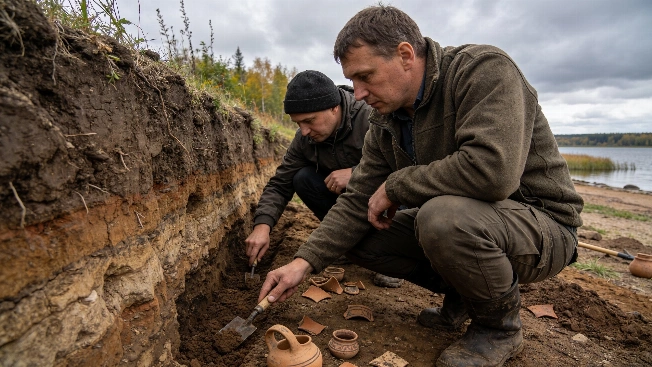
Medieval Galich Fortress Reinterpreted by New Archaeological Evidence
Recent excavations and LiDAR analysis at Galich's fortified settlements indicate that the Lower Settlement's basic defenses were likely built in the 15th century, challenging the long-held view that they date to the 12th century
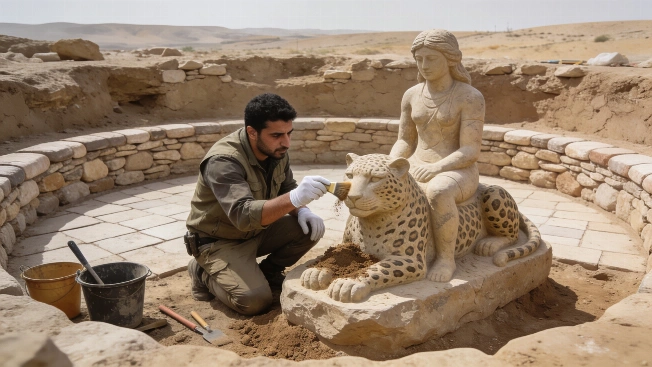
11,000-Year-Old Human-Leopard Sculpture Found at Karahantepe
Archaeologists at Karahantepe in southeastern Türkiye have uncovered a rare Neolithic stone sculpture depicting a human figure seated on a leopard, offering new evidence of symbolic art and social practices in early settled communities.
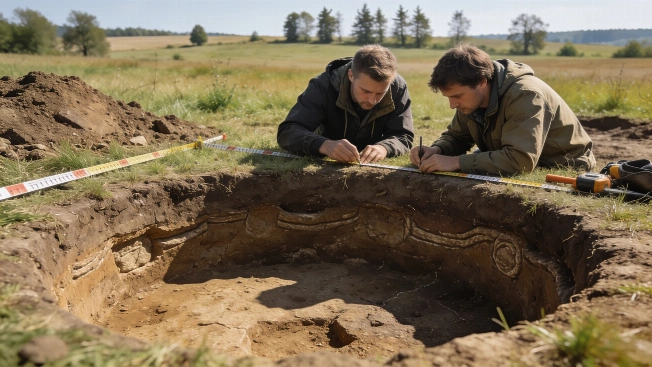
6,500-Year-Old Ritual Enclosure Predating Stonehenge Found in Czech Republic
Archaeologists have uncovered a Neolithic circular enclosure in Central Bohemia dating to around 6,500 years ago, with entrances aligned to solar and lunar events. The site offers new evidence for early ritual landscapes in prehistoric Europe.
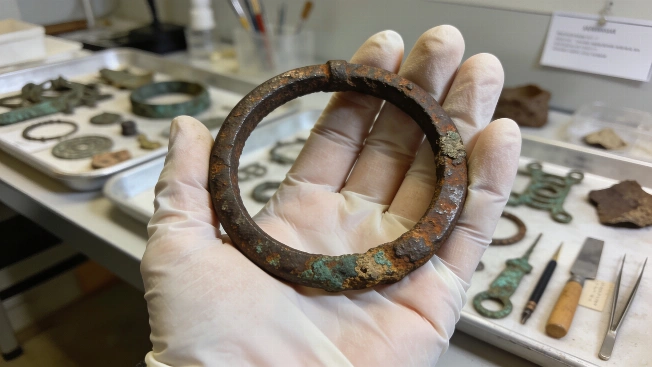
Ancient Greek Rings Reveal Use of Meteorite Iron in Elite Burials
Analysis of Bronze and Early Iron Age rings from Greece shows that some were made from meteoritic iron, suggesting the rare metal was valued by Minoan and Mycenaean elites long before iron smelting became common.
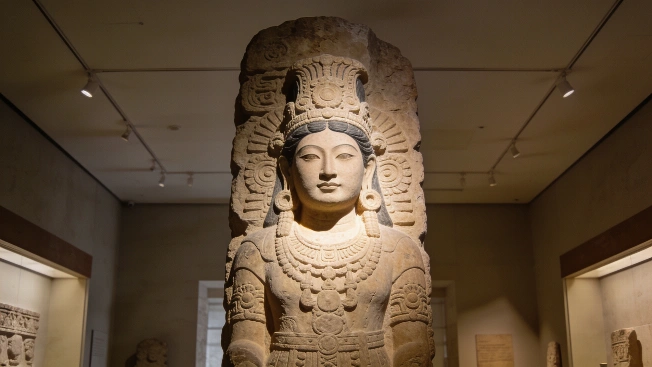
Limestone Stela Reveals Maya Queen's Power in 7th-Century Guatemala
Archaeologists have reconstructed a monumental limestone stela from El Perú-Waka' in Guatemala, depicting Lady K'abel, a Maya ruler, and revealing new evidence about her political and military authority at the end of the seventh century CE.
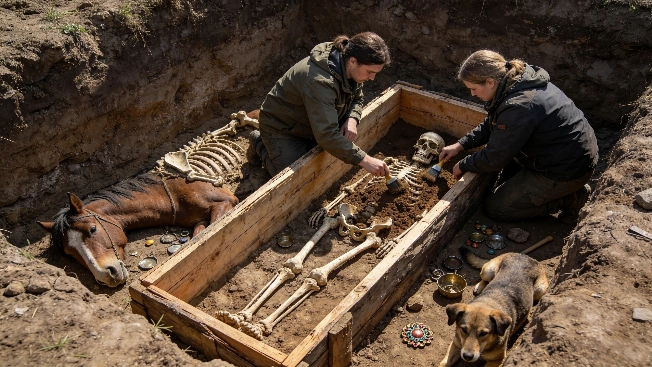
Medieval Chamber Tomb in Russia Reveals Elite Burial with Horse and Dog
Archaeologists excavating at Gnezdilovo near Suzdal have uncovered a rare 10th-century wooden chamber tomb containing the remains of a high-status individual, a horse, and a dog, offering new evidence for early medieval funerary practices in the region.
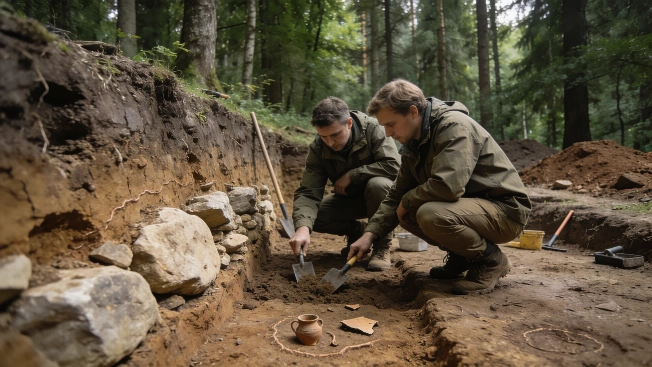
5,500-Year-Old Megalithic Tomb Excavated in Western Poland
Archaeologists have begun targeted excavations of a large earthen mound near Wyrzecz, western Poland, uncovering evidence of a monumental tomb built by early farming communities more than five millennia ago using megalithic construction techniques.
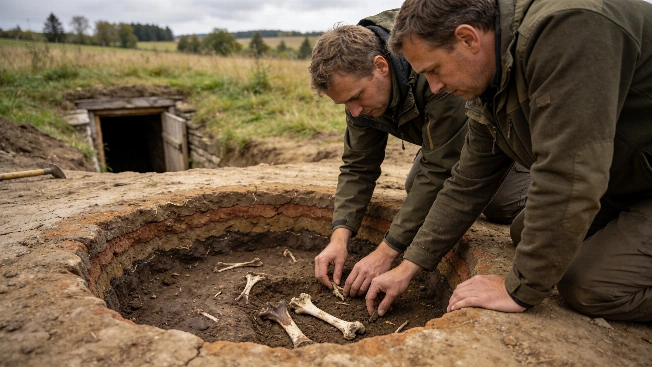
6,500-Year-Old Chleby Enclosure May Have Tracked Sun and Moon
Archaeologists have analyzed a vast Neolithic enclosure near Chleby, Czech Republic, finding evidence that its entrances and features may have been aligned with solar and lunar cycles more than 1,000 years before Stonehenge.
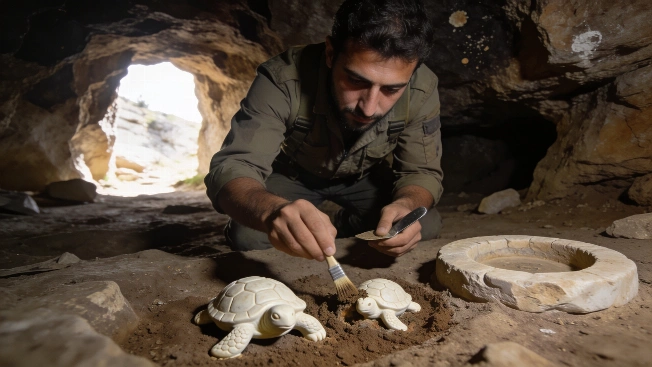
Ice Age Turtle Figurines Suggest Ritual Activity in Northwestern Türkiye
Archaeologists have uncovered 25 limestone turtle figurines at İn Cave in Bilecik Province, Türkiye, dating to 14,500-11,200 BCE. The finds offer rare evidence of symbolic or ritual practices among Epipalaeolithic hunter-gatherers.
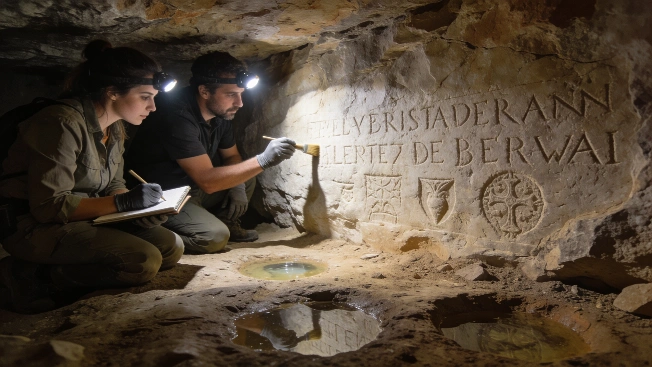
Roman-Era Cave in Spain Yields Over 120 Latin Inscriptions
Archaeologists have recorded more than 120 Latin inscriptions in Cova de les Dones, a cave sanctuary near Valencia, Spain, revealing evidence of a Roman-period cult centered on a mysterious goddess known as 'the Lady.'
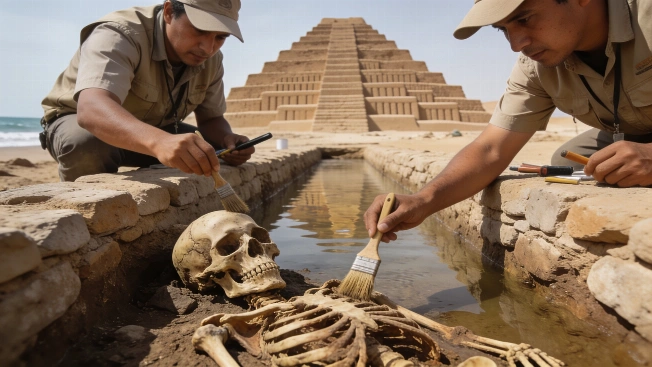
1,400-Year-Old Skeleton in Lima Water Channel May Indicate Ritual Burial
Archaeologists have uncovered a human skeleton in an underground water channel at Huaca Pucllana, Lima, Peru, dating to around 650 CE. The find may shed light on pre-Inca ritual practices and the use of water features in ceremonial contexts.
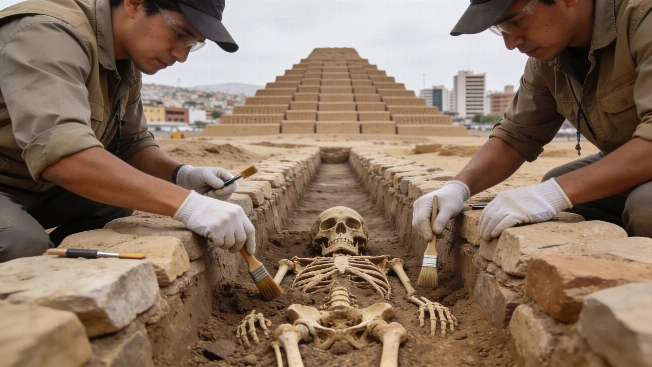
Ritual Burial Uncovered at Huaca Pucllana Sheds Light on Lima Culture
Archaeologists at Huaca Pucllana in Lima have identified a 1,400-year-old human burial, offering new evidence about ceremonial practices and architectural diversity in the pre-Hispanic Lima culture.
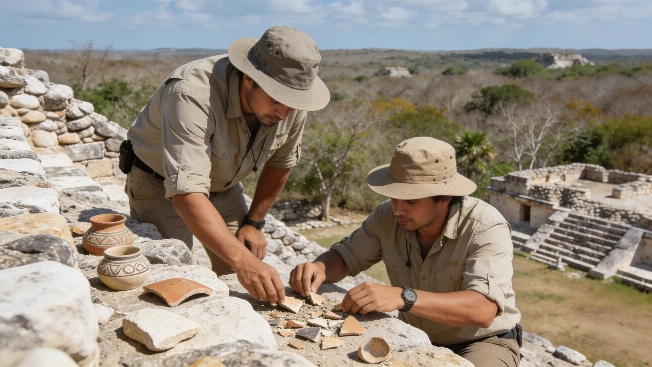
New Excavations at Xcalumkín Reveal Maya Puuc Architecture Origins
Recent archaeological research at Xcalumkín in Campeche, Mexico, has provided new evidence about the development of Puuc architectural traditions and settlement patterns, as well as possible dual governance among the ancient Maya between the 7th and 10th centuries CE.
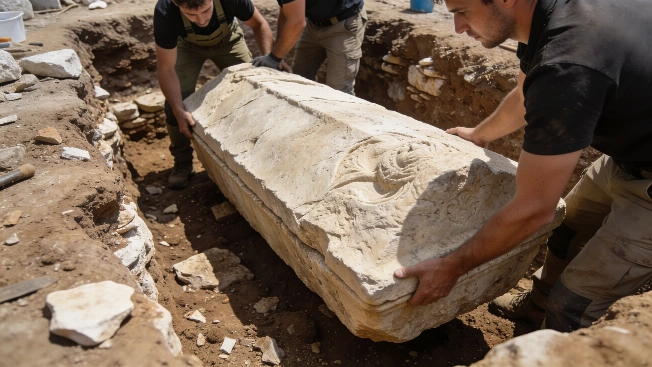
Sealed Roman-Era Sarcophagus Excavated Intact in Cavtat, Croatia
Archaeologists have excavated a massive limestone sarcophagus in Cavtat, Croatia, that remained sealed for over 1,500 years, providing rare understanding into Late Antique burial practices and preservation in the eastern Adriatic
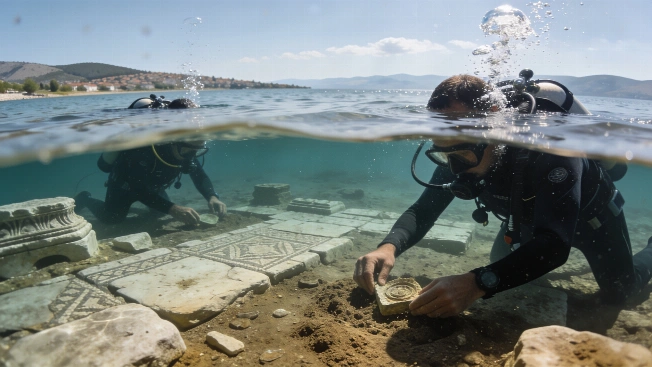
Underwater Church in Turkey Linked to Early Christian Council Debated
Archaeologists excavating beneath Lake İznik in Turkey have uncovered the remains of a small church beneath a later basilica. Some propose it hosted the First Council of Nicaea, but the evidence and dating remain contested.
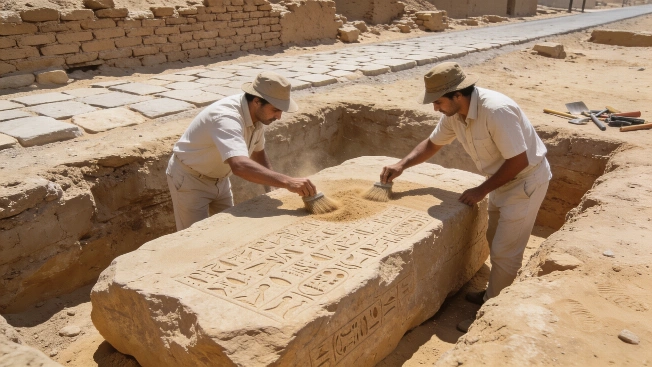
New Finds at Tel Abu Saify Suggest Link to Lost City of Msen
Archaeologists at Tel Abu Saify in Egypt have uncovered evidence in fortifications and roads, alongside inscriptions that may connect the site to the ancient city of Msen, offering new evidence for the route and function of the Horus Military Road.
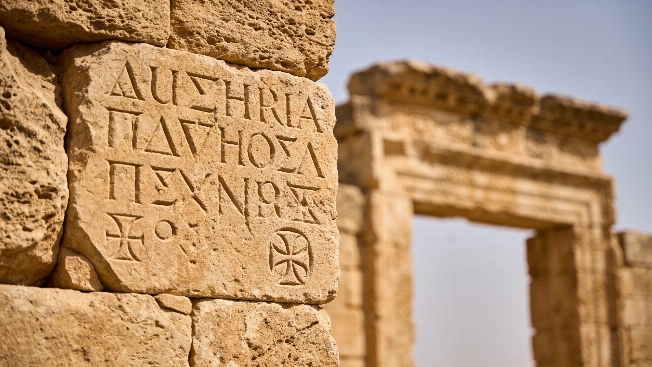
Ancient Libyan Gateway Marks Reveal Hellenistic Construction System
Archaeologists have analyzed over 620 carved marks on the Tauchira Gate at Ptolemais, Libya, finding evidence of organized labor and material transport, with possible payment tracking in a major Hellenistic building project more than 2,000 years ago
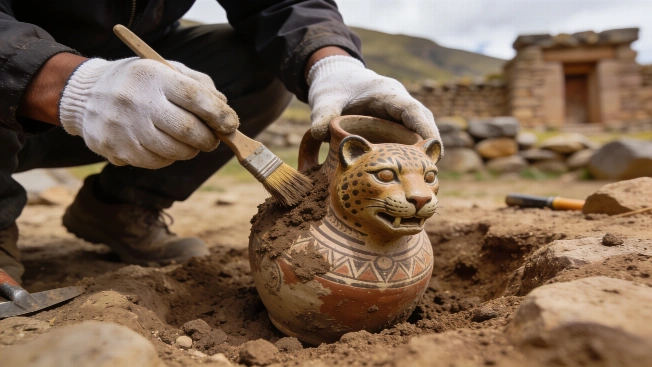
Puma-Headed Pottery Sheds Light on Rituals at Marcahuamachuco
Archaeologists at Marcahuamachuco in northern Peru have uncovered a unique puma-headed ceramic vessel and animal remains, offering new evidence for ceremonial practices and daily life at the site between 850 and 950 CE.

How Solar Eclipses Shaped Ancient Views of the Cosmos
William Sheehan's new book examines the earliest recorded solar eclipses, including Archilochus's eyewitness account, and explores how these rare events influenced ancient astronomy and religious thought
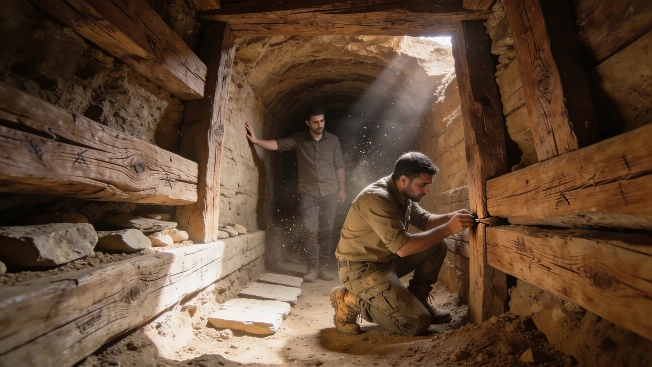
Ancient Gordion Tomb Likely Built for King Midas' Father, Not Midas
Archaeologists at Gordion in central Türkiye have re-examined the so-called Midas Tumulus, concluding that the monumental burial mound was likely constructed for Gordias, the father of the legendary King Midas. The conclusion is based on new analysis of the mound’s structure and contents.
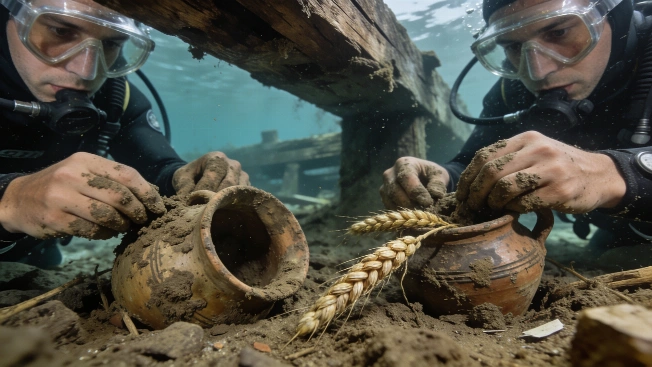
3,000-Year-Old Spelt and Pottery Found in Submerged Italian Settlement
Archaeologists working beneath Lake Bolsena have recovered Late Bronze Age ceramics and preserved spelt, along with wooden structures, shedding new light on prehistoric occupation and environmental preservation at Gran Carro di Bolsena
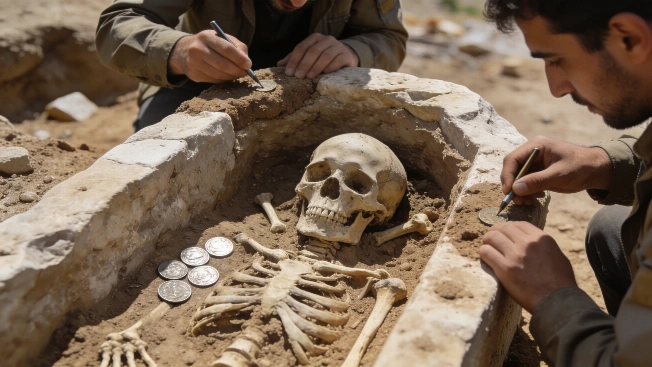
Aspendos Grave Yields Ancient Skeleton and Wrestler Coins
Archaeologists in Turkey have uncovered a 2,400-year-old stone sarcophagus near Aspendos containing a human skeleton and silver coins depicting wrestlers, offering new evidence for the role of athletics in Classical-period society while raising questions about individual identity
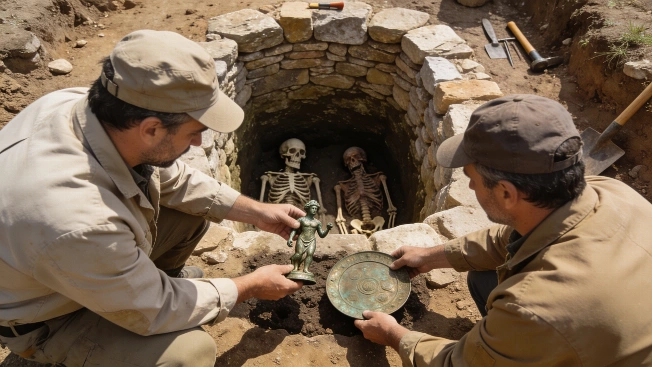
Etruscan Ritual Well With Bronze Offerings and Skeletons Uncovered
Archaeologists at Kainua, near Marzabotto in northern Italy, have excavated a remarkably preserved Etruscan ritual well containing bronze figurines, a bronze plate and two adult skeletons, offering new evidence about religious practices and urban foundation ceremonies.
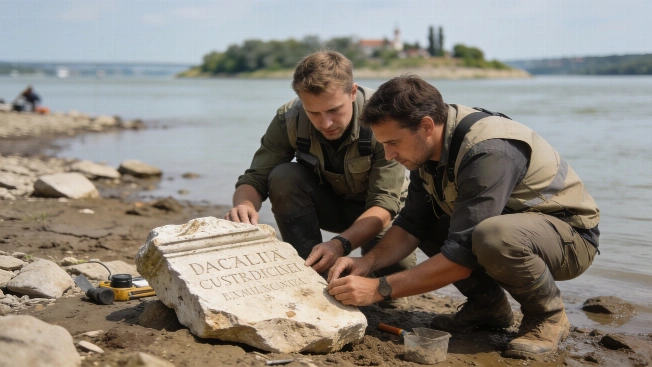
Roman Jupiter Altar Fragment Recovered from Danube Riverbed
Archaeologists have recovered a limestone altar fragment dedicated to Jupiter from the Danube near Dunaújváros, Hungary, after low water levels exposed rarely accessible sections of the riverbed. The find offers new evidence of Roman religious activity on the Pannonian frontier.
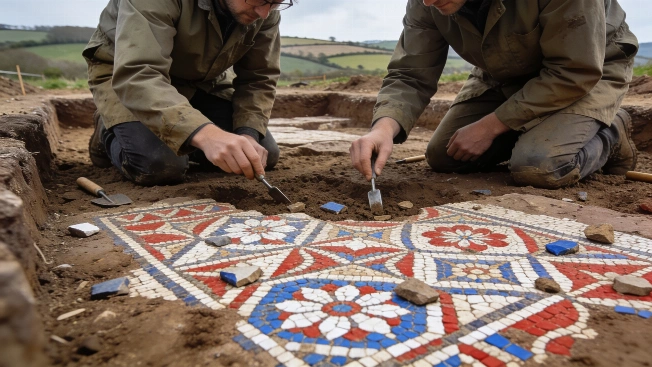
Roman Villa With Mosaic and Bathhouse Unearthed in Devon
Excavations in Devon have revealed a Roman villa complex with a polychrome mosaic and bathhouse, alongside evidence of industrial activity. The finds offer new understanding into rural elite life and architectural change in southwest Britain during the Roman period.
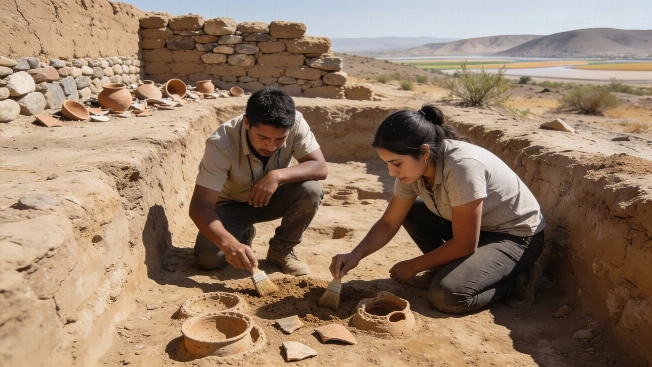
Moche Pottery Workshops Uncovered at Cerro Mayal in Northern Peru
Excavations at Cerro Mayal in Peru's Chicama Valley have revealed extensive evidence of Moche ceramic production, from molds and pottery waste to workshop-house structures, offering new understanding into the organization of ancient craft specialists.
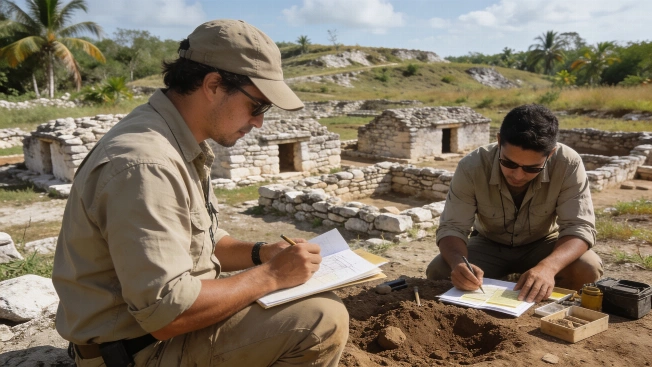
Maya Household Gardens Reveal Ancient Strategies for Food and Water
Archaeologists analyzing soils and settlement patterns in the Northern Maya Lowlands have identified evidence that ancient Maya households organized their domestic plots to support agriculture and manage rainwater, offering new understanding into daily life beyond monumental centers
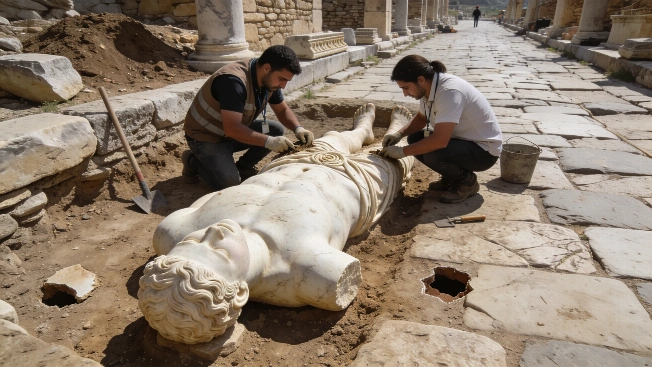
Early Classical Marble Statue Found at Sardis Reveals Lydian Traditions
Archaeologists have uncovered a 2,500-year-old marble statue at Sardis in western Turkey, offering rare evidence of early Classical monumental sculpture and showing how local Lydian art intersected with wider Mediterranean traditions.
Part 3 of 4