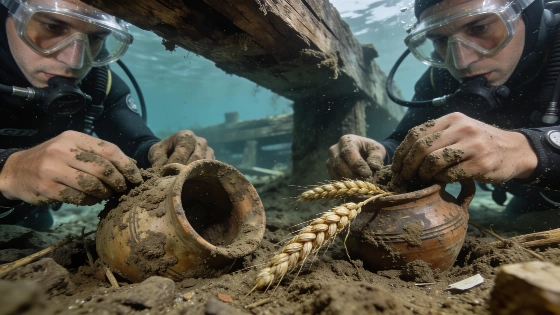
Archaeologists working beneath Lake Bolsena have recovered Late Bronze Age ceramics, preserved spelt, and wooden structures, offering new insight into prehistoric occupation and environmental preservation at Gran Carro di Bolsena
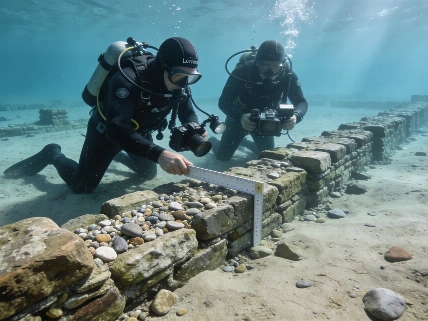
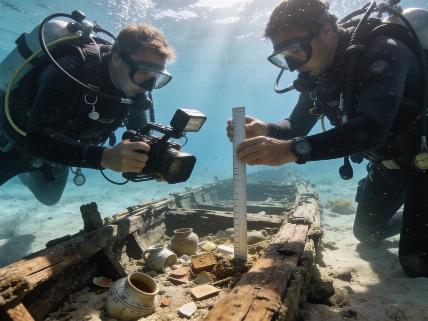
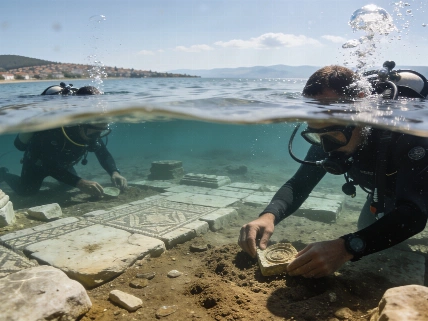
Archaeological investigations at Gran Carro di Bolsena, a submerged site beneath central Italy's Lake Bolsena, have yielded a rare combination of Late Bronze Age pottery, intact ears of spelt, and large wooden elements. The 2026 research campaign, led by the Underwater Archaeology Service of the regional Superintendency, is part of a multi-year program coordinated by Italy's Ministry of Culture. These finds are expanding the known chronology and complexity of settlement along the lakeshore during the transition from the Bronze Age to the Iron Age.
Evidence for Extended Occupation
The most significant ceramic finds from the recent campaign have been identified as Late Bronze Age vessels, consistent with the Proto-Villanovan cultural phase. This phase, which developed in Italy during the final centuries of the second millennium BCE, is considered a precursor to the Villanovan culture of the Early Iron Age and the later emergence of Etruscan society. The presence of Proto-Villanovan ceramics at Gran Carro extends the site's occupation deeper into prehistory, indicating that the settlement was not limited to a single period but developed through multiple phases. This layered occupation provides a valuable case study for understanding how communities in central Italy adapted during a period of significant social and technological change.
In total, the 2026 campaign recovered several ceramic vessels, numerous wooden structural elements, and a small assemblage of organic remains. The site's waterlogged conditions have preserved materials that would typically decay on land, including plant remains and woven fibers. The combination of ceramics, timber, and botanical evidence offers a rare opportunity to reconstruct aspects of daily life, construction, and subsistence at a prehistoric lakeshore settlement.
Preserved Spelt and Wooden Structures
One of the most unusual discoveries came from an area of the site known as the Aiola, where archaeologists found intact ears of spelt (Triticum spelta) deposited inside ceramic containers. The preservation of these plant remains is attributed to the anaerobic, waterlogged environment beneath the lake, which inhibits the decomposition of organic material. The spelt was found alongside objects resembling grave goods from Villanovan burials, raising questions about the possible ritual or funerary significance of the deposit. Researchers are now analyzing the spelt and its context to investigate prehistoric agricultural practices, food storage, and the symbolic role of crops in local ritual activity.
In addition to the botanical finds, the campaign documented large wooden elements buried beneath stones in the lower part of a mound interpreted as a possible sacred structure. The function of these timbers remains uncertain; they may represent the remains of a building, platform, or another type of prehistoric construction. Their survival allows for the study of ancient woodworking techniques and construction methods that are rarely preserved in terrestrial sites. Other organic discoveries include woven material, possibly a rope or hawser, further illustrating the diversity of activities at Gran Carro.
Textiles and Organic Preservation
The 2026 fieldwork also resulted in the recovery of the first textile fragment identified at Gran Carro after more than sixty years of investigation. This rare find, together with evidence of textile production, provides a new perspective on the daily activities and technological capabilities of the settlement's inhabitants. The preservation of textiles, plant remains, and timber is directly linked to the unique environmental conditions beneath Lake Bolsena, where the absence of oxygen slows the decay of organic matter.
Such preservation is exceptional in Mediterranean archaeology, where organic materials are usually lost to decomposition. The discoveries at Gran Carro are therefore significant not only for their rarity but also for the breadth of information they offer about prehistoric lifeways. The ongoing conservation and analysis of these materials will be essential for interpreting their function and significance within the broader context of central Italian prehistory.
Comparative Context and Ongoing Research
The combination of Late Bronze Age ceramics, Early Iron Age parallels, preserved crops, and unexplained wooden structures makes Gran Carro a key site for understanding long-term occupation and cultural change along the Lake Bolsena shoreline. The 2026 campaign's results follow other recent advances in the study of ancient material culture, such as the identification of activity-related skeletal changes in Egyptian royal women, which have been discussed in the context of weapon use and social roles in a recent Science Report analysis of Middle Kingdom burials. At Gran Carro, the focus remains on reconstructing settlement development, subsistence strategies, and the interplay between ritual and daily life using a combination of material, botanical, and architectural evidence.
With fieldwork for the 2026 campaign now complete, researchers are beginning the process of conserving and analyzing the recovered materials. This includes detailed study of ceramics, textiles, plant remains, and timber, as well as comparison with material from previous excavations. The site's unusual preservation conditions continue to offer new opportunities for research, and further discoveries may yet emerge from beneath the waters of Lake Bolsena.
Understanding the preservation of organic materials at Gran Carro requires attention to taphonomy-the study of processes affecting remains after deposition. Waterlogged, anaerobic environments like those beneath Lake Bolsena can dramatically slow the decay of wood, plant fibers, and textiles, allowing archaeologists to recover evidence rarely preserved on land. However, such preservation is highly localized and dependent on stable environmental conditions. Changes in water level, temperature, or oxygenation can rapidly alter the preservation potential, making ongoing conservation and monitoring essential for sites of this kind.