
Ancient Civilizations - Part 4
130 reports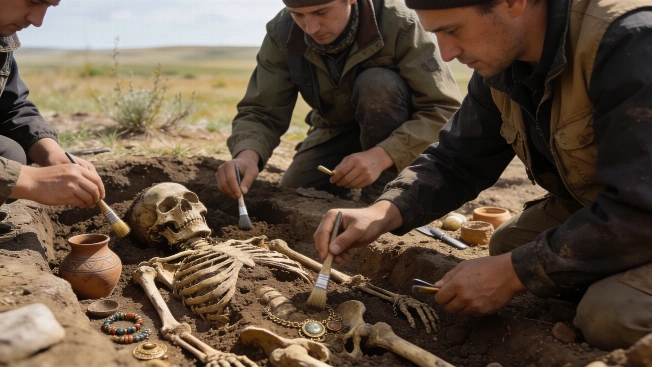
Kazakhstan Burials and Artifacts Reveal Ancient Steppe Trade Links
Recent excavations in Kazakhstan have uncovered Bronze Age and medieval burials, alongside artifacts and evidence of long-distance trade. The finds offer new understanding into the region's prehistoric communities and their connections across Eurasia
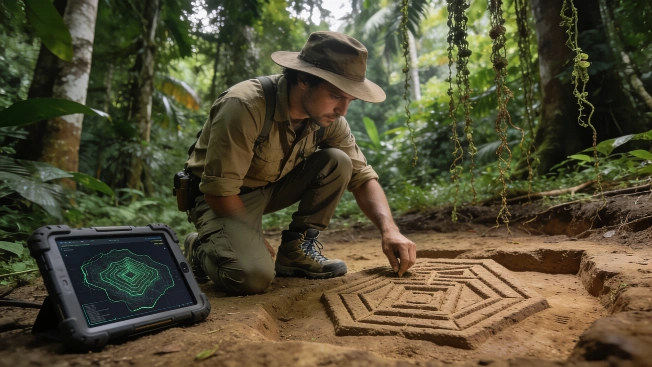
LiDAR Reveals Monumental Earthworks of Ancient Amazonian Society
Aerial LiDAR mapping in southwestern Amazonia has identified thousands of previously unknown monumental earthworks, expanding the known scale of pre-Columbian field engineering and challenging assumptions about ancient Amazonian population density.
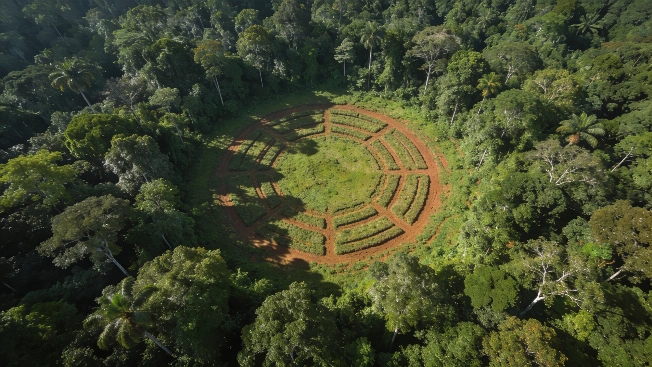
LiDAR Uncovers Hundreds of Ancient Geoglyphs in Amazon Rainforest
Aerial laser scanning has revealed nearly 400 previously unknown earthworks beneath the Amazon rainforest canopy, offering new evidence about the scale and organization of the Aquiry society that flourished in western Brazil over two millennia ago.
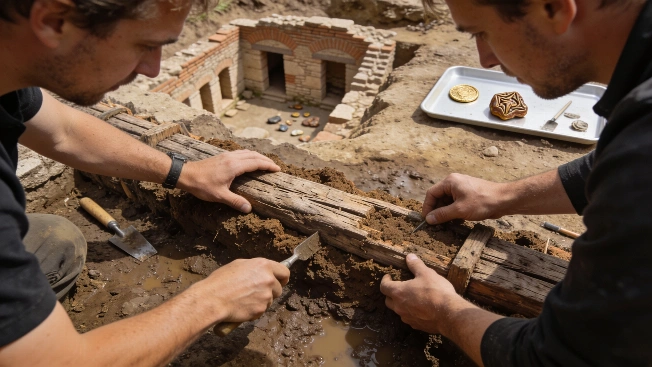
Early Roman Defenses and Rare Finds Unearthed at Vindonissa Camp
Archaeologists at Vindonissa, Switzerland's basic Roman legionary camp, have uncovered the first confirmed section of its original defensive wall and a legionary barracks, along with a rare gold coin. The finds offer new evidence of the site's earliest military occupation.
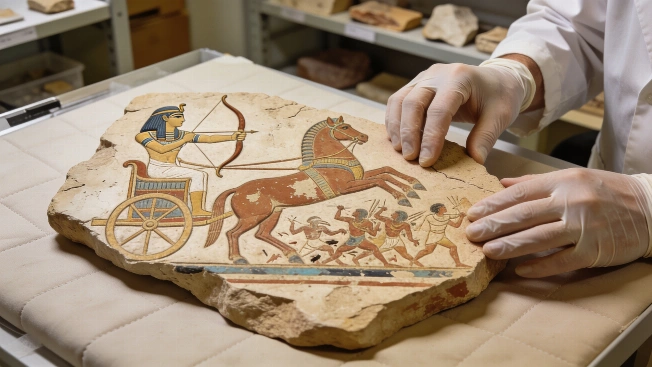
Ancient Egyptian Relief Fragment Shows Pharaoh Overcoming Foreign Foes
A painted sandstone relief from Luxor, created during the reign of Amenhotep II, depicts an Egyptian pharaoh defeating western Asian soldiers. Later reused in a temple foundation, the artifact offers understanding into royal iconography and material reuse.
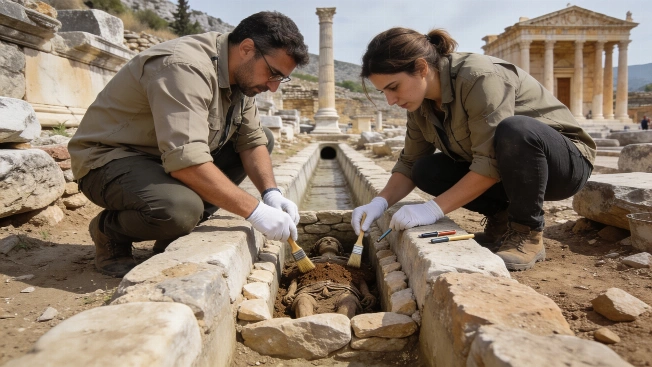
Byzantine-Era Twin Infant Burial Discovered Near Temple of Artemis
Archaeologists have identified a 1,200-year-old grave containing two premature infants near the Temple of Artemis at Ephesus, Turkey, revealing rare evidence of twin burial and a genetic anomaly in one skeleton
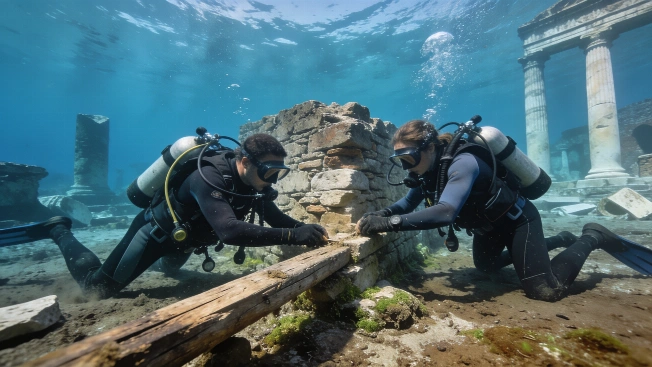
Submerged Roman Port at Puteoli Reveals Ancient Trade Infrastructure
Archaeologists are mapping the underwater remains of Puteoli, Rome's early commercial port, using advanced survey methods to document warehouses and workshops, as well as a rare Nabataean temple preserved beneath the Bay of Naples.
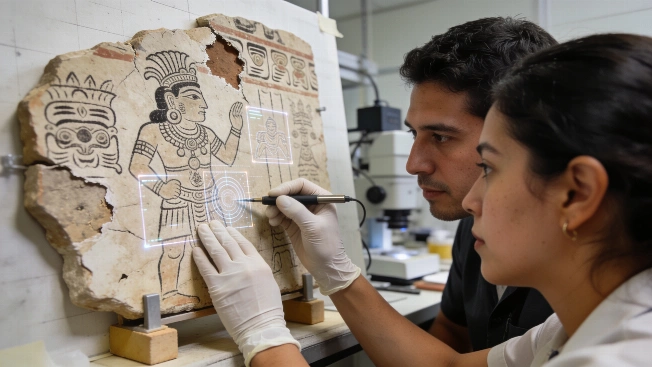
Earliest Maya Calendar Writing Identified at Calakmul Mural
Archaeologists have reconstructed a deteriorated mural from Calakmul, Mexico, revealing the earliest known calendrical inscription at the site. The find adds evidence of early Maya writing traditions and ritual practice in the Late Preclassic period.
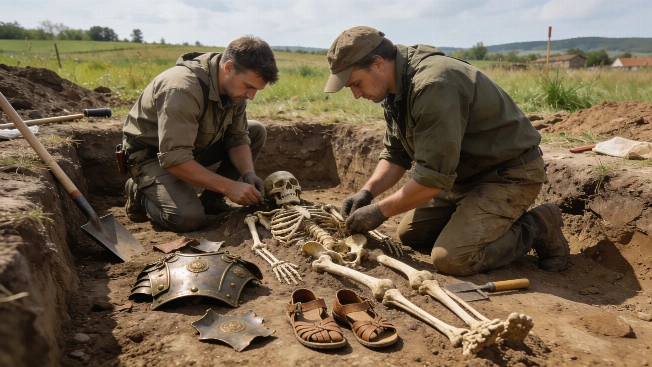
Roman Military Camp in Slovakia Reveals Unusual Soldier Burials
Archaeologists have identified a large Roman military camp near Šurany, Slovakia, containing hastily buried remains of soldiers and military equipment, offering new evidence for Roman campaigns during the Marcomannic Wars.
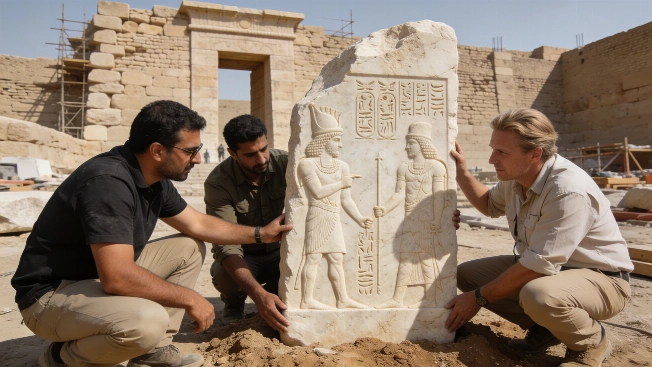
Assyrian Royal Stele Discovered at Nineveh's Sun Gate
Archaeologists working at the Sun Gate of ancient Nineveh have uncovered a monumental Assyrian stele inscribed with records of King Ashurbanipal's building projects, offering new evidence for royal activity in the seventh century BCE
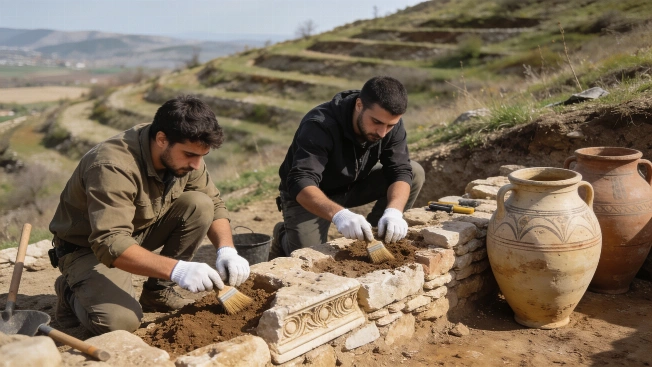
Hellenistic Ritual Dining Complex Uncovered at Gradište in North Macedonia
Archaeologists have identified a rare Hellenistic ritual dining complex at Gradište, North Macedonia, offering evidence of elite religious practices and extensive trade, including imported ceramics, during the fourth and third centuries BCE
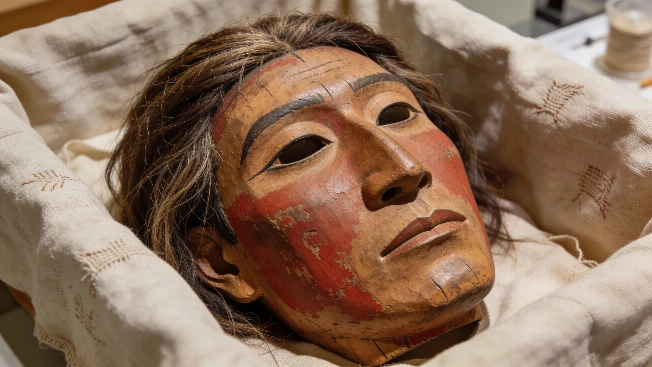
Chancay Mummy Mask Reveals Ancient Funerary Practices in Peru
A wooden mask with human hair and cinnabar pigment, crafted by the Chancay people between 1000 and 1450 CE, offers new insight into pre-Inca mortuary traditions and the use of symbolic 'false heads' in Andean burial bundles
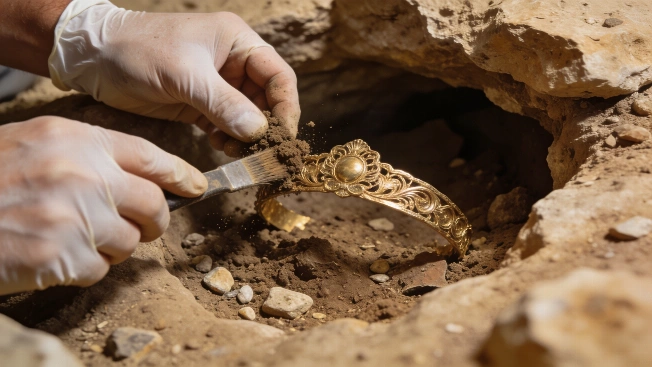
Cypriot Gold Ornaments Reveal Ancient Mediterranean Connections
Archaeologists have analyzed a cache of 3,400-year-old gold ornaments from chamber tombs at Hala Sultan Tekke, Cyprus, finding evidence of local craftsmanship shaped by Egyptian, Mycenaean, Minoan and Near Eastern traditions.
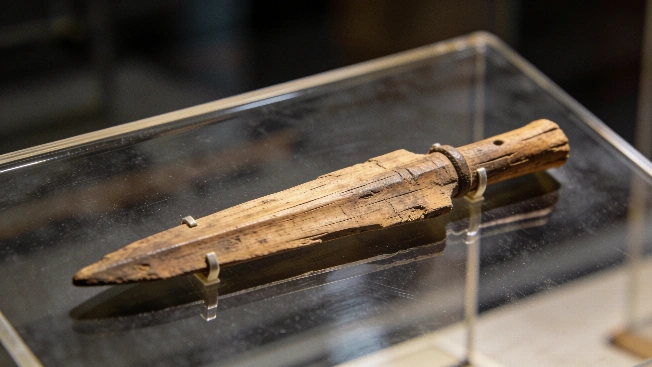
How Archaeologists Trace the Oldest Known Weapons in Human History
Archaeologists have identified several contenders for the world's oldest weapon, including wooden spears and stone points from sites in Africa and Europe. Context and material evidence, including wear patterns, help distinguish weapons from other ancient tools.
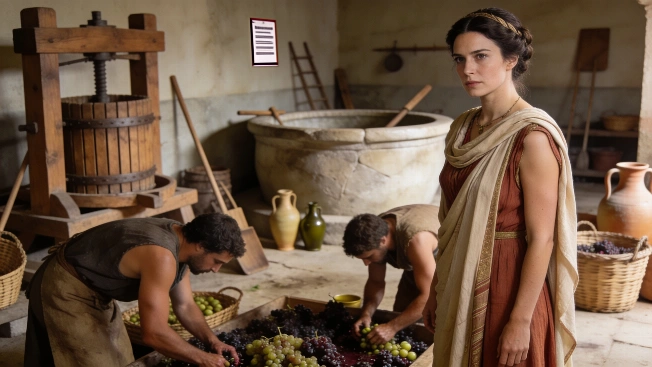
Roman Female Farm Managers Oversaw Wine and Oil Production
A new analysis of Roman-era texts and archaeological evidence reveals that women known as vilicae managed large-scale wine and olive oil production, challenging the long-held view that their roles were limited to domestic tasks
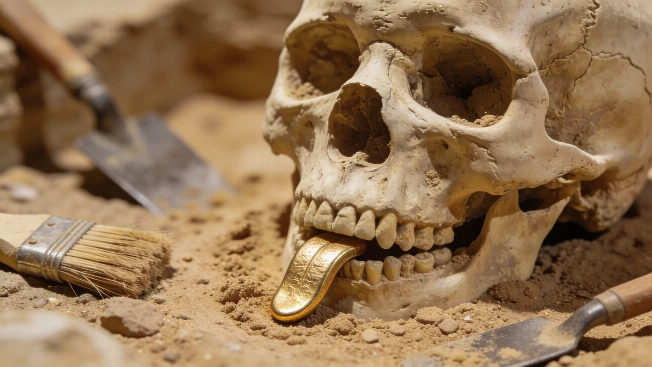
Gold Tongues in Egyptian Tombs and a New Monkey in Congo
Archaeologists have uncovered 18 tombs in Egypt containing gold tongue amulets, while researchers in the Congo rainforest have identified a new monkey species. These discoveries highlight both the complexity of ancient mortuary practices and the ongoing potential for finding new species.
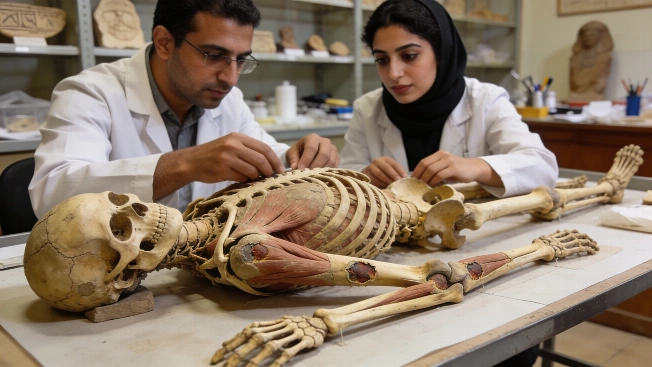
Ancient Egyptian Princesses Show Evidence of Skilled Archery
Bioarchaeological analysis of Middle Kingdom royal women from Dahshur reveals skeletal adaptations consistent with regular archery and hunting, challenging assumptions that weapons in their tombs were only symbolic
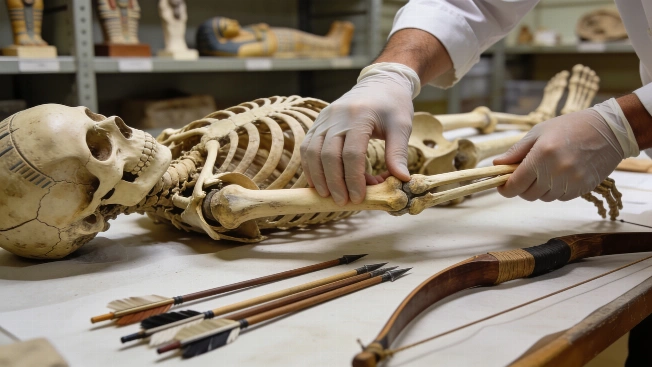
Muscle Marks on Egyptian Royal Women Suggest Weapon Use, Study Debated
Analysis of nearly 4,000-year-old skeletal remains from Egypt's Middle Kingdom reveals pronounced upper-body muscle attachments in several royal women. Researchers propose these changes may reflect archery or weapon training, but experts urge caution
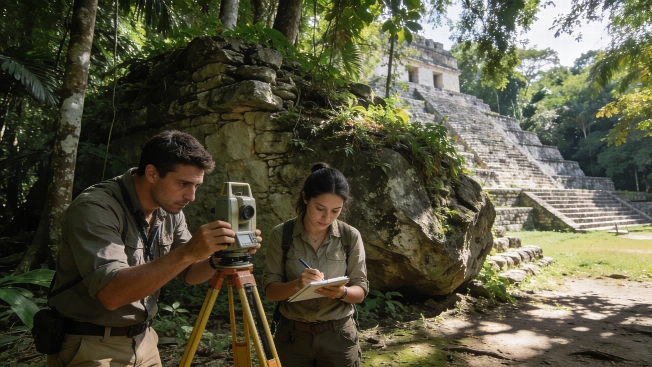
Survey Reveals Monumental Maya City at El Yesal in Campeche
Archaeologists have mapped and documented El Yesal, a major Maya settlement in Mexico's Balam kú Biosphere Reserve, using field survey and excavation to clarify its origins, architecture, and occupation history
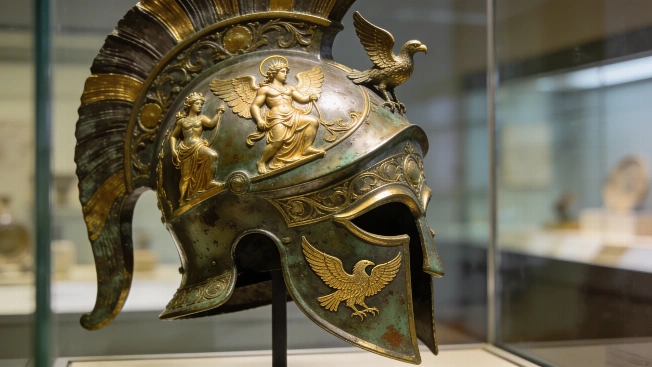
Bronze Elamite Helmet Reveals Ancient Deities and Battlefield Symbolism
A rare bronze helmet from southwestern Iran, dated to 1500-1100 BCE, features gold-plated divine figures and a raptor motif. Researchers analyze its construction, iconography, and uncertain archaeological context to interpret its significance.
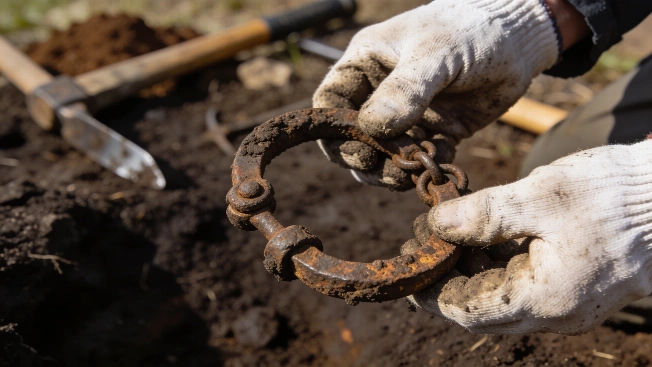
Iron Shackles at Allonnes Reveal Evidence of Celtic Slavery
Archaeologists have identified five pairs of iron restraints at a third-century BCE settlement in France's Loire Valley, providing rare direct evidence for the use of shackles and the possible presence of enslaved people in pre-Roman Gaul
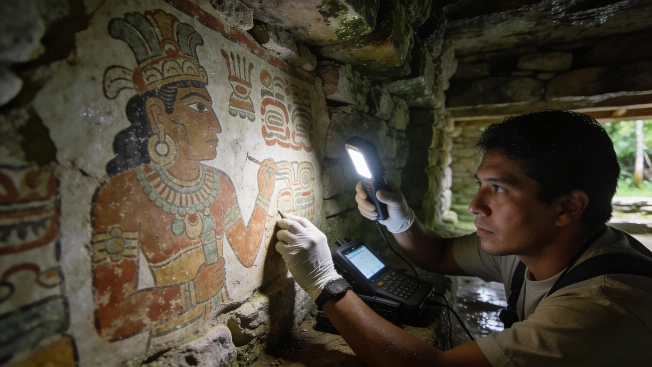
Early Maya Mural at Calakmul Depicts Mythical Hero Juun Ajaw
A mural from Structure II at Calakmul, Mexico, has been identified as one of the earliest known depictions of the Maya figure Juun Ajaw. Researchers used digital reconstruction to analyze the mural's iconography and its architectural context
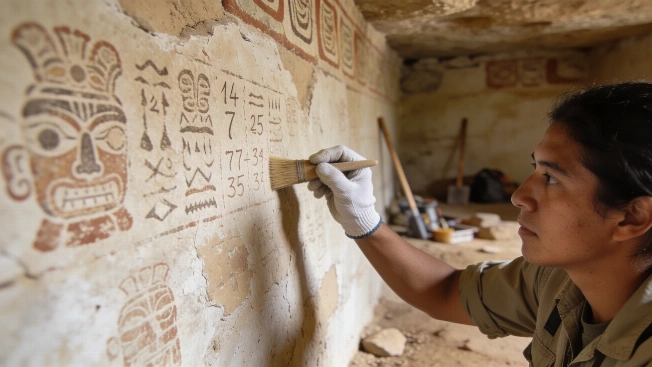
Eighth-Century Maya Astronomer's Name Found at San Bartolo-Xultun
Researchers have identified a Maya mathematician and astronomer in wall inscriptions at the San Bartolo-Xultun site in Guatemala, offering new details about scientific work in the region during the eighth century CE.
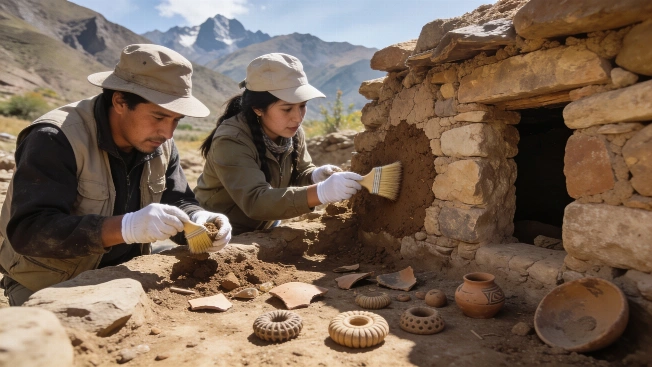
Excavation Reveals Urban Planning at Pre-Inca Huaylas Settlement in Peru
Archaeologists have uncovered a pre-Inca Huaylas settlement in Peru's Cordillera Negra, revealing evidence of urban planning, specialized craft production, and later Inca occupation through pottery, architecture, and workshop remains
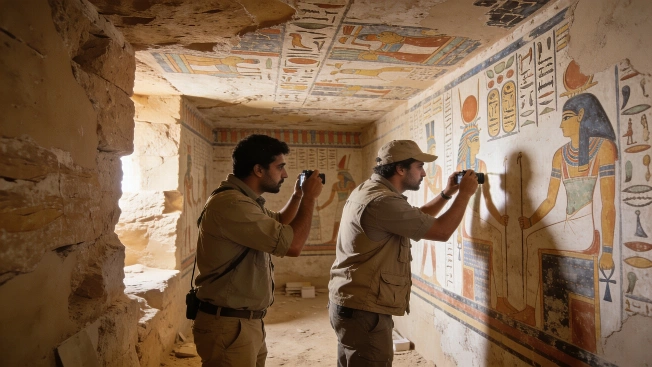
New Kingdom Tomb With Painted Walls Found at Sheikh Abd el-Qurna
Archaeologists excavating at Sheikh Abd el-Qurna on Luxor's west bank have identified a previously undocumented New Kingdom tomb, featuring painted wall scenes and inscriptions naming the owner as Paser. The find adds to the understanding of elite burial practices in Thebes.
Part 4 of 4