Archaeologists at Gordion in central Türkiye have re-examined the so-called Midas Tumulus, concluding that the monumental burial mound was likely constructed for Gordias, the father of the legendary King Midas, based on new analysis of its structure and contents
Archaeological research at the site of Gordion in central Türkiye has clarified the origins of one of the region's most prominent burial mounds. The large tumulus, long known as the Midas Tumulus, is now considered by specialists to have been constructed for Gordias, the father of King Midas, rather than for Midas himself. This interpretation is based on the dating of the wooden burial chamber and the analysis of associated artifacts, which together suggest a construction date around 3,200 years ago, preceding the reign of Midas.
The Burial Mound and Its Construction
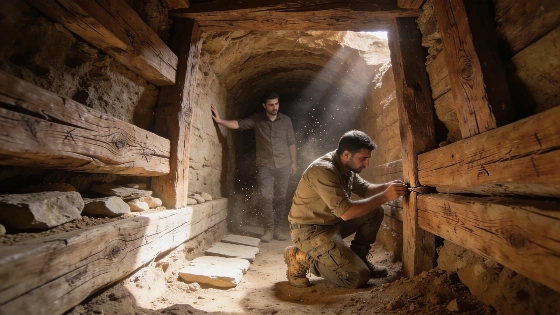
The tumulus rises approximately 53 meters above the surrounding landscape and measures about 300 meters in diameter, making it one of the largest burial mounds in Anatolia. Excavations conducted in 1957 by a Turkish-American team revealed a remarkably well-preserved wooden burial chamber at the core of the mound. The chamber, measuring roughly 6.15 by 5.15 meters, was constructed from juniper timbers that have survived for millennia, providing rare insight into Phrygian woodworking and construction techniques. Dendrochronological analysis of the timbers has helped establish the chronology of the monument, supporting the attribution to Gordias rather than his more famous son.
To access the burial chamber, workers excavated an 82-meter tunnel through the mound, a process that involved miners from the Black Sea region. While the excavation methods of the time caused some damage to the structure and surviving textiles, the chamber's preservation remains exceptional for a Bronze Age context. The burial's monumental scale and elaborate construction reflect the political and ceremonial importance of Gordion as the Phrygian capital during the late second and early first millennium BCE.
Artifacts and Evidence of Status
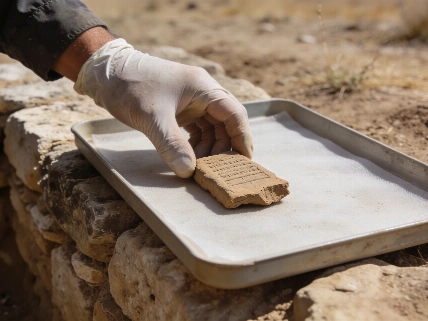
Inside the burial chamber, archaeologists recovered a significant assemblage of grave goods, including 99 fibulas-ancient brooches used to fasten clothing-demonstrating advanced metalworking skills. The presence of these objects, along with evidence of sophisticated woodworking and textile production, points to the high status of the individual interred. Some of the artifacts are now housed in the Museum of Anatolian Civilizations in Ankara, while others remain at the Gordion Museum. The finds have contributed to understanding the technological capabilities and social organization of the Phrygian elite.
The identification of the tomb's occupant as Gordias is supported by both the dating of the wooden structure and historical references linking the name Gordias to the region and the famous Gordian Knot. However, the enduring association with King Midas persists in popular culture, largely due to the prominence of Midas in Greek mythology and later traditions. The monument's continued identification as the Midas Tumulus reflects the complexities of naming and memory in archaeological heritage.
Gordion's Landscape of Tumuli
The so-called Midas Tumulus is one of approximately 130 officially registered burial mounds in the wider Polatlı area, with nearly 90 concentrated around Gordion itself. This dense concentration of tumuli highlights the site's role as a major center of elite burial and political authority in the Phrygian period. The monumental scale of these mounds, and the resources required for their construction, indicate a society capable of organizing large-scale labor and managing significant material wealth.
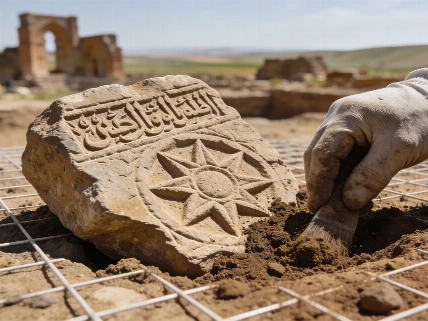
Gordion's archaeological significance extends beyond its funerary monuments. The site has yielded evidence of monumental architecture, elite burials, and a wide range of artifacts, including metalwork, textiles, and wooden furniture. In 2023, Gordion was inscribed on the UNESCO World Heritage List, further recognizing its importance for understanding the development of complex societies in ancient Anatolia. Recent research at other major prehistoric sites, such as the large-scale enclosure and timber structures identified at Haughey's Fort in Ireland (see this analysis of monumental Bronze Age construction), provides comparative context for interpreting the scale and organization of elite burial practices at Gordion.
Interpreting the Evidence
While the attribution of the tumulus to Gordias is supported by current archaeological and chronological evidence, some uncertainty remains due to the limitations of historical sources and the challenges of associating monumental burials with specific individuals. The preservation of the wooden chamber and associated artifacts offers a rare opportunity to study Phrygian funerary practices, but the incomplete survival of organic materials and the impact of earlier excavation methods constrain the range of possible interpretations. Ongoing research continues to refine the chronology and cultural context of the burial, contributing to a more nuanced understanding of Phrygian society and its rulers.
The case of the so-called Midas Tumulus illustrates the importance of integrating archaeological, historical, and scientific evidence in reconstructing the past. It also highlights the ways in which popular narratives and archaeological naming conventions can shape public perceptions of ancient sites, sometimes obscuring the complexities revealed by careful analysis of the material record.
Establishing the date and context of ancient burials often relies on dendrochronology, the scientific method of dating based on the analysis of patterns of tree rings in wooden structures. In the case of the Gordion tumulus, dendrochronological analysis of the juniper timbers provided a direct means of estimating the construction date of the burial chamber, supplementing information from associated artifacts and stratigraphic context. This approach allows archaeologists to build more precise chronological frameworks for monumental sites, but its accuracy depends on the preservation of suitable wood and the availability of regional tree-ring sequences. As with all archaeological dating methods, results must be interpreted in light of preservation conditions, sampling limitations, and the broader archaeological context.