
Artifacts and Material Culture - Part 5
183 reports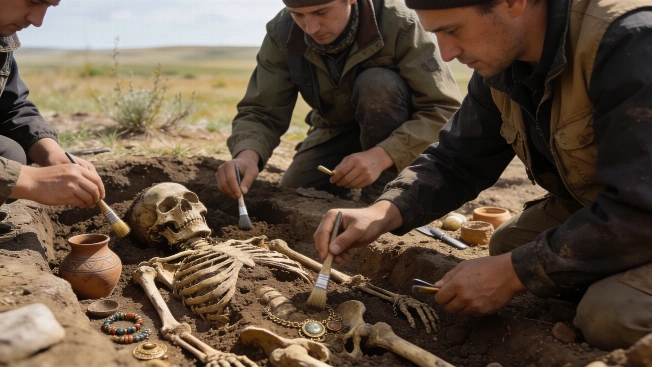
Kazakhstan Burials and Artifacts Reveal Ancient Steppe Trade Links
Recent excavations in Kazakhstan have uncovered Bronze Age and medieval burials, alongside artifacts and evidence of long-distance trade. The finds offer new understanding into the region's prehistoric communities and their connections across Eurasia
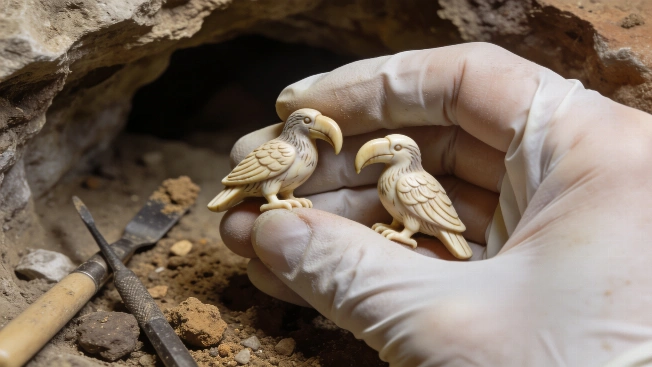
Ice Age Bird Figurines Unearthed in Hohle Fels Cave, Germany
Archaeologists have identified two miniature bird carvings made from mammoth ivory in Hohle Fels cave, Germany, dating to around 40,000 years ago. The finds expand the evidence for symbolic art among early Homo sapiens in Upper Paleolithic Europe.
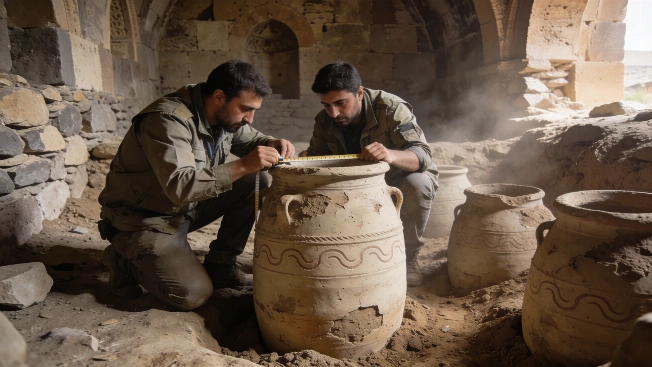
Seljuk Food Storage Facility Unearthed at Ani World Heritage Site
Archaeologists at Ani in eastern Türkiye have uncovered a Seljuk-era food storage facility containing five large ceramic jars, offering new evidence about food preservation and urban organization in the medieval city.
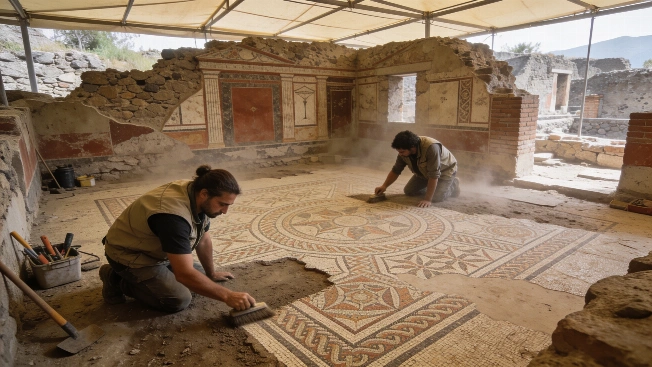
Roman Villa Mosaics Uncovered at Ancient Pompeiopolis in Türkiye
Archaeologists in northern Türkiye have revealed extensive Roman mosaics during renewed excavations at Pompeiopolis, offering new evidence of elite architecture and decorative practices in Roman Anatolia.
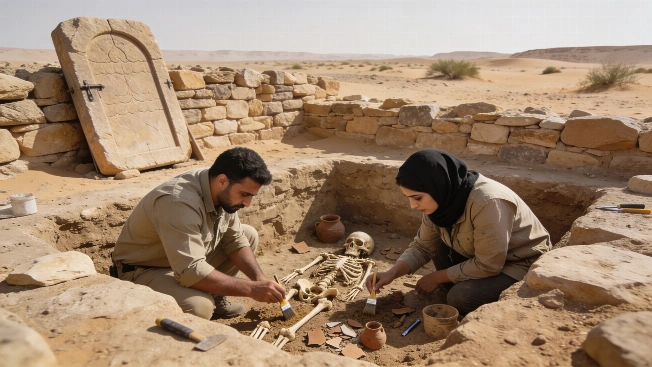
Bronze Age Tomb in UAE Used for Over a Millennium Revealed
Archaeologists have excavated a communal tomb at Qattarah Necropolis in Al Ain, UAE, showing continuous use from the Wadi Suq period through the Iron Age. Isotope and ancient DNA analysis may clarify population origins and burial practices.
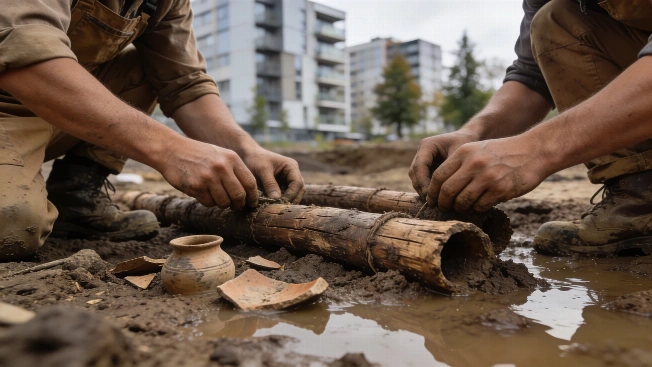
Excavation in Kaliningrad Reveals Four Centuries of Königsberg Life
Archaeologists in Kaliningrad's Far Forstadt district have uncovered well-preserved artifacts and infrastructure spanning the 16th to 20th centuries, shedding light on daily life and craft production amid urban change in historic Königsberg.
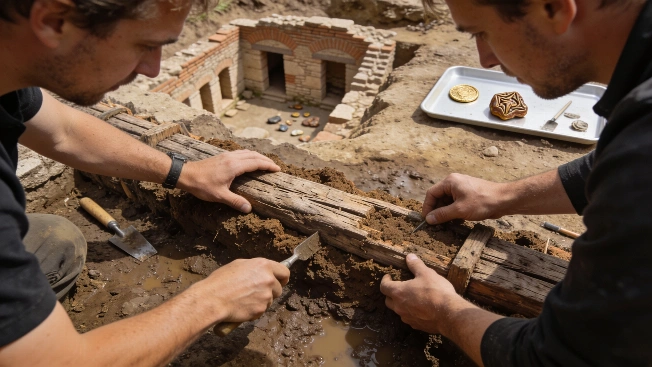
Early Roman Defenses and Rare Finds Unearthed at Vindonissa Camp
Archaeologists at Vindonissa, Switzerland's basic Roman legionary camp, have uncovered the first confirmed section of its original defensive wall and a legionary barracks, along with a rare gold coin. The finds offer new evidence of the site's earliest military occupation.
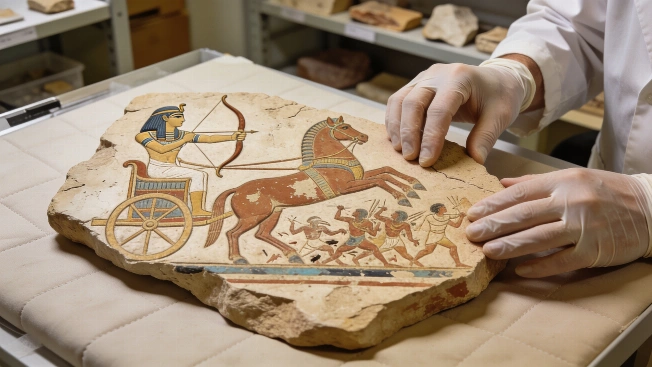
Ancient Egyptian Relief Fragment Shows Pharaoh Overcoming Foreign Foes
A painted sandstone relief from Luxor, created during the reign of Amenhotep II, depicts an Egyptian pharaoh defeating western Asian soldiers. Later reused in a temple foundation, the artifact offers understanding into royal iconography and material reuse.
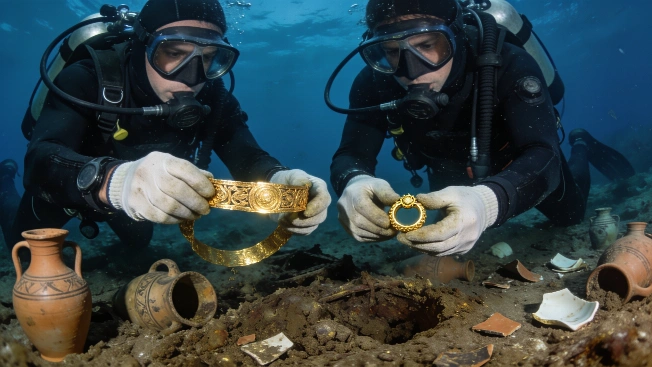
Byzantine Gold Regalia and Imperial Ring Found in Adriatic Shipwreck
Archaeologists have recovered gold ceremonial belts and imperial coins, along with a rare signet ring, from a Byzantine shipwreck off Croatia's Mljet island. The finds offer new evidence of elite travel and trade across the Adriatic in the early Middle Ages.
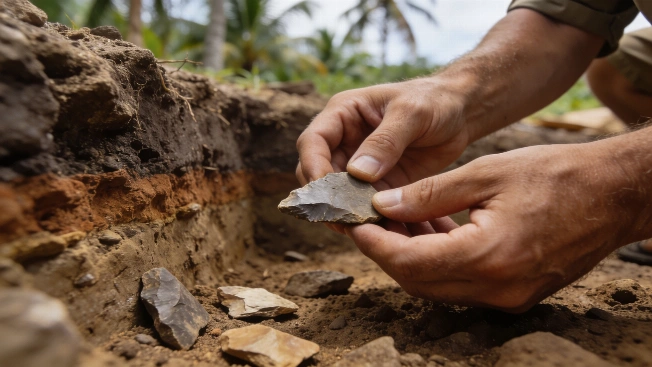
Stone Tools Reveal Early Human Technology Beyond Homo sapiens
Archaeologists use the term lithics to describe stone artifacts found at ancient sites. Recent discoveries in Indonesia show that stone tool production predates Homo sapiens, challenging earlier assumptions about the origins of human technology.
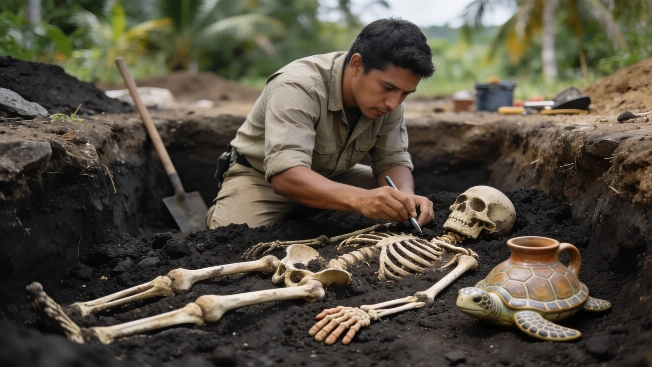
2,800-Year-Old Prone Burial With Sea Turtle Vessel Found in El Salvador
Archaeologists excavating in Antiguo Cuscatlán, El Salvador, have uncovered a 2,800-year-old burial featuring a face-down skeleton and a ceramic vessel shaped like a sea turtle, offering new evidence about mortuary practices in pre-Maya Mesoamerica.
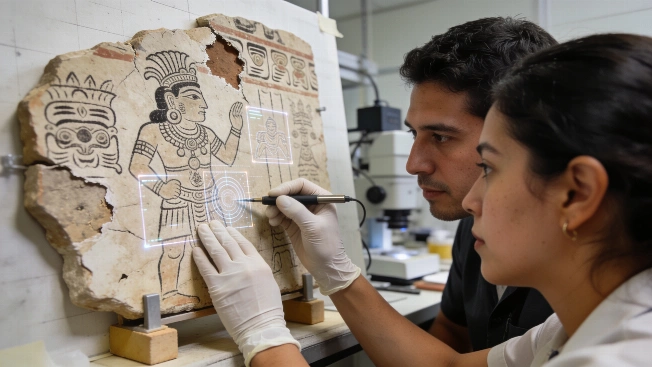
Earliest Maya Calendar Writing Identified at Calakmul Mural
Archaeologists have reconstructed a deteriorated mural from Calakmul, Mexico, revealing the earliest known calendrical inscription at the site. The find adds evidence of early Maya writing traditions and ritual practice in the Late Preclassic period.
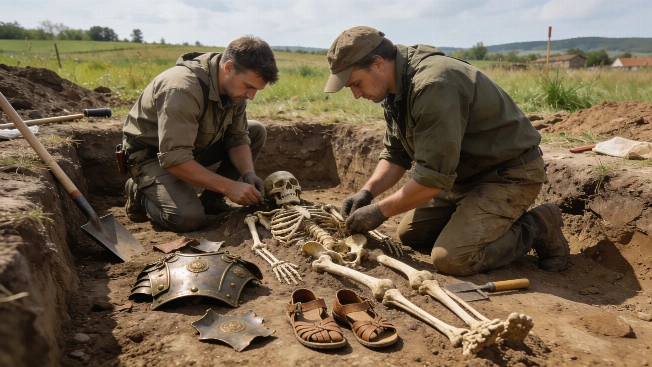
Roman Military Camp in Slovakia Reveals Unusual Soldier Burials
Archaeologists have identified a large Roman military camp near Šurany, Slovakia, containing hastily buried remains of soldiers and military equipment, offering new evidence for Roman campaigns during the Marcomannic Wars.
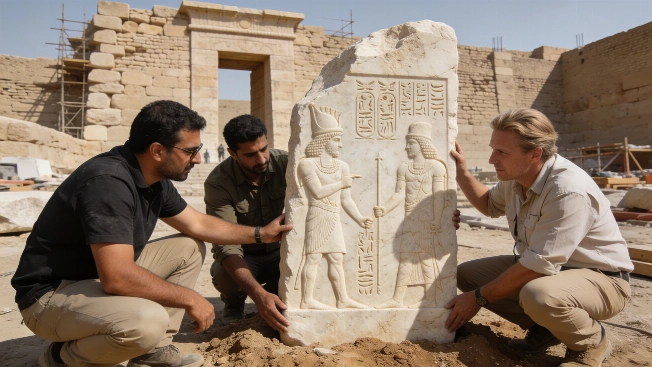
Assyrian Royal Stele Discovered at Nineveh's Sun Gate
Archaeologists working at the Sun Gate of ancient Nineveh have uncovered a monumental Assyrian stele inscribed with records of King Ashurbanipal's building projects, offering new evidence for royal activity in the seventh century BCE
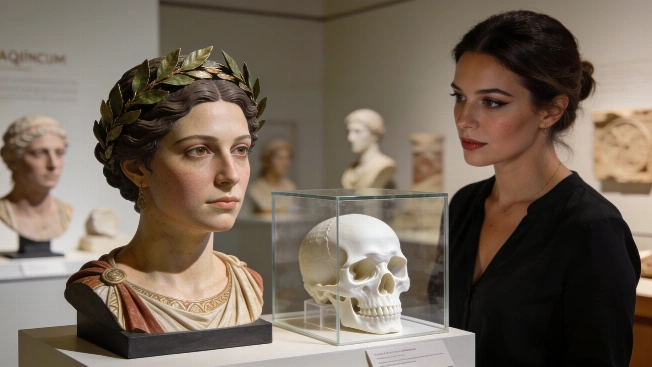
Facial Reconstructions Reveal Roman-Era Lives at Aquincum, Hungary
Researchers combined DNA analysis with forensic modeling, using 3D-printed skulls to reconstruct the faces of 16 people buried near the Roman frontier city of Aquincum, offering new insights into population diversity and daily life nearly 1,700 years ago
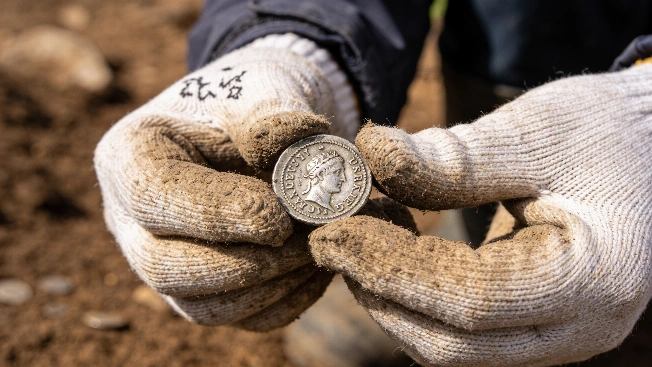
Roman Republican Silver Coins Reveal Early Cross-Border Exchange
A newly documented hoard of Roman Republican silver denarii found near Halle, Saxony-Anhalt, offers rare evidence of early contact and exchange between the Roman Republic and communities beyond its northern frontier.
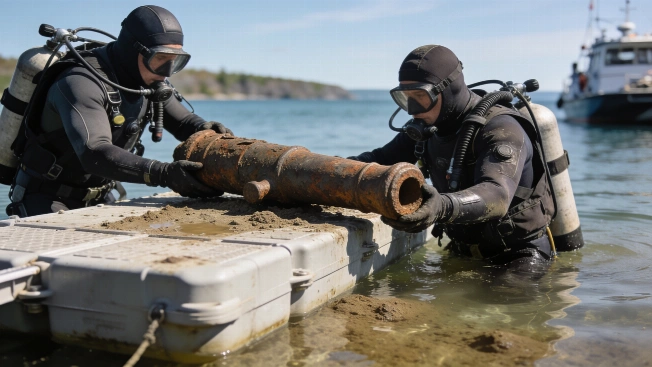
Final Revolutionary War Cannon Fragment Recovered from Lake Champlain
Archaeologists have retrieved the last known fragment of a Revolutionary War-era cannon from Lake Champlain, closing a decades-long search and adding physical evidence to the archaeological record of the Battle of Valcour Island.
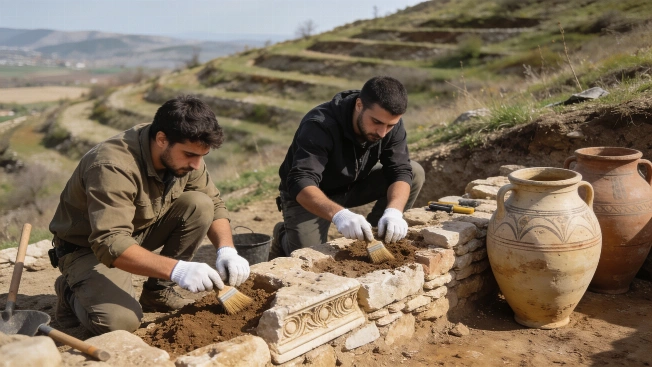
Hellenistic Ritual Dining Complex Uncovered at Gradište in North Macedonia
Archaeologists have identified a rare Hellenistic ritual dining complex at Gradište, North Macedonia, offering evidence of elite religious practices and extensive trade, including imported ceramics, during the fourth and third centuries BCE
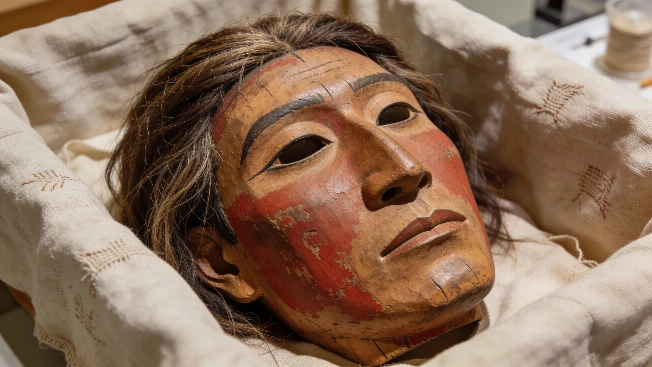
Chancay Mummy Mask Reveals Ancient Funerary Practices in Peru
A wooden mask with human hair and cinnabar pigment, crafted by the Chancay people between 1000 and 1450 CE, offers new insight into pre-Inca mortuary traditions and the use of symbolic 'false heads' in Andean burial bundles
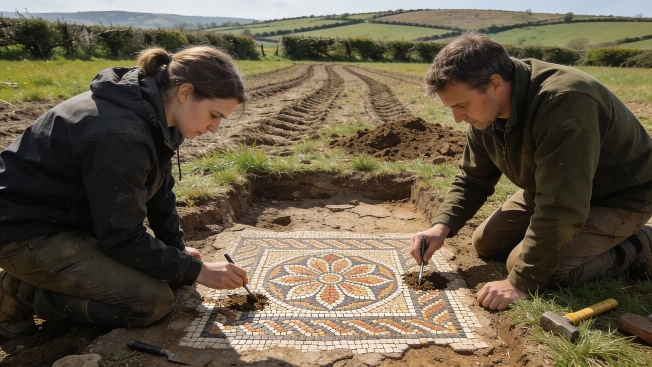
Roman Mosaic Uncovered at Devon Villa Site After 16 Years of Investigation
Archaeologists have excavated a Roman mosaic beneath farmland in Devon, England, after 16 years of investigation, revealing a rare decorated floor from a villa complex. The find offers new evidence of Roman presence in a region where such sites are uncommon.
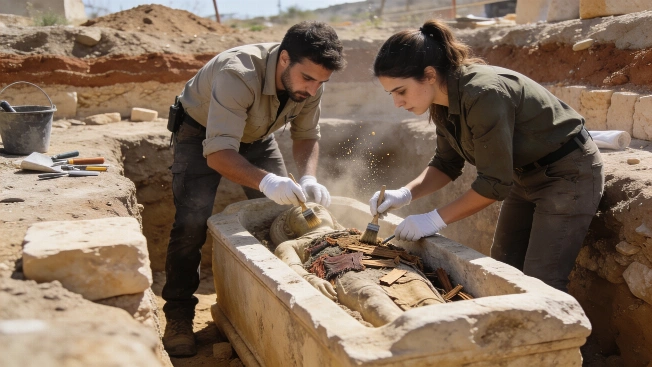
Archaic Necropolis in Southern Italy Yields Rare Organic Artifacts
Archaeologists have uncovered a 6th-century BCE necropolis beneath Gragnano, Italy, preserving organic materials and imported grave goods that reveal new details about elite burial practices and Mediterranean trade in pre-Roman Campania
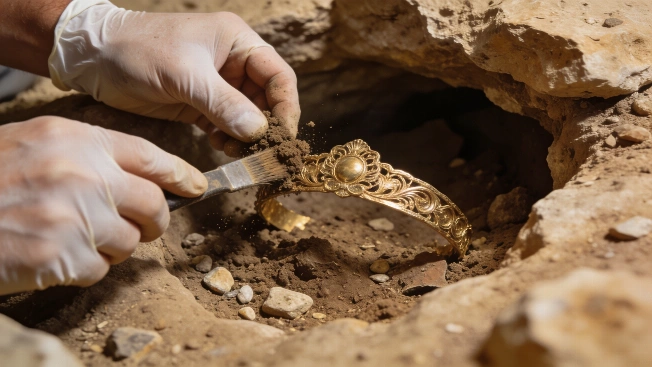
Cypriot Gold Ornaments Reveal Ancient Mediterranean Connections
Archaeologists have analyzed a cache of 3,400-year-old gold ornaments from chamber tombs at Hala Sultan Tekke, Cyprus, finding evidence of local craftsmanship shaped by Egyptian, Mycenaean, Minoan and Near Eastern traditions.
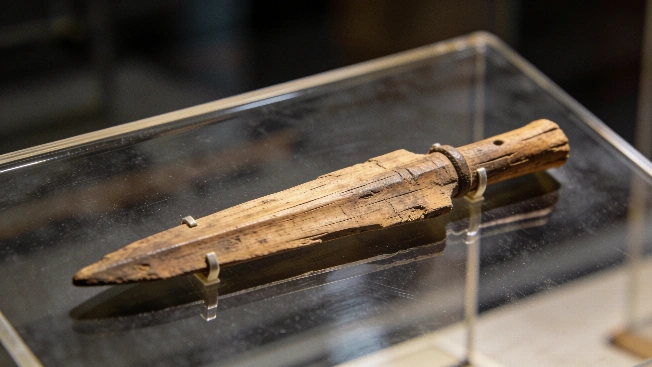
How Archaeologists Trace the Oldest Known Weapons in Human History
Archaeologists have identified several contenders for the world's oldest weapon, including wooden spears and stone points from sites in Africa and Europe. Context and material evidence, including wear patterns, help distinguish weapons from other ancient tools.
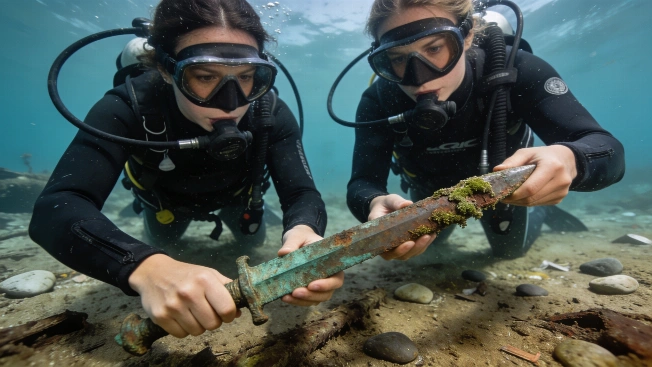
Bronze Age Sword Recovered from Protected Wreck off Devon Coast
A 3,000-year-old Bronze Age sword has been recovered by volunteer divers from the Salcombe Cannon and Moor Sand sites off south Devon, offering new evidence for prehistoric maritime activity and trade in the region
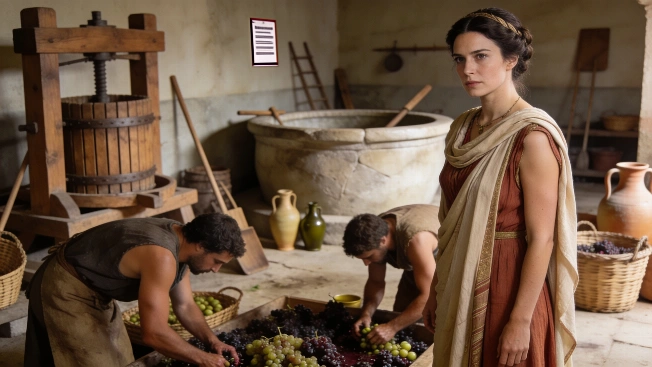
Roman Female Farm Managers Oversaw Wine and Oil Production
A new analysis of Roman-era texts and archaeological evidence reveals that women known as vilicae managed large-scale wine and olive oil production, challenging the long-held view that their roles were limited to domestic tasks
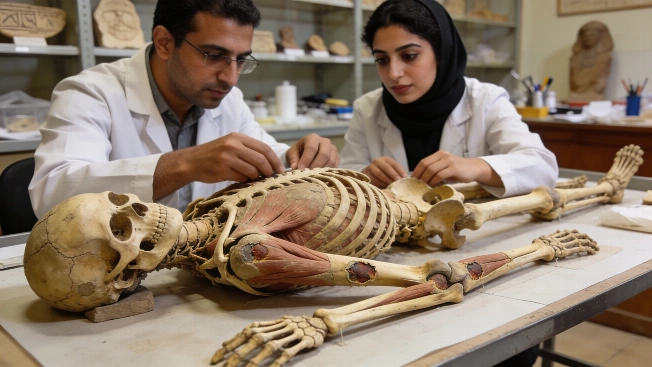
Ancient Egyptian Princesses Show Evidence of Skilled Archery
Bioarchaeological analysis of Middle Kingdom royal women from Dahshur reveals skeletal adaptations consistent with regular archery and hunting, challenging assumptions that weapons in their tombs were only symbolic
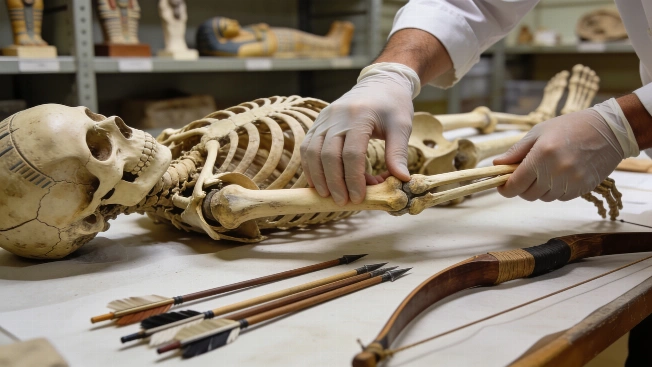
Muscle Marks on Egyptian Royal Women Suggest Weapon Use, Study Debated
Analysis of nearly 4,000-year-old skeletal remains from Egypt's Middle Kingdom reveals pronounced upper-body muscle attachments in several royal women. Researchers propose these changes may reflect archery or weapon training, but experts urge caution
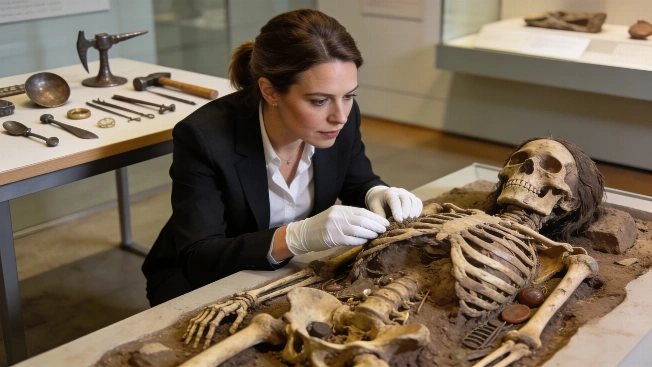
Ancient DNA Reveals Bronze Age Metalworker Near Stonehenge Was Female
A 4,000-year-old burial near Stonehenge, long thought to contain a male shaman, has been re-examined using ancient DNA analysis, revealing the individual was biologically female and challenging assumptions about gender roles in Early Bronze Age Britain
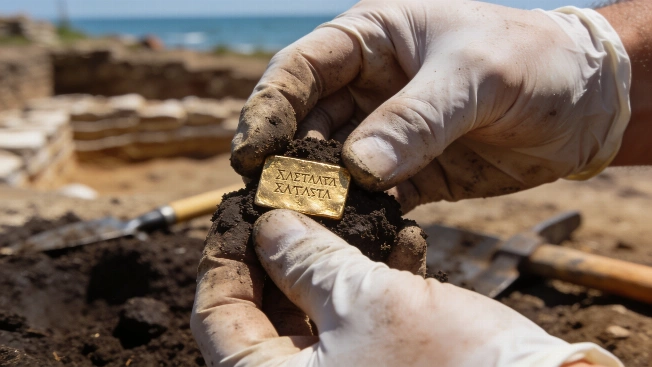
Gold Plaque Reveals Jupiter Dolichenus Worship at Apsaros Fort
A rare inscribed gold plaque recovered at the Roman fort of Apsaros on Georgia's Black Sea coast offers the first direct epigraphic evidence for the cult of Jupiter Dolichenus at the site, shedding light on religious practices among the garrison
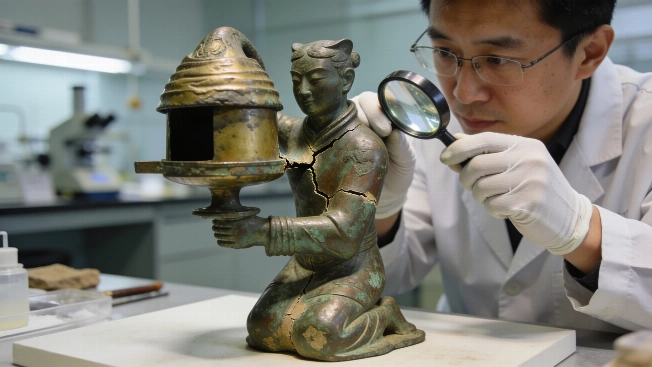
Sanxingdui Bronze Figure Assembled From Separate Ancient Artifacts
A new analysis of a bronze kneeling figure from Sanxingdui, China, reveals it was constructed from components made in different regions and periods, providing evidence for complex trade and metalworking in the ancient Shu kingdom
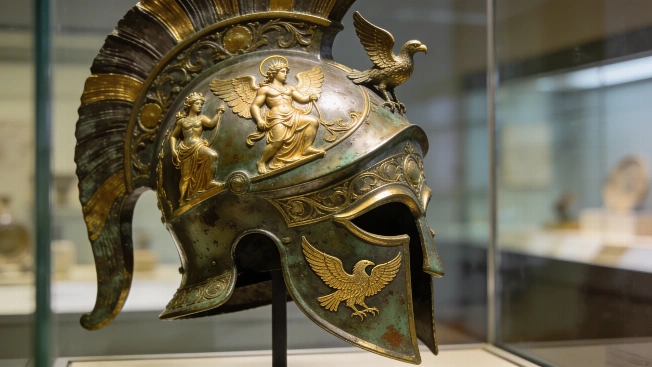
Bronze Elamite Helmet Reveals Ancient Deities and Battlefield Symbolism
A rare bronze helmet from southwestern Iran, dated to 1500-1100 BCE, features gold-plated divine figures and a raptor motif. Researchers analyze its construction, iconography, and uncertain archaeological context to interpret its significance.
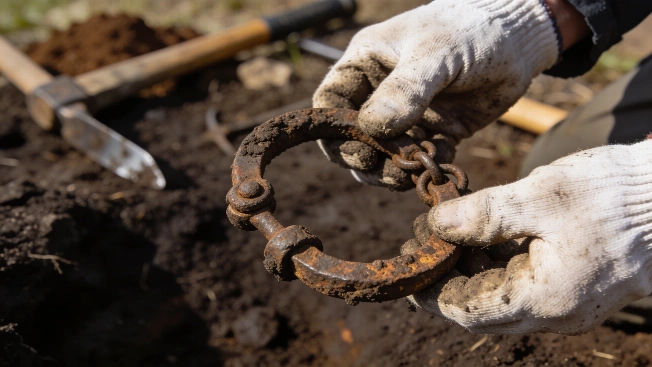
Iron Shackles at Allonnes Reveal Evidence of Celtic Slavery
Archaeologists have identified five pairs of iron restraints at a third-century BCE settlement in France's Loire Valley, providing rare direct evidence for the use of shackles and the possible presence of enslaved people in pre-Roman Gaul
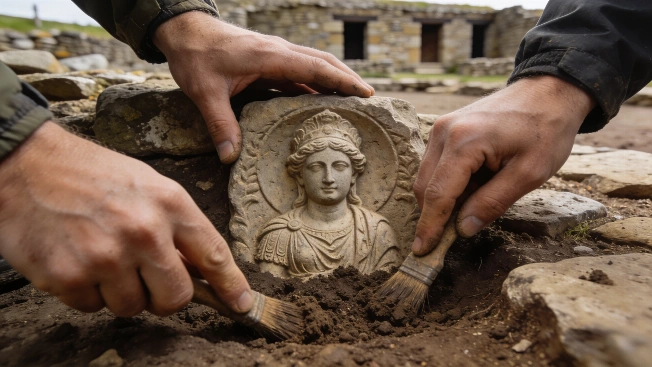
Roman Protective Deity Relief Found Beneath Vindolanda Barracks
Archaeologists at Vindolanda, a Roman fort near Hadrian's Wall, have uncovered a carved stone relief depicting a protective deity. The artifact was found beneath a fourth-century barracks floor, offering insight into ritual practices at the site.
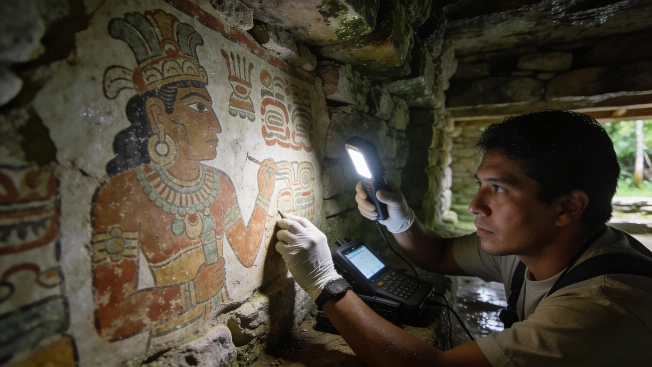
Early Maya Mural at Calakmul Depicts Mythical Hero Juun Ajaw
A mural from Structure II at Calakmul, Mexico, has been identified as one of the earliest known depictions of the Maya figure Juun Ajaw. Researchers used digital reconstruction to analyze the mural's iconography and its architectural context
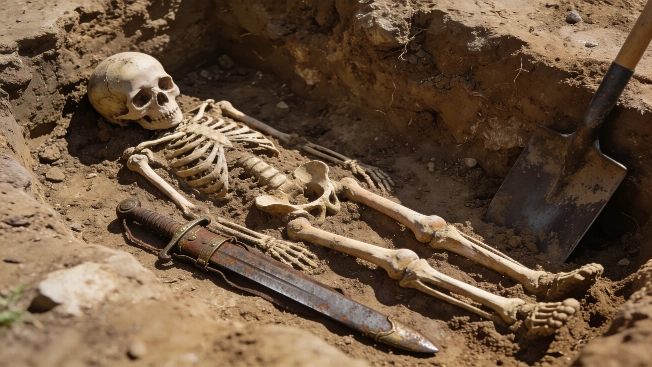
Iron Age Child Burial With Sword Sheds Light on Gaulish Practices
Archaeologists have uncovered a 2,400-year-old iron sword placed beside a child's remains at the Bois Médor site in central France, offering new evidence about burial customs and social roles in Iron Age Gaul
Part 5 of 6