
Archaeology & Human Origins - Part 7
302 reports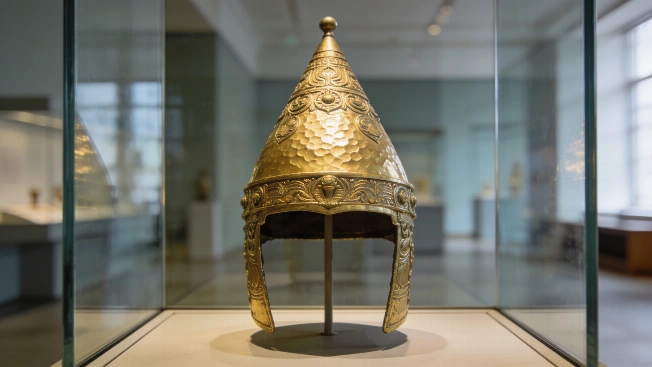
Berlin Gold Hat Reveals Bronze Age Astronomical Knowledge
Archaeologists have analyzed a 3,000-year-old gold headdress from Central Europe, uncovering evidence that its intricate motifs encode calendrical information used to track solar and lunar cycles

Swedish Warship Wrecks Yield New Insights Into Naval Life in 1714
Archaeologists have recovered exceptionally preserved artifacts from two Swedish shipwrecks lost in the Baltic Sea during the Great Northern War, offering rare evidence for naval provisioning and daily life in the early eighteenth century.
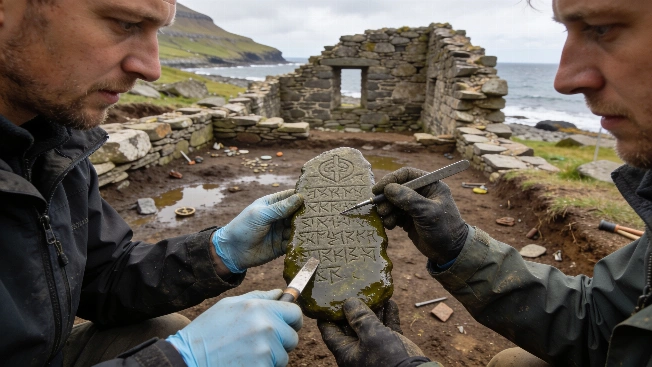
Rare Runestone and Christian Artifacts Found at Medieval Faroe Islands Site
Archaeologists excavating the medieval site of Sondur on Sandoy, Faroe Islands, have uncovered a rare runestone and Christian artifacts, offering new evidence of religious activity and material culture in the North Atlantic during the Middle Ages.
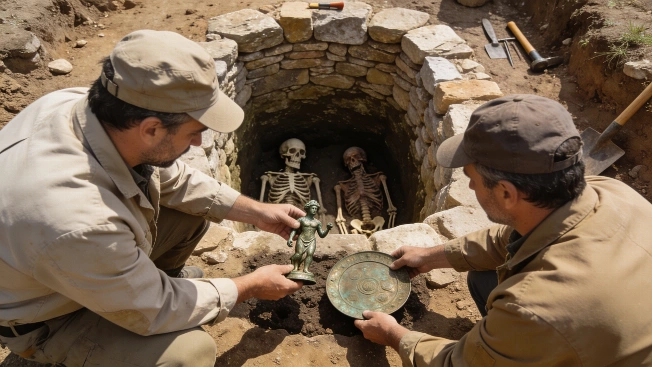
Etruscan Ritual Well With Bronze Offerings and Skeletons Uncovered
Archaeologists at Kainua, near Marzabotto in northern Italy, have excavated a remarkably preserved Etruscan ritual well containing bronze figurines, a bronze plate and two adult skeletons, offering new evidence about religious practices and urban foundation ceremonies.
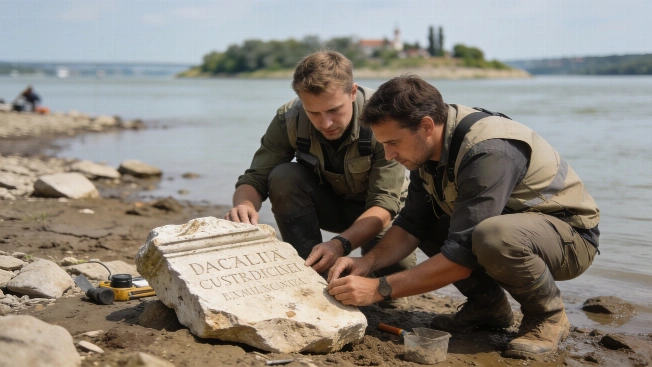
Roman Jupiter Altar Fragment Recovered from Danube Riverbed
Archaeologists have recovered a limestone altar fragment dedicated to Jupiter from the Danube near Dunaújváros, Hungary, after low water levels exposed rarely accessible sections of the riverbed. The find offers new evidence of Roman religious activity on the Pannonian frontier.
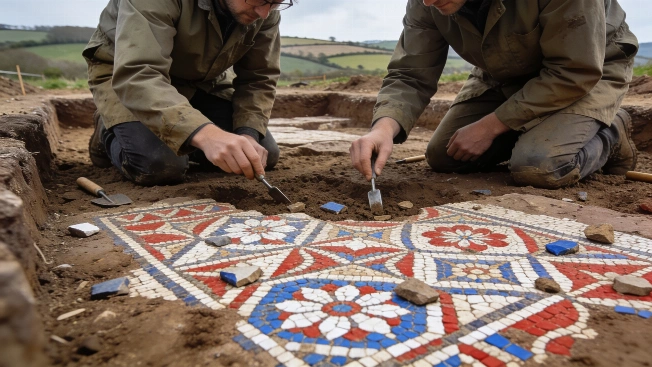
Roman Villa With Mosaic and Bathhouse Unearthed in Devon
Excavations in Devon have revealed a Roman villa complex with a polychrome mosaic and bathhouse, alongside evidence of industrial activity. The finds offer new understanding into rural elite life and architectural change in southwest Britain during the Roman period.
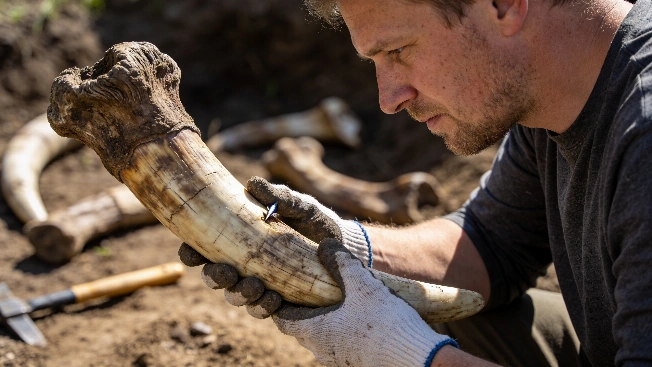
Ancient DNA Reveals Sex Bias in Ice Age Mammoth Hunting
Genomic analysis of more than 500 woolly mammoth remains from Eurasia and North America suggests Upper Paleolithic hunter-gatherers may have disproportionately targeted female mammoths, raising questions about prehistoric hunting strategies.
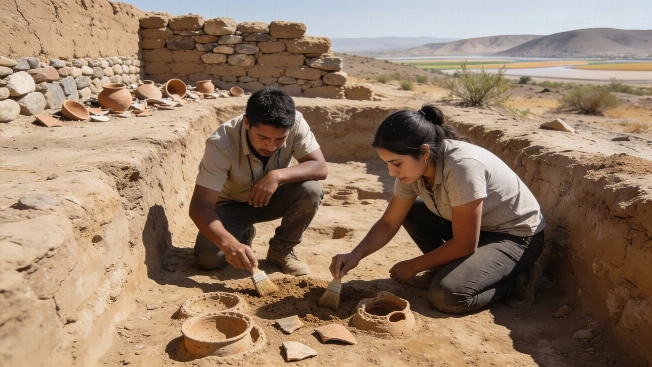
Moche Pottery Workshops Uncovered at Cerro Mayal in Northern Peru
Excavations at Cerro Mayal in Peru's Chicama Valley have revealed extensive evidence of Moche ceramic production, from molds and pottery waste to workshop-house structures, offering new understanding into the organization of ancient craft specialists.
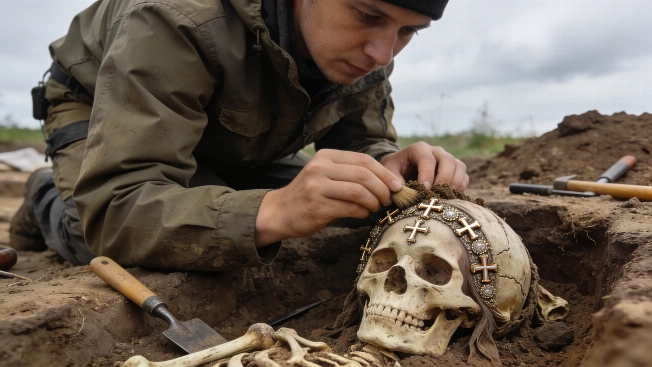
Early Murom Burials and Ceremonial Headdress Found at Zvyaginsky II
Excavations at the Zvyaginsky II cemetery in Russia's Nizhny Novgorod Region have revealed some of the earliest Murom burials, including a rare high-status female grave with a ceremonial headdress, offering new understanding into early medieval populations.
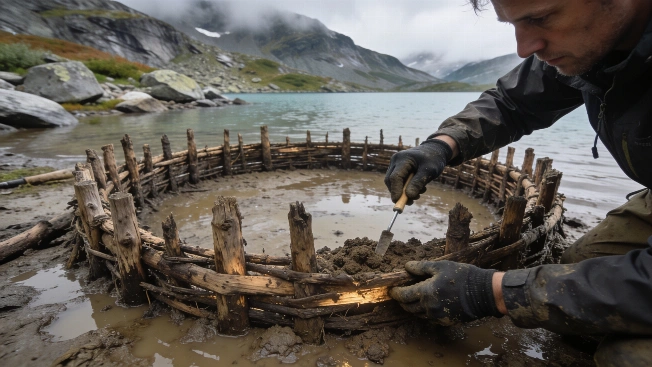
Mesolithic Fish Traps Reveal Early Ecosystem Management in Norway
Archaeologists have identified 7,000-year-old wooden fish traps in Norway's Jotunheimen mountains, providing evidence that Mesolithic hunter-gatherers deliberately introduced brown trout to high-altitude lakes using advanced ecological knowledge
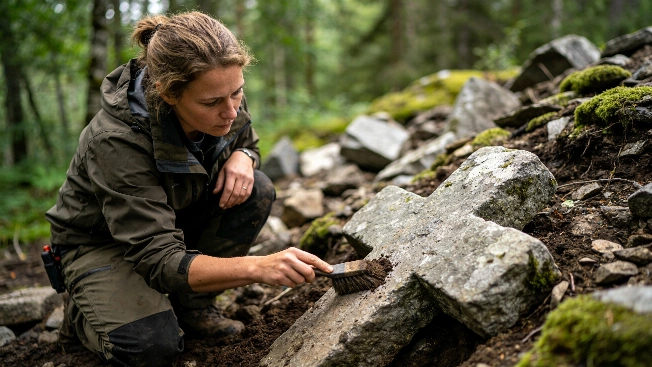
Medieval Stone Crosses Unearthed at Viking-Era Quarry in Norway
Archaeologists working at Hyllestad in western Norway recovered seven medieval stone crosses from a quarry waste heap, offering new evidence of local craftsmanship and religious change between the 11th and 13th centuries.
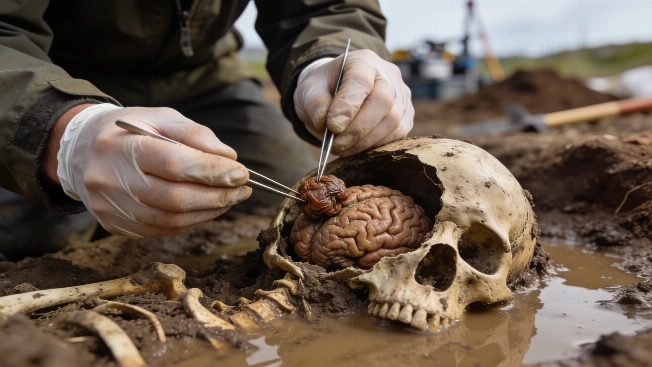
Ancient Human Brains Preserved by Unusual Chemical Pathway
Researchers have identified a chemical process that explains why brain tissue sometimes survives for millennia in archaeological contexts, challenging assumptions about soft tissue decay and offering new understanding into ancient preservation.
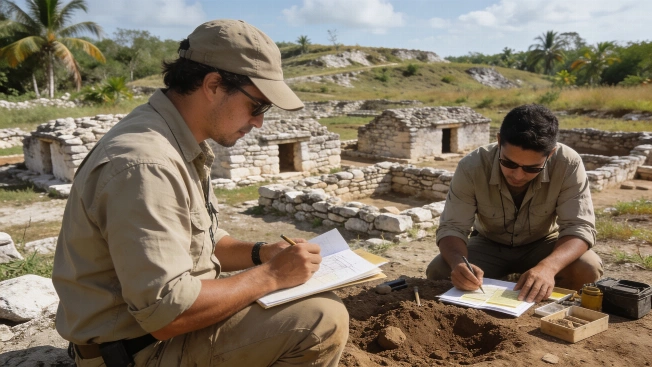
Maya Household Gardens Reveal Ancient Strategies for Food and Water
Archaeologists analyzing soils and settlement patterns in the Northern Maya Lowlands have identified evidence that ancient Maya households organized their domestic plots to support agriculture and manage rainwater, offering new understanding into daily life beyond monumental centers
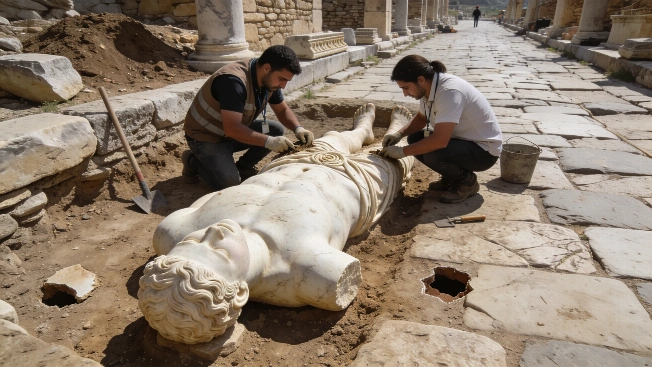
Early Classical Marble Statue Found at Sardis Reveals Lydian Traditions
Archaeologists have uncovered a 2,500-year-old marble statue at Sardis in western Turkey, offering rare evidence of early Classical monumental sculpture and showing how local Lydian art intersected with wider Mediterranean traditions.
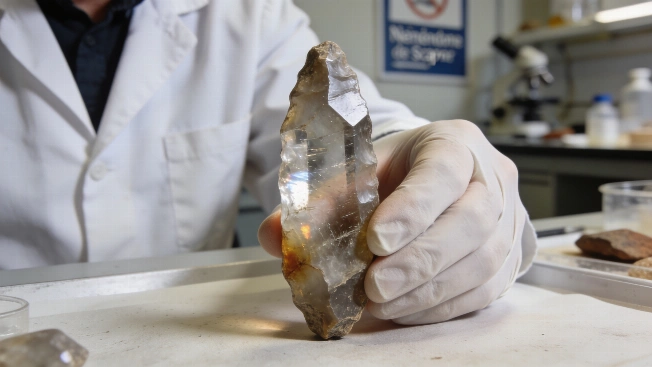
Neanderthal Rock Crystal Tool Sheds Light on Ancient Craftsmanship
Archaeologists have reexamined a rare rock crystal scraper from Abri des Merveilles, France, revealing how Neanderthals selected unusual materials and challenging outdated views of their cognitive abilities.
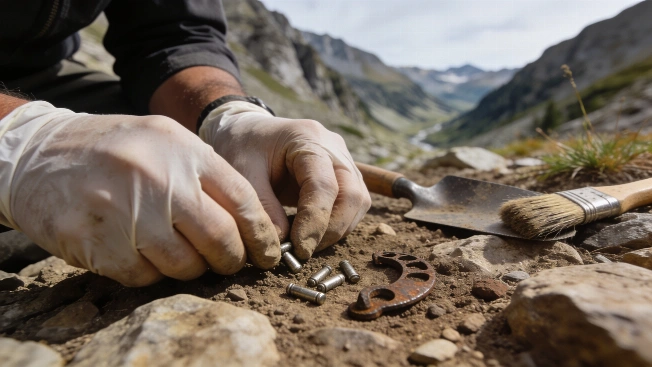
Roman Sling Bullets Pinpoint 39 BCE Ambush Site in the Pyrenees
Archaeologists have identified a Roman military camp in the eastern Pyrenees using lead sling bullets and other artifacts, revealing evidence of a violent local uprising against Roman forces in 39 BCE in what is now Catalonia, Spain.
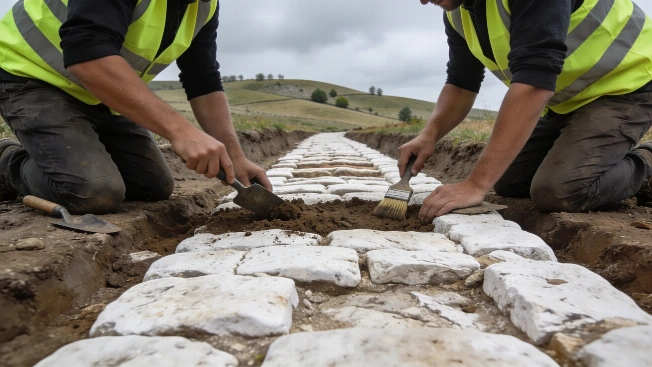
Roman Road Segment Uncovered on Swabian Alb Plateau
Archaeologists have exposed a 90-meter stretch of the Alblimes Road, a Roman route dating to the 1st century CE, during excavations ahead of motorway construction on the Swabian Alb, revealing new evidence for ancient frontier infrastructure
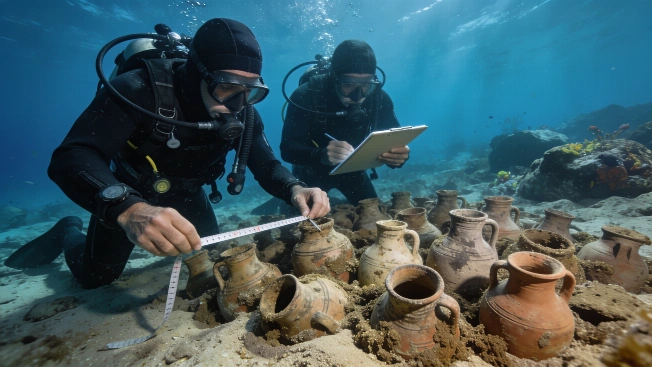
Ancient Shipwreck With Hundreds of Amphorae Found Near Andros
Archaeologists have identified a late Classical-period merchant shipwreck off Andros, Greece, containing more than 600 amphorae. The find offers new evidence about Aegean maritime trade and cargo transport in the 5th and 4th centuries BCE.
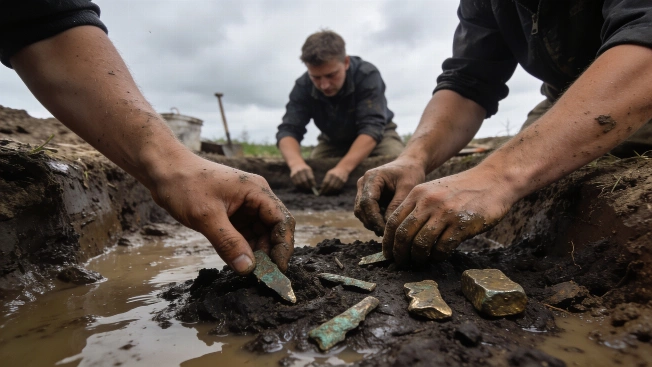
Bronze Age Hoard in Czech Wetland May Reflect Ritual Deposition
Archaeologists have uncovered a Bronze Age hoard of bronze tools and fragments near Kojetín, Czech Republic, during railway modernization works. Analysis suggests the objects were deliberately deposited in a wetland over 3,000 years ago, possibly as a ritual act.
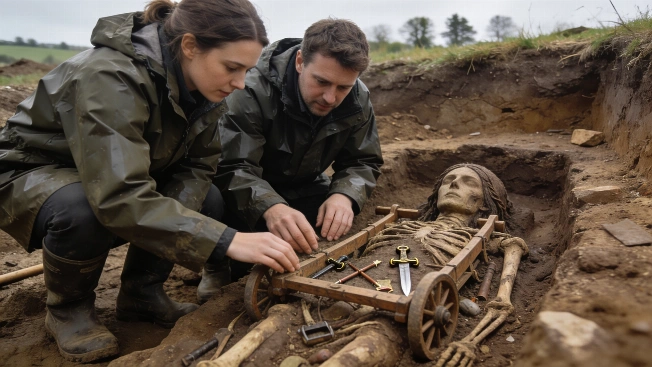
Did Women Fight in Ancient Celtic Battles Archaeology Reveals
Archaeologists have uncovered weapons in some female burials across Iron Age Europe, raising questions about women’s roles in Celtic warfare. Recent genetic and osteological studies offer new insights but leave basic uncertainties unresolved.
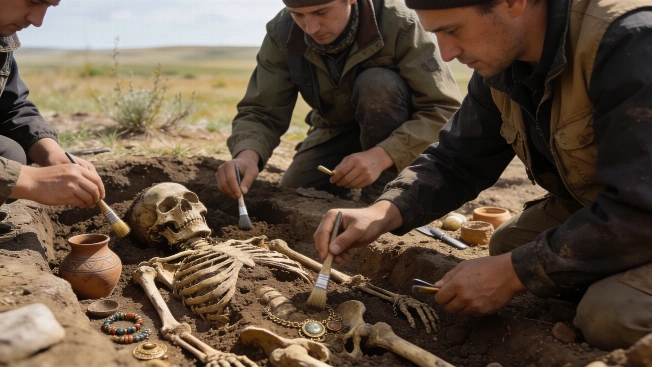
Kazakhstan Burials and Artifacts Reveal Ancient Steppe Trade Links
Recent excavations in Kazakhstan have uncovered Bronze Age and medieval burials, alongside artifacts and evidence of long-distance trade. The finds offer new understanding into the region's prehistoric communities and their connections across Eurasia
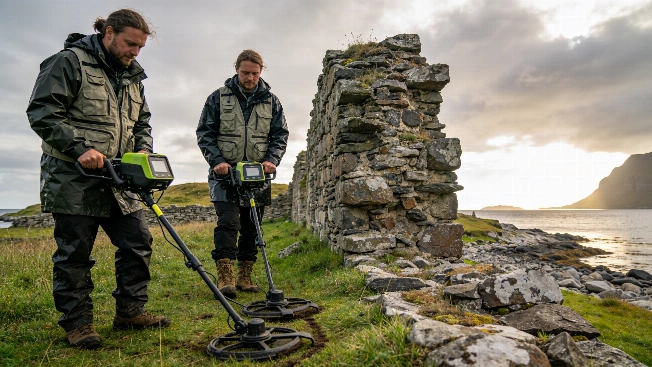
Medieval Stone Structure Discovered Outside Selja Monastery in Norway
Archaeologists using ground-penetrating radar have identified a large medieval stone wall outside the Selja monastery in western Norway, raising new questions about the scale and complexity of this early Christian site.

Ancient DNA Reveals Two Unknown Human Lineages in Modern Genomes
A new genome analysis method has identified traces of two previously unknown extinct human lineages in the DNA of living people, offering fresh understanding into ancient population interactions and the complexity of human evolution.
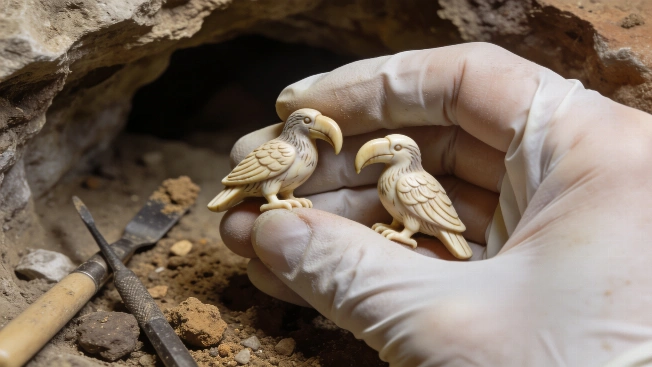
Ice Age Bird Figurines Unearthed in Hohle Fels Cave, Germany
Archaeologists have identified two miniature bird carvings made from mammoth ivory in Hohle Fels cave, Germany, dating to around 40,000 years ago. The finds expand the evidence for symbolic art among early Homo sapiens in Upper Paleolithic Europe.
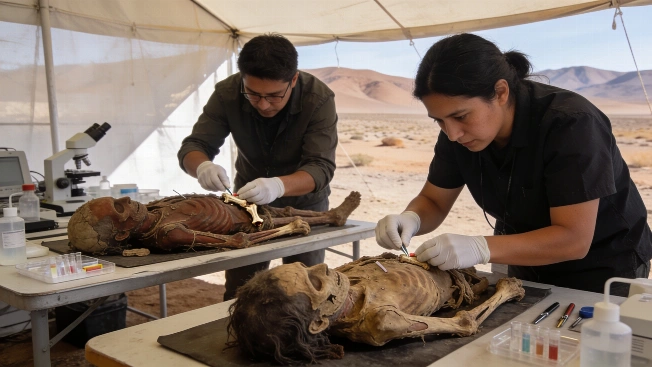
Ancient Inca Mummies Yield Earliest Smallpox DNA in the Americas
Researchers have recovered ancient smallpox DNA from two Inca mummies in northern Chile, providing the first direct molecular evidence that European-introduced smallpox reached South America during the early colonial period
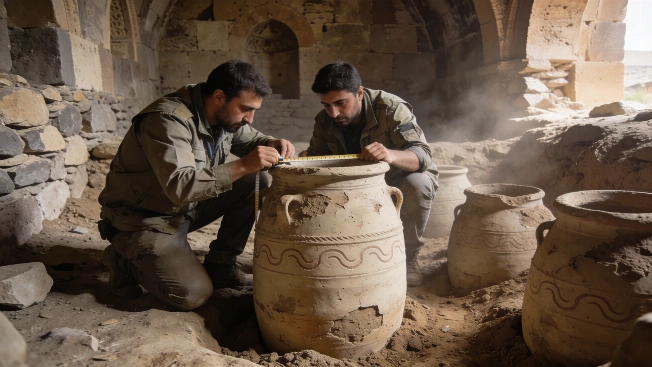
Seljuk Food Storage Facility Unearthed at Ani World Heritage Site
Archaeologists at Ani in eastern Türkiye have uncovered a Seljuk-era food storage facility containing five large ceramic jars, offering new evidence about food preservation and urban organization in the medieval city.
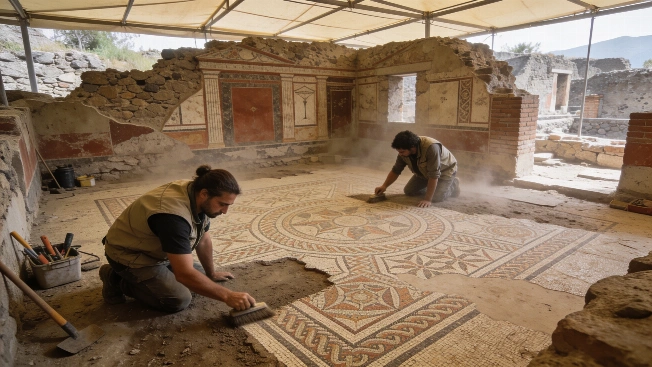
Roman Villa Mosaics Uncovered at Ancient Pompeiopolis in Türkiye
Archaeologists in northern Türkiye have revealed extensive Roman mosaics during renewed excavations at Pompeiopolis, offering new evidence of elite architecture and decorative practices in Roman Anatolia.
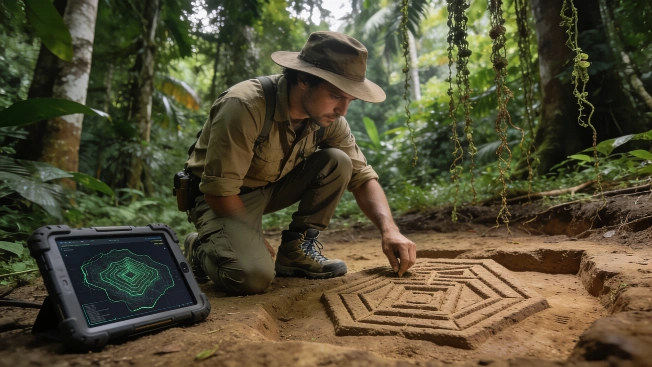
LiDAR Reveals Monumental Earthworks of Ancient Amazonian Society
Aerial LiDAR mapping in southwestern Amazonia has identified thousands of previously unknown monumental earthworks, expanding the known scale of pre-Columbian field engineering and challenging assumptions about ancient Amazonian population density.
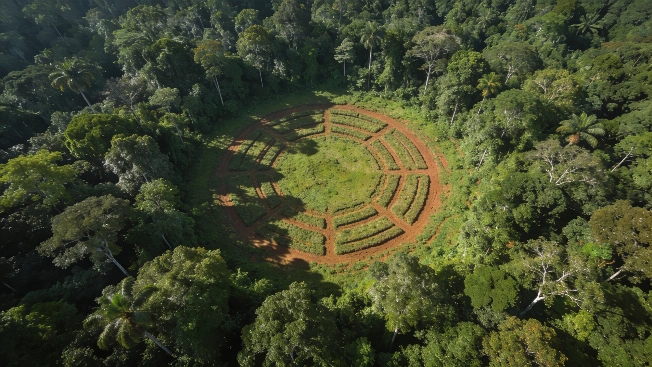
LiDAR Uncovers Hundreds of Ancient Geoglyphs in Amazon Rainforest
Aerial laser scanning has revealed nearly 400 previously unknown earthworks beneath the Amazon rainforest canopy, offering new evidence about the scale and organization of the Aquiry society that flourished in western Brazil over two millennia ago.
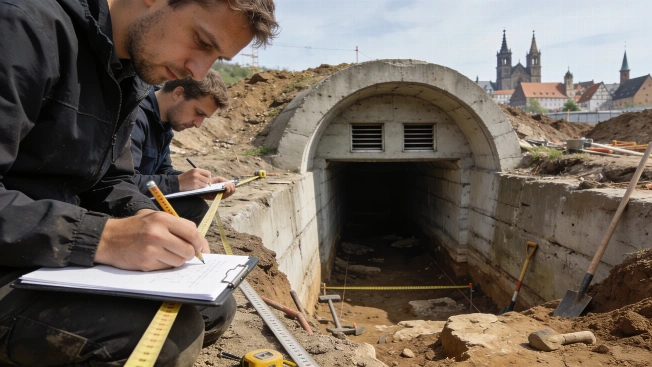
World War II Air Raid Shelter Trench Uncovered in Quedlinburg
Archaeologists in Quedlinburg, Germany, have documented a rare World War II-era air raid shelter trench exposed during construction work. The structure offers new evidence of civilian defensive measures in the final years of the conflict.
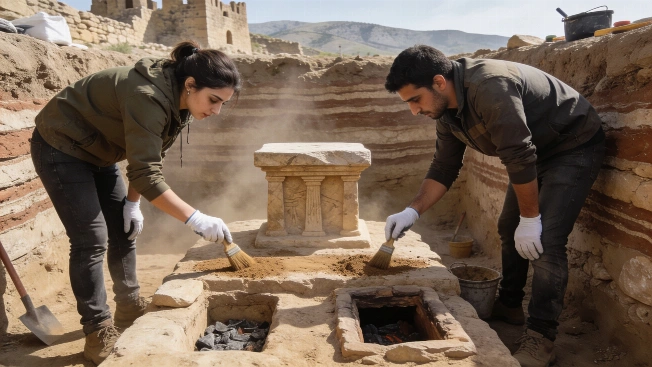
Early Bronze Age Temple Complex Uncovered at Tadım Castle Site
Archaeologists have identified a 5,000-year-old temple complex with ritual altars and hearths at Tadım Castle in eastern Türkiye, providing new evidence for religious practices and long-term occupation during the Early Bronze Age.
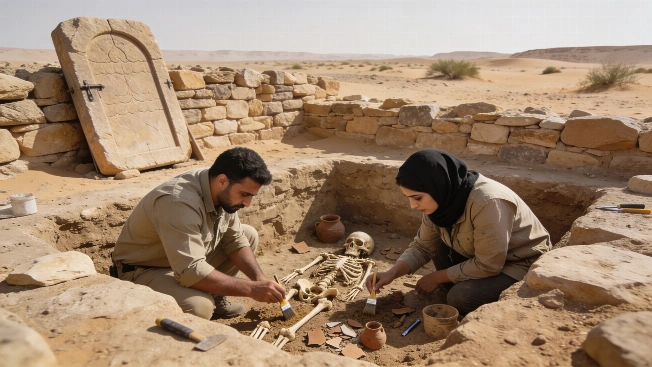
Bronze Age Tomb in UAE Used for Over a Millennium Revealed
Archaeologists have excavated a communal tomb at Qattarah Necropolis in Al Ain, UAE, showing continuous use from the Wadi Suq period through the Iron Age. Isotope and ancient DNA analysis may clarify population origins and burial practices.
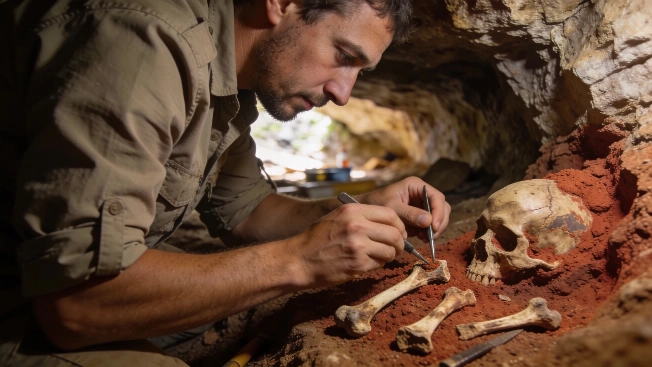
Cut Marks on Homo antecessor Bones Reveal Early Cannibalism in Spain
Archaeologists have identified new evidence of cannibalism among Homo antecessor at Gran Dolina cave in Spain, with cut marks on adult and juvenile bones dating to around 850,000 years ago, expanding our understanding of early human behavior
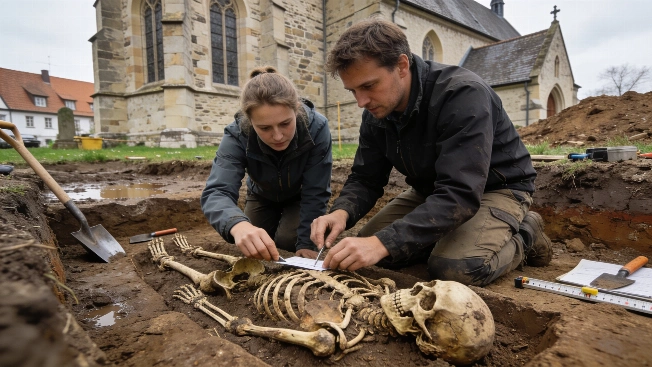
Early Medieval Cemetery Confirmed Beneath Altenberge Church Site
Radiocarbon dating of human remains excavated at St John the Baptist Church in Altenberge, Germany, has established the presence of an early medieval cemetery, providing direct evidence of Christian burial at the site more than a millennium ago.
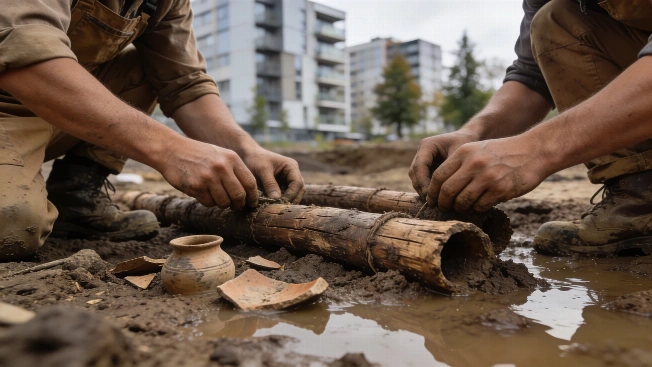
Excavation in Kaliningrad Reveals Four Centuries of Königsberg Life
Archaeologists in Kaliningrad's Far Forstadt district have uncovered well-preserved artifacts and infrastructure spanning the 16th to 20th centuries, shedding light on daily life and craft production amid urban change in historic Königsberg.
Part 7 of 9