
Archaeological Discoveries - Part 6
293 reports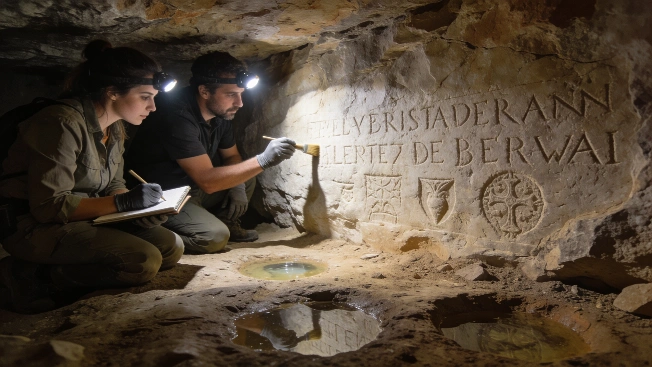
Roman-Era Cave in Spain Yields Over 120 Latin Inscriptions
Archaeologists have recorded more than 120 Latin inscriptions in Cova de les Dones, a cave sanctuary near Valencia, Spain, revealing evidence of a Roman-period cult centered on a mysterious goddess known as 'the Lady.'
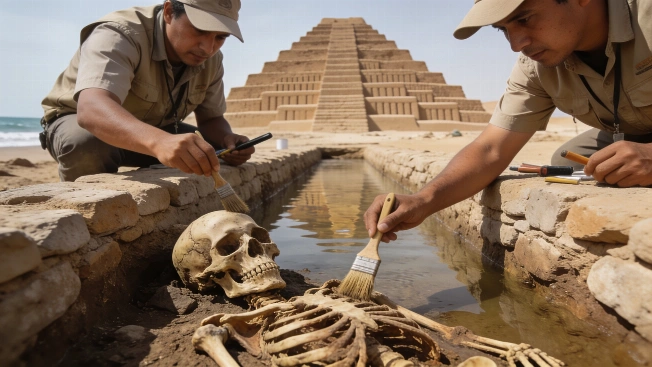
1,400-Year-Old Skeleton in Lima Water Channel May Indicate Ritual Burial
Archaeologists have uncovered a human skeleton in an underground water channel at Huaca Pucllana, Lima, Peru, dating to around 650 CE. The find may shed light on pre-Inca ritual practices and the use of water features in ceremonial contexts.
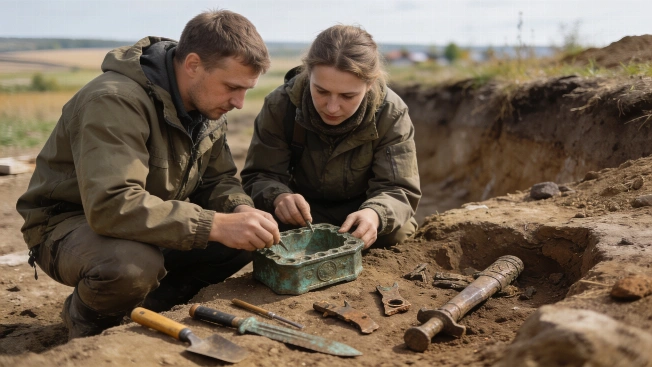
Bronze-Casting Mould and Weapons Found at Pyanobor Settlement in Tatarstan
Excavations at the Kipchak Archaeological Complex in Tatarstan have revealed a bronze-casting mould, weapons, and decorated pottery linked to the Pyanobor culture, offering new evidence for debates about its origins and regional connections.
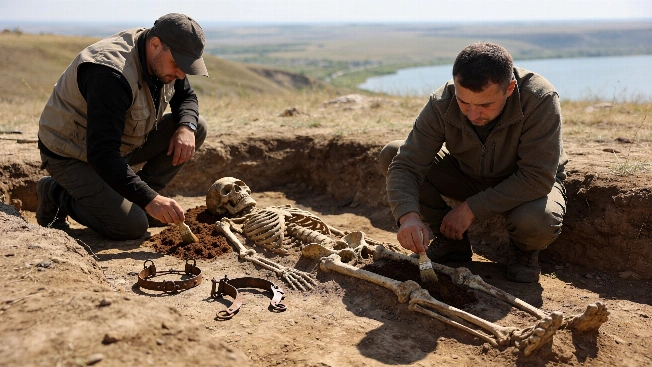
Roman-Era Burials and Iron Age Harness Unearthed in Odesa Region
Excavations at the Kartal hillfort in Ukraine's Odesa Oblast have revealed Roman-period graves and a rare Early Iron Age horse harness, providing new evidence of cultural interaction and repeated occupation in the lower Danube region.
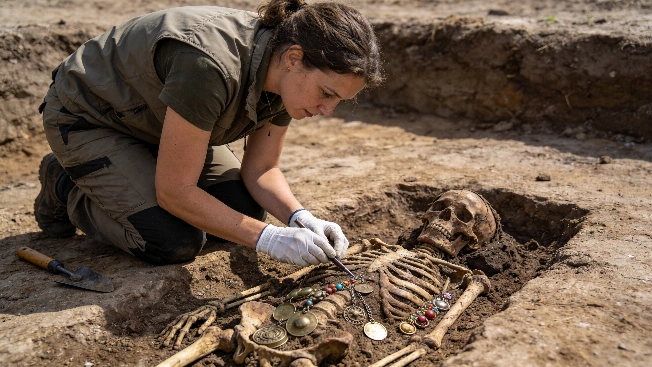
Ancient DNA Reveals Women Held Power in Prehistoric Europe
Recent genetic studies of prehistoric burials across Europe are challenging long-held assumptions about gender roles, showing that women sometimes held high status and power. Archaeologists are re-examining evidence from sites like Çatalhöyük and Iron Age Britain.
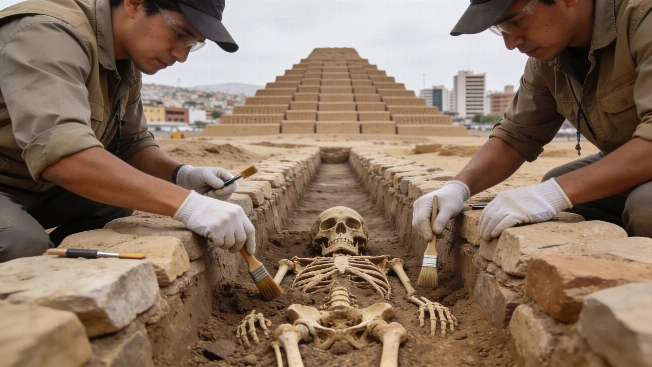
Ritual Burial Uncovered at Huaca Pucllana Sheds Light on Lima Culture
Archaeologists at Huaca Pucllana in Lima have identified a 1,400-year-old human burial, offering new evidence about ceremonial practices and architectural diversity in the pre-Hispanic Lima culture.
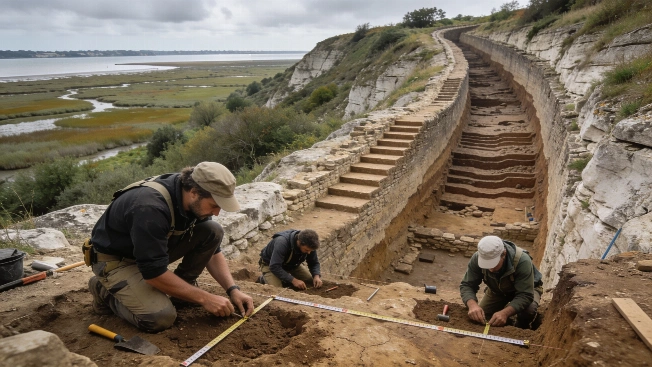
Medieval Stronghold Remains Unearthed Above Gironde Estuary in France
Archaeologists excavating at Saint-Georges-de-Didonne have identified extensive defensive earthworks and settlement traces from a medieval stronghold, offering new evidence of the site's strategic role and long-term occupation in southwestern France.
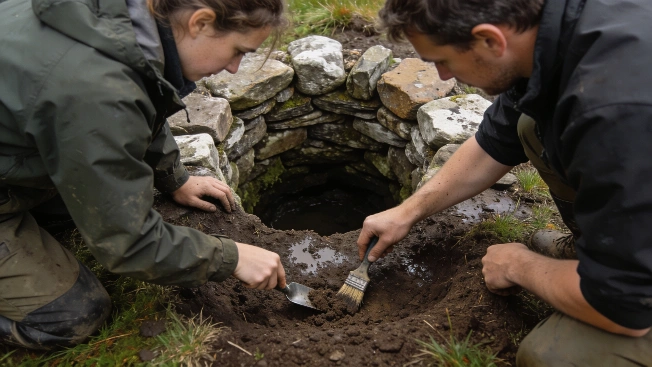
Iron Age Burial Discovered in Stone-Lined Well in Scottish Highlands
Archaeologists have uncovered a rare Iron Age grave at the base of a stone-lined well in northern Scotland, raising questions about ritual closure practices and its relationship to nearby settlements.
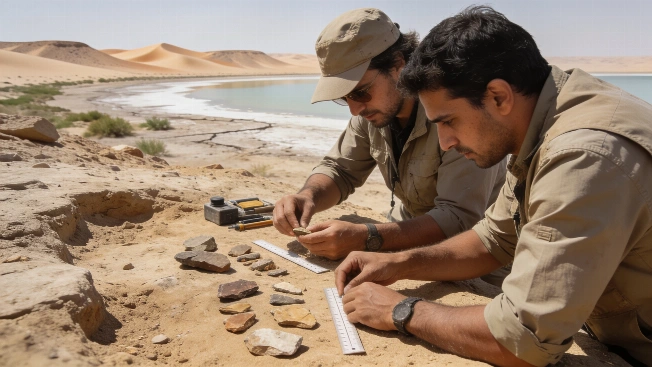
Stone Tools Suggest Neanderthals Reached Deep into Arabian Desert
Archaeologists have identified stone tools from Jebel Katefeh-1 in Saudi Arabia's Nefud Desert that closely match Neanderthal technology, suggesting these hominins may have adapted to arid environments far south of their previously known range.
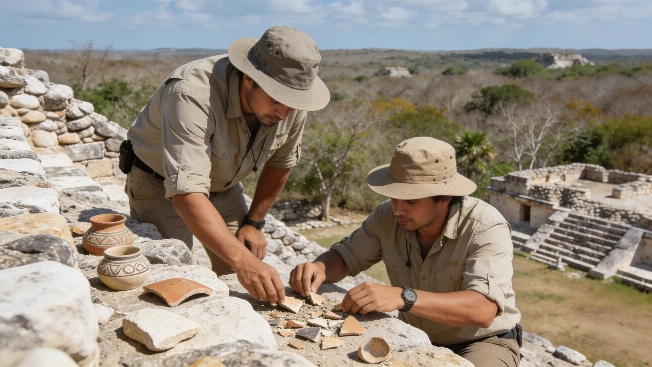
New Excavations at Xcalumkín Reveal Maya Puuc Architecture Origins
Recent archaeological research at Xcalumkín in Campeche, Mexico, has provided new evidence about the development of Puuc architectural traditions and settlement patterns, as well as possible dual governance among the ancient Maya between the 7th and 10th centuries CE.
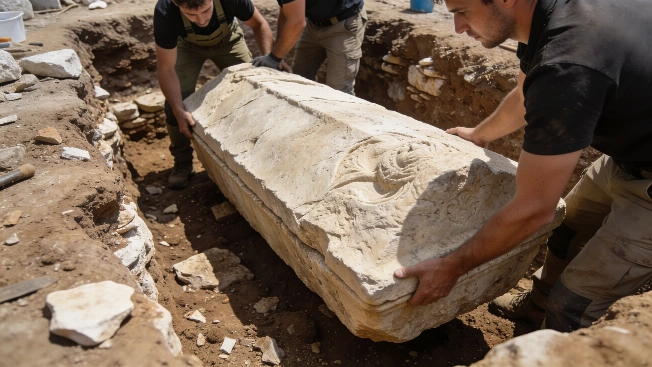
Sealed Roman-Era Sarcophagus Excavated Intact in Cavtat, Croatia
Archaeologists have excavated a massive limestone sarcophagus in Cavtat, Croatia, that remained sealed for over 1,500 years, providing rare understanding into Late Antique burial practices and preservation in the eastern Adriatic
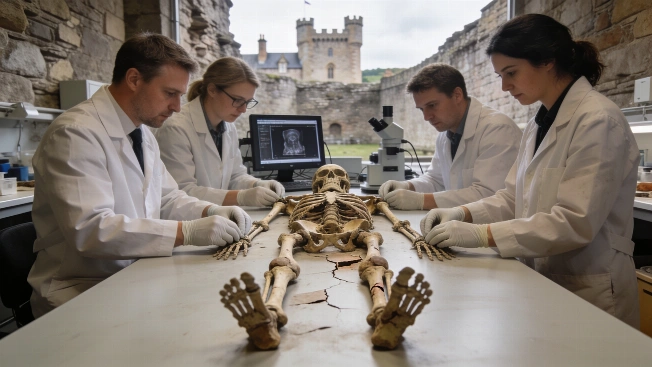
Medieval Skeleton at Stirling Castle Shows Unusual Siege Trauma
Bioarchaeologists have re-examined a 14th-century skeleton from Stirling Castle, Scotland, identifying 167 perimortem fractures. New analysis suggests the individual may have died from a high-velocity impact during the Wars of Scottish Independence.
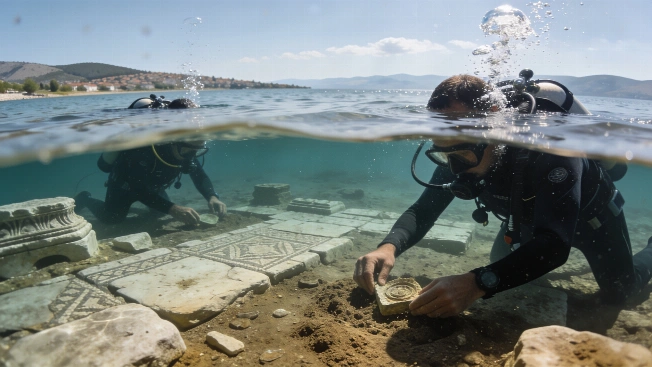
Underwater Church in Turkey Linked to Early Christian Council Debated
Archaeologists excavating beneath Lake İznik in Turkey have uncovered the remains of a small church beneath a later basilica. Some propose it hosted the First Council of Nicaea, but the evidence and dating remain contested.
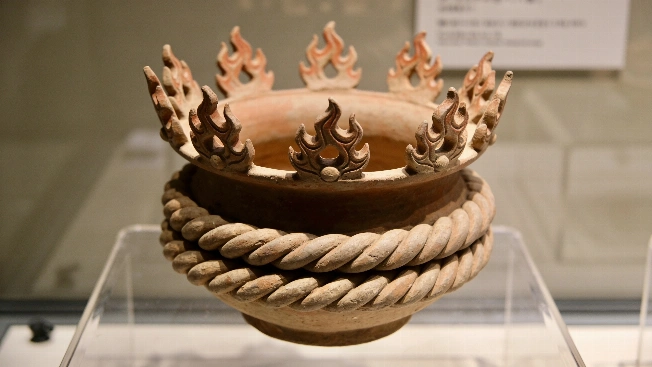
Jōmon Fire-Flame Vessel Reveals Prehistoric Japanese Pottery Skill
Archaeologists have examined a 4,500-year-old fire-flame vessel from Honshu, Japan, analyzing its elaborate ceramic construction and uncertain function to better understand Jōmon-period material culture and social practices.
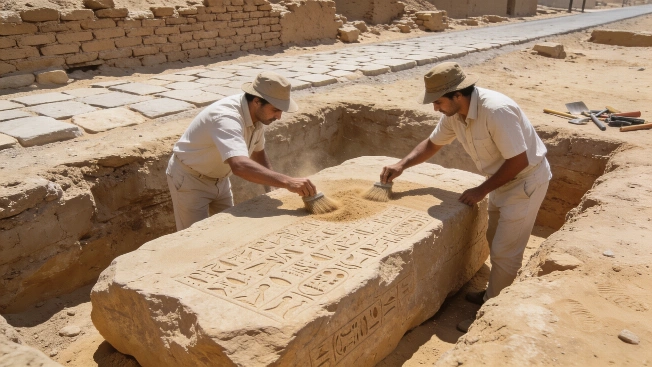
New Finds at Tel Abu Saify Suggest Link to Lost City of Msen
Archaeologists at Tel Abu Saify in Egypt have uncovered evidence in fortifications and roads, alongside inscriptions that may connect the site to the ancient city of Msen, offering new evidence for the route and function of the Horus Military Road.
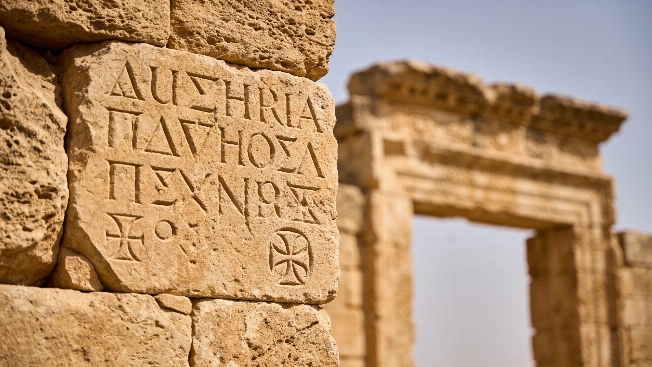
Ancient Libyan Gateway Marks Reveal Hellenistic Construction System
Archaeologists have analyzed over 620 carved marks on the Tauchira Gate at Ptolemais, Libya, finding evidence of organized labor and material transport, with possible payment tracking in a major Hellenistic building project more than 2,000 years ago
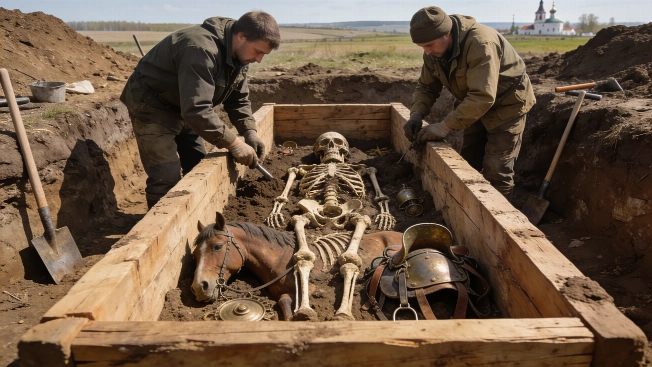
10th-Century Chamber Grave in Suzdal Reveals Early Elite Burial
Archaeologists have uncovered a rare 10th-century chamber grave at Gnezdilovo near Suzdal, containing a man, a horse and a dog, along with weapons and riding gear. The find offers new evidence of an early elite presence in north-eastern Rus'.
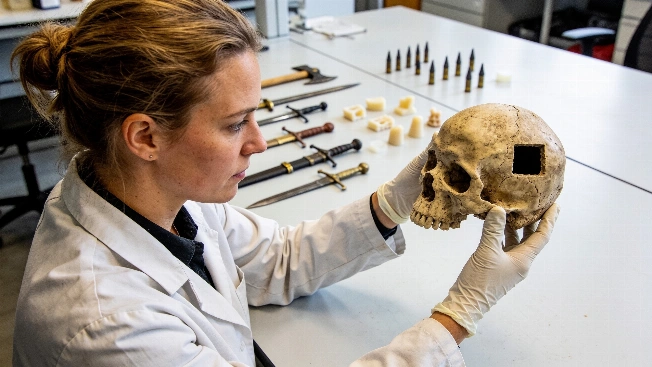
Medieval Skull Injuries at Visby Linked to Spiked Club Weapons
A new forensic analysis of 14th-century skeletons from the Battle of Visby in Sweden identifies spiked clubs as the likely cause of distinctive square cranial injuries, challenging assumptions about medieval militia training and combat methods.
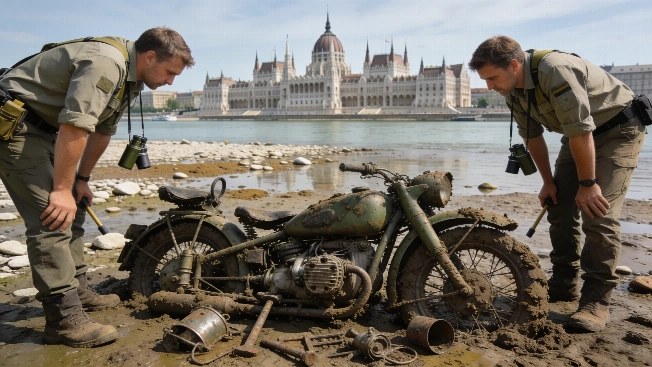
Low Danube Reveals WWII German Soldiers and Motorcycle in Budapest
Exceptionally low water levels in the Danube have exposed the remains of two German soldiers, their identification tags, a military motorcycle and anti-tank mines in Budapest, offering new evidence of the conflict's final months and the challenges of identifying the dead decades later.
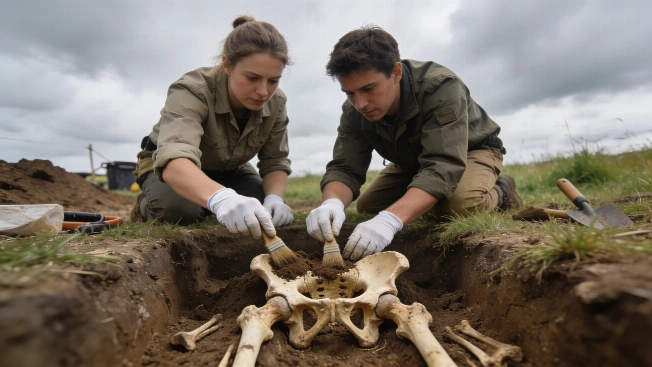
Roman-Era Mass Grave Near Vienna Reveals Unusual Groin Injuries
Bioarchaeologists have analyzed more than 120 skeletons from a Roman-period mass grave in Vienna, uncovering frequent perimortem trauma, especially to the pelvis, and raising new questions about conflict and identity in the region.
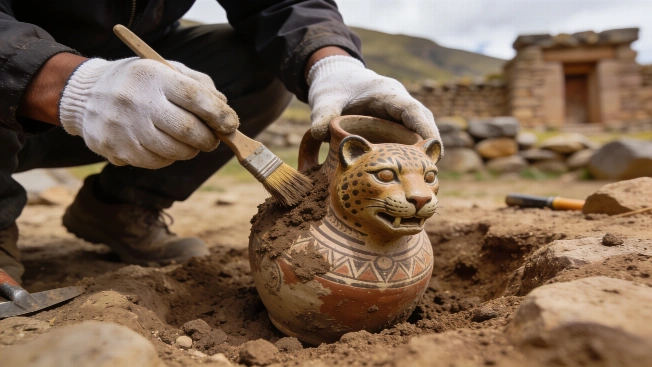
Puma-Headed Pottery Sheds Light on Rituals at Marcahuamachuco
Archaeologists at Marcahuamachuco in northern Peru have uncovered a unique puma-headed ceramic vessel and animal remains, offering new evidence for ceremonial practices and daily life at the site between 850 and 950 CE.
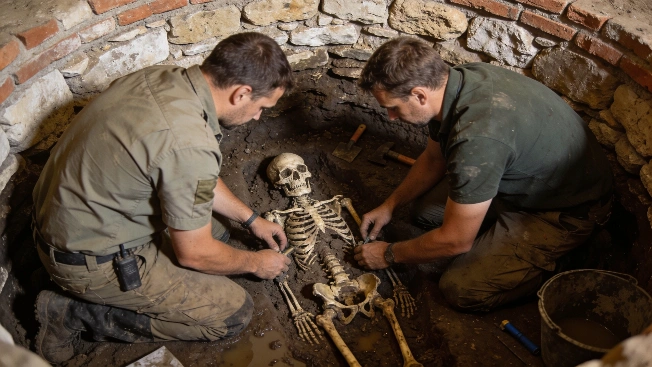
Roman-Era Well in Croatia Yields 43 Skeletons Linked to Ancient Plague
Archaeologists have examined 43 skeletons from a Roman-period well in Osijek, Croatia. The absence of trauma suggests these individuals may have died during a third-century epidemic, offering new understanding into ancient disease and burial practices.
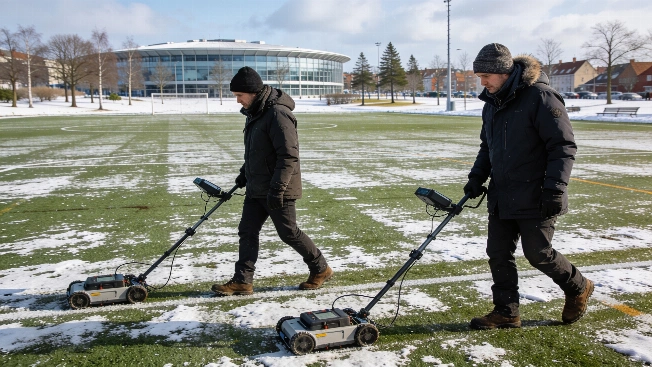
Medieval Monastery Remains Mapped Beneath Danish Football Field
Archaeologists in Roskilde, Denmark, have identified the buried remains of the 13th-century St Clara Monastery using ground-penetrating radar, revealing a well-preserved monastic layout beneath a modern sports field ahead of planned construction.

WorldView-3 Satellite Sets New Standard for Commercial Earth Imaging
Launched in 2014, the WorldView-3 satellite delivered high-resolution Earth imagery from orbit, enabling research into methane emissions and land use, as well as archaeological sites, with advanced remote-sensing instruments.
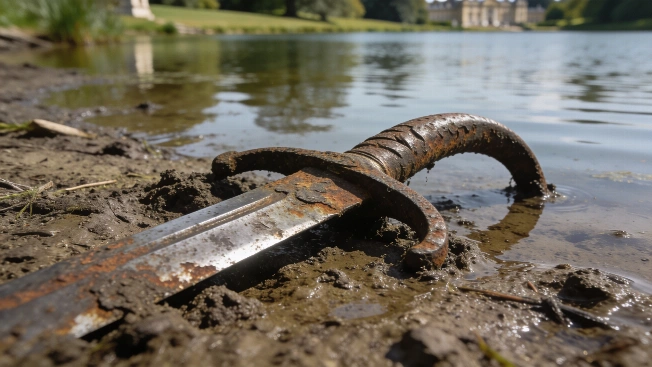
Victorian-Era Sword Emerges From Chiddingstone Castle Lake
A heavily corroded sword, likely dating to the early 19th century, has been recovered from the receding waters of Chiddingstone Castle's lake in Kent, raising questions about its origin and deposition.
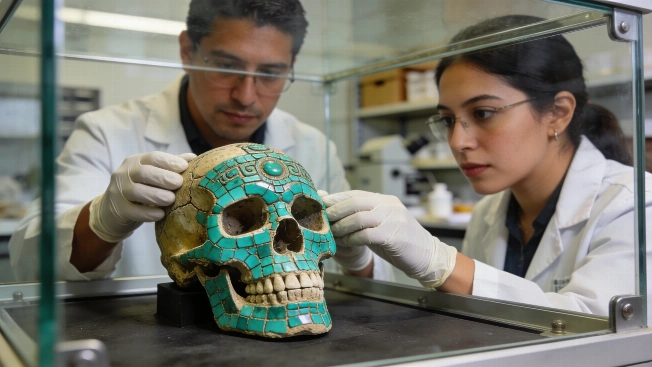
Mixtec Turquoise-Mosaic Skull Returns to Mexico After Six Decades
A rare pre-Hispanic human skull with a turquoise mosaic, linked to the Mixtec tradition, has been repatriated to Mexico after decades in a Dutch museum. Scientific analysis confirms its pre-Hispanic origin, but its precise archaeological context remains uncertain.
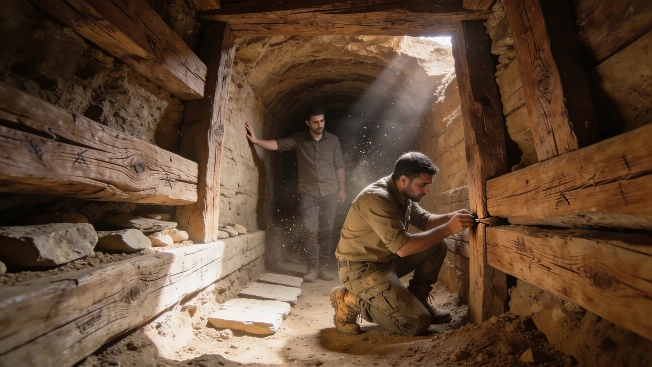
Ancient Gordion Tomb Likely Built for King Midas' Father, Not Midas
Archaeologists at Gordion in central Türkiye have re-examined the so-called Midas Tumulus, concluding that the monumental burial mound was likely constructed for Gordias, the father of the legendary King Midas. The conclusion is based on new analysis of the mound’s structure and contents.
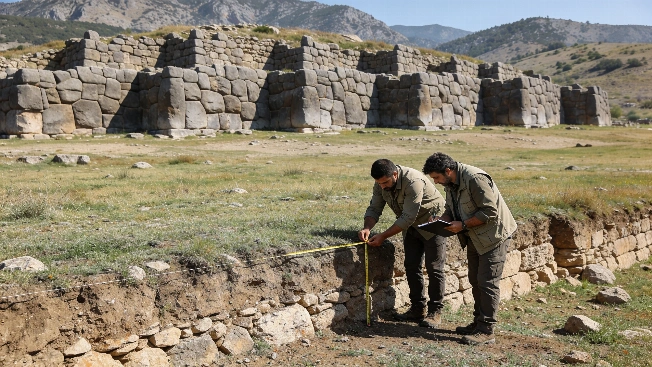
Ancient Fortress in Eastern Türkiye May Mark Urartian Expansion
Archaeologists have mapped a massive stone fortress near Mescidli in Muş Province, Türkiye, using satellite imagery and fieldwork to document defensive walls and architectural features that could shed light on the early Urartian state.
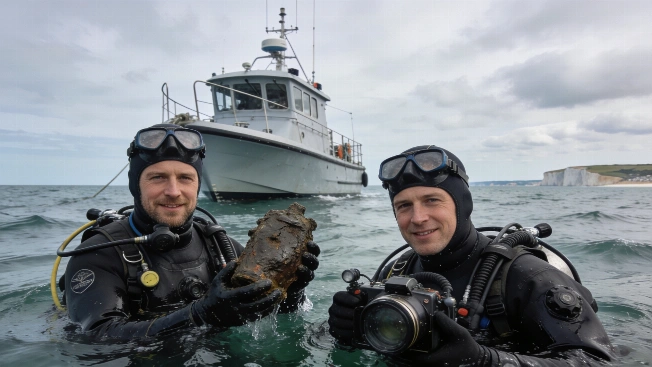
Wreck of HMS Tiger Identified After 118 Years in English Channel
Archaeologists and maritime historians have located the remains of HMS Tiger, a Royal Navy destroyer lost in 1908, using archival research and underwater survey methods. The find highlights developing legal protections for historic military wrecks.
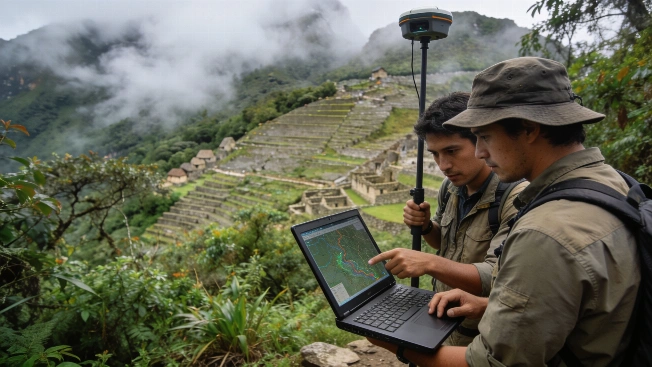
LiDAR Reveals Undocumented Ancient Roads Near Machu Picchu
Archaeologists have mapped more than 2.5 kilometers of previously unknown pre-Hispanic roads and possible agricultural features near Machu Picchu using airborne LiDAR, offering new understanding into the Inca field hidden beneath dense cloud forest vegetation.
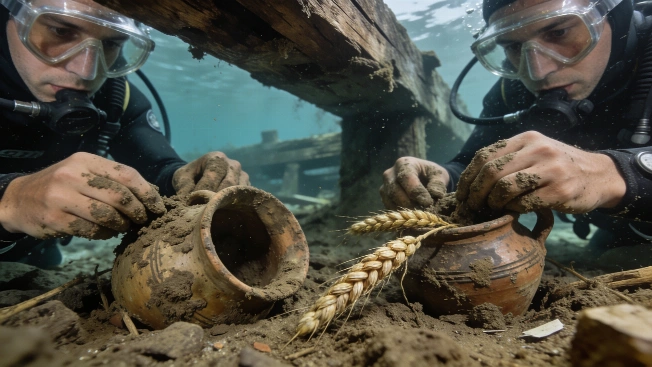
3,000-Year-Old Spelt and Pottery Found in Submerged Italian Settlement
Archaeologists working beneath Lake Bolsena have recovered Late Bronze Age ceramics and preserved spelt, along with wooden structures, shedding new light on prehistoric occupation and environmental preservation at Gran Carro di Bolsena
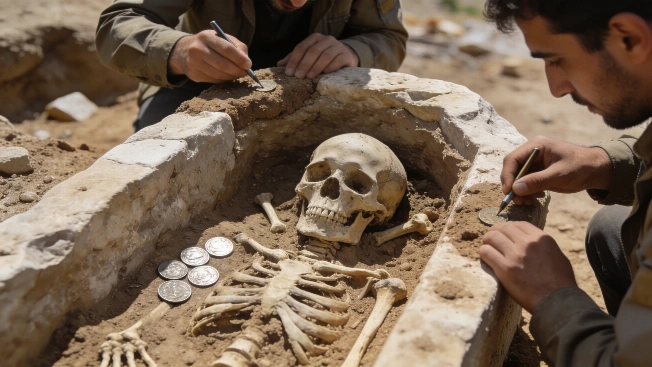
Aspendos Grave Yields Ancient Skeleton and Wrestler Coins
Archaeologists in Turkey have uncovered a 2,400-year-old stone sarcophagus near Aspendos containing a human skeleton and silver coins depicting wrestlers, offering new evidence for the role of athletics in Classical-period society while raising questions about individual identity
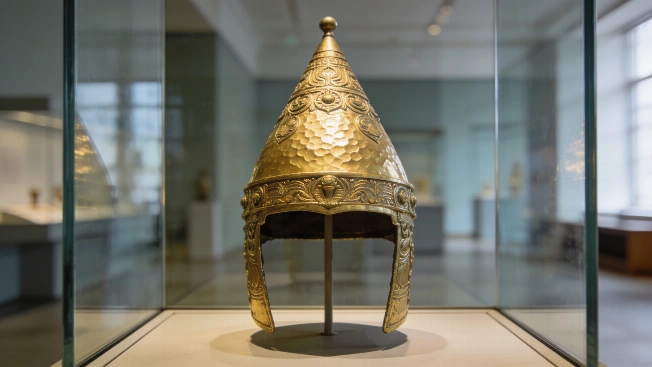
Berlin Gold Hat Reveals Bronze Age Astronomical Knowledge
Archaeologists have analyzed a 3,000-year-old gold headdress from Central Europe, uncovering evidence that its intricate motifs encode calendrical information used to track solar and lunar cycles
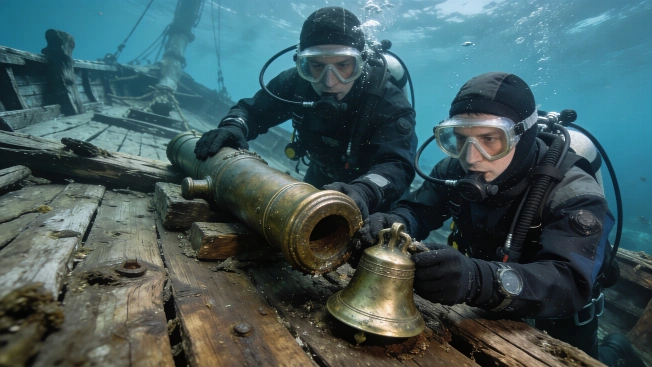
Swedish Warship Wrecks Yield New Insights Into Naval Life in 1714
Archaeologists have recovered exceptionally preserved artifacts from two Swedish shipwrecks lost in the Baltic Sea during the Great Northern War, offering rare evidence for naval provisioning and daily life in the early eighteenth century.
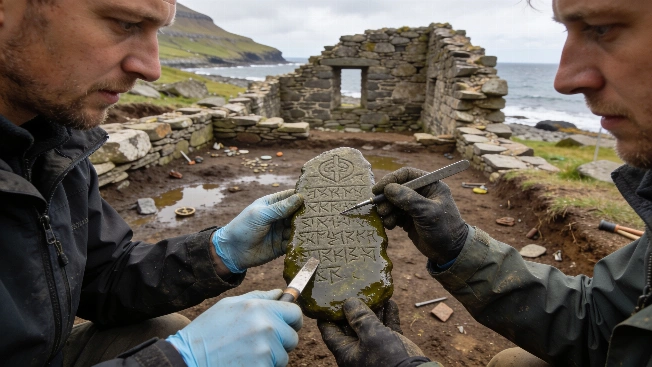
Rare Runestone and Christian Artifacts Found at Medieval Faroe Islands Site
Archaeologists excavating the medieval site of Sondur on Sandoy, Faroe Islands, have uncovered a rare runestone and Christian artifacts, offering new evidence of religious activity and material culture in the North Atlantic during the Middle Ages.
Part 6 of 9