
Archaeological Discoveries - Part 5
293 reports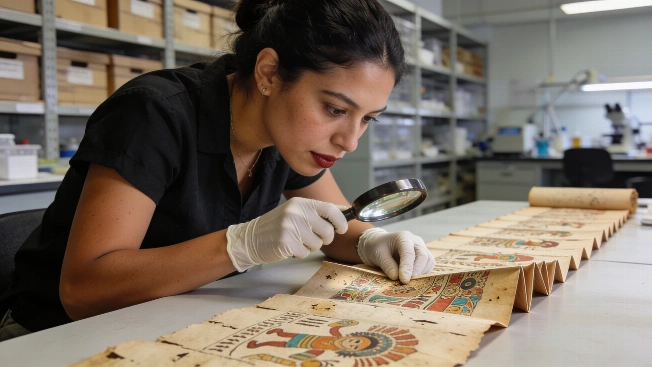
Radiocarbon Dating Confirms Pre-Conquest Date for Aubin Tonalámatl Codex
A new radiocarbon analysis of the Aubin Tonalámatl Codex places its creation in the late 15th century, resolving long-standing doubts about whether the Indigenous Mexican manuscript predates Spanish colonization.
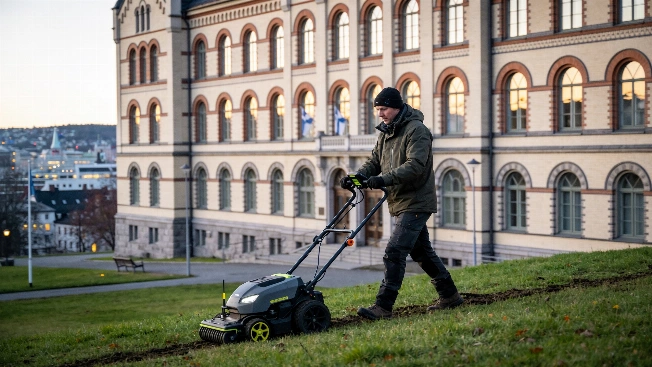
Medieval Monastery Choir Mapped Beneath Oslo Using Ground-Penetrating Radar
Archaeologists have identified the buried choir of a Franciscan monastery church beneath Oslo Hospital using ground-penetrating radar, revealing foundations and possible graves while pointing to a lost cemetery, all without excavation.
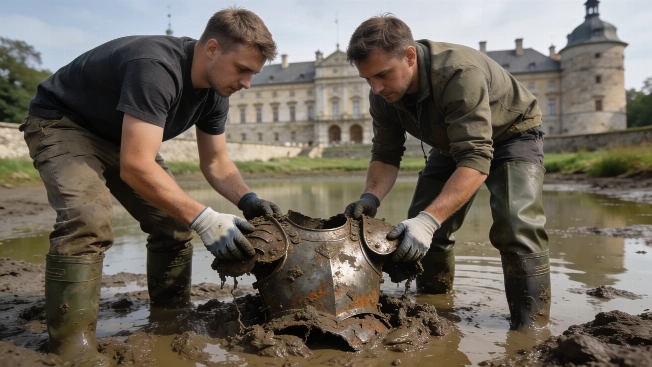
Rare 19th-Century Cavalry Armor Recovered from Polish Palace Moat
A fragment of 19th-century cuirassier armor was unexpectedly recovered from the moat of Pielaszkowice Palace in Lower Silesia, Poland, during a film-related exploration, offering new evidence of the site's turbulent Napoleonic and wartime history.
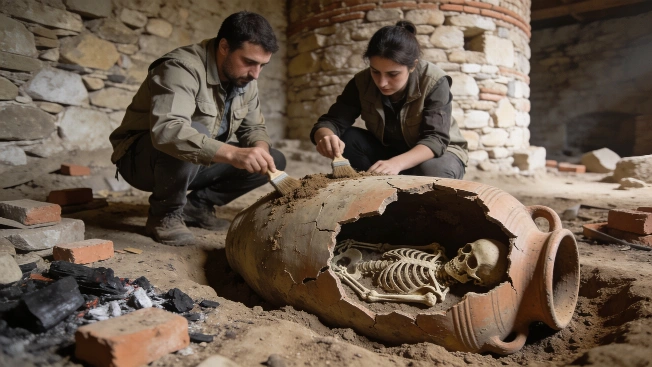
Roman-Era Skeleton Found Sheltering in Giant Jar at Deultum Fortress
Archaeologists excavating the Late Roman fortress of Deultum in Bulgaria have uncovered a human skeleton inside a massive storage jar, offering rare evidence of a fatal episode during a violent attack more than 1,600 years ago.
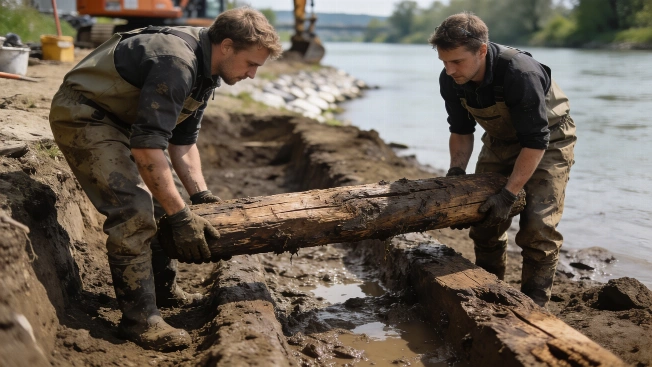
Iron Age Timber Structure Reveals Scale of Celtic Engineering in Bavaria
Archaeologists have recovered large oak beams from a well-preserved Iron Age structure near the River Basic in Aschaffenburg, Germany, offering new evidence of complex Celtic construction, trade links and settlement more than 2,400 years ago.
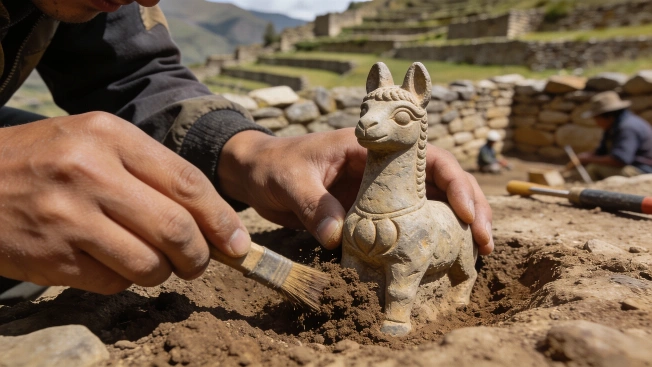
Stone Figures at Kuélap Suggest Fertility Rituals in Ancient Peru
Archaeologists at Kuélap in northern Peru have uncovered carved stone figures depicting animals with female traits, offering new evidence for fertility-related rituals and the influence of Inca religious practices at the site.
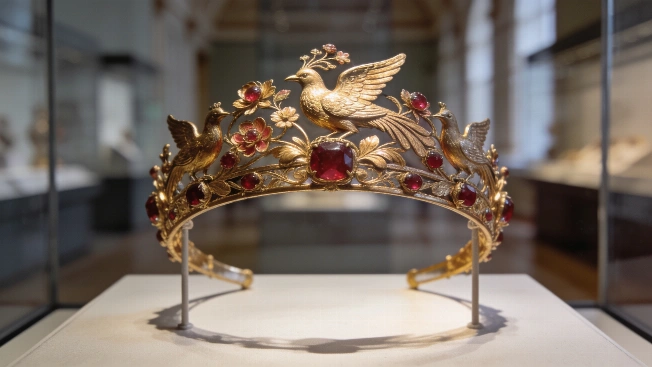
Gold Diadem from Crimea Sheds Light on Hun Elite Burial Practices
Archaeologists have examined a gold and garnet diadem from a fifth-century burial in Crimea, revealing details about Hun material culture and mortuary customs, alongside the artifact's symbolic motifs.
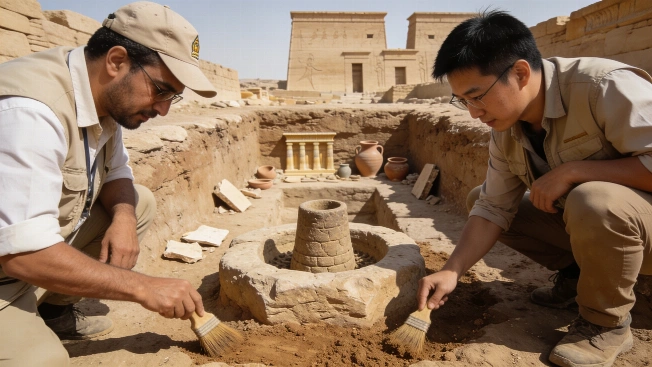
Ancient Memphis Excavation Reveals Residential Complex and Wine Press
Archaeologists working at Mit Rahina near the Temple of Sekhmet have uncovered a residential complex and a possible wine press, alongside artifacts spanning multiple periods that offer new evidence for daily life in ancient Memphis.
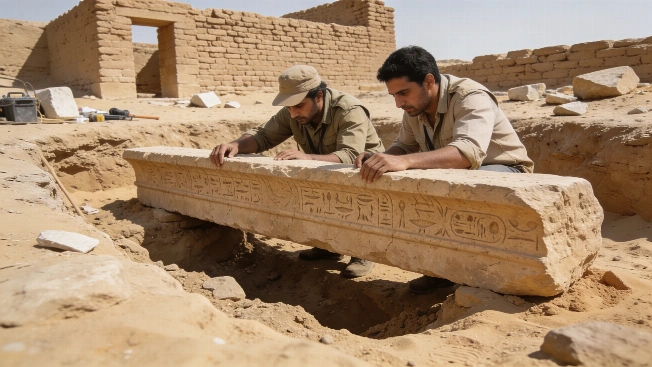
Ramesses II Inscription Hints at Location of Ancient Mesn in Sinai
Archaeologists at Tell Abu Saifi in northern Sinai have uncovered a sandstone lintel inscribed with the name of Ramesses II and a reference to Mesn, alongside temple remains reused during the Roman period, offering new clues to Egypt's eastern frontier settlements
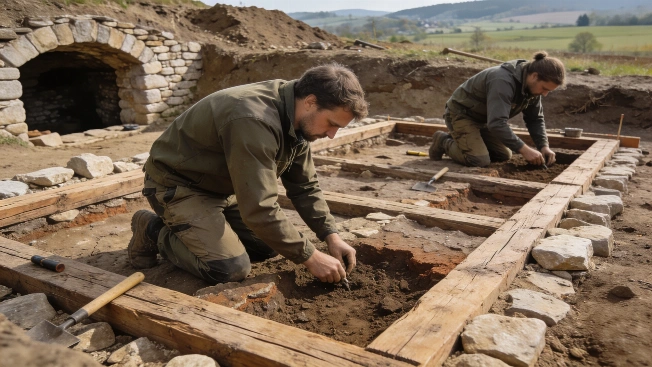
Roman Settlement at Neuenstadt Lasted Only Two Generations, Study Finds
Archaeological research at Neuenstadt am Kocher in southwestern Germany indicates that a planned Roman settlement was likely abandoned after just a few decades, with evidence pointing to instability along the empire's frontier as a possible cause.
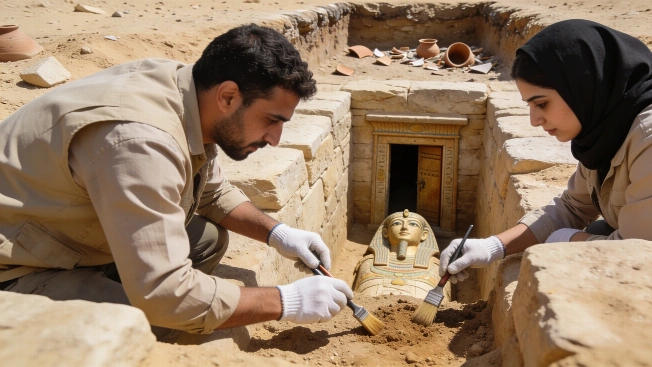
Old Kingdom Tomb and Burial Shafts Uncovered at Saqqara
Archaeologists excavating the Bubasteion necropolis at Saqqara have identified the tomb of Sakhnetio-Btah, a high-ranking Old Kingdom official, alongside a network of burial shafts containing human remains and funerary objects from multiple periods.
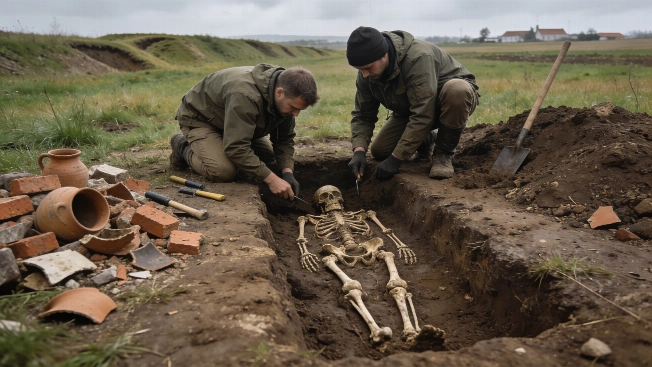
Medieval Graves Reveal Location of Lost Nyénye Settlement in Hungary
Archaeologists have identified the site of the lost medieval settlement of Nyénye near Szolnok, Hungary, through excavations of graves and pottery, alongside building debris. The findings clarify the village's location and burial practices, but basic uncertainties remain.
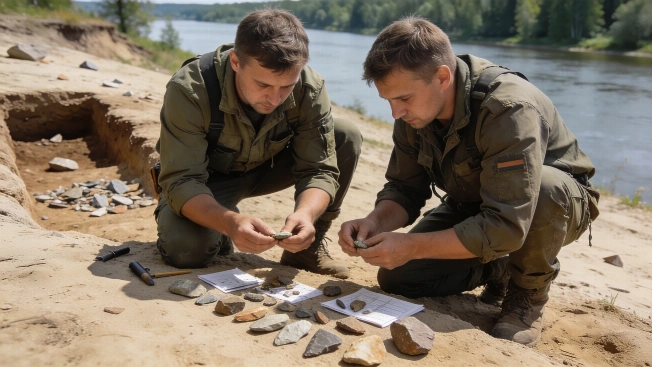
10,000-Year-Old Mesolithic Toolmaking Center Uncovered in Russia
Archaeologists excavating a Mesolithic site in northwestern Russia have recovered thousands of stone tools alongside manufacturing debris. The finds reveal a large-scale tool production center dating back up to 10,000 years and offer new understanding into early postglacial lifeways
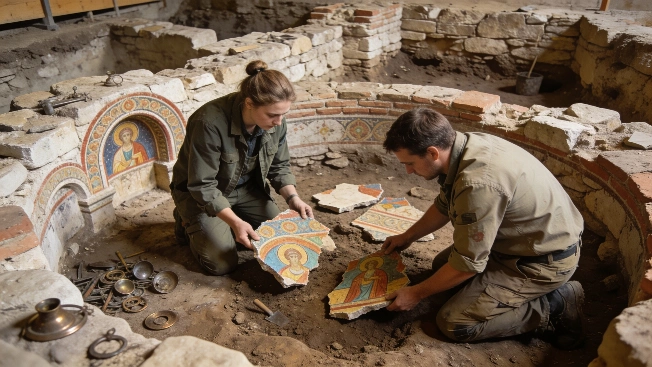
Excavation at Tokod Fortress Reveals Early Christian Church Remains
Archaeologists at the late Roman Tokod fortress in Hungary have uncovered an early Christian church, including its foundations and fresco fragments, alongside metal artifacts. The finds offer new insights into religious architecture and activity at the site
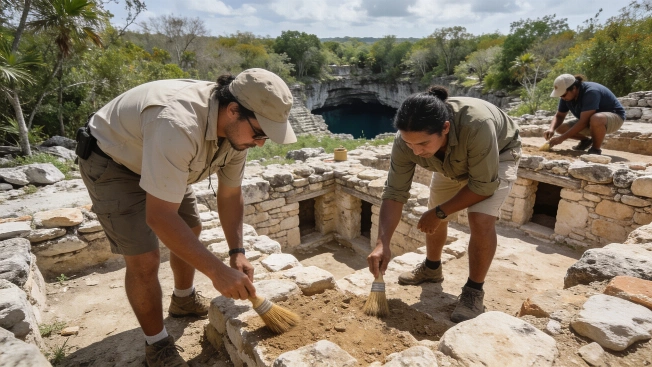
2,000-Year-Old Maya Settlement Uncovered in Yucatán Freight Rail Project
Archaeologists have identified and preserved a previously unknown Maya settlement in Yucatán, revealing 21 structures and evidence of water management. Excavated ahead of rail construction, the site offers new understanding into the daily lives of non-elite Maya households.
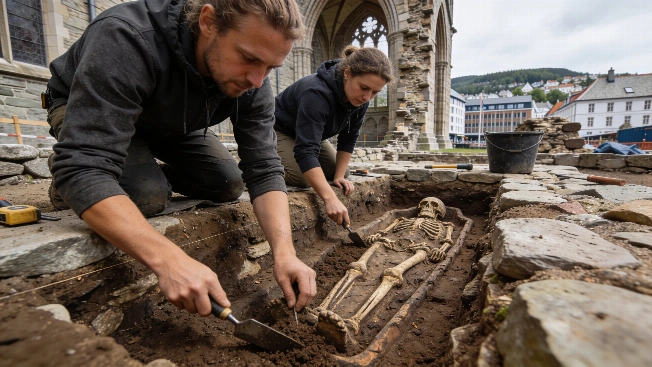
Excavation of Nonneseter Monastery Reveals Medieval Burials in Bergen
Archaeologists are excavating the choir of Nonneseter Monastery in Bergen, Norway, seeking medieval graves and artifacts that could shed light on the lives of the Benedictine community nearly 900 years ago.
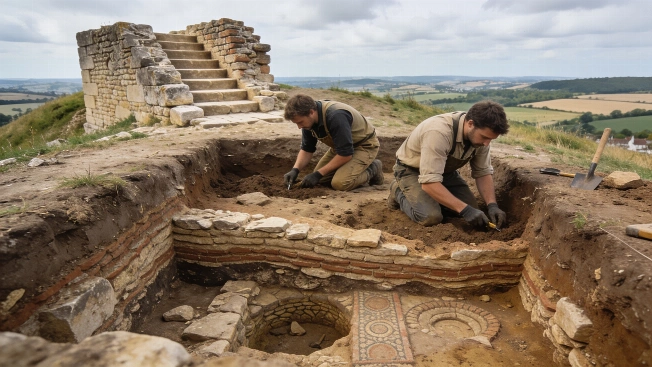
Excavation Reveals 1,500 Years of Settlement on Montbellant Hill
Archaeologists in Burgundy have uncovered deep, stratified remains on Montbellant hill, documenting the change from a Gallic oppidum to a medieval town through successive building phases and industrial activity.
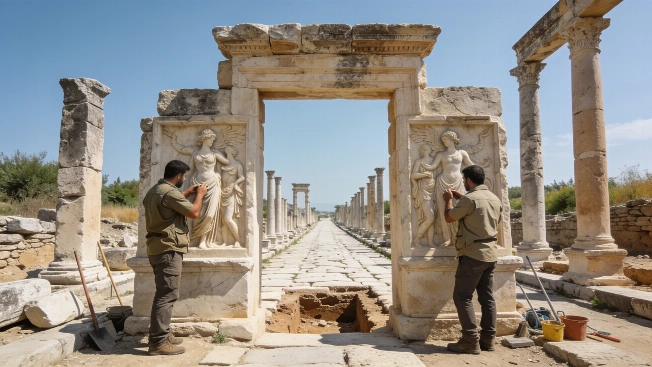
Excavation of Side's Monumental Street Reveals Centuries of Urban Change
Archaeologists have completed the excavation of a nearly 390-meter-long monumental street in the ancient city of Side, southern Turkey, documenting how its architecture and function changed from the Roman period into Late Antiquity.
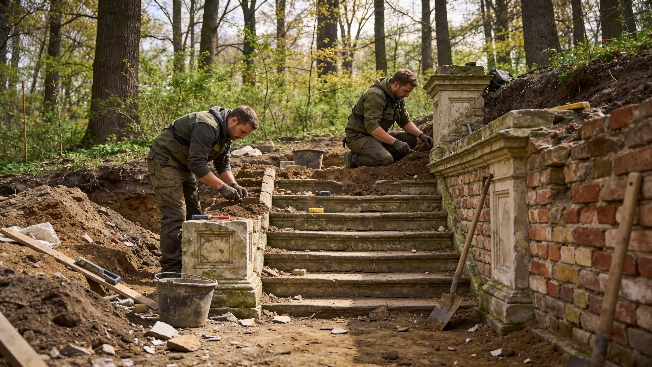
Nineteenth-Century Structures Uncovered Beneath Warsaw's Morysin Park
Archaeologists have revealed the remains of 19th-century buildings, including walls, floors and a stone staircase, during excavations in Warsaw's Morysin Park, offering new evidence about the park's architectural history and preservation challenges.
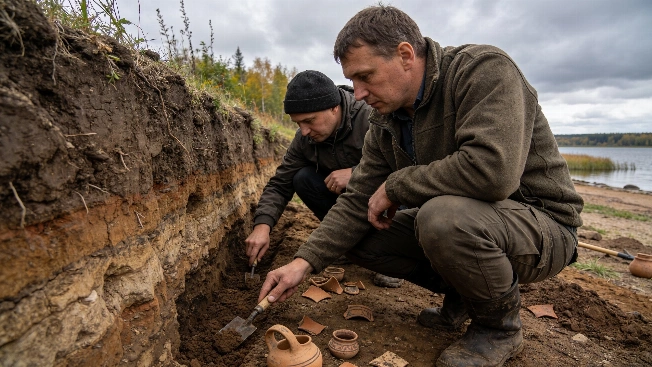
Medieval Galich Fortress Reinterpreted by New Archaeological Evidence
Recent excavations and LiDAR analysis at Galich's fortified settlements indicate that the Lower Settlement's basic defenses were likely built in the 15th century, challenging the long-held view that they date to the 12th century
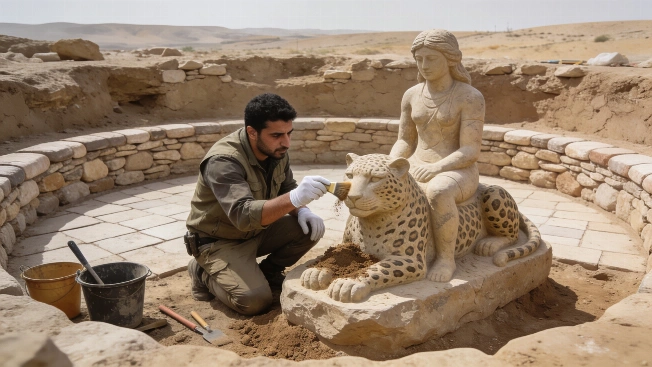
11,000-Year-Old Human-Leopard Sculpture Found at Karahantepe
Archaeologists at Karahantepe in southeastern Türkiye have uncovered a rare Neolithic stone sculpture depicting a human figure seated on a leopard, offering new evidence of symbolic art and social practices in early settled communities.
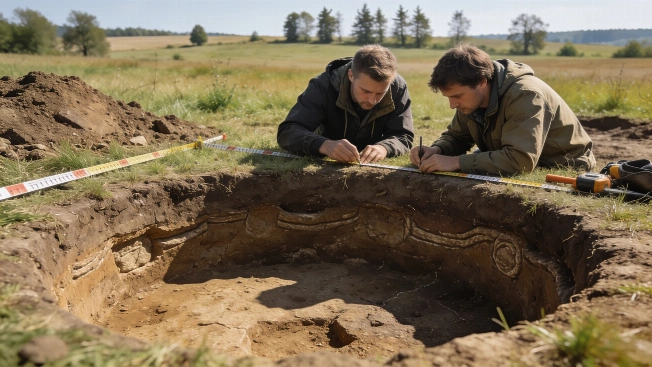
6,500-Year-Old Ritual Enclosure Predating Stonehenge Found in Czech Republic
Archaeologists have uncovered a Neolithic circular enclosure in Central Bohemia dating to around 6,500 years ago, with entrances aligned to solar and lunar events. The site offers new evidence for early ritual landscapes in prehistoric Europe.
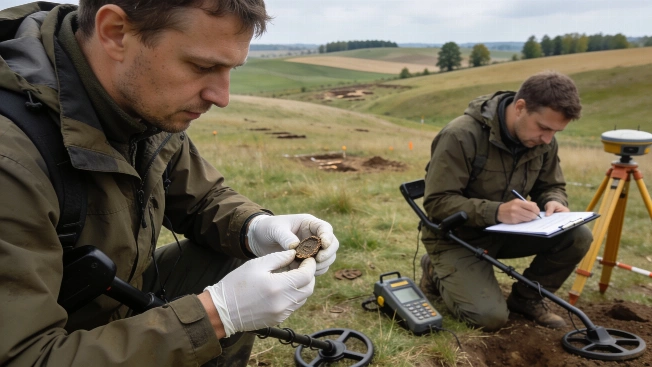
New Survey Targets Central Grunwald Battlefield for Medieval Evidence
Archaeologists and metal detectorists are surveying the Grunwald battlefield in Poland to map medieval artifacts and better understand the 1410 conflict through systematic fieldwork.
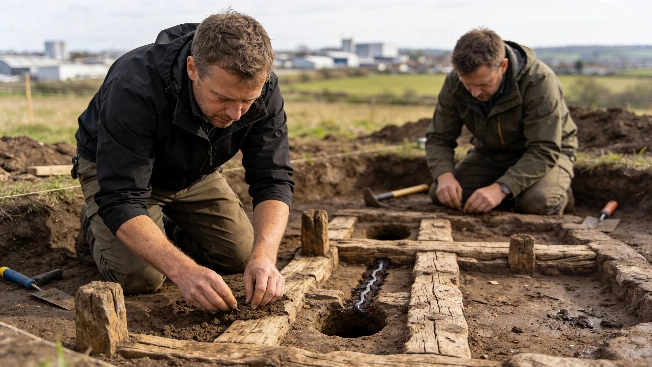
Abandoned Medieval Settlement Excavated on Halberstadt's Outskirts
Archaeologists in Saxony-Anhalt have uncovered the remains of a deserted medieval settlement, revealing sunken buildings and wells alongside a complex ditch system, but remarkably few artifacts, a pattern suggesting an organized abandonment.
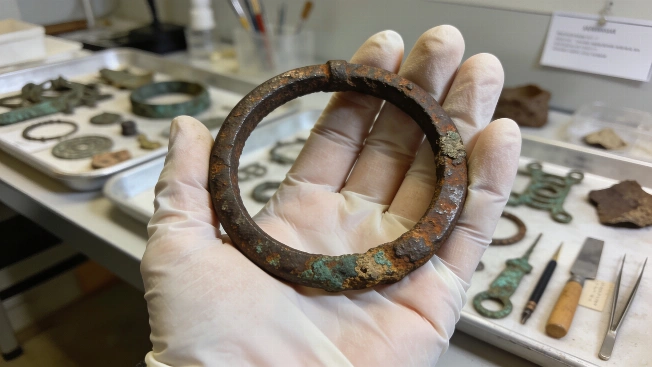
Ancient Greek Rings Reveal Use of Meteorite Iron in Elite Burials
Analysis of Bronze and Early Iron Age rings from Greece shows that some were made from meteoritic iron, suggesting the rare metal was valued by Minoan and Mycenaean elites long before iron smelting became common.
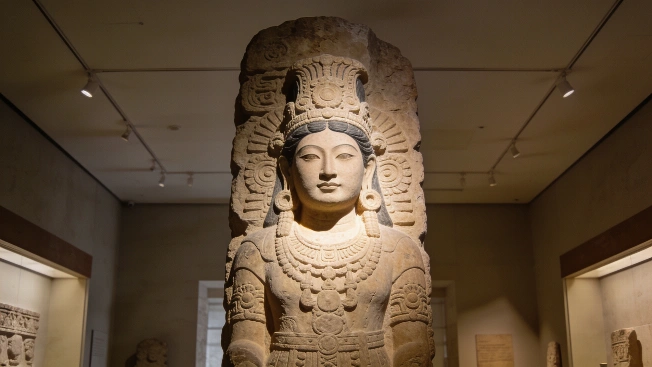
Limestone Stela Reveals Maya Queen's Power in 7th-Century Guatemala
Archaeologists have reconstructed a monumental limestone stela from El Perú-Waka' in Guatemala, depicting Lady K'abel, a Maya ruler, and revealing new evidence about her political and military authority at the end of the seventh century CE.
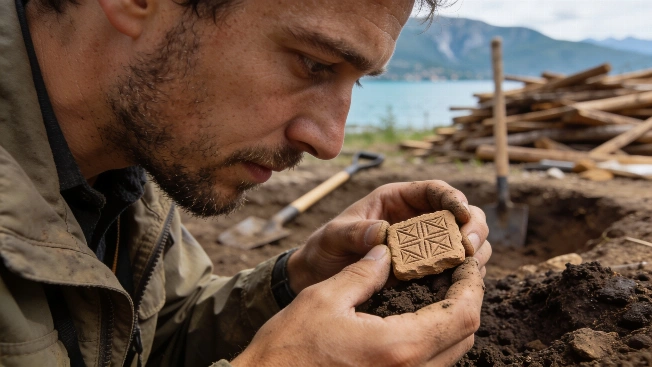
4,000-Year-Old Clay Tablet With Geometric Markings Found Near Lake Garda
Archaeologists at Lucone di Polpenazze in northern Italy have uncovered a 4,000-year-old clay tablet marked with geometric patterns, renewing questions about the function and meaning of these enigmatic Bronze Age artifacts.
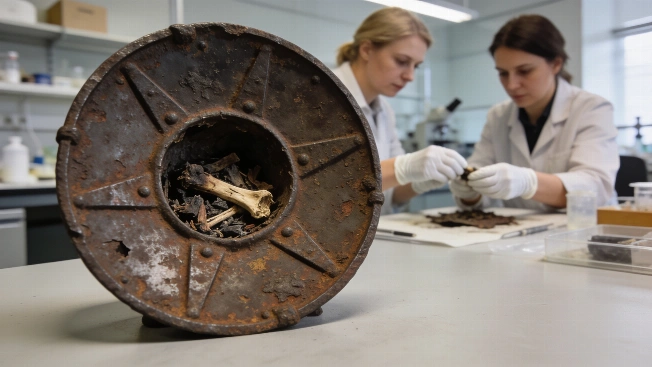
Iron Shield Boss With Cremated Remains Found in Polish Scrap Yard
A corroded iron shield boss containing cremated human bone was recovered from a scrap yard in eastern Poland, offering rare evidence of a disturbed 2nd-century CE Przeworsk culture burial and highlighting the challenges of reconstructing lost archaeological contexts.
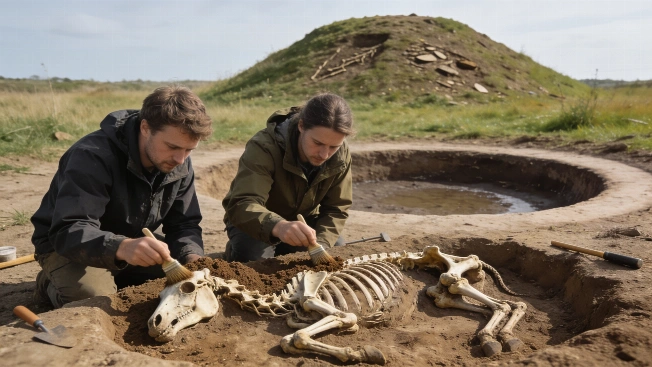
Bronze Age Foals Buried Beside Ancient Mound in Germany
Archaeologists in Saxony-Anhalt have uncovered two young horse skeletons intentionally buried near a Late Bronze Age burial mound, offering rare evidence for the ritual deposition of valuable animals over 3,000 years ago.
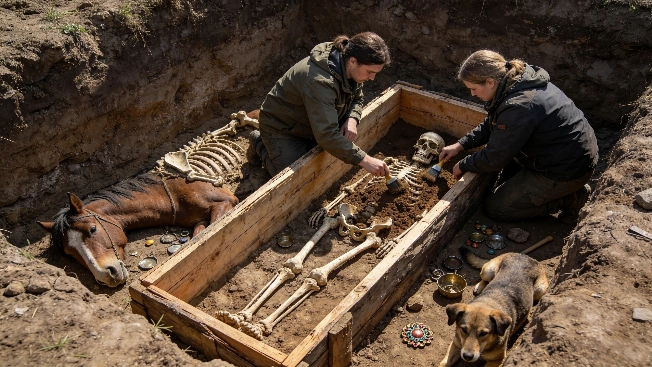
Medieval Chamber Tomb in Russia Reveals Elite Burial with Horse and Dog
Archaeologists excavating at Gnezdilovo near Suzdal have uncovered a rare 10th-century wooden chamber tomb containing the remains of a high-status individual, a horse, and a dog, offering new evidence for early medieval funerary practices in the region.
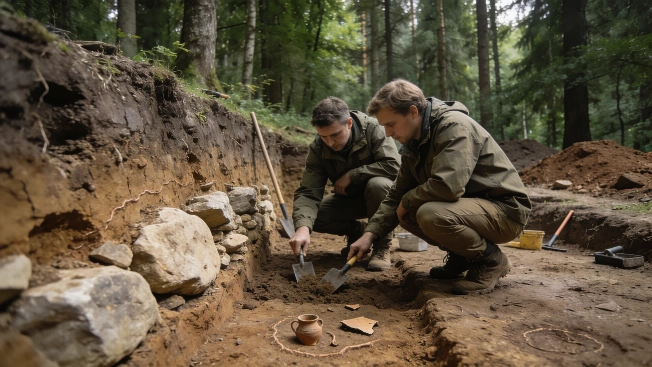
5,500-Year-Old Megalithic Tomb Excavated in Western Poland
Archaeologists have begun targeted excavations of a large earthen mound near Wyrzecz, western Poland, uncovering evidence of a monumental tomb built by early farming communities more than five millennia ago using megalithic construction techniques.
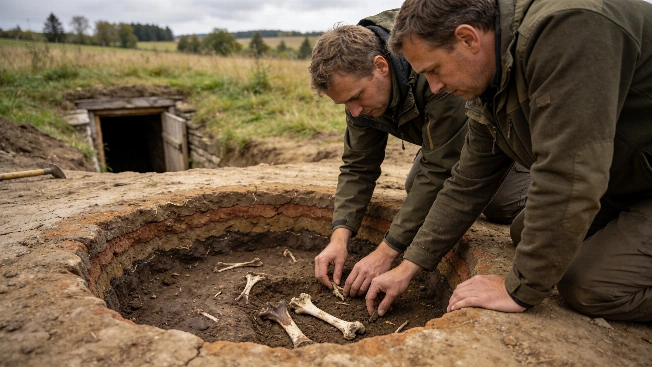
6,500-Year-Old Chleby Enclosure May Have Tracked Sun and Moon
Archaeologists have analyzed a vast Neolithic enclosure near Chleby, Czech Republic, finding evidence that its entrances and features may have been aligned with solar and lunar cycles more than 1,000 years before Stonehenge.
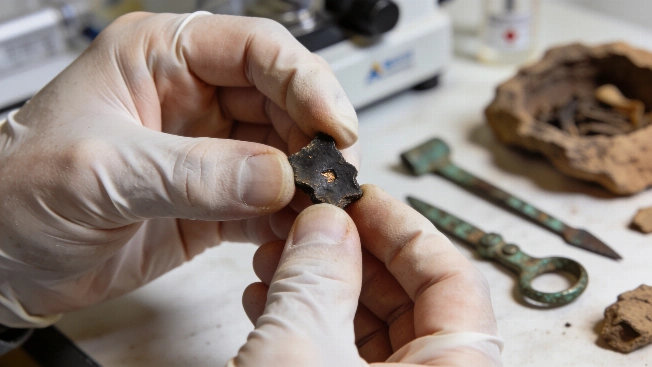
Pre-Inca Metalwork in Peru Linked to Bolivian Ore by Isotope Analysis
Archaeologists have traced metallurgical waste from a Wari-period burial at Castillo de Huarmey in Peru to ore sources in present-day Bolivia, revealing long-distance movement of metal and technological knowledge across the Andes
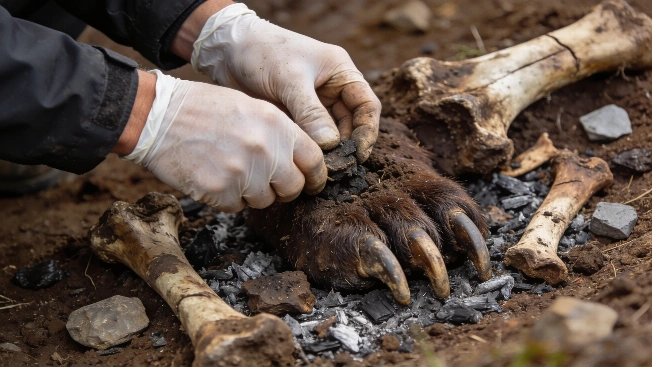
Bear Claws in Early Medieval Burials Reveal Social Hierarchy in Baltic
Archaeologists have identified brown bear claws in cremation burials from the sixth and seventh centuries CE on the Kaliningrad Peninsula, offering new evidence of social status and ritual practices among the Aestii population.
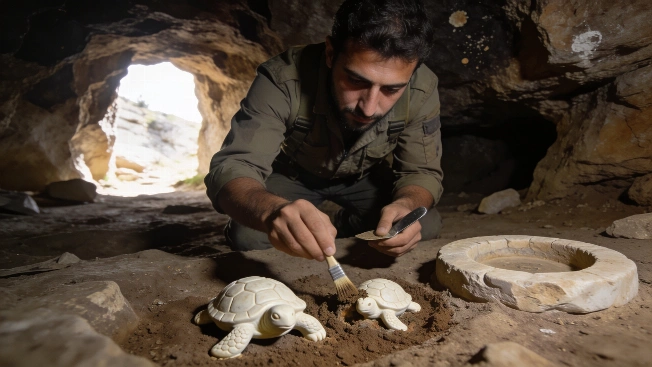
Ice Age Turtle Figurines Suggest Ritual Activity in Northwestern Türkiye
Archaeologists have uncovered 25 limestone turtle figurines at İn Cave in Bilecik Province, Türkiye, dating to 14,500-11,200 BCE. The finds offer rare evidence of symbolic or ritual practices among Epipalaeolithic hunter-gatherers.
Part 5 of 9