
Archaeological Discoveries - Part 2
217 reports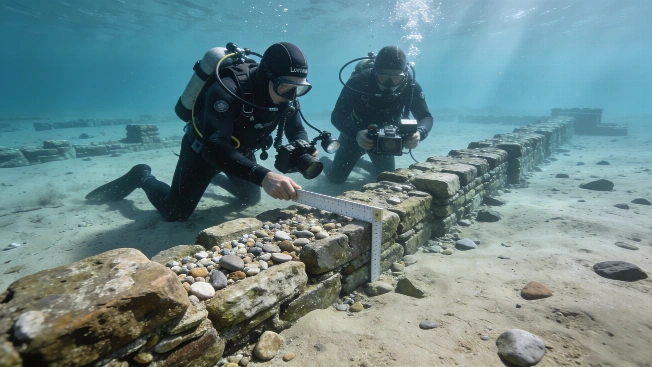
Submerged Medieval Settlement Shipden Reveals New Evidence off Norfolk Coast
Underwater archaeologists have mapped 25 manmade features on the seabed near Cromer, offering new insight into the medieval town of Shipden lost to the North Sea around 700 years ago and challenging local legends about its fate
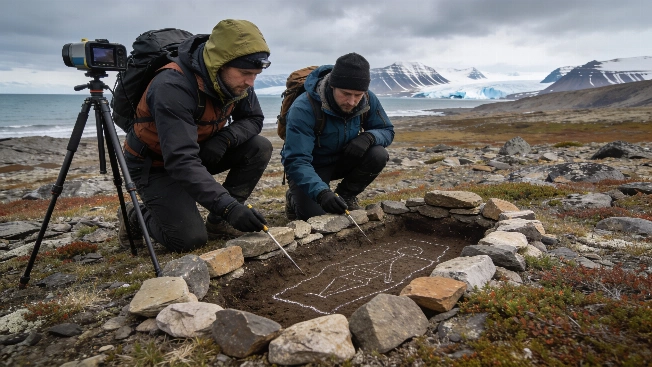
Stone-Lined Graves and Ship Timbers Documented in Arctic Svalbard Survey
Archaeologists have identified 45 stone-lined graves and ship timber fragments on Svalbard using non-invasive survey methods, raising new questions about burial traditions and the preservation of Arctic heritage under threat from erosion
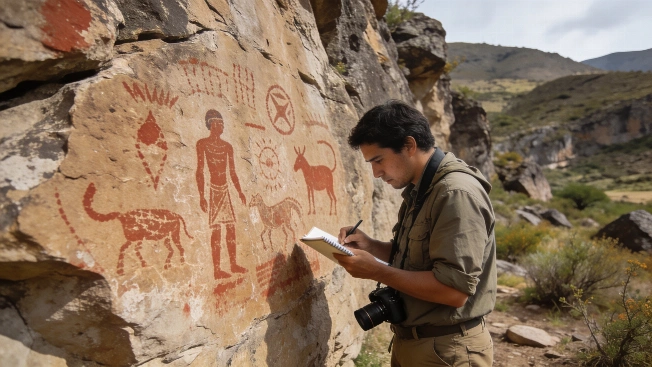
Ancient Hidalgo rock art reveals encounters with the underworld
Archaeologists have identified 55 rock art scenes at 25 sites in Hidalgo depicting figures meeting the lord of the underworld. The findings offer new evidence for how ancient communities understood death and the supernatural.
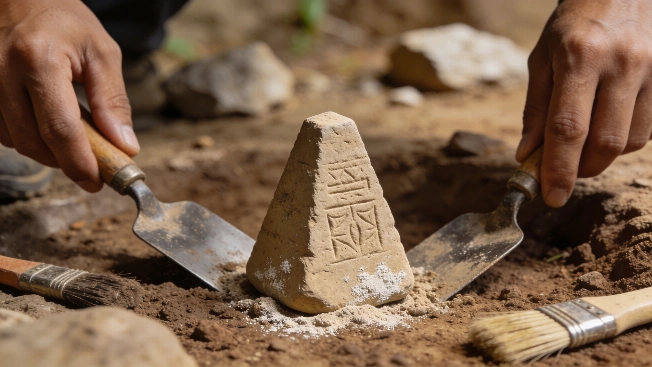
Stone prism find at Ollape unsettles Chachapoya daily life evidence
Archaeologists have recovered a carefully worked sandstone prism at the Ollape site in Peru's Amazonas region. The object's resemblance to Andean dice raises new questions about games, ritual, and social practice among the Chachapoya.
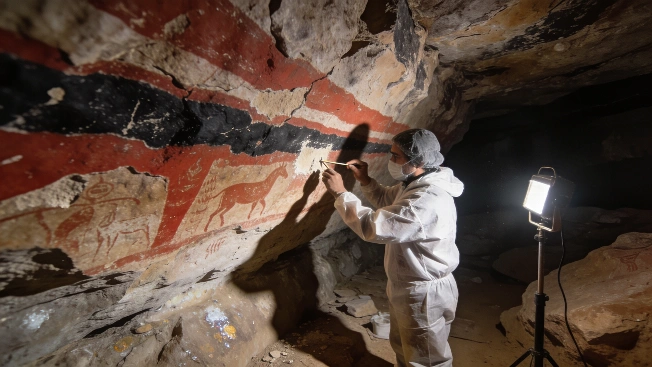
Conservation Secures Two Millennia of Rock Art at Cueva de las Monas
A five-year project at Cueva de las Monas in northern Mexico has stabilized ancient rock paintings spanning over 2,000 years, protecting them from weathering and vandalism while revealing complex cultural layers
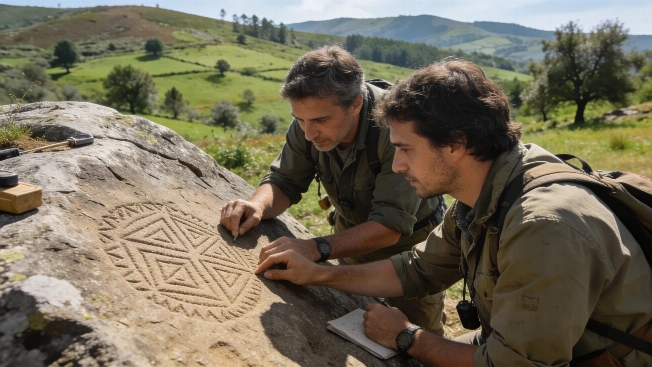
Galician Petroglyph May Depict Prehistoric Hut in Sacred Landscape
Archaeologists in Galicia are studying a large engraved rock that may show the floor plan of a prehistoric hut. The find, set among burial mounds and shelters, could change how researchers view ritual and domestic space in northwest Iberia.
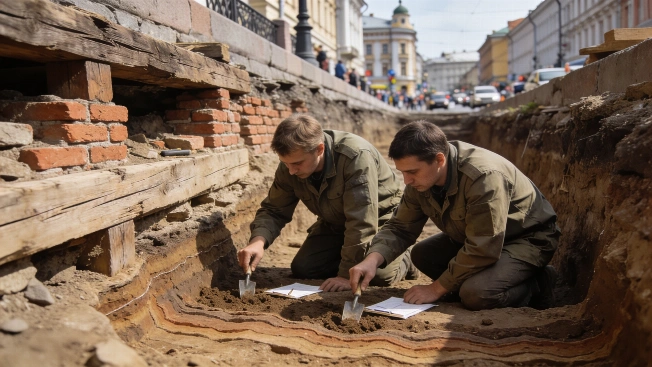
Centuries of Urban Layers Exposed at Nizhny Novgorod's Mytny Market
Archaeologists have excavated over 1,000 square meters at Mytny Market in Nizhny Novgorod, uncovering medieval property lines, market structures, coins, and hundreds of artifacts that document more than 700 years of urban transformation
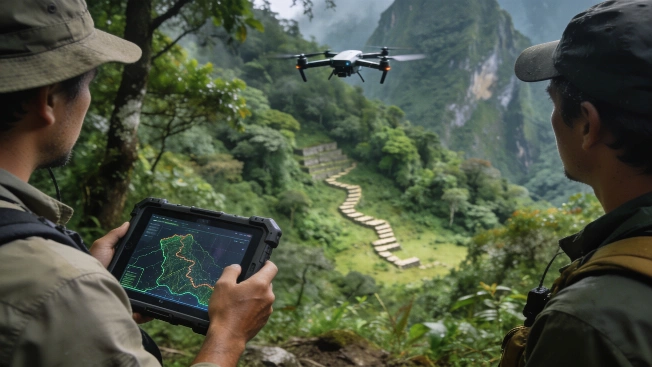
LiDAR survey uncovers hidden Inca roads near Machu Picchu
Archaeologists using drone-based LiDAR have mapped over 2.5 kilometers of previously undocumented pre-Columbian roads and terraces beneath rainforest near Machu Picchu, challenging assumptions about the extent of Inca landscape development
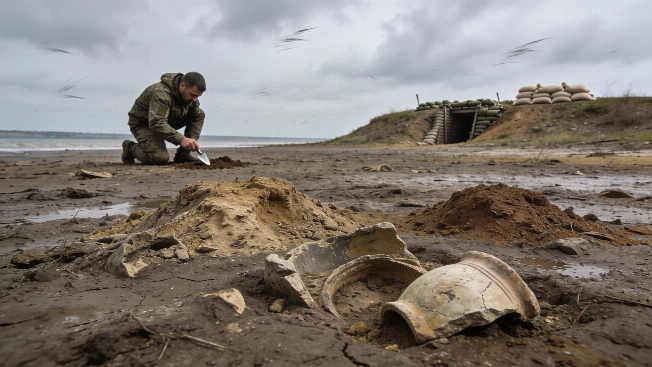
Archaeological Sites Emerge as Kakhovka Reservoir Drains in Ukraine
As the Kakhovka Reservoir in Ukraine recedes, archaeologists warn that prehistoric and Cossack-era sites are being revealed-but ongoing conflict and looting threaten their preservation and study.
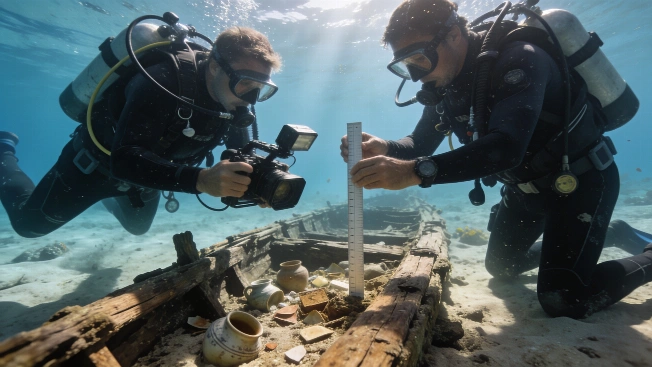
Red Sea shipwrecks mapped as Saudi underwater heritage emerges
Archaeologists have identified more than 25 underwater sites along Saudi Arabia's Red Sea coast using sonar and photogrammetry, uncovering shipwrecks and submerged structures that document ancient trade and migration routes.
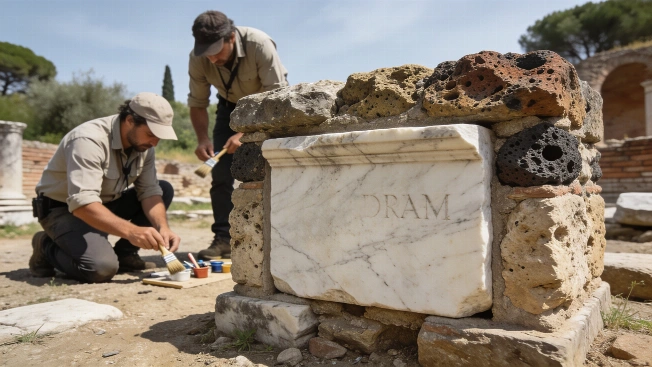
Roman Inscription at Hadrian's Villa Marks Ancient Lightning Strike
A marble inscription found at Hadrian's Villa in Tivoli records a site believed to have been struck by lightning at night, offering new insight into Roman religious practices and the physical marking of sacred ground
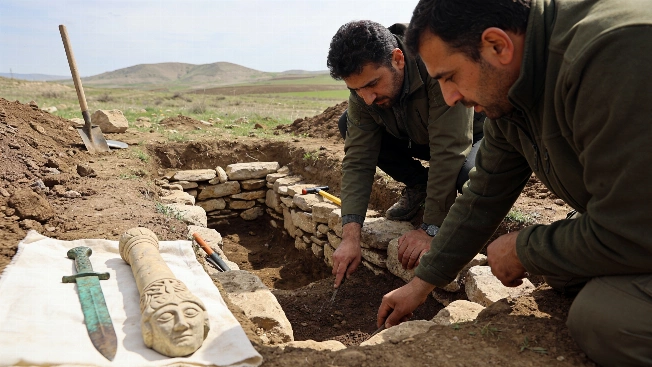
Bronze Age burial in Azerbaijan reveals weapons and staff of authority
A 3,600-year-old burial mound at Keşikçidağ in Azerbaijan has yielded a bronze dagger, obsidian and flint arrowheads, and a carved stone staff head, offering new evidence for social hierarchy and military roles in the Middle Bronze Age South Caucasus
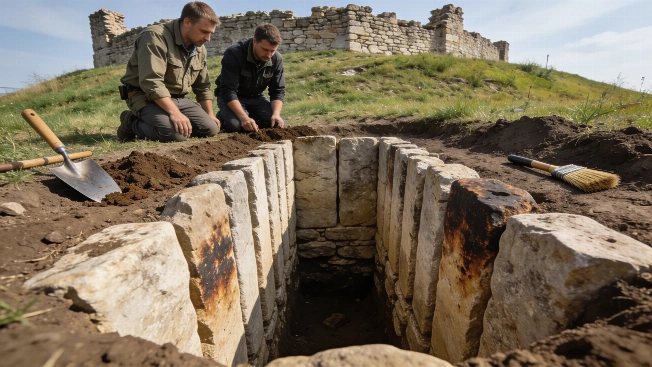
Heat-Scarred Shaft Found Beneath Essegvár Castle Walls in Hungary
Excavations at Essegvár Castle in western Hungary have revealed a stone shaft marked by intense burning, constructed before the medieval walls. The absence of industrial byproducts leaves its original function unresolved.
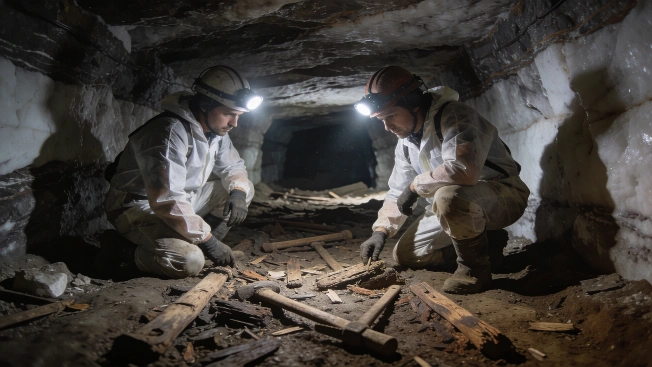
Iron Age Salt Mine Chambers Uncovered Deep Inside Hallstatt Mountain
Archaeologists have mapped a 300 meter network of Iron Age mining chambers beneath Hallstatt in Austria using core drilling, exposing thick layers of preserved debris and organic remains that offer new evidence for prehistoric salt extraction and community resilience
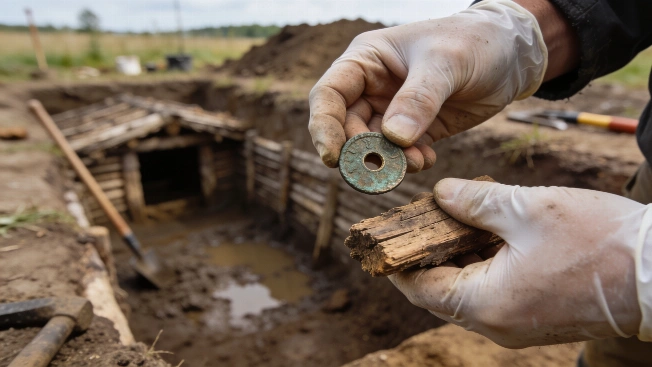
Iron Age Longhouse and Rare Coin Reveal Distant Connections in Poland
Excavations at Łysa Góra in central Poland have uncovered a 2,500-year-old longhouse and a rare Thracian coin, providing new insight into Iron Age settlement patterns and long-distance contacts across Europe
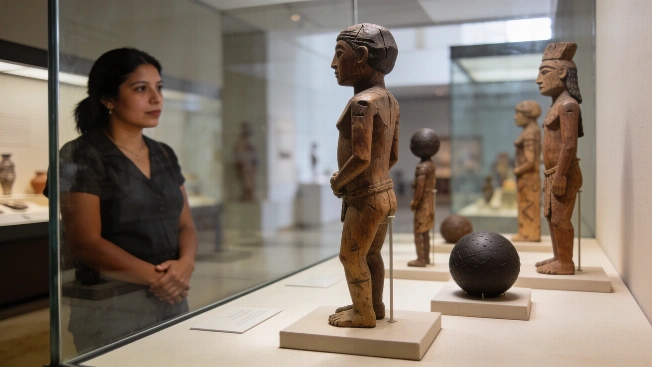
Olmec Offerings Reveal Ancient Rituals at Cerro El Manatí
Archaeologists have reunited 3,700-year-old Olmec offerings from Cerro El Manatí, including preserved wooden figures, rubber balls, and jadeite axes, providing new evidence for early Mesoamerican ritual and belief at a sacred Veracruz site
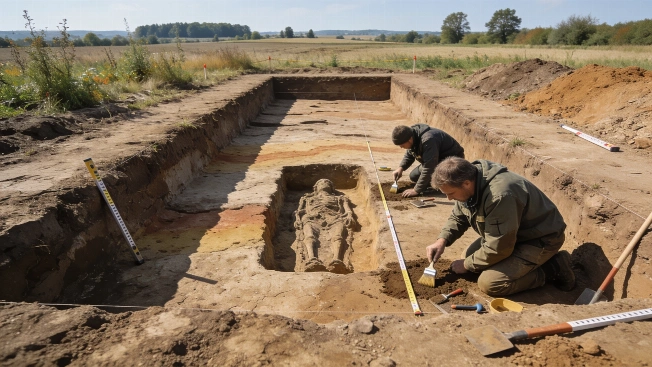
Trapezoidal Neolithic Burial Monument Uncovered Near Leipzig
Archaeologists in Saxony have excavated a 5,500-year-old trapezoidal enclosure containing a single human burial, offering new evidence for selective mortuary architecture and social differentiation among Neolithic Baalberge communities in Central Germany
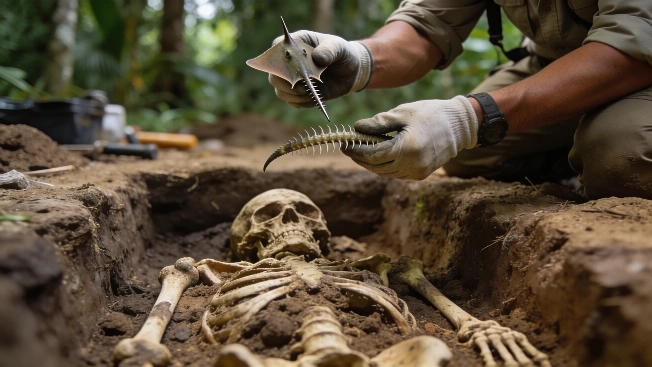
Ancient Maya burials yield stingray barbs linked to bloodletting rituals
Archaeologists working near Tenosique, Tabasco, have recovered stingray barbs and a catfish spine from ancient Maya burials. Researchers are investigating whether these aquatic animal remains were used in ritual bloodletting or self-sacrifice practices
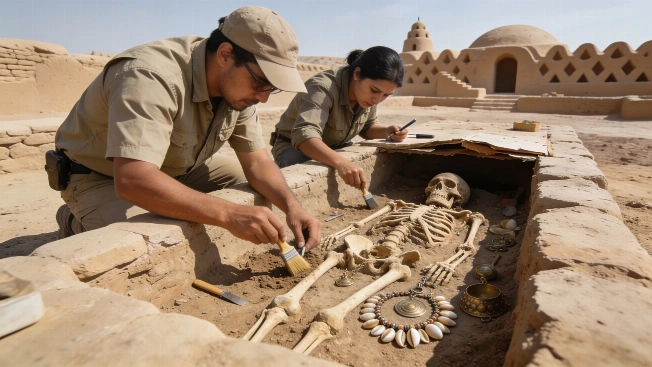
Elite Chimú Burials Uncovered in Intact Chan Chan Funerary Platform
Archaeologists have excavated a remarkably preserved funerary platform at Chan Chan, Peru, containing 38 individuals and elaborate grave goods. The find offers new evidence for Chimú elite burial customs and raises questions about ritual and status
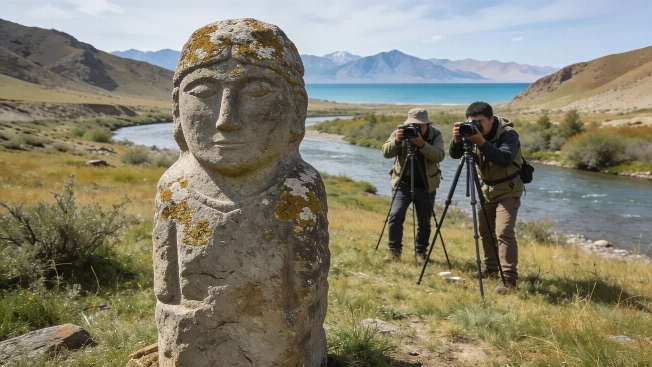
Turkic Stone Statue Documented in Dzhuuku Valley Near Issyk-Kul
A previously undocumented Turkic stone statue has been recorded in situ near Lake Issyk-Kul in Kyrgyzstan using photogrammetry, contributing to a growing digital archive of early medieval monuments and raising questions about preservation and context
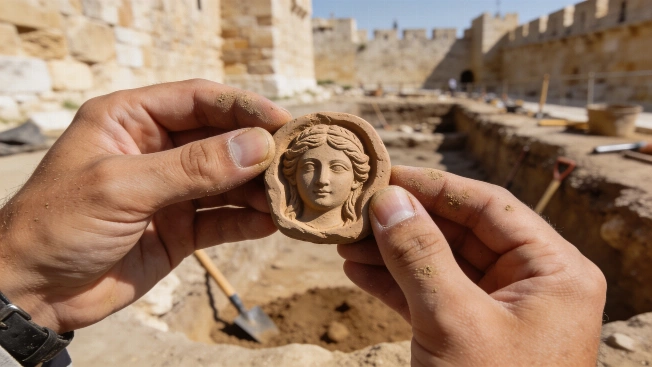
Ancient Clay Mould Reveals Figurine Production in First Temple Jerusalem
Archaeologists have identified a rare clay mould from the First Temple period at Jerusalem's Tower of David Museum, providing the first direct evidence that distinctive female figurines were produced locally rather than imported
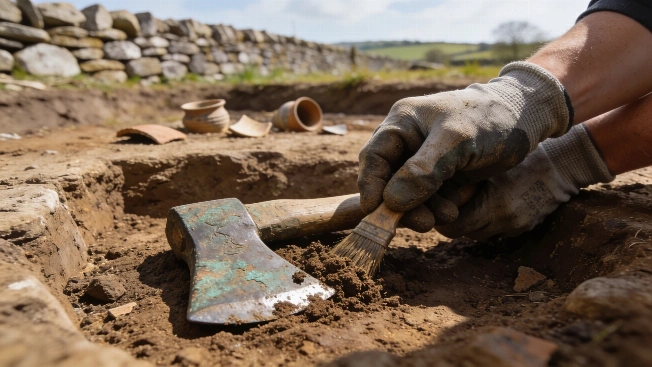
Medieval Structure and Bronze Age Axe Unearthed at Huttons Ambo
Archaeologists at Huttons Ambo have uncovered a substantial medieval building, a Bronze Age axe possibly deposited as a ritual, and wartime artifacts, offering a rare multi-period view of settlement and activity in northern England
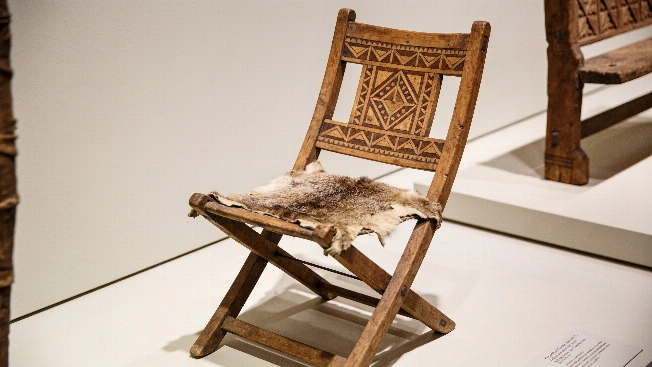
Bronze Age Folding Chair From Denmark Reveals Ancient Status Symbols
Archaeologists analyzed a 3,400-year-old wooden folding chair from a Danish burial mound using material analysis and contextual dating, revealing its role as a rare status object in Bronze Age Europe
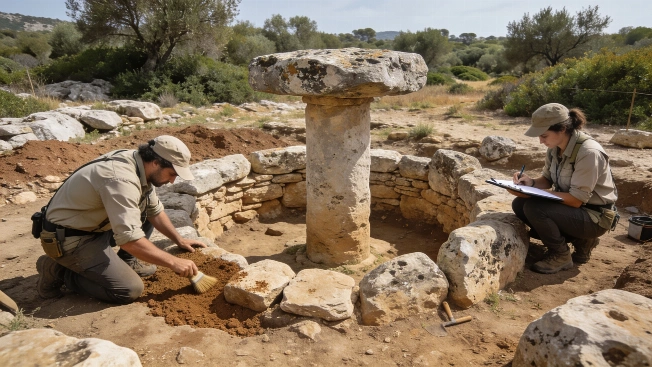
Newly Identified Talayot Alters Understanding of Son Fornés Settlement
Archaeologists at Son Fornés in Mallorca have uncovered a fourth talayot hidden beneath dense vegetation, revealing a previously unknown monumental structure and raising new questions about the diversity and chronology of Talayotic architecture at the site
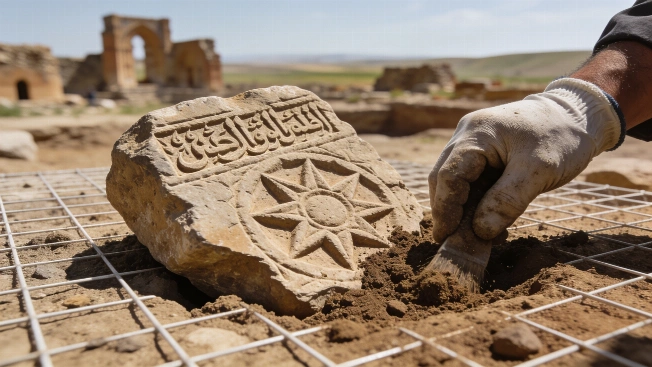
Seljuk Inscribed Stone Fragment Reveals Medieval Islamic Practice at Ani
Archaeologists at Ani in eastern Türkiye have uncovered a decorated Seljuk-era stone fragment inscribed with the name of the Prophet Muhammad in Kufic script, offering new evidence for religious and funerary traditions in medieval Anatolia
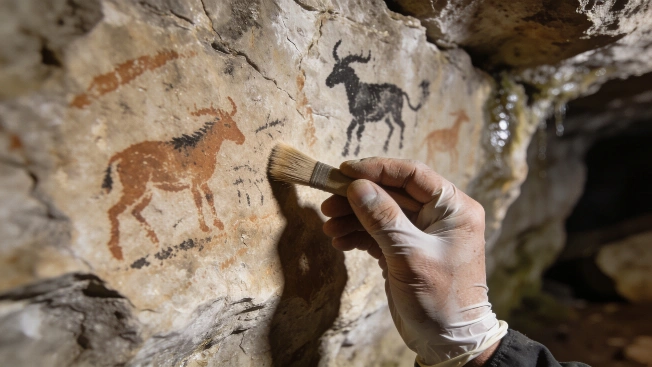
Ice Age cave art in Ireland suggests earlier human arrival
Archaeologists have identified prehistoric engravings and paintings in eight caves in southwest Ireland, potentially extending the earliest evidence for human presence on the island by 5,000 years and raising new questions about Ice Age migration routes
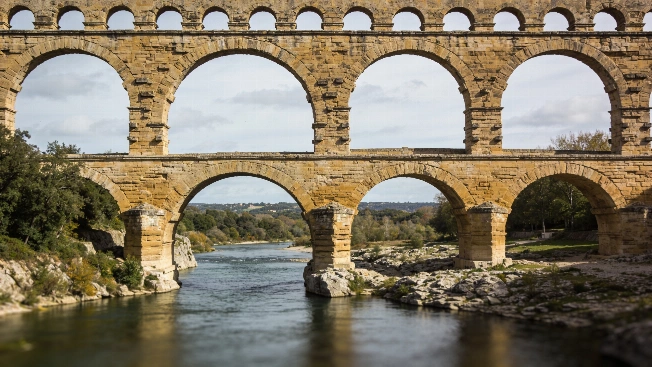
Roman Aqueducts Endured for Millennia Through Engineering and Maintenance
Archaeologists have traced the construction and survival of Roman aqueducts using evidence from preserved structures, ancient surveying tools, and maintenance records, revealing how these monumental water systems functioned and endured for centuries
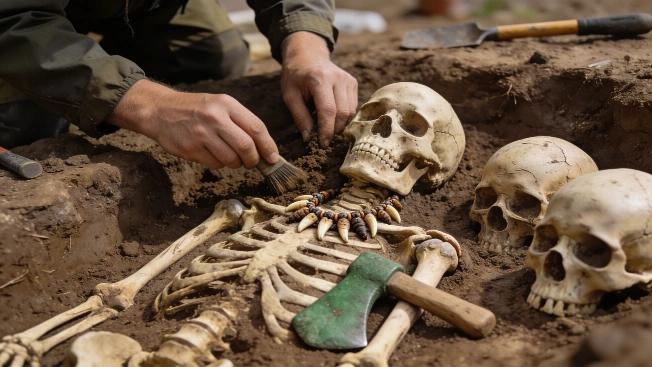
Stone Age Burial in Poland Reveals Necklace of Animal Teeth and Human Skulls
Archaeologists in southwest Poland have uncovered a Neolithic grave containing an adult skeleton, two additional human skulls, a necklace of 42 drilled animal teeth, and a serpentinite battle ax, raising new questions about burial practices and social identity around 2900 BCE
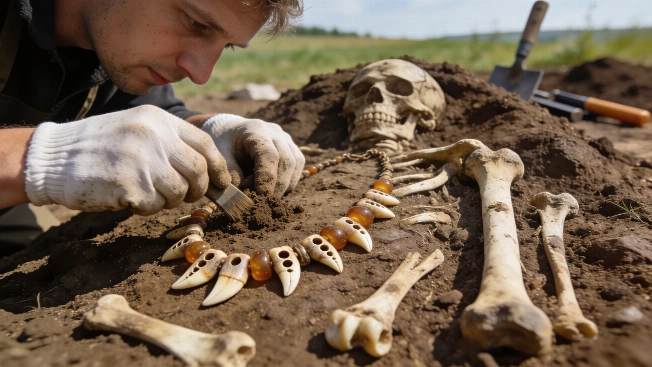
5,000-Year-Old Tooth Necklace Burial Sheds Light on Corded Ware Poland
Archaeologists near Wrocław have uncovered a 5,000-year-old burial containing a necklace made from 42 animal teeth, stone weapons, and human skulls, offering new evidence for Corded Ware culture and prehistoric mortuary practices in southwestern Poland
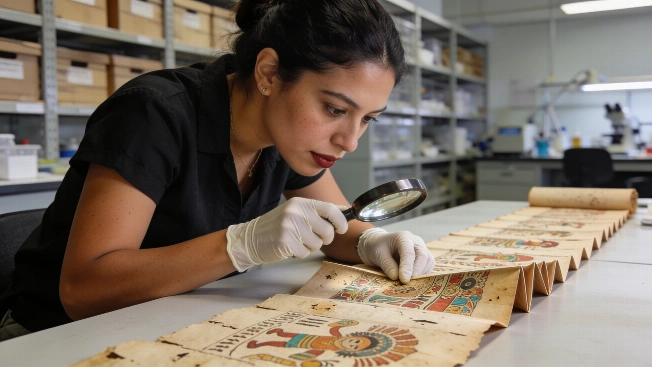
Radiocarbon Dating Confirms Pre-Conquest Date for Aubin Tonalámatl Codex
A new radiocarbon analysis of the Aubin Tonalámatl Codex places its creation firmly in the late 15th century, resolving long-standing doubts about whether this Indigenous Mexican manuscript predates Spanish colonization
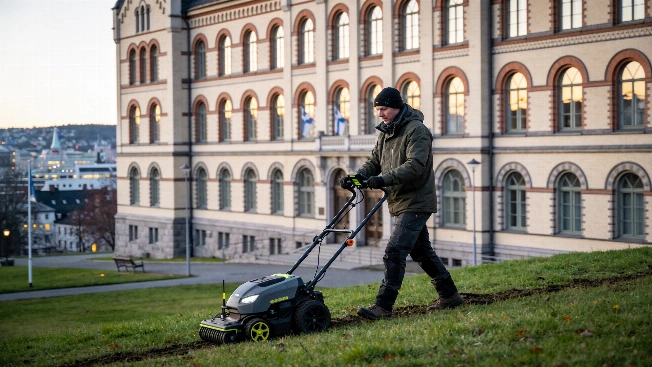
Medieval Monastery Choir Mapped Beneath Oslo Using Ground-Penetrating Radar
Archaeologists have identified the buried choir of a Franciscan monastery church beneath Oslo Hospital using ground-penetrating radar, revealing foundations, possible graves, and a lost cemetery without excavation
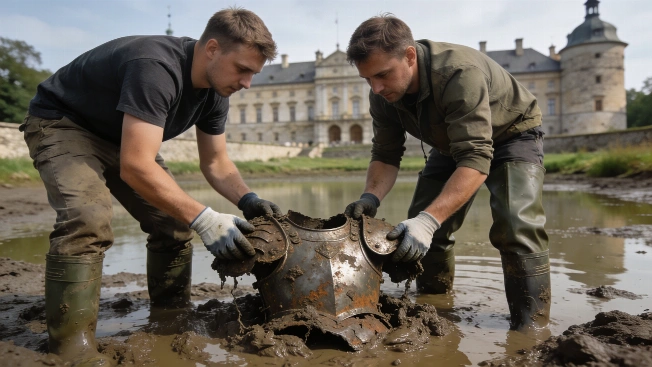
Rare 19th-Century Cavalry Armor Recovered from Polish Palace Moat
A fragment of 19th-century cuirassier armor was unexpectedly recovered from the moat of Pielaszkowice Palace in Lower Silesia, Poland, during a film-related exploration, offering new evidence of the site's turbulent Napoleonic and wartime history
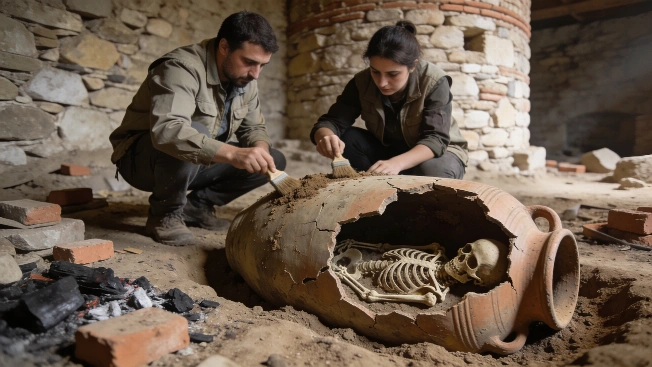
Roman-Era Skeleton Found Sheltering in Giant Jar at Deultum Fortress
Archaeologists excavating the Late Roman fortress of Deultum in Bulgaria have uncovered a human skeleton inside a massive storage jar, offering rare evidence of a fatal episode during a violent attack over 1,600 years ago
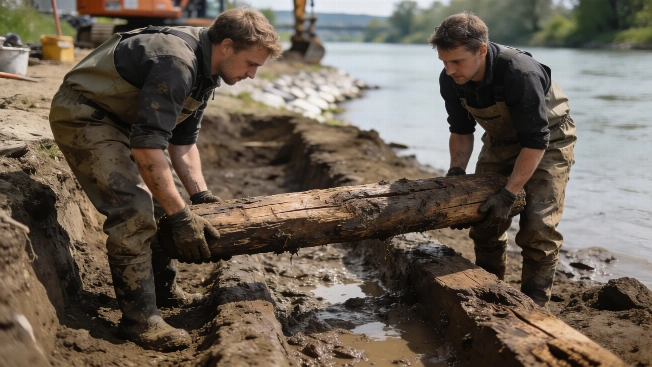
Iron Age Timber Structure Reveals Scale of Celtic Engineering in Bavaria
Archaeologists have recovered large oak beams from a well-preserved Iron Age structure near the River Main in Aschaffenburg, Germany, offering new evidence for complex Celtic construction, trade, and settlement over 2,400 years ago
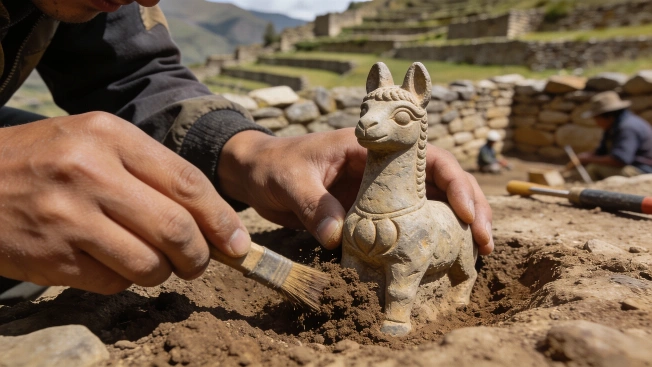
Stone Figures at Kuélap Suggest Fertility Rituals in Ancient Peru
Archaeologists at Kuélap in northern Peru have uncovered carved stone figures depicting animals with female traits, offering new evidence for fertility-related rituals and the influence of Inca religious practices at the site
Part 2 of 7