
Cultural Heritage - Part 5
176 reports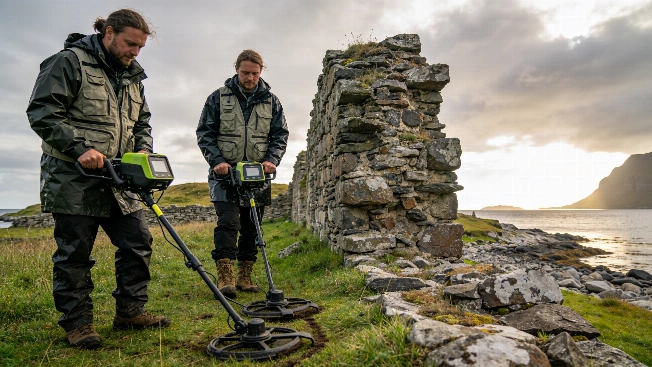
Medieval Stone Structure Discovered Outside Selja Monastery in Norway
Archaeologists using ground-penetrating radar have identified a large medieval stone wall outside the Selja monastery in western Norway, raising new questions about the scale and complexity of this early Christian site.
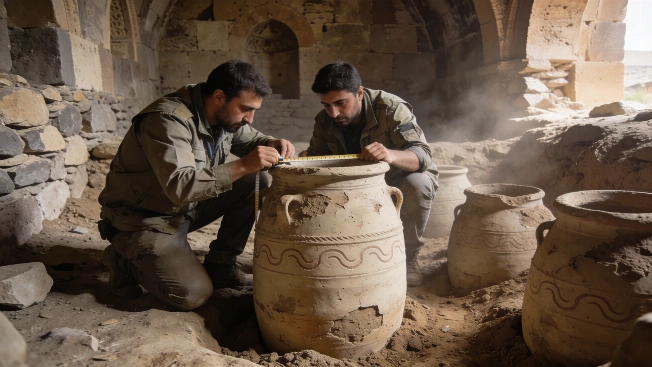
Seljuk Food Storage Facility Unearthed at Ani World Heritage Site
Archaeologists at Ani in eastern Türkiye have uncovered a Seljuk-era food storage facility containing five large ceramic jars, offering new evidence about food preservation and urban organization in the medieval city.
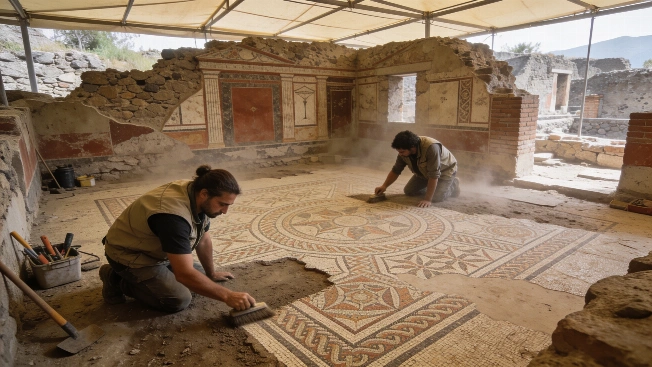
Roman Villa Mosaics Uncovered at Ancient Pompeiopolis in Türkiye
Archaeologists in northern Türkiye have revealed extensive Roman mosaics during renewed excavations at Pompeiopolis, offering new evidence of elite architecture and decorative practices in Roman Anatolia.
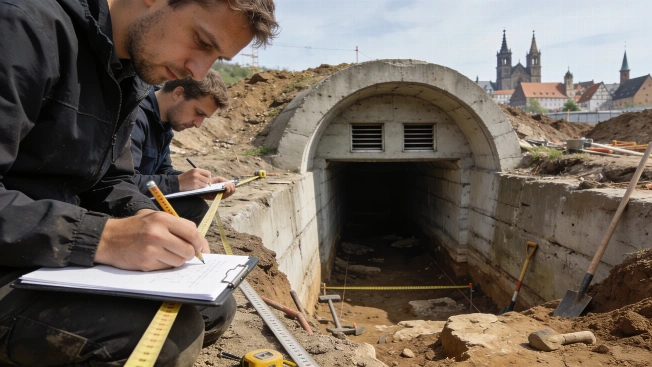
World War II Air Raid Shelter Trench Uncovered in Quedlinburg
Archaeologists in Quedlinburg, Germany, have documented a rare World War II-era air raid shelter trench exposed during construction work. The structure offers new evidence of civilian defensive measures in the final years of the conflict.
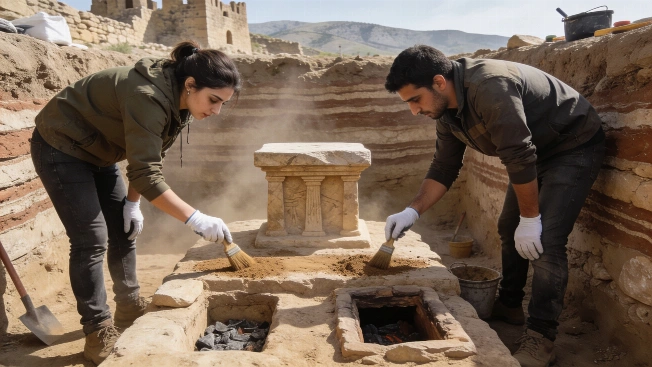
Early Bronze Age Temple Complex Uncovered at Tadım Castle Site
Archaeologists have identified a 5,000-year-old temple complex with ritual altars and hearths at Tadım Castle in eastern Türkiye, providing new evidence for religious practices and long-term occupation during the Early Bronze Age.
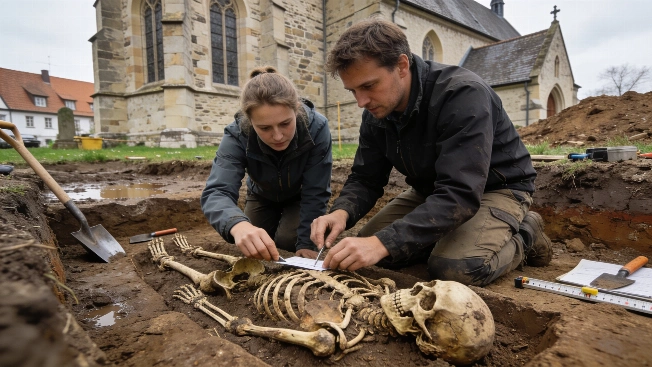
Early Medieval Cemetery Confirmed Beneath Altenberge Church Site
Radiocarbon dating of human remains excavated at St John the Baptist Church in Altenberge, Germany, has established the presence of an early medieval cemetery, providing direct evidence of Christian burial at the site more than a millennium ago.
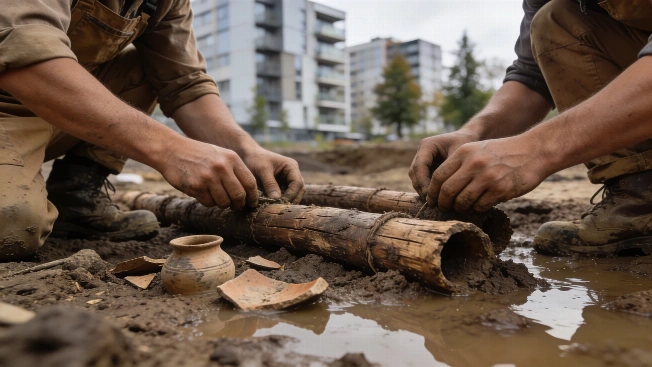
Excavation in Kaliningrad Reveals Four Centuries of Königsberg Life
Archaeologists in Kaliningrad's Far Forstadt district have uncovered well-preserved artifacts and infrastructure spanning the 16th to 20th centuries, shedding light on daily life and craft production amid urban change in historic Königsberg.
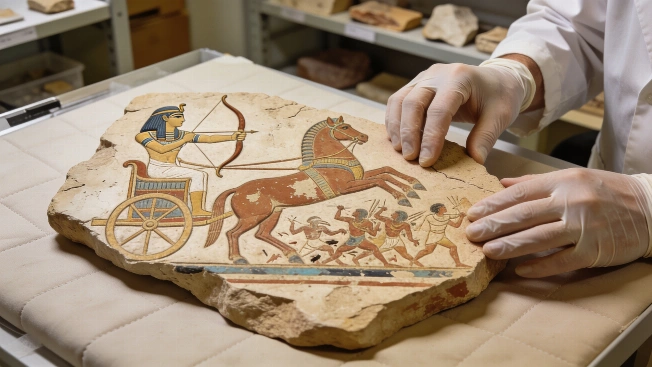
Ancient Egyptian Relief Fragment Shows Pharaoh Overcoming Foreign Foes
A painted sandstone relief from Luxor, created during the reign of Amenhotep II, depicts an Egyptian pharaoh defeating western Asian soldiers. Later reused in a temple foundation, the artifact offers understanding into royal iconography and material reuse.
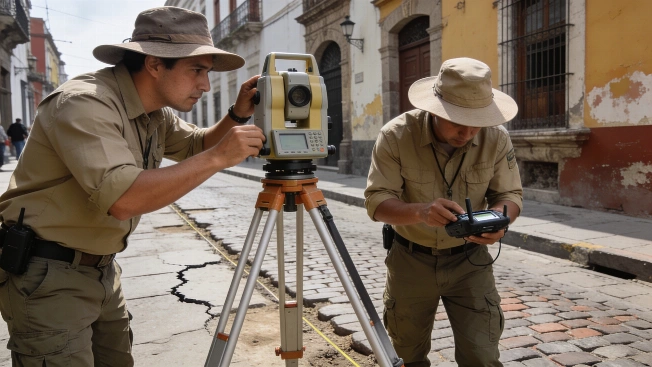
Aztec Sacred Precinct Mapped Beneath Mexico City Streets
Archaeologists have completed a detailed altimetric survey of Mexico City's historic center, revealing subtle surface changes that may correspond to buried Aztec ceremonial structures and informing future heritage protection.
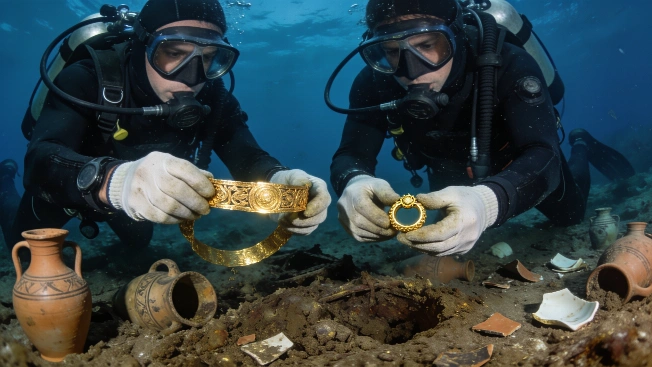
Byzantine Gold Regalia and Imperial Ring Found in Adriatic Shipwreck
Archaeologists have recovered gold ceremonial belts and imperial coins, along with a rare signet ring, from a Byzantine shipwreck off Croatia's Mljet island. The finds offer new evidence of elite travel and trade across the Adriatic in the early Middle Ages.
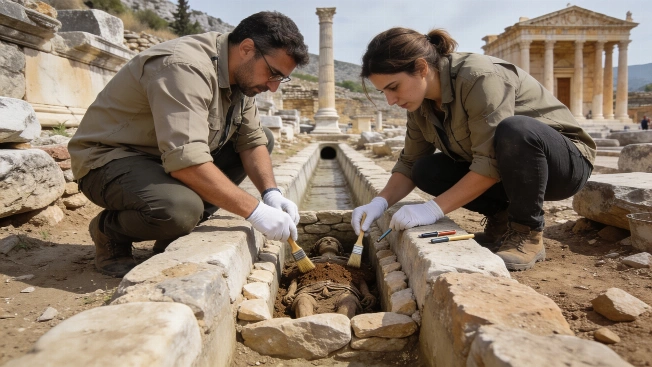
Byzantine-Era Twin Infant Burial Discovered Near Temple of Artemis
Archaeologists have identified a 1,200-year-old grave containing two premature infants near the Temple of Artemis at Ephesus, Turkey, revealing rare evidence of twin burial and a genetic anomaly in one skeleton
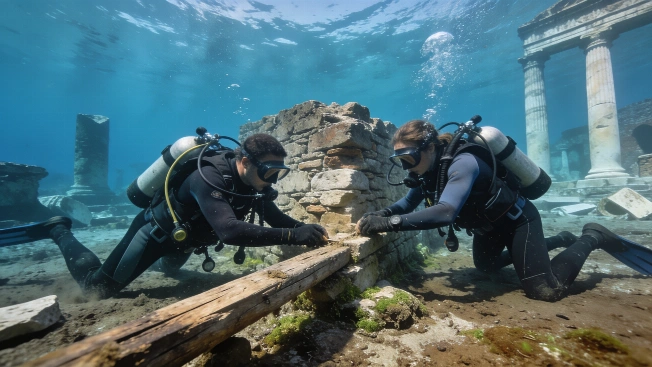
Submerged Roman Port at Puteoli Reveals Ancient Trade Infrastructure
Archaeologists are mapping the underwater remains of Puteoli, Rome's early commercial port, using advanced survey methods to document warehouses and workshops, as well as a rare Nabataean temple preserved beneath the Bay of Naples.
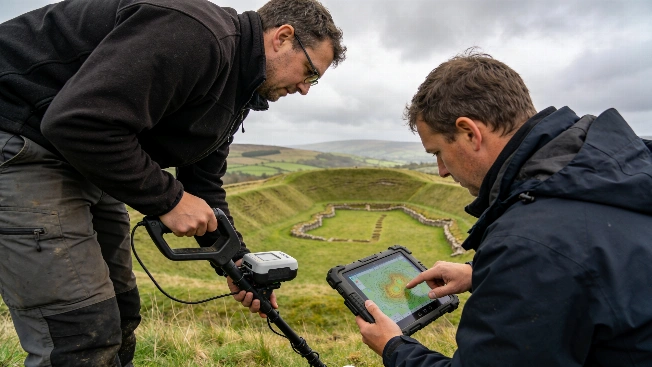
Haughey's Fort Reveals Monumental Bronze Age Power Center in Ireland
A new study at Haughey's Fort in County Armagh, combining lidar and geophysics with excavation, has identified more than 200 timber structures and a vast enclosure, challenging assumptions about prehistoric Ireland's social complexity.
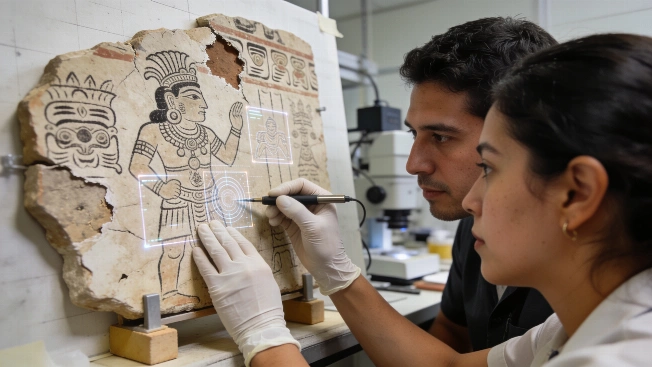
Earliest Maya Calendar Writing Identified at Calakmul Mural
Archaeologists have reconstructed a deteriorated mural from Calakmul, Mexico, revealing the earliest known calendrical inscription at the site. The find adds evidence of early Maya writing traditions and ritual practice in the Late Preclassic period.
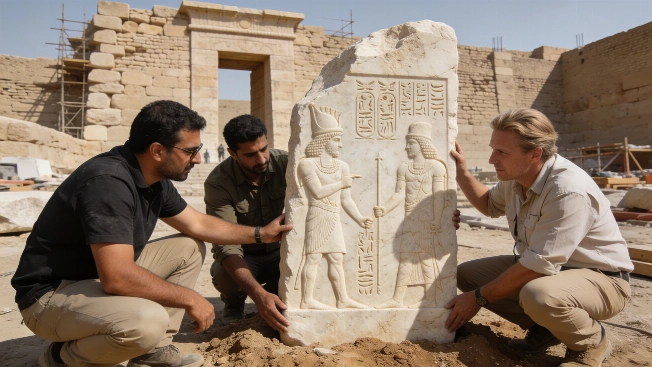
Assyrian Royal Stele Discovered at Nineveh's Sun Gate
Archaeologists working at the Sun Gate of ancient Nineveh have uncovered a monumental Assyrian stele inscribed with records of King Ashurbanipal's building projects, offering new evidence for royal activity in the seventh century BCE
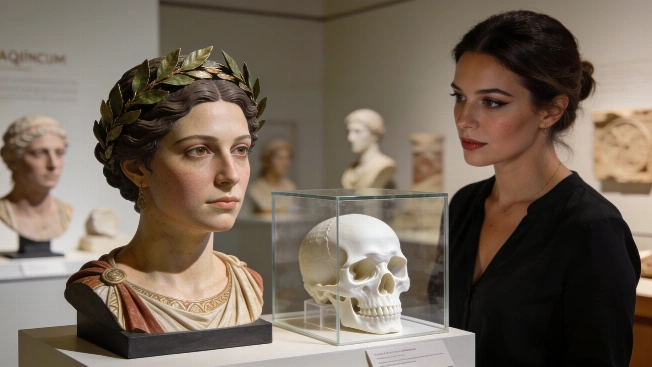
Facial Reconstructions Reveal Roman-Era Lives at Aquincum, Hungary
Researchers combined DNA analysis with forensic modeling, using 3D-printed skulls to reconstruct the faces of 16 people buried near the Roman frontier city of Aquincum, offering new insights into population diversity and daily life nearly 1,700 years ago
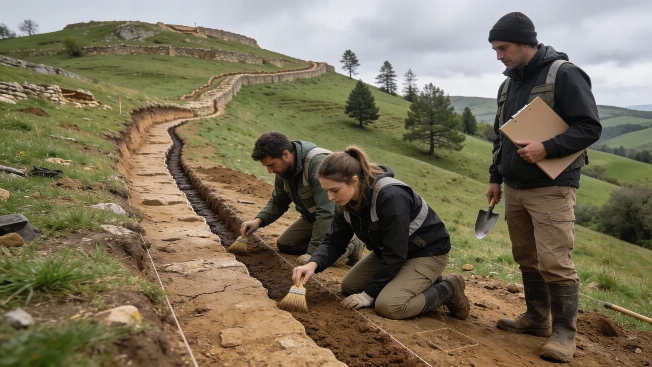
Roman Siege Network at La Loma Larger Than Previously Known
Archaeologists have identified a seventh Roman military camp near the Iron Age hill fort of La Loma in northern Spain, revealing a more extensive siege network during the Cantabrian Wars than earlier evidence suggested
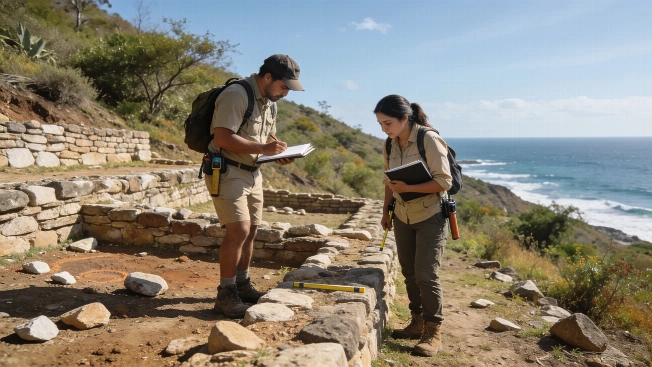
Indigenous Settlements in Guerrero Survived Spanish Conquest
Archaeologists in Mexico have identified two Indigenous settlements in Guerrero that remained occupied after the Spanish conquest. Ground surveys and drone mapping documented evidence of their survival into the late 16th century.
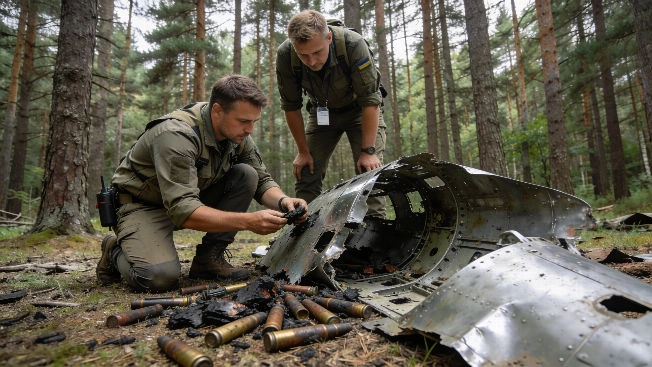
Possible WWII RAF Aircraft Remains Found Near Świnoujście Forest
Archaeologists are investigating a debris field in woodland near Świnoujście, Poland, where aircraft fragments and ammunition suggest a possible Allied wartime crash. The site's context and material evidence are now under formal examination.
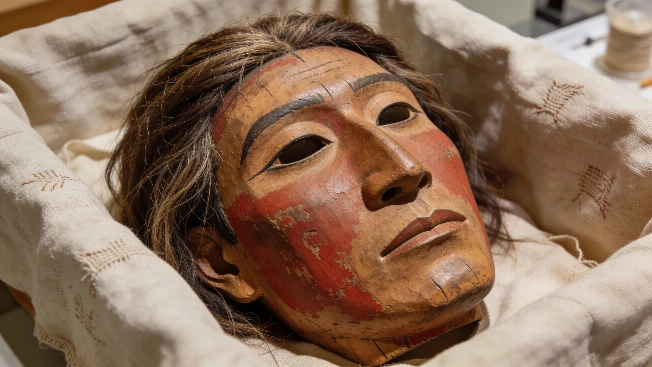
Chancay Mummy Mask Reveals Ancient Funerary Practices in Peru
A wooden mask with human hair and cinnabar pigment, crafted by the Chancay people between 1000 and 1450 CE, offers new insight into pre-Inca mortuary traditions and the use of symbolic 'false heads' in Andean burial bundles
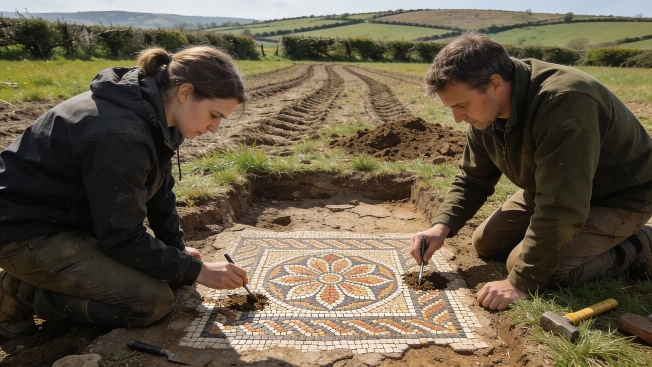
Roman Mosaic Uncovered at Devon Villa Site After 16 Years of Investigation
Archaeologists have excavated a Roman mosaic beneath farmland in Devon, England, after 16 years of investigation, revealing a rare decorated floor from a villa complex. The find offers new evidence of Roman presence in a region where such sites are uncommon.
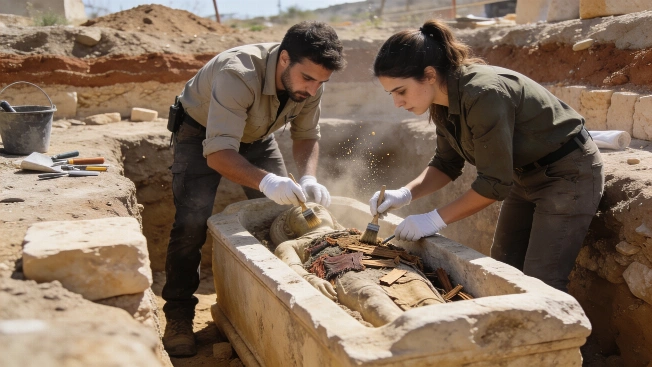
Archaic Necropolis in Southern Italy Yields Rare Organic Artifacts
Archaeologists have uncovered a 6th-century BCE necropolis beneath Gragnano, Italy, preserving organic materials and imported grave goods that reveal new details about elite burial practices and Mediterranean trade in pre-Roman Campania
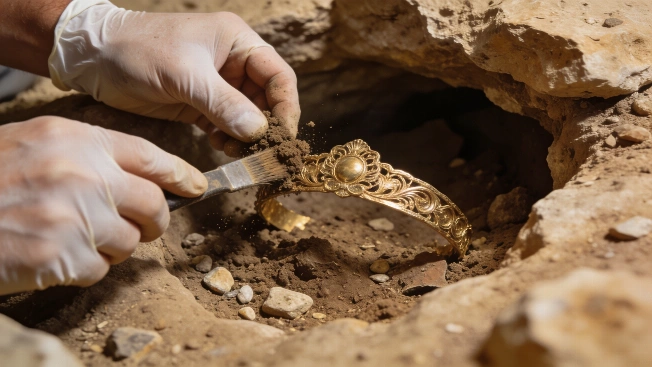
Cypriot Gold Ornaments Reveal Ancient Mediterranean Connections
Archaeologists have analyzed a cache of 3,400-year-old gold ornaments from chamber tombs at Hala Sultan Tekke, Cyprus, finding evidence of local craftsmanship shaped by Egyptian, Mycenaean, Minoan and Near Eastern traditions.
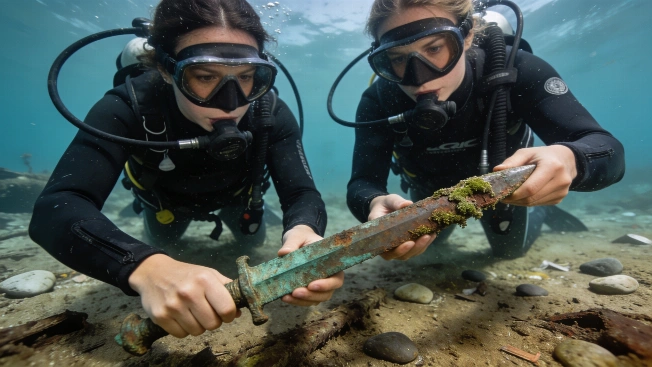
Bronze Age Sword Recovered from Protected Wreck off Devon Coast
A 3,000-year-old Bronze Age sword has been recovered by volunteer divers from the Salcombe Cannon and Moor Sand sites off south Devon, offering new evidence for prehistoric maritime activity and trade in the region
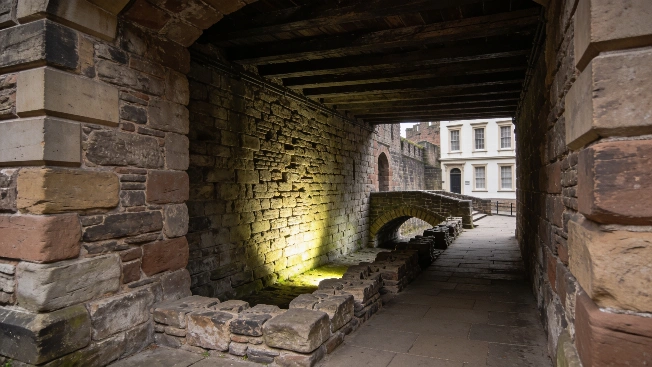
Digital Survey Reveals Medieval Bridge Remains at Chester Castle
Archaeologists using advanced digital scanning have identified the remains of a 13th-century bridge beneath Chester Castle in England, challenging previous assumptions about the site's medieval architecture and preservation
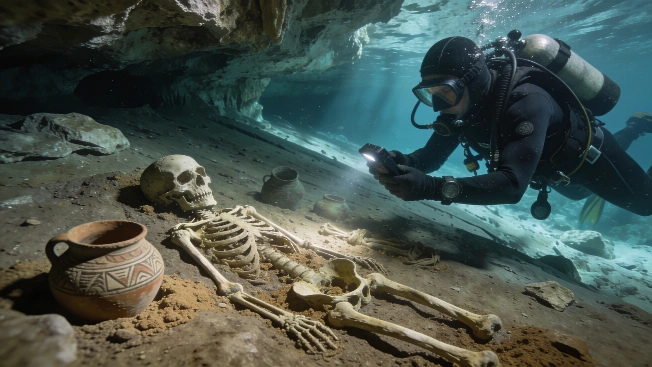
Ancient Human Remains and Maya Ceramics Found in Cenote Yaakun
Archaeologists have begun a research and conservation project at Cenote Yaakun near Playa del Carmen after the discovery of a possible young adult woman's skeleton and a cluster of Maya ceramics in a deep underwater context
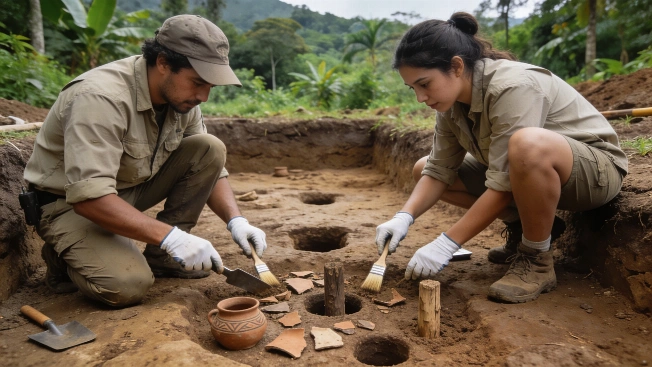
Excavation at Costa Rica Airport Site Reveals Pre-Columbian Settlements
Archaeologists have completed a rescue excavation in the Diquís Delta, documenting residential areas and daily life from AD 800-1500, while confirming that Costa Rica's new airport will not disturb the region's monumental stone sphere sites
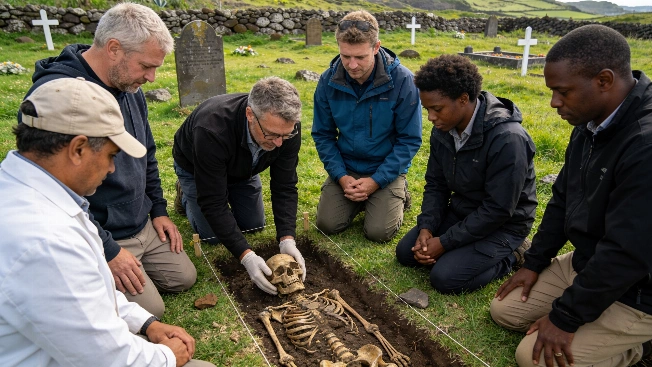
Isotope and DNA Evidence Trace St. Helena Burials to West Africa
Researchers have analyzed teeth and DNA from over 150 individuals buried on St. Helena after liberation from slave ships, revealing diverse childhood origins across West and Central Africa and highlighting the scale of forced displacement
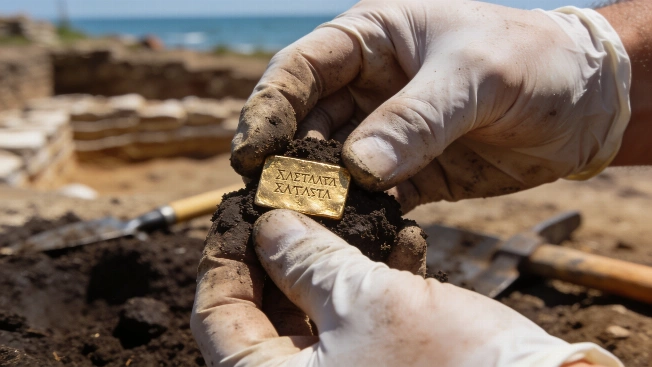
Gold Plaque Reveals Jupiter Dolichenus Worship at Apsaros Fort
A rare inscribed gold plaque recovered at the Roman fort of Apsaros on Georgia's Black Sea coast offers the first direct epigraphic evidence for the cult of Jupiter Dolichenus at the site, shedding light on religious practices among the garrison
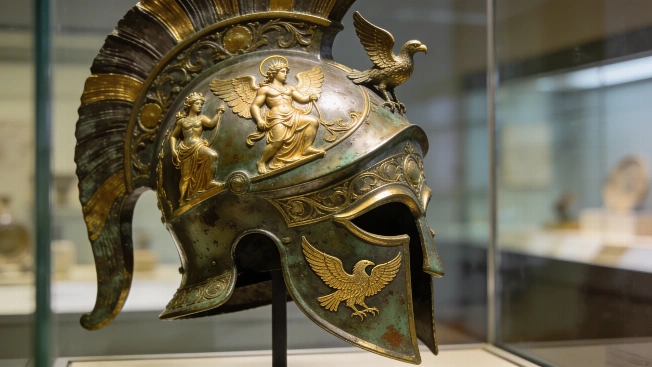
Bronze Elamite Helmet Reveals Ancient Deities and Battlefield Symbolism
A rare bronze helmet from southwestern Iran, dated to 1500-1100 BCE, features gold-plated divine figures and a raptor motif. Researchers analyze its construction, iconography, and uncertain archaeological context to interpret its significance.
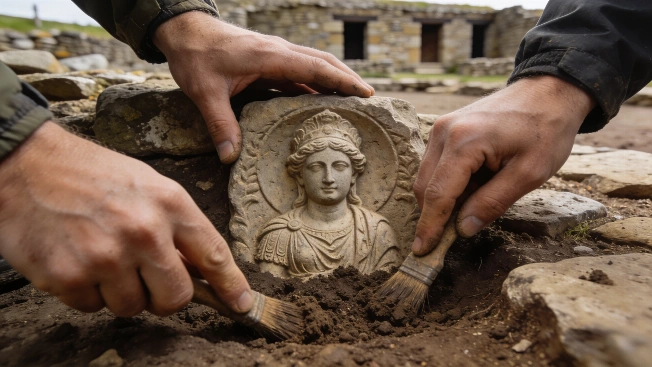
Roman Protective Deity Relief Found Beneath Vindolanda Barracks
Archaeologists at Vindolanda, a Roman fort near Hadrian's Wall, have uncovered a carved stone relief depicting a protective deity. The artifact was found beneath a fourth-century barracks floor, offering insight into ritual practices at the site.
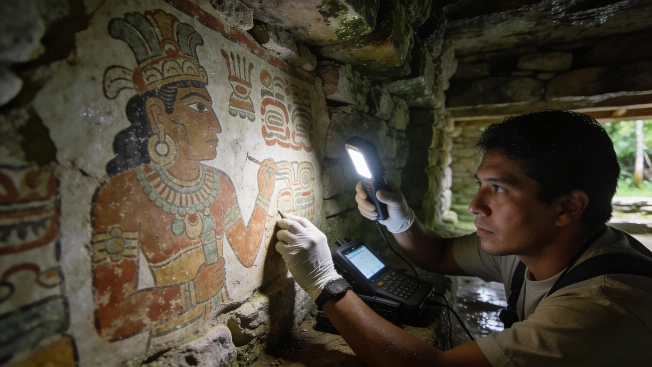
Early Maya Mural at Calakmul Depicts Mythical Hero Juun Ajaw
A mural from Structure II at Calakmul, Mexico, has been identified as one of the earliest known depictions of the Maya figure Juun Ajaw. Researchers used digital reconstruction to analyze the mural's iconography and its architectural context
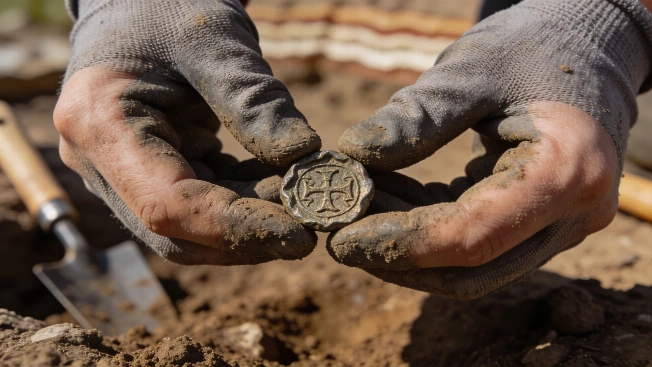
Medieval Lead Seals in Vladimir Linked to Princess Maria Vsevolzha
Archaeologists in Vladimir have uncovered rare lead seals from a medieval neighborhood, offering new evidence of Princess Maria Vsevolzha’s administrative role in pre-Mongol Rus'. The finds shed light on elite women’s authority in the 12th and 13th centuries.
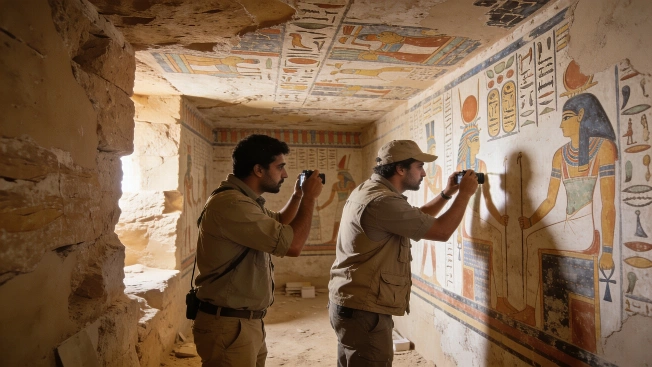
New Kingdom Tomb With Painted Walls Found at Sheikh Abd el-Qurna
Archaeologists excavating at Sheikh Abd el-Qurna on Luxor's west bank have identified a previously undocumented New Kingdom tomb, featuring painted wall scenes and inscriptions naming the owner as Paser. The find adds to the understanding of elite burial practices in Thebes.
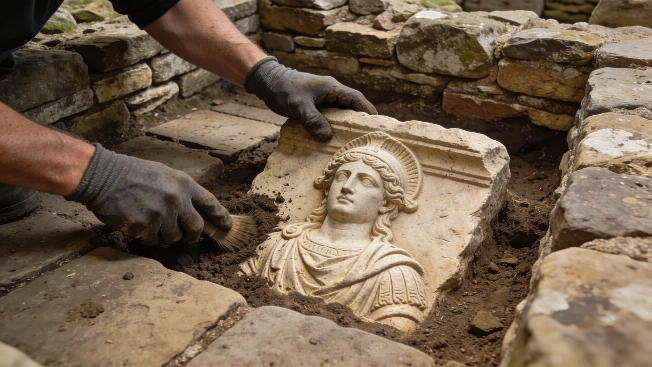
Roman Guardian Spirit Relief Found at Vindolanda Barracks
Archaeologists at Vindolanda in northern England have uncovered a rare carved sandstone relief depicting a Roman Genius, preserved beneath a fourth-century barrack floor and offering new evidence about religious practices at the site.
Part 5 of 6