
Cultural Heritage - Part 2
136 reports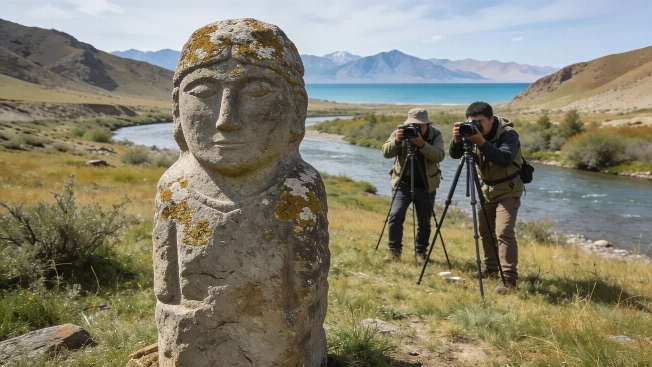
Turkic Stone Statue Documented in Dzhuuku Valley Near Issyk-Kul
A previously undocumented Turkic stone statue has been recorded in situ near Lake Issyk-Kul in Kyrgyzstan using photogrammetry, contributing to a growing digital archive of early medieval monuments and raising questions about preservation and context
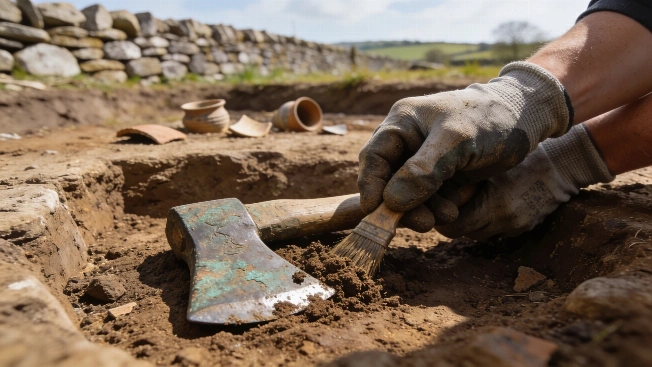
Medieval Structure and Bronze Age Axe Unearthed at Huttons Ambo
Archaeologists at Huttons Ambo have uncovered a substantial medieval building, a Bronze Age axe possibly deposited as a ritual, and wartime artifacts, offering a rare multi-period view of settlement and activity in northern England
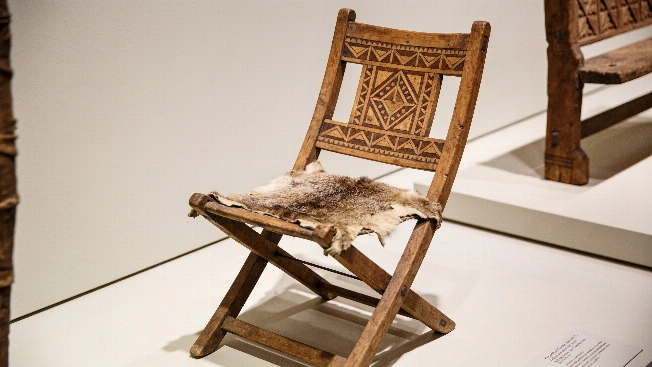
Bronze Age Folding Chair From Denmark Reveals Ancient Status Symbols
Archaeologists analyzed a 3,400-year-old wooden folding chair from a Danish burial mound using material analysis and contextual dating, revealing its role as a rare status object in Bronze Age Europe
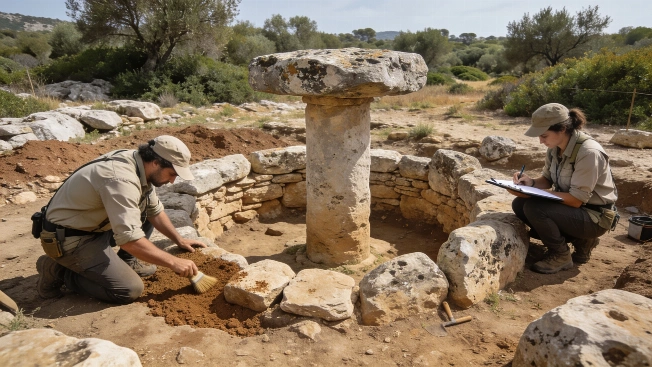
Newly Identified Talayot Alters Understanding of Son Fornés Settlement
Archaeologists at Son Fornés in Mallorca have uncovered a fourth talayot hidden beneath dense vegetation, revealing a previously unknown monumental structure and raising new questions about the diversity and chronology of Talayotic architecture at the site
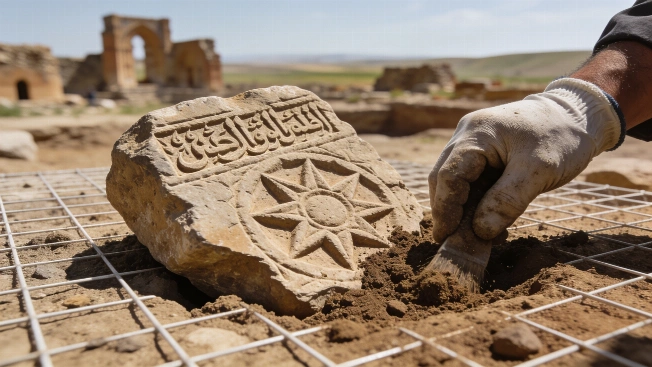
Seljuk Inscribed Stone Fragment Reveals Medieval Islamic Practice at Ani
Archaeologists at Ani in eastern Türkiye have uncovered a decorated Seljuk-era stone fragment inscribed with the name of the Prophet Muhammad in Kufic script, offering new evidence for religious and funerary traditions in medieval Anatolia
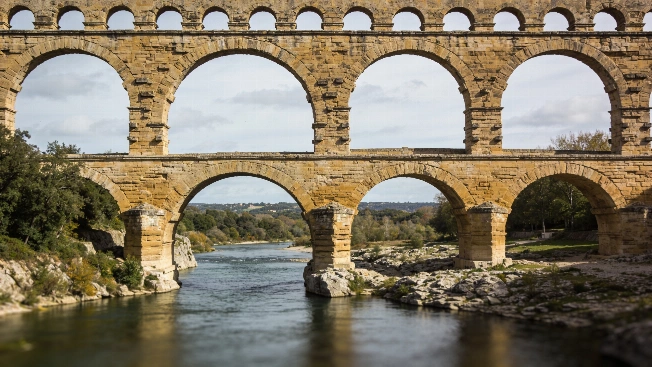
Roman Aqueducts Endured for Millennia Through Engineering and Maintenance
Archaeologists have traced the construction and survival of Roman aqueducts using evidence from preserved structures, ancient surveying tools, and maintenance records, revealing how these monumental water systems functioned and endured for centuries
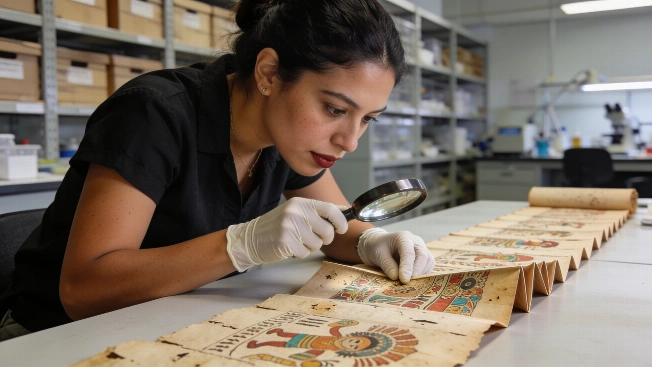
Radiocarbon Dating Confirms Pre-Conquest Date for Aubin Tonalámatl Codex
A new radiocarbon analysis of the Aubin Tonalámatl Codex places its creation firmly in the late 15th century, resolving long-standing doubts about whether this Indigenous Mexican manuscript predates Spanish colonization
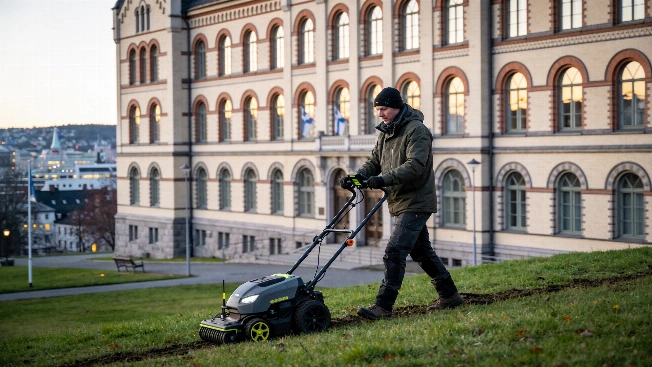
Medieval Monastery Choir Mapped Beneath Oslo Using Ground-Penetrating Radar
Archaeologists have identified the buried choir of a Franciscan monastery church beneath Oslo Hospital using ground-penetrating radar, revealing foundations, possible graves, and a lost cemetery without excavation
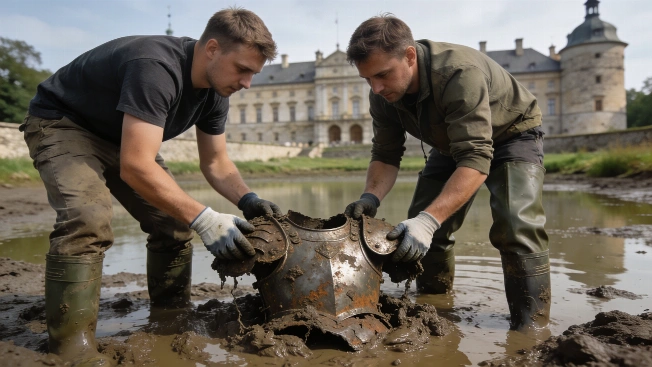
Rare 19th-Century Cavalry Armor Recovered from Polish Palace Moat
A fragment of 19th-century cuirassier armor was unexpectedly recovered from the moat of Pielaszkowice Palace in Lower Silesia, Poland, during a film-related exploration, offering new evidence of the site's turbulent Napoleonic and wartime history
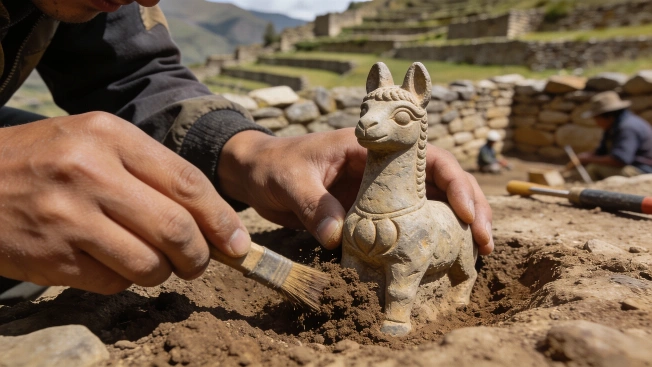
Stone Figures at Kuélap Suggest Fertility Rituals in Ancient Peru
Archaeologists at Kuélap in northern Peru have uncovered carved stone figures depicting animals with female traits, offering new evidence for fertility-related rituals and the influence of Inca religious practices at the site
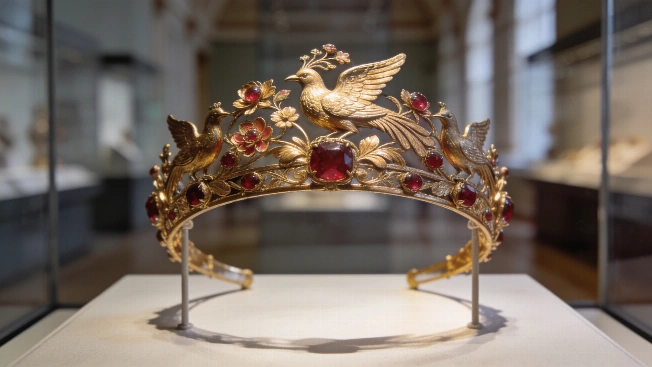
Gold Diadem from Crimea Sheds Light on Hun Elite Burial Practices
Archaeologists have examined a gold and garnet diadem from a fifth-century burial in Crimea, revealing details about Hun material culture, mortuary customs, and the artifact's symbolic motifs
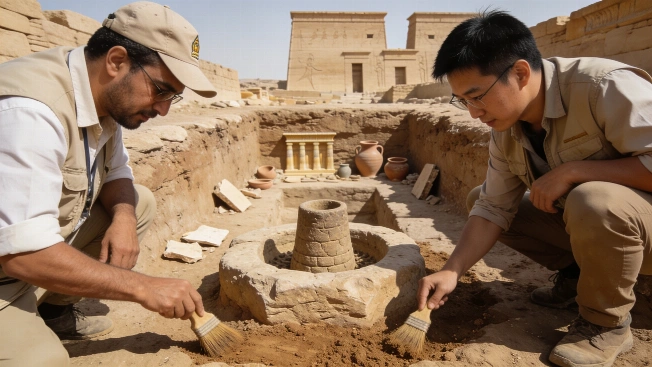
Ancient Memphis Excavation Reveals Residential Complex and Wine Press
Archaeologists working at Mit Rahina near the Temple of Sekhmet have uncovered a residential complex, a possible wine press, and artifacts spanning multiple periods, offering new evidence for daily life in ancient Memphis
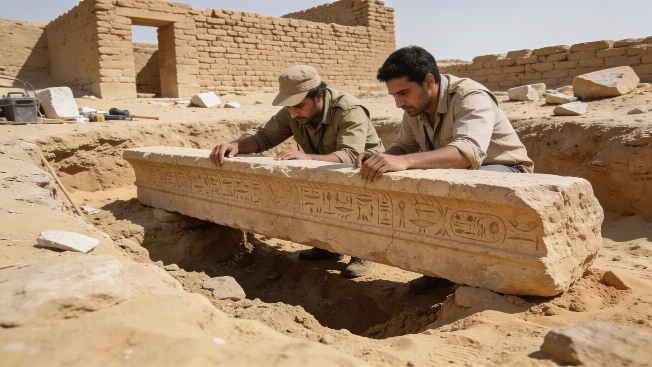
Ramesses II Inscription Hints at Location of Ancient Mesn in Sinai
Archaeologists at Tell Abu Saifi in northern Sinai have uncovered a sandstone lintel inscribed with the name of Ramesses II and a reference to Mesn, alongside temple remains reused during the Roman period, offering new clues to Egypt's eastern frontier settlements
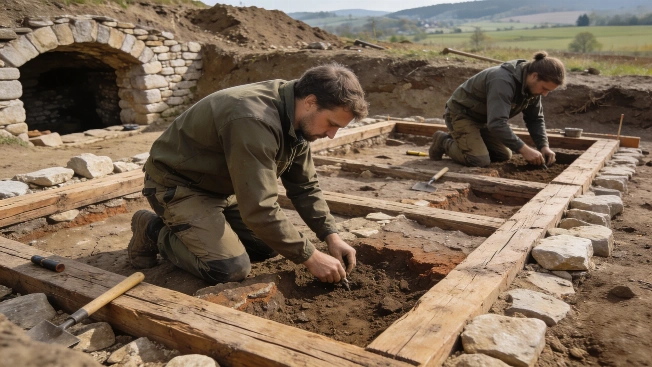
Roman Settlement at Neuenstadt Lasted Only Two Generations, Study Finds
Archaeological research at Neuenstadt am Kocher in southwestern Germany reveals that a Roman planned settlement was likely abandoned after just a few decades, with evidence pointing to instability along the empire's frontier as a possible cause
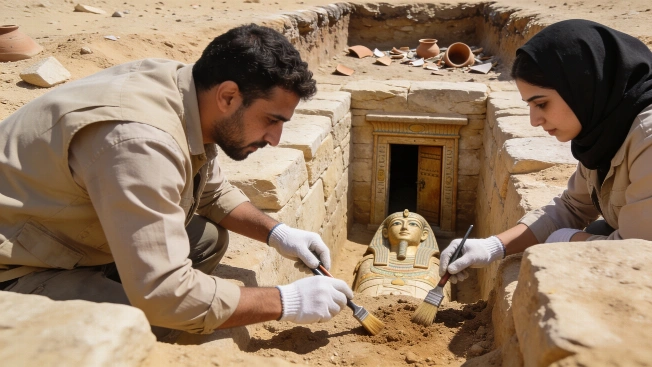
Old Kingdom Tomb and Burial Shafts Uncovered at Saqqara
Archaeologists excavating the Bubasteion necropolis at Saqqara have identified the tomb of Sakhnetio-Btah, a high-ranking Old Kingdom official, alongside a network of burial shafts containing human remains and funerary objects from multiple periods
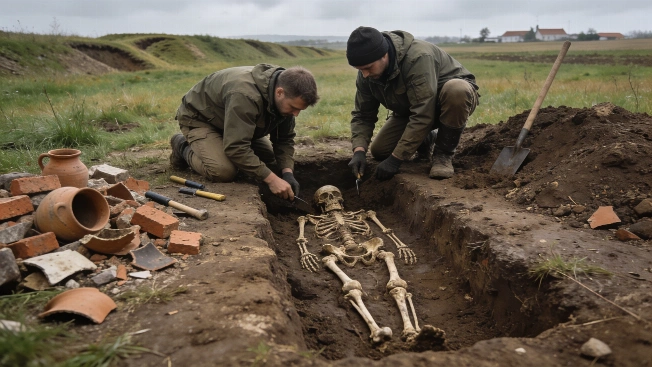
Medieval Graves Reveal Location of Lost Nyénye Settlement in Hungary
Archaeologists have identified the site of the lost medieval settlement of Nyénye near Szolnok, Hungary, by excavating graves, pottery, and building debris. The findings clarify the village's location and burial practices, but key uncertainties remain
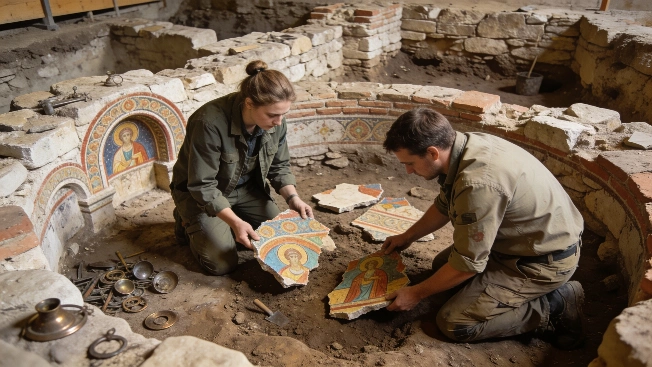
Excavation at Tokod Fortress Reveals Early Christian Church Remains
Archaeologists at the late Roman Tokod fortress in Hungary have uncovered the foundations of an early Christian church, fragments of frescoes, and a range of metal artifacts, offering new insights into religious architecture and activity at the site
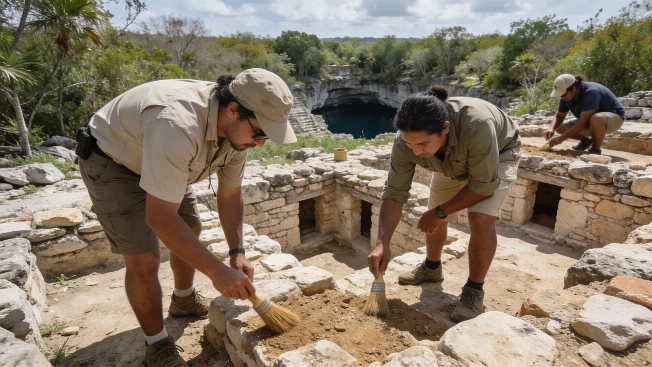
2,000-Year-Old Maya Settlement Uncovered in Yucatán Freight Rail Project
Archaeologists have identified and preserved a previously unknown Maya settlement in Yucatán, revealing 21 structures and evidence of water management. The site, excavated ahead of rail construction, offers new insight into non-elite Maya daily life.
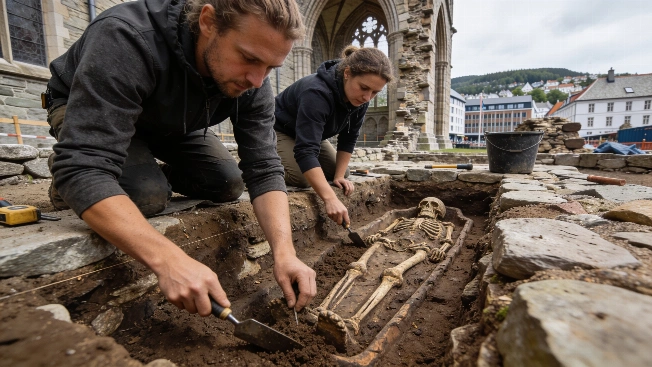
Excavation of Nonneseter Monastery Reveals Medieval Burials in Bergen
Archaeologists are excavating the choir of Nonneseter Monastery in Bergen, Norway, aiming to uncover medieval graves and artifacts that could shed light on the lives of the Benedictine community nearly 900 years ago
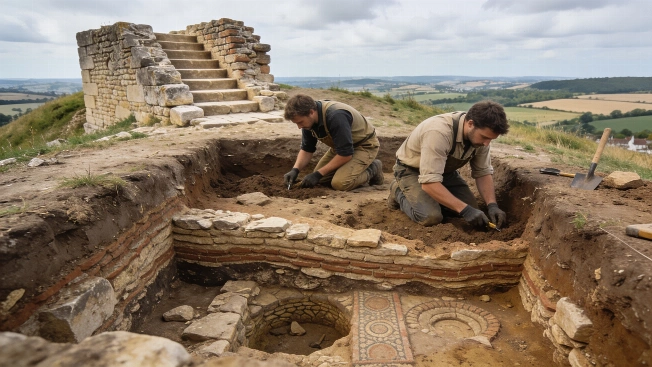
Excavation Reveals 1,500 Years of Settlement on Montbellant Hill
Archaeologists in Burgundy have uncovered deep, stratified remains on Montbellant hill, documenting the transformation from a Gallic oppidum to a medieval town through successive building phases and industrial activity
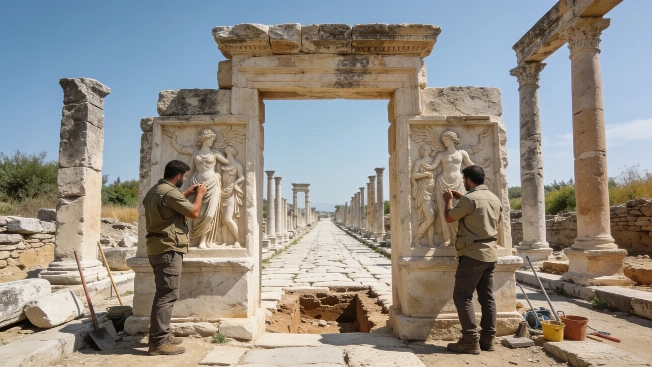
Excavation of Side's Monumental Street Reveals Centuries of Urban Change
Archaeologists have completed the excavation of a nearly 390-meter-long monumental street in the ancient city of Side, southern Turkey, documenting how its architecture and function shifted from the Roman period into Late Antiquity
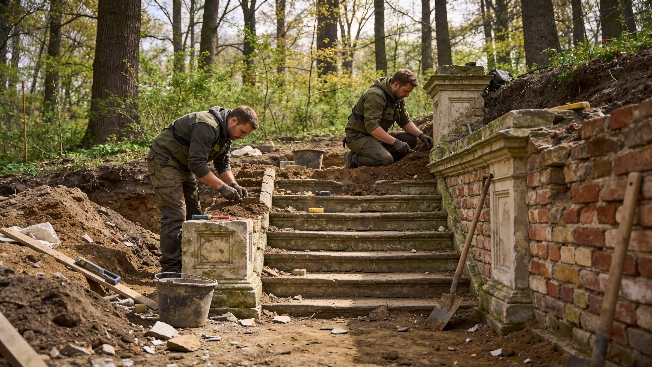
Nineteenth-Century Structures Uncovered Beneath Warsaw's Morysin Park
Archaeologists have revealed the remains of 19th-century buildings, including walls, floors, and a stone staircase, during excavations in Warsaw's Morysin Park, offering new evidence for the park's architectural history and preservation challenges
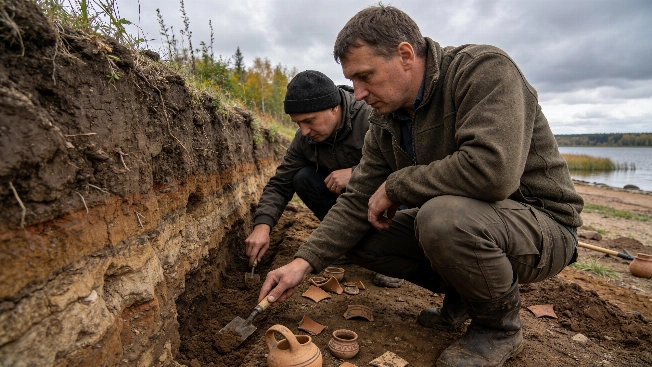
Medieval Galich Fortress Reinterpreted by New Archaeological Evidence
Recent excavations and LiDAR analysis at Galich's fortified settlements indicate that the Lower Settlement's major defenses were likely constructed in the 15th century, challenging the long-held view of a 12th-century origin
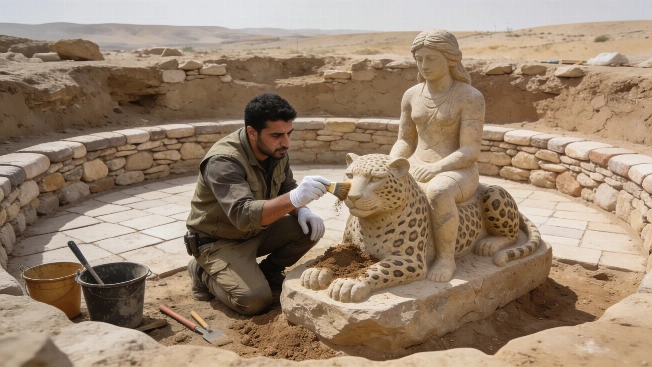
11,000-Year-Old Human-Leopard Sculpture Found at Karahantepe
Archaeologists at Karahantepe in southeastern Türkiye have uncovered a rare Neolithic stone sculpture showing a human figure seated on a leopard, offering new evidence for symbolic art and social practices in early settled communities
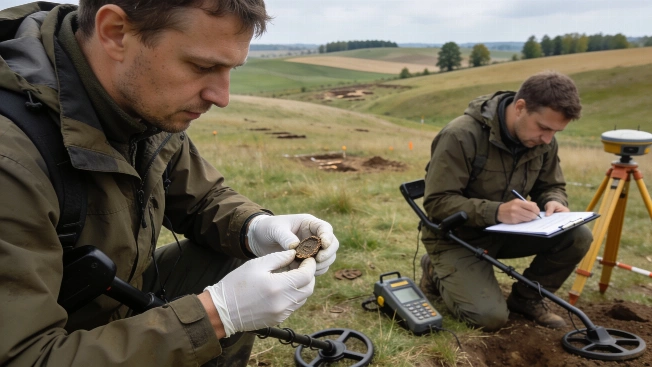
New Survey Targets Central Grunwald Battlefield for Medieval Evidence
Archaeologists and metal detectorists are conducting a targeted survey at the Grunwald battlefield in Poland, aiming to clarify the distribution of medieval artifacts and better understand the events of the 1410 conflict through systematic fieldwork
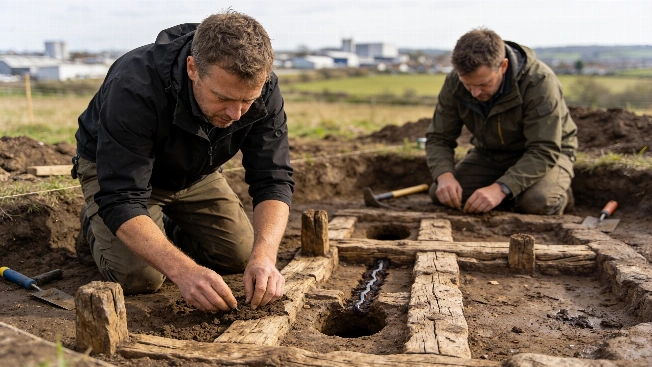
Abandoned Medieval Settlement Excavated on Halberstadt's Outskirts
Archaeologists in Saxony-Anhalt have uncovered the remains of a deserted medieval settlement, revealing sunken buildings, wells, and a complex ditch system, but remarkably few artifacts, suggesting an organized abandonment
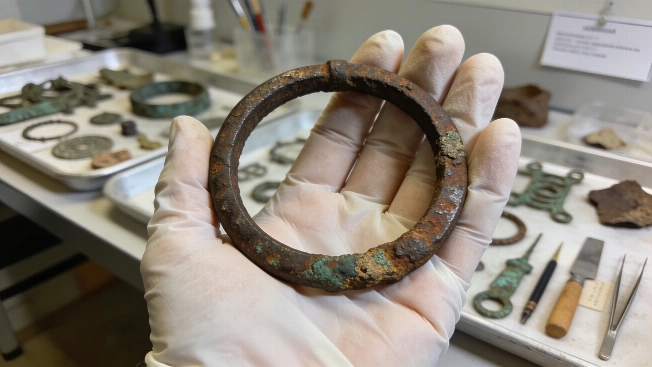
Ancient Greek Rings Reveal Use of Meteorite Iron in Elite Burials
Analysis of Bronze and Early Iron Age rings from Greece shows that some were crafted from meteoritic iron, suggesting the rare metal was valued by Minoan and Mycenaean elites long before iron smelting became common
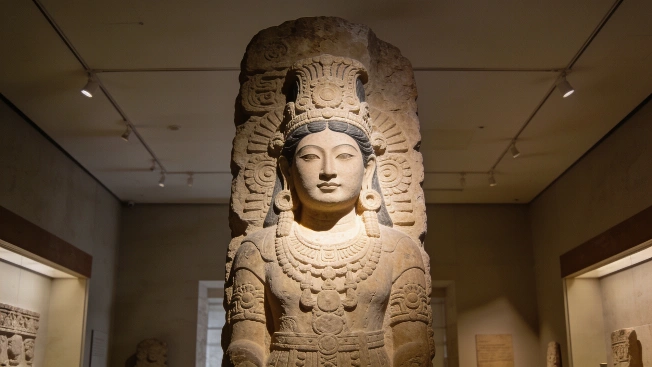
Limestone Stela Reveals Maya Queen's Power in 7th-Century Guatemala
Archaeologists have reconstructed a monumental limestone stela from El Perú-Waka' in Guatemala, depicting Lady K'abel, a Maya ruler, and revealing new evidence about her political and military authority at the end of the seventh century CE
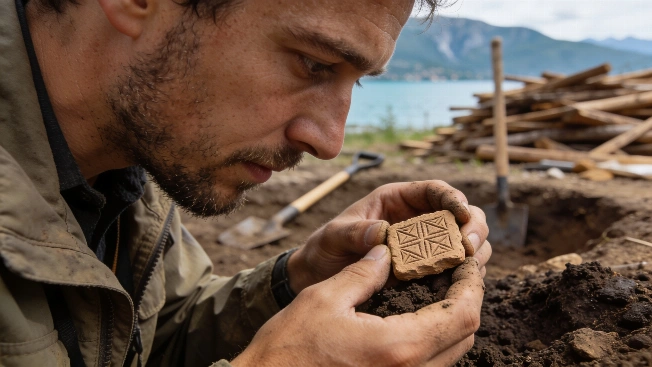
4,000-Year-Old Clay Tablet With Geometric Markings Found Near Lake Garda
Archaeologists working at Lucone di Polpenazze in northern Italy have uncovered a 4,000-year-old clay tablet inscribed with geometric patterns, deepening questions about the function and meaning of these enigmatic Bronze Age artifacts
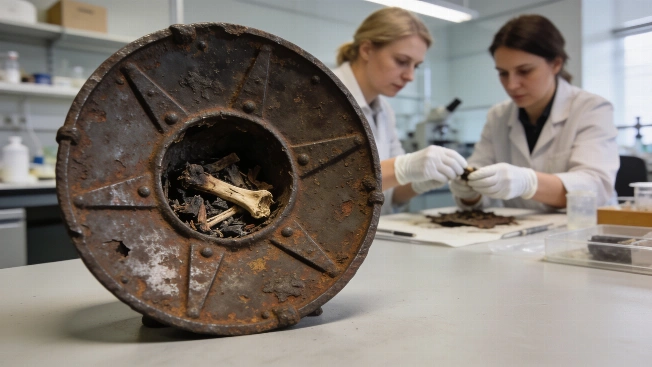
Iron Shield Boss With Cremated Remains Found in Polish Scrap Yard
A corroded iron shield boss containing cremated human bone was recovered from a scrap yard in eastern Poland, offering rare evidence of a disturbed 2nd-century CE Przeworsk culture burial and highlighting the challenges of reconstructing lost archaeological contexts
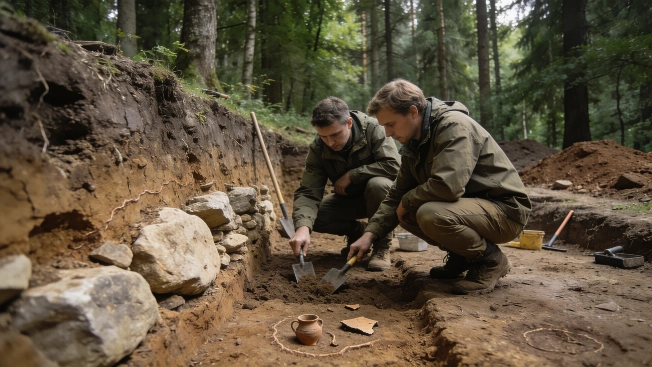
5,500-Year-Old Megalithic Tomb Excavated in Western Poland
Archaeologists have begun targeted excavations of a large earthen mound near Wyrzecz, western Poland, revealing evidence for a monumental tomb built by early farming communities over five millennia ago using megalithic construction techniques
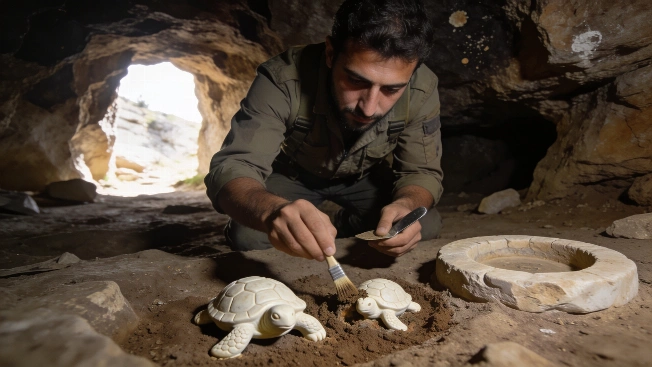
Ice Age Turtle Figurines Suggest Ritual Activity in Northwestern Türkiye
Archaeologists have uncovered 25 limestone turtle figurines at İn Cave in Bilecik Province, Türkiye, dating to 14,500-11,200 BCE, offering rare evidence for symbolic or ritual practices among Epipalaeolithic hunter-gatherers
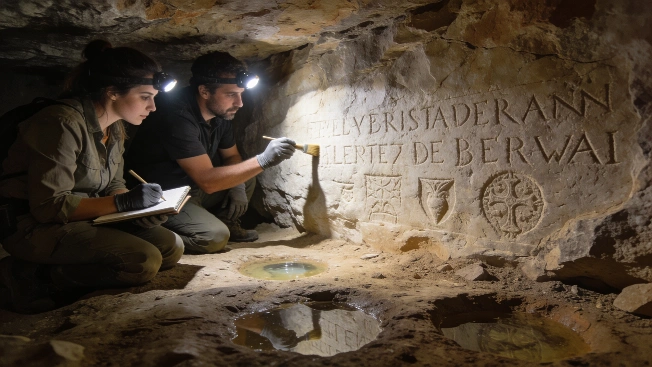
Roman-Era Cave in Spain Yields Over 120 Latin Inscriptions
Archaeologists have recorded more than 120 Latin inscriptions in Cova de les Dones, a cave sanctuary near Valencia, Spain, revealing evidence of a Roman-period cult focused on a mysterious goddess known as 'the Lady.'
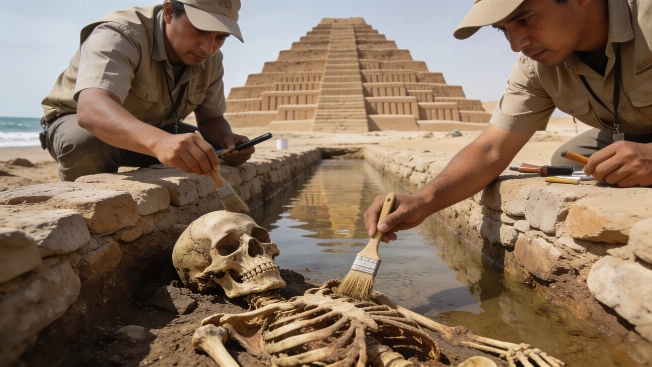
1,400-Year-Old Skeleton in Lima Water Channel May Indicate Ritual Burial
Archaeologists have uncovered a human skeleton in an underground water channel at Huaca Pucllana, Lima, Peru, dating to around 650 CE. The find may shed light on pre-Inca ritual practices and the use of water features in ceremonial contexts.
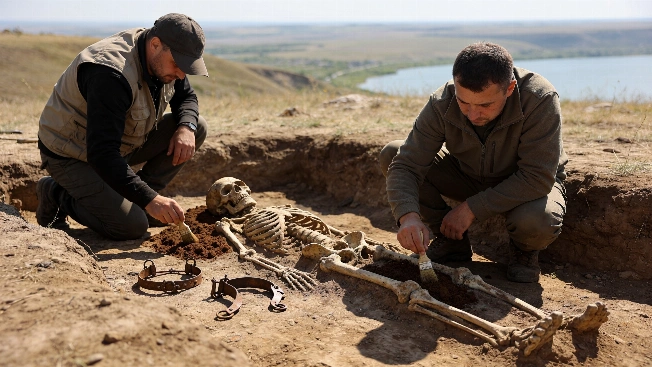
Roman-Era Burials and Iron Age Harness Unearthed in Odesa Region
Excavations at the Kartal hillfort in Ukraine's Odesa Oblast have revealed Roman-period graves and a rare Early Iron Age horse harness, providing new evidence for cultural interaction and repeated occupation in the lower Danube region
Part 2 of 4