
Archaeology & Human Origins - Part 8
302 reports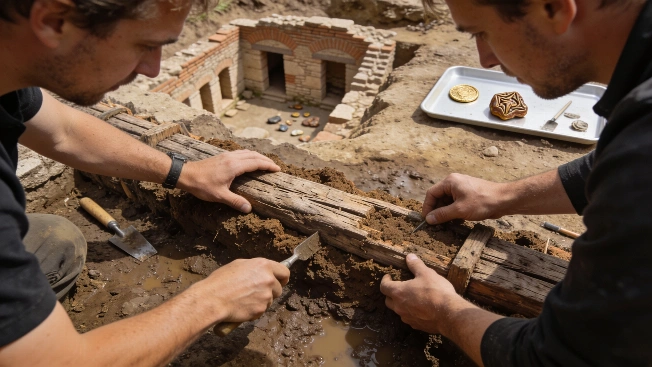
Early Roman Defenses and Rare Finds Unearthed at Vindonissa Camp
Archaeologists at Vindonissa, Switzerland's basic Roman legionary camp, have uncovered the first confirmed section of its original defensive wall and a legionary barracks, along with a rare gold coin. The finds offer new evidence of the site's earliest military occupation.
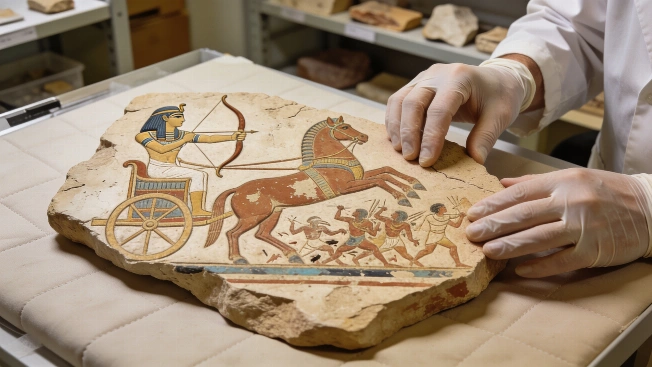
Ancient Egyptian Relief Fragment Shows Pharaoh Overcoming Foreign Foes
A painted sandstone relief from Luxor, created during the reign of Amenhotep II, depicts an Egyptian pharaoh defeating western Asian soldiers. Later reused in a temple foundation, the artifact offers understanding into royal iconography and material reuse.
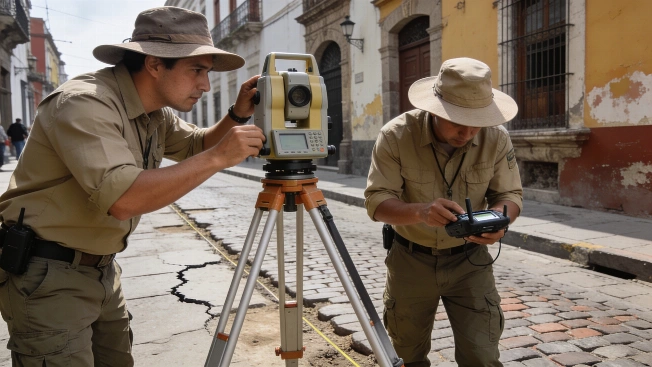
Aztec Sacred Precinct Mapped Beneath Mexico City Streets
Archaeologists have completed a detailed altimetric survey of Mexico City's historic center, revealing subtle surface changes that may correspond to buried Aztec ceremonial structures and informing future heritage protection.
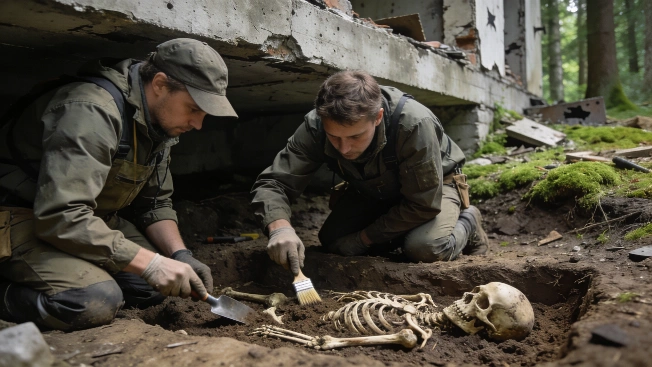
Excavation Reveals Göring's Wolf's Lair Residence Built Over Cemetery
Archaeologists investigating human remains beneath Hermann Göring's former house at the Wolf's Lair have determined that the Nazi-era structure was built atop a pre-existing cemetery. Stratigraphic and osteological analysis helped clarify the context of the remains.
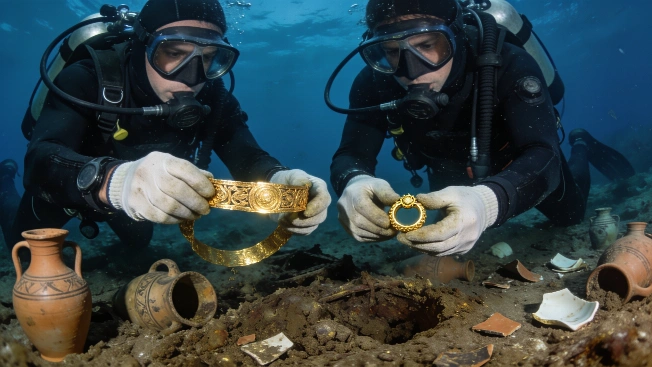
Byzantine Gold Regalia and Imperial Ring Found in Adriatic Shipwreck
Archaeologists have recovered gold ceremonial belts and imperial coins, along with a rare signet ring, from a Byzantine shipwreck off Croatia's Mljet island. The finds offer new evidence of elite travel and trade across the Adriatic in the early Middle Ages.
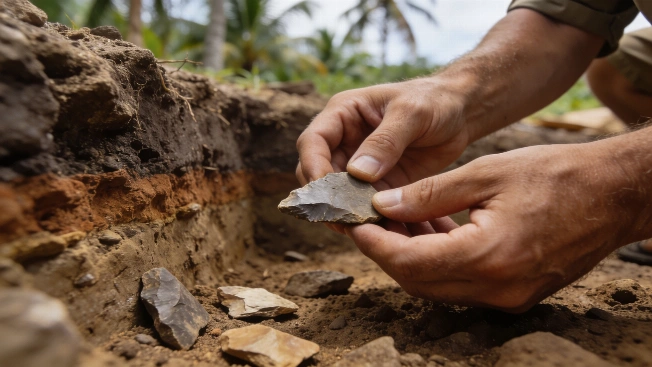
Stone Tools Reveal Early Human Technology Beyond Homo sapiens
Archaeologists use the term lithics to describe stone artifacts found at ancient sites. Recent discoveries in Indonesia show that stone tool production predates Homo sapiens, challenging earlier assumptions about the origins of human technology.
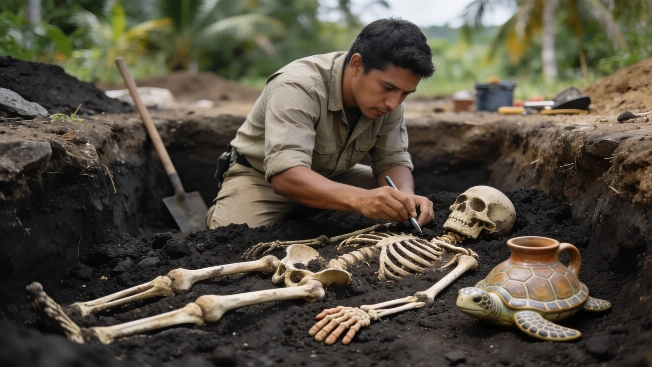
2,800-Year-Old Prone Burial With Sea Turtle Vessel Found in El Salvador
Archaeologists excavating in Antiguo Cuscatlán, El Salvador, have uncovered a 2,800-year-old burial featuring a face-down skeleton and a ceramic vessel shaped like a sea turtle, offering new evidence about mortuary practices in pre-Maya Mesoamerica.
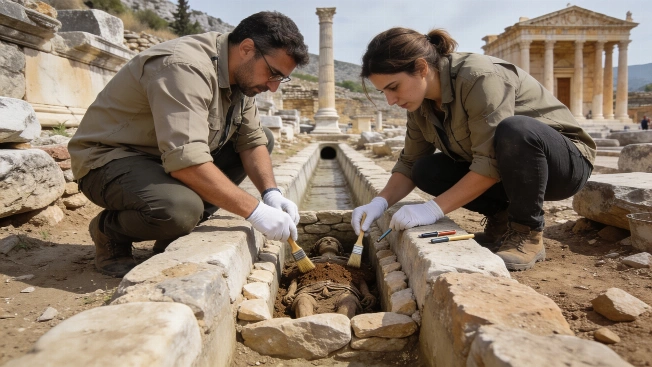
Byzantine-Era Twin Infant Burial Discovered Near Temple of Artemis
Archaeologists have identified a 1,200-year-old grave containing two premature infants near the Temple of Artemis at Ephesus, Turkey, revealing rare evidence of twin burial and a genetic anomaly in one skeleton
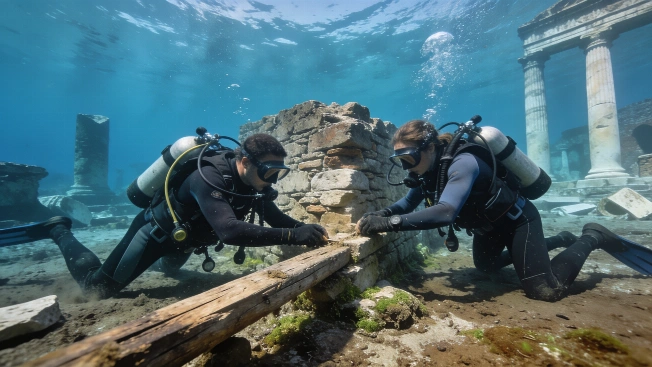
Submerged Roman Port at Puteoli Reveals Ancient Trade Infrastructure
Archaeologists are mapping the underwater remains of Puteoli, Rome's early commercial port, using advanced survey methods to document warehouses and workshops, as well as a rare Nabataean temple preserved beneath the Bay of Naples.
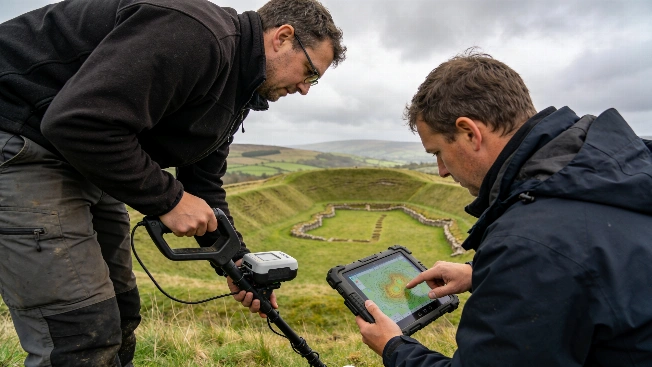
Haughey's Fort Reveals Monumental Bronze Age Power Center in Ireland
A new study at Haughey's Fort in County Armagh, combining lidar and geophysics with excavation, has identified more than 200 timber structures and a vast enclosure, challenging assumptions about prehistoric Ireland's social complexity.
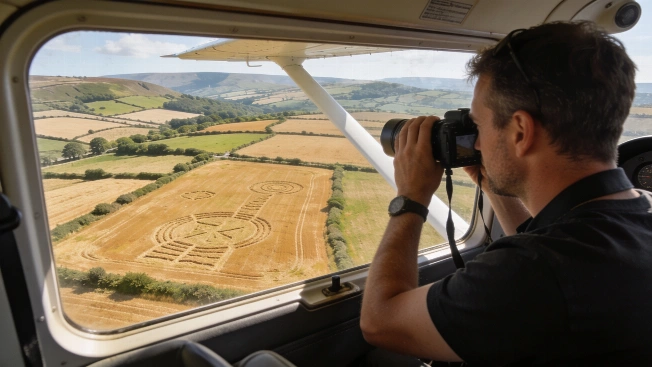
Heatwave Uncovers Ancient Monuments and Buried Sites Across Wales
Aerial archaeological surveys during an extended Welsh heatwave revealed prehistoric barrows, Iron Age enclosures, Roman buildings and First World War trenches as cropmarks and parchmarks, offering new understanding into the region's archaeological field.
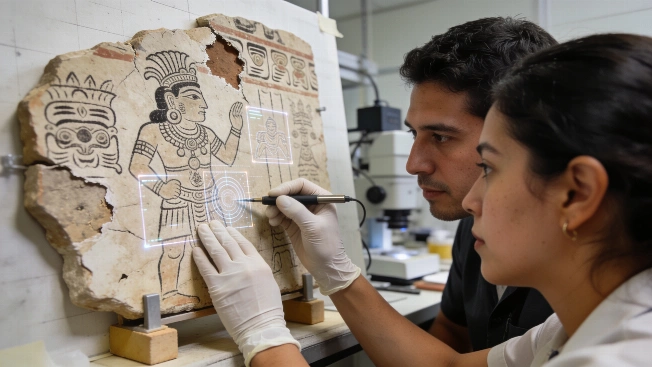
Earliest Maya Calendar Writing Identified at Calakmul Mural
Archaeologists have reconstructed a deteriorated mural from Calakmul, Mexico, revealing the earliest known calendrical inscription at the site. The find adds evidence of early Maya writing traditions and ritual practice in the Late Preclassic period.
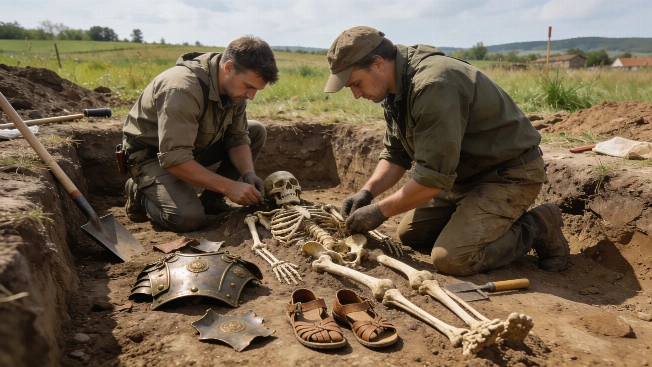
Roman Military Camp in Slovakia Reveals Unusual Soldier Burials
Archaeologists have identified a large Roman military camp near Šurany, Slovakia, containing hastily buried remains of soldiers and military equipment, offering new evidence for Roman campaigns during the Marcomannic Wars.
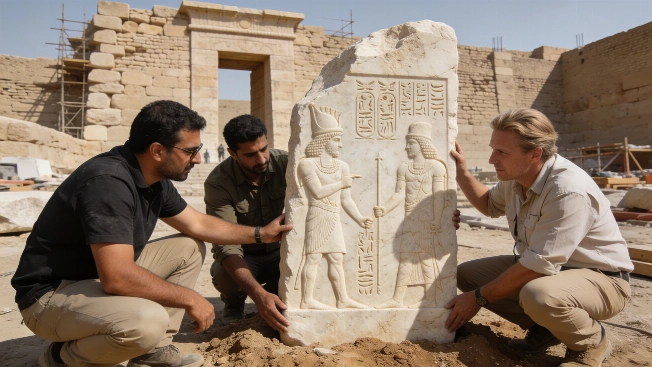
Assyrian Royal Stele Discovered at Nineveh's Sun Gate
Archaeologists working at the Sun Gate of ancient Nineveh have uncovered a monumental Assyrian stele inscribed with records of King Ashurbanipal's building projects, offering new evidence for royal activity in the seventh century BCE
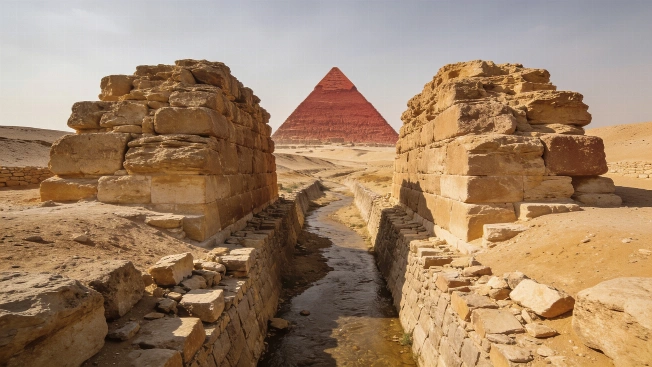
Ancient Dams Near Egypt's Red Pyramid May Reveal Water Management
A new study reinterprets two large stone structures near the Red Pyramid at Dahshur as ancient dams, not ramps. Using satellite imagery and hydrological modeling, researchers propose that the structures formed part of a sophisticated water-management system more than 4,500 years ago.
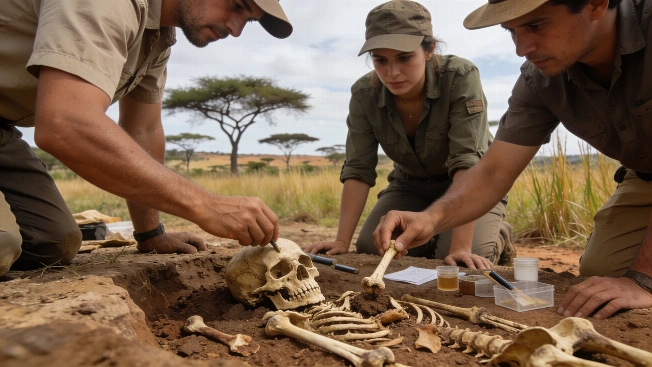
Isotope Evidence Reveals Maize-Based Farming in Ancient Brazilian Cerrado
Analysis of stable isotopes from over 100 individuals across 37 archaeological sites in Brazil's Cerrado shows that some large precolonial communities relied on maize-based polyculture, challenging assumptions about Indigenous subsistence in tropical South America
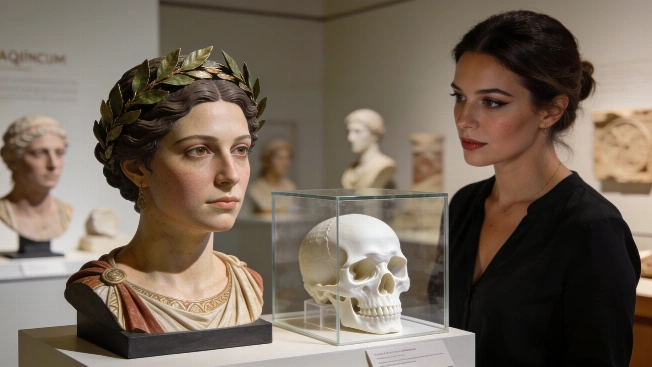
Facial Reconstructions Reveal Roman-Era Lives at Aquincum, Hungary
Researchers combined DNA analysis with forensic modeling, using 3D-printed skulls to reconstruct the faces of 16 people buried near the Roman frontier city of Aquincum, offering new insights into population diversity and daily life nearly 1,700 years ago
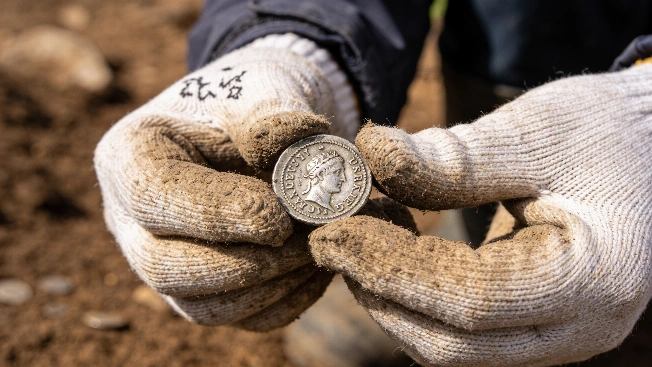
Roman Republican Silver Coins Reveal Early Cross-Border Exchange
A newly documented hoard of Roman Republican silver denarii found near Halle, Saxony-Anhalt, offers rare evidence of early contact and exchange between the Roman Republic and communities beyond its northern frontier.
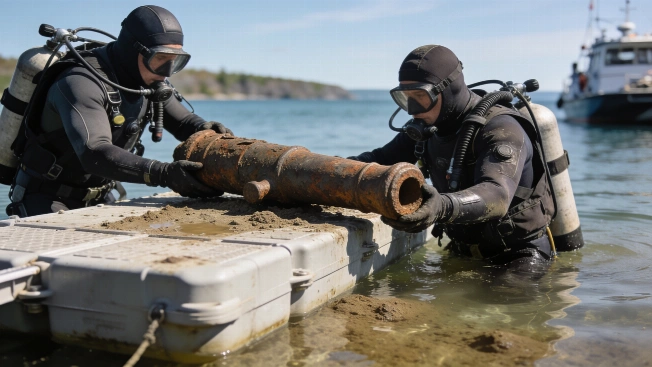
Final Revolutionary War Cannon Fragment Recovered from Lake Champlain
Archaeologists have retrieved the last known fragment of a Revolutionary War-era cannon from Lake Champlain, closing a decades-long search and adding physical evidence to the archaeological record of the Battle of Valcour Island.
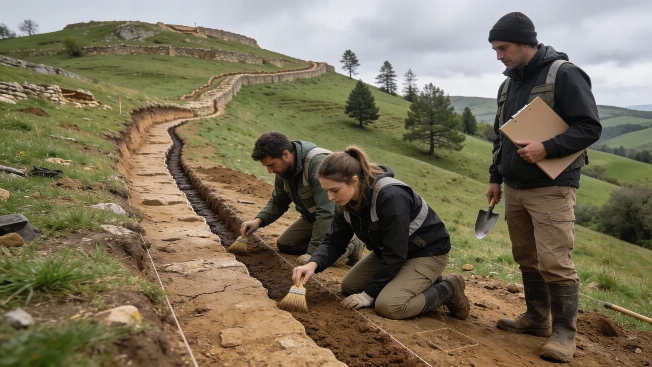
Roman Siege Network at La Loma Larger Than Previously Known
Archaeologists have identified a seventh Roman military camp near the Iron Age hill fort of La Loma in northern Spain, revealing a more extensive siege network during the Cantabrian Wars than earlier evidence suggested
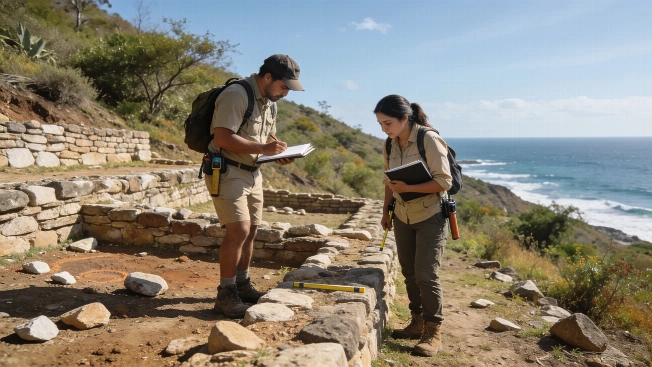
Indigenous Settlements in Guerrero Survived Spanish Conquest
Archaeologists in Mexico have identified two Indigenous settlements in Guerrero that remained occupied after the Spanish conquest. Ground surveys and drone mapping documented evidence of their survival into the late 16th century.
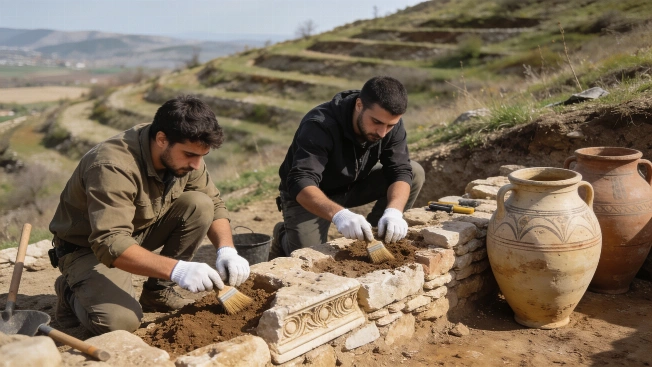
Hellenistic Ritual Dining Complex Uncovered at Gradište in North Macedonia
Archaeologists have identified a rare Hellenistic ritual dining complex at Gradište, North Macedonia, offering evidence of elite religious practices and extensive trade, including imported ceramics, during the fourth and third centuries BCE
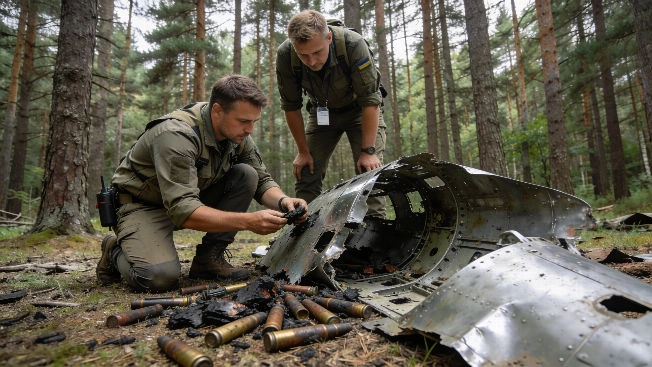
Possible WWII RAF Aircraft Remains Found Near Świnoujście Forest
Archaeologists are investigating a debris field in woodland near Świnoujście, Poland, where aircraft fragments and ammunition suggest a possible Allied wartime crash. The site's context and material evidence are now under formal examination.
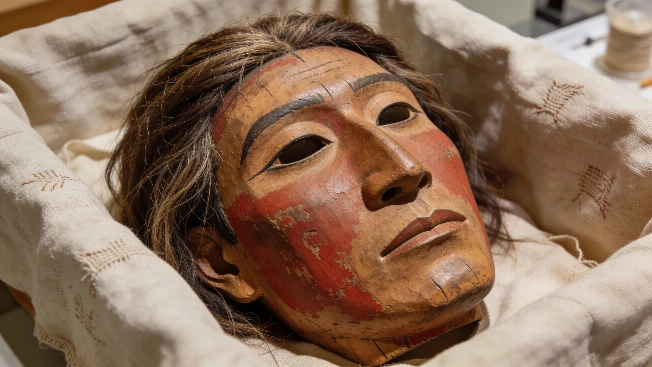
Chancay Mummy Mask Reveals Ancient Funerary Practices in Peru
A wooden mask with human hair and cinnabar pigment, crafted by the Chancay people between 1000 and 1450 CE, offers new insight into pre-Inca mortuary traditions and the use of symbolic 'false heads' in Andean burial bundles
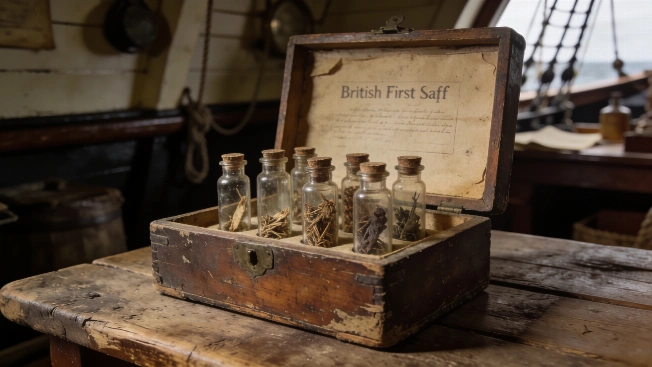
Modeling Study Traces 1789 Smallpox Outbreak to British Arrival
A new modeling study uses historical and epidemiological data to argue that the 1789 smallpox epidemic among Indigenous Australians likely began with British medical material brought by the First Fleet, challenging earlier theories of a northern introduction.
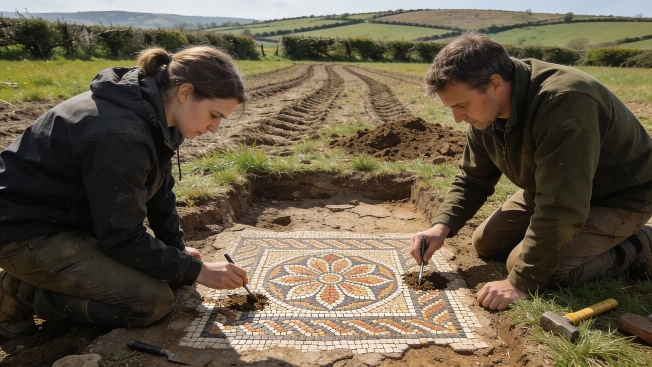
Roman Mosaic Uncovered at Devon Villa Site After 16 Years of Investigation
Archaeologists have excavated a Roman mosaic beneath farmland in Devon, England, after 16 years of investigation, revealing a rare decorated floor from a villa complex. The find offers new evidence of Roman presence in a region where such sites are uncommon.
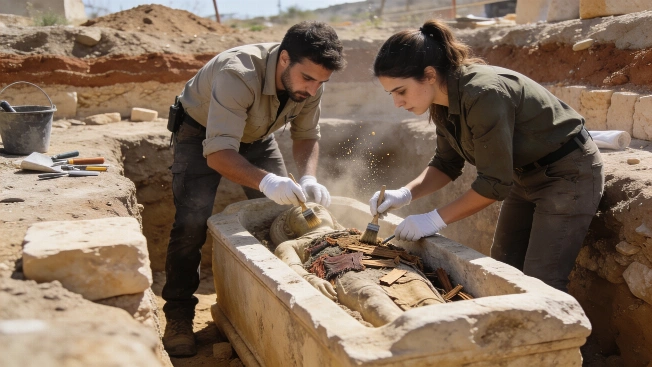
Archaic Necropolis in Southern Italy Yields Rare Organic Artifacts
Archaeologists have uncovered a 6th-century BCE necropolis beneath Gragnano, Italy, preserving organic materials and imported grave goods that reveal new details about elite burial practices and Mediterranean trade in pre-Roman Campania
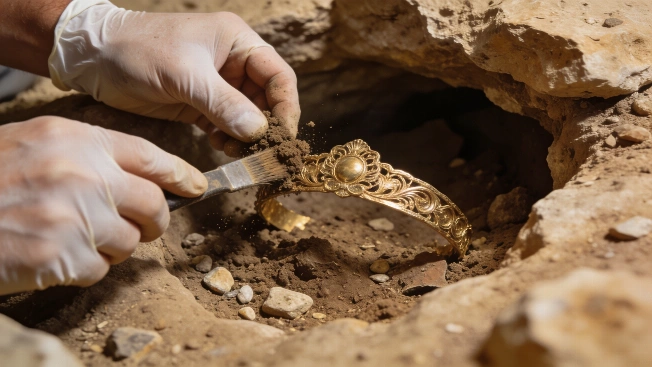
Cypriot Gold Ornaments Reveal Ancient Mediterranean Connections
Archaeologists have analyzed a cache of 3,400-year-old gold ornaments from chamber tombs at Hala Sultan Tekke, Cyprus, finding evidence of local craftsmanship shaped by Egyptian, Mycenaean, Minoan and Near Eastern traditions.
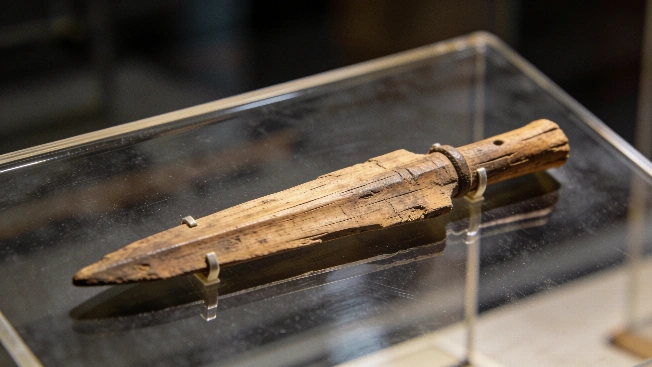
How Archaeologists Trace the Oldest Known Weapons in Human History
Archaeologists have identified several contenders for the world's oldest weapon, including wooden spears and stone points from sites in Africa and Europe. Context and material evidence, including wear patterns, help distinguish weapons from other ancient tools.
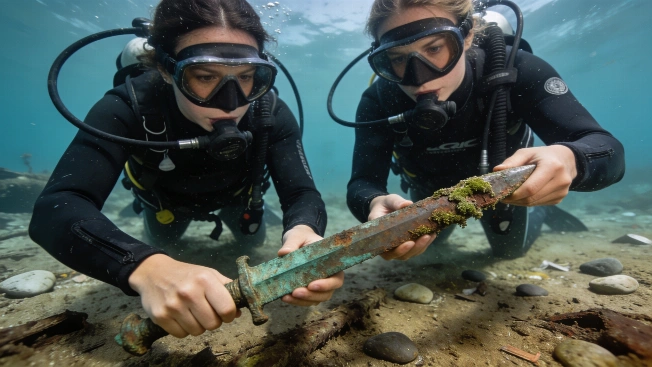
Bronze Age Sword Recovered from Protected Wreck off Devon Coast
A 3,000-year-old Bronze Age sword has been recovered by volunteer divers from the Salcombe Cannon and Moor Sand sites off south Devon, offering new evidence for prehistoric maritime activity and trade in the region
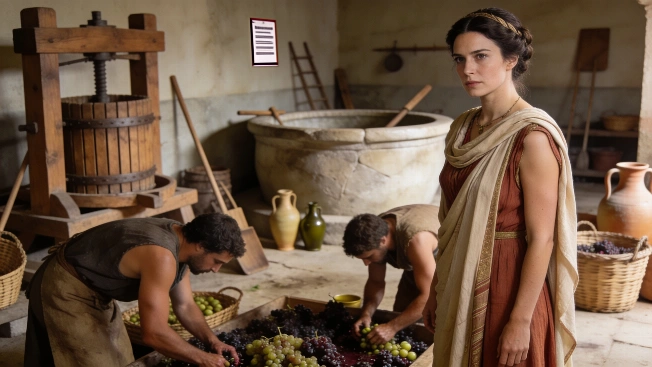
Roman Female Farm Managers Oversaw Wine and Oil Production
A new analysis of Roman-era texts and archaeological evidence reveals that women known as vilicae managed large-scale wine and olive oil production, challenging the long-held view that their roles were limited to domestic tasks
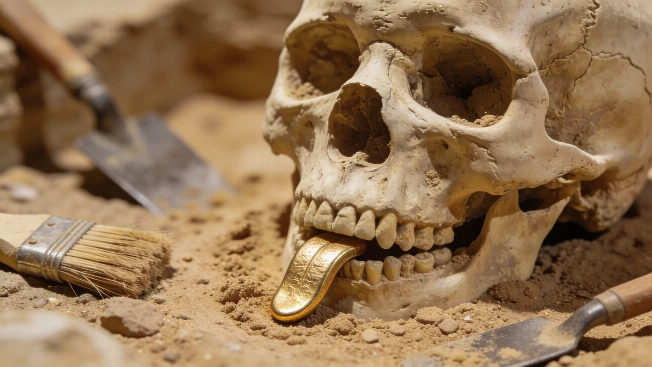
Gold Tongues in Egyptian Tombs and a New Monkey in Congo
Archaeologists have uncovered 18 tombs in Egypt containing gold tongue amulets, while researchers in the Congo rainforest have identified a new monkey species. These discoveries highlight both the complexity of ancient mortuary practices and the ongoing potential for finding new species.
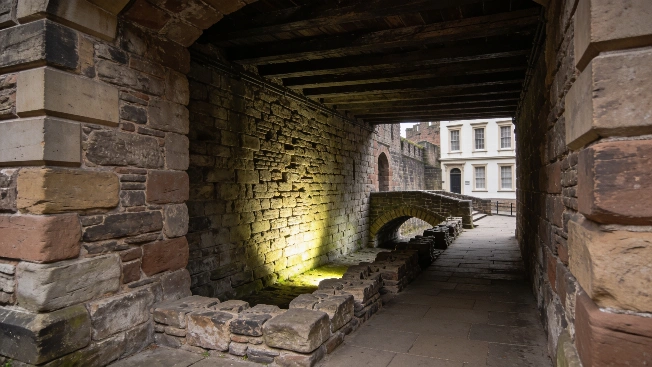
Digital Survey Reveals Medieval Bridge Remains at Chester Castle
Archaeologists using advanced digital scanning have identified the remains of a 13th-century bridge beneath Chester Castle in England, challenging previous assumptions about the site's medieval architecture and preservation
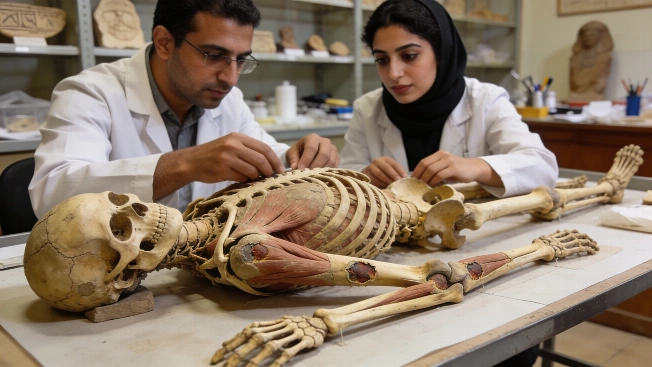
Ancient Egyptian Princesses Show Evidence of Skilled Archery
Bioarchaeological analysis of Middle Kingdom royal women from Dahshur reveals skeletal adaptations consistent with regular archery and hunting, challenging assumptions that weapons in their tombs were only symbolic
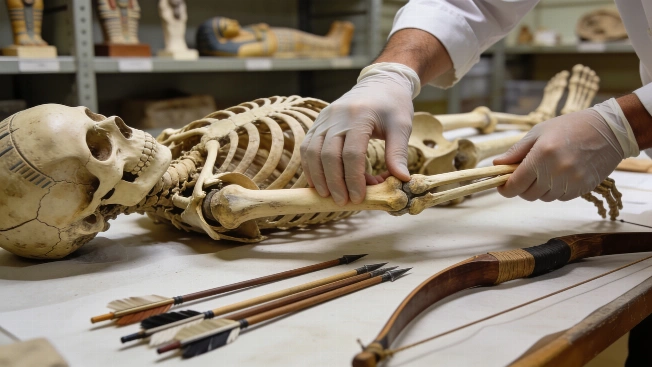
Muscle Marks on Egyptian Royal Women Suggest Weapon Use, Study Debated
Analysis of nearly 4,000-year-old skeletal remains from Egypt's Middle Kingdom reveals pronounced upper-body muscle attachments in several royal women. Researchers propose these changes may reflect archery or weapon training, but experts urge caution
Part 8 of 9