
Reinforcement Learning
27 reportsThe research story of Reinforcement Learning is traced through data requirements, together with optimization procedure and evaluation metrics. Claims involving optimization procedure are weighed against controlled benchmarks and checked with ablation studies; the account does not overlook that headline accuracy can hide distribution shifts, bias, or unstable behavior.
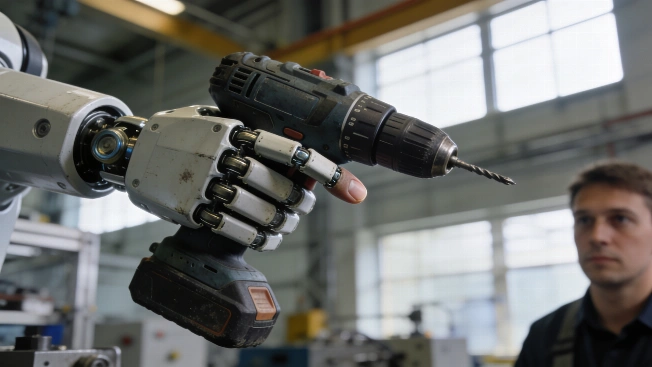
Atlas Gets Four Fingers for Industrial Robot Work
Boston Dynamics unveiled a four-finger, 13-degree-of-freedom hand for Atlas on October 1, 2026. The company says the directly actuated design can reorient objects, recover from slipping grasps and operate demanding industrial tools.
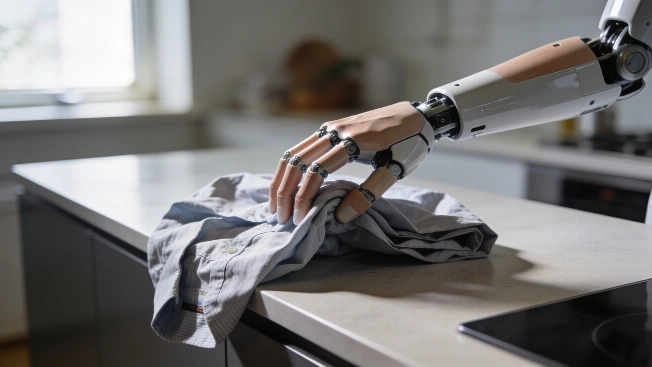
Robotic Hands Struggle With Real Objects Despite Athletic Feats
Humanoid robots can now perform acrobatics and dance routines but still fail at reliably folding laundry or handling fragile objects. New research highlights why tactile sensing and unpredictable environments remain unsolved barriers.
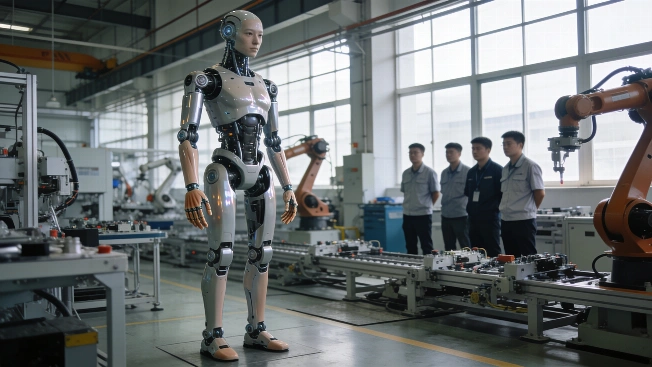
XPeng begins mass production of IRON humanoid robot in Guangzhou
XPeng has started manufacturing its IRON humanoid robot at a dedicated facility in Guangzhou, aiming to scale up production with automated lines as rivals like Tesla face delays in bringing similar robots to market.
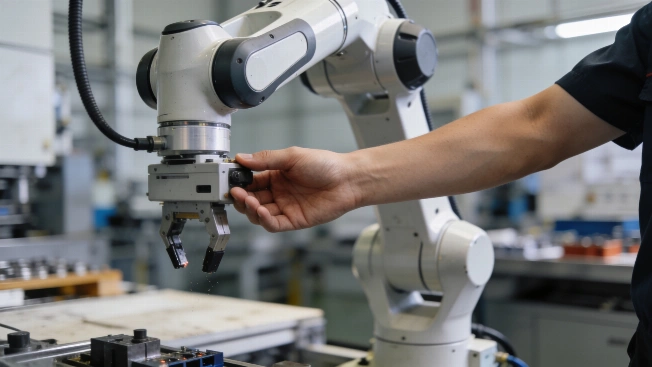
AGIBOT releases real-world robot failure data for embodied AI research
AGIBOT has published the WORLD 2026 dataset, offering over 11000 real-world robot task trajectories-including failures and human interventions-to support reinforcement learning and embodied AI beyond curated demonstrations
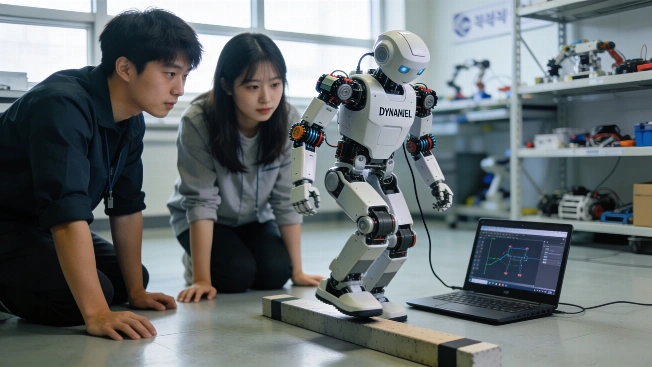
ROBOTIS Open Humanoid GYM Lets Students Train Robots With Real Hardware
ROBOTIS has launched the Open Humanoid GYM Project, giving university teams direct access to humanoid robots and simulation tools for hands-on AI behavior development, bridging the gap between virtual training and physical deployment
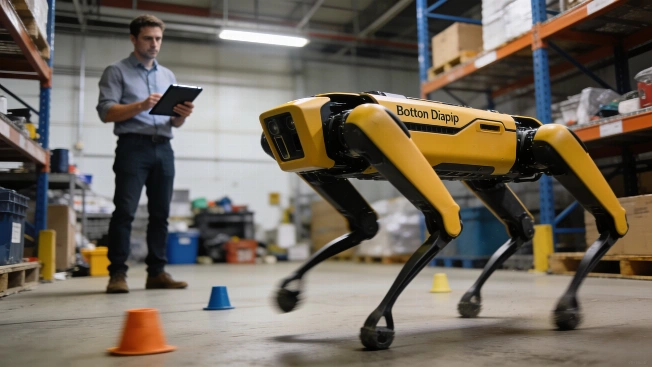
NVIDIA's COMPASS Framework Targets Faster Robot Navigation Training
NVIDIA's COMPASS system combines pretrained navigation models, reinforcement learning, and AI agents to adapt robot movement across machines and environments, aiming to reduce retraining time while keeping human oversight in the loop
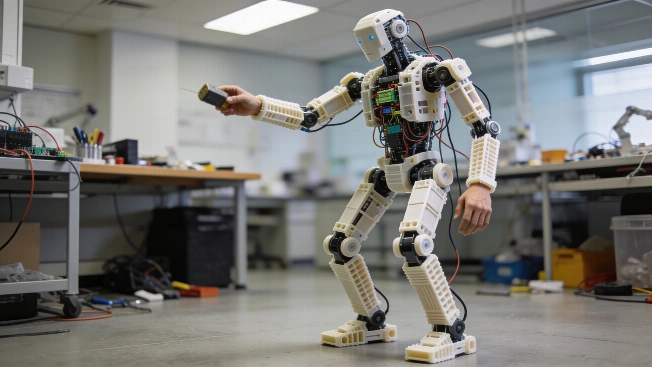
Berkeley Humanoid Lite Uses 3D-Printed Actuators to Slash Robot Costs
A research team at UC Berkeley has released the open-source Berkeley Humanoid Lite, a customizable robot platform built with 3D-printed actuators and off-the-shelf parts, aiming to lower the barrier to humanoid robotics research and experimentation
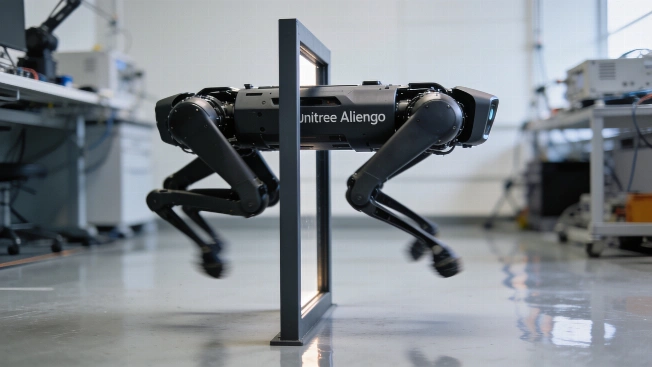
Quadruped Robot Demonstrates Dynamic Leaping Through Tight Spaces
A research team has built a hierarchical reinforcement learning system that enables a four-legged robot to leap through narrow gates at speed, coordinating vision and movement in real-world tests inspired by animal agility
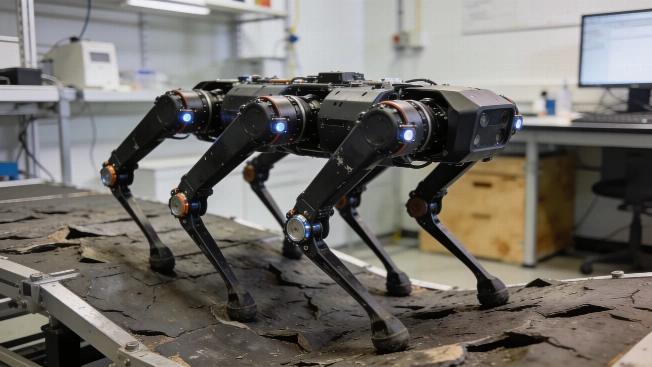
Six-Legged Robot Learns Adaptive Walking From Stick Insect Movements
A research team has developed a six-legged robot that uses AI to learn walking strategies from stick insect movement data, enabling it to adapt to uneven terrain and physical damage in laboratory tests
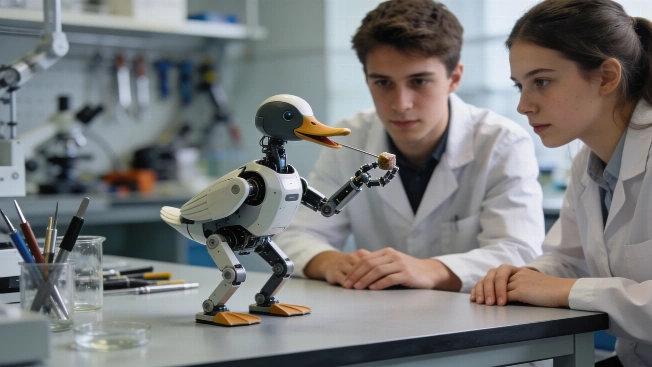
Hugging Face and Pollen Robotics Launch Open-Source Microduck Robot
Hugging Face and Pollen Robotics have introduced Microduck, a $399 open-source bipedal robot designed for hands-on AI and reinforcement learning research, with pre-orders open and shipments planned before Christmas 2026
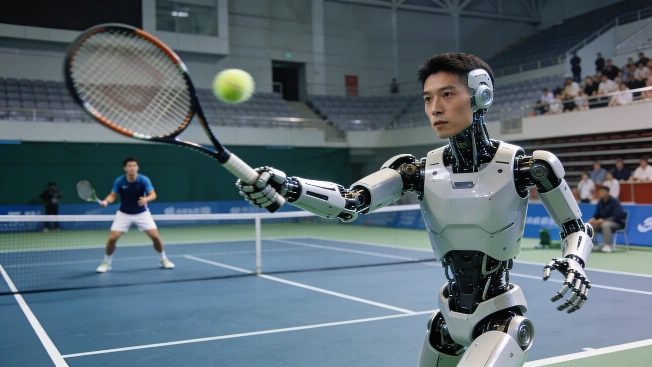
Humanoid Robots Complete 100 Rallies in Live Tennis Match in Beijing
Galbot's humanoid robots demonstrated autonomous tennis play against human athletes at the Second World Humanoid Robot Games, completing over 100 consecutive rallies and highlighting advances in real-world robot perception and control
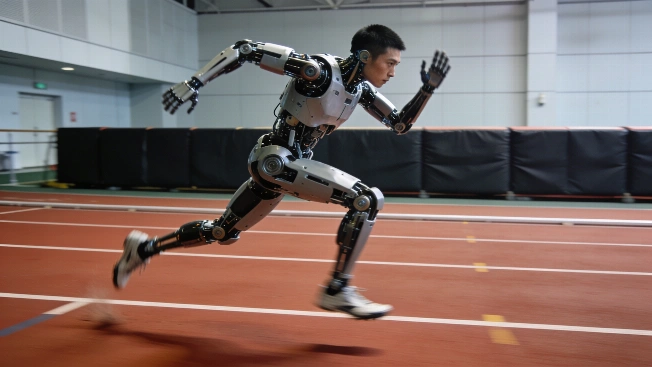
Chinese Humanoid Robot Lightning Runs 100m Faster Than Usain Bolt
A Chinese-built humanoid robot named Lightning has reportedly completed a 100-meter sprint in 9.32 seconds during a controlled test in Beijing, surpassing the human world record and raising new questions about the limits and risks of high-speed bipedal robotics
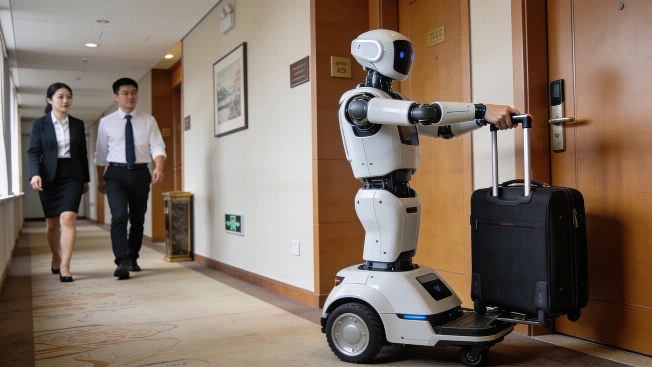
Humanoid Robots Face Real-World Hotel and Library Tasks in Beijing
China's World Humanoid Robot Games evaluated robots on hotel service, household chores, and library shelving, testing their ability to operate autonomously and adapt to unpredictable real-world environments
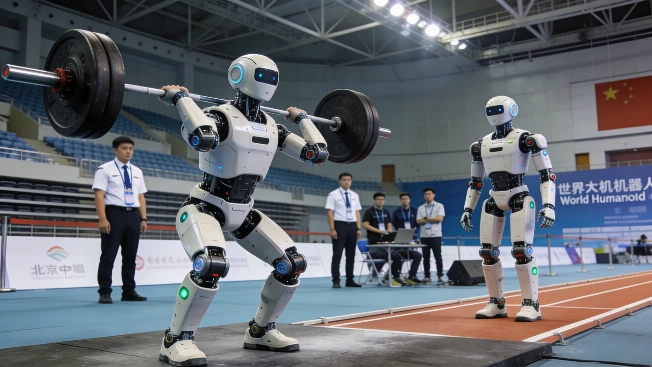
Record Number of Humanoid Robots to Compete in Beijing Games
Beijing will host the second World Humanoid Robot Games from August 22-26, bringing together over 2,000 robots from 16 countries to compete in 51 events, with stricter rules and expanded real-world challenge scenarios.
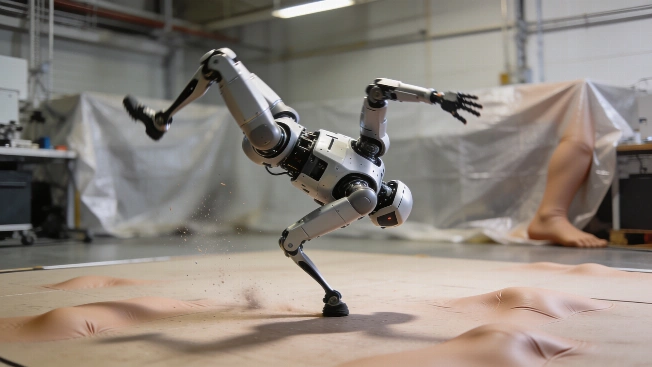
Humanoid Robots Learn Agile Moves from Human Motion Data with ZEST
A new control framework called ZEST enables humanoid and quadruped robots to perform complex, agile movements by learning from human motion capture, video, and animation data, reducing the need for task-specific engineering
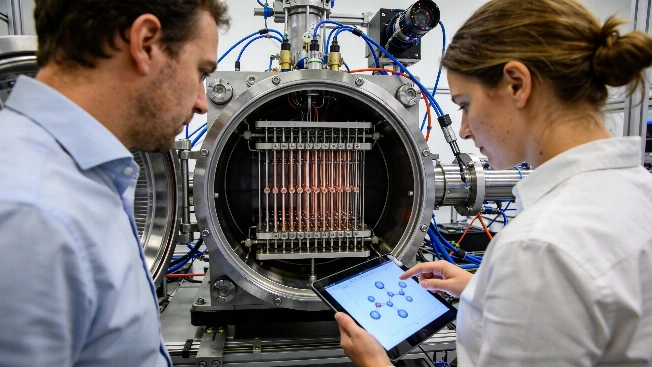
AI-Generated Quantum Circuits Tested on 98-Qubit Trapped-Ion Hardware
A collaboration between Quantinuum, NVIDIA, and Pfizer has demonstrated an AI-driven framework for generating quantum circuits, executing them on a 98-qubit trapped-ion processor to model pharmaceutical molecules
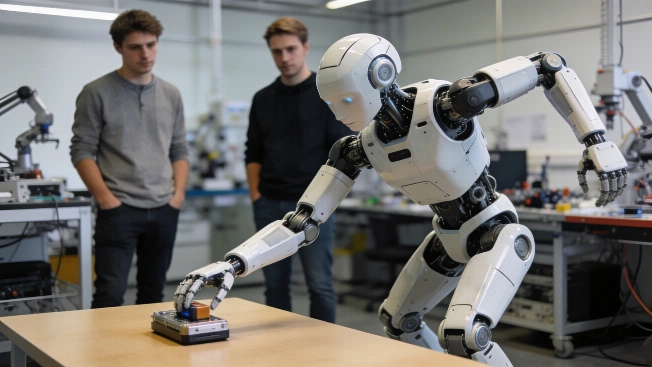
SONIC Framework Enables Humanoid Robots to Perform Diverse Movements
NVIDIA researchers have introduced SONIC, a large-scale control framework that allows humanoid robots to execute a wide range of whole-body movements using inputs from teleoperation, video, text, and music, with evidence from both simulation and real-world tests

NVIDIA's Nemotron 3.5 Lightning Targets Routine AI Agent Tasks
NVIDIA has released Nemotron 3.5 Lightning, an open-weight model designed for high-volume, repetitive agent workloads. The system aims to reduce cost and latency for developers running autonomous agents on local hardware or in data centers
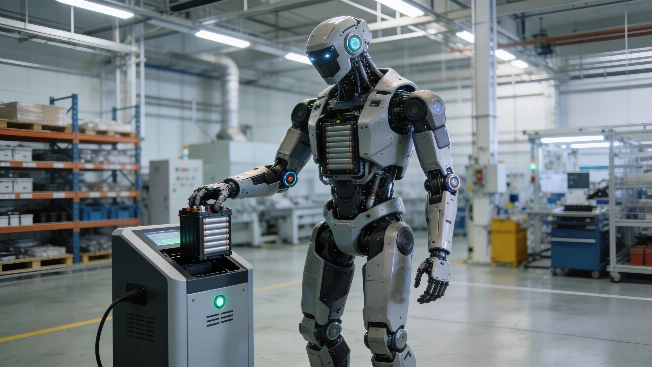
Atlas Robot Demonstrates Autonomous Battery Swapping in Factory Test
Boston Dynamics has shown its Atlas humanoid robot autonomously swapping its own battery in under three minutes, aiming to reduce downtime and extend operational shifts in industrial settings
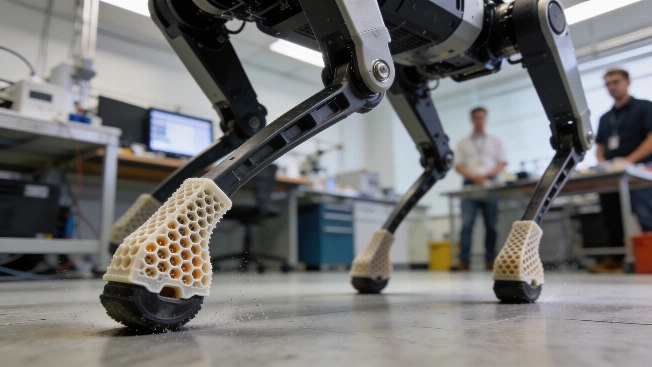
3D-Printed Porous Feet Cut Power Use in Quadruped Robot Tests
A research team at Seoul National University of Science and Technology has tested 3D-printed porous feet on a quadruped robot, reporting up to 6.2% lower battery consumption during walking tasks with a learning-based controller

AI Agent Controls X-62A Fighter Jet in Live Intercept Flight Tests
Lockheed Martin and the U.S. Air Force Test Pilot School have tested an AI agent that autonomously flew the X-62A VISTA fighter using real-time infrared sensor data to intercept a live aircraft, marking a step toward operational airborne autonomy
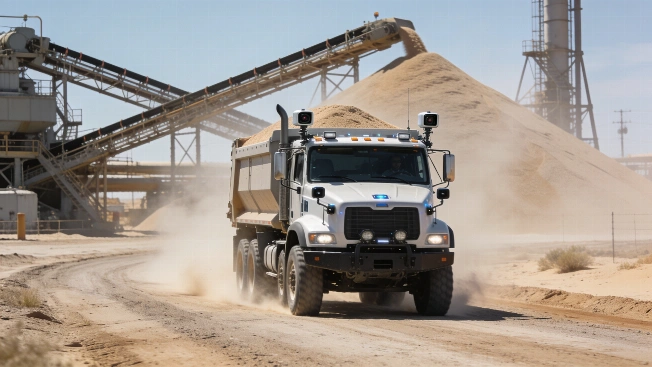
Atlas to Expand Driverless Truck Fleet for Oilfield Sand Transport
Atlas Energy Solutions plans to increase its AI-enabled driverless truck fleet in the US Permian Basin, aiming for 100 vehicles by mid-2027, to automate sand delivery for hydraulic fracturing across private oilfield routes
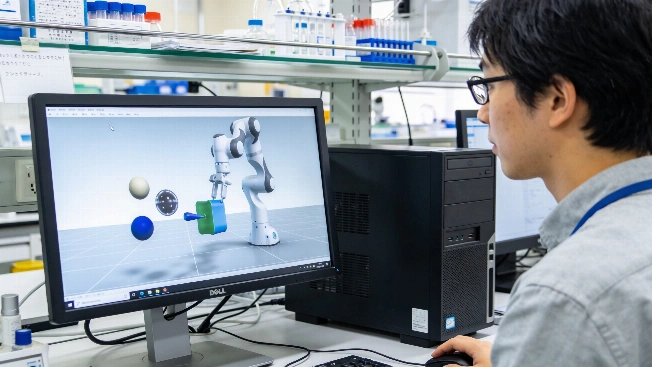
Curiosity-Driven AI Robots Show Faster Language Learning in Simulation
Researchers at the Okinawa Institute of Science and Technology have built virtual robots that learn language tasks more efficiently by rewarding curiosity, revealing new patterns of play-like behavior and adaptability in controlled experiments
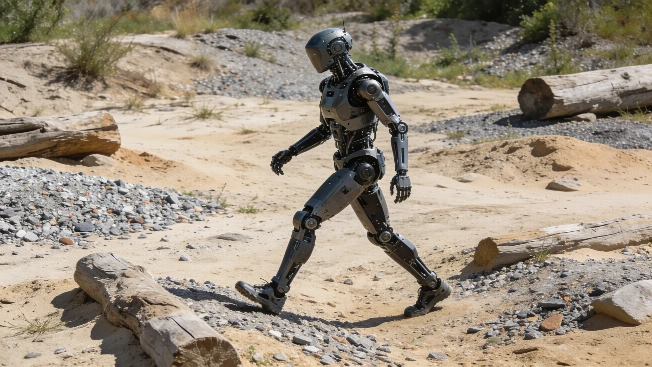
Humanoid Robot Learns to Walk on Real Terrain With Less Training
Georgia Tech researchers have introduced a machine-learning framework that enables a humanoid robot to walk across unpredictable real-world surfaces, reducing both training time and computational demands compared to previous methods
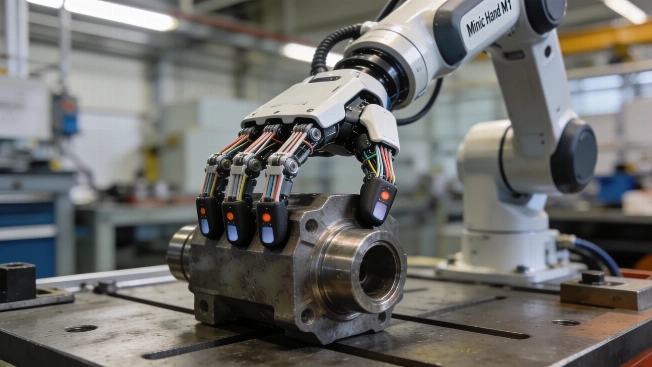
Swiss Startup Mimic Robotics Reveals Sensor-Rich Robotic Hand for Factories
Mimic Robotics has introduced the Mimic Hand M1, a tendon-driven robotic hand designed for industrial automation, featuring advanced tactile sensing and a human-like joint structure to improve manipulation of diverse objects in real-world settings

AI System Tested in Remotely Piloted F-16 Without Core Software Rewrite
A modified F-16 fighter jet was flown under AI control in a supervised test by DARPA and the US Air Force, using the VENOM Autonomy Kit to enable remote operation without altering the aircraft's core flight software
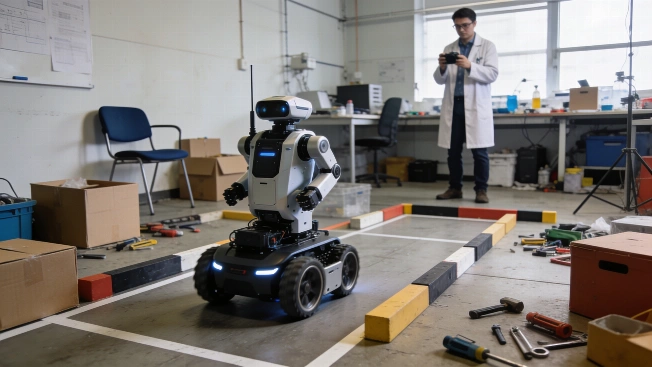
World Models Aim to Simulate Reality but Face Technical Barriers
Researchers are developing world models-AI systems designed to simulate aspects of the physical world. These models promise new capabilities beyond language, but their accuracy and reliability remain unsettled