
Data Protection
14 reportsThe evidence base around Data Protection is examined through approval pathway and enforcement action, with separate attention to legal authority. Conclusions concerning approval pathway remain tied to post-implementation evidence, statutory text, and transparent methods; interpretation remains cautious because legal authority and scientific evidence may address different questions.

Anthropic EFS Beta Tracks AI Misuse Without Retaining Customer Data
Anthropic's Enterprise Frontier Safeguards looks for suspicious patterns across AI requests and creates Safety Cases for security teams. Eligible businesses can access the public beta while inputs and outputs stay in customer-controlled storage

AI can infer private traits from data people share
An ETH Zurich experiment found that large language models inferred personal attributes from innocuous posts with up to 85 percent accuracy. US pricing research and chatbot use show how data can travel beyond its original purpose

Phio TX Earns EUCC Certification for Post-Quantum Key Management
Quantum XChange's PhioTX-V v4.5.6 has EUCC certification at EAL2 and U.S. FIPS validation. The five-year certificate covers a software-only virtual key management entity with QKD and Cisco SKIP interfaces

Study warns AI could expand China's social credit surveillance
A Chinese researcher says AI could turn fragmented credit and governance programs into predictive profiling. A 2025 study of one city's scoring system found that low classifications could bring police monitoring

ANYmal X Begins Shipping for Hazardous Industrial Inspections
ANYbotics says ANYmal X can inspect oil and gas sites as well as chemical facilities without modifications, using onboard sensors to flag heat, leaks, abnormal sound and equipment wear. Deliveries have begun to industry customers

QuantumGate and NEC GCC Target UAE Post-Quantum Security
QuantumGate and NEC GCC will pursue sovereign post-quantum cryptography across UAE infrastructure through migration planning, identity controls and on-premises security integration.

Quantum eMotion Buys Plurilock to Commercialize Quantum-Safe Security
Quantum eMotion plans to acquire Plurilock for C$33.8 million, combining quantum-generated entropy with identity and behavioral-biometric tools, alongside cybersecurity services for enterprise and public-sector networks.

I-care adds AI anomaly detection without past failure data
I-care Group has acquired Amiral Technologies’ assets, including its DiagFit system, which detects abnormal machine behavior from normal operating data without needing a library of past failures.

Sitehop Deploys Hardware-Based Post-Quantum Security for Defense Networks
Sitehop has introduced a hardware-rooted post-quantum cryptography platform designed to retrofit legacy operational technology networks in the UK and Five Eyes defense infrastructure. The platform aims to address vulnerabilities to quantum and AI-enabled attacks without requiring full system replacement.

Eclypses and Sterling Integrate Post-Quantum Cryptography for US Agencies
Eclypses and Sterling are deploying a FIPS 140-3-validated, quantum-resistant cryptographic platform for US federal agencies, aiming to address harvest-now-decrypt-later threats and meet upcoming post-quantum migration deadlines.
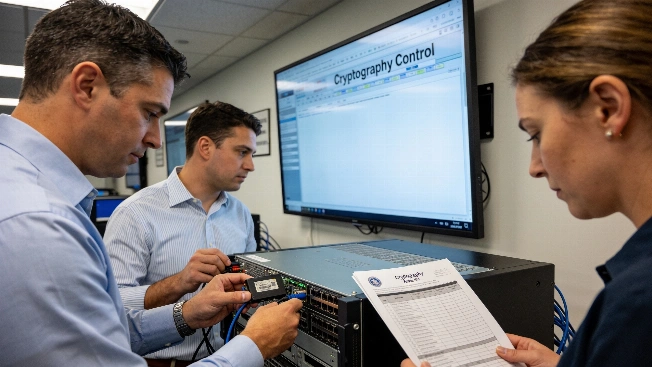
QuProtect R3 Added to GSA Schedule for Federal Crypto Migration
QuSecure's QuProtect R3 platform is now available through Carahsoft's GSA Schedule, offering U.S. federal agencies a route to upgrade cryptographic systems in line with post-quantum security mandates and migration deadlines.
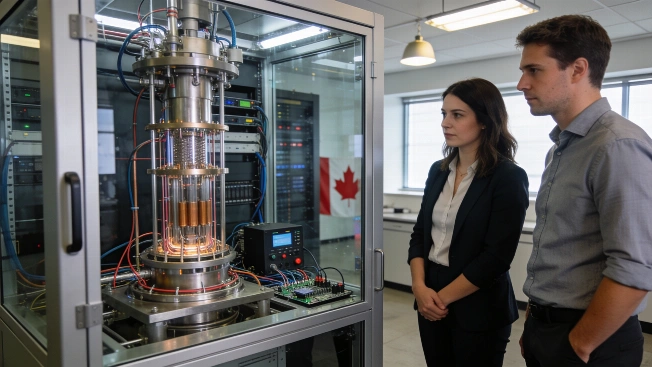
EY Installs On-Site Quantum Computer to Meet Data Sovereignty Needs
Ernst & Young (EY) has deployed an on-premises quantum computer in Canada to process sensitive enterprise workloads while addressing regulatory and data sovereignty requirements in sectors including finance and healthcare.

Public Claude AI Chats Indexed by Google, Exposing Sensitive Data
A technical lapse let Google index publicly shared Claude AI conversations, making sensitive user data, including medical and business information, searchable until the links disappeared from results.

Medical AI Models Face Higher Patient Privacy Risks Than Expected
A new peer-reviewed study finds that diagnostic medical AI models can expose sensitive patient information at rates far above previous estimates, raising concerns about privacy protections and the need for stronger technical safeguards in clinical machine learning.