
Computer Vision
27 reportsNew findings about Computer Vision are placed alongside training data, together with data requirements and optimization procedure. The discussion asks what can be established from ablation studies about data requirements and whether a compatible result appears in replication on different datasets; the evidence cannot remove the concern that headline accuracy can hide distribution shifts, bias, or unstable behavior.
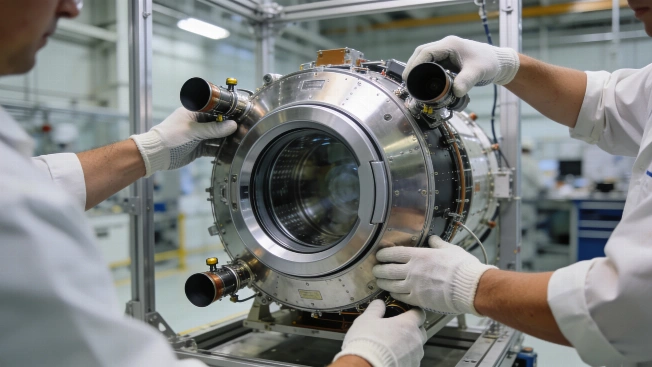
NASA Tests Autonomous Satellite Inspection in Low Earth Orbit
NASA's SSPICY mission has launched the 335-kilogram Otter 24C spacecraft to inspect up to four inoperable U.S.-origin objects in low Earth orbit and test autonomous technologies for future servicing and debris removal.
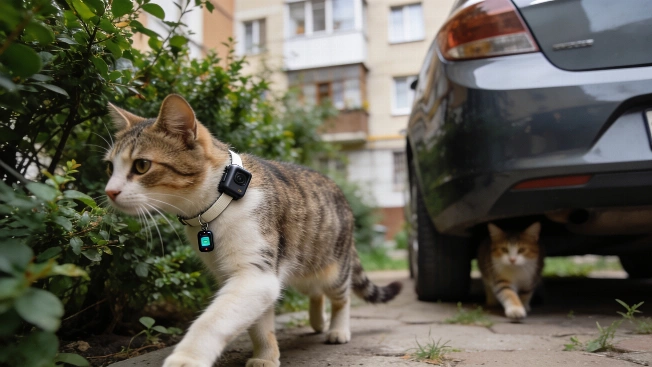
Kazakhstan's Camera-Equipped Cats Join Missing-Pet Searches
A Kazakhstan project is fitting free-roaming cats with tiny cameras and GPS trackers while computer vision searches their footage for missing pets hidden beyond easy human reach.

Utah Authorizes AI Prescriptions for Initial Acne Treatment
Utah has approved Nolla Health's system to issue initial and repeat topical-acne prescriptions without prior doctor approval in every case. The 12-month pilot uses questionnaires and facial scans, restricts treatment to eligible adults with mild or moderate acne, and escalates uncertain cases to licensed physicians.
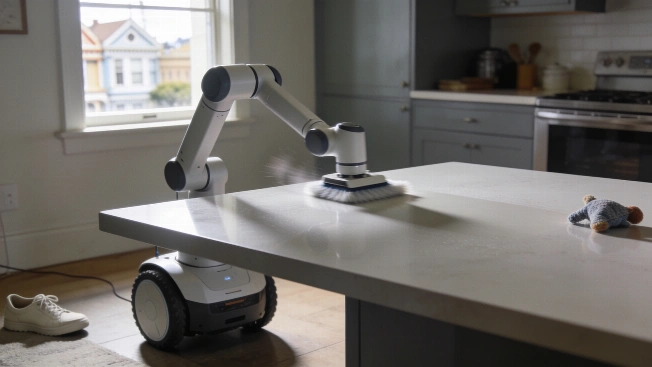
A $3,555 Home Robot Trades Strength for Simplicity
Flourish 1 is a compact household robot that owners teach by demonstration. Its low price, 3.3-pound lifting limit, and task-specific software reveal a deliberate tradeoff between broad capability and practical domestic automation.
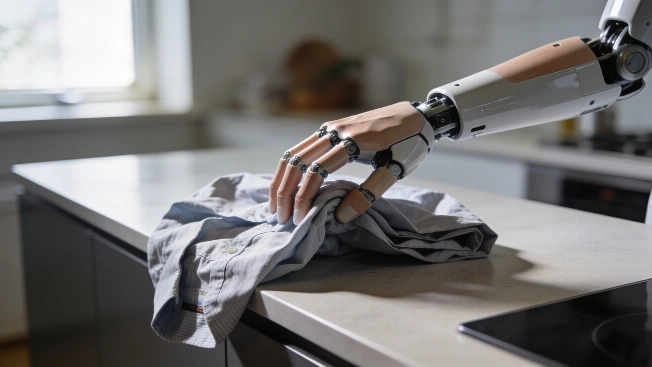
Robotic Hands Struggle With Real Objects Despite Athletic Feats
Humanoid robots can now perform acrobatics and dance routines but still fail at reliably folding laundry or handling fragile objects. New research highlights why tactile sensing and unpredictable environments remain unsolved barriers.
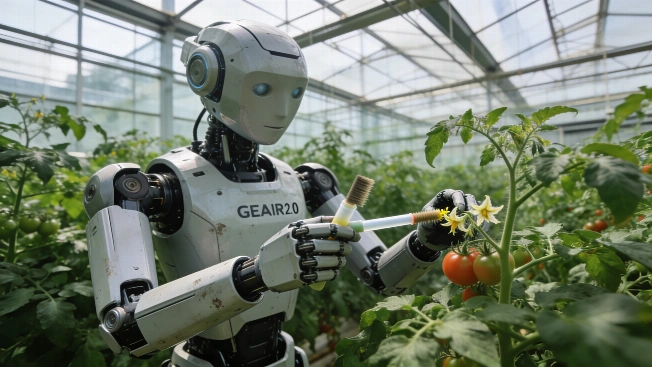
Humanoid Robot GEAIR 2.0 Automates Tomato Flower Pollination in Beijing
A humanoid robot called GEAIR 2.0 has been demonstrated in Beijing performing autonomous hybrid pollination of tomato flowers. The system aims to reduce manual labor in crop breeding by combining robotics, AI, and gene editing in real greenhouse conditions.
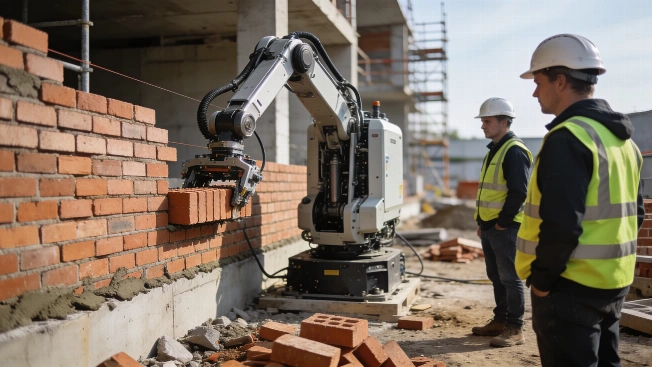
Autonomous Bricklaying Robots Face Real Construction Site Obstacles
Monumental has begun deploying autonomous robots to build brick walls on commercial construction sites, aiming to address labor shortages and rising costs. The company's approach highlights the technical and operational hurdles of moving robotics from controlled labs to unpredictable real-world environments
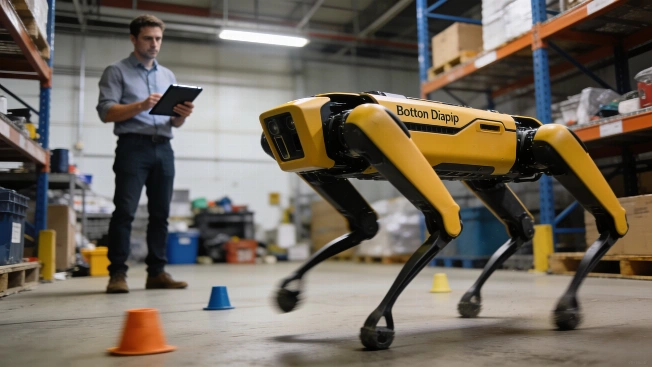
NVIDIA's COMPASS Framework Targets Faster Robot Navigation Training
NVIDIA's COMPASS system combines pretrained navigation models, reinforcement learning, and AI agents to adapt robot movement across machines and environments, aiming to reduce retraining time while keeping human oversight in the loop
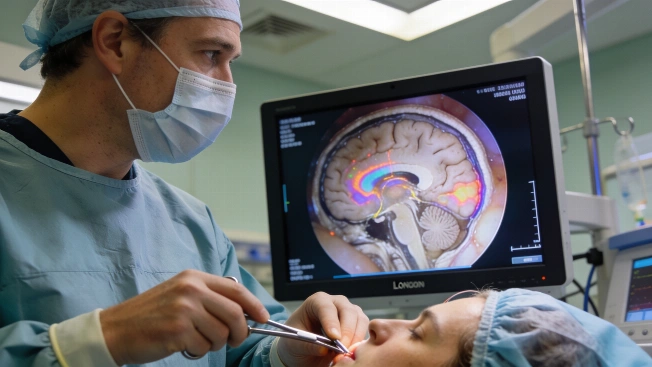
Machine Vision System Guides Surgeons in Live Brain Tumor Removal
A machine-learning system processed live endoscopic video to help surgeons identify critical anatomy during a pituitary tumor operation, aiming to reduce the risk of vision loss in a high-stakes clinical trial in London
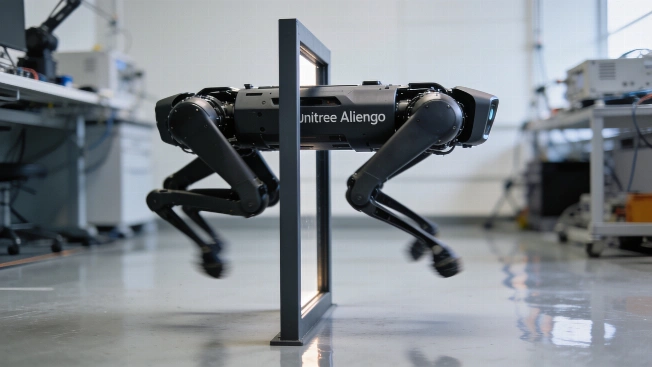
Quadruped Robot Demonstrates Dynamic Leaping Through Tight Spaces
A research team has built a hierarchical reinforcement learning system that enables a four-legged robot to leap through narrow gates at speed, coordinating vision and movement in real-world tests inspired by animal agility
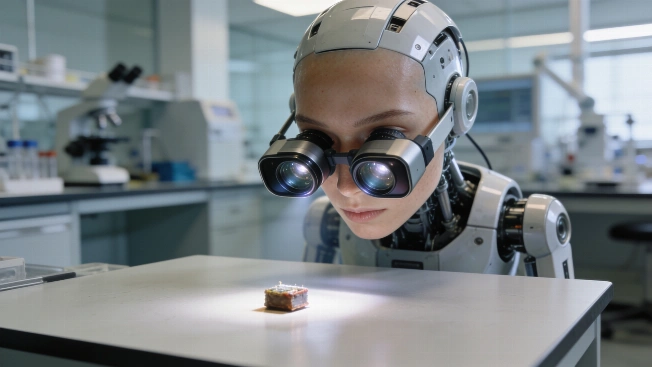
New Algorithm Brings Humanlike Depth Perception to Humanoid Robots
A research team at York University has introduced a convergent binocular stereo algorithm that enables humanoid robots to estimate depth and object orientation more like humans, with tested improvements on a challenging benchmark dataset
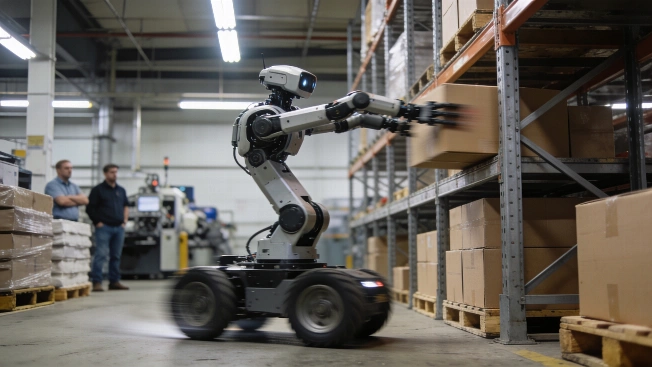
RoboScience Unveils REX G1 Humanoid Robot for Dynamic Workspaces
RoboScience has released the REX G1, a wheeled humanoid robot designed to perform object handling and manipulation in logistics, manufacturing, and retail settings, with a focus on adapting to existing environments and variable tasks
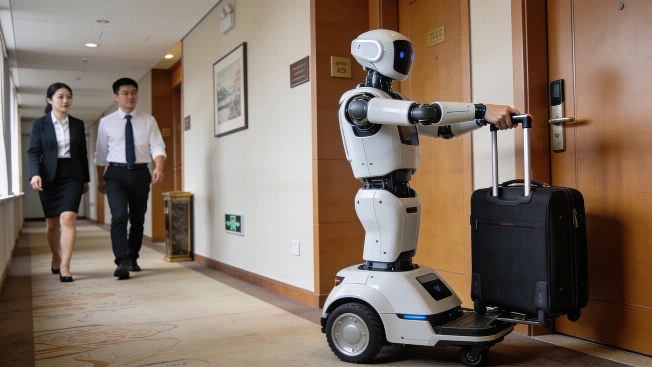
Humanoid Robots Face Real-World Hotel and Library Tasks in Beijing
China's World Humanoid Robot Games evaluated robots on hotel service, household chores, and library shelving, testing their ability to operate autonomously and adapt to unpredictable real-world environments

Google Deploys SL2T Model for Real-Time Sign Language Translation
Google has introduced SL2T, a sign-language-to-text model trained on over 100,000 hours of data, enabling American Sign Language users to translate gestures into English text on Pixel 11 devices using Gboard and Live Transcribe
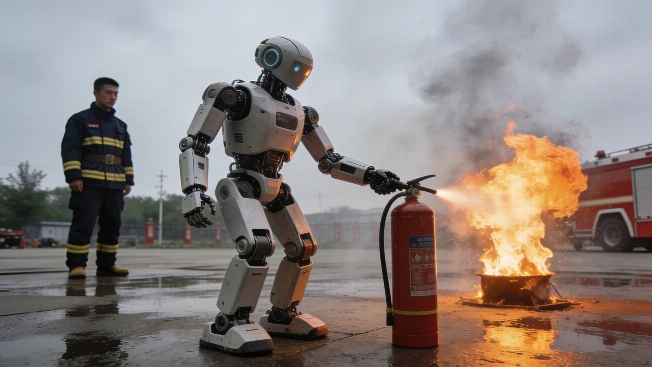
Humanoid Robots Struggle With Real-World Firefighting Tasks in Beijing Test
A large-scale robotics competition in Beijing tested 23 humanoid robots in a simulated firefighting and rescue scenario, revealing persistent challenges in perception, manipulation, and reliability outside controlled laboratory settings
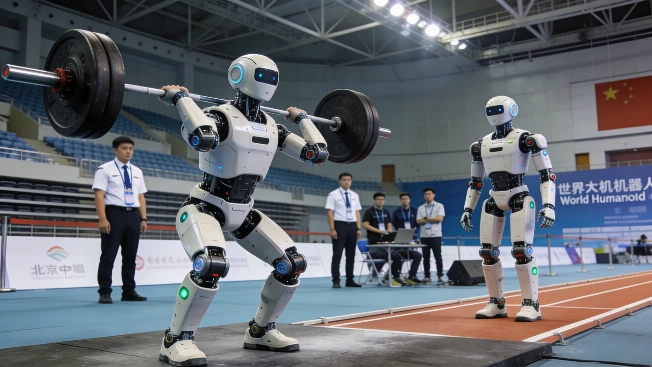
Record Number of Humanoid Robots to Compete in Beijing Games
Beijing will host the second World Humanoid Robot Games from August 22-26, bringing together over 2,000 robots from 16 countries to compete in 51 events, with stricter rules and expanded real-world challenge scenarios.
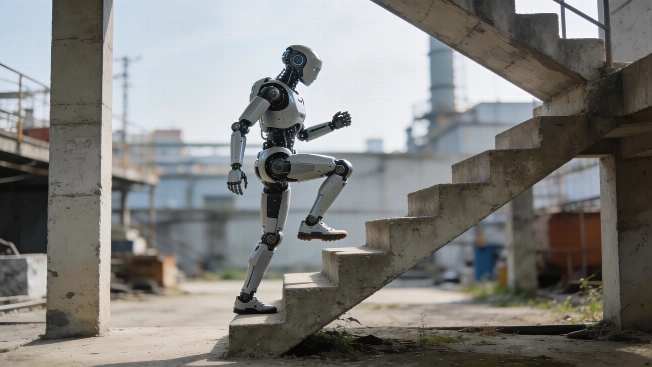
Deep Robotics DR02 Demonstrates Outdoor Stair Climbing in Field Test
Deep Robotics has released new video of its DR02 humanoid robot climbing outdoor concrete stairs, providing evidence of its mobility on uneven terrain as the company seeks to commercialize the platform for industrial and hazardous environments
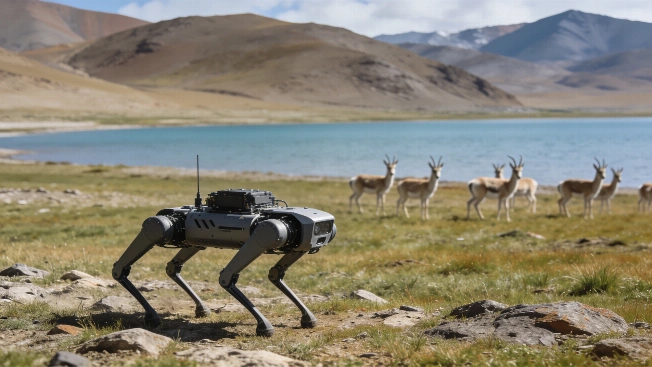
Robots Document Tibetan Antelope Migration in China's High-Altitude Reserve
DEEP Robotics has deployed its Lynx M20 wheeled-legged robot in the Serling Tso Nature Reserve to collect visual data on Tibetan antelope migration, testing the system's ability to operate in extreme plateau conditions with minimal wildlife disturbance
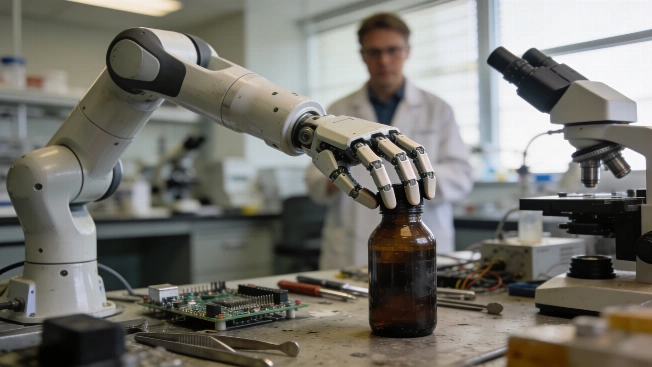
Dyna Robotics Tests DYNA-2 Robot Model Trained on Human Video
Dyna Robotics has introduced DYNA-2, a robot foundation model trained on over one million hours of human egocentric video, aiming to improve robot learning for physical tasks without relying on robot action data
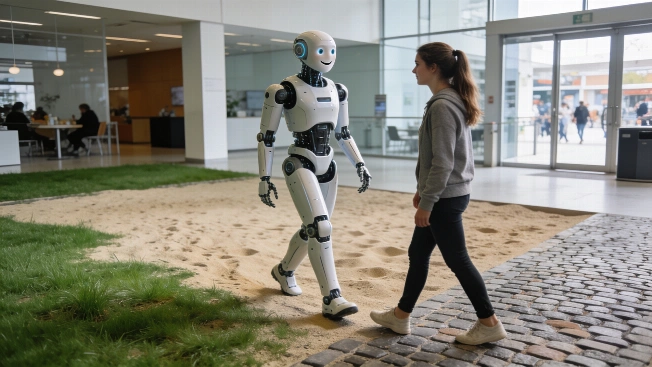
DOBOT LUMO Demonstrates All-Terrain Humanoid Mobility and Interaction
DOBOT has presented LUMO, a humanoid robot designed to navigate varied indoor and outdoor environments, combining computer vision, voice interaction, and motion control to adapt its behavior to different users and tasks
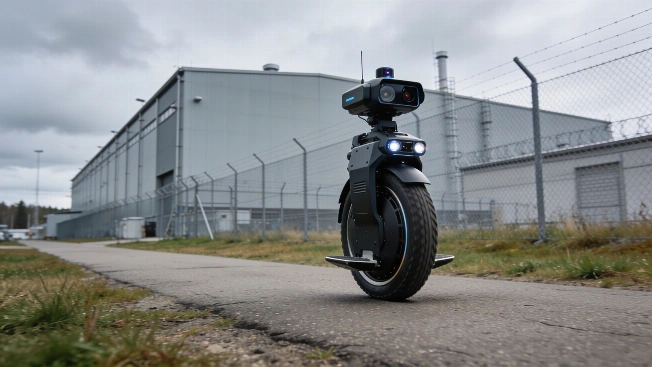
Estonian Startup Demonstrates Autonomous Monowheel Security Robot
Rollo Robotics has introduced 1ROLLO, a single-wheel robot designed for autonomous patrols of large facilities, using computer vision and edge AI to monitor industrial sites and campuses with minimal human intervention
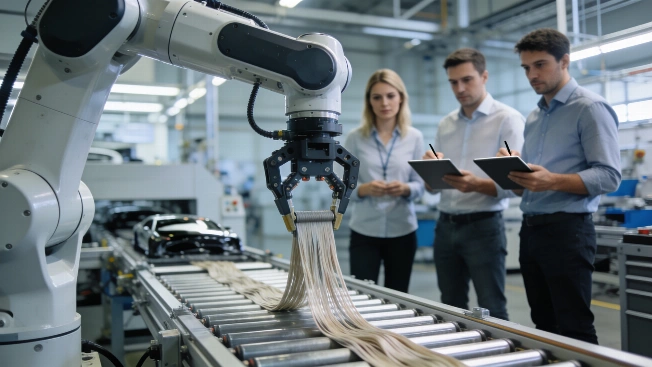
FLUX-mimic Model Cuts Robot Training Time for Factory Tasks
Mimic Robotics and Black Forest Labs have introduced FLUX-mimic, a video-action model that enables industrial robots to learn complex manipulation tasks from video demonstrations using far less training data than previous approaches
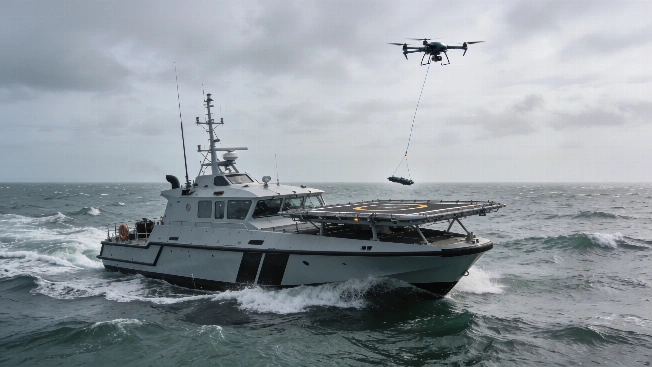
Royal Navy Tests Robotic Boat for Autonomous Drone Launch at Sea
A UK-led demonstration has tested a robotic surface vessel that autonomously launches and recovers a tethered drone at sea, aiming to extend maritime surveillance without direct human intervention
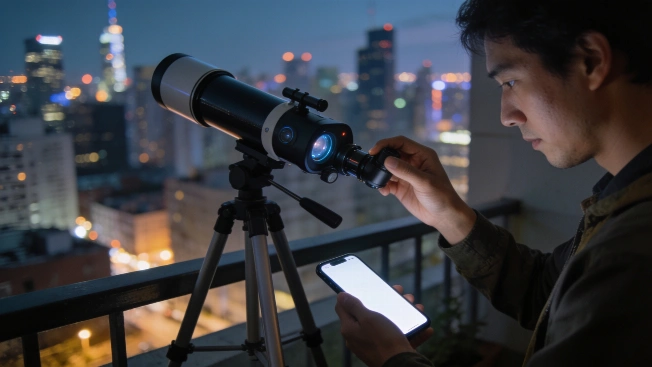
Seestar S30 Pro Smart Telescope Expands Urban Astrophotography Access
The Seestar S30 Pro integrates a high-resolution sensor, dual cameras, and automated image processing in a compact, smartphone-controlled telescope, enabling deep-sky imaging even from light-polluted locations
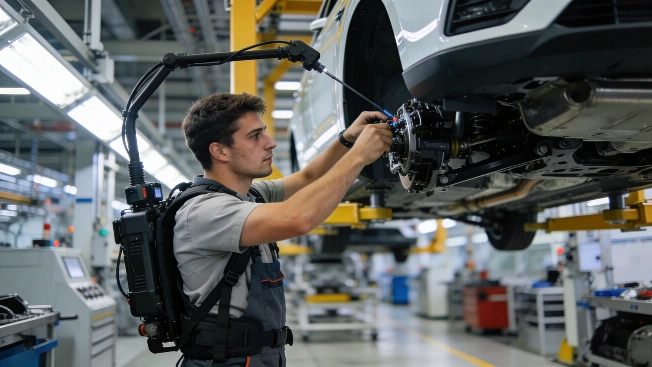
Tesla Records Worker Movements to Train Optimus Robot in Germany
Tesla is collecting video data of employee assembly tasks at its Grünheide Gigafactory to train the Optimus humanoid robot for autonomous industrial work, raising questions about workplace monitoring and regulatory oversight
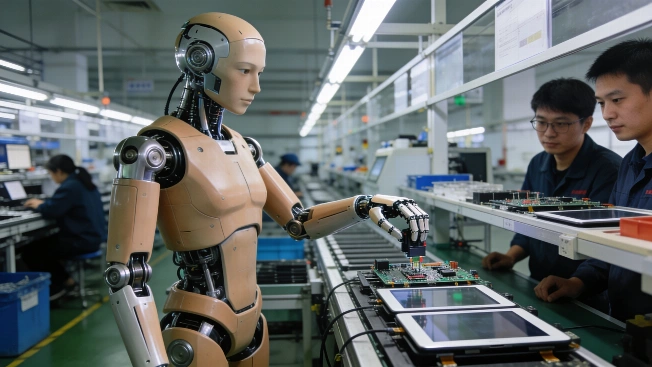
AGIBOT Demonstrates Four New Robots in Live Industrial Deployments
AGIBOT has introduced four new robots at WAIC 2026, including a full-size humanoid, an educational platform, an industrial manipulator, and a dexterous robotic hand, with live demonstrations in manufacturing and service environments
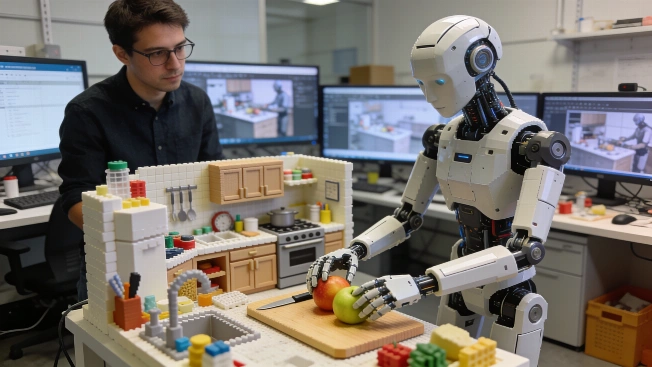
AI agents build complex 3D training worlds for robot learning
Researchers at MIT and Toyota Research Institute have developed SceneSmith, a system that uses collaborative AI agents and vision-language models to generate detailed 3D environments for robotics simulation and training