
Additive Manufacturing
14 reportsCoverage distinguishes how performance testing; safety and reliability; and scale-up constraints shape the interpretation of Additive Manufacturing. Claims involving safety and reliability are weighed against prototype measurements and checked with standardized benchmarks; uncertainty persists because laboratory demonstrations may not predict cost, durability, or performance at scale.
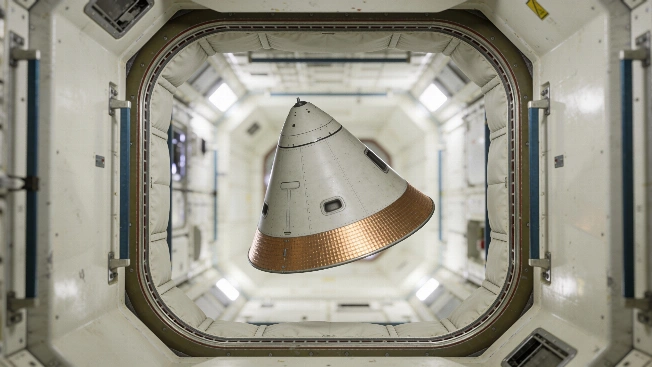
NASA Sends Experimental Heat Shields Into Earth Reentry
NASA is using a departing cargo spacecraft to test 12 experimental reentry capsules and compare heat shield materials for future missions to the Moon, Mars, and other planetary destinations.
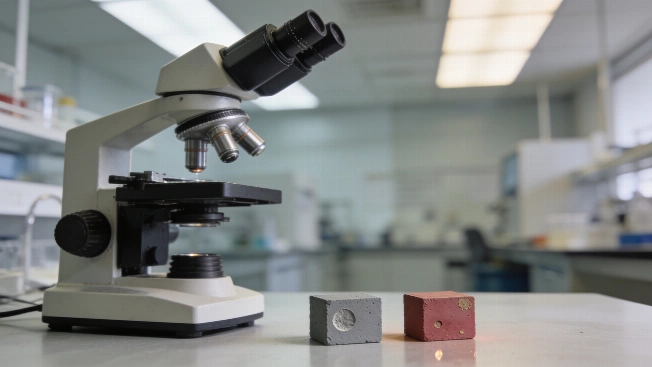
NASA Material Turns Lunar Dust Into Tools for Future Habitats
NASA researchers have mixed biodegradable plastic with simulated Moon and Mars dust to create a tunable composite now being tested for future habitat equipment and extreme space conditions.
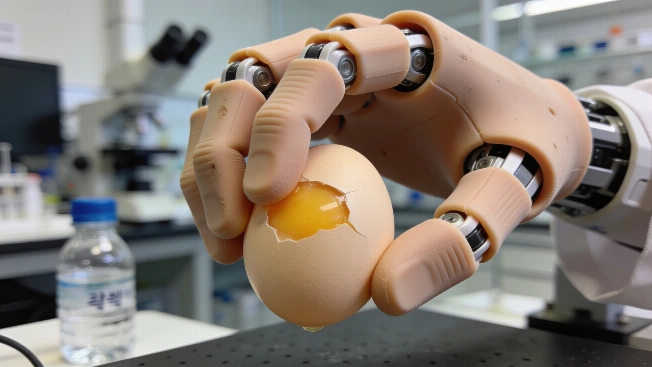
3D-Printed Soft Robotic Hand Shows Delicate Grip and Strength in Lab Tests
A research team at KAIST has built a 3D-printed soft robotic hand that can cradle fragile objects and lift heavy ones, using AI to optimize the material's stretchability and durability for advanced manipulation tasks
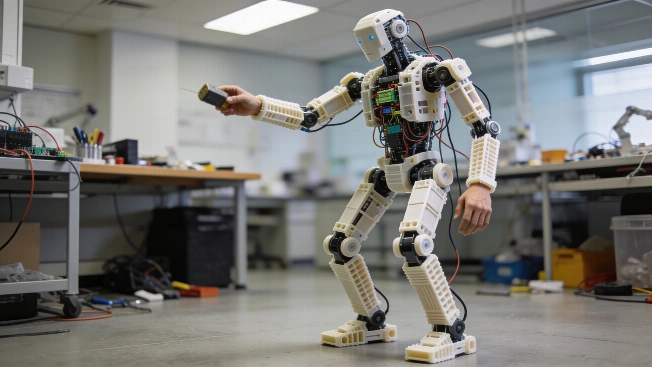
Berkeley Humanoid Lite Uses 3D-Printed Actuators to Slash Robot Costs
A research team at UC Berkeley has released the open-source Berkeley Humanoid Lite, a customizable robot platform built with 3D-printed actuators and off-the-shelf parts, aiming to lower the barrier to humanoid robotics research and experimentation
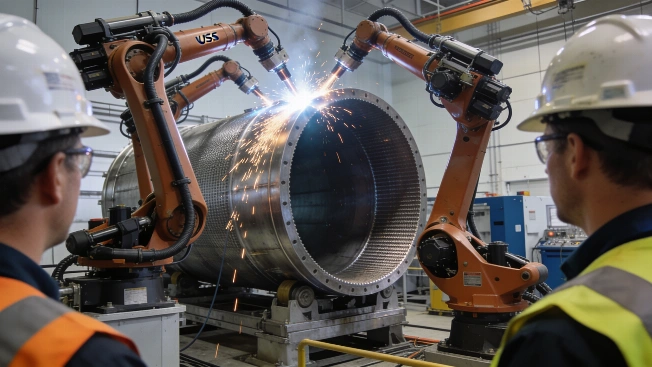
US Labs Test Large-Scale Metal 3D Printing for Nuclear Vessels
Oak Ridge and Idaho National Laboratories have demonstrated wire arc additive manufacturing to produce steel pressure vessels for nuclear energy, aiming to address US forging capacity limits and accelerate component qualification
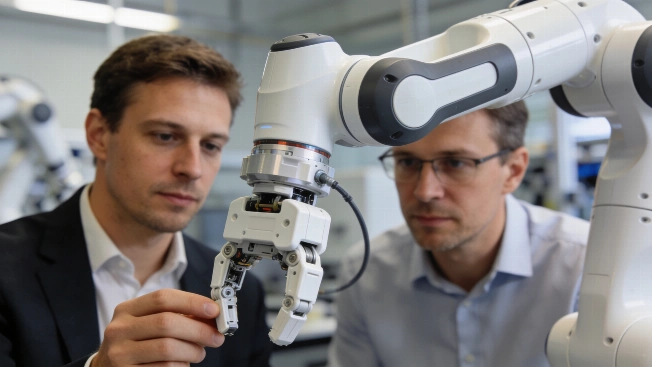
Plastic Joints Aim to Cut Humanoid Robot Weight by Over 30 Percent
Celanese Corporation and Vigor Precision have announced a collaboration to develop lightweight plastic joint components for humanoid robots, targeting significant weight reduction while maintaining mechanical durability and precision under demanding conditions
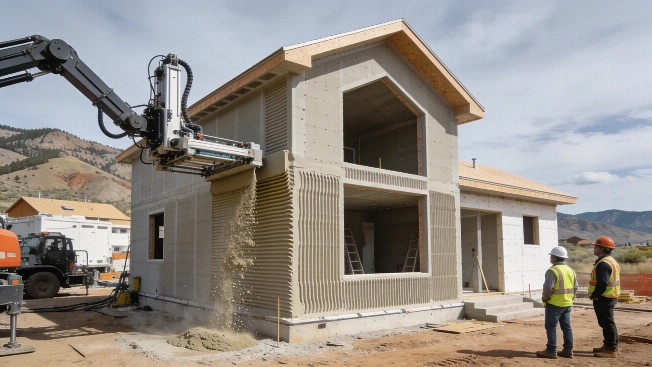
Robotic 3D Printing Scales Up in Colorado Housing Development
A 55-acre project in Salida, Colorado, is deploying autonomous 3D-printing robots to construct more than 65 homes, testing whether robotic construction can deliver full-scale residential communities with integrated infrastructure
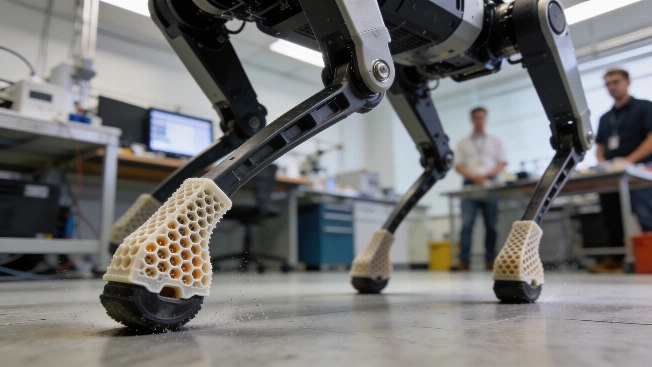
3D-Printed Porous Feet Cut Power Use in Quadruped Robot Tests
A research team at Seoul National University of Science and Technology has tested 3D-printed porous feet on a quadruped robot, reporting up to 6.2% lower battery consumption during walking tasks with a learning-based controller
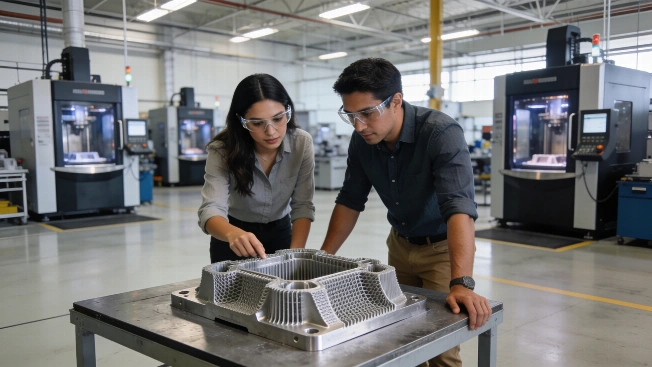
Velo3D Launches Large-Scale Metal 3D Printing Facility in California
Velo3D has opened Forge 1, a 289,000-square-foot campus in Livermore, California, designed to scale up production of large-format metal additive manufacturing systems for aerospace, defense, and energy applications
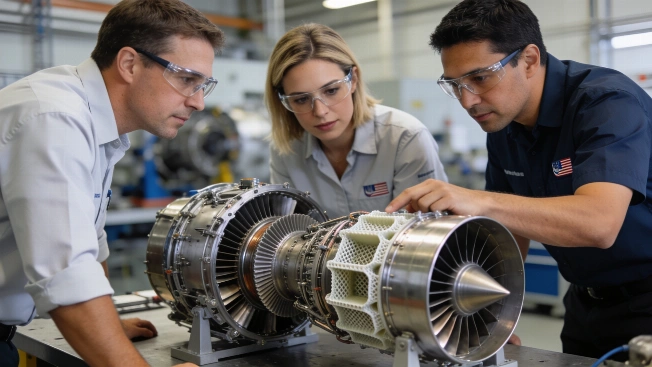
Pratt & Whitney Advances Valox 1500 Engine for Autonomous Aircraft
Pratt & Whitney has completed a digital design review of its Valox 1500 engine, a propulsion system intended for autonomous military aircraft, moving the program closer to ground testing and raising questions about cost, mission life, and rapid development
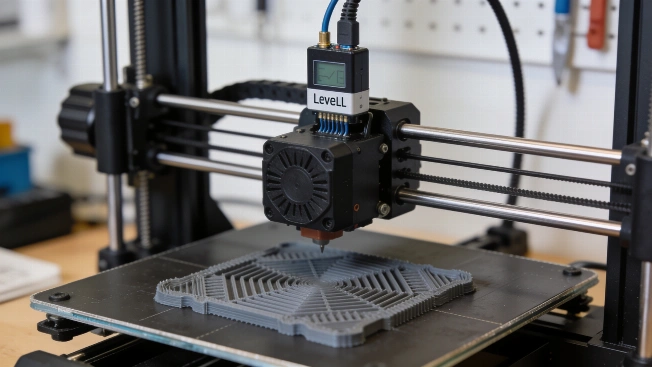
Bed-Leveling Sensors Tested for Automated Pressure Advance in 3D Printing
Researchers have explored whether standard bed-leveling sensors in FDM 3D printers can be repurposed to automate pressure advance calibration, a process critical for consistent extrusion during variable-speed printing tasks
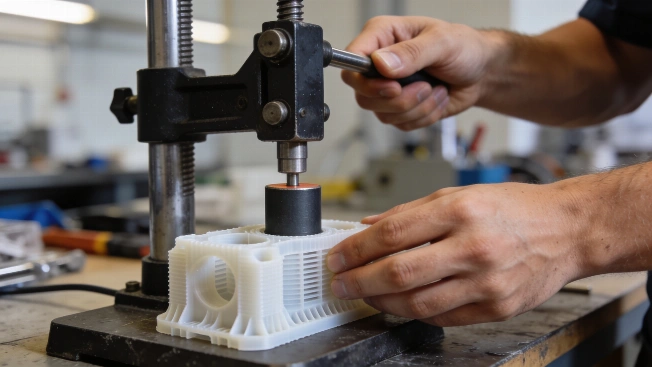
Evaluating Seven Methods for Embedding Magnets in 3D-Printed Parts
A recent demonstration compared seven techniques for installing magnets into 3D-printed components, assessing their mechanical reliability, ease of assembly, and long-term durability without relying on adhesives

GE Aerospace GEnx-1B Engine Logs 50 Million Flight Hours Milestone
GE Aerospace reports its GEnx-1B engine, used on Boeing 787 Dreamliners, has surpassed 50 million flight hours with a developer-claimed 99.98% dispatch reliability, raising questions about real-world performance and operational limits
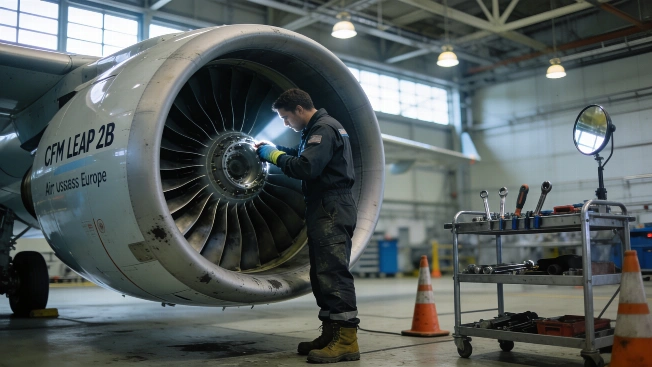
CFM LEAP-1B Engine Upgrades Aim to Cut Maintenance in Harsh Environments
CFM International has received regulatory certification for new LEAP-1B engine upgrades, including a high-pressure turbine durability kit and a reverse bleed cooling system, both designed to extend operational time and reduce maintenance in challenging climates