
Foundation Model
14 reportsA detailed treatment of Foundation Model follows benchmark results, together with deployment safeguards and failure modes. One line of support comes from real-world error analysis, and a separate test comes from documented evaluations; together they clarify deployment safeguards, but the strongest interpretation still recognizes that closed data, changing versions, and prompt sensitivity can make comparisons difficult.
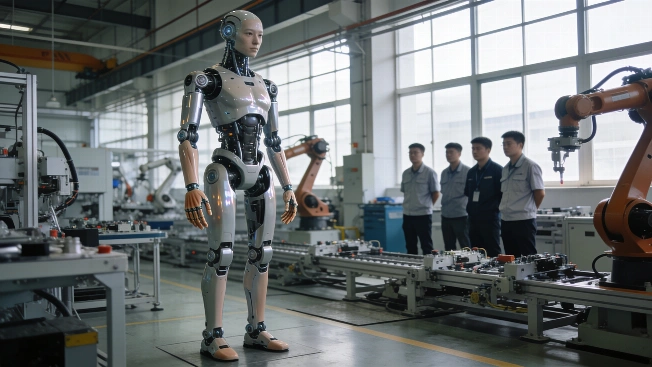
XPeng begins mass production of IRON humanoid robot in Guangzhou
XPeng has started manufacturing its IRON humanoid robot at a dedicated facility in Guangzhou, aiming to scale up production with automated lines as rivals like Tesla face delays in bringing similar robots to market.
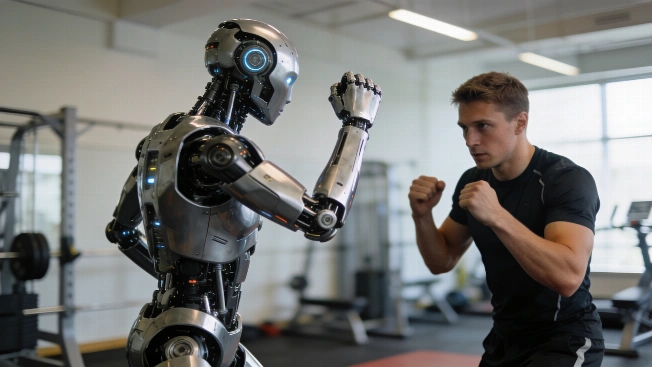
Unitree G1 Robot Demonstrates Autonomous Sparring Using UnifoLM-X2-1.0
Unitree Robotics has released footage of its G1 humanoid robot sparring with a human using the UnifoLM-X2-1.0 AI model, highlighting advances in predictive perception and autonomous motion planning for dynamic physical tasks
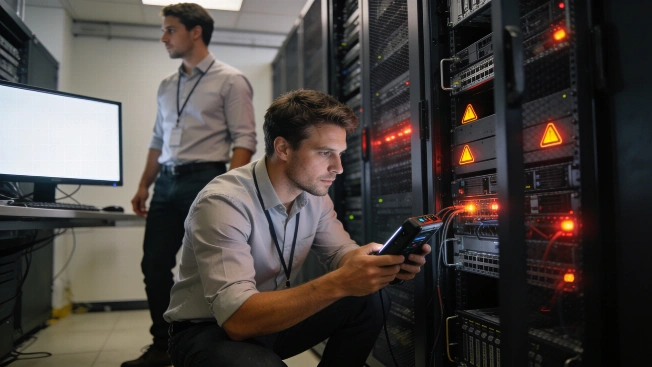
OpenAI's GPT-6 Astra Launch Coincides With Major AI Service Outages
OpenAI released GPT-6 Astra, its latest large language model, on a day marked by widespread outages across major AI platforms. The timing has fueled speculation, but no evidence links Astra's deployment to the disruptions
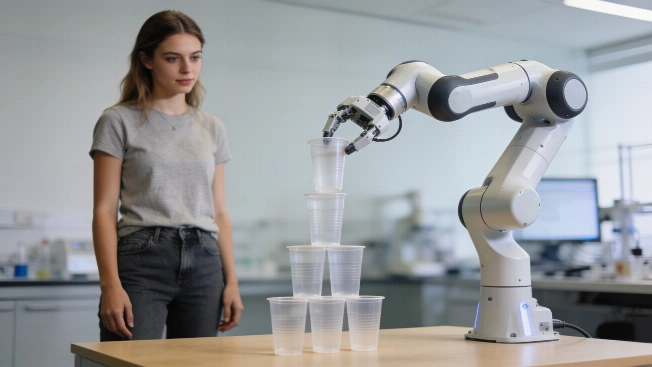
GEN-1.5 Robot Model Imitates Physical Tasks After One Short Demo
Generalist AI has introduced GEN-1.5, a foundation model for robots that attempts new physical tasks after observing a single brief demonstration, with no fine-tuning or retraining required
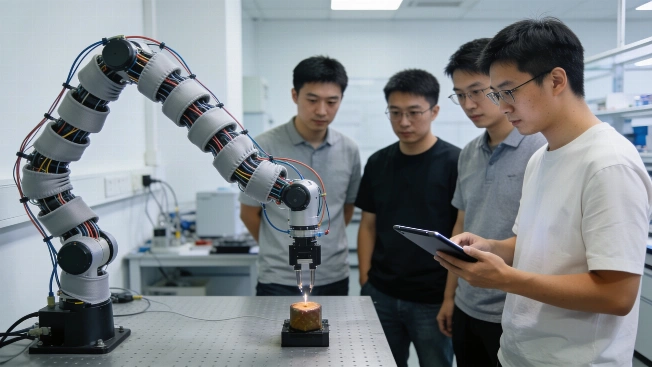
Feagine's Fi0 Model Tested for Cross-Body Robot Task Transfer
Feagine Robotics has introduced Fi0, a foundation model designed to transfer task knowledge across different soft robot arms, aiming to reduce retraining when hardware changes. Early tests used three tendon-driven manipulators with varying morphologies
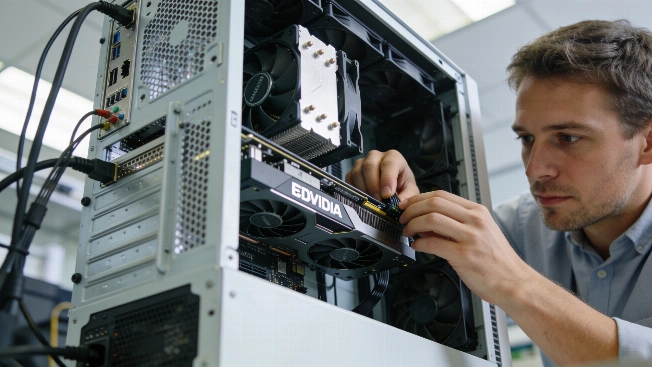
NVIDIA's Nemotron 3.5 Lightning Targets Routine AI Agent Tasks
NVIDIA has released Nemotron 3.5 Lightning, an open-weight model designed for high-volume, repetitive agent workloads. The system aims to reduce cost and latency for developers running autonomous agents on local hardware or in data centers
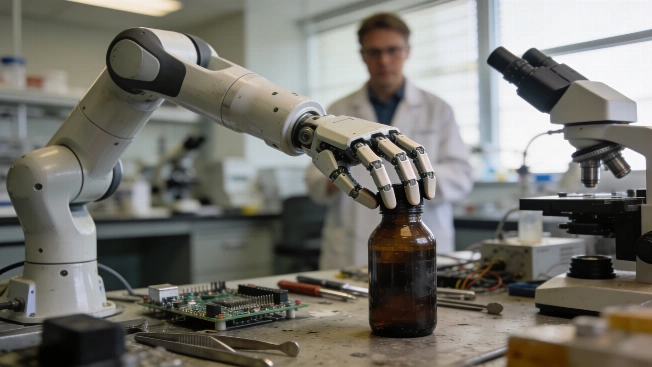
Dyna Robotics Tests DYNA-2 Robot Model Trained on Human Video
Dyna Robotics has introduced DYNA-2, a robot foundation model trained on over one million hours of human egocentric video, aiming to improve robot learning for physical tasks without relying on robot action data
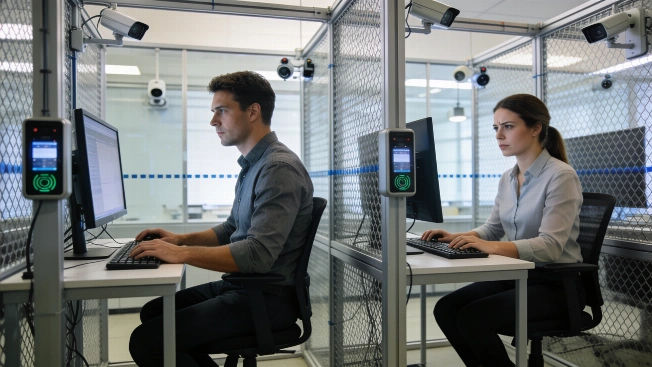
OpenAI Tightens Security on Astra After Internal Cyber Risk Tests
OpenAI has placed its Astra AI model in the highest internal cybersecurity risk category following internal tests that suggest advanced offensive cyber capabilities, leading to stricter security controls and external review before any release
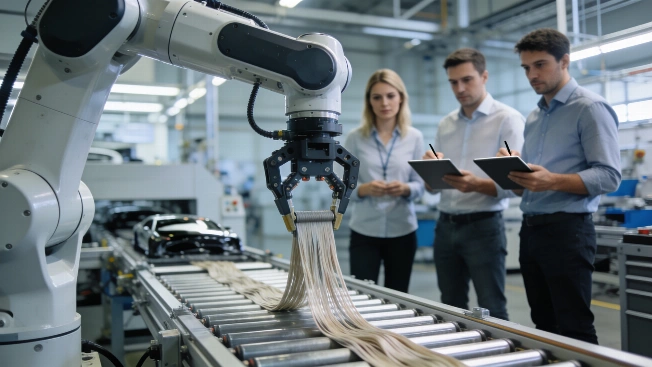
FLUX-mimic Model Cuts Robot Training Time for Factory Tasks
Mimic Robotics and Black Forest Labs have introduced FLUX-mimic, a video-action model that enables industrial robots to learn complex manipulation tasks from video demonstrations using far less training data than previous approaches
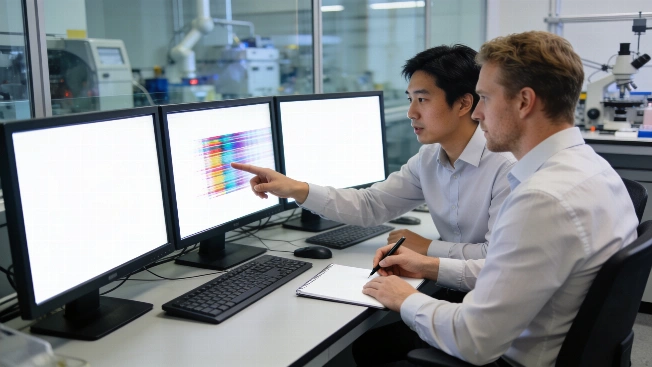
China's Kimi K3 Lags Behind US AI Models in Cybersecurity Tests
A UK-US evaluation of Moonshot AI's Kimi K3 large language model found it significantly underperformed leading US models on offensive cybersecurity benchmarks, raising questions about the current state of China's AI capabilities in this domain
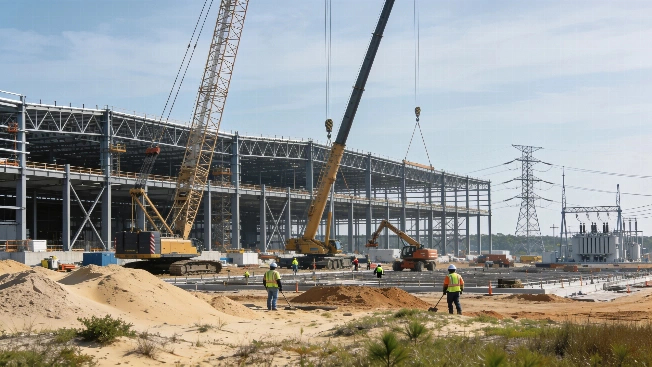
OpenAI Plans $30 Billion AI Data Center Campus in Georgia
OpenAI has announced a $30 billion investment to build a hyperscale data center campus in coastal Georgia, aiming to deliver up to 3.2 gigawatts of computing capacity for advanced AI model development and deployment over the next decade
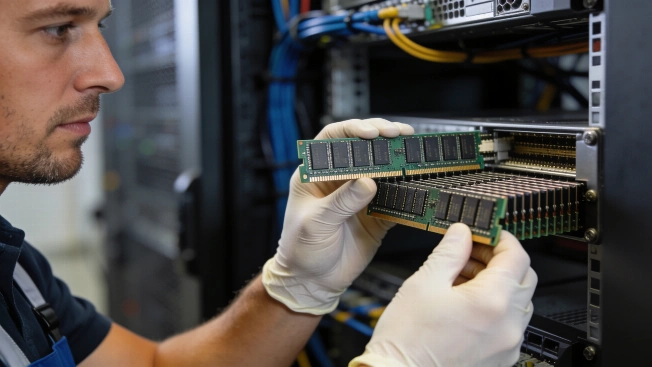
High Bandwidth Flash Targets AI Inference Memory Bottlenecks
A new memory technology called High Bandwidth Flash is being developed to address the growing memory demands of large language models during inference, using stacked NAND flash to increase read speeds and capacity while reducing costs
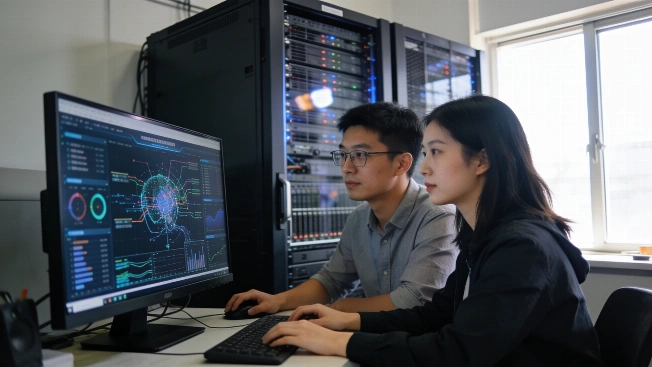
Moonshot AI Releases Kimi K3, a 2.8 Trillion Parameter Open Model
Moonshot AI has introduced Kimi K3, an open-source model with 2.8 trillion parameters and a one-million-token context window, targeting complex scientific and coding workflows. The company claims performance gains, but key limitations remain
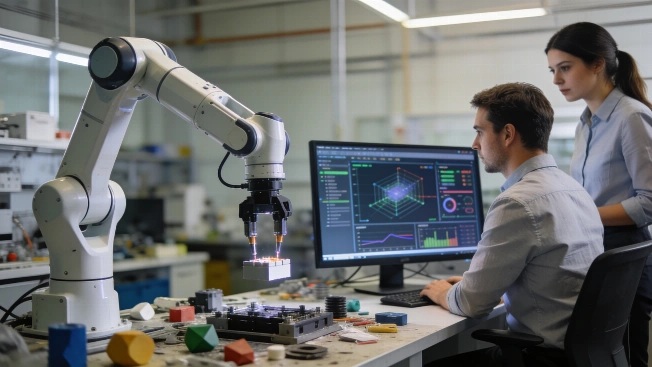
NVIDIA's RoboLab Targets Real-World Robot Policy Evaluation Limits
NVIDIA has released RoboLab, an open-source simulation platform designed to benchmark and analyze general-purpose robot policies. The system aims to address persistent gaps in evaluating robotic models before real-world deployment