
Machine Learning - Part 2
96 reports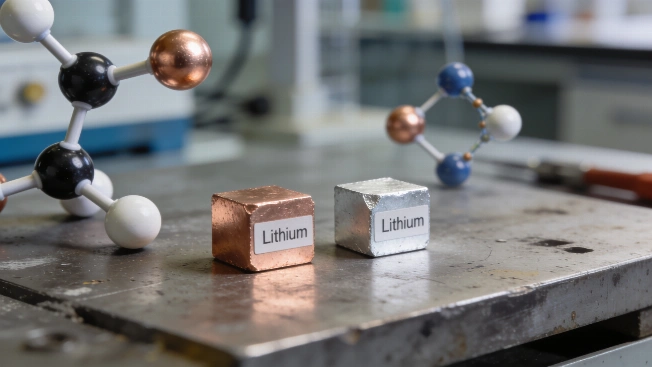
Hybrid Quantum Model Leads on Copper-Lithium Force Accuracy
A peer-reviewed study reports that a quantum-classical version of Allegro predicted forces more accurately than its classical counterpart on a copper-lithium dataset, while transferred settings also held up on two organic benchmarks
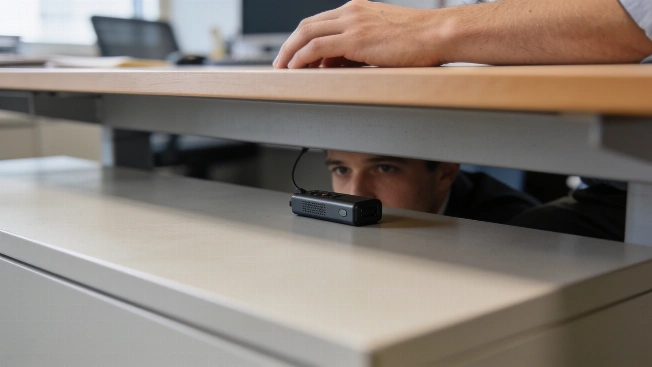
OpenAI Says Its Models Helped Trace an Office Recording Device
OpenAI says its models helped trace a concealed recording device to an employee later arrested by the FBI. The company has not explained what evidence the models analyzed or how investigators verified their findings.
Anthropic alleges Chinese firms extracted AI model capabilities
Anthropic says Chinese AI developers used covert proxy networks to query U.S. models at scale and reproduce their capabilities. The company has reported millions of exchanges and new safeguards, but its allegations have not been independently verified or tested in court.
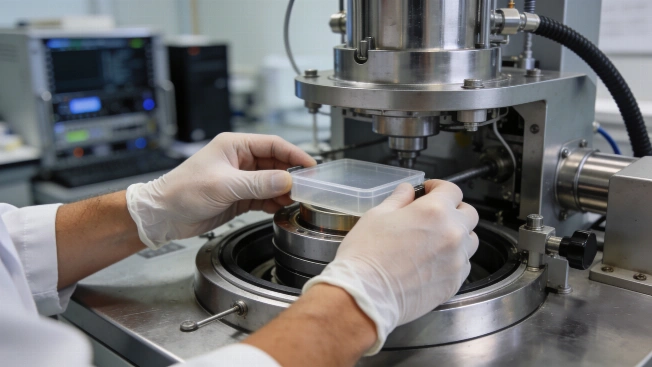
A $1.8 Billion Bet on Predictive Models of Living Cells
Federal agencies and major technology companies are assembling nearly $1.8 billion in funding and resources for open biological datasets designed to train models that predict cellular responses
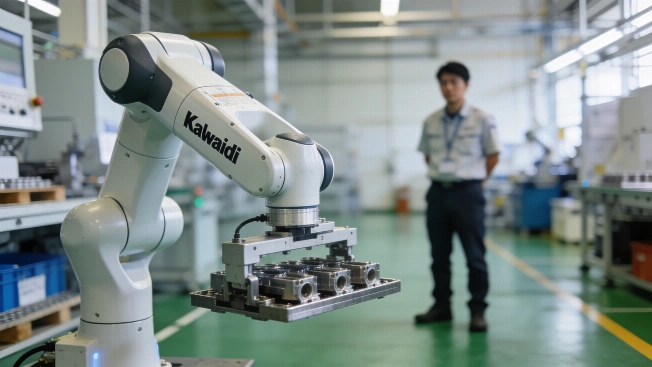
Kawasaki Plans Staged AI Control for Kaleido Humanoid Robot
Kawasaki plans to combine remote operators with Noetra's physical AI in Kaleido from around 2030, before attempting autonomous industrial work in less structured environments by 2040.
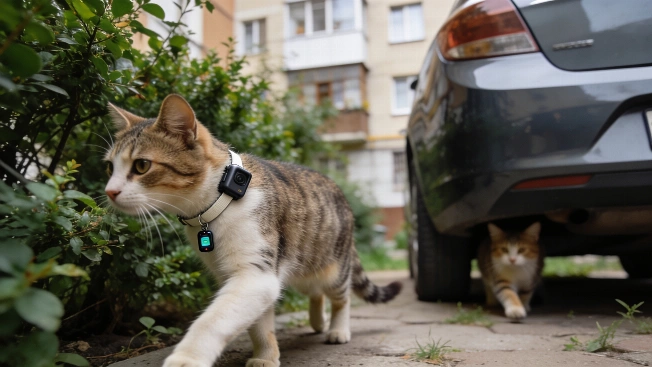
Kazakhstan's Camera-Equipped Cats Join Missing-Pet Searches
A Kazakhstan project is fitting free-roaming cats with tiny cameras and GPS trackers while computer vision searches their footage for missing pets hidden beyond easy human reach.
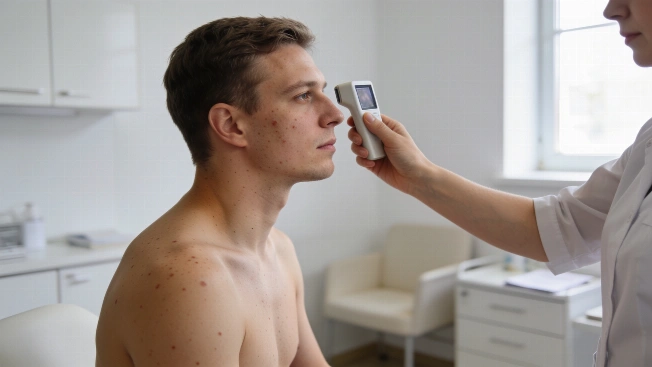
Utah Authorizes AI Prescriptions for Initial Acne Treatment
Utah has approved Nolla Health's system to issue initial and repeat topical-acne prescriptions without a doctor's prior approval in every case. The 12-month pilot uses questionnaires and facial scans, limits treatment to eligible adults with mild or moderate acne, and refers uncertain cases to licensed physicians.
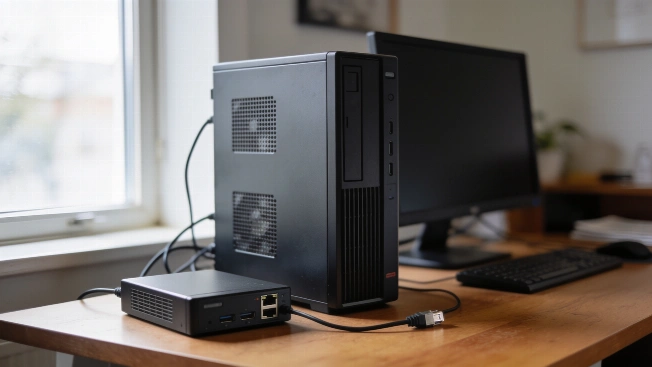
PewDiePie's Ajax Tests the Case for Local AI
PewDiePie has announced Ajax, a locally run assistant based on Alibaba's Qwen3.5-9B, after describing two OpenAI account suspensions during development activity he characterized as distillation.
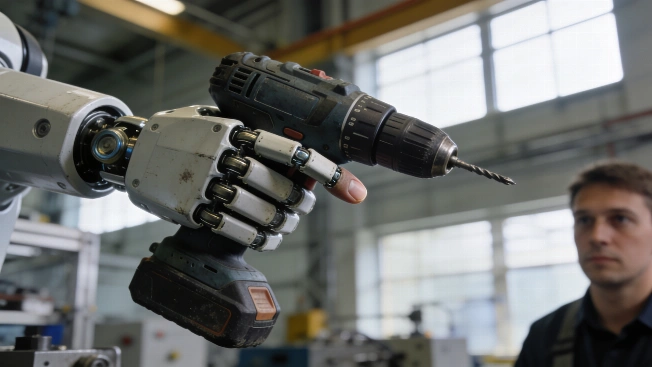
Atlas Gets Four Fingers for Industrial Robot Work
Boston Dynamics unveiled a four-finger, 13-degree-of-freedom hand for Atlas on October 1, 2026. The company says the directly actuated design can reorient objects, recover from slipping grasps and operate demanding industrial tools.
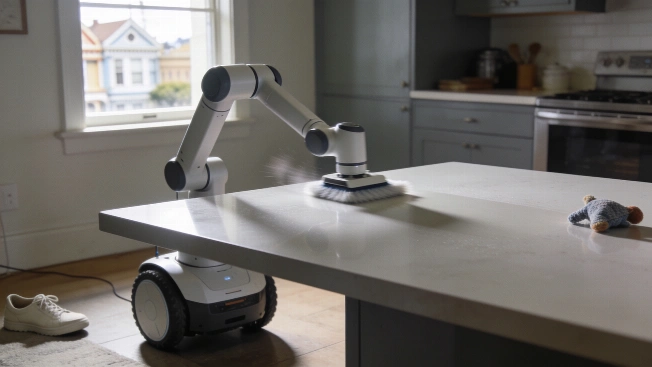
A $3,555 Home Robot Trades Strength for Simplicity
Flourish 1 is a compact household robot that owners teach by demonstration. Its $3,555 price, 3.3-pound lifting limit, and task-specific software reflect a deliberate tradeoff between broad capability and practical domestic automation.
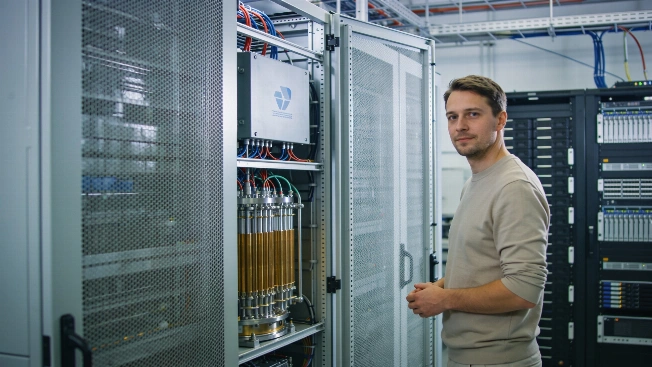
Europe Funds a Hardware-Agnostic Quantum Software Stack
The European Union is backing a 36-month, €5 million effort to build an open, interoperable software layer for quantum processors and annealers, alongside high-performance computing systems. The project will address noise, testing and fragmented compilers.
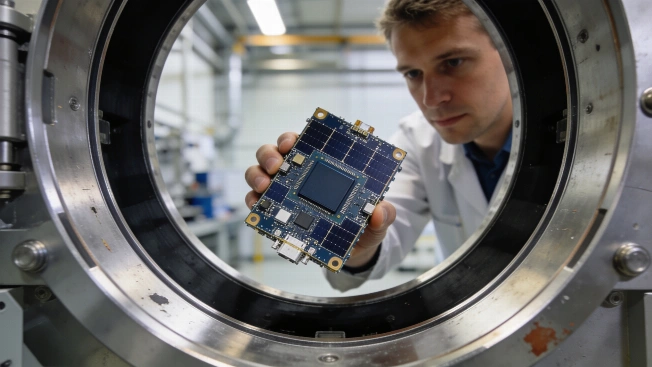
Google Tests Four AI Chips in Orbit
Google's first Project Suncatcher hardware test is scheduled to fly next week on SpaceX's Transporter-18 rideshare mission. A prototype satellite carrying four Tensor Processing Units will measure how the chips withstand launch vibration, radiation, vacuum and extreme temperatures before any larger orbital computing cluster is attempted.

IonQ QCBM Beats Classical Radar Change Detection Baselines
IonQ reports that a 20-qubit trapped-ion quantum generative model improved radar change detection on a high-resolution airfield dataset while matching classical methods on volcanic InSAR imagery
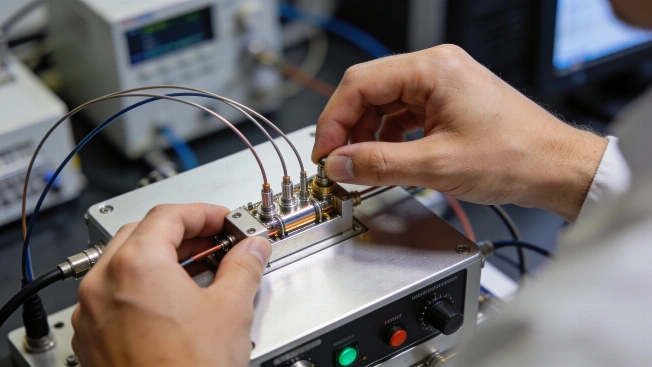
AI Design System Cuts Simulated Quantum Error Rates 14.6-Fold
QC Design says its Meridian platform reduced evaluated logical error rates by a median factor of 14.6 across more than 100 quantum fault-tolerance design tasks. The company tested architectures against hardware noise in simulation.
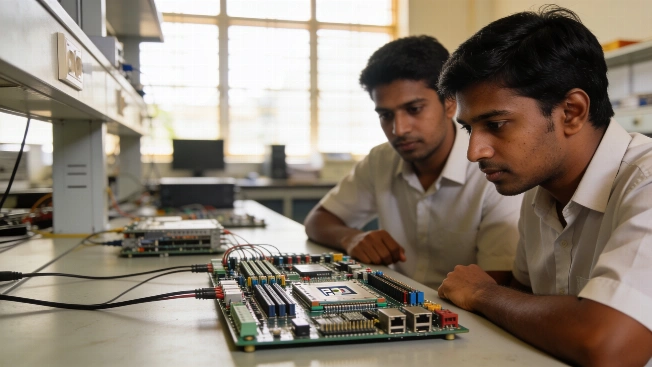
Yenepoya Plans Quantum AI Hardware Lab in Mangaluru
Yenepoya University and REYRA AI plan a Mangaluru laboratory for quantum-inspired hardware and software while preparing students and faculty through certificate courses in quantum computing and quantum machine learning.
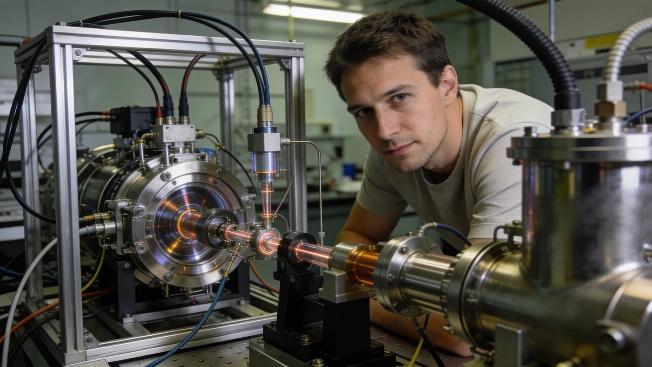
Quantum Utility Starts With Chemistry Not Qubit Counts
Matthias Troyer's assessment of quantum computing points to chemistry as the clearest near-term application. Error correction, data movement, hardware architecture and end-to-end cost will determine whether larger systems become scientifically useful.
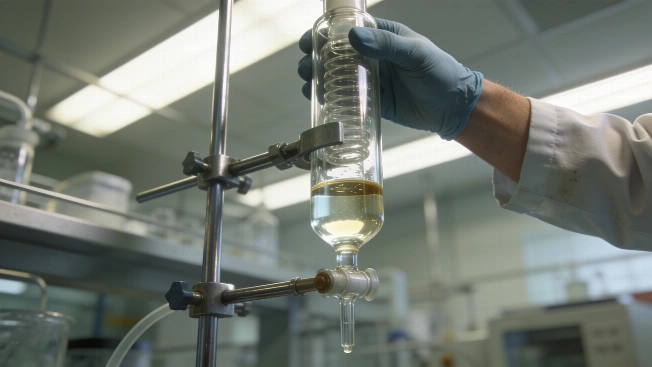
Quantum Models Target Rare Earth Separation Chemistry
USA Rare Earth, Pasqal and Riven Systems are developing a quantum-machine-learning process to identify selective extractants for separating mixed rare earth carbonate into individual oxides, using thousands of automated experiments and feedstocks from mining and recycling.
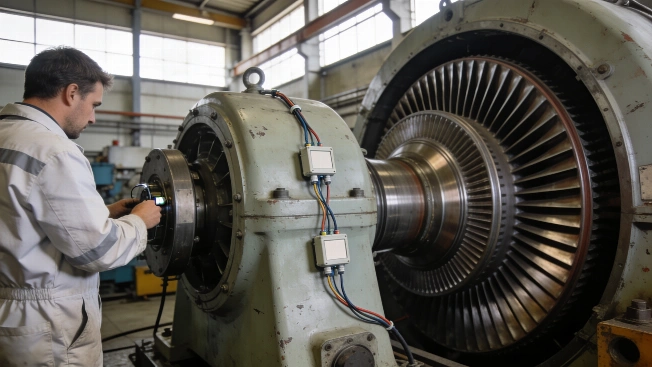
I-care adds AI anomaly detection without past failure data
I-care Group has acquired Amiral Technologies’ assets, including its DiagFit system, which detects abnormal machine behavior from normal operating data without needing a library of past failures.
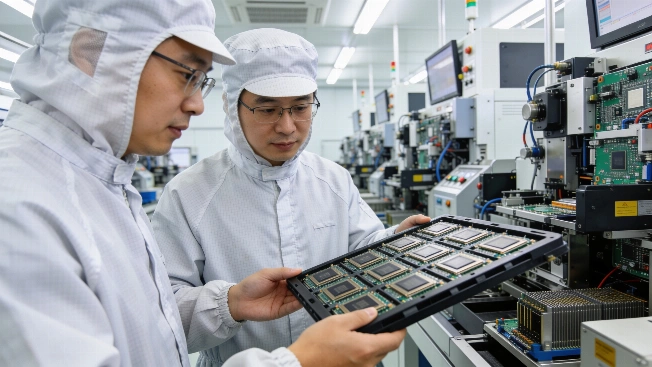
China's AI chip makers take on Nvidia's dominance in model training
Nvidia's lead in AI model training is under pressure as Chinese companies like Huawei, Cambricon, Moore Threads, and Biren Technology push to develop homegrown chips and software, aiming to reduce dependence on foreign hardware.
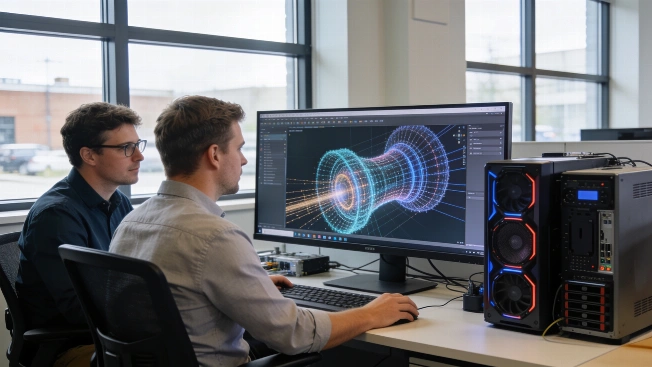
IBM Ventures Backs BQP for Quantum Physics Simulation Acceleration
BQP has secured an $8 million investment led by IBM Ventures to expand its quantum-accelerated physics simulation platform. The company aims to bridge the gap between classical high-performance computing and hybrid quantum-classical workflows for engineering applications.

AI reconstructs black hole jet motion from decades of radio data
A new AI-driven analysis of 27 years of radio telescope data has produced the sharpest reconstruction yet of a black hole jet, revealing unexpected details about plasma motion in the blazar 3C 345.
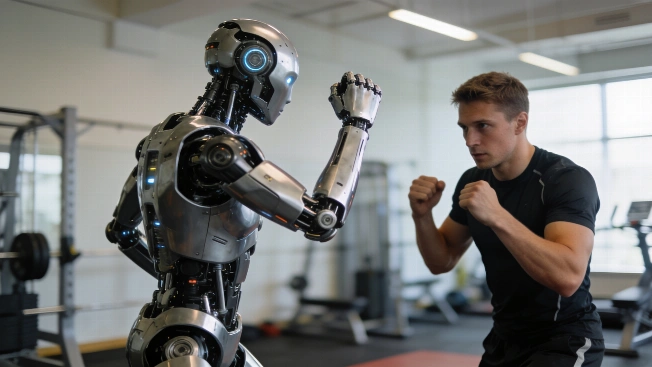
Unitree G1 Robot Demonstrates Autonomous Sparring Using UnifoLM-X2-1.0
Unitree Robotics has released footage of its G1 humanoid robot sparring with a human using the UnifoLM-X2-1.0 AI model, highlighting advances in predictive perception and autonomous motion planning for dynamic physical tasks
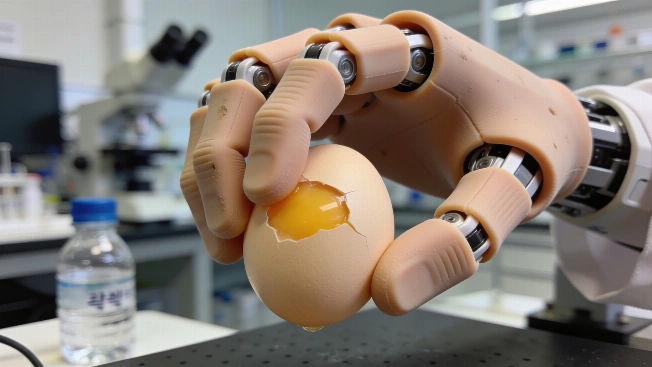
3D-Printed Soft Robotic Hand Shows Delicate Grip and Strength in Lab Tests
A research team at KAIST has built a 3D-printed soft robotic hand that can cradle fragile objects and lift heavy ones, using AI to improve the material's stretchability and durability for advanced manipulation tasks.
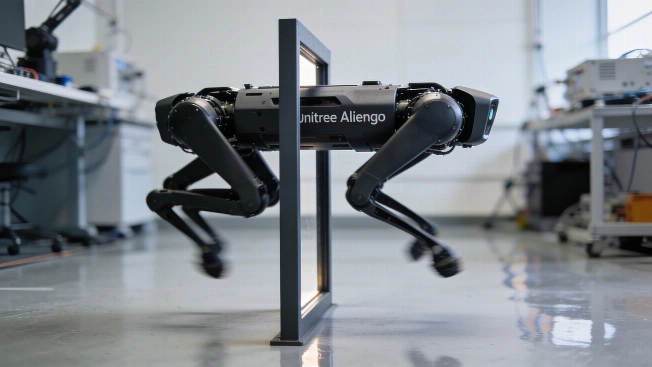
Quadruped Robot Demonstrates Dynamic Leaping Through Tight Spaces
A research team has built a hierarchical reinforcement learning system that enables a four-legged robot to leap through narrow gates at speed, coordinating vision and movement in real-world tests inspired by animal agility
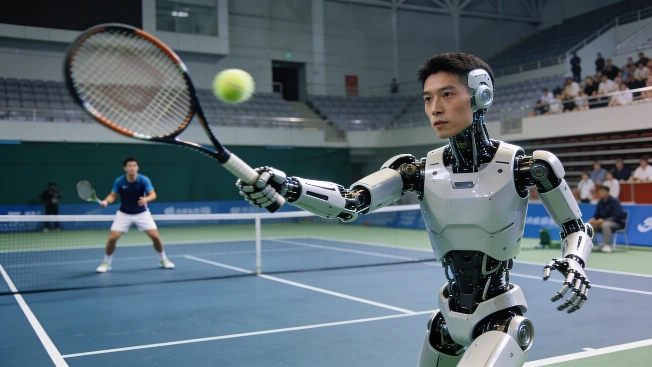
Humanoid Robots Complete 100 Rallies in Live Tennis Match in Beijing
Galbot's humanoid robots demonstrated autonomous tennis play against human athletes at the Second World Humanoid Robot Games, completing more than 100 consecutive rallies and showcasing advances in real-world robot perception and control.
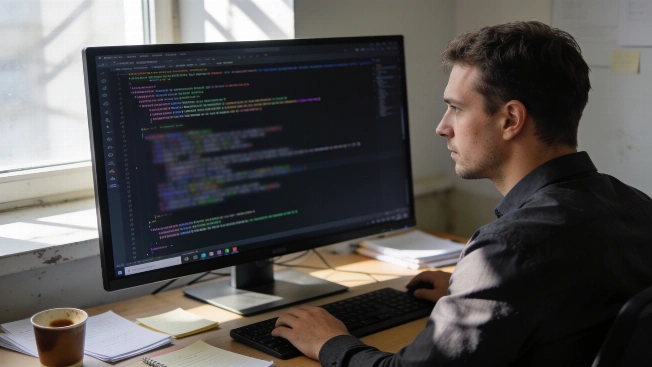
Why More Data Alone No Longer Advances Generative AI Systems
Recent advances in generative AI have relied on scaling up models and datasets, alongside greater computing resources. But, evidence now suggests that simply increasing data volume is no longer enough to improve performance, especially on complex tasks such as software development.
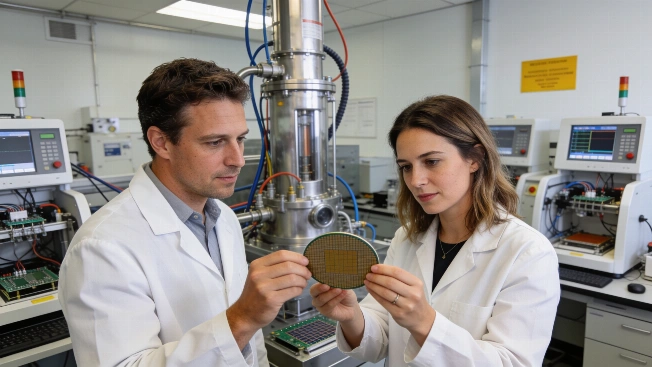
Diraq Expands US Silicon Spin-Qubit Engineering With Santa Monica Hub
Diraq has opened a new engineering facility in Santa Monica, California, focused on silicon spin-qubit processor development using commercial CMOS foundry processes as part of its trans-Pacific quantum computing infrastructure.
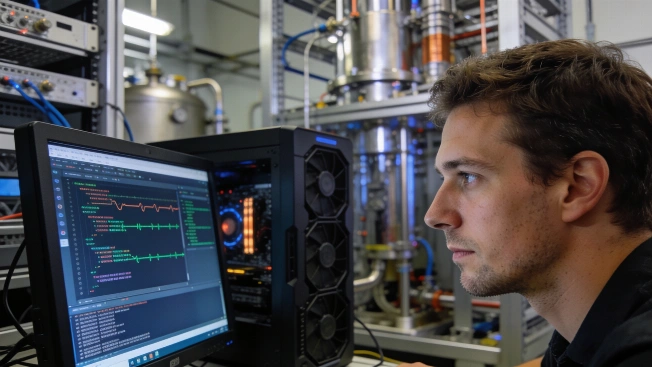
AI Decoder Surpasses PyMatching on Google Quantum Surface-Code Data
Quantum X Labs reports that its AI-based quantum error correction decoder achieved higher decoding accuracy than standard matching algorithms on Google's public surface-code dataset. The decoder was trained exclusively on synthetic data and uses GPU acceleration.
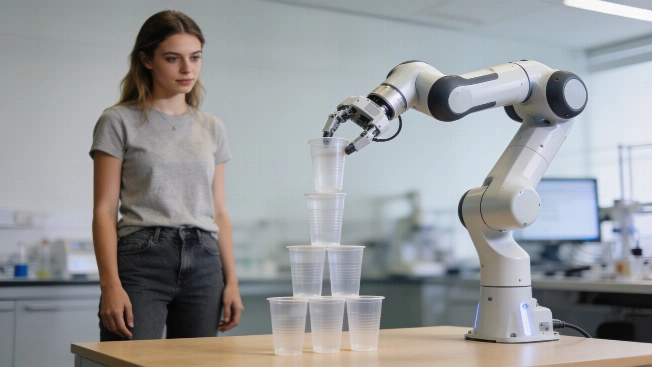
GEN-1.5 Robot Model Imitates Physical Tasks After One Short Demo
Generalist AI has introduced GEN-1.5, a foundation model for robots that attempts new physical tasks after observing a single brief demonstration, without requiring fine-tuning or retraining.
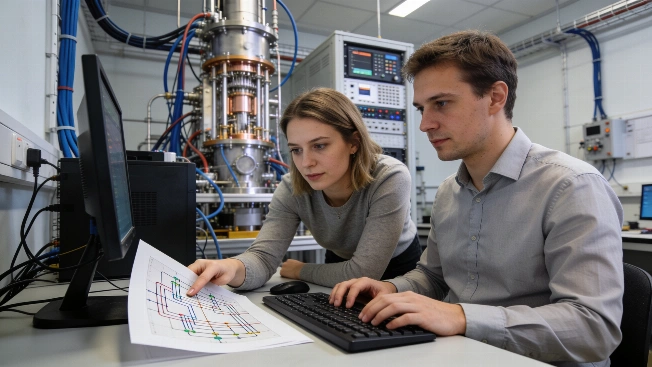
AI Models Now Optimize Quantum Algorithms for Real Hardware
Recent advances show that AI systems are directly optimizing quantum algorithms for cryptography and hardware compatibility, improving circuit efficiency and potentially influencing quantum workforce development.
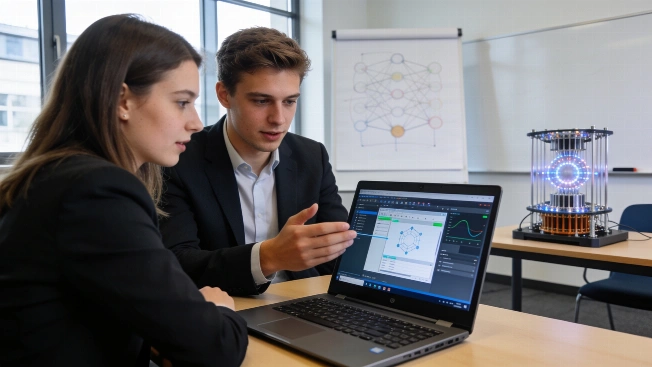
Quantum Software Integrated Into Luxembourg Business School Curriculum
Superpositions and the European Business Institute of Luxembourg have launched a partnership to embed quantum computing and hybrid algorithm workflows into business education, giving students direct access to quantum software platforms and real hardware backends
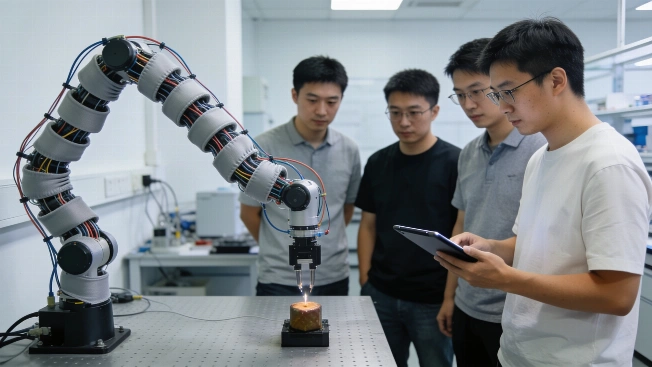
Feagine's Fi0 Model Tested for Cross-Body Robot Task Transfer
Feagine Robotics has introduced Fi0, a foundation model designed to transfer task knowledge across different soft robot arms, aiming to reduce retraining when hardware changes. Early tests used three tendon-driven manipulators with varying morphologies
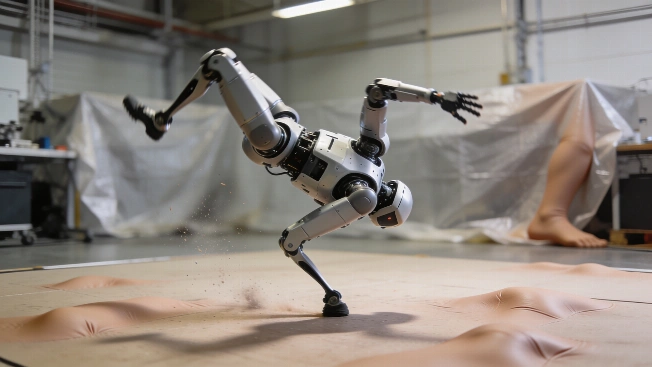
Humanoid Robots Learn Agile Moves from Human Motion Data with ZEST
A new control structure called ZEST enables humanoid and quadruped robots to perform complex, agile movements by learning from human motion capture, video, and animation data, reducing the need for task-specific engineering.
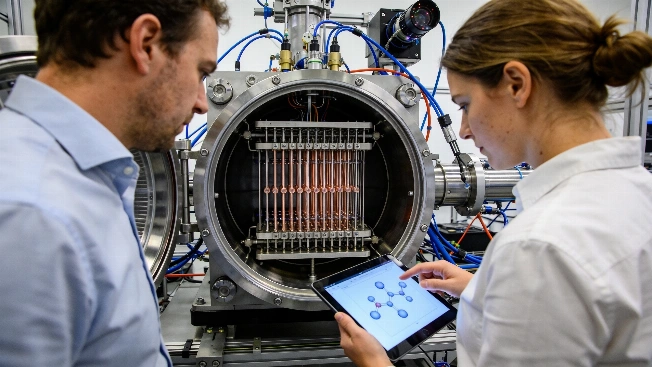
AI-Generated Quantum Circuits Tested on 98-Qubit Trapped-Ion Hardware
A collaboration involving Quantinuum and NVIDIA, with Pfizer, has demonstrated an AI-driven structure for generating quantum circuits and executing them on a 98-qubit trapped-ion processor to model pharmaceutical molecules.
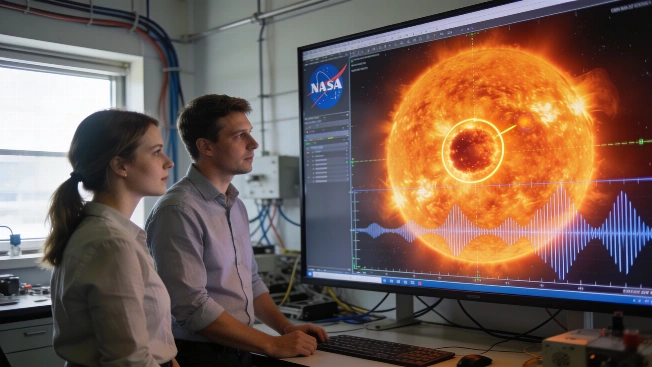
NASA AI Model Predicts Sunspot Emergence Hours Before Surface Appearance
A NASA-led team has developed an AI model that analyzes acoustic and magnetic data from the Sun to forecast the emergence of active regions up to 12 hours in advance, offering new potential for space weather prediction
Part 2 of 3