
DARPA
24 reportsQuestions raised by DARPA are explored through program-manager-led projects; prototype development; and advanced computing and biotechnology. The account anchors advanced computing and biotechnology in independent performance evidence and uses program solicitations to test whether the pattern extends beyond one dataset; any broad claim must allow for the fact that successful prototypes may still face major barriers before reliable operational use.
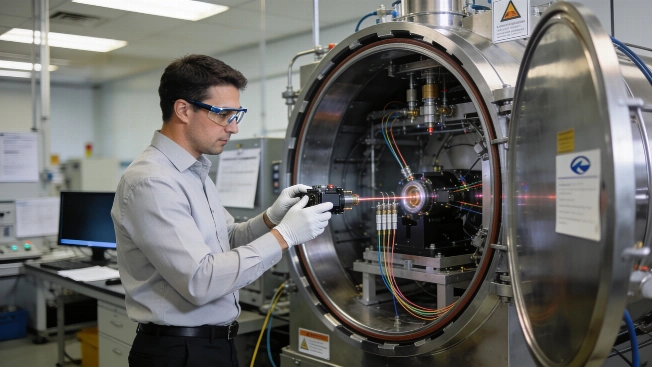
U.S. Backs Photonic Quantum Manufacturing With $150 Million Loan
The Department of War has outlined a $350 million quantum initiative with up to $150 million in conditional financing for PsiQuantum's Milpitas manufacturing hub and approximately $200 million for independent hardware validation under DARPA's Stage C program.

DARPA Puts Four Quantum Platforms Through Final Hardware Tests
DARPA has moved Atom Computing, Diraq, IBM and IonQ into the final stage of its quantum benchmarking program, where physical systems, control infrastructure, software and error-correction components will face direct testing rather than plan reviews.
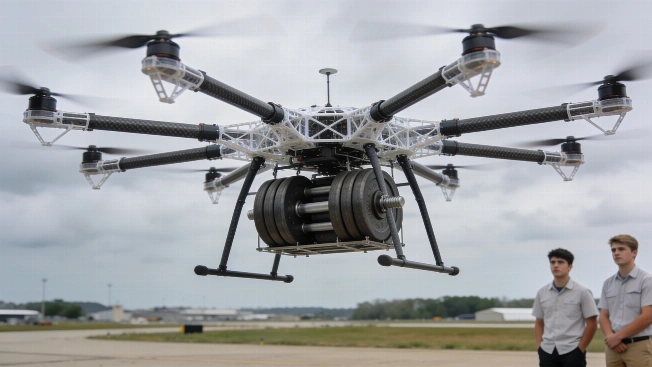
Texas A&M Drone Carries More Than Twice Its Own Weight
Texas A&M aerospace students flew a 50-pound battery-powered drone carrying 110 pounds over four nautical miles in 12 minutes at the first DARPA Lift Challenge, demonstrating the limits and promise of lightweight heavy-lift engineering.
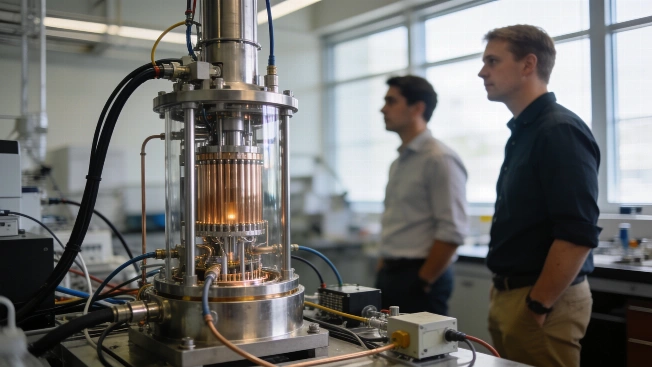
Maryland Is Building Quantum Infrastructure Before the Market
Maryland's quantum strategy now links federal benchmarking with university research funding, hands-on training and company laboratories across five hardware approaches, creating an ecosystem whose value depends on reproducible testing and commercial results
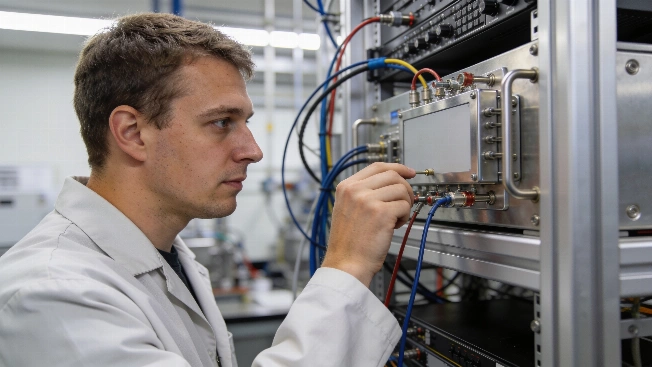
Microsoft Builds Maryland Hub for Quantum Hardware Verification
Microsoft has opened a 15,000-square-foot Maryland center where DARPA can physically test Majorana 2 and research partners can develop quantum hardware, control systems, and software-without yet establishing a useful fault-tolerant machine.

Phasecraft Puts U.S. Quantum Software Hub in Arlington
Phasecraft is establishing its U.S. headquarters in Arlington to expand quantum-algorithm work with federal agencies across defense, energy and materials science, while technical validation remains central.
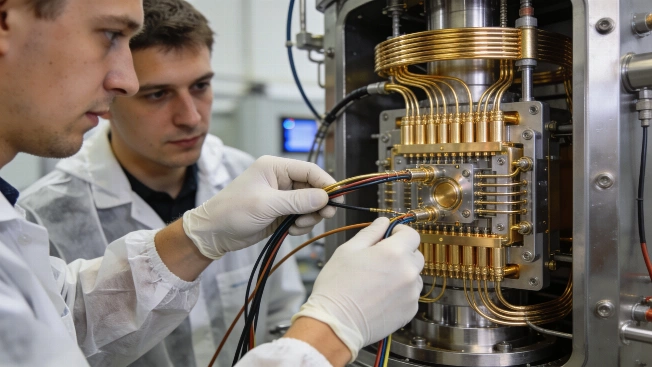
Superconducting Quantum Processor Runs Qubit-Efficient Optimization Algorithm
Rigetti Computing has used a superconducting quantum processor to run an optimization algorithm that packs more classical variables into each qubit, letting the hardware tackle larger problems with fewer resources. The team benchmarked the approach against standard methods.
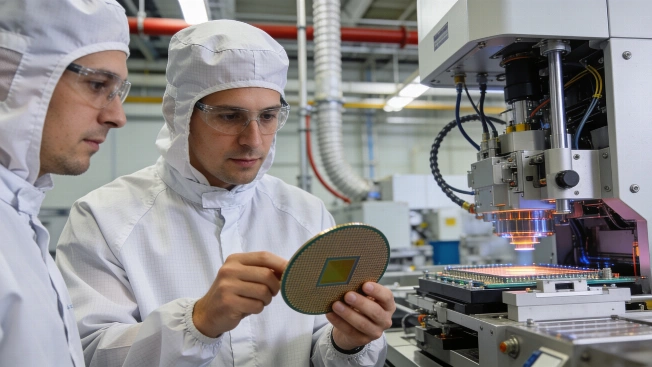
Photonic Inc Plans CA$500M Silicon Quantum Fab in Vancouver
Photonic Inc has put forward Project VANGUARD, a CA$500 million semiconductor fabrication and packaging facility in Vancouver. The site would give Canadian companies a domestic option for prototyping and scaling quantum, AI, and defense hardware.
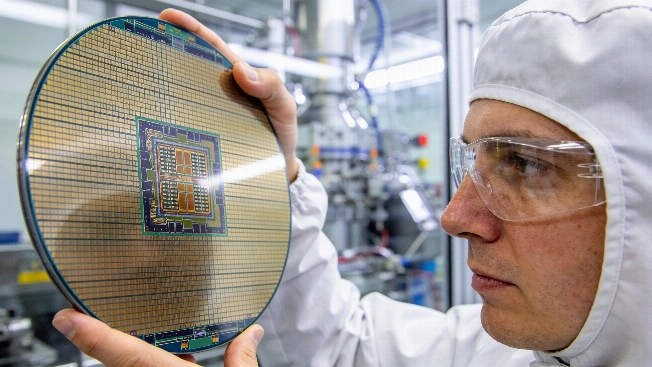
PsiQuantum Secures Major CHIPS Act Funding for Photonic Quantum Manufacturing
PsiQuantum has finalized a $100 million CHIPS Act award with the US Department of Commerce to accelerate domestic manufacturing of photonic quantum computing components and strengthen the onshore supply chain for advanced quantum hardware
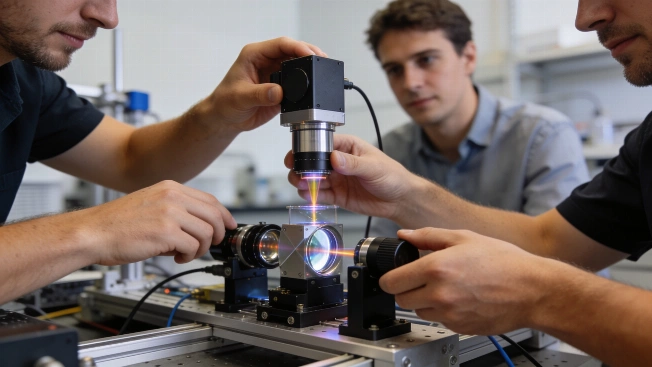
Quantum Camera Startup Secures $10M+ for Sub-Diffraction Imaging
Diffraqtion has raised over $10 million in pre-seed funding to advance quantum-enabled optical sensing platforms that claim to resolve features far below the classical diffraction limit, targeting applications in space domain awareness and defense
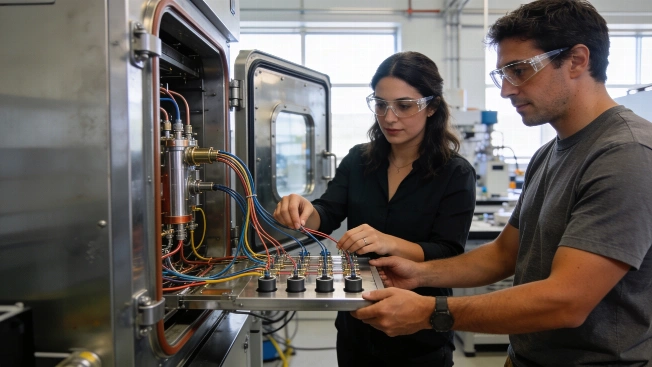
New Mexico Targets Quantum Computing with State-Federal Grant Expansion
New Mexico's Technology and Innovation Office has added DARPA's Quantum Benchmarking Initiative Stage C and the Army Research Office/NSA QuantumEAGLe program to its state-federal matching grant scheme, aiming to attract quantum computing projects to the region

Quantum Gravimeter Demonstrates GPS-Free Navigation in Coral Sea Trial
Q-CTRL has field-tested a quantum gravimetric navigation system on open water, achieving 1-nautical-mile accuracy without GPS by combining cold-atom interferometry and classical sensors in a real maritime environment
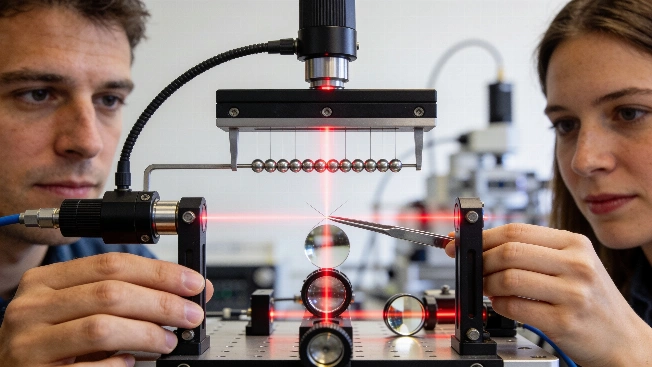
Neutral-Atom Quantum Simulator Probes 2D Conformal Field Theory Spectra
A Caltech-led team has directly measured finite-size energy excitation spectra predicted by two-dimensional conformal field theory, using a neutral-atom quantum simulator based on strontium atom chains and Rydberg interactions
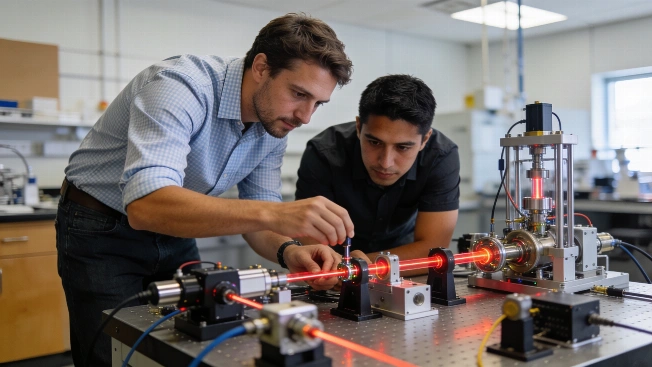
Quantinuum Expands Albuquerque R&D Hub for Trapped-Ion Photonics
Quantinuum will expand its Albuquerque facility with $1.5 million in city and state funding, focusing on integrated photonics for trapped-ion quantum processors and strengthening ties with national laboratories
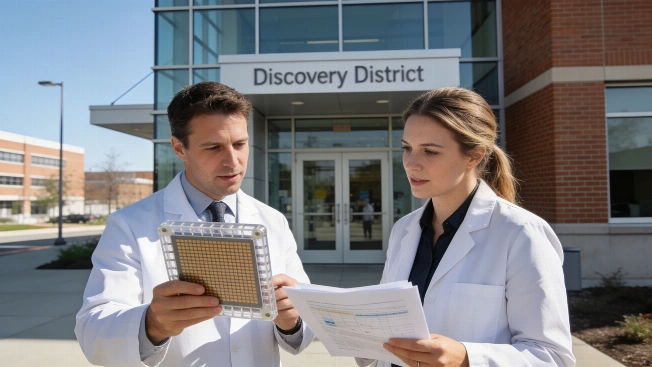
Quantum Motion Opens Maryland Hub for Silicon Spin Qubit Development
Quantum Motion has established a U.S. base in Maryland's Discovery District to advance silicon spin-qubit quantum processors, aiming to integrate with U.S. defense research and regional quantum industry clusters while leveraging standard semiconductor fabrication
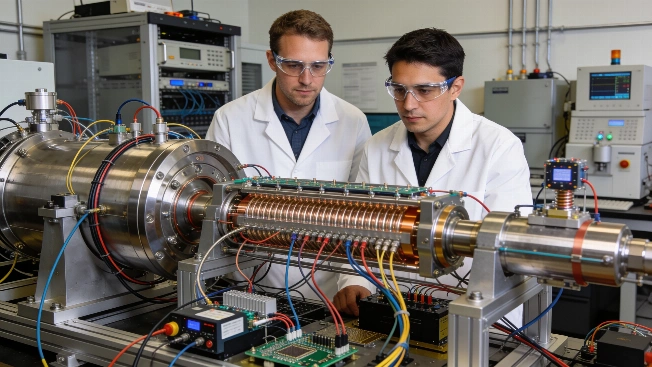
Hybrid Quantum Algorithms Target Defense Mission Planning in Huntsville
Davidson and Strangeworks have launched a collaboration to test hybrid quantum and classical optimization algorithms for military logistics and resource allocation, benchmarking their performance against established classical methods in operational scenarios
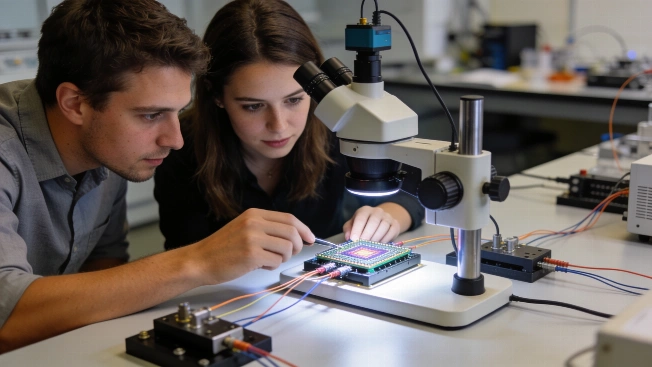
Xanadu Expands US Quantum Operations Amid Hardware and Algorithm Gains
Xanadu Quantum Technologies reported advances in photonic quantum hardware, algorithmic development, and US expansion, while disclosing a strengthened cash position and increased investment in fabrication and engineering
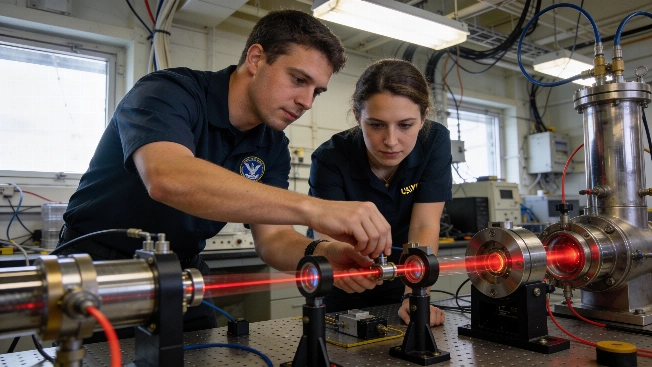
US Naval Research Lab Sets Quantum Technology Priorities for Defense
The US Naval Research Laboratory has detailed its Quantum Science Institute's operational roadmap, focusing on quantum sensing, computing, networking, and materials to address defense and maritime needs under new federal directives
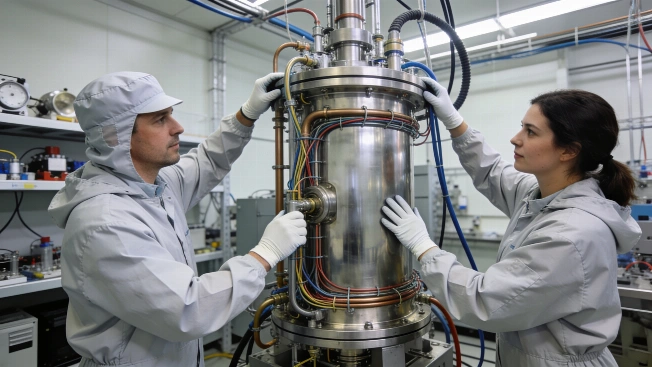
Quantum Hardware and Policy: Key Advances and Open Challenges in 2026
Recent months have seen a surge in quantum hardware deployments, new materials research, and major public investments. From room-temperature spin qubits to expanded quantum supply chains, the field is advancing but faces persistent engineering and scaling hurdles.
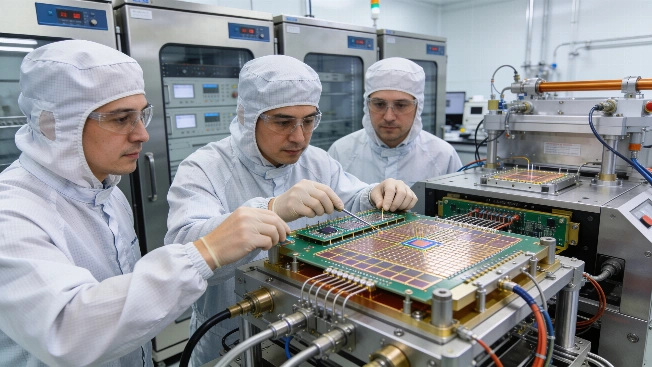
PsiQuantum's Photonic Quantum Hardware Faces Expanded DARPA Scrutiny
PsiQuantum has secured a $125 million agreement with DARPA to support independent verification of its photonic quantum computing hardware, manufacturing processes, and cryogenic infrastructure as part of the Quantum Benchmarking Initiative
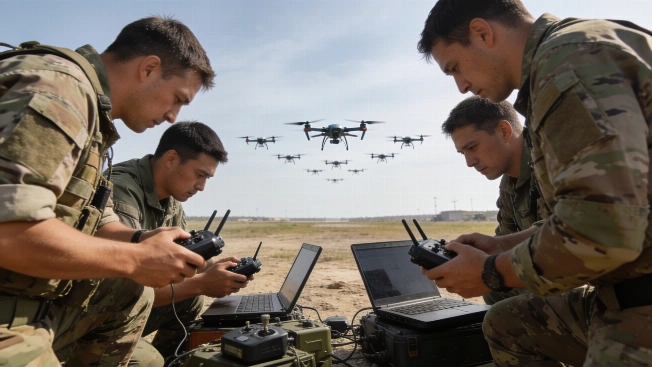
AI-Driven Drone Swarms Advance, Raising New Military and Safety Questions
Recent demonstrations show how AI enables military drone swarms to coordinate, navigate without GPS, and share sensor data. These advances highlight both technical progress and unresolved risks in autonomous battlefield systems
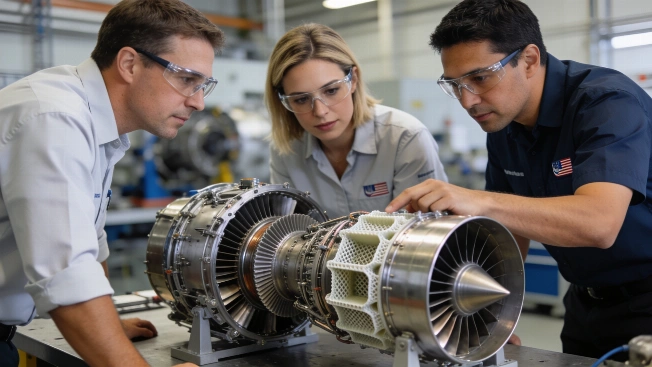
Pratt & Whitney Advances Valox 1500 Engine for Autonomous Aircraft
Pratt & Whitney has completed a digital design review of its Valox 1500 engine, a propulsion system intended for autonomous military aircraft, moving the program closer to ground testing and raising questions about cost, mission life, and rapid development
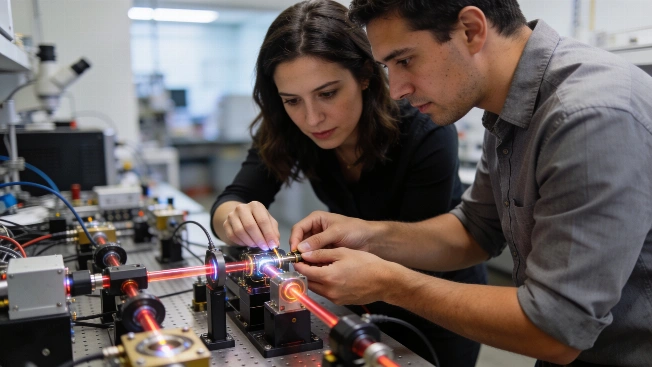
New Mexico Invests $1.2M in Quantum Hardware and Photonics Startups
Six early-stage quantum technology companies have received $200,000 grants each to expand or establish operations in New Mexico, supporting hardware, photonics, and software development for quantum sensing, communication, and computing applications
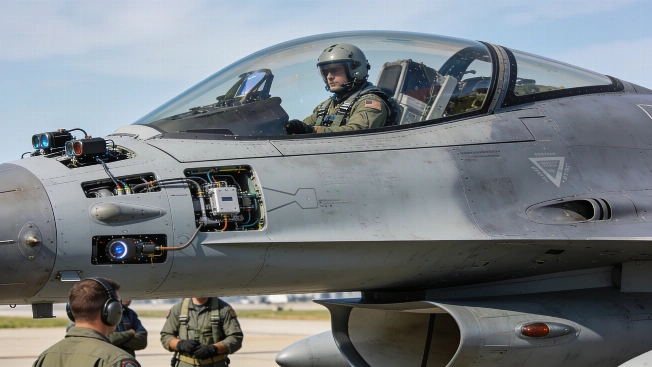
AI System Tested in Remotely Piloted F-16 Without Core Software Rewrite
A modified F-16 fighter jet was flown under AI control in a supervised test by DARPA and the US Air Force, using the VENOM Autonomy Kit to enable remote operation without altering the aircraft's core flight software