
Space Exploration - Part 7
286 reports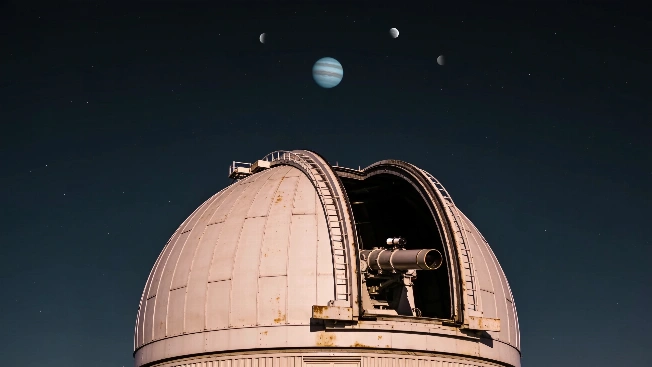
Neptune's Inner Moons May Preserve Debris From Ancient Ice Worlds
Infrared observations from the James Webb Space Telescope reveal unexpected clay minerals on two small Neptunian moons, supporting a debris-origin scenario while leaving the fate of their original ice unresolved

Europa Clipper May Miss Ocean Water Rising Through Europa's Ice
Computer simulations suggest that turbulent water rising through Europa's ice would freeze its pathways shut, making shallow surface pools poor indicators of the moon's buried ocean.
How a Falcon 9 Upper Stage Ended Up Bound for the Moon
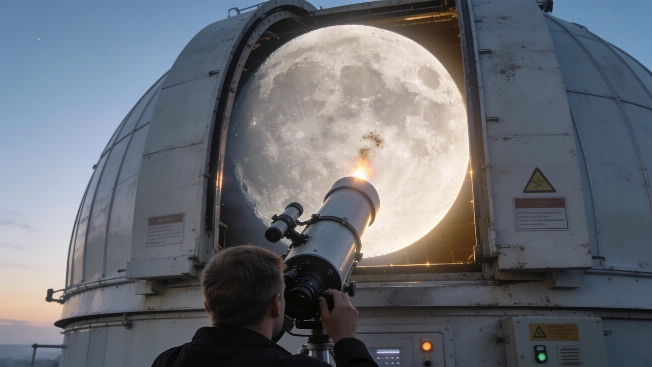
A Falcon 9 upper stage abandoned in a high Earth orbit hit the Moon on August 5, 2026, after gravity and solar activity gradually altered its trajectory.
NASA's NavCube3-mini Heads to a Commercial Lunar Relay
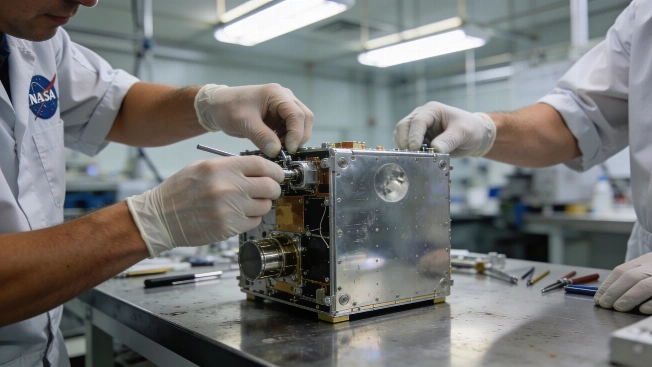
NASA has handed a compact GNSS navigation payload to Intuitive Machines for installation on Altus-1, testing whether Earth-based positioning signals can support spacecraft operating near the Moon.
Why Real Space Salvage Cannot Work Like Hardspace: Shipbreaker
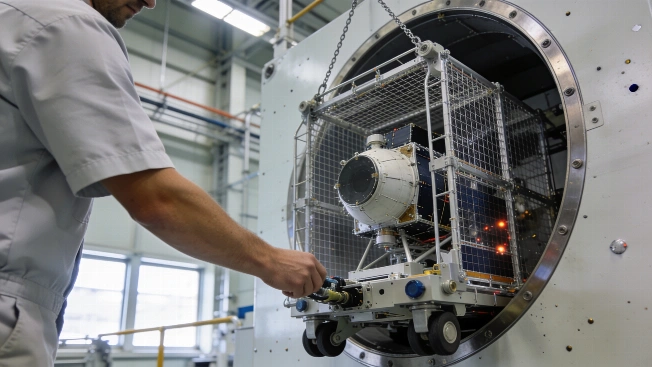
Hardspace: Shipbreaker turns derelict spacecraft into profitable scrap, but ESA's ClearSpace-1 shows why real debris removal must keep targets intact and under control, from stabilization through reentry
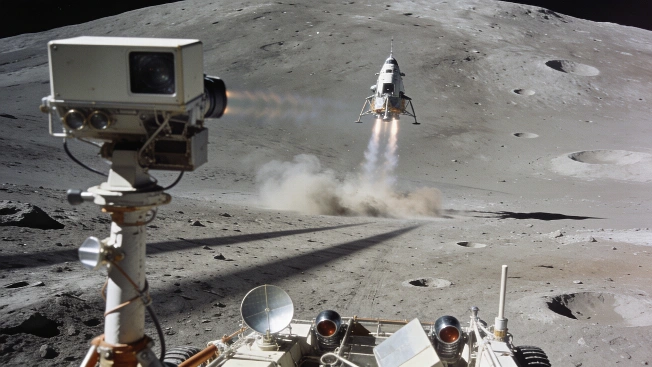
Apollo 15's Moon Liftoff Became Television's First From Another World
On Aug. 2, 1971, Apollo 15 transmitted the first live television view of a spacecraft leaving the moon, using a rover-mounted camera that revealed both the mission's ingenuity and its limits
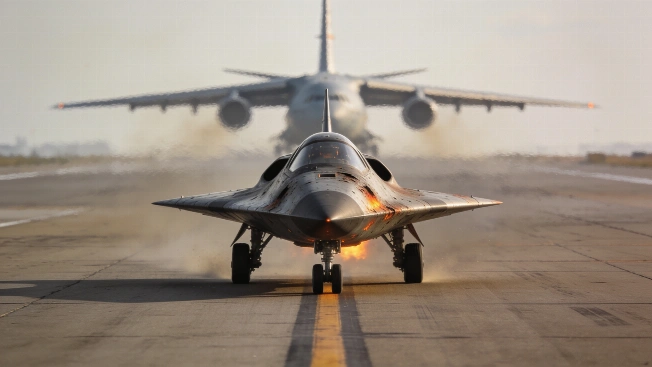
Stratolaunch's Talon-A passes 10-flight hypersonic milestone
Stratolaunch has completed more than 10 successful flights of its reusable Talon-A test vehicle, giving researchers a repeatable platform for examining materials, sensors and other technologies at speeds above Mach 5.
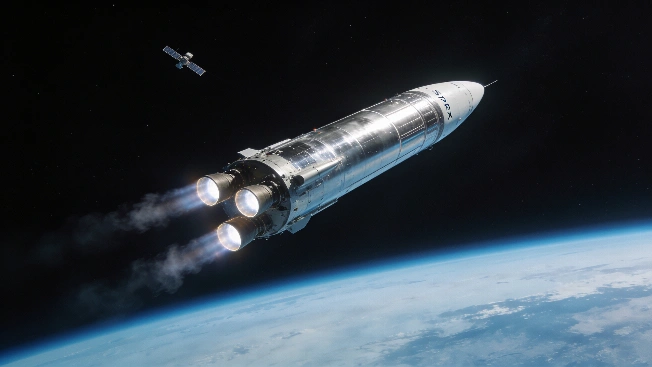
Starship Captured on Video by a Starlink V3 Satellite
A camera-equipped Starlink V3 satellite recorded SpaceX's Starship upper stage after Flight 13, offering an unusual view of the vehicle in space, including its engines and thrusters after separation
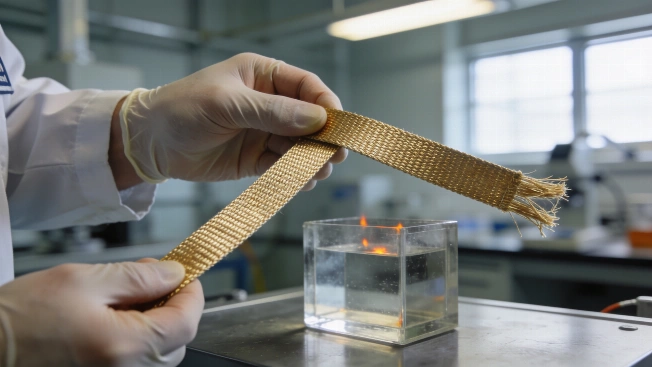
NASA Tests Fire-Resistant Webbing for Moon and Mars Missions
NASA testing found that natural, gold-colored Kevlar(R)/PBI webbing met flammability criteria in a high-oxygen environment, though complete softgoods assemblies still require configuration and wear testing.
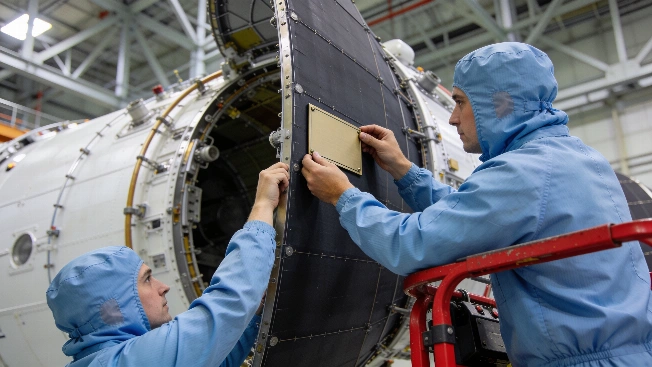
NASA's Roman Telescope Will Carry 1.35 Million Names to L2
A memory card carrying 1,350,144 names has been mounted on NASA's Nancy Grace Roman Space Telescope ahead of its planned launch to an orbit about one million miles from Earth
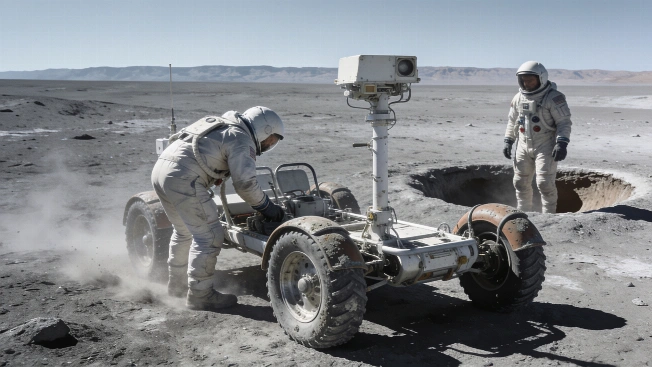
Apollo 15's Lunar Rover Turned Moonwalking Into Exploration
Apollo 15's Lunar Roving Vehicle gave astronauts their first way to travel extensively across the moon's surface, extending scientific exploration beyond the immediate landing site in July 1971.
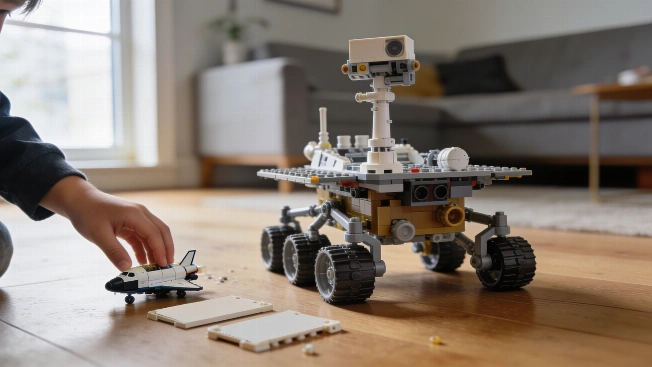
Playmobil's Space Sets Span Star Trek, Mars and ESA Missions
From a meter-long USS Enterprise to ESA-inspired lunar rovers and compact Mars vehicles, these 13 Playmobil sets turn space exploration into hands-on play across many ages and budgets
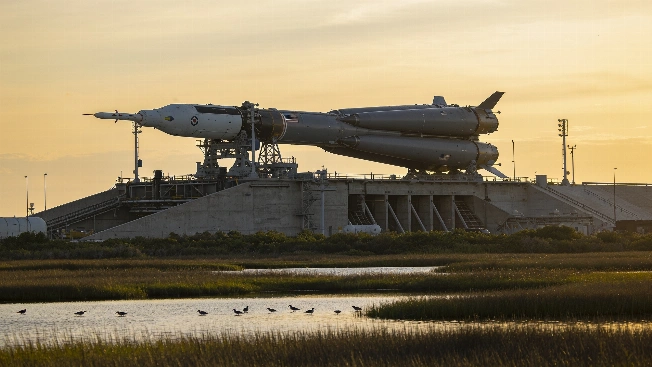
FAA Proposes Easing Environmental Rules for Commercial Space Launches
A new FAA proposal aims to accelerate commercial rocket launches and spacecraft reentries by waiving certain environmental regulations, raising questions about the balance between mission demand and environmental oversight
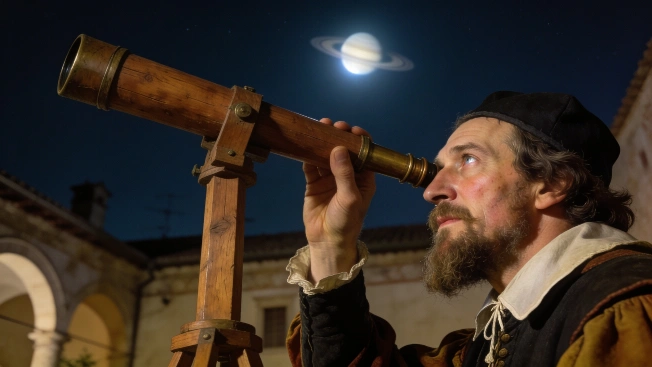
Galileo's 1610 Observation of Saturn's Rings Changed Planetary Science
In July 1610, Galileo Galilei used a newly invented telescope to observe Saturn, recording features later identified as the planet's rings, a finding that reshaped our understanding of planetary systems.
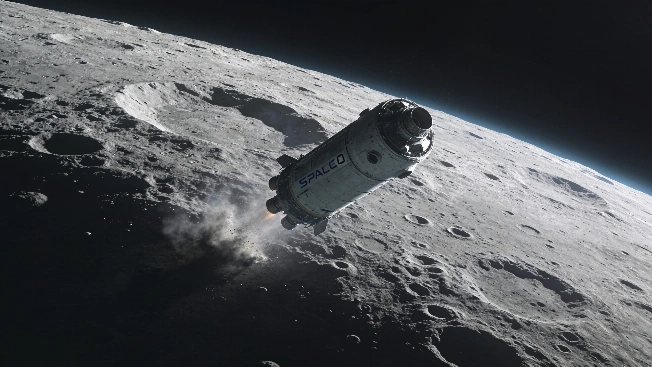
SpaceX Rocket Stage to Impact Moon, Raising New Scientific Questions
A spent SpaceX Falcon 9 upper stage has struck the lunar surface, giving researchers a rare chance to observe artificial impacts on the Moon with telescopes and orbital instruments.
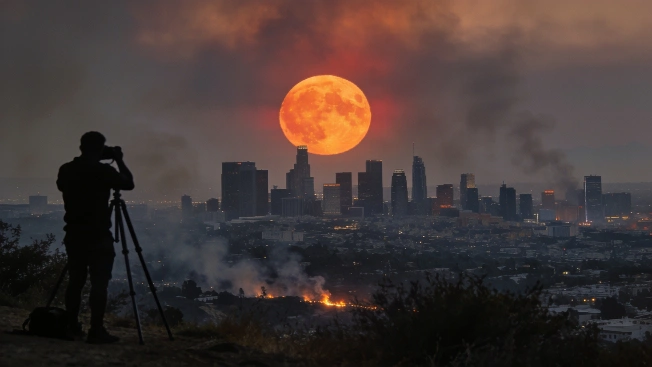
July's Buck Moon Captured Worldwide Amid Wildfires and Atmospheric Haze
Astronomers and photographers documented the July Buck Moon on July 29, 2026, as it rose through wildfire smoke and atmospheric haze, producing striking images across multiple continents and urban skylines.
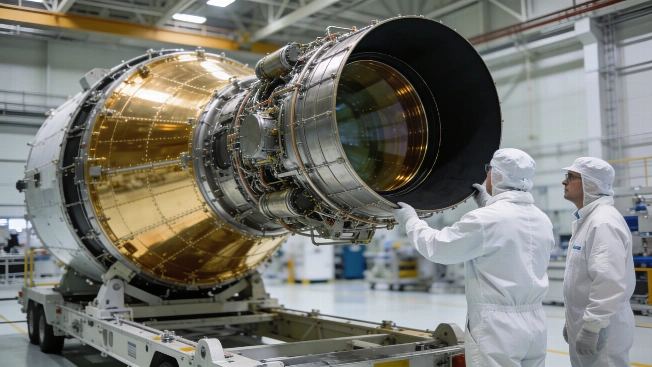
NASA Prepares Roman Space Telescope for Early Launch to L2 Orbit
NASA's Nancy Grace Roman Space Telescope launched on August 30 and is heading to L2, where it will conduct wide-field infrared surveys and exoplanet imaging
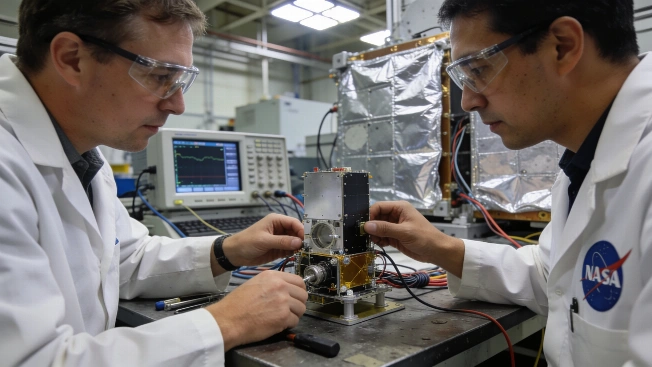
NASA Funds 18 Early-Stage Space Technology Concepts for 2026
NASA selected 18 new Phase I projects under its New Advanced Concepts program, committing $3.2 million to early-stage studies of technologies for future space exploration and astrophysics missions
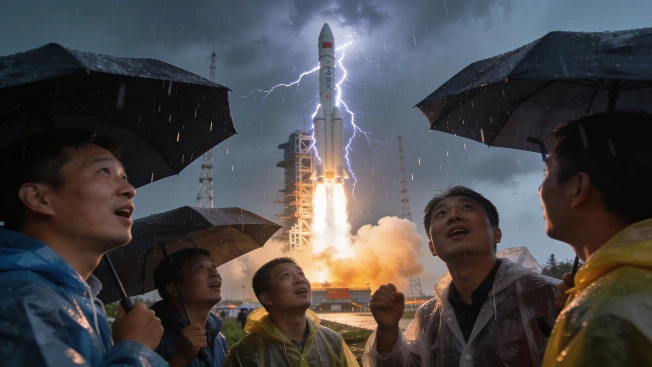
Chinese Long March 3B Rocket Struck by Lightning Survives Launch
A Long March 3B rocket was hit by lightning seconds after liftoff from Xichang Satellite Launch Center, yet continued its ascent and successfully deployed a geostationary relay satellite to support China's Tiangong space station.
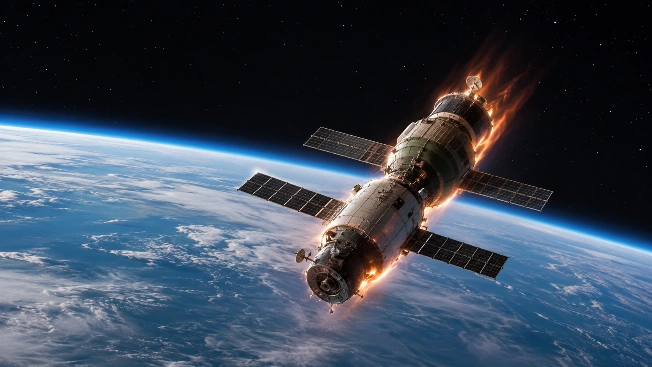
Salyut 6 Space Station Deorbited After Five Years in Orbit
The Soviet Salyut 6 space station, operational since 1977, was deliberately deorbited on July 29, 1982, after supporting multiple long-duration missions and pioneering space station technologies.
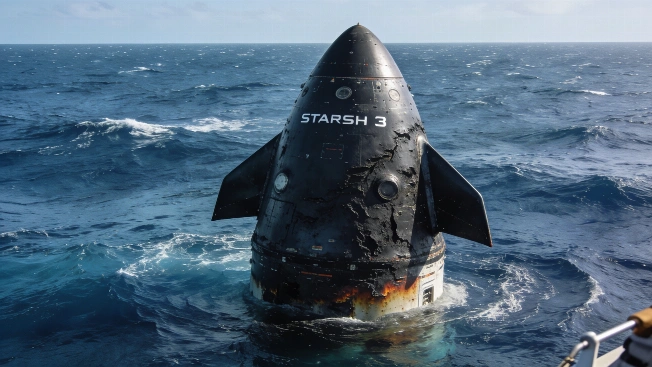
SpaceX Starship Remains Afloat in Indian Ocean After Test Splashdown
SpaceX's Starship Version 3 upper stage was photographed floating intact in the Indian Ocean five days after its July 24 flight test, offering a rare look at the vehicle's post-splashdown condition and raising questions about rapid reusability
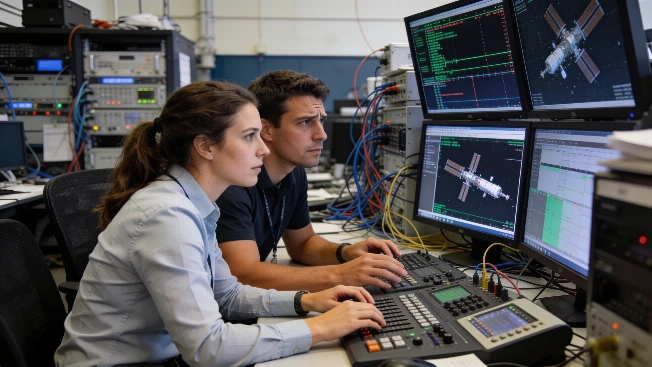
NASA's Swift Boost Mission Faces Setback After Spacecraft Malfunction
NASA's Swift Boost mission, launched to extend the life of the Neil Gehrels Swift Observatory, has encountered a critical control issue with its LINK spacecraft, raising uncertainty about the planned orbital rescue operation
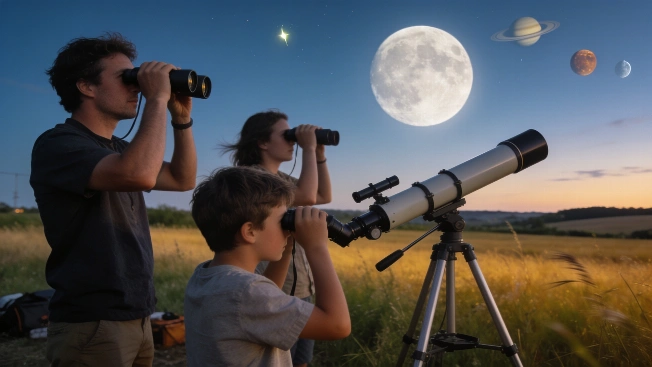
July's Buck Moon Aligns with Venus, Saturn, Mars, and Mercury
The full Buck Moon rises on July 29 alongside Venus, Saturn, Mars, and Mercury. As twilight fades, observers can watch the planetary parade with the naked eye or optical instruments.
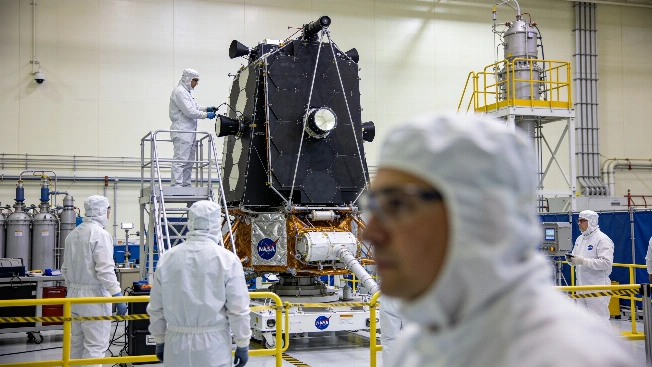
NASA Prepares Roman Space Telescope for 2026 Launch to L2 Orbit
NASA has fueled the Roman Space Telescope, a next-generation infrared observatory scheduled to launch in August 2026. It is expected to collect hundreds of terabytes of cosmic data annually and expand studies of dark matter and dark energy while probing exoplanets.
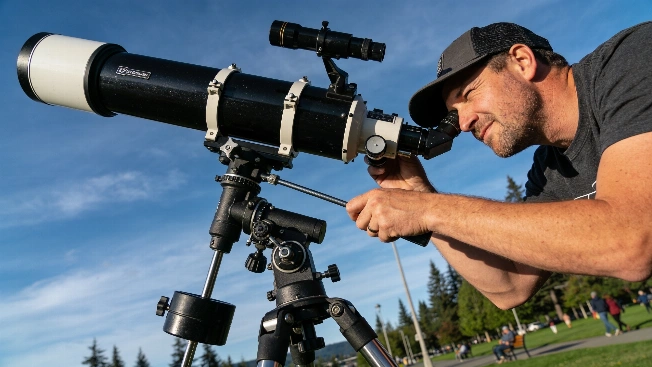
Astrophotographer Captures ISS Passing Venus in Daylight Sky
A rare daylight image shows the International Space Station appearing close to Venus, captured by AJ Smadi using a specialized telescope and camera setup in Washington state.
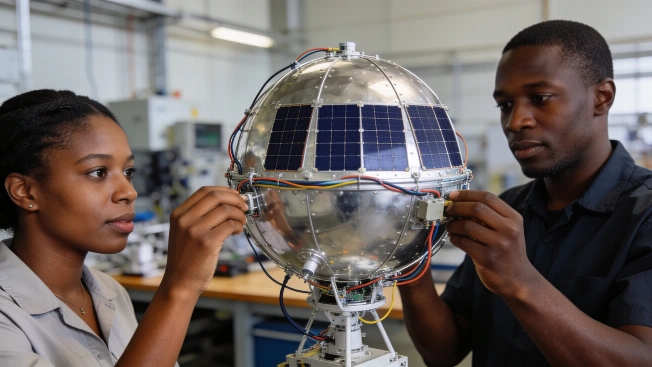
Africa's BALLS Radio Array to Ride Chang'e 8 to Lunar South Pole
A trio of spherical radio astronomy probes from Africa is set to launch aboard China's Chang'e 8 lander in 2029, aiming to deploy at the Moon's south pole and test low-frequency radio observations beyond Earth's atmospheric limits.
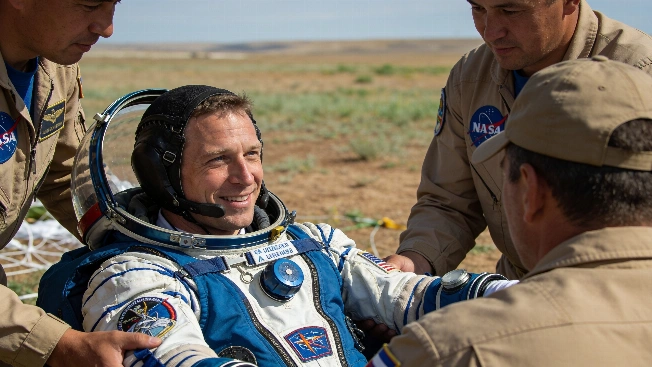
NASA Astronaut Chris Williams Completes First ISS Mission After Eight Months
NASA astronaut Chris Williams has returned to Earth after eight months aboard the International Space Station, where he supported scientific research and technology upgrades during Expedition 74.
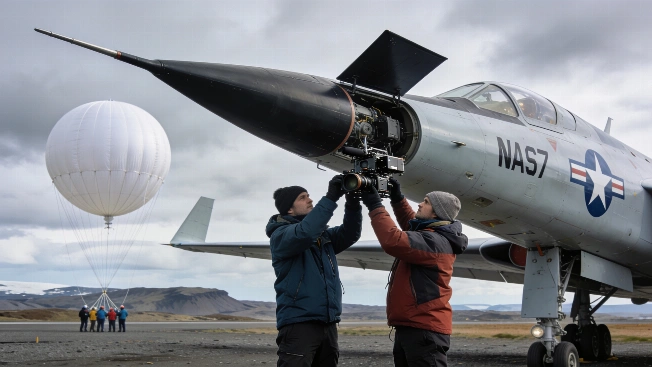
NASA Prepares High-Altitude Observations for August 2026 Solar Eclipse
NASA-funded teams will use a high-altitude jet and scientific balloons to study the Sun's corona and atmospheric changes during the total solar eclipse crossing Greenland, Iceland, and Spain on August 12, 2026

NASA Moon Tree Planted in Manhattan Grew from Lunar-Orbiting Seed
A young American sweet gum tree in Madison Square Park was grown from a seed that orbited the Moon aboard NASA's Artemis I mission, highlighting the intersection of space exploration and urban ecology.
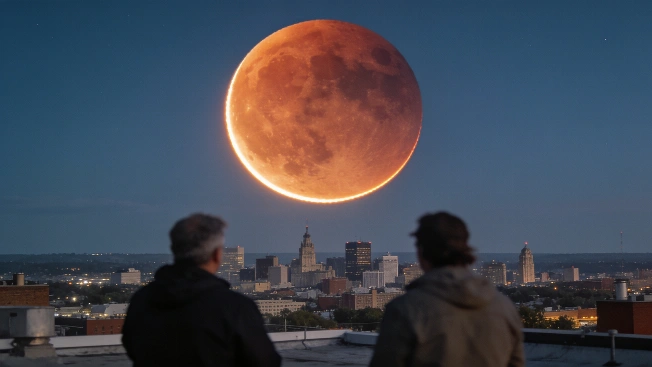
Deep Partial Lunar Eclipse to Create 'Almost Blood Moon' in August 2026
A rare deep partial lunar eclipse will occur on August 28, 2026, with an umbral magnitude of about 0.935, meaning 93.5% of the Moon’s diameter will lie within Earth’s umbra. The event will be visible across the Americas and Europe, with views also possible in Africa, offering a striking copper-red lunar display.
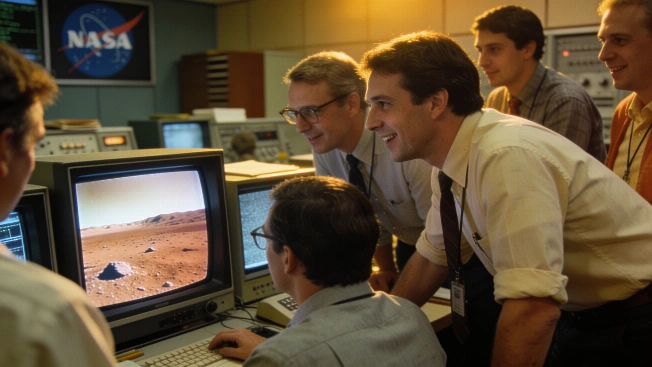
Viking 1's First Mars Surface Image Revisited on 50th Anniversary
NASA has released the original images captured by Viking 1 after its 1976 Mars landing, offering a detailed look at the Red Planet's surface and the mission's scientific legacy.
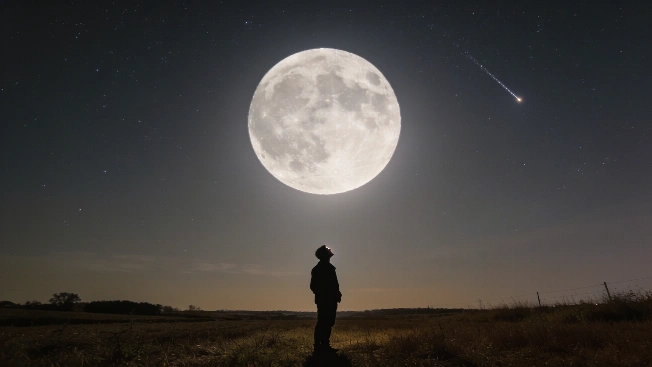
Bright Moonlight Limits Meteor Shower Viewing as Delta Aquariids Peak
The Southern Delta Aquariids and Alpha Capricornids meteor showers peak on July 30 to 31, but a nearly full moon will significantly reduce visibility of fainter meteors for observers across North America.
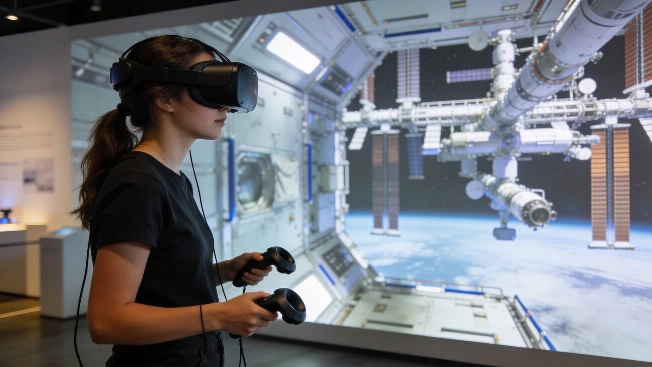
Virtual Reality Brings the International Space Station to Earth
A new VR experience, Space Explorers: The ISS Experience, uses real footage and astronaut collaboration to simulate life aboard the International Space Station, offering the public an immersive look at orbital science and daily routines.
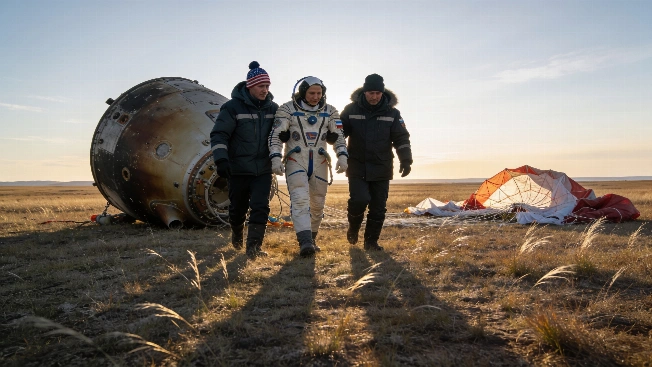
Soyuz MS-28 to Return NASA and Roscosmos Crew from ISS July 26
NASA astronaut Chris Williams and Roscosmos cosmonauts Sergey Kud-Sverchkov and Sergei Mikaev returned from the International Space Station aboard Soyuz MS-28, which landed in Kazakhstan on July 26.
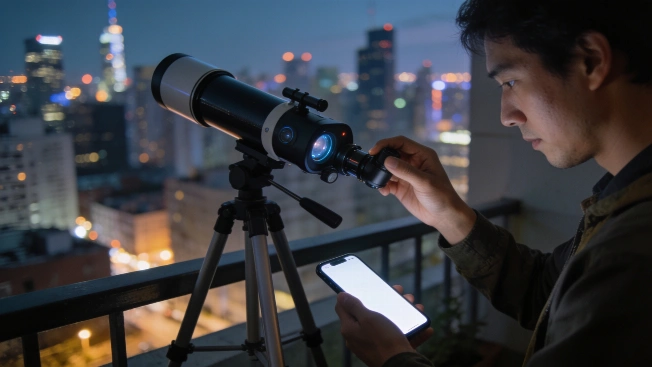
Seestar S30 Pro Smart Telescope Expands Urban Astrophotography Access
The Seestar S30 Pro pairs a high-resolution sensor with dual cameras and automated image processing in a compact, smartphone-controlled telescope, bringing deep-sky imaging within reach even from light-polluted locations.
Part 7 of 9